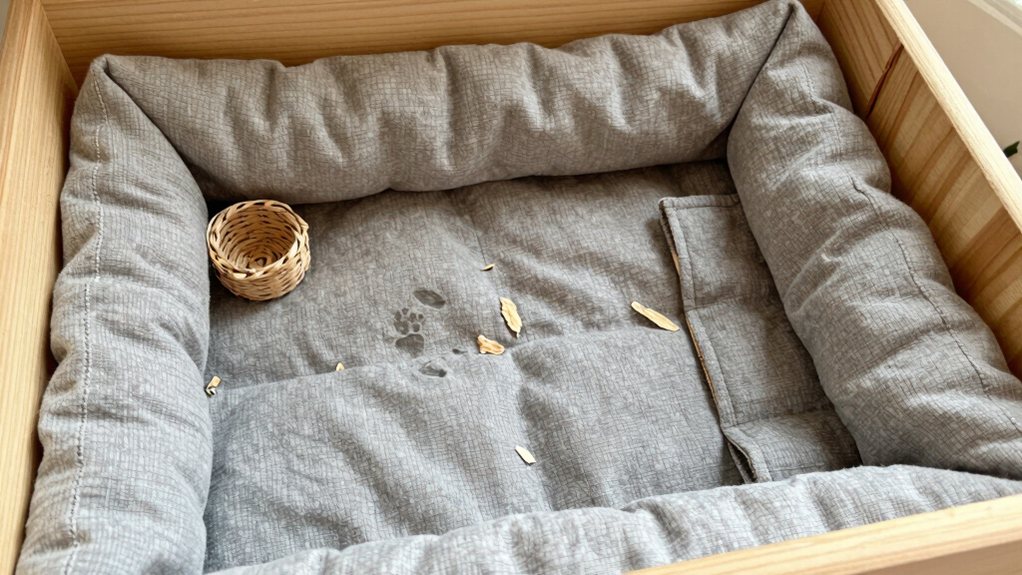
You’ll know your dwarf hamster’s happy when it’s darting through tunnels at dawn or dusk, chirping like a tiny, excited bird. If it’s running on its wheel, stuffing cheeks with seeds, and rearranging hideouts with gusto, life’s good.
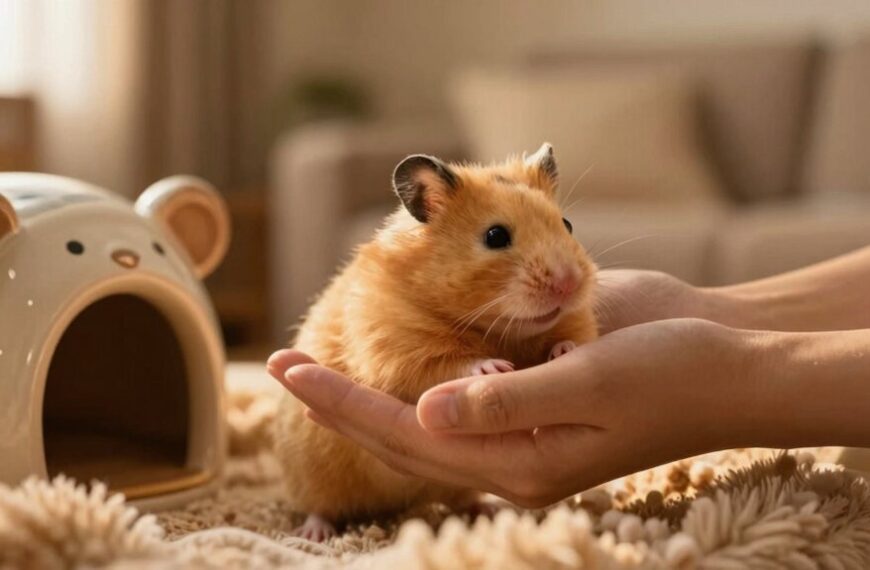
Soft fur, bright eyes, and playful squeaks are solid wins. It’ll even climb onto your hand for a treat, no hesitation.
Stressed? That’s hiding, freezing, or grumpy nips. Keep an eye out, there’s more where that came from.
Look for Dawn and Dusk Activity Spurts

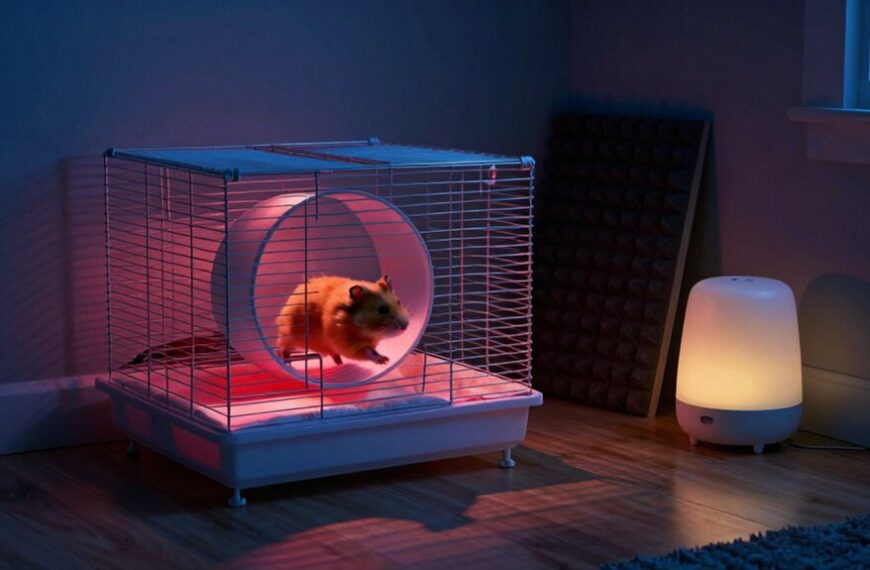
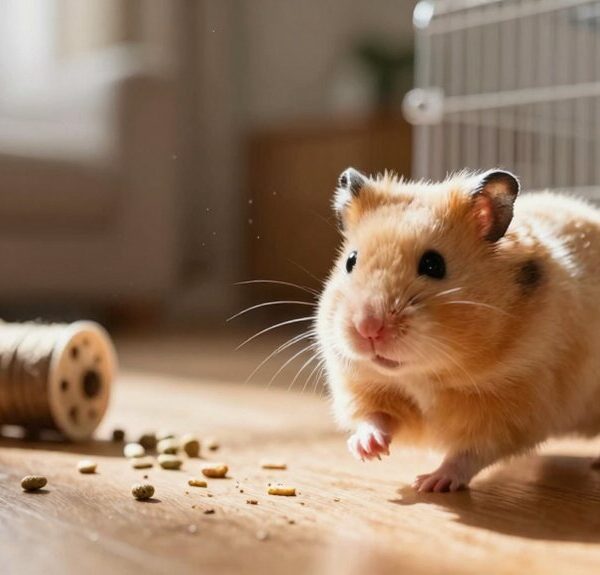
While your dwarf hamster mightn’t send you a happy text or give you a high-five, you can still tell how they’re feeling, especially by noticing when they’re most active. Dwarf hamsters are crepuscular, meaning they love zooming around at dawn and dusk.
Your dwarf hamster may not text their feels, but their dawn and dusk zoomies say it all—happy hamsters are busy ones!
If you spot your little buddy running on their wheel or digging in bedding during these times, that’s a great sign! This natural nocturnal behavior shows they’re comfortable and full of energy.
Happy hamsters explore their cage with curiosity, sniffing corners and rearranging tunnels like tiny interior designers.
Cage exploration during twilight hours means they feel safe and stimulated.
So, if your hamster’s party starts when you’re sipping morning coffee or winding down at night, take it as a furry compliment. They’re not being weird—they’re just being hamsters!
Keep their world fun and fresh, and those dawn and dusk dashes will keep coming.
Their crepuscular rhythm aligns with their wild ancestors’ strategy to avoid predators, making nocturnal behavior a sign of both instinct and well-being.
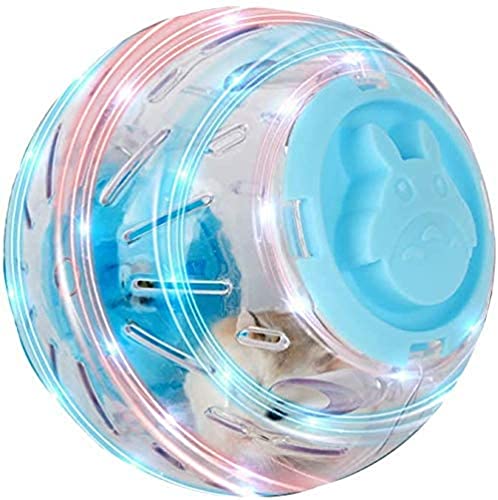
[product size]: S: 12.5cm/4.92inchfor Hamsters Less Than 4 inches 10 cm in Length.【Safe & Environmentally Friendly Materials】: Our hamster exercise ball is made of brand-new PC material. Safe, No Smell, Sturdy and durable, not easy to wear and corrosion.Well protect the health of pets.
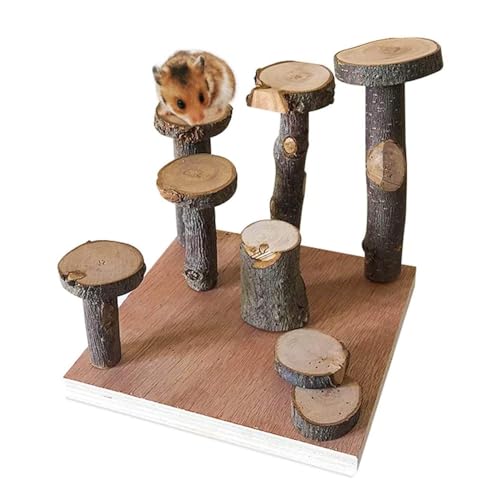
SPECIFICATION -Hamster apple wood platform size: 5.9" x 5.9" x 5.9"(L*W*H). Suitable for gerbil mouse rat and small bird.

What Happy Dwarf Hamsters Sound Like?
Ever wonder what a happy hamster sounds like? You’re in for a treat, happy dwarf hamsters often make soft, squeaky chirps when they’re exploring or munching on a favorite snack. It’s like their tiny way of singing in the shower!
You might also hear playful squeals during zoomies or while nudging their toys. These sounds mean your little buddy is feeling safe and full of joy. Don’t worry if it sounds a bit loud—hamsters aren’t exactly known for volume control.
Just like people, each hamster has a unique voice, so pay attention to what’s normal for yours.
If the squeaky chirps and playful squeals happen during calm moments or fun activities, you’ve probably got a content critter.
Keep listening, because those little sounds? They’re your hamster’s happy heart talking.
See If They Use Their Wheel and Hideouts
If your dwarf hamster’s wheel is spinning like a tiny fitness instructor just cut a deal, that’s a great sign they’re happy and healthy. A well-used wheel means your little buddy is full of energy and engaging in natural play behavior.
Don’t worry if they’re a night owl, hamsters love running under moonlight!
Check their hideouts, too. If they’re snuggling, sleeping, or stuffing them with snacks, they feel safe and content.
A happy hamster explores, hides, and reorganizes like they’re starring in their own home renovation show.
While dwarf hamsters aren’t big on social interaction like dogs, they still enjoy routine care and gentle attention from you.
Watch how they move between toys, wheel, and hideouts, smooth, curious motion shows they’re thriving.
Seeing them active and cozy? That’s the hamster version of smiling. You’re doing great, keep up the cozy digs and fresh bedding!
A well-ventilated cage with 5 mm ventilation openings helps maintain air quality and supports your hamster’s respiratory health.
Watch Their Food-Hoarding Habits

You’ve already spotted your dwarf hamster zipping through the wheel and curling up in their hideout like a tiny, furry burrito. Now let’s talk about what they do with that pile of food you just refilled.
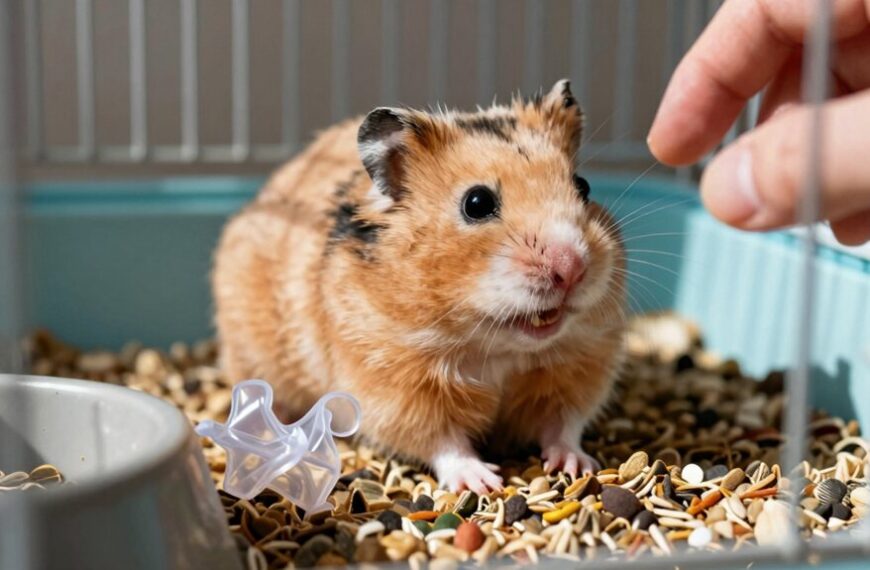
Happy hamsters stash their snacks, often moving food to different corners like little chefs prepping for a five-star hideout dinner. Watch where they stash it. Do they tuck seeds near their favorite nesting materials? That’s a good sign!
Happy hamsters stash snacks like tiny chefs prepping a five-star hideout feast—watch where they tuck seeds. Near nesting fluff? That’s a cozy, content clue!
Hoarding shows they feel safe and organized. If they’re ignoring certain treats, it might just be their food preferences. Not every hamster’s a fan of sunflower seeds.
Don’t worry if your pet turns their cage into a snack treasure map. It’s not greed. It’s instinct.
A busy hoarder is usually a content hamster, turning meals and fluff into a cozy, well-stocked life. Keep an eye out. It’s adorable and telling.
Cheek pouch use during hoarding is a natural behavior that allows hamsters to transport food efficiently, reflecting their instinctual preparation for food scarcity.

【Mini Size for Your Pets】 This is S size for small furry animals, about 6.1x3.74x7 inch(15.5x9.5x18 cm). Highly recommended for dwarf hamsters, small gerbil, mice, and other similar-sized pets, fits for them when run without bending their backs.
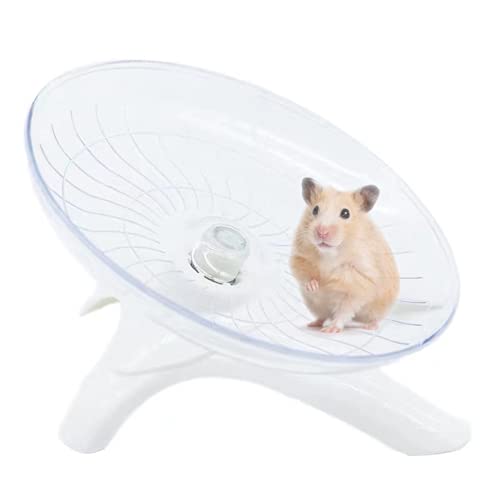
Item Specifications: Item Weight 110g/, 3.88ounce, 18*12*14 cm/7.08*4.72*1.57 inch

✔ SAFE - The axle-free design eliminates a dangerous center bar, reducing the risk of fur/tail entanglement, pet wrap-a-round, curvature of the spine, and other injuries.
Do They Take Treats From Your Hand?
What does it mean when your dwarf hamster scurries over and snatches a treat right from your fingertips?
It’s a strong sign they’re happy and feel safe around you.
This playful behavior shows trust and comfort, especially if they come enthusiastically instead of hiding.
Hand-feeding builds positive social interaction and strengthens your bond over time.
They’ll stretch toward your hand, sniffing curiously before grabbing the snack.
A relaxed posture means they’re calm, not scared.
Repeated visits for treats signal growing confidence.
Gentle nibbling (not biting) is their way of saying thanks.
It might take days or weeks, but patience pays off.
When your tiny friend starts racing to your hand, it’s like getting a furry high-five.
You’re more than a food dispenser—you’re part of their inner circle now.
Keep offering treats, and watch the trust grow.
Stressed vs. Happy Dwarf Hamsters: Key Differences
Ever wonder why your dwarf hamster sometimes acts like a tiny, furry tornado while other times they’re chill as a cucumber in a sunbeam?
Spotting the difference between a stressed and happy hamster isn’t rocket science, but it helps to know what to look for.
A happy hamster has soft, sleek fur texture, no patchiness or dullness.
Soft, sleek fur with no patchiness or dullness? That’s your dwarf hamster saying, “I’m happy, and I feel safe!”
Their eyes are bright and alert, like little black pearls catching the light.
If your hammy’s fur looks ruffled and their eyes seem dull or half-closed, they might be stressed.
Happy dwarfs explore, snack enthusiastically, and groom themselves.
Stressed ones might freeze, hide nonstop, or even nip more than usual.
Watch their behavior closely.
Small changes speak volumes.
You’ve got this!
A little attention goes a long way in keeping your pint-sized pal feeling safe, seen, and seriously content.
A happy hamster may even climb onto your hand voluntarily, a clear sign of established trust.
Final Thoughts
You’ve got a happy dwarf hamster if they’re zooming at dusk, munching treats from your hand, and using their wheel like it’s a sports car. Listen for soft squeaks, not grumpy hisses, and check that their hideout looks lived-in, not abandoned.
A little food stash? Normal. A stressed mess? Not so much. You’re doing great, keep being awesome, and your tiny buddy will keep thriving.

Complete 94-Piece Tunnel Tube Set - This DIY hamster tunnel kit includes 94 pieces, such as clear tubes, curved tubes, T-shaped tube parts, connector rings, clips and cage wall accessories. Build a colorful tunnel system to expand your pet’s activity space and create more ways to explore.

INTERESTING TUNNEL TOYS: Are you still looking for fun toys for your pet? This small wooden adventure mice tunnel is one of choices for keeping your pets natural. The small wooden adventure tunnel is also a great exploring toy for small dwarf hamsters, gerbils, mice and other pets of similar size, it's not recommanded for Syrian Hamsters or similar sized pets

Naturally Air-dried: Every sprig is hand-picked from whole plants and air-dried. Each stem is neatly trimmed, retaining its natural color and scent. Material: dried plant stems only. Suitable for pets to sniff and explore. Always supervise your pet during use. Store in a dry, dark place away from moisture, and handle gently as petals may shed if squeezed