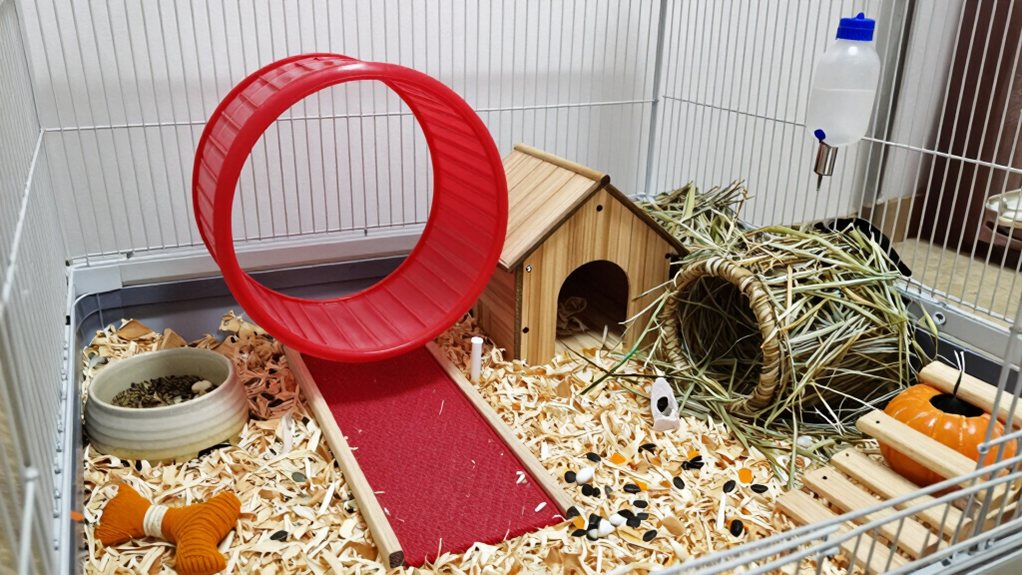
Your hamster gets cage rage because tiny spaces and boredom stress them out, imagine being stuck in a closet with nothing to do. Without enough room to run, hide, or explore, they get restless, anxious, and act out, like chewing bars or biting hands.
Even though they’re solitary, they still need toys, tunnels, and mental fun to stay happy. It’s not true anger, just pent-up energy and unmet needs. You’ll be surprised what a bigger cage and a few cardboard tubes can do.
Signs Your Hamster Has Cage Rage
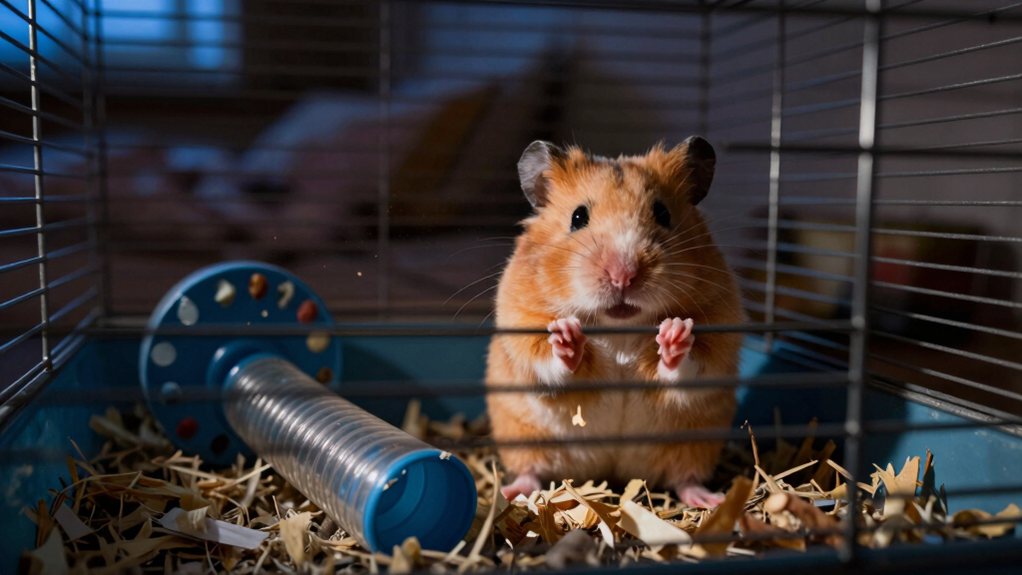
Ever wonder why your usually sweet hamster suddenly acts like a tiny, furry tornado in a cage? It might be cage rage.
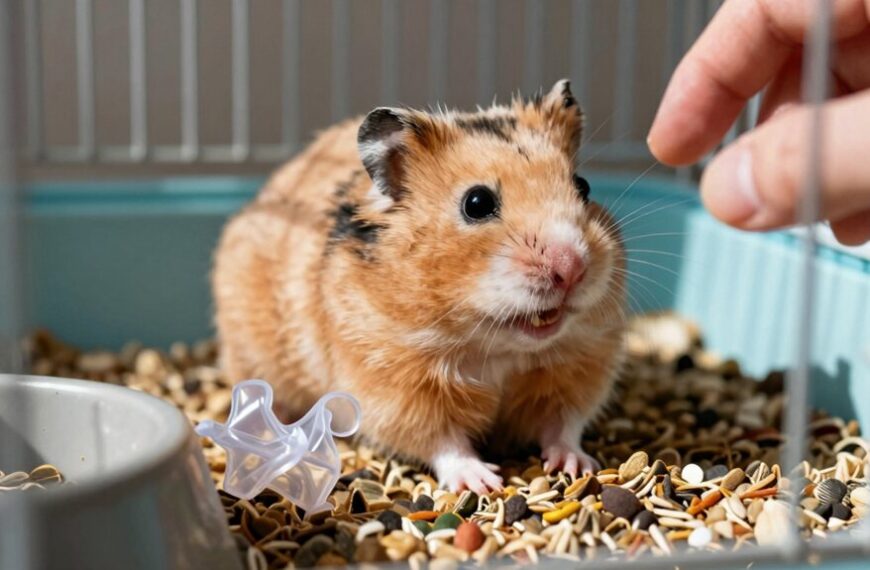
If your hamster lunges when you reach in, especially near food, that’s food aggression, a big red flag.
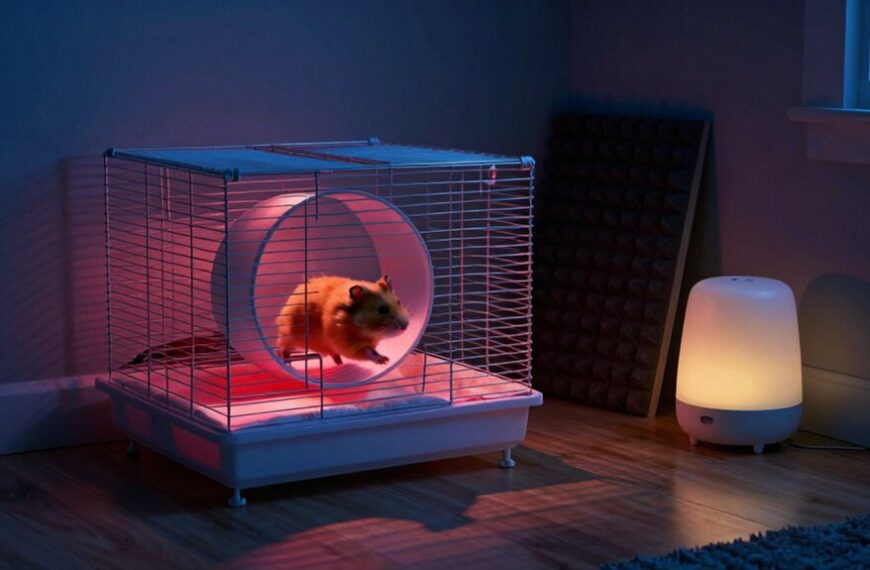
Maybe they used to nap peacefully, but now they’re up all night, scrambling nonstop. That’s sleep disruption, and it’s more than just a bad bedtime.
They might also chew the bars constantly or freeze when you talk to them.
These aren’t just hamster quirks, they’re cries for help.
A cramped or boring cage can drive even the calmest critter a little nuts.
Think about it, would you relax in a closet with nothing to do?
Give your little buddy more space, toys, and quiet time.
You’ll both sleep better, and your hamster might just stop treating you like the enemy at dinner.

【Upgrade Installation & Air Ventilate】Compare with 1.0, we have simplified the installation steps of the front door in this version, which can be easily completed in only 2 steps. But it doesn't affect the large door on the front side and a roof vent to bring fresher air to the pet’s habitat or change bedding, set up new toys from the top, but also open the front door to feed hamsters or interact.

Extra Large: Featuring toys galore, the hamster habitat contains tunneling, a wheel, ramps, and a hut. Spot your little guy mid-tube, mid-ladder, or catching a drink of water after the fun. This hamster playhouse provides not only a multi-story, five-tier design but activities to enjoy.

【Thick Bedding Matters】Research shows it’s best to have plenty of bedding so your hamsters can make a burrow just like they would in the wild. The extreme large interactive space of our cage is able to hold thick bedding and toy system for your pets to dig and explore. It's easy to arrange their hideout, sand bath area, hamster wheel, or exploring scene in the cage, which results in a far happier and less stressed hamster compare to the wire cage. We offer 4 different sizes, feel free to choose from 24-48in length. Note: The inner decoration is not included in the package
What Is Cage Rage in Hamsters?
You mightn’t realize it, but cage rage is when your hamster gets stressed from being stuck in a small or boring space for too long.
You’ll notice it acting jumpy, biting the cage bars, or running nonstop like it’s training for hamster Olympics.
It’s their way of saying, “Hey, I need more room and fun stuff in here!”
What Is Cage Rage
What exactly goes on when your usually sweet hamster suddenly starts acting like a tiny, furry tornado in a cage?
Cage rage isn’t about actual anger, it’s stress from boredom, lack of space, or too much time in isolation.
Unlike animals with a hamster hierarchy or need for constant social interaction, your little buddy is naturally solitary but still craves mental stimulation.
When their environment doesn’t meet these needs, they might chew bars, run nonstop, or nip at your hand.
It’s their way of saying, “Hey, I need more to do!”
You can help by giving them room to explore, toys to play with, and quiet time to rest.
Think of it like cabin fever in a shoebox.
With a little love and creativity, you’ll turn that tornado back into a calm, curious cutie.
After all, happy hamsters make for happy owners!
Signs Of Distress
How can you tell when your hamster’s just in a bad mood and when something’s really wrong? Look for signs of distress like food aggression, when your usually chill pet suddenly chomps the air when you offer a treat. That’s not cute, it’s a cry for help.
Sleep disruption is another red flag. Hamsters are nocturnal, but if yours is constantly awake, restless, or seems stressed during their downtime, something’s off.
They might also over-groom, chew the cage bars, or freeze up when you approach. These behaviors aren’t just quirky, they’re signals.
Maybe their space is too small, or they’re bored out of their tiny minds. Pay attention, because even small creatures need peace of mind.
A happy hamster isn’t just active, they’re calmly curious, not acting like a tiny, furry tornado. You’ve got this, your little buddy just needs a little understanding.
How Small Cages Cause Cage Rage
Ever wonder why your hamster sometimes acts like a tiny, furry tornado of frustration? It might be because their cage is way too small. When cage size doesn’t allow room to explore, run, or even just stretch, your little buddy can start feeling stressed—fast.
Just like you’d feel restless stuck in a closet all day, hamsters need space to stay happy and healthy. Without it, their mental health takes a hit, leading to what some call “cage rage.” They might bite, pace, or flip out during handling.
A cramped home limits natural behaviors, making boredom and anxiety build up. Think of it like being grounded forever, but fluffier.
Can Boredom Make Hamsters Aggressive?
You know that restless feeling when you’ve been stuck doing nothing all day? That’s exactly how your hamster might feel if their cage is bare and boring, no toys, no tunnels, just four walls and a wheel.
Without enough to chew, climb, or explore, they can get seriously grumpy. And yeah, even a little feisty with you.
Lack Of Stimulation
What’s going through your hamster’s mind when they’re biting the cage bars or charging at your hand? It mightn’t be anger, it could be boredom screaming for attention.
When your tiny buddy faces social isolation and sensory deprivation, their world feels dull and lonely. Hamsters aren’t just fluff with tiny feet, they’re curious, active creatures who need things to do.
Without toys, tunnels, or time outside the cage, they get restless, really restless. That lack of stimulation can turn into cage rage, making them act out in ways that seem aggressive.
But hey, would you be chill stuck in a bare room all day? Probably not.
Mix it up with chew toys, wheels, and daily playtime. A little variety keeps their mind sharp and their mood bright.
Turn that cage from a snoozefest into a hamster paradise, and maybe save your fingers from surprise nips.
Limited Environmental Enrichment
Could a bare cage really be the culprit behind your hamster’s grumpy mood?
When you don’t give your little buddy enough to do, boredom can set in, fast.
In their natural habitat, hamsters explore, dig, and forage all day. A plain cage just doesn’t cut it.
Without toys, tunnels, or things to chew, your hamster might act out, showing signs of cage rage.
Their social behavior isn’t demanding, but mental stimulation is a must.
- Add chew toys to keep teeth and tempers in check
- Include tunnels for hiding and exploring
- Rotate toys weekly to prevent boredom
- Use puzzle feeders to mimic foraging
You’re more than just sprucing up a cage—you’re enriching a life.
A happy hamster is a busy hamster!
How to Prevent Cage Rage With Enrichment
Ever wonder why your hamster sometimes acts like a tiny, furry tornado of frustration? It might be cage rage, and the fix is simpler than you think. You can prevent it with smart enrichment.
Rotate toys regularly, yes, toy rotation keeps things fresh and exciting. A cardboard tube today, a chew toy tomorrow, it’s like surprise gifts for your hamster!
Also, don’t forget social interaction. Spend time near their cage, talk softly, or offer a hand safely. They’re not super social like dogs, but they notice you.
Add tunnels, wheels, and dig boxes to spark curiosity. A busy hamster is a happy hamster.
Mix in new scents or rearrange their space weekly. Boredom’s the enemy, and you’ve got the tools to beat it.
Turn their cage into a mini adventure park, and watch that rage melt into playful zoomies. You’ve got this!

Product Fun:Pet foldable tunnel fit any cage and satisfy their natural tunneling to run and hide instinct,relieving boredom,encourages their exploration,exercise and activity

【Package Included】 12.5cm. Tunnel diameter: 5.5cm, suitable for hamsters, ferrets and guinea pigs and small pet. Our hamster cage tubes kit has 16pcs hamster tubes, 2pcs external pipe connection plates, 2pcs hamster tube cap and 1pcs hamster wheel. No Smell, sturdy and not easy to wear and corrosion.Well protect the health of pets.

Complete 94-Piece Tunnel Tube Set - This DIY hamster tunnel kit includes 94 pieces, such as clear tubes, curved tubes, T-shaped tube parts, connector rings, clips and cage wall accessories. Build a colorful tunnel system to expand your pet’s activity space and create more ways to explore.
Best Cages for Calm Hamsters

You’ve already started fighting cage rage with fun toys and cozy tunnels, but let’s talk about the real foundation of a happy hamster: their home.
The right cage can make all the difference in keeping your little buddy calm and curious, not cranky.
Look for these key features:
- Spacious design that gives your hamster room to run, dig, and explore
- Escape-proof bars with narrow spacing, those Houdini skills are real!
- Easy-to-clean trays because, let’s be honest, mess happens
- Natural bedding space for nesting and digging, just like in the wild
A great cage supports their instincts and reduces stress.
When your hamster feels safe and has space to be themselves, they’re way less likely to go full “cage rage.”
So invest in a home that’s roomy, safe, and cozy.
Your fuzzy friend will thank you with happy cheek pouches and fewer midnight sprint sessions.
When Aggression Isn’t Cage Rage: See a Vet
What if your hamster’s grumpy mood isn’t just about a cramped cage or a bad hair day? Sometimes, aggression comes from something deeper.
While cage rage is real, not every bite or hiss means your pet needs more space. Some hamsters have a genetic predisposition to being feisty, think of it as their personality: like a tiny furry grump with attitude.
But if your usually sweet buddy suddenly acts angry or withdrawn, it might be an underlying illness. Pain, infections, or even dental issues can make your hamster snap.
You wouldn’t feel chatty with a toothache, right?
That’s why a vet visit is key. A good checkup can rule out health problems and get your little one back to happy, curious sniffs.
Don’t guess—get help. Your vet knows hamsters better than Google, and your pet will thank you.
Why Hamsters Get Stressed in Small Cages
A sudden change in mood might’ve you wondering if something’s wrong with your hamster’s setup, especially if vet visits check out fine.
Turns out, small cages can seriously stress them out. Here’s why:
Tiny spaces limit movement, going against their natural urge to explore and dig.
It’s in their genetic predisposition to stay active.
Being stuck in one spot with no room to roam feels like hamster prison.
Talk about a bad roommate situation, even if they’re alone by choice.
Social isolation isn’t usually the issue. They’re loners by nature.
But boredom from lack of stimulation? Big problem.
No space means no mental challenges, leading to stress, pacing, or even grumpiness.
That’s aka cage rage.
Give your little buddy room to zoom, hide, and be curious.
They’ll thank you with fewer bites and more belly rubs.
Okay, maybe just fewer bites.
Final Thoughts
You’ve got the power to turn your hamster’s tiny world into a happy one. Small cages and boredom really can lead to cage rage, but with the right space, toys, and love, you’ll keep your little buddy calm and curious.
Think of it like upgrading from a closet to a studio apartment, game changer! So go ahead, spoil your hamster a little. They’ll thank you with fewer bites and more adorable wheel runs.

Weight: One pack of 250g apple sticks for pet rodents includes premium hamster chew sticks. Dimensions are controlled within a reasonable range, with each stick having a length of about 4.5 inches and a diameter no more than half an inch

🐹【Hamster Chewing Toy Set】Hamster chewing toy made of natural wood, durable apple branches as molar tools for your pets, timothy grass cake rich in dietary fiber promotes digestion, rolling seaweed balls, wooden seesaws and swings, and extra long play pipeline and various fun toys can keep your little pet healthy and happy.

🌴【100% Natural Materials】All rabbit chew toy balls are made of natural materials and hand woven. The rolling balls use natural seaweed, rattan, corn husks, Timothy grass, etc, which are safe for your pet and can be used with confidence.