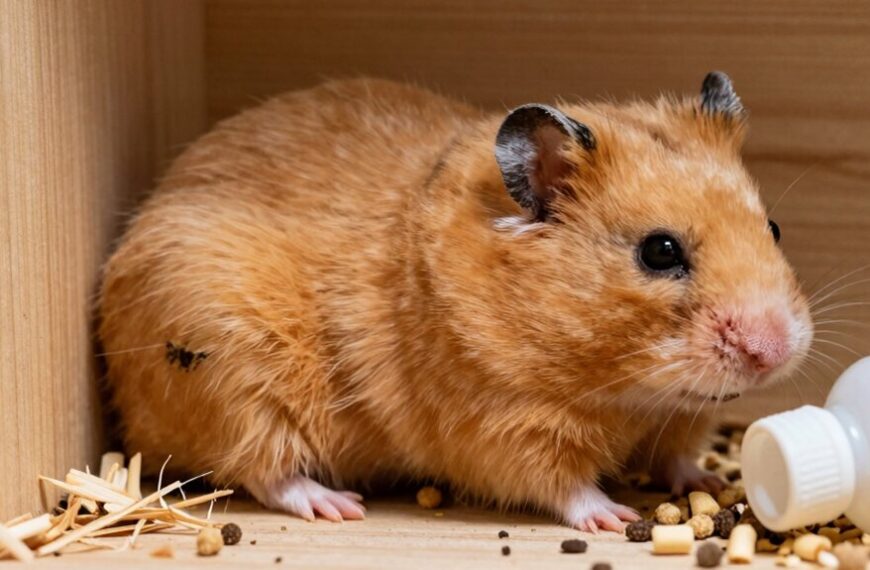
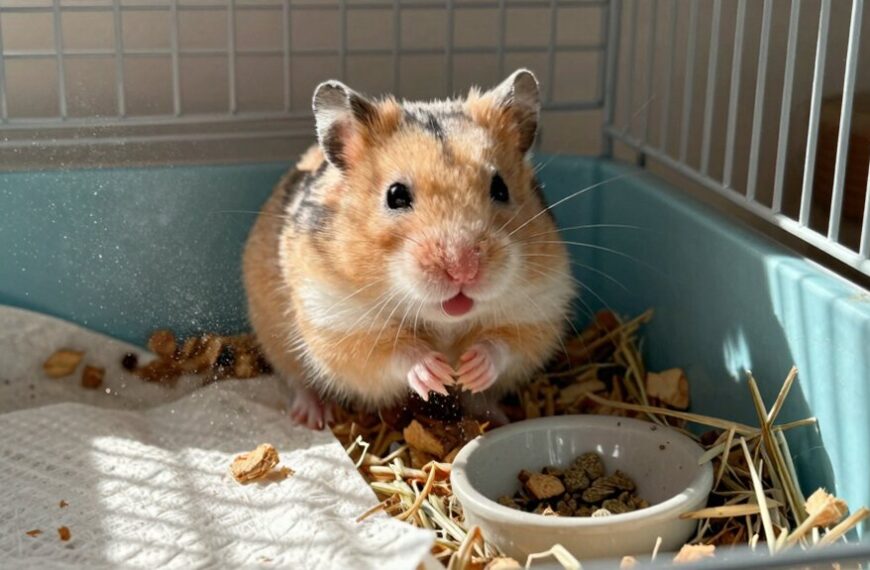
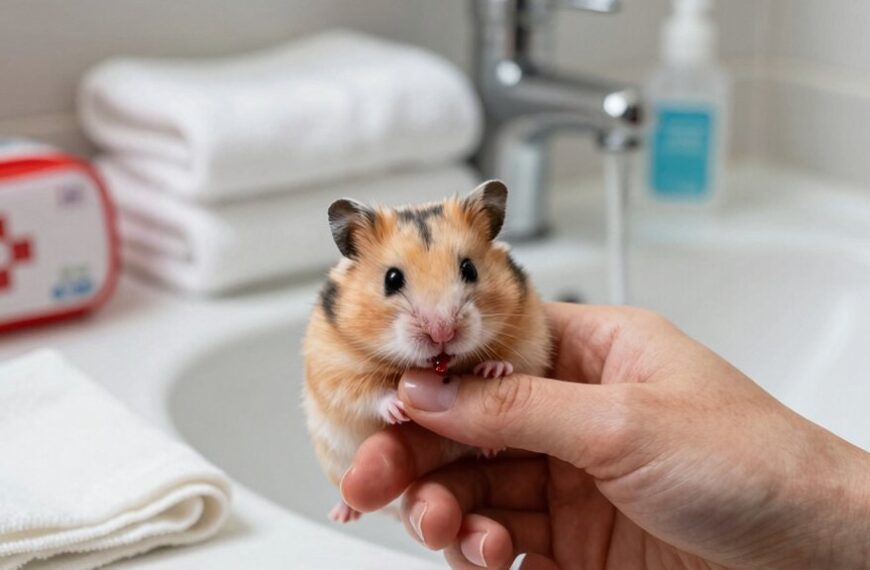
Your hamster might slow way down, stop eating treats, and sleep more than your couch-loving dog. You’ll notice less grooming, weight loss, and maybe some hiding or grumpiness.
Labored breathing or a messy tail are red flags. He might not hop around like before, just snoozing in his cozy nest.
It’s tough, but keeping him comfy and loved makes all the difference. There’s more to know about helping him feel peaceful during this quiet time.
How to Tell If Your Hamster Is Dying?

Ever wonder how you’ll know if your little hamster buddy isn’t feeling well, or worse, is nearing the end of their life? Keep an eye out for changes in energy. Hamsters slow down a lot when they’re unwell.
If your furry pal stops grooming, you might notice fur loss or matted patches. That’s a red flag.
Another big one is wet tail, a smelly, gooey mess near their rear end. It’s serious and needs a vet fast.
They might stop eating, drink less, or huddle in a corner more than usual.
Heavy breathing or wobbling when they walk aren’t good signs.
Sure, hamsters are tiny drama queens, but real illness isn’t a performance. Trust your gut. If something feels off, it probably is.
You’re their hero, so catching things early can help. Stay calm, stay kind, and give them extra cuddle-time if they’ll allow it.
A noticeable weight loss can occur rapidly due to decreased food intake and is often linked to underlying health issues like digestive problems or dental pain.
Physical Signs of a Dying Hamster
You’ve probably noticed your hamster acting a little off lately, maybe they’re not zooming around the cage like their usual tornado self. That’s often the first clue something’s wrong.
When your hamster slows down and loses that whirlwind energy, it’s often the first sign something’s not right—pay attention, your little friend needs you.
As your little buddy nears the end, you might see physical signs like droopy fur, sunken eyes, or weight loss.
Wet tail, a serious condition, can cause a messy, wet bottom and foul smell—don’t ignore it.
Labored breathing is another red flag. If their sides are heaving or they seem to gasp, it’s time to call the vet.
They may also hunch in a corner, shivering or unresponsive.
While it’s tough to see them like this, knowing these signs helps you care for them better.
Stay calm, keep them warm, and offer soft foods. You’re doing your best—and that matters most.
A common underlying cause of these symptoms is heart disease, which is the most frequent cause of death in aging hamsters.
Behavioral Changes in Dying Hamsters
What’s going on when your usually feisty furball suddenly acts like a tiny, grumpy hermit?
Well, as hamsters near the end, their behavior often shifts in ways that tug at your heart.
You might notice an aggression increase—even gentle nibbles turn into grumpy snaps.
It’s not personal, they’re just feeling lousy.
Appetite loss is another big clue.
Your once enthusiastic snack-time buddy may ignore treats or leave food half-eaten.
They’ll sleep more, move less, and might hide when they used to explore.
These changes aren’t just “getting old.”
They’re signs your little pal is struggling.
Stay patient and calm.
Offer comfort with soft bedding and quiet time.
While it’s tough to see them slow down, your love makes their final days warmer.
You’ve got this, and so do they.
How to Help a Dying Hamster

Make your hamster cozy with soft, clean bedding so they feel safe and warm.
Keep an eye on their breathing. Slow or shallow breaths are common, but staying calm helps you both get through it.
You’re doing great just by being there, even if all you’re doing is gently talking to them like they’re still your tiny, sleepy buddy.
Provide Comfortable Bedding
When your little buddy isn’t bouncing around like his usual self, giving him a cozy place to rest can make a big difference.
Even if his hamster nutrition is on point and his exercise routine was once full of wheel spins and tunnel dashes, he now needs soft, warm bedding more than ever.
Skip the cedar or pine shavings, they can irritate his lungs.
Instead, go for paper-based or aspen bedding, it’s gentle and comfy.
Fluff it up like a tiny five-star hotel bed.
Add a small hideout or soft cloth for snuggling, think of it as his little zen den.
You’re not fixing everything, but you’re making his final days peaceful.
And hey, that matters more than any gourmet seed mix or marathon run.
Just being there, making it soft and quiet, that’s love in hamster language.
A bedding with 99.9% dust-free properties helps protect his sensitive respiratory system during this fragile time.
Monitor Breathing Patterns
Ever notice how quiet things get when your hamster stops zooming around? That stillness can be a sign something’s off, especially with their breathing. Keep an eye out for abnormal breathing, like wheezing, gasping, or breaths that come too fast or too slow. These could signal respiratory distress, which is serious but not always sudden.
Gently watch your little buddy from a short distance. No need to stress them out. If their sides are heaving or they’re breathing through an open mouth, it’s time to act.
Stay calm and keep their space warm. Call your vet.
You don’t need to be a vet to care. You’re already doing great just by paying attention. And hey, even in still moments, your presence is comfort. You’ve got this.
Keeping Your Dying Hamster Comfortable

Make your hamster’s last days as cozy as possible by giving them a soft, clean bed of shredded paper or fleece.
They’ll appreciate the snuggly setup more than you’d think.
Keep their space quiet and away from loud noises or busy foot traffic.
Even grumpy little furballs deserve peace when they’re feeling under the weather.
And hey, talk to them gently, play some chill music, or just sit nearby.
Sometimes, just knowing you’re there makes all the difference.
Soft Bedding Setup
A cozy nest can make all the difference for your little buddy in their final days. Setting up soft bedding is one of the kindest things you can do.
Choose a bedding material that’s gentle on tiny paws, think unscented paper-based or fleece liners, not rough wood shavings.
Hamsters love to burrow, even when they’re not feeling well, so encourage their natural nesting behavior by adding soft, clean strips they can tuck around themselves.
Fluff it up a bit so it’s warm and inviting, like a tiny five-star hotel.
Check the nest daily to keep it dry and clean, no one likes a damp bed.
You know your hamster best, so if they nudge the bedding around or rearrange it, let them.
It gives them comfort and control.
This small act of love says, “I’ve got you,” even when words can’t.
A great option to consider is 100% natural, dye-free cotton, which is soft, safe, and supports healthy nesting behavior—ideal for a sensitive, ailing hamster. Choose materials like cotton-based nesting materials to ensure comfort, safety, and ease of burrowing during this tender time.
Quiet Environment Needed
Why does your hamster suddenly seem so sensitive to noise? When your little buddy is nearing the end, even the smallest sounds can feel like a rock concert in their tiny ears. That’s why peaceful surroundings are so important, they help your hamster feel safe and calm.
Move their cage away from TVs, loud pets, or busy hallways. Keep kids and other animals quiet nearby.
When you interact, use gentle handling, soft hands, slow moves, and soothing whispers go a long way.
Think of it like creating a cozy, zen den just for them. You’re doing more than reducing noise, you’re wrapping them in comfort. It’s like giving a quiet hug.
And hey, if you catch yourself whispering to your hamster like they’re a newborn, don’t worry, you’re not alone. It’s all part of the love.
When to Let Go: Making the Hard Decision
How do you know when it’s time to say goodbye to your little hamster friend? It’s never easy, but watching for signs like constant lethargy, labored breathing, or refusal to eat can help guide your choice.
When quality of life fades, it might be time to reflect on euthanasia options. Your vet can explain the process gently and compassionately, making it as peaceful as possible.
Don’t face this alone. Lean on family, friends, or online communities for emotional support. It’s okay to cry. You loved deeply, and that’s beautiful.
Think of it not as giving up, but as a final act of kindness. After all, even tiny heroes need rest.
You’ve given snuggles, treats, and a warm home. Now, peace is the last gift. It’s tough, but you’re doing right by your whiskered pal.
And hey, somewhere, a hamster-shaped star just twinkled.
Final Thoughts
You’ve given your little buddy love, snacks, and a cozy home. Now just be there.
Sure, hamsters don’t throw farewell parties (wouldn’t that be something?), but your calm presence means the world. Keep things soft, warm, and quiet.
It’s okay to feel sad; you cared deeply. And hey, that tiny soul knew joy, thanks to you. That’s no small thing.