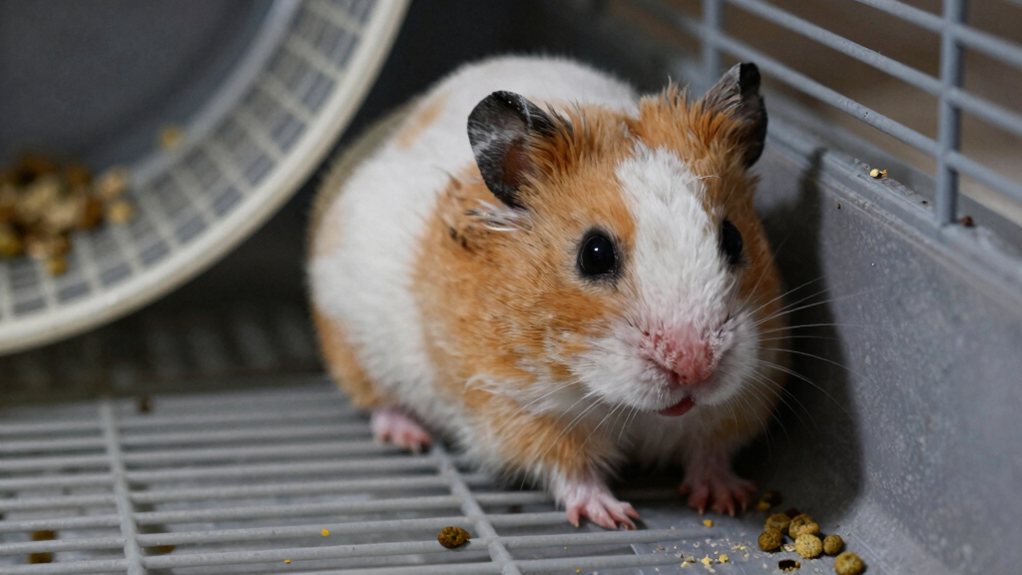
You might notice your hamster eating less, skipping sunflower seeds, yes, even their favorite treats, and losing weight fast. They’ll slow down, nap more, and ignore the wheel like it’s yesterday’s news.
Breathing may get labored, fur turns matted, and they’ll groom less, not out of laziness but tiredness. They hide more and seem distant.
These signs, while tough, are part of the process—and knowing them helps you be there when it matters most. There’s comfort in understanding what comes next.
7 Common End-of-Life Signs in Hamsters
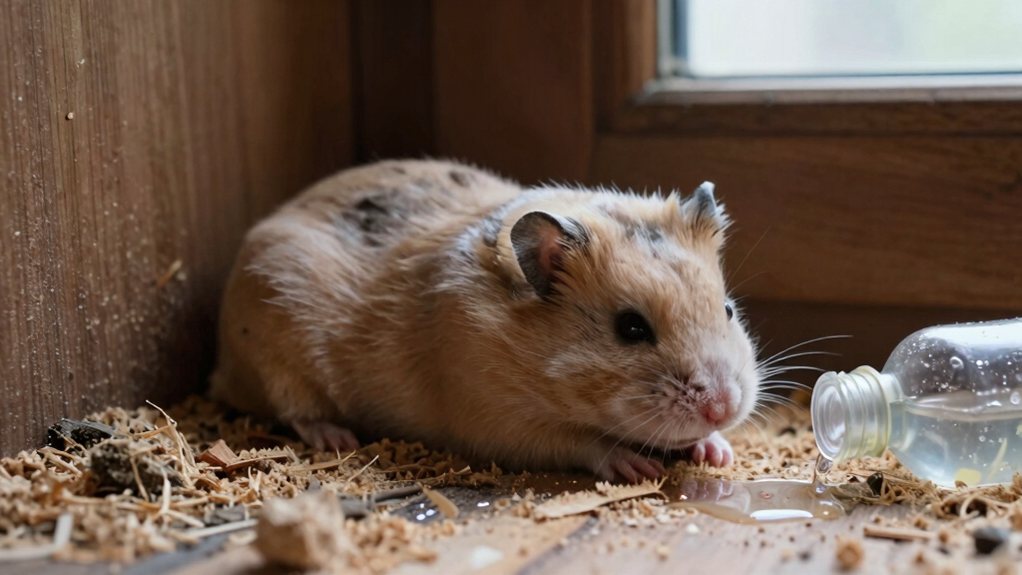
While your hamster can’t tell you in words when they’re struggling, they do send little signals, like a tiny furry Morse code, that something’s changing.
You might notice they’re moving slower, maybe skipping their nightly wheel sprints. That stiffness could be arthritis pain, making jumps and climbs tough.
Slower movements and missed wheel runs? Stiffness could mean arthritis, making once-easy jumps feel impossible for your little friend.
They may nap more, eat less, or ignore their favorite treats—signs their body is tiring.
Organ failure can sneak in quietly, showing as weight loss, labored breathing, or a messy, unkempt coat.
Their once-bright eyes might look dull or sunken.
Don’t panic—these changes don’t mean you did anything wrong.
Aging happens, even for our pint-sized pals.
Just keep them cozy, offer soft foods, and give extra love.
You’re more than a pet parent.
You’re their whole world.
And right now, your calm presence means everything.

【LOW DUST & ODOR CONTROL】A low-dust formula helps minimize dust during pouring and fluffing, while odor control helps keep your pet’s habitat fresh between cleanups. Ideal for owners looking for hamster bedding with odor control or rabbit bedding for an indoor rabbit.
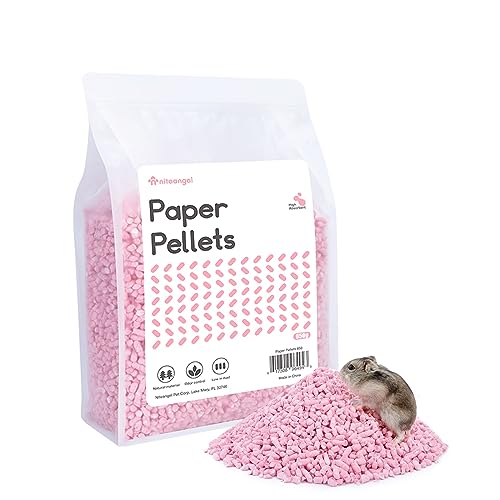
[Natural Material Paper Bedding] Are you still worried about the annoying smell of your tiny pet farm? Niteangel small animal paper bedding are made of natural pulp, which has strong water absorption, which can better absorb the annoying smell of the cage, and it will not deform in contact with water, allowing hamsters to have more fun rolling and digging.

【LOW DUST & ODOR CONTROL】A low-dust formula helps minimize dust during pouring and fluffing, while odor control helps keep your pet’s habitat fresh between cleanups. Ideal for owners looking for hamster bedding with odor control or rabbit bedding for an indoor rabbit.
Loss of Appetite: A Key End-of-Life Symptom
You might notice your hamster isn’t chowing down like they used to, and that’s a big red flag when they’re nearing the end.
As their appetite fades, you’ll likely see them lose weight and energy, kind of like how you’d feel if you skipped lunch, dinner, and snacks.
It’s tough watching your little buddy slow down, but knowing these signs helps you keep them comfy and cared for.
Loss Of Appetite
Ever wonder why your once-chipper hamster suddenly turns up their nose at their favorite sunflower seeds? Loss of appetite is a common end-of-life sign, and it’s more than just picky eating. Your little buddy might be dealing with digestive issues or painful dental problems. Imagine trying to eat with a toothache.
When chewing hurts or their tummy feels off, even yummy treats lose their charm. You might notice food left untouched, weight loss, or your hamster grooming less.
It’s tough to see them slow down, but understanding this helps you care for them with extra love.
Offer soft, easy-to-eat foods and keep their space cozy. While it’s a serious sign, remembering the happy nibbles and cheeky stash sessions can bring comfort. You’re doing great just by being there.
Weight And Energy Decline
Since your hamster can’t tell you when they’re feeling off, you’ve got to be their detective. One of the clearest clues that something’s wrong is when they start losing weight and energy.
You might notice weight fluctuations that surprise you. Your once plump pal now feels lighter, even through their cozy fur.
Their energy levels drop, too. Instead of zooming through tubes, they nap more and move slower. It’s like their internal battery is running low.
While hamsters love a good snooze, constant lethargy isn’t normal.
If they’re skipping treats or ignoring their favorite wheel, it’s a red flag. These changes often follow a loss of appetite, compounding the decline.
It’s tough to see them slow down, but your gentle care means the world.
Stay observant, offer comfort, and cherish those quiet moments. You’re their hero, even in stillness.
Lethargy in Older Hamsters
What’s going on when your once-zippy hamster starts spending more time napping than running on their wheel?
As hamsters age, it’s normal to see decreased activity and slowed movement.
Lethargy in older hamsters isn’t always a red flag. It’s often just part of getting older, like how your grandpa naps after folding laundry.
Here’s what you might notice:
- Your hamster skips late-night wheel sessions.
- They move in slow motion, like they’re in a tiny hamster slo-mo video.
- They sleep more deeply and are harder to wake.
- They show less interest in treats or toys they used to love.
It’s bittersweet, but this quiet phase is natural.
You’re still their favorite person.
Just enjoy the calm cuddles while they last.
Trouble Breathing: What to Watch For
Is your little buddy suddenly sounding like a tiny squeaky bellows? That’s not hamster jazz, it could be trouble breathing. Watch for wheezing episodes, where your pet makes high-pitched whistles with each breath.
You might also notice labored inhalation, like they’re lifting their shoulders just to pull in air. It’s not normal, and it can be scary to see.
Maybe they’re hunched up, moving slowly, or avoiding their usual wheel time. These signs often mean something’s off, maybe an infection or age-related change.
Stay calm, but don’t wait. Gently scoop them up, keep them warm, and call your vet. Breathing issues aren’t something to “wait and see” on.
You’re their hero, after all. A little love, and a quick call, could make their final days softer, quieter, and full of your comforting presence.
Matted Fur and Lack of Grooming
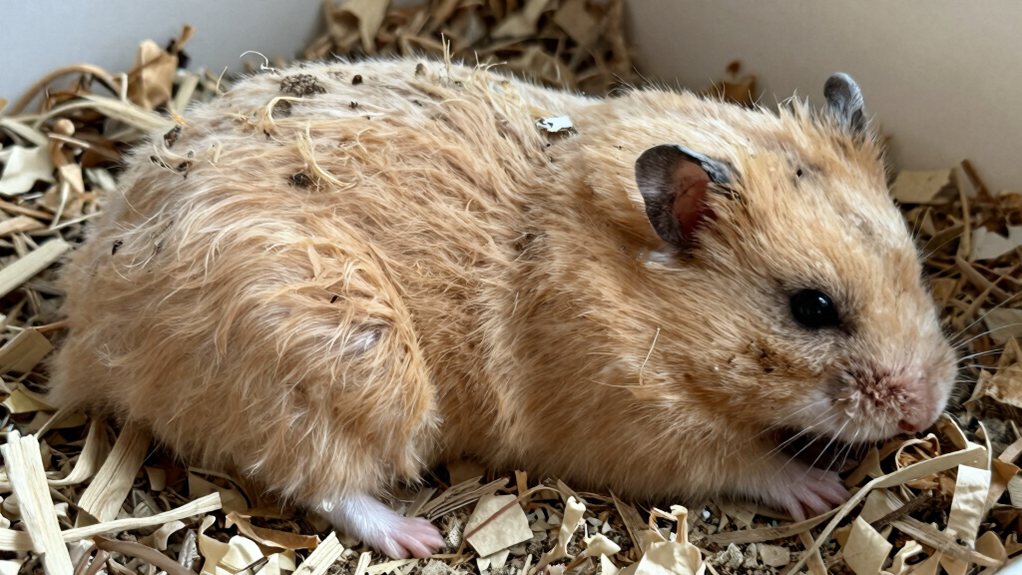
When your hamster stops sounding like a tiny accordion and starts looking a bit like a fluffball that’s seen better days, it might be more than just a messy phase.
A matted coat and hygiene decline are common end-of-life signs, meaning your little buddy just doesn’t have the energy to groom like before.
Fur matting isn’t just unsightly. It can trap moisture and lead to skin issues.
You’ll notice clumps near the tail, back, or underbelly where they can’t reach.
This isn’t laziness. It’s a real struggle.
Here’s what to watch for:
- Clumped, tangled fur that won’t brush out
- Dull, greasy-looking coat instead of soft and springy
- Droppings stuck in the fur, common near the tail
- Less movement during usual active times
Stay gentle, offer comfort, and keep their space clean.

ENHANCED BY NUTRITIONAL SCIENCE. The Kaytee Forti-Diet Pro Health Hamster & Gerbil Food is backed by the latest nutritional science to tailor a diet for your hamster or gerbil.

Natural Seeds And Grains

HAMSTER & GERBIL FOOD: Immerse your pet in the natural medley of our Garden Select Hamster & Gerbil Food; These pellets contain a garden-inspired, hand-selected recipe of timothy, orchard, and oat hay, resembling guinea pigs' natural habitats
Hiding More and Not Responding
Even if your hamster has always loved their cozy hideout, you’ll likely notice they’re spending more time tucked away and less time popping out to say hello, and that shift might tug at your heart a little.
When your once-curious buddy starts hiding more and doesn’t respond when you call or gently tap their cage, it could be a sign they’re nearing the end.
You might even catch them acting a bit grumpy. Increased aggression isn’t typical, but it happens when they’re not feeling well.
Some hamsters make unusual vocalizations, like soft squeaks or whimpers, especially if touched.
It’s not that they don’t love you anymore. They’re just tired.
Give them quiet space, soft bedding, and gentle words.
They still feel your care, even if they’re not popping out for cuddles.
When to Call the Vet for End-of-Life Care
You know your hamster best, so if you notice sudden changes like labored breathing or they stop eating altogether, it’s time to call the vet right away.
These signs, especially when paired with hiding more than usual, can mean your little buddy needs extra care fast.
It’s never wrong to check, because even in tough moments, you’re still their hero with a snack-filled pocket and a heart full of love.
Signs Requiring Immediate Attention
What’s that look in your hamster’s eye, just a sleepy blink, or something more?
You know your hamster best, and if something feels off, trust your gut.
When your tiny friend shows signs of distress, it’s time to act fast.
These signs mean it’s urgent:
- Seizure episodes – Twitching, jerking, or stiff limbs out of nowhere.
- Unsteady gait – Wobbling when walking, like they’ve had one too many hamster-sized espresso shots.
- Labored breathing – Chest heaving or gasping between nibbles.
- Sudden collapse – Going from active to motionless in seconds.
Don’t wait it out.
Call your vet right away.
Quick action can ease suffering or even buy more time with your little buddy.
You’ve got this, and so does your hamster.
Just one call could make all the difference.
Changes in Breathing Patterns
Breathing changes can be one of the quietest yet most telling signs that your hamster is nearing the end of their life. You might notice rapid breathing or labored breaths, where their little sides heave with effort, like they’re running a tiny, invisible marathon.
It’s not normal wheezing from a cold—this is different, deeper.
If their breaths are uneven, shallow, or they pause for seconds at a time, it’s time to call the vet.
These signs don’t mean you’ve done anything wrong. Sometimes, little bodies just wear out. Think of it like an old wind-up toy slowing down.
Stay calm, stay close, and let your vet guide you. Your hamster may not need fixing—they may just need peace.
And honestly, just being there, gently talking or stroking their fur, means more than you know. You’re doing great.
Sudden Loss of Appetite
Ever wonder why your hamster suddenly turns up their nose at their favorite sunflower seed? A sudden loss of appetite can be one of the clearest signs that your little buddy is nearing the end. Changes in feeding habits aren’t just picky eating. They’re often a red flag.
Food refusal in aging or ill hamsters is common and usually means they’re too weak or uncomfortable to eat.
Here’s what to watch for:
- Empty food bowl despite fresh offerings
- Dropping food mid-bite or ignoring treats
- Noticeable weight loss in just a few days
- Lethargy paired with no interest in snacks
If your hamster stops eating, it’s time to call the vet. They can help make your pet more comfortable, even if recovery isn’t possible. You’re doing great just by caring this much.
Final Thoughts
You know your hamster best, and seeing them slow down can tug at your heart. While these signs can be tough to witness, remember you’re giving them love and comfort when they need it most.
It’s okay to laugh at their tiny sneezes or messy fur, one last giggle together. Cherish those quiet moments, and don’t hesitate to call your vet. You’ve got this.


Applicable Scenarios: Suitable for home bedrooms, advertising promotions, and as a gift for various occasions.