Heart disease is the most common cause of death in hamsters, especially as they get older: think of it like their tiny engines just wearing out. You might not see it coming, since hamsters hide illness well. One day they’re zooming on their wheel, the next they’re gone. It’s sad, but normal.
Their little bodies are fragile, and genetics play a big role. Want to know what signs to watch for and how to keep your furry buddy healthier longer? There’s more to the story.
What Causes Hamsters to Die Suddenly?

Ever wonder why your hamster seemed perfectly fine one minute and then, out of nowhere, wasn’t? It’s heartbreaking, and you’re not alone in asking what happened.
Sudden death in hamsters can often be linked to genetic defects, tiny issues passed down that you’d never see coming. These little guys might look healthy but have weak hearts or other hidden problems.
Environmental stress plays a big role too. Loud noises, sudden temperature changes, or even too much handling can overwhelm them.
Think of it like trying to nap during a thunderstorm, except their tiny bodies react much more intensely.
While you can’t control genetics, you can create a calm, cozy space for your pet.
Keep their cage quiet, clean, and draft-free.
You’re their whole world, after all.
A little love and routine go a long way in helping them live their best, safest life, even if it’s sometimes full of surprise midnight wheel marathons.

Advanced Heart Health Support - CardioMAX combines L-Taurine, L-Carnitine, CoQ10, Hawthorn, Arginine, Omega-3 fatty acids (EPA & DHA), Magnesium, and Folic Acid to support cardiovascular function, healthy heart muscles, and overall heart wellness in dogs of all ages.

Healthy Heart – Keep your heart performing at its prime with our innovative formula! Support a healthy heart and arteries.

GAIN THE HEART PUMPING SUPERPOWER: Wonder Paws Cardio Chews provide the fuel to get your pet flying no matter the age! Our Cardiovascular Chews include Carniking, the emperor of amino acids to help maintain healthy circulation, heart health, normal blood flow and weight management. Included are powerful dosages of Taurine and CoQ10 to support energy and vitality!
Is Old Age the #1 Cause of Hamster Death?
You might think your hamster’s golden years are the main reason they’d pass away, especially since they only live a couple of years on average. But here’s the twist: old age isn’t technically the #1 cause of death. Instead, it’s often health issues tied to genetic predisposition, like heart disease or tumors, that catch up to them.
While your little buddy may seem fine one day and sick the next, environmental stress can also play a big role.
Loud noises, dirty cages, or sudden changes in routine might weaken their immune system over time.
So, while age sets the stage, it’s usually these hidden factors that take center stage.
Think of it like this: your hamster’s lifespan is a short, sweet movie—genetics writes the script, but stress can rush the ending.
Keep their world calm, clean, and cozy, and you just might help them enjoy every scene to the fullest.
How Aging Weakens Hamster Health
You’ve probably noticed your older hamster isn’t as zippy as they used to be, and it’s more than just because they’ve mastered the art of napping in weird positions.
As they age, their immune system slacks off like a retiree avoiding yard work, making it harder to fight off illness.
Their organs start to wear down like an old toy car with wobbly wheels.
They move less, get tired faster, and honestly, you can’t blame them.
Nobody stays spry forever, not even hamsters with a full stockpile of sunflower seeds.
Weakened Immune Function
As your hamster gets older, their body doesn’t fight off bugs quite like it used to, kind of like how you might catch a cold more easily when you’re run down. Their immune system weakens with age, making even small infections a bigger deal. If your hamster has a genetic predisposition to certain illnesses, this decline hits harder.
Add in environmental stress, like loud noises or a drafty cage, and you’ve got a recipe for trouble. But don’t panic! You can help by keeping their space clean, quiet, and cozy.
Fresh food, gentle handling, and regular check-ins go a long way. Think of it as giving them a little senior discount on stress.
Sure, they can’t run on the wheel like they used to, but with your care, their golden years can still be golden. You’ve got this.
Organ System Decline
Ever wonder why your hamster slows down as they get older, like they’ve suddenly forgotten how to use their turbo-speed wheel? As hamsters age, their organ systems gradually decline, making it harder for their little bodies to function efficiently. This natural process, tied to genetic predisposition, means some hamsters are simply born with a clock ticking a bit faster.
Over time, their kidneys, heart, and liver wear out, just like an old toy that’s been loved too much. Environmental stress, like loud noises or dirty cages, can speed things up, making life tougher on their fragile systems.
You might notice less zooming, more napping, or a pickier eater.
It’s not simply “getting old”—it’s their insides working overtime to keep up. While you can’t stop time, giving your hamster a calm, clean home helps them age gracefully.
You’re not simply a pet parent, you’re their hero in this tiny, whiskered adventure.
Reduced Physical Activity
When your hamster starts swapping midnight wheel sprints for long naps in the sunbeam, it’s more than laziness. They’re slowing down for real. Aging brings decreased mobility, making jumps shorter and climbs steeper. This shift often leads to sedentary behavior, which quietly chips away at their health.
Their little legs just don’t have the spring they used to, so exploring feels harder.
Less movement means weaker muscles and stiffer joints, creating a cycle of inactivity.
A hamster stuck in one spot misses out on mental stimulation and physical perks.
Over time, this sedentary behavior can worsen organ stress, especially on the heart.
You’ll notice they nap more, nibble slower, and might skip their favorite tunnel. It’s bittersweet. Those calm moments are sweet, but you miss the zoomies. Keep their space easy to move through, and offer low-entry toys. You’re not merely caring for their body. You’re honoring their golden pace.
What Is Hamster Heart Disease?

What’s the one thing your hamster can’t survive without? His tiny, hardworking heart. Hamster heart disease is sadly common and often strikes as they age. You mightn’t see it coming, but signs like labored breathing or sudden fatigue can be red flags.
While you can’t change your pet’s genetic predisposition, you can reduce environmental stress. Keep noise low, routines steady, and bedding cozy.
Think of it like giving your hamster a chill playlist and a comfy couch. It won’t cure everything, but it helps.
This condition usually develops silently, so regular check-ins with your vet are key. Catching it early means better care and more snuggly moments.
Though it’s serious, staying alert and loving gives your little buddy the best shot at a happy, full life—even with a fragile ticker. You’ve got this, pet parent.
How Kidney Failure Leads to Hamster Death
Though you can’t always see it coming, kidney failure quietly sneaks up on aging hamsters and can become a leading cause of death.
You mightn’t notice it at first, but over time, their little bodies struggle to filter waste.
Here’s how it unfolds:
Your hamster’s kidneys wear out, especially if there’s a genetic predisposition to weakness.
Environmental toxins, like dirty bedding or strong cleaners nearby, add extra stress.
Toxins build up because the kidneys can’t flush them, making your pet feel sluggish and sick.
Appetite drops, fur gets dull, and even your snack-loving buddy turns down treats.
It’s heartbreaking, but knowing the signs helps you give extra love in their final days.
Keep their space clean, offer fresh water, and cherish those tiny, squeaky moments.
They’re fleeting, but full of joy.
Why Hamsters Hide Illness Until the End
Because they’re tiny survivors at heart, hamsters hide their pain like pros, often until it’s too late to help them. It’s more than stubbornness, it’s instinct. In the wild, showing weakness means becoming dinner, so your little buddy’s genetic predisposition tells them to tough it out.
Even when something’s wrong, they’ll keep running on that wheel like nothing’s up. Environmental stress, like loud noises or a dirty cage, can make things worse without you even noticing.
They’ll nibble their treats, groom themselves, and act perfectly fine, until suddenly, they’re not.
It’s heartbreaking, but it’s how they’re wired. Think of it like your cat pretending it doesn’t love you, but it totally does.
Keep an eye out for subtle signs, less activity, messy fur, or skipped meals. You’re their hero, so trust your gut, and don’t wait to call the vet.
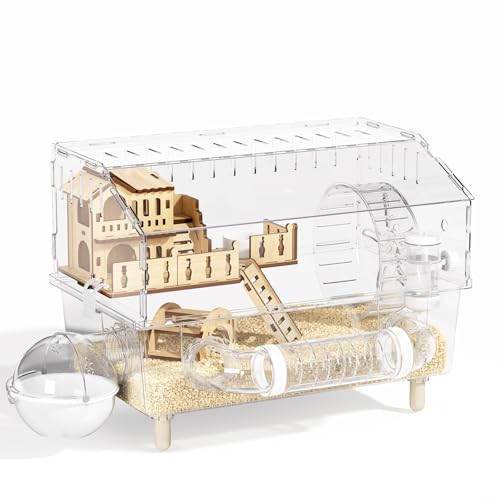
【Complete Starter Kit】This hamster cage comes with a complete set of accessories, including the cage itself, a wooden house, an 18cm silent running wheel, a sand bath, a tunnel, a water bottle, a food bowl, an arched bridge, a platform, and a ladder. All essential accessories are included, eliminating the need for additional purchases and ensuring your hamsters has a comfortable and enriching living environment.
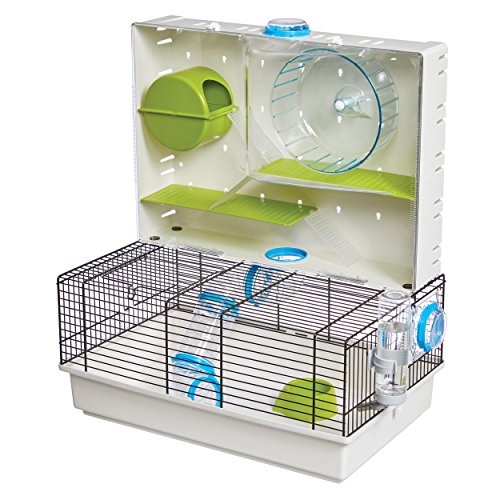
Fun Arcade Hamster Home features a cool multi-level play space to watch your hamster in action 18.11 length x 11.4 width x 21.5 height inches, 6.1 pounds

6mm wire spacing provides security for even the smallest furry friends
Signs a Hamster Is Dying

You might notice your hamster slowing down more than usual, and that’s okay, we all have lazy days, right?
But if your little buddy stops eating, hides more than normal, or moves wobbly like they’ve had one too many hamster wheels, it’s time to pay closer attention.
These behavior changes aren’t just quirky habits. They could be signs your pet isn’t feeling well.
Signs Of Illness
What’s that lump in your hamster’s cage, napping again or something more serious? Keep an eye out for signs of illness, because hamsters hide sickness like pros. Catching issues early can make all the difference, especially with common threats like wet tail or a respiratory infection.
You notice your hamster’s fur looking messy or patchy. Grooming’s usually a priority, so this is a red flag.
They’re sneezing or wheezing, which could mean a respiratory infection creeping in.
Diarrhea or a wet, matted bottom? That’s a classic sign of wet tail, a serious condition.
They’re eating less or not moving much. Hamsters are busy little creatures, so stillness isn’t normal.
If you spot these, don’t wait. A quick vet trip might just save your tiny friend.
Behavior Changes To Watch
Ever wonder why your usually peppy hamster is suddenly acting like a tiny, furry couch potato? A big red flag is when their normal nocturnal behavior goes haywire. They might sleep all day and night.
You might also notice they’ve lost interest in social interaction. They may ignore you or hide more than usual.
Maybe they’re not running on their wheel or grooming themselves like before. They could seem sluggish, wobbly, or even disoriented.
These changes don’t just mean a bad day. It could mean they’re unwell or nearing the end.
While hamsters are naturally private, a sudden shift from curious to withdrawn is worth paying attention to.
Keep an eye out, stay gentle, and cherish those quiet moments. It’s not always easy, but being there for them—even in stillness—means everything.
When to Call the Vet for a Dying Hamster
How do you know when it’s time to call the vet for your little hamster who seems to be fading? Trust your gut, if something feels off, it probably is.
While hamster grief is real, getting help early can offer end of life comfort and peace of mind.
Labored breathing or wheezing: if your hamster sounds like a tiny asthmatic accordion, it’s vet time.
Refusing food or water: even their favorite sunflower seeds can’t tempt them? That’s a red flag.
Limpness or inability to move: no more midnight wheel marathons? That’s serious.
Noticeable lumps, sores, or discharge: yuck, but don’t wait.
You’re their hero. A quick call could mean less suffering and more cozy moments.
Even if the outcome isn’t what you hope, you’ve given them love—and that counts a lot.
How to Prevent Early Hamster Death
You can keep your little buddy around longer by feeding him the right mix of hamster-safe foods, think fresh veggies, quality pellets, and the occasional treat.
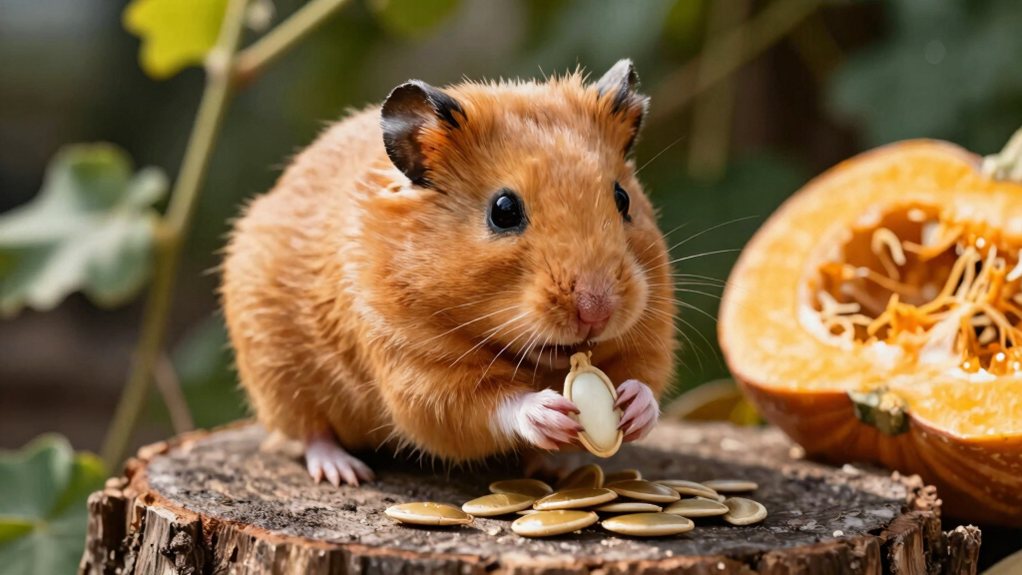
Yes, even a tiny sunflower seed counts as a party.
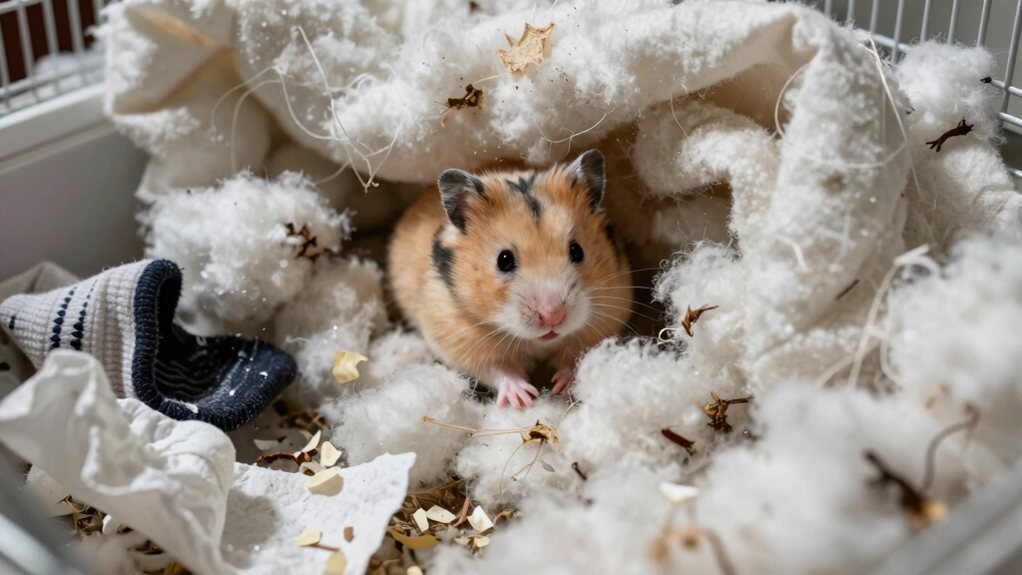
Make sure his home is cozy and escape-proof, with clean bedding and no drafty corners that could make him sneeze like a tiny, furry human.
And don’t skip those quick check-ins where you peek at his eyes, ears, and energy level.
Spotting something off early could save you both a lot of stress.
Proper Diet Essentials
A well-balanced diet isn’t just good for your energy, it’s your hamster’s best shot at a long, happy life.
Skipping proper nutrition can lead to serious problems like dental health decline and painful digestive issues.
You don’t want your little buddy chewing on cage bars because their teeth are overgrown or feeling under the weather from a tummy ache.
Let’s keep that cheeky face smiling with the right fuel:
- High-quality hamster pellets (they’re like a multivitamin in kibble form)
- Fresh veggies like carrots and cucumber (think of it as their salad bar)
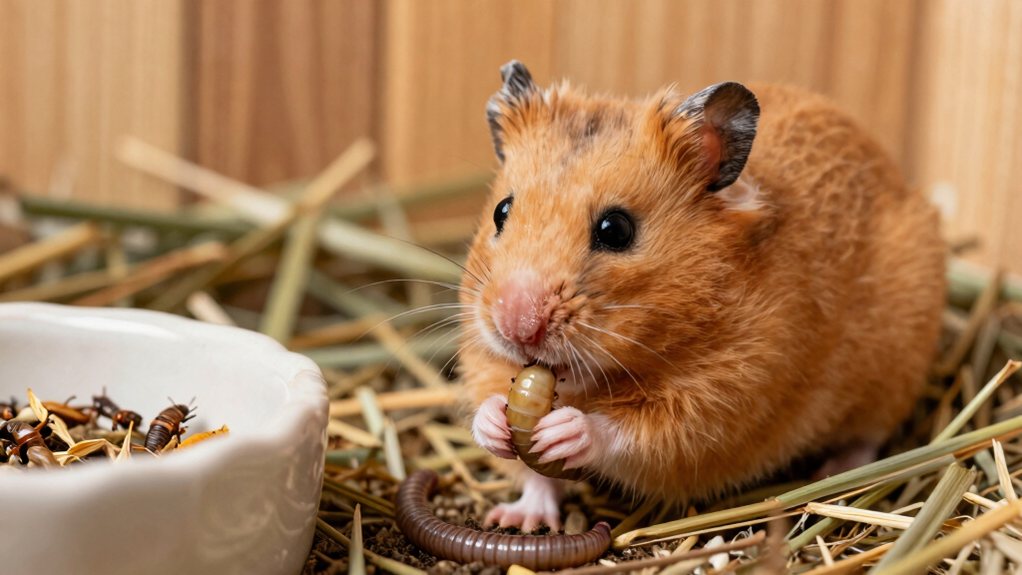
- Occasional protein treats like boiled egg or mealworms (yep, they’re foodies too)
- Limited fruits (sugar rush isn’t cute on a hamster)
Stick to this mix, and you’ll help prevent early hamster death while making snack time something you both look forward to.
Safe Habitat Setup
Great food keeps your hamster’s engine running seamlessly, but even the healthy snack schedule won’t help much if their home feels more like a hazard zone than a cozy hideaway.
A safe habitat setup is key to preventing early hamster death.
First, skip the toxic bedding.
Avoid cedar or pine shavings, which can harm their little lungs.
Go for paper-based or aspen bedding instead.
Make sure the cage is secure.
Escape risks are real, and a missing hamster is a stressed hamster.
Check for gaps, use snug-fitting lids, and keep it away from pets.
Add tunnels, a hideout, and chew toys to keep them happy and occupied.
A well-set-up home isn’t just comfy.
It’s life-saving.
You’ve got this.
Your tiny buddy’s counting on you to make their world safe, snuggly, and adventure-ready.
Regular Health Checks
Ever wonder how your hamster stays so tiny yet full of life? Regular health checks keep your little buddy bouncing around happily. You don’t need a vet degree—just a few minutes each week can catch problems early. Here’s how to stay on top of things:
- Check their teeth weekly; overgrown ones make eating tough
- Watch for sneezing or crusty eyes—signs of a cold or infection
- Notice changes in hamster grooming; less cleaning could mean they’re under the weather
- Rotate toys regularly with toy rotation to keep them active and mentally sharp
A little attention goes a long way. You’re more than just pet-proofing. You’re life-proofing.
And hey, your hamster mightn’t say “thanks,” but their zoomies are basically a standing ovation. Stay alert, stay kind, and keep that tiny heart thumping strong.
Emergency Care for a Failing Hamster
What do you do when your tiny furball suddenly seems off, maybe not zooming around at 2 a.m. like usual, or barely touching that mountain of sunflower seeds they’d normally demolish? First, stay calm and check for signs like labored breathing, lethargy, or hunched posture.
Gently warm their space—hamsters crash fast when cold. Call your vet right away; quick action can make a big difference.
Even if it’s late, many clinics offer emergency care. While you wait, keep your pal cozy and quiet.
If things go south, know that hamster grief support exists—you’re not alone. Thinking about end of life planning feels heavy, but it’s loving.
You’ve given them joy, tiny adventures, and endless snack runs. That matters.
Final Thoughts
You’ve got this, hamster hero! While old age is the most common reason your little buddy passes, heart disease and kidney failure often play a part too. Watch for changes, act fast when something feels off, and give them love every single day.
Life with a hamster’s short, but it’s full of joy, tiny toes, cheeky nibbles, and late-night wheel marathons. Make it count, and don’t forget to laugh when they stuff their cheeks like furry grocery shoppers.

[ All-Natural Materials ] Made from 100% natural materials, with no artificial harmful additives or preservatives, ensuring a safe and healthy option for your pets.

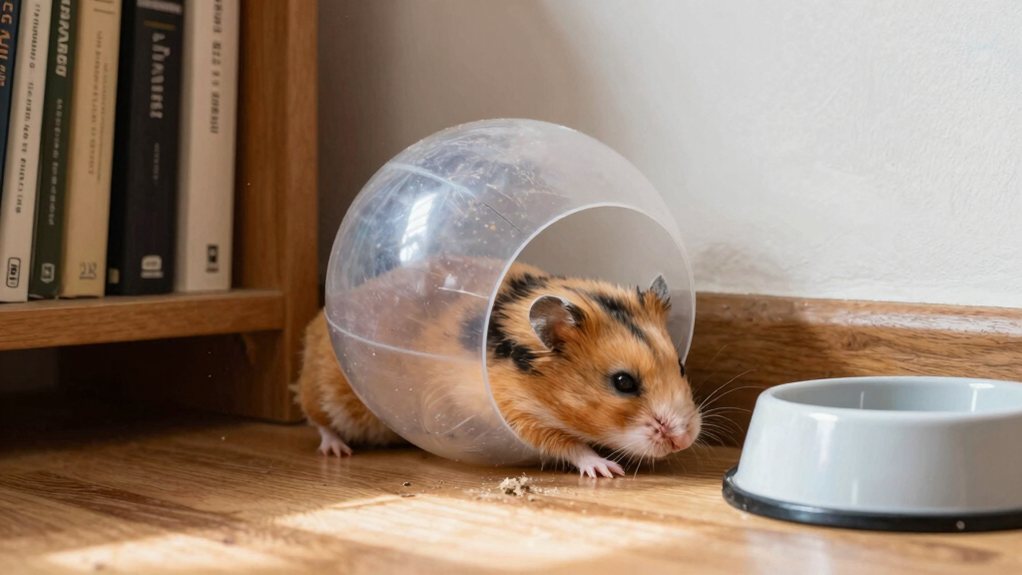
【Crystal Ball For Hamsters】: Size: 4.72 Inches, for Hamsters Less Than 4 inches 10 cm in Length .Pets can play in the Crystal Ball For Hamsters, and the owner can observe the pet's every move. So cute!This is a small hamster ball, not suitable for larger pets. Note: This is a mini running ball. Not suitable for large pets.

You will receive: comes with 5 pieces hamster toy including 1 double layer hamster house, 1 seesaw, 1 rainbow bridge, 1 swing and 1 hamster exercise circle toy; This hamster toy set is suitable for cage accessories; Different toys will make hamsters have fun