Your hamster’s most likely to pass from heart disease, especially as they get older, sad, but true for many little guys. You might notice they slow down, nap more, or seem a bit stiff, which can be normal aging. But sudden changes? That’s your cue to act.
Other issues like wet tail or tumors can sneak up fast. Keep their space quiet, their snacks safe, and their bedding dust-free. You’re their hero—stick around, and you’ll see how to spot trouble early and keep those tiny toes tapping longer.
Why Hamsters Die So Young: Lifespan by Breed

While you might wish your tiny furball could stick around forever, the truth is hamsters don’t live very long, no matter how much love and fresh veggies you give them. On average, they only live 1.5 to 3 years, depending on the breed.
Dwarf hamsters often live 1.5 to 2 years, while Syrians can reach up to 3. These differences come down to genetic predispositions, basically, their built-in biological clocks.
But don’t lose hope! You can help them thrive by providing environmental enrichment, like tunnels, chew toys, and wheels.
A happy hamster is a healthier hamster.
Sure, they won’t be with you forever, but those little midnight zoomies and cheek pouch antics make every moment worth it.
Think of it like having a super cute, fur-covered roommate who pays rent in snuggles. Short life, big joy.
Heart disease is a leading cause of death in older hamsters, often resulting from organ failure as their bodies naturally decline with age.
Normal Signs of Aging in Hamsters
Ever wonder why your once-speedy hamster now takes naps in the middle of the wheel?
That blur of fur slowing down? Your hamster’s golden years mean more naps, less zoom—still full of love, just at a gentler pace.
As your little buddy ages, you’ll start noticing changes. Even hamsters have their golden years! Here’s what to expect:
- Graying fur: Yep, just like us, your hamster might develop lighter or patchy fur, especially around the face.
- Reduced activity: That nightly marathon in the wheel? It’ll slow down. They’ll nap more and explore less.
- Stiff movements: Joints get creaky, and hopping becomes a careful step or two.
It’s all part of their natural progression.
While it’s bittersweet, knowing these signs helps you cherish every sleepy blink and tiny yawn.
Give them extra cuddles (gently!) and a comfy habitat.
Aging isn’t scary—it’s just hamster life, lived fully, one slow snack run at a time.
Heart disease is the most common cause of death in aging hamsters, often developing without obvious symptoms.
Aging vs. Illness: How to Tell the Difference
You might notice your hamster slowing down with age, and that’s normal: less zooming at bedtime, a bit more napping in the sun.
But if your little buddy suddenly stops eating, hides more than usual, or wobbles when walking, it’s time to pay closer attention.
Those aren’t just signs of getting older, they could mean something’s off.
Think of it like this: graying fur is retirement, but stumbling is a red flag worth checking out.
Signs Of Natural Decline
How do you know if your hamster’s slowing down from old age or something more serious? It’s tricky. Hamsters hide pain well, so you’ve got to watch closely. This is where understanding furry decline and silent aging helps.
Unlike sudden illness, natural decline comes gently. Here’s what to look for:
- Less zooming, more napping – Your once hyper buddy now prefers snoozing in the corner.
- Thinner fur or slight wobble – A little grizzled? Maybe a shaky step? Totally normal with age.
- Eating slower or grooming less – Not a red flag if they’re still nibbling and mostly clean.
It’s bittersweet, but this quiet shift is part of their path. You’re not failing them. You’re loving them through the calm before the quiet. And honestly? That’s something beautiful.
A key sign of natural aging—distinct from sudden illness—is gradual weight and appetite decline accompanied by reduced activity.
Sudden Changes In Behavior
A slow pace and graying fur are one thing, but what happens when your hamster suddenly stops eating, starts wobbling like they’ve had too much caffeine, or hides more than a teenager avoiding chores? These sudden changes in behavior can be alarming.
While aging brings gradual shifts, illness often hits fast.
Watch for abnormal aggression: your normally sweet pet might nip or act grumpy. Or maybe they show unusual stillness, just sitting in a corner like they’re deep in thought.
Spoiler: they’re not. These signs could point to infections, dental pain, or neurological issues.
Unlike the gentle fade of old age, sickness tends to rush in. You know your hamster best. If something feels off, trust your gut.
A quick vet visit could make all the difference. After all, they may be tiny, but their health matters just as much.
Common Age-Related Conditions
Gray whiskers and slower zoomies might just be the hamster version of hitting middle age, normal signs your little buddy is settling into golden-pet years.
But how do you know if it’s aging or illness? Here’s what to watch for:
- Arthritis care: If your hamster hesitates to climb or seems stiff, gentle bedding and low-sided homes help keep them comfy.
- Dental wear: Overgrown teeth can make eating tough. Offer safe chew toys to keep those gnawers in check.
- Energy shifts: Less nighttime running? That’s normal. But total inactivity? That’s vet time.
Aging doesn’t mean suffering. It just means a need for extra love and tweaks to their routine.
You’ve got this. A few small changes can make their senior snuggles just as joyful.
After all, every gray whisker tells a story worth cherishing.
Top Health Problems That Cause Hamster Death

You mightn’t realize it, but wet tail can sneak up on your hamster fast, especially when they’re stressed or young.
It’s one of the top reasons they get seriously sick.
Respiratory infections are also common, often showing up with sneezing or wheezing.
If you catch it early, you can help your little buddy feel better quickly.
And while it’s tough to talk about, tumors and cancer become more likely as your hamster ages.
Wet Tail Infections
Ever wonder why your hamster might suddenly seem under the weather for no obvious reason? It could be a wet tail infection—one of the sneakiest health threats they face. This serious condition stems from bacterial transmission, often triggered by stress or poor hygiene.
Catching wet tail symptoms early can save your little buddy’s life. Here’s what to watch for:
- Runny diarrhea that leaves a damp tail (hence the name).
- Lethargy and hunched posture, your usually active pet just wants to nap.
- Loss of appetite, even their favorite treats don’t tempt them.
It spreads fast, so don’t wait. A quick vet trip can make all the difference. Think of it like a hamster flu, but way more serious.
Keep their space clean, reduce stress, and stay alert. Your tiny pal’s counting on you!
Respiratory Illnesses
What’s that sniffle your hamster’s making, just a little cold or something more serious? If you notice wheezing, sneezing, or nasal discharge, your tiny friend might be facing respiratory distress.
Hamsters are prone to respiratory illnesses, often caused by bacteria, drafts, or dirty bedding. You’ll want to act fast.
Signs like labored breathing or hunched posture mean it’s time for a vet trip.
Don’t wait, because what starts as a small sniffle can spiral quickly.
Keep their habitat clean, warm, and draft-free to help prevent issues.
And hey, no, your hamster won’t catch your cold, but poor conditions can make them sick fast.
Think of it like giving your little furball a cozy, germ-free bedroom.
With quick care and a watchful eye, you can help them breathe easy and stay happy, healthy, and adorably active.
Avoid using scented or dusty bedding, as exposure to toxic bedding materials can severely compromise your hamster’s sensitive respiratory system.
Tumors And Cancer
A tiny lump you barely notice today could be a sign of something more serious tomorrow, tumors and cancer are sadly among the top reasons hamsters don’t live out their full little lives.
While some lumps are just benign growths that won’t cause harm, others can spread fast.
You can’t always prevent them, especially since some hamsters have a genetic predisposition to certain cancers.
Keep an eye out for changes in size, behavior, or appetite.
Here’s what to watch for:
- A sudden bump that grows quickly
- Lethargy or less interest in treats (And we *know* they love snacks)
- Weight loss, even with normal eating
Catching it early helps, but stay calm—many tumors are treatable or manageable.
Love, gentle handling, and regular check-ups go a long way.
You’ve got this, and so does your little buddy.
Stress Killers: Noise, Handling, and Cage Mates
While your hamster might look tough in that tiny fur coat, they’re actually pretty sensitive to stress, so much so that loud noises, too much handling, or the wrong cage mate can quietly take a toll on their health.
Constant noise exposure, like blaring music or barking dogs, can spike their anxiety, weakening their immune system over time.
And if you’re grabbing or squeezing them too hard, oops, that’s rough handling, they might panic or even get injured.
Hamsters are solitary creatures, so tossing them in with a cage mate often ends in drama, not friendship.
Think tiny roommate fights, not cozy cuddles.
Keep their space quiet, handle them gently, and let them live their best solo life.
A calm hamster is a happy, healthy hamster, so lower the volume, ease up on the snuggles, and skip the double occupancy.
Your little buddy will thank you with more zoomies and fewer stress-induced health issues.
Foods That Extend (or Shorten) Your Hamster’s Life
Since your hamster can’t exactly tell you when something doesn’t agree with their tummy, it’s up to you to serve up meals that keep their little engine running seamlessly.
Feeding the right foods can add months, maybe even years, to their life.
But beware: some so-called treats are actually toxic treats in disguise. Here’s how to get it right:
Stick to healthy snacks like carrots, cucumbers, and plain oats. Your hamster will crunch happily and thrive.
Avoid chocolate, onions, and citrus fruits. They’re toxic treats that can cause big problems fast.
Offer fresh water daily and a quality pellet mix as a base. Supplements should complement, not replace.
You’ve got this! A little care in feeding means a lot to your tiny, whiskered friend.
Keep it smart, keep it simple, and watch them flourish.
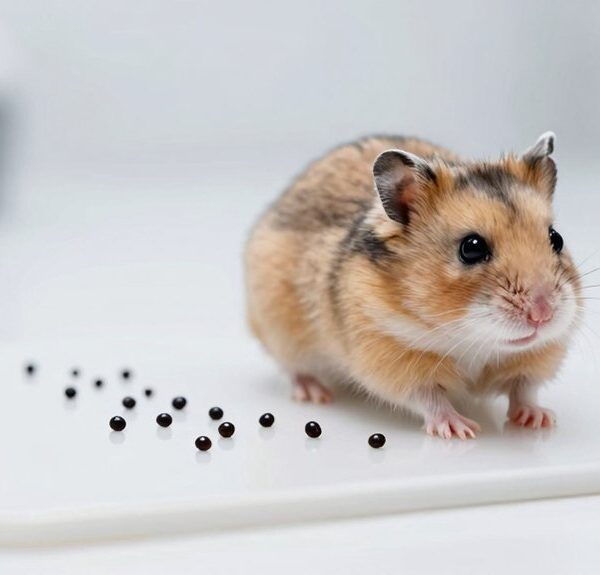
Even seemingly safe fruits like apples can be dangerous if apple seeds are accidentally included.
Dangerous Hamster Cage Mistakes to Avoid
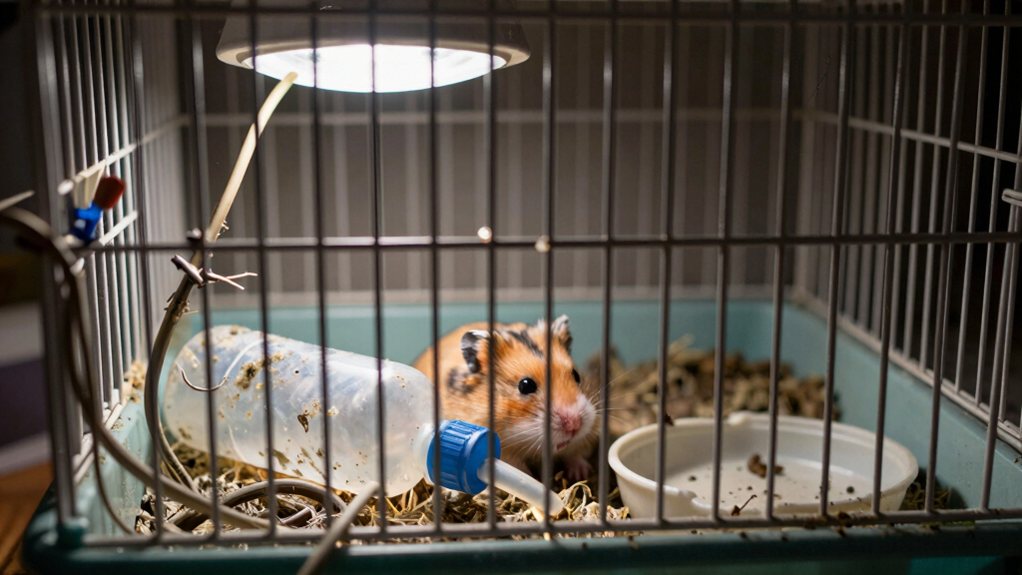
Ever wonder why your hamster seems grumpy or just isn’t acting like their usual zooming, burrowing self? It might be down to some sneaky cage mistakes you’re making without realizing.
Cage placement matters more than you think, keep it away from direct sunlight, drafts, or the noisy TV corner. Hamsters get stressed easily, and that can seriously shorten their lives.
Also, watch your bedding material. Avoid dusty or scented stuff that can irritate their tiny lungs. Go for soft, paper-based bedding instead. It’s cozy and safe.
A cramped or poorly ventilated cage is another no-no. Your little furball needs space to explore and breathe easy.
Regular cleaning helps prevent harmful ammonia buildup that can cause respiratory issues in both hamsters and humans.
Fix these issues, and you’ll both boost their mood and help them live longer, healthier, and way more adventurous lives. After all, happy hamsters are zoomy hamsters!
When to Worry: Serious Illness Symptoms
What if your usually peppy hamster suddenly starts acting like a tiny, furry couch potato?
That’s when you should start paying close attention.
Serious illness symptoms can sneak up fast, and catching them early makes all the difference.
Poor hygiene or dehydration risks can worsen things quickly, so don’t wait.
Here’s what to watch for:
1. Lethargy or refusal to move,
If your hamster isn’t exploring or eating, it’s a red flag.
2. Wet, matted fur or labored breathing,
Could signal wet tail, a dangerous infection.
3. Hunched posture or drooling,
Often means pain or dental issues.
These signs mean it’s vet time, not “wait-and-see” time.
Your little buddy depends on you to notice when something’s off, even if they’re still side-eyeing you from their hideout.
How to Comfort a Dying Hamster
You’ve been watching closely, and if your hamster’s gone from zooming around the cage to barely lifting their head, your heart probably feels heavy. It’s okay to feel sad.
This little buddy brought so much joy, even if they did stash snacks in weird places.
When the time comes, you can still make them comfortable. Keep their space quiet and warm, and add extra soft bedding so they’re cozy.
A gentle touch, like softly stroking their fur with one finger, can be soothing, if they seem okay with it. Don’t force anything.
Offer fresh water and tiny bits of their favorite treat, even if they don’t eat.
Just being nearby helps. You don’t need grand gestures. Your calm presence is enough.
It’s a quiet kind of love, but it matters. And hey, that tiny soul knew they were safe with you. That’s a gift too.
Final Thoughts
You’ve got this. While hamsters don’t live long, loving yours makes all the difference. Watch for changes, keep their space safe and cozy, and enjoy those midnight wheel runs, they’re full of personality!
Yes, they’re tiny, but their joy is huge. When the time comes, you’ll know you gave them a life packed with snacks, snuggles, and freedom from stress. That’s a win.