You can safely give your hamster small, pea-sized pieces of fruits like apples (no seeds!), blueberries, or strawberries as an occasional treat. Avoid citrus, avocado, and grapefruit, they’re a no-go for tiny tummies. Stick to fresh, washed fruit, and never overdo it. Too much sugar can lead to health issues.
Your little guy might go nuts for melon or turn up his nose at pear. Every hamster’s different! Keep portions tiny, and you’ll keep your pet happy and healthy. There’s a sweet little guide coming up just for you.
Can Hamsters Eat Fruit Safely?

So, can your little hamster buddy actually enjoy a juicy piece of fruit, or is that a no-go? Good news—you can treat your furry friend to fruit, but with care.
Hamsters have delicate tummies, so while fruit isn’t off-limits, it should be given in small, occasional bites.
Fruit is a tasty treat for hamsters, but their sensitive tummies need just small, occasional bites—think of it as a special snack, not a staple.
Too much can lead to digestive sensitivity, causing upset stomachs or even diarrhea.
And just like people, some hamsters might’ve fruit allergies, so watch for sneezing, itching, or swelling when trying something new.
Always wash fruit well and remove seeds or pits, they’re choking hazards.
Stick to safe options like apples, bananas, or blueberries, and skip the citrus, it’s too acidic.
Think of fruit as a fun dessert, not a main meal.
With a little caution, your hamster can safely savor that sweet, juicy bite. You’ve got this!

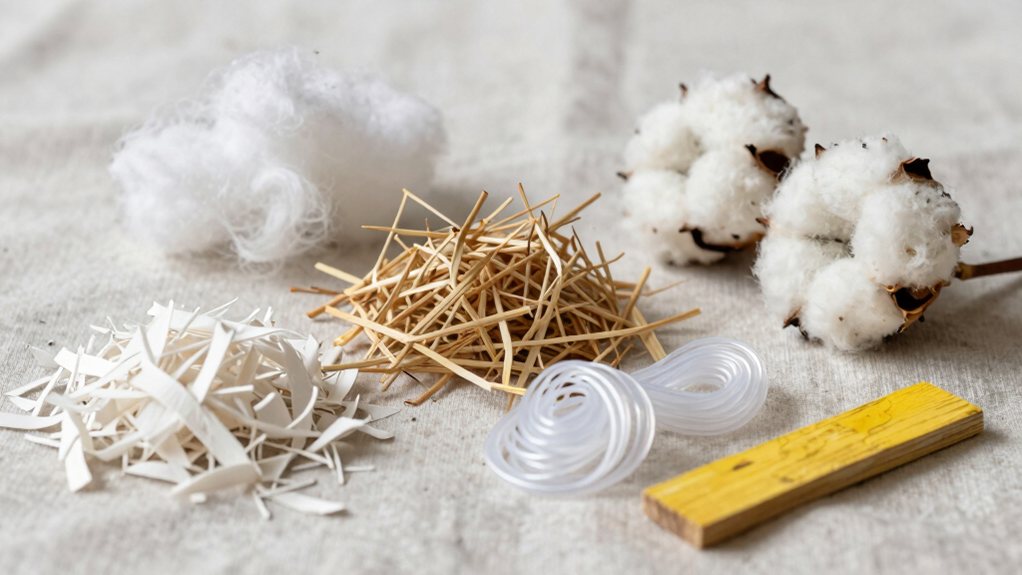
Apple orchard sticks are delicious all-natural wood chews

Tasty apple and honey treat sticks your hamsters will love

Complete Chew Toy Set: Includes 20 grass sticks, 20 apple wood sticks, and 5 sweet bamboo pieces totaling 45 natural chew toys to provide variety and entertainment for rabbits, guinea pigs, chinchillas, and other small animals
Best Fruits for Hamsters (Safe & Healthy Picks)
Think of your hamster as a tiny foodie with big taste buds, because when it comes to fruit, they can totally enjoy the sweet stuff, as long as you pick the right kinds.
Just like people, hamsters can have fruit allergies or digestive sensitivity, so it’s smart to go slow and watch how they react.
Start with small, bite-sized pieces and stick to safe, low-sugar options.
Here are some top picks:
- Apples (no seeds!) , crisp and full of fiber
- Blueberries , tiny, antioxidant-rich treats
- Strawberries , sweet, but serve sparingly
These fruits are safe and healthy when fed in moderation.
Too much sugar can upset their little tummies, so think of fruit as a fun snack, not a main meal.
Your hamster will nibble happily, and you’ll feel good knowing you’re treating them right.
No bellyaches, just happy munching.
Fruits That Are Toxic to Hamsters
You might love snacking on oranges or grapefruit, but your hamster’s tiny tummy can’t handle the acidity. Citrus fruits can upset their delicate digestion.
And while avocado is a trendy superfood for you, it’s a no-go for hamsters and could even make them seriously ill.
Plus, watch out for choking hazards. Always cut fruit into bite-sized bits your little buddy can manage.
Apple seeds are highly toxic to hamsters due to the presence of amygdalin, which releases cyanide when digested.
Citrus Fruits Danger
Ever wonder why that juicy orange or tangy lemon mightn’t be the best snack to share with your hamster? It’s all about citrus acidity and your little buddy’s digestive sensitivity.
Hamsters have tiny tummies that just can’t handle the sharp punch of citrus fruits. Even a small bite can cause upset or worse.
While it might seem kind to share your snack, here’s why citrus is a no-go:
- High citrus acidity can burn your hamster’s delicate mouth and stomach
- Their digestive sensitivity makes them prone to diarrhea or pain from acidic foods
- Crucial oils in peels are toxic and can make them seriously ill
Avocado And Choking Risks
While citrus fruits are off-limits thanks to their sharp acidity, there’s another fruit that might surprise you with its danger: avocado.
You might love it on toast, but for your hamster, avocado toxicity is no joke.
It contains a substance called persin, which can seriously harm your little buddy.
Even a tiny bit could lead to breathing issues or worse.
Plus, let’s talk about choking hazards.
Avocado is soft, sure, but its creamy texture can still be tricky for small mouths to handle.
Imagine your hamster trying to chew a slippery chunk—yikes!
So, while sharing your brunch sounds sweet, it’s best to skip the guac.
Stick to safer treats like apples or bananas instead.
Your hamster will still feel like a VIP without the risk.
Keep snack time fun, safe, and full of tail-wiggling joy, minus the avocado drama.
How Much Fruit Should a Hamster Eat?
You might be tempted to turn your hamster’s snack time into a fruit fiesta, but a little goes a long way.
Stick to just a teaspoon of fruit once or twice a week. Any more and you’ll risk tummy troubles or unwanted weight gain.
Think of fruit as a sweet treat, not a main course, and your tiny buddy will stay happy and healthy.
Fruit Portion Guidelines
A little piece of fruit goes a long way for your tiny hamster, so keep portions small, think thumbnail-sized or about a teaspoon of chopped fruit once or twice a week.
Overfeeding can lead to tummy troubles or weight gain, and nobody wants a grumpy, chubby hamster on their hands.
To keep things fresh and safe, follow these simple tips:
- Always remove uneaten fruit after 12–24 hours to avoid mold (hello, fruit storage tips!)
- Mix in seasonal fruit benefits by offering apples in fall or berries in summer
- Wash all fruit well and skip anything sugary or processed
Your hamster doesn’t need a fruit buffet—just a tiny, tasty treat.
Stick to small, regular portions, and you’ll keep your little buddy happy, healthy, and hopping with joy—without the mess or the sugar rush.
Daily Fruit Limits
Since your hamster’s belly is about the size of a ping-pong ball, it’s no surprise that their fruit fix should be tiny, think just a small bite, no bigger than half a teaspoon, once a day at most. You’ve got to watch fruit frequency because even healthy treats pack natural sugars.
And guess what? Hamsters have serious sugar sensitivity, so too much can lead to weight gain or even diabetes. Yep, your tiny buddy can get a sugar rush—cute, but not worth the risk.
Stick to offering fruit just once a day, max, and rotate types to keep things fun and balanced.
Think of it like dessert: enjoyable in small doses, but not dinner. Apples, berries, or banana? Great picks—but keep portions tiny.
Your hamster will thank you with zoomies, not health troubles. A little goes a long way when it comes to sweet treats.
When to Give Fruit as a Treat
- Give fruit in the evening when your hamster is most active, no sleepy snack attacks!
- Limit treats to 2–3 times a week so they don’t skip their regular food.
- Always remove uneaten fruit within 12 hours to prevent mold. Fruit storage tips save lives… tiny, furry ones.
You’re doing more than feeding them. You’re building happy, healthy habits.
Just imagine their little paws clapping for that juicy watermelon bit. Worth it.
How to Wash and Cut Fruit for Hamsters

Before you hand over that slice of apple, take a sec to give it a good rinse. Your hamster’s tiny tummy will thank you. Washing fruit removes pesticides and bacteria, keeping your little buddy safe and happy.
For fruit freshness, always pick ripe, firm pieces. No mushy spots or weird smells.
Once it’s clean, use safe cutting techniques. Slice fruit into pea-sized bits so your hamster doesn’t choke. Think apple cubes, banana nibbles, or blueberries halved.
Use a clean knife and cutting board to avoid cross-contamination.
And hey, no seeds or pits. Those are a no-go! Your hamster might go nuts over grapes, but always cut them to avoid a snack-time surprise.
A little prep goes a long way in keeping treats tasty and safe. You’ve got this. Your furry friend’s counting on you!

DELICIOUS, NUTRITIOUS RABBIT TREATS FOR BONDING: Crunchy, flavorful rabbit treats for bunnies made with real strawberries to support healthy enrichment; perfect treats for rabbits, guinea pig treats, and even hamster treats to build trust & interaction

What Happens If a Hamster Eats Too Much Fruit?
Ever wonder what happens if your hamster goes overboard on fruit? While those tiny cheeks make it look cute, too much fruit can lead to digestive upset and a serious sugar overload.
Hamsters have little bodies that aren’t built to handle lots of sugar, so going wild with apples or grapes might leave your pet feeling pretty crummy.
Here’s what you might see:
- Diarrhea or wet tail from digestive upset
- Lethargy because of sugar overload
- Weight gain over time if it keeps happening
You love treating your furry buddy, and that’s sweet, literally. But keep fruit as an occasional snack, not a staple.
A little goes a long way, and your hamster will stay happy, healthy, and full of zoomies.
Balance is key, just like your own diet, minus the midnight snack runs!
Can Hamsters Eat Dried or Canned Fruit?
You might be tempted to toss your hamster a sweet dried apricot or a chunk of canned peach, but hold up. Those treats come with some caveats.
Dried fruit packs a sugary punch that can lead to weight gain or tummy troubles.
Canned fruit often hides syrup or additives that aren’t hamster-friendly.
Let’s chat about how to make smarter snack swaps without turning snack time into a sugar rush.
Dried Fruit: Pros And Cons
While your hamster might give you those big, pleading eyes every time you snack on something sweet, it’s worth thinking twice before sharing dried or canned fruit.
Dried fruit packs a serious sugar punch, way more than fresh, so it can harm your hamster’s dental health and lead to weight issues.
Sure, it’s convenient and shelf-stable, but that high sugar content makes it risky as a regular treat.
On the plus side, dried fruit has concentrated nutrients, but only in tiny amounts.
Here’s what to keep in mind:
- Sugar content skyrockets when fruit is dried, skip anything with added sugars
- Dental health matters—sticky bits can cling to teeth and cause problems
- Tiny portions only—think one pea-sized piece once a week, max
When in doubt, fresh fruit’s the safer bet.
Canned Fruit: Safety Considerations
Canned fruit might seem like an easy treat to toss into your hamster’s bowl, especially when fresh options aren’t handy. But hold up: there’s something you should know.
Most canned fruits are preserved in heavy syrup, which means sky-high sugar levels that aren’t safe for tiny tummies.
Your hamster’s digestive system is super sensitive, and that syrup content can lead to obesity or even diabetes over time.
Fruit preservation methods like canning often strip away nutrients while adding unwanted extras.
So while the fruit itself isn’t toxic, the added sugars definitely are.
If you *really* want to share canned fruit, rinse it thoroughly to remove as much syrup as possible.
But honestly, fresh is always better.
Think of it this way: would you drink syrup for a snack? Didn’t think so.
Keep it simple, keep it safe, and your little buddy will thank you with happy squeaks.
Signs Your Hamster Loves (or Hates) Fruit
What does it look like when your hamster truly falls for a juicy piece of apple, or turns up its tiny nose in protest? Paying attention to your hamster behavior can tell you a lot about their fruit preferences.
If your little buddy scurries over enthusiastically, sniffs, then starts munching right away, that’s a win!
But if they ignore it, push it away, or stuff it in their cheek pouch just to dump it later, they’re probably not a fan.
Watch for these common signs:
- Enthusiastic sniffing and quick eating mean love
- Pushing fruit away or leaving it untouched signals dislike
- Stashing then abandoning it? That’s hamster-speak for “meh”
You’ll learn their tastes over time. Just keep it fun and fresh!
Weekly Fruit Treat Guide by Hamster Type

Ever wonder why your dwarf hamster gobbles a blueberry like it’s the greatest treasure ever, while your Syrian turns up its nose at the same treat?
That’s because different hamsters have different tastes and needs.
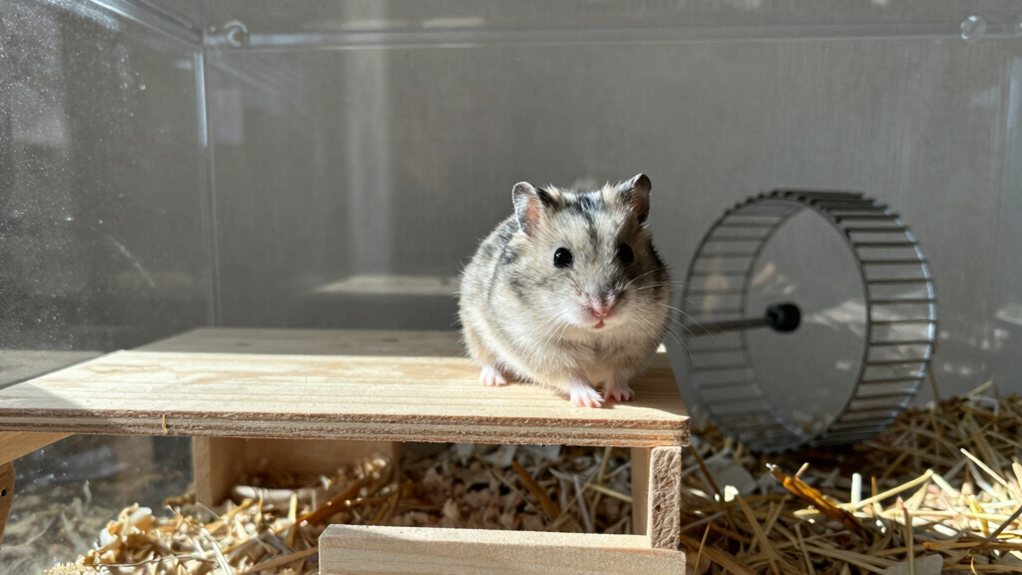
Dwarf hamsters should only have fruit once a week due to their diabetes risk, so stick to small pieces of low-sugar options like apples or pears.
Dwarf hamsters love fruit, but keep it once a week—opt for small bits of low-sugar picks like apple or pear to help prevent diabetes.
Syrians can enjoy fruit twice weekly, and they often love juicy treats like melon or berries.
Always consider seasonal availability.
Fresh, in-season fruit is tastier and cheaper.
Plus, proper fruit storage matters: keep it in the fridge and serve in tiny portions to avoid spoilage.
Trust me, your hamster will thank you, probably with an adorable cheek-stuffing moment.
Just remember: moderation is key, and when in doubt, go for organic and wash it well.
Happy treating!
Final Thoughts
So, you’ve got the scoop, fruits can be a fun, tasty treat for your hamster when done right. Just keep it small, keep it safe, and skip the toxic stuff. Your little buddy will thank you with happy squeaks and maybe a cheek-stuffed grin.
Stick to the good picks, watch the portions, and you’ll both enjoy the fruity fun without the vet runs. Treat smart, love hard, and let the snack adventures begin!
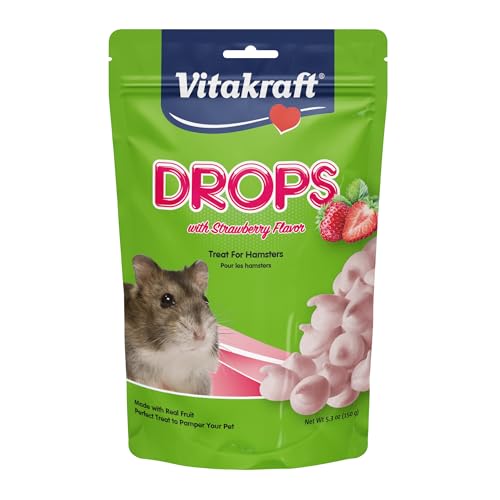
IRRESISTIBLE STRAWBERRY FLAVOR: Delight your hamster with delicious yogurt drops infused with natural strawberry taste, giving them the sweet reward they deserve during bonding and playtime.

DELICIOUS RABBIT TREATS MADE WITH REAL BANANA: Wholesome, crunchy rabbit treats for bunnies made from freeze-dried bananas; a healthy, flavorful reward that encourages bonding & supports enrichment for rabbits, guinea pigs, hamsters, and other small pets

FRUITY FLAVOR COMBINATION: Crafted with delicious cherry and banana, these bite-sized treats are made for dwarf hamsters, rats, and mice, offering a burst of sweet taste that will make snack time extra special.