You might think hamsters break bones super easily, but their little skeletons are tougher than they look. Still, falls from high spots or rough handling can lead to fractures, especially if their diet lacks calcium or they’re genetically prone to weaker bones.
Watch how you hold them. Cup your hands gently and stay close to the ground. And hey, your hamster’s not a circus acrobat. Skip the tall climbing frames. Keep things safe, and you’ll both sleep easier tonight.
There’s a bit more to keeping those tiny legs strong and wobble-free.
Why Hamsters Break Bones So Easily

Even though they’re tiny and full of energy, you might be surprised to learn that hamsters don’t actually break bones *that* easily, so the idea they’re super fragile is more myth than fact. You’re not dropping them every time they sneeze, right?
Hamsters aren’t as fragile as you think—those tiny bones are tougher than they look. No need to panic every time they sneeze!
Still, if a hamster does get hurt, it’s often due to falls from heights or rough handling. Some breeds have a genetic predisposition to weaker bones, making them a bit more accident-prone.
Poor diet plays a role too. Nutritional deficiencies, especially in calcium and vitamin D, can weaken their little skeletons over time.
So while they’re tougher than you think, giving them a safe cage setup and balanced food helps a ton. Think of it like childproofing, but for fluff balls.
A little care goes a long way in keeping your hamster蹦蹦跳跳 (bouncing happily). Just don’t let them audition for stunt hamster school, save the drama for their wheel runs!

High Calcium Nutrition Support – Formulated as a premium high calcium dried fruit and vegetable food blend, this sugar glider food and bird treats mix delivers a powerful 3:1 calcium ratio to support bone strength for bearded dragon, parrot, guinea pig, and other small pet species

Calcium supplement without Vitamin D3 is

✔ EFFECTIVE - Helps prevent calcium deficiency and hind leg paralysis common to gliders.
What to Do If Your Hamster Falls?
What should you do if your hamster takes a tumble? First, stay calm, panicking won’t help either of you. Gently check your little buddy for any obvious injuries, like limping or swelling.
If they seem okay, give them a quiet, warm space to rest. Keep an eye on their behavior over the next 24 hours.
If they’re eating, drinking, and moving normally, that’s a great sign.
Don’t forget to review your cage setup. Maybe the lighting startled them or a platform was too high.
Good hamster nutrition helps keep bones strong, so make sure their diet includes plenty of fresh veggies and protein.
And hey, even clumsy moments happen. Just like we trip over our own feet sometimes.
Prevention is key, so adjust cage lighting and secure climbing spots. You’ve got this!
7 Signs of a Broken Bone in Hamsters
If your hamster starts limping or dragging a limb, don’t panic—but do pay close attention.
Swelling or a weird bump might mean a broken bone, especially if your little buddy suddenly won’t run in their favorite wheel.
They might also avoid moving normally, like they’re saying, “Nope, not today!”
That’s your cue to call the vet.
Limping Or Dragging Limbs
Ever wonder why your hamster’s suddenly hopping like they’re in a tiny rodent marathon, or not moving a leg at all? Limping or dragging a limb can be a clear sign of a broken bone. If your little buddy isn’t running on their wheel or seems off during play behavior, take a closer look. Maybe they’re favoring one side or hopping on three legs like a furry tripod.
While it’s easy to blame roughhousing, even a small fall from a shelf or tunnel can cause injury. Don’t panic—hamsters are tough, but they need your help fast. Check their environment for hazards and keep them calm.
Proper dietary needs support strong bones, but accidents happen. If the limp doesn’t improve in a day or two, a vet visit is a must. You’ve got this. Your care makes all the difference.
Swelling Or Visible Deformity
How’s your hamster looking these days, like a tiny, sleek-running machine, or more like they’ve been in a mini martial arts match?
If you notice swelling or a strange bump, it could be a sign of a broken bone. Hamsters have delicate frames and lower bone density than larger pets, making fractures more likely from falls or rough play.
A swollen limb or visible deformity, like a crooked leg, means it’s time to act fast.
Check their cage for hazards to aid in injury prevention, like tall platforms without safe landings.
While they’re tough little survivors, they can’t tell you they’re hurt, so you’ve got to be their detective.
Spot something off? Skip the DIY fixes and call your vet. Quick care makes all the difference.
Stay alert, stay calm, and keep that tiny gym safe!
Reluctance To Move Normally
What’s going on when your usually zippy hamster suddenly moves like they’re stuck in slow-mo? If your little buddy is limping, hunched over, or avoiding their usual wheel sprints, it could be more than just a lazy day.
A reluctance to move normally is a red flag, especially if they’re skipping play behavior or avoiding social interaction.
Maybe they flinch when you reach for them or just sit in one corner like they’re on timeout.
Ouch. That kind of stillness isn’t typical—even for a tiny creature who naps 14 hours a day.
While hamsters are tough, their bones can break from falls or rough handling.
So if your furball’s not zooming, climbing, or nudging you for treats like normal, it’s time to call the vet.
Don’t wait. Your hamster’s slow-mo phase might be a cry for help.
When to Take Your Hamster to the Vet

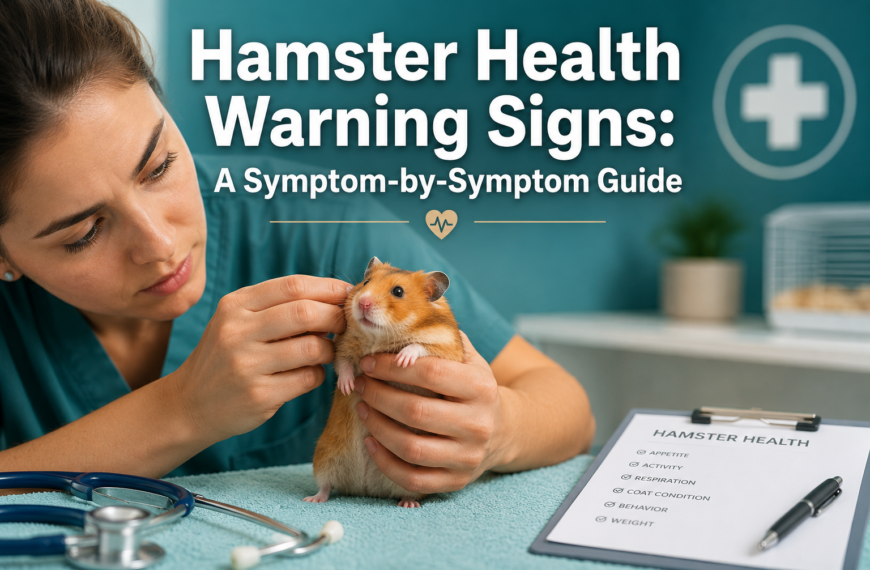
Why wait until your hamster’s acting stranger than a cat at a dog show? If your tiny buddy stops eating, wobbles when walking, or seems extra grumpy, it’s time to act.
These signs could mean injury, or worse, a broken bone. Don’t brush it off. Hamsters hide pain like pros, so spotting trouble early matters.
If you suspect a fracture or serious illness, seek emergency care fast. Quick vet trips improve recovery chances and help with pain management, keeping your pet comfy.
Also, watch for labored breathing, swelling, or bleeding. These aren’t “wait-and-see” moments.
Trust your gut. If something feels off, it probably is. Your hamster depends on you to speak up.
A quick call to the vet can save lives, and snacks. After all, no one wants a sad hamster on their conscience.
Stay sharp, stay kind, and keep that little wheel spinning safely.
Safe Hamster Handling Techniques
When you pick up your hamster, cup both hands gently around its little body to make it feel secure. No sudden moves, or you’ll spook your tiny, twitchy-nosed friend.
Keep your movements slow and steady, like you’re handling a fluffy, easily startled potato.
And remember, always scoop them close to the ground, because yes, hamsters can be escape artists with zero fear of heights.

Harvest Flowers: Natural flowers are a beautiful pop of color in hamster bedding. Beautiful and gorgeous flowers and branches, hamster spray is made from hand-picked, carefully selected natural flowers and dried, fresh and without additives, natural raw materials, neatly trimmed branches, hamster cage decoration is the perfect hamster bedding

Comprehensive Set for Tiny Companions: this set includes 1 hamster sand bath box, 1 water bottle with stand, and 1 climbing toy wooden ladder bridge, ideal for hamsters, gerbils, and mice, it caters to the different needs of your pets

Natural Botanical Habitat Enrichment: This hamster bedding and hamster sprays and forage mix is crafted from air-dried flowers and grasses, creating a calm and natural small animal habitat décor that helps hamsters feel safe, relaxed and engaged in their cage
Proper Hand Positioning
While your hamster might look like a tiny, furry potato that’s always in a hurry, handling them the right way keeps both of you happy and stress-free.
For proper hand positioning, start by gently scooping them with both hands, creating a soft, cupped “bed” to support their whole body. This is your bed positioning.
It gives them security and prevents sudden jumps.
Keep your hands close together for hand stability, so there are no gaps they can slip through.
Think of it like holding a small, wiggly cupcake—firm but gentle.
Always bring them close to your chest or a low surface, just in case.
You’re not trying to impress anyone with fancy moves.
Slow and steady wins the race.
With a little practice, you’ll both feel safer and more connected.
After all, nobody wants a startled hamster mid-air!
Gentle Movement Tips
Since your hamster isn’t built for high-speed chases or acrobatic flips, moving calmly and fluidly is key to keeping them relaxed in your hands.
You’ll notice their playful behavior when they feel safe, so avoid sudden jerks or quick shifts.
Instead, scoop them up with both hands, letting them sit in a little hamster cup made by your palms.
Hamsters are most active during nighttime activity, so handle them gently during quieter moments to avoid startling them.
Move slowly, like you’re sneaking past a sleeping cat, and speak softly to soothe them.
Think of it as a slow dance, no spins or dips.
If they wiggle, don’t panic, just stay steady.
Remember, you’re their safe space, not a thrill ride.
With calm motions, you’ll build trust and make handling a breeze—for both of you.
Cage Safety: Prevent Falls and Fractures
From the very top of their cozy hideouts to the far corners of their play zones, your hamster’s cage should be a safe adventure spot, not a danger zone.
You mightn’t realize it, but poor cage lighting can disorient your little buddy, making jumps riskier than they need to be.
Always make sure the light is soft and consistent, so your hamster can see where they’re going.
Watch that wheel size: too big or uneven, and it could throw off their balance, leading to a tumble.
Keep platforms low and add soft bedding below to cushion any missteps.
Think of it like baby-proofing, but for tiny, curious furballs.
A few smart tweaks go a long way in preventing falls and fractures.
Your hamster trusts you to keep their world safe.
Caring for a Hamster With a Broken Bone
What do you do when your tiny explorer takes a bad tumble and ends up with a broken bone? First, stay calm: your little buddy needs you to be strong. Rush them to a vet who knows small pets. They’ll check the injury and guide treatment.
Keep their recovery environment quiet, cozy, and free of climbing hazards.
Adjust their nutrition impact by offering soft, protein-rich foods like mashed veggies and boiled egg.
Handle them gently—only when needed—and watch for signs of pain or swelling.
Healing takes time, but with love and care, your hamster will be back to wheel-running in no time. Think of it as their mini vacation from adventure. Just don’t let them reenact Mission: Impossible from the top shelf again. You’ve got this—and so does your brave little furball.
How Long Do Hamster Fractures Take to Heal?
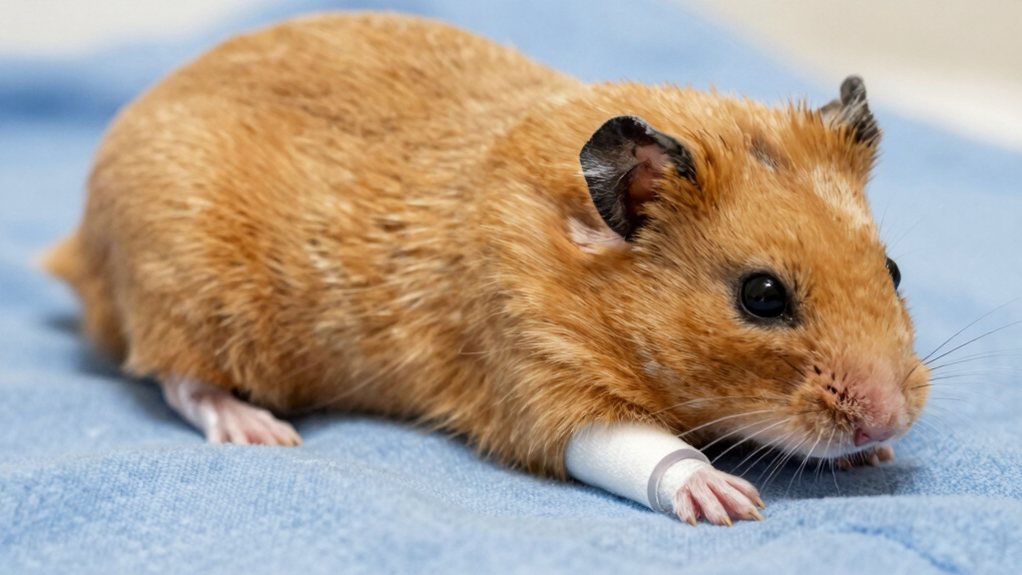
How long will your hamster need to trade acrobatics for nap time after a fracture? Most hamster fractures take about 3 to 6 weeks to heal, depending on age, injury, and bone density. Younger hamsters usually bounce back faster, while older ones may need extra time.
During this healing time, keep your little buddy in a quiet, cozy space with soft bedding. No climbing or wheel-running allowed.
Your vet might suggest a splint or just rest, based on the break.
Even though it’s hard to see your energetic pet slowing down, this downtime is key for full recovery. Think of it as mandatory spa day, minus the cucumber slices.
Keep an eye on their mood and eating habits. Happy hamsters heal better.
With love, patience, and a safe setup, your tiny gymnast will be back on their feet before you know it. Just don’t expect Olympic flips right away!
Final Thoughts
You’ve got this! Hamsters are tiny and fragile, sure, but with gentle hands and a safe setup, you can keep your little buddy hopping happily. Accidents happen, even we trip over our own feet sometimes.
Quick action and vet care make all the difference. Keep their world secure, handle them close to the ground, and always watch for warning signs. A little love goes a long way in healing and prevention.

[ All-Natural Materials ] Made from 100% natural materials, with no artificial harmful additives or preservatives, ensuring a safe and healthy option for your pets.

【50-60 Pcs Chew Toys】50-60 pcs rabbit chew toys set includes 8 sweet bamboo, 5 timothy grass sticks, 5 flower timothy grass sticks, 3 flower timothy grass cookies, and over 30 apple sticks.

Interactive play and chew fun