If your hamster’s huddled in a corner, moving slower than a sleepy sloth, or ignoring their favorite snacks, they might be cold. Check their nose, ears, or paws. Chilly spots are a red flag.
They may stop grooming or feel cool to the touch. Shivering or unusual stillness means trouble. Keep them warm and stable, because nobody wants a frosty furball. You’ll want to know the best ways to help them bounce back quickly.
How Cold Is Too Cold for Hamsters?

Ever wonder what temperature’s too chilly for your hamster? Most hamsters feel best between 65°F and 75°F. Anything below 60°F can be risky.
Most hamsters thrive between 65°F and 75°F—anything below 60°F can be dangerous. Keep them cozy to avoid health risks.
If it gets that cold, your little buddy might try to hibernate. But here’s the catch: pet hamsters aren’t great at it and can face serious hibernation risks, even health emergencies.
That’s why keeping a steady, cozy environment matters.
Sudden temperature fluctuations can confuse their bodies and weaken their immune system. So avoid drafty windows or spots near AC units.
Think of your hamster like a tiny roommate who hates surprises—especially cold ones.
Keep their cage in a quiet, stable spot in your home, away from chilly breezes or hot vents.
A thermometer nearby helps you stay on top of things.
Your furry pal may not ask for a blanket, but giving them consistent warmth? That’s true love.
For accurate monitoring, consider using a digital hygrometer with humidity range capability to ensure both temperature and moisture levels stay within the ideal zone for your hamster’s health.

Warmth for Small Animals & Turtles: This 11.8 x 8.2-inch, 25W heating pad provides a warm resting spot for rabbits, guinea pigs, chicks and turtles. For indoor enclosures and covered outdoor use.

Adjustable warmth: The inline controller lets you select a suitable heating level for different environments, helping create a warmer resting area for small pets during cooler weather

Lizard heating pad recommended for size: 8” x 6” ; Voltage: 120 volt; Power: 8 watt; Recommend for Medium 10-20 Gal Size. Please read instructions carefully before using. Recommend for Medium 10-20 Gal Size and it can easily put out steady heat between 104℉ and 122℉
5 Signs Your Hamster Is Too Cold
If your hamster’s moving slower than a sleepy sloth, it might be too cold. You’ll probably notice them huddled in a corner like they’re trying to become one with the cage.
If they feel chilly when you gently pick them up, that’s a clear sign.
These little guys can’t tell you they’re cold, but their behavior sure can, so keep an eye (and a warm hand) out for them.
Lethargic Behavior Observed
What’s going on when your usually zippy hamster suddenly acts like a tiny, furry couch potato? If your hamster’s moving slow, skipping playtime, or ignoring their favorite treats, it mightn’t be laziness. Your pet could be cold.
When temperatures drop, their body slows down to conserve energy. This changes both exercise patterns and food preferences.
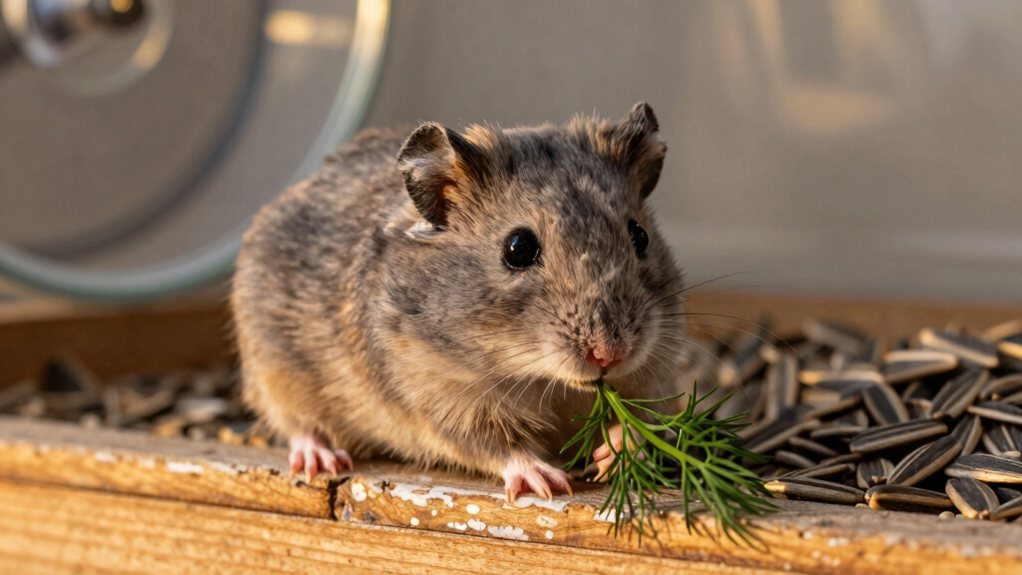
You might notice they’re not running on their wheel or nibbling less, even on sunflower seeds they normally go crazy for.
This lethargic behavior is a red flag. Hamsters aren’t built for cold. When shivering starts or they’re huddled in one spot, it’s time to act.
Check the room temp. Ideally, it should be between 65–75°F.
Warm up their space gently, and watch for improvements. A cozy, warm hamster is a happy, active one!
Huddling In Corners
Why do you keep finding your hamster scrunched into a tight little ball in the corner of the cage, like they’re trying to disappear into the bedding? It’s probably because they’re cold. Huddling in corners is a clear sign your little buddy is trying to conserve warmth.
Hamsters don’t like drafts, so check for air draft detection near windows or vents. Those chilly breezes sneak in fast.
Also, make sure their cage gets a bit of gentle sunlight exposure during the day, but not too much. You don’t want a hamster sauna!
If your pet’s always tucked away, especially in cooler spots, they might be too cold.
Move the cage to a warmer, draft-free area and add extra bedding.
Your hamster will thank you by being more active and way less grumpy. Seriously, a warm hamster is a happy hamster. No more corner hibernation!
Cold To The Touch
Reaching into the cage and feeling your hamster’s little body go stiff and cool beneath your fingers? That’s a clear sign something’s off. A healthy hamster should feel warm and lively, not like a tiny, furry ice cube.
If their nose, ears, or paws feel cold to the touch, they might be struggling to stay warm.
You might even notice changes in their usual routine, like skipping hamster grooming or ignoring their favorite food preferences.
A chilled hamster may eat less or avoid crunchy treats they normally love.
Don’t panic, but do act fast! Gently warm the room or add extra bedding.
And hey, who knew a mini furball could teach us so much about thermostat wars? Keep things cozy, and your little buddy will be back to zooming around in no time.
What to Do If Your Hamster Gets Cold
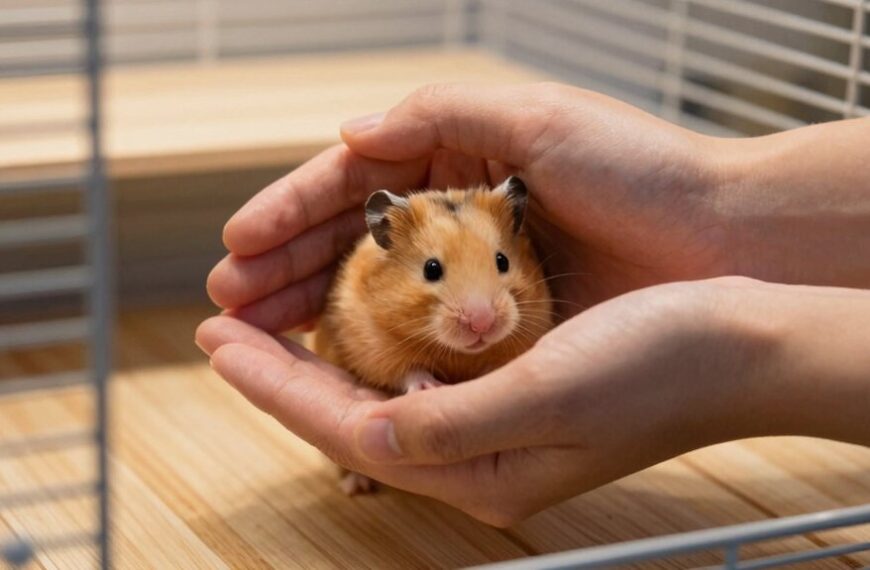
If your hamster’s feeling chilly, don’t panic—you can help warm them up fast. Start by gently warming their body with your hands or a soft, warm (not hot!) sock filled with rice, and make sure their cage isn’t in a drafty spot.
Then, tweak their habitat: add extra bedding, move it away from windows, and keep the room temp steady, think cozy, not arctic.
Warmth Restoration Steps
When your hamster’s shivering like they just watched a horror movie, it’s time to spring into action, gently, of course, because startling your tiny buddy won’t help anyone.
Start by moving them to a draft-free spot and introducing safe heat sources, like a wrapped hot water bottle or a heating pad set on low (never directly on the skin!).
Keep an eye on the room with temperature monitoring.
Aim for a cozy 65–75°F.
Don’t blast the heat.
Slow and steady wins the race.
Wrap your hamster in a soft, warm cloth like a tiny burrito, minus the guac.
Talk to them softly.
Your voice can be as comforting as warmth.
Avoid hairdryers or microwaved socks.
No one wants a hamster soufflé.
If they’re still sluggish or cold after warming up, call your vet.
Better safe than sorry when it comes to your pint-sized pal.
Preventative Habitat Tips
To keep your little furball from turning into a tiny, shivering popsicle, start by setting up their habitat in a warm, stable spot, away from drafty windows, doors, or that overenthusiastic ceiling fan.
Aim for a room with natural lighting to help regulate their day-night rhythm, but avoid direct sunlight that can turn their cage into a sauna.
Good air circulation is key, but make sure it’s gentle, no blasting AC or heaters nearby.
Use plenty of cozy bedding like paper-based material so they can burrow and stay warm.
Consider a hideout or igloo for extra insulation.
Check the temperature daily, 65–75°F is ideal.
If the room feels chilly to you, it’s probably too cold for them.
A little prevention goes a long way, your hamster will thank you with happy, zoomie-filled nights instead of huddling in a corner.
Stay alert, stay warm, and keep those tiny toes toasty.
For accurate monitoring, use a digital hygrometer thermometer to ensure conditions stay within the ideal range, especially since hamsters are sensitive to sudden changes in their environment. A reliable device with high accuracy readings can help prevent health issues caused by unnoticed temperature drops.
Best Room and Cage Placement for Warmth
Right off the bat, skip the drafty basement or that chilly corner by the window. Your hamster’s cozy spot depends way more on placement than you might think. You want warmth without overheating, and a few smart choices make all the difference. Here’s how to nail it:
Pick a room with natural lighting. It’s cheery and helps regulate your hamster’s rhythm, but avoid direct sunbeams that turn the cage into a sauna.
Ensure gentle air circulation. Keep the cage away from vents, fans, or drafty doors that blast cold air.
Elevate the cage slightly off the floor. Cold sinks, and the ground is the chilliest spot.
Stay clear of kitchens and bathrooms. Humidity and temperature swings aren’t hamster-approved.
A little thought goes a long way. Your tiny buddy will thank you with happy zoomies, not shivers.

Take body temperature of livestock and pets quickly and accurately with the Agri-Pro Veterinary Thermometer with Large Display. This thermometer is for veterinary use only.

How to Use – Put the thermometer close to pet's ear and remove the hair to make sure the measurement is correct. Non-contact infrared is easy to measure pet's ear temperature.

Upgraded Waterproofing: The IP66 waterproof thermometer measures from -4°F ~ 131°F with an accuracy of ±0.9°F for industrial-grade precision, which is ideal for humid environments like refrigerators. It is also suitable for indoor and outdoor environments such as garage, kitchen, greenhouses, animal houses, plant nurseries, warehouse, factory, store, and ventilation system management for both domestic and commercial applications
Safely Warm a Cold Hamster
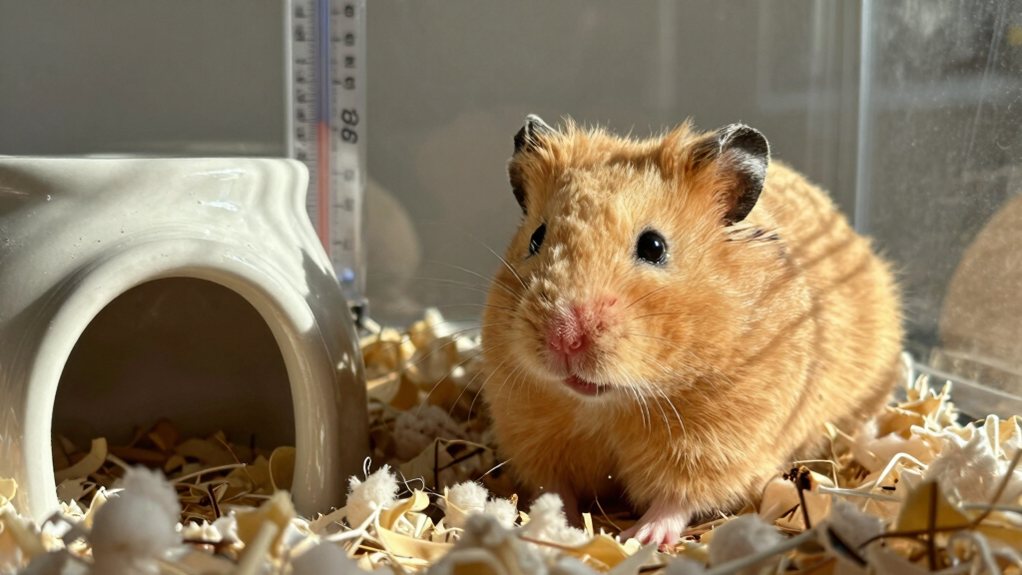
You’ve picked the perfect spot for your hamster’s home, away from drafts, off the cold floor, and out of steamy rooms. So now let’s talk about what to do if your little furball still seems chilly.
If your hamster feels cold or looks sluggish, gently warm them by placing a warm, not hot, sock filled with rice near their cage. Never use direct heat like heating pads.
Keep their routine steady. Consistent hamster nutrition and fun exercise routines help boost their energy and warmth.
Offer a cozy hideout with soft bedding they can snuggle into.
Monitor them closely, and if they don’t perk up, call your vet.
Remember, you’re more than just a pet parent. You’re their tiny hero. With a little care, your hamster will be back to zooming around in no time.
Stay calm, stay warm, and keep loving that little fluffball.
Keep Your Hamster Warm: Best Bedding and Hideout Tips
A cozy nest isn’t just a luxury for your hamster, it’s a must for staying warm and happy.
A cozy nest isn’t just a luxury—it’s essential for keeping your hamster warm, safe, and truly happy.
You can help your little buddy thrive by choosing the right bedding and hideout.
Skip the hamster fashion trends, warmth comes from comfort, not tiny sweaters.
Here’s how to create the perfect snug spot:
- Use soft, absorbent bedding like paper-based or aspen shavings (never cedar, it’s harsh).
- Layer it deep, 3–4 inches lets your hamster burrow like they love to do.
- Add a snug hideout made of wood or ceramic to retain heat.
- Rotate cozy items regularly, yes, toy rotation applies to bedding too!
Your hamster will thank you with happy zoomies and fewer shivers.
Keep it warm, keep it fresh, and keep it fun!
For long-lasting warmth and dryness, choose bedding with high absorbency and odor control.
Final Thoughts
You’ve got this! Keep an eye on your little buddy, and if they’re shivering or extra sleepy, they’re probably chilly. Warm them gently. No hair dryers or hot water bottles right on their skin!
A cozy hideout with soft bedding works wonders. And hey, your hamster’s not into winter fashion, so skip the tiny sweaters. Just love, warmth, and a snug cage spot. They’ll be back to wheel-running in no time!
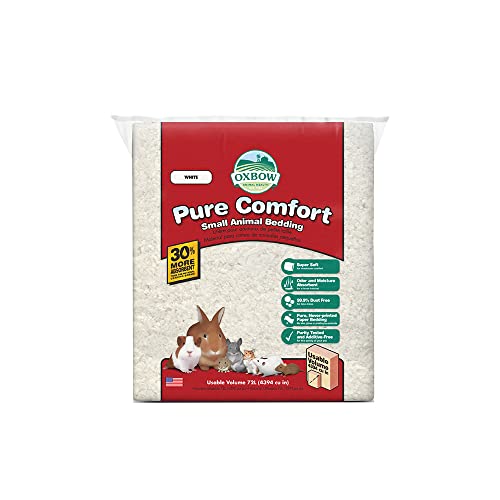
ODOR ABSORBENT TO MINIMIZE PET ODORS: Effectively neutralizes odors to keep bunny bedding & hamster bedding fresh; Ideal for pet bedding, ferret cages, and litter boxes, it helps maintain a clean environment for your pets and a better experience for you

99.99% Dust-Free, Odorless, and Fragrance-Free – Mini&moe’s small animal bedding is made from virgin wood pulp and dyed with pet-safe food coloring. Through a 3-stage dust screening process, it ensures no dust or harmful odors, providing your pet with clean, fresh air to breathe.

NATURALLY SCENTED with real, pet-safe lavender buds