You don’t *have* to give your dwarf hamster a sand bath, but you really should. It’s like letting them hit the spa after a long day of wheel runs and snack hiding.
Sand baths keep their coat soft, protect their delicate skin, and beat risky water baths that can chill them or strip natural oils. They’ll roll, dig, and toss sand like tiny desert divas, satisfying instincts and boosting happiness.
Skip the dusty or scented stuff, stick to safe, soft sand, and offer it a few times a week. You’ll see them wiggle with joy. Trust me, there’s more fun to uncover.
Do Dwarf Hamsters Need Sand Baths?

So, do dwarf hamsters really need sand baths to stay clean? Not exactly. While they don’t *need* them, sand baths can be a fun, natural way for your little buddy to groom themselves. Think of it like a mini spa day!
Dwarf hamsters are tidy creatures and usually keep themselves clean with saliva and quick wipes.
But offering a small dish of chinchilla-safe sand a few times a week gives them a chance to roll around and feel like desert royalty.
Just don’t use dusty or scented sand. It can irritate their lungs.
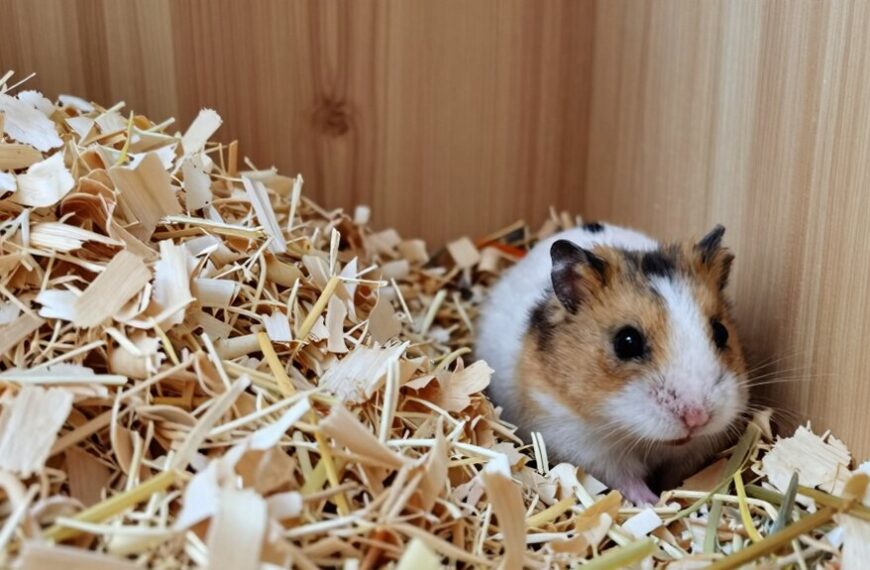
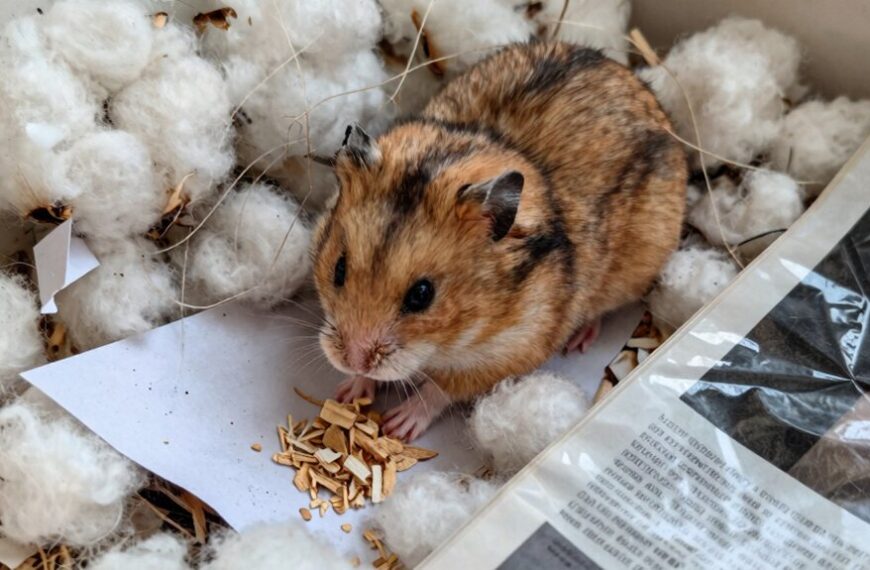
And remember, your bedding choices and cage decorations matter too. Avoid anything fluffy or fibrous that could trap moisture.
A cozy hideout, some chew toys, and clean bedding go a long way in keeping your hamster happy and healthy. Spa optional, but definitely a nice touch!
For best results, choose a dust-free formula that supports respiratory health and mimics their natural grooming behaviors.

Natural & Healthy Choice: Our premium hamster bath sand offers a safe and non-toxic bathing solution for your small pets. Made from 100% natural ingredients, this sand ensures unrivaled hygiene without causing harm to your furry friends.
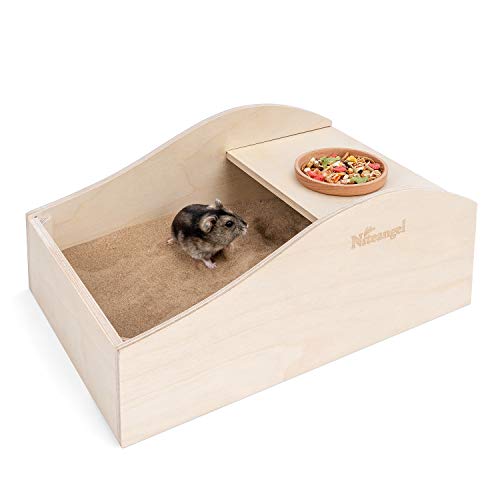
Medium-Sized Sand Bath Box w/ Hideout - The measurements of the sandbox are 11.8-inch L x 7.8-inch W, please be sure if your hamster cage or habitats has enough space to put into it before purchasing. Hamsters love bathing in sands to remove excess oils for keeping coat thick and glossy. We designed nearly one-third of the sandbox area is roofed like a hideout, your critters will feel very safe to take a nap after bath

[Perfect Hamster Sand Bath Box] The circle sand bath box has ample space for hamsters to roll around in. It is recommended for dwarf hamsters, Syrian hamsters, gerbils, mice, chipmunks, and rats. With three colors to choose from, there will always be one that will suit your hamster cage style.
Why a Sand Bath Is Safer Than Water?
A sand bath isn’t merely a fun roll in the dust, it’s actually the safest way to keep your dwarf hamster clean.
Unlike water, which can chill your tiny friend and strip natural oils, sand lets them groom without risk.
Here’s why sand wins every time:
- No temperature regulation stress – Wet fur makes it hard for hamsters to stay warm, but sand keeps their body heat stable.
- Protects skin hydration – Water dries out delicate skin; sand cleans gently while preserving vital moisture.
- Feeling like home – In the wild, they dust-bathe naturally, so this feels familiar and fun!
You’re doing more than avoiding a soggy mess.
You’re respecting their biology.
Plus, watching them wiggle and flip in the sand is pure joy.
So skip the bathwater drama.
Stick with sand, and your hamster will stay healthy, happy, and delightfully dusty.
How Sand Baths Satisfy Digging Instincts?
That little pile of sand isn’t merely a spa, it’s a full-on playground for your dwarf hamster’s wild side. You’re giving your tiny buddy a chance to dig, burrow, and roll around, just like they’d in the wild. This natural behavior keeps them happy and mentally sharp.
Think of it as sensory enrichment that tickles their paws and nose with every scoop. They’ll toss sand, wiggle deep, and maybe even stash a snack or two, because why not? It’s their version of building a cozy cave or hiding from imaginary predators.
You’ll laugh watching them go at it like a mini excavator.
But it’s more than fun, it’s crucial. Digging reduces stress and gives them control over their space. So when you offer a sand bath, you’re not merely cleaning their coat, you’re feeding their instincts.
And honestly, who knew dirt could be this delightful?
What’s the Safest Sand for Dwarf Hamsters?

Ever wonder why your dwarf hamster dives into their sand bath like it’s a weekend getaway? It’s because sand baths are more than just fun. They’re crucial for their health and happiness.
Your dwarf hamster’s sand bath isn’t just playtime—it’s essential self-care for healthy fur, happy skin, and natural digging instincts.
When choosing the safest sand, skip the dusty or scented kinds. They can irritate tiny lungs and eyes. Instead, go for:
- Chinchilla sand – fine, dust-free, and perfect for cleaning fur
- Natural bedding-safe sand – chemical-free and gentle on sensitive skin
- Bathing sand labeled for small animals – designed with your hamster’s safety in mind
These options support both hygiene and exercise enrichment. They let your little buddy dig, roll, and play safely.
Plus, watching them flip and burrow is pure joy!
Stick to natural bedding materials. You’ll give your hamster a spa day that’s both safe and satisfying.
What Sand Should You Never Use?
You’ll want to skip chinchilla sand, it’s way too dusty and can irritate your little buddy’s lungs.
Regular play sand might seem like a cheap fix, but it often has sharp bits or chemicals that could hurt your hamster.
And please, steer clear of calcium sand; it looks cool but can cause serious tummy troubles if he accidentally nibbles it.
Chinchilla Sand Is Unsafe
While your dwarf hamster might look like a tiny furball that could handle just about anything, not all pet products are created equal, especially when it comes to sand. Chinchilla sand, or more accurately, chinchilla dust, is a no-go for your little buddy. It’s way too fine and can cause serious respiratory irritation if inhaled.
Unlike chinchillas, who thrive on dust baths, dwarf hamsters have more sensitive lungs. You don’t want your hamster sneezing like it’s got a tiny cold, right?
Here’s what to remember:
- Chinchilla dust is too powdery for hamsters.
- It can lead to breathing problems and stress.
- Always choose coarse, dust-free sand made for small animals.
Stick to safe options, and your hamster will stay happy, healthy, and full of zoomies—no sniffles allowed!
Play Sand Contains Hazards
Just because that bag of play sand is sitting pretty in the garden aisle doesn’t mean it’s safe for your dwarf hamster’s spa day.
You might think it’s natural and harmless, but regular play sand can actually contain toxic chemicals like pesticides or heavy metals from the environment. Yikes!
Plus, the fine dust can cause respiratory irritation in your tiny friend.
Imagine your hamster sneezing like they’ve walked into a dusty attic. Not cute.
Even if it’s labeled “safe for kids,” that doesn’t mean it’s safe for hamsters. Their little lungs are super sensitive.
So skip the hardware store and avoid the risk.
Your pint-sized pal deserves better than a bath that doubles as a hazard.
Stick to specially made chinchilla or rodent sand instead.
Your hamster will thank you with happy zoomies, not sniffles.
Calcium Sand Causes Issues
Ever wonder why that shiny bag of calcium sand seems like a great idea, until your hamster starts acting off?
Yeah, turns out calcium sand is a no-go. It’s packed with toxic minerals that can seriously harm your tiny buddy if ingested.
Even worse, the fine dust can cause respiratory irritation, leaving your hamster sneezing or struggling to breathe.
You want a happy digger, not a sick sniffler! Stick to safe, dust-free options instead. Here’s what to remember:
- Avoid calcium sand – It’s not natural for hamsters and can upset their digestion.
- Skip dusty substrates – They lead to respiratory irritation and vet visits.
- Choose chinchilla sand – It’s safe, fine, and perfect for playful rolling.
Your hamster’s health is worth the extra thought.
Skip the sparkly trap and keep bath time safe and fun!
How to Set Up a Sand Bath Safely?
If you’ve ever seen your dwarf hamster roll around like it’s trying to become one with the floor, it’s probably craving a proper sand bath—and who can blame them?
Setting one up safely is easier than picking a bedtime routine or toy selection for a toddler. Start with a shallow dish or container your hamster can hop in and out of easily.
Fill it with chinchilla-safe sand, never calcium sand, which we already know causes issues.
Place the bath in a quiet corner of the cage, and offer it 2–3 times a week for about 15 minutes. Think of it as spa time, not a permanent sandbox.
Remove the dish afterward to keep the rest of the cage clean.
Your little furball will roll, flip, and kick like it’s auditioning for a hamster talent show. Just watch, smile, and know you’re helping them stay happy and healthy—one sandy somersault at a time.
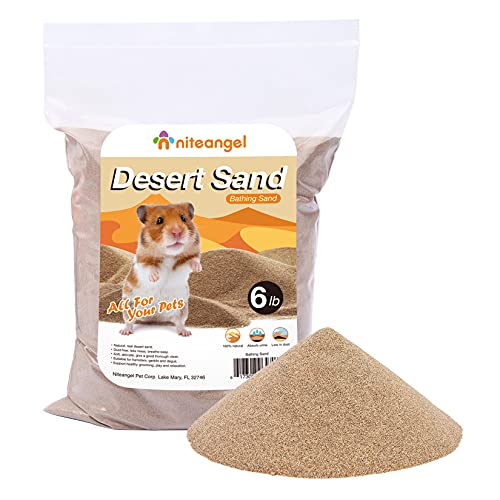
Natural & Real Desert Sand - This small pets bathing sand with no-addon, designed for Hamsters, Gerbils, Degus, Mice, or other small-sized pets who need to take sandbaths regularly to keep their own clean & well-being
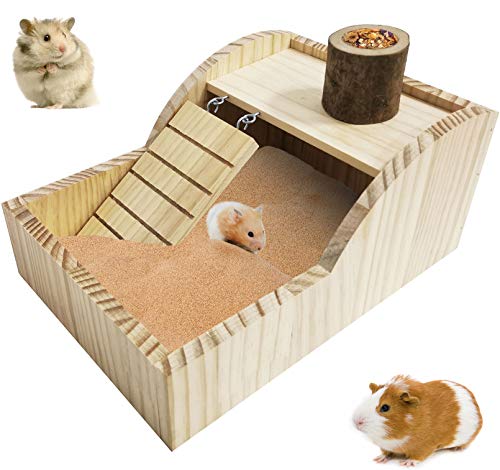
[SATISFY SMALL ANIMAL INSTINCT] Due to their burrow instincts, hamsters and gerbils like to dig sand or soil, and we designed this large sand pool for them to evoke the wildness of their habitat.When you don't have time to play with your hamster, you can put him in this box and let him play on his own, reducing stress and boredom for your cute little pet
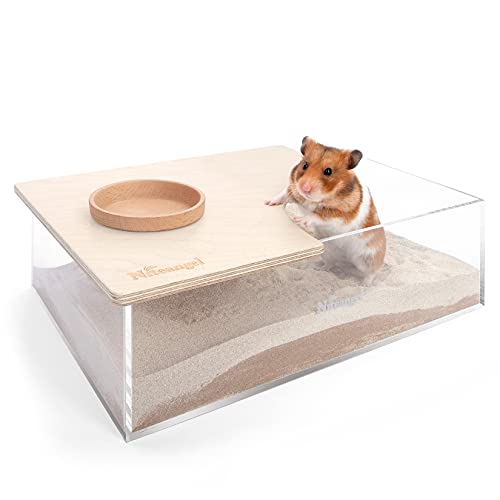
Large Rectangle Hamster Sand Bath Container - The Dimension of Rectangle Small Animal Sandbox: 12.2-inch L x 8.6-inch W, Height: 4-inch. Due to the rectangle shape design, it's easy to settle down at a corner in your hamster cages or tanks. As it's large and bigger than most of the sand-bath boxes, please make sure there have enough space to put it down in your hamster habitats before purchase, to prevent your return due to the size issue
How Often Should You Offer a Sand Bath?

How often should your pint-sized furball plunge into that sandy spa? Great question! When it comes to bathing frequency, moderation is key. Over-bathing can dry out their delicate skin, while too little might leave your little buddy a bit dusty in all the wrong ways.
Think of the sand bath as part of their fun hygiene routine—not a daily must, but a weekly treat. Here’s a quick guide:
- Offer sand 2–3 times per week, Keeps them clean without irritation.
- Limit each session to 10–15 minutes, Long enough to roll, short enough to stay safe.
- Remove wet or soiled sand immediately, Freshness matters for healthy hopping.
This routine keeps your hamster happy, clean, and ready for cuddle time (or at least, cage-side chats). Stick to this rhythm, and you’ll strike the perfect balance between squeaky-clean and simply adorable.
5 Mistakes to Avoid With Sand Baths?
You might think any old sand will do, but picking the wrong kind can really backfire.
Stick to safe, dust-free options made for small pets.
Giving your hamster too many sand baths might seem kind, but overbathing can dry out their skin and leave them itchy.
Keep it simple, keep it safe, and your tiny friend will stay clean and comfy without the drama.
Choosing The Wrong Sand
Ever wonder why your dwarf hamster isn’t quite digging their sand bath the way you expected? It might be all about the sand you picked.
The wrong sand texture can turn a fun roll into a frustrating flop, affecting your hamster’s behavior more than you’d think.
Dusty, clumping, or rough sand isn’t just uncomfortable. It can be harmful. Here’s what to avoid:
- Clay-based cat litter: It clumps when wet and can stick to their fur or paws.
- Fine dust or powdered sand: Can irritate their tiny lungs and eyes.
- Coarse or sharp grains: Hurts their delicate skin and discourages bathing.
Stick to soft, clean, chinchilla-safe sand for happy rolls and healthy grooming.
Your little buddy will thank you with joyful backflips!
Overbathing Your Hamster
Could your hamster be hitting the sand a little *too* hard? It’s easy to think more sand baths mean better cleanliness, but that’s not the case.
Overbathing risks include dry, irritated skin and even stress for your tiny buddy.
Dwarf hamsters are naturally clean and don’t need daily sand sessions. Aim for two to three times a week to maintain a healthy hygiene balance.
Think of it like showering: you wouldn’t wash every single day, right? Too much of a good thing can backfire.
Keep an eye on your hamster’s behavior. If they’re spending hours rolling around, it might be time to cut back.
You’re doing great by learning this stuff. Just remember, moderation is key. A little sand goes a long way in keeping your hamster happy, healthy, and perfectly groomed.
Signs Your Hamster Loves (or Hates) Their Sand Bath?
What does it mean when your dwarf hamster dives into the sand bath like it’s winning the lottery? It’s a clear sign of joy and natural hamster behavior. Dwarf hamsters often show their sand preferences through enthusiastic rolling, digging, and full-body wiggles. They’re more than merely cleaning—they’re having a blast.
Your dwarf hamster diving into the sand bath like it just hit the jackpot? That’s pure joy — rolling, digging, and wiggling their way to happiness.
Here’s how to tell if your hamster loves or dislikes their sand bath:
- Rolling & Digging: Happy hamsters roll, kick, and burrow. This is peak sand spa time.
- Quick Exit or Avoidance: If they hop out fast or ignore the bath, they mightn’t be into it today.
- Fluffed-Up Fur: A relaxed, slightly puffed look means comfort. Stiff posture hints at stress.
Watch their cues closely. Every little squeak and shuffle tells a story. Most dwarf hamsters adore sand baths, but each has unique tastes. Adjust the setup if needed, and keep the vibes fun and fuss-free. You’ve got this!
Can Sand Baths Improve Your Hamster’s Health?
Why do so many dwarf hamsters go absolutely bonkers for their sand baths? It’s more than because they’re cute and playful. Those little rolls and digs actually boost their health!
Sand baths help keep your hamster’s fur texture soft and clean by soaking up excess oils, kind of like a natural dry shampoo. No more greasy coat or funky smells!
Plus, rolling around encourages movement, which supports joint and muscle health.
While sand won’t directly improve dental health, the overall stress relief from grooming can lead to a happier, healthier pet. A calm hamster is less likely to overgroom or chew nervously.
Final Thoughts
You’ve got this! Giving your dwarf hamster a sand bath isn’t just safe, it’s a tiny joy they’ll roll in with glee. It keeps their fur clean, taps into their wild side, and feels like a spa day in desert style.
Just pick the right sand, skip the dusty stuff, and watch them wiggle with delight. A little sand goes a long way in keeping your pint-sized pal happy and healthy!

Stainless Steel Hamster Mesh Scoop - niteangel fine sand scoop are made of durable stainless steel. The ergonomic design handle is comfortable to hold. Designed to clean small animals and reptile feces, with dense holes, the sand mesh scoop not only can easily clean the corners of small animal terrarium, but also can easily screen wet and sticky particles, without leaving annoying sticky things.

Natural & Real Desert Sand - This small pets bathing sand with no-addon, designed for Hamsters, Gerbils, Degus, Mice, or other small-sized pets who need to take sandbaths regularly to keep their own clean & well-being

Fine Silica Sand: Bath sand is one of the necessary hamster accessories. And silica sand is a type of sand commonly used in hamster sand baths. It is a natural and absorbent fine sand that helps remove excess grease and dust from the hamster's fur, removes dirt and odors from the body, and keeps the little pet dry and clean