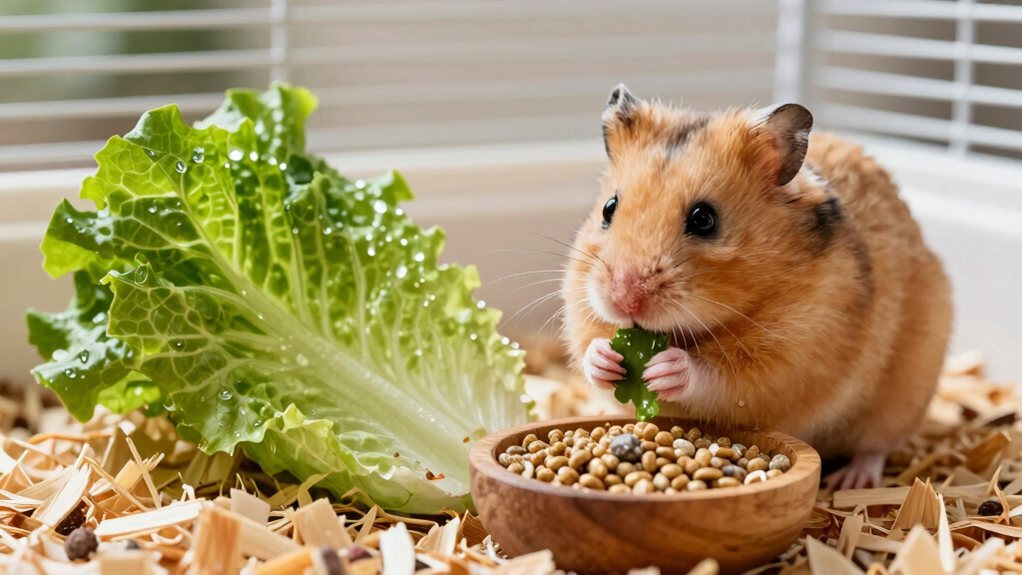
Yes, you can give your hamster lettuce, but keep it light and occasional. Think of it as a snack, not a meal.
Romaine and butter lettuce are safer choices, packed with nutrients and less likely to upset their tummy. Skip iceberg; it’s mostly water and can cause messy diarrhea. A tiny piece once a week is plenty.
Watch how your hamster reacts. Happy tummies mean you’re on track. And hey, there’s more to discover about keeping your little buddy healthy and hopping.
Can Hamsters Safely Eat Lettuce?

So, can your little hamster buddy safely munch on a leaf of lettuce? Yes, but in moderation! Lettuce isn’t toxic to hamsters, so you don’t need to panic if your furry friend sneaks a nibble.
However, it’s low in real lettuce nutrition and high in water, which means too much can cause tummy troubles or even diarrhea.
Think of it as a hydrating treat, not a meal. A small piece once or twice a week helps with hamster hydration, especially in warmer months.
Think of lettuce as a refreshing sip, not a snack. A little leaf now and then keeps your hamster hydrated, especially when the sun’s shining bright.
Just don’t go overboard, your hamster’s belly is tiny! Opt for darker greens like romaine over iceberg, which is mostly water and offers little benefit.
You’re doing more than just feeding them, you’re caring for them. So go ahead, share a leaf, but keep it light, keep it fun, and always watch how your hamster reacts.
Is Lettuce Bad for Hamsters?
You might think tossing your hamster a leaf of lettuce is harmless, but it can actually upset their tiny tummy, especially if it’s iceberg, which offers little nutrition and can cause diarrhea.
Stick to safer greens like romaine or butterhead in small amounts, because nobody wants a grumpy, soggy hamster on their hands.
Just remember: when in doubt, less is more, and your little buddy will thank you with happy, zoomie-filled nights.
Lettuce And Digestive Upset
Ever wonder why your hamster suddenly turns into a tiny, wobbly explorer after a leafy snack? That’s because too much lettuce can cause digestive upset. While lettuce isn’t toxic, its high water content and soft lettuce texture can disrupt your hamster’s sensitive stomach.
You might notice loose stools or a grumpy little buddy who’s not up for play.
Their chewing behavior helps break down food, but watery greens like iceberg don’t give their jaws much of a workout, and their bellies don’t always appreciate the splashy surprise.
Stick to small, occasional pieces, and watch how your hamster reacts. If they seem off, skip the salad for a few days.
Think of lettuce as a treat, not a staple. With the right balance, your furry pal can enjoy a nibble without turning snack time into a tummy tumble.
Unsafe Lettuce Varieties
Could some types of lettuce actually be a no-go for your pint-sized pal? Yep, not all greens are created equal. While romaine or green leaf lettuce can be safe in small amounts, iceberg is best skipped. It’s low in nutrients and can cause tummy troubles.
Plus, let’s talk lettuce pesticides. Always wash any leaf thoroughly before serving. You wouldn’t eat it dirty, and neither should your hamster!
Also, watch your storage methods. Old or wilted lettuce can harbor bacteria, and that’s a fast track to a grumpy and sick little buddy.
Keep it fresh, keep it clean, and serve only a tiny piece at a time. Think of it like a snack, not a buffet. Your hamster will thank you with happy cheek-puffing and maybe a dramatic backflip. Just keep it safe, simple, and pesticide-free.
What Lettuce Types Are Safest for Hamsters?
You’ve probably got a head of lettuce in your fridge right now, and your hamster’s probably eyeing it like it’s a gourmet snack. Good news, some kinds are totally safe!
Romaine lettuce is a solid choice because it’s packed with nutrients and won’t upset your little buddy’s tummy.
Butter lettuce is soft and gentle too.
Iceberg is mostly water, so offer just a tiny bit to avoid soggy surprises.
Romaine Lettuce: A Healthy Choice
When it comes to leafy greens, romaine lettuce stands tall as a crunchy favorite for your hamster’s snack drawer. You’ll love knowing it offers solid nutritional benefits, packed with vitamins A and K, plus a nice little boost of fiber.
It’s more than just tasty; it also gives your tiny buddy great hydration support, which is a big win since hamsters can be sneaky about drinking water.
Just picture your little furball chomping happily, getting both flavor and function in one bite. While it’s not a daily staple, a small, washed piece once or twice a week works perfectly.
Don’t go overboard—too much can upset their tummy. But hey, who knew something so crisp could be so smart?
Romaine’s like the superhero of lettuce: mild, reliable, and always ready to impress. Your hamster mightn’t say “thank you,” but their bright eyes and happy nibbles will.
Butter Lettuce: Soft And Safe Option
Now that you’ve seen how romaine lettuce brings the crunch and nutrients in a hamster-approved package, let’s talk about a gentler green that’s just as friendly, butter lettuce.
With its soft leaves and mild flavor, this variety is a hit with picky eaters and tiny tummies alike.
The tender lettuce texture makes it easy to chew and digest, which is perfect for sensitive hamsters.
Plus, it holds moisture well without flooding their system.
You’ll notice your little buddy nibbling happily. Hamster preferences really shine here!
- Soft texture = easier chewing
- Mild taste = more likely to be eaten
- Low in oxalates = safer long-term
- Hydrating without overdoing it
It’s like the cozy blanket of lettuces, gentle, safe, and oh-so-appealing.
Just serve in small, washed pieces, and watch your hamster enjoy nature’s salad bar.
Iceberg Lettuce: Limited But Okay
So, is iceberg lettuce a no-go or a light green thumbs-up for your hamster? Good news, it’s not off-limits! While it doesn’t pack the same nutritional benefits as darker greens, a small, occasional bite won’t hurt. Think of it like the mild cousin at the salad party: not the star, but still welcome.
Iceberg lettuce offers hydration support, which can be helpful, especially in warmer months. But here’s the catch: too much can cause tummy troubles or even diarrhea. So, keep portions tiny, like one little cube small.
Your hamster will enjoy the crunch without the consequences.
Just don’t make it a staple; swap in richer options like romaine or butter lettuce more often. Overall, iceberg is okay in a pinch, but it’s not the MVP of lettuce. Treat it like a snack, not a main course, and your furry buddy will stay happy, hydrated, and hopping.
Which Lettuce Should Hamsters Avoid?
Ever wonder why your hamster turns up its tiny nose at certain greens? It might be more than just pickiness. Some lettuces can actually upset their little tummies.
Your hamster might not just be picky—some lettuces can upset their delicate digestive system. Choose wisely to keep their tiny tummy happy and healthy.
While lettuce texture plays a big role in what’s safe, you’ve also got to watch for hamster allergies and digestive issues. Not all lettuce is created equal. A few types are best skipped entirely.
Stick to the good stuff and keep your fuzzy friend happy and healthy. Here’s which ones to avoid:
- Romaine with pesticides, even a little residue can cause problems
- Butterhead lettuce past its prime, mushy texture means bacteria risk
- Pre-washed bagged mixes, hidden seasonings or preservatives aren’t hamster-friendly
- Any lettuce with strong odor or slimy spots, clear signs of spoilage
When in doubt, fresh and plain wins every time. Your hamster will thank you with extra cheek-pouch wiggles.
How Much Lettuce Can a Hamster Eat Daily?

You’ve already picked the right kind of lettuce, congrats! Now, let’s talk about how much your little furball can actually eat.
When it comes to lettuce nutrition, a little goes a long way. Stick to about one small leaf per week. Yes, just one!
Overfeeding can lead to soggy bottoms, not cute, or tummy troubles. Think of lettuce as a treat, not a meal.
Your hamster’s main diet should still be pellets, seeds, and the occasional veggie.
Feeding frequency matters. Once a week is plenty.
Too much, too often, and you’ll have a grumpy, gassy hamster on your hands. And nobody wants that.
So keep it light, keep it fun, and watch your buddy crunch happily.
You’re doing great. Your tiny pal is lucky to have you!
How to Prepare Lettuce for Your Hamster
Before you hand over that leafy green treat, take a few simple steps to make sure it’s safe and easy for your hamster to enjoy. Start with fresh, crisp lettuce and use proper lettuce washing techniques. Rinse it thoroughly under cool water to remove dirt and pesticides.
Pat it dry gently, then chop it into bite-sized pieces your hamster can manage. Always keep portion size measurement in mind. A piece about the size of your hamster’s head is plenty.
Here’s how to get it right:
- Wash the leaves well, even if they’re labeled “pre-washed”
- Choose darker greens like romaine over iceberg
- Cut it into small, manageable bits to prevent choking
- Remove any uneaten lettuce after 12 hours to avoid spoilage
Your little buddy will munch happily—and safely—when you prep it just right.
Signs of Lettuce Overfeeding in Hamsters
If you’ve been giving your hamster too much lettuce, you might notice them acting sluggish or wobbly, like they’re moving in slow-mo instead of their usual zoomies.
Keep an eye out for a loss of appetite or signs of wet tail, which is no joke but definitely sounds like a bad hamster band name.
Ease up on the greens if you spot these red flags, because even salad lovers need balance!
Lethargy And Weakness
Ever wonder why your usually zippy hamster is suddenly moving slower than a sloth on a Sunday?
If you’ve been tossing extra lettuce into their bowl, it might be the culprit.
Overfeeding lettuce can lead to lethargy and weakness, especially because of nutritional deficiency and hydration imbalance.
Too much water-rich lettuce means your hamster’s missing out on vital nutrients, leaving them sluggish and low on energy.
Watch for these red flags:
Unusual tiredness or reluctance to move
Clumsy or wobbly movements
Reduced appetite for regular food
Cold or hunched posture
You love your little furball, so keep the lettuce light and the nutrition balanced.
A crisp nibble now and then? Fine.
A salad bar every night? Not ideal.
Keep them hopping happily with the right mix!
Wet Tail Risk
Could your hamster’s love for lettuce be hiding a soggy surprise? Feeding too much lettuce can lead to wet tail causes like diarrhea and digestive upset, especially if your little buddy’s tummy isn’t used to it.
Wet tail is no joke, it’s a serious condition that can sneak up fast. While lettuce isn’t a direct cause, overfeeding watery greens can weaken your hamster’s system, making them more vulnerable.
You’ll want to watch for signs like a messy rear end, low energy, or loss of appetite. The good news is that wet tail prevention starts with simple steps.
Offer lettuce only in small, occasional pieces and stick to low-moisture types like romaine. Keep their diet balanced and clean their cage regularly.
Your hamster will stay happy, healthy, and dry—no soggy tails allowed!
Early veterinary care significantly improves survival rates if wet tail is detected early.
Loss Of Appetite
What happens when your hamster turns up its tiny nose at dinner? If you’ve been giving it too much lettuce, that loss of appetite might be a red flag. While lettuce seems harmless, overfeeding it can fill your hamster’s belly with water and fiber, leaving little room for the good stuff, like protein and vital nutrients.
Over time, this can lead to nutritional deficiency, making your little buddy sluggish or disinterested in meals.
Watch for these signs of lettuce overfeeding:
- Refusing favorite treats or pellets
- Lethargic or unusually sleepy behavior
- Noticeable weight loss
- Dull, patchy fur
You love your hamster, and so does it, just in its own squeaky way. Keep lettuce as an occasional snack, not a staple, and your tiny pal will stay curious, hungry, and full of life.
Best Vegetable Alternatives to Lettuce for Hamsters

Looking for a crisp, colorful upgrade from lettuce your hamster won’t turn their tiny nose up at? You’re in luck—there are plenty of tasty, nutritious options!
Try offering carrot sticks for a sweet, crunchy treat packed with beta-carotene that supports eye health. Just chop them small to avoid choking.
Cucumber slices are another hit, hydrating and invigorating, especially on warm days. Your little buddy will love the juicy crunch!
Other safe picks include bell pepper bits, zucchini, and steamed broccoli in tiny amounts. Always wash veggies first and serve in moderation to avoid tummy troubles.
Rotate choices to keep meals exciting and balanced.
These alternatives aren’t just safer than watery lettuce—they’re tastier too.
Your hamster might just do a happy hop after snack time. Who knew healthy eating could be this adorable?
Can Lettuce Replace a Balanced Hamster Diet?
You’ve got a handful of great veggie swaps that’ll keep your hamster munching happily, carrots, cucumbers, even little bits of bell pepper.
But here’s the thing: as tasty as lettuce can be, it shouldn’t replace your hamster’s balanced diet.
Lettuce may be tasty, but it’s no substitute for the balanced nutrition your hamster needs to stay healthy and active every day.
Lettuce is mostly water and lacks the nutrients your little buddy needs to thrive.
Relying on it too much can lead to nutritional deficiency and diet imbalance, leaving your pet sluggish or worse.
Think of lettuce like a snack, not a meal.
To keep your hamster healthy and hopping, stick to a proper mix of:
- High-quality hamster pellets
- Fresh veggies in moderation
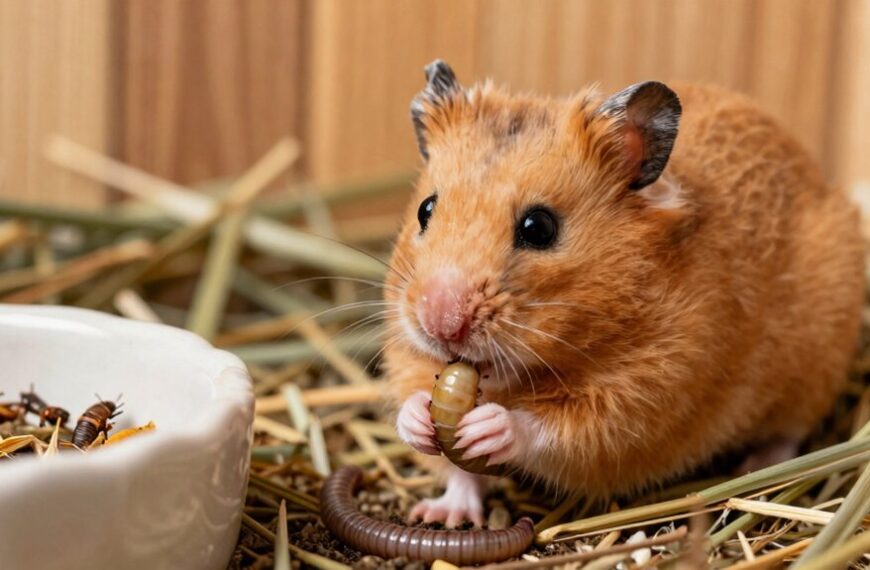
- Occasional protein (like boiled egg or mealworms)
- Clean, fresh water daily
You’re doing great by asking these questions. Your hamster’s lucky to have you!
How to Safely Introduce New Veggies to Your Hamster
Ever wonder how to keep your hamster’s taste buds excited without upsetting their tummy? Start slow, offer just a tiny piece of new veggie, like a dime-sized bit of lettuce, once or twice a week. This helps prevent digestive issues and lets you monitor for any bad reactions.
Always wash veggies well to remove pesticides, and remember, fresh is best!
For hamster hydration, watery veggies like lettuce can help, but don’t overdo it. Too much leads to soggy bottoms and messy cages.
Rotate choices regularly with a vegetable rotation plan. Try cucumber, bell pepper, or spinach to keep meals fun and balanced.
Think of it as a mini salad bar for your tiny roommate. Your hamster will stay healthy, happy, and maybe even do a little food dance. Just keep portions small, watch their response, and enjoy the cute munching sounds!
Final Thoughts
So, can you share your salad with your hamster? Sure, in moderation! A little romaine or green leaf lettuce won’t hurt, but too much turns their tummy into a splash zone.
Stick to small bites a few times a week, watch how they react, and remember: veggies are treats, not dinner. Keep it balanced, keep it fun, and your tiny furball will stay happy, healthy, and maybe even do a victory spin in their wheel.