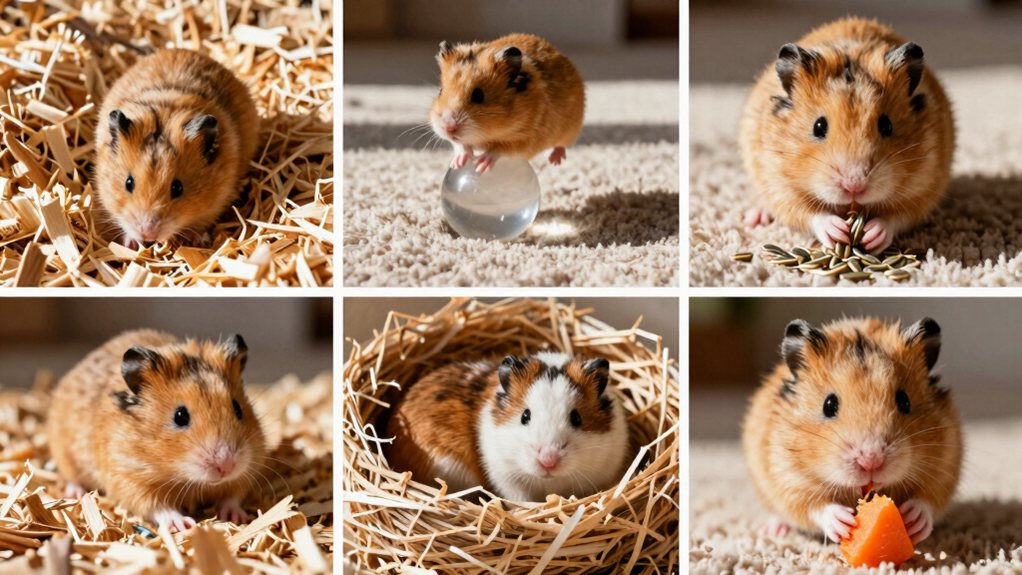
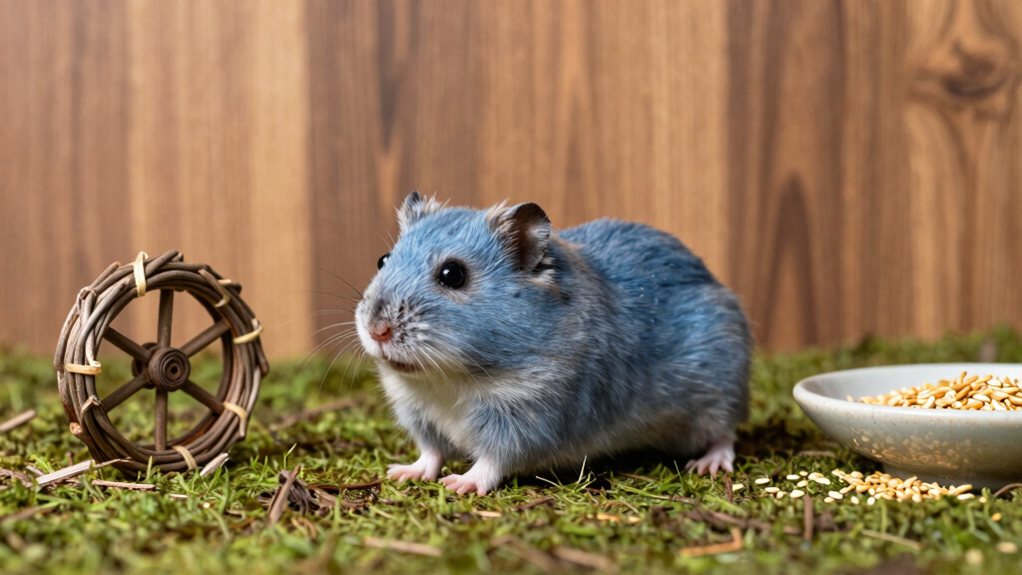
You don’t need to walk your hamster or give it bubble baths. Thankfully, they handle their own grooming.
Just check their food and water every morning, scoop out soiled bedding, and give them a safe space to explore daily. They’re low-key pets, but they do need a clean cage, a proper diet, and a little love.
Sure, they’ll run on their wheel all night, but that’s part of their charm. Stick around—you’ll discover how easy and rewarding it can be to keep your tiny buddy happy and healthy.
Are Hamsters High Maintenance Pets?
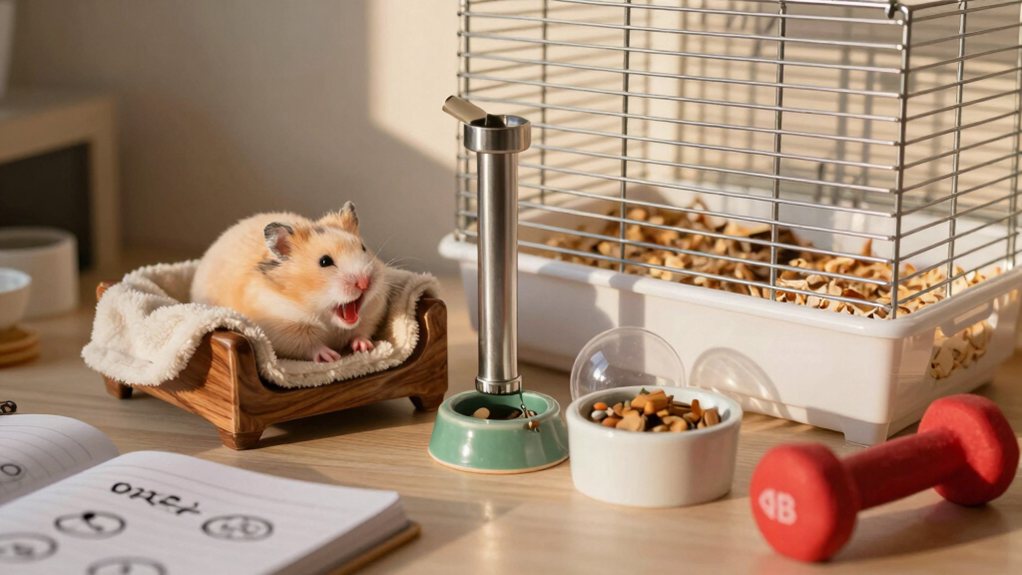
So, are hamsters high maintenance? Not really. You’ll actually find they’re pretty low-key pets once you get the hang of things.
Sure, they don’t live super long. Most have a hamster lifespan of just 2 to 3 years. But they pack a lot of charm into that time.
You won’t need to walk them or bathe them daily, which makes life easier.
Just give them a clean cage, fresh food, and a wheel to run on, and they’re happy.
Keep their cage clean, food fresh, and wheel spinning—they’ll thrive on simple joys and midnight marathons
Breeding challenges? Yeah, that’s a whole other story. Best left to experts.
Hamsters can get grumpy and territorial, especially when you mix them.
But as a solo pet, your little buddy is pretty simple to care for.
Think of them as the low-maintenance roommate who’s up all night but never eats your snacks. Mostly.

【Thick Bedding Matters】Research shows it’s best to have plenty of bedding so your hamsters can make a burrow just like they would in the wild. The extreme large interactive space of our cage is able to hold thick bedding and toy system for your pets to dig and explore. It's easy to arrange their hideout, sand bath area, hamster wheel, or exploring scene in the cage, which results in a far happier and less stressed hamster compare to the wire cage. We offer 4 different sizes, feel free to choose from 24-48in length. Note: The inner decoration is not included in the package

Natural Habitat Design: This hamster enclosure has a tempered glass bottom that is fit for adding paper or wood chips to create a cozy, natural space for your hamster. The transparent glass bottom lets you watch your hamster's actions in real-time.
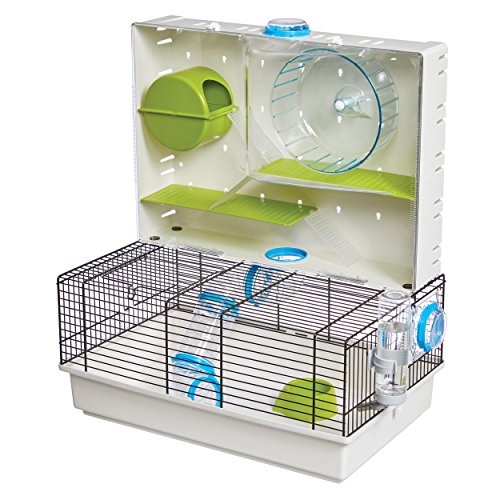
Fun Arcade Hamster Home features a cool multi-level play space to watch your hamster in action 18.11 length x 11.4 width x 21.5 height inches, 6.1 pounds
Daily Care Routine for a Healthy Hamster
What does it really take to keep your hamster happy and healthy each day? Not as much as you’d think! You’ll want to check their food and water every morning, yes, that water bottle clogs more than your shower.
Spend a few minutes cleaning up bedding or spilled snacks.
Hamsters groom themselves like tiny, furry professionals, so you won’t need to bathe them. Please don’t—it stresses them out!
But do keep an eye out for messy fur, especially around their rear.
Social interaction needs vary. Some hamsters love a good chat or gentle handling, while others prefer to tunnel in peace.
A few minutes of playtime outside the cage goes a long way. Supervised, of course—escape artists, these little guys!
Setting Up the Best Hamster Cage
You’ll want to pick a spacious cage because your hamster loves to explore, run, and maybe even plan a great escape.
Go for safe, absorbent bedding like paper-based options.
Skip the cedar or pine, unless you enjoy cleaning a mini forest floor.
Toss in a wheel, hideout, and some chew toys.
Trust me, a happy hamster is way less likely to redecorate your couch.
Spacious Cage Design
While your hamster might be small enough to fit in the palm of your hand, that doesn’t mean their home should be tiny. A spacious cage gives your little buddy room to explore, dig, and burn off all that midnight energy. Think of it like their personal apartment. Would you want to live in a closet?
Aim for at least 450 square inches of floor space, more if you can swing it. Good ventilation is key. Poor airflow can lead to nasty odors and health issues, so wire tops or mesh sides are smart picks.
And hey, while cage aesthetics matter, who doesn’t love a cute setup? Don’t sacrifice function for style. Skip the cramped plastic tubes and go for multi-level designs with open space.
Your hamster will thank you by being active, happy, and less likely to chew through walls out of boredom.
Proper Bedding Selection
Now that you’ve picked out a roomy cage where your hamster can sprint like they’re training for the tiny hamster Olympics, it’s time to focus on what goes inside. Specifically, the bedding.
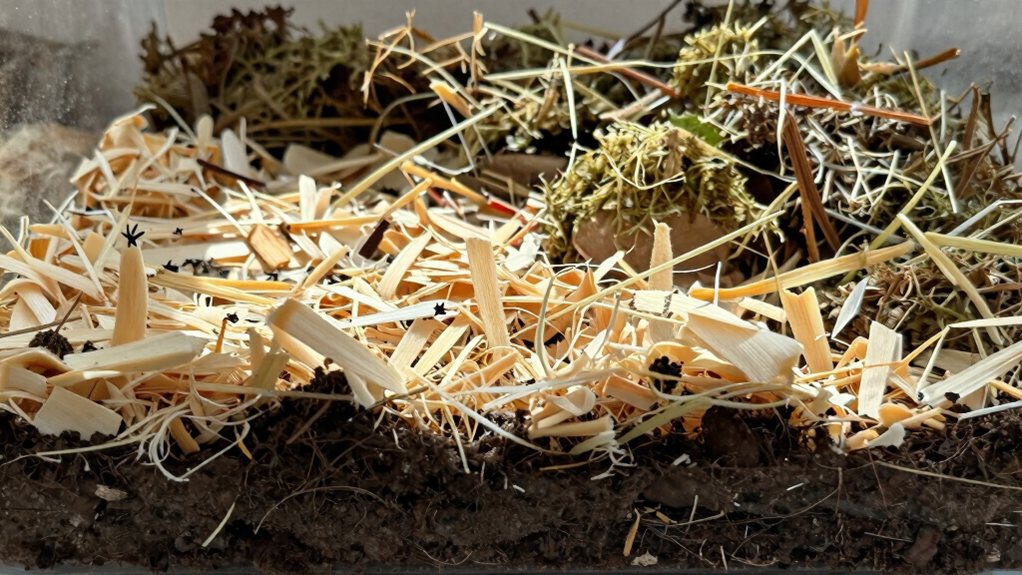
Choosing the right bedding material matters more than you’d think. Your hamster isn’t merely lounging. They’re digging, burrowing, and building cozy nests like tiny interior designers.
That’s why soft, absorbent options like paper-based or aspen shavings work best. Avoid cedar or pine. They might smell nice to you, but they can irritate your pet.
Think about your hamster’s nesting habits. They want to feel safe and snug.
A thick layer of bedding lets them dig and hide just like they’d in the wild. It’s not merely comfort. It’s instinct.
Essential Accessories Included
What’s a castle without a few creature comforts? You’ve picked the perfect cage and cozy bedding. Now it’s time to add the must-haves.
Every hamster needs a hideout for naps, a sturdy wheel for midnight marathons, and a food dish that won’t tip.
Place the cage in a quiet location, away from loud TVs or barking dogs, so your little buddy can relax.
Natural lighting helps keep their sleep schedule in check, but skip the direct sunlight. It’s like a hamster sauna!
A water bottle, chew toys, and a small tunnel or two go a long way.
These aren’t luxuries. They’re must-haves for a happy, healthy pet.
You don’t need a palace, just the basics done right.
Your hamster mightn’t send thank-you notes, but trust us, they’ll show their joy. Probably at 2 a.m. on that squeaky wheel.
Weekly Cleaning: A Safe and Clean Habitat
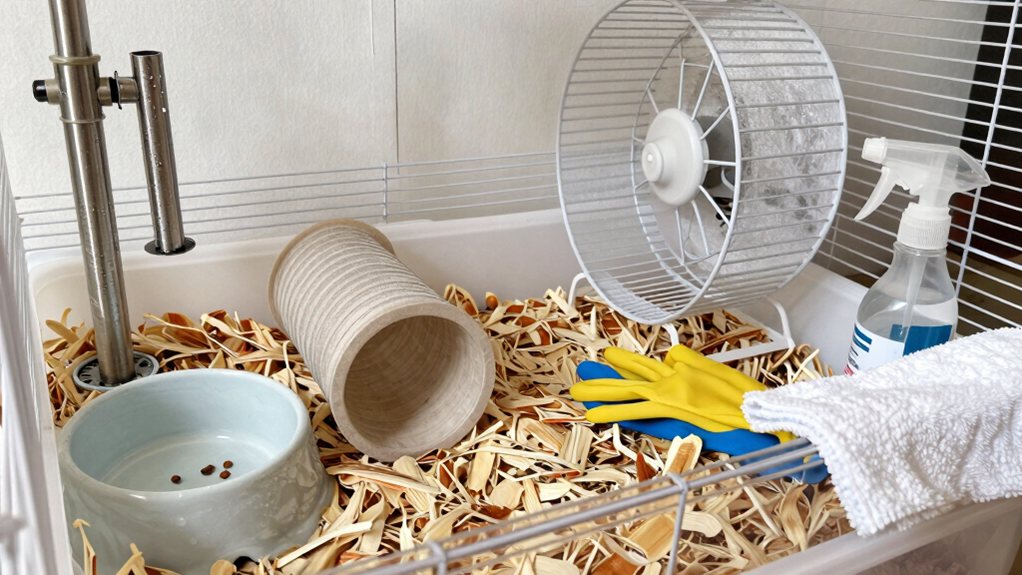
Ever wonder how a tiny hamster can make such a big mess? One moment it’s nibbling a seed, the next it’s flinging bedding like confetti! But don’t panic. Keeping up with hamster hygiene isn’t as tough as it seems.
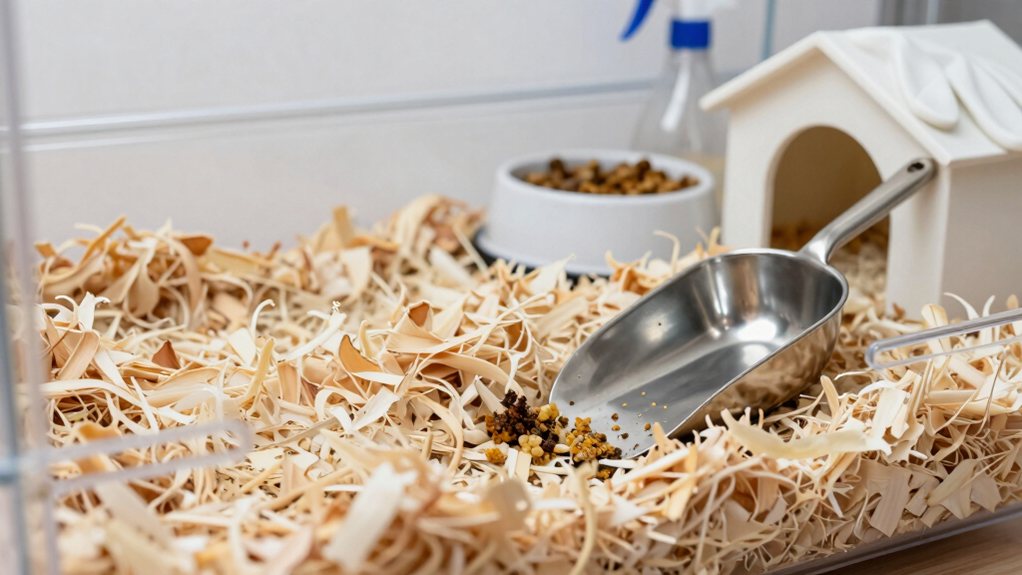
A simple weekly cleaning schedule keeps things safe and stress-free for both of you. Just scoop out soiled bedding, wipe down the cage with pet-safe cleaner, and rinse food bowls.
Stay on top of hamster care with a quick weekly cleanup—scoop soiled bedding, wipe the cage, and rinse food bowls for a fresh, happy home.
Your hamster will thank you with happy wheel runs and cheeky cheek-pouch stuffing.
Think of it like tidying your room. Skip it too long and things get *interesting*. With a little consistency, you’ll avoid stink bombs and health headaches.
Plus, it’s kind of satisfying to see that sparkling clean habitat.
What Hamsters Should Eat Daily
You’ve got to get your hamster’s daily meals just right, think of it like packing a tiny lunchbox full of good stuff. Stick to a base of quality hamster pellets, add a sprinkle of fresh veggies, and don’t forget a little protein, like a bite of boiled egg or a plain cracker.
Just remember, while they’d love to beg for your pizza crust, stick to safe treats and skip the junk. They’ll thank you with happy, zoomie-filled nights.
Daily Diet Basics
Wondering what your hamster should chow down on each day? You’re in luck, feeding your tiny buddy doesn’t have to be a circus act. A solid hamster diet starts with a base of high-quality commercial pellets. They’ve got all the nutrients your little furball needs.
Now, for fresh food options, think small: a pea-sized bit of carrot, a tiny apple slice (no seeds!), or a scrap of broccoli a few times a week.
But here’s the golden rule: portion control tips matter. Overfeeding leads to messes and weight gain. Nobody wants a hamster that can’t fit in its wheel!
Stick to teaspoon-sized treats and remove uneaten fresh food daily to keep things clean.
With the right balance, your hamster stays happy, healthy, and full of zoom. Just remember: tiny tummy, tiny portions!
Safe Treats Guide
What makes a treat truly safe for your hamster? Great question! The key is balance, especially with fruit portions and seed varieties.
While your little buddy might go nuts for a grape, too much fruit can lead to tummy troubles or weight gain. Stick to pea-sized pieces once or twice a week.
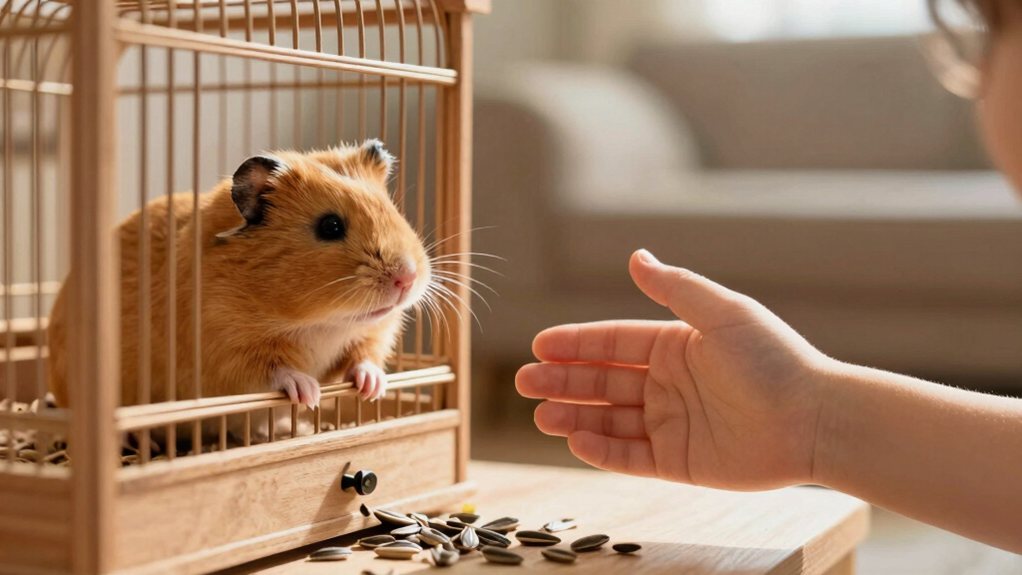
As for seeds, not all are created equal. Sunflower and pumpkin seeds are fine in small amounts, but skip the salty or roasted kinds. Your hamster isn’t lounging on a beach with snacks!
Always go for raw, plain options. Mixing safe seeds into their regular food adds fun and nutrition.
Think of treats like dessert: enjoyable, but not the main course.
You’re more than just feeding them—you’re bonding. And honestly, watching them stuff their cheeks is half the fun.
Just keep it smart, keep it small, and your hamster will thrive—cheeks full and heart happy.
Beyond the Wheel: Enrichment for Happy Hamsters
Ever wonder why your hamster tears up their bedding or chews the cage bars even with a full belly and a spinning wheel? It’s probably boredom. Hamsters need more than just food and exercise. They crave mental challenges too.
Chewing bars and shredding bedding? Your well-fed hamster might just be bored. They need mental stimulation, not just food and a wheel.
Try toy rotation every few days to keep things fresh and exciting. A cardboard tube today, a wooden chew toy tomorrow. It’s like surprise gifts they can gnaw on.
Sensory stimulation matters just as much. Add tunnels, sniffy mats, or even unscented tissues for nesting. These little adventurers love exploring, hiding, and discovering.
Think of their cage as a tiny playground.
You don’t need fancy gadgets. Just creativity and consistency. A happy hamster isn’t one with the most toys, but one with variety and engagement.

ODOR CONTROL for long-lasting freshness. Kaytee Clean & Cozy can be used with any type of habitat for a fresh animal home.

ODOR CONTROL for long-lasting freshness, Kaytee Clean & Cozy can be used with any type of habitat for a fresh animal home
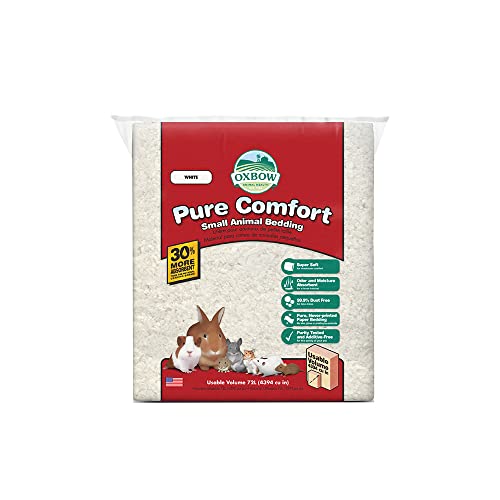
ODOR ABSORBENT TO MINIMIZE PET ODORS: Effectively neutralizes odors to keep bunny bedding & hamster bedding fresh; Ideal for pet bedding, ferret cages, and litter boxes, it helps maintain a clean environment for your pets and a better experience for you
Handling Your Hamster and Building Trust
You’ve given your hamster toys to explore, tunnels to dart through, and plenty of chewables to keep their mind sharp. Now it’s time to connect on a whole different level.
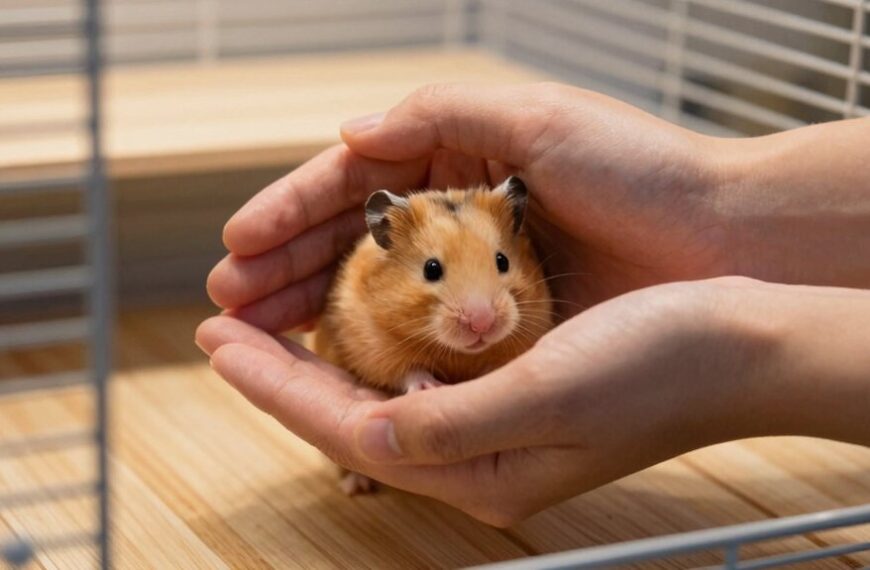
Gentle handling is key to trust building. Start by letting your hamster sniff your hand before lifting them, no sudden moves! Scoop them softly with both hands, like you’re holding a tiny, twitchy potato.
Talk in a calm voice, even if your hamster doesn’t understand your words. They’ll pick up on your vibe.
Spend a few minutes daily just being near each other. Some hamsters take days to warm up, others take weeks. That’s okay! Patience beats speed here.
Avoid grabbing or chasing them, that’s a fast track to fear.
With time, your little buddy might even climb onto your hand willingly. That’s the golden moment, trust in the making.
Signs of Stress in Hamsters (And How to Help)
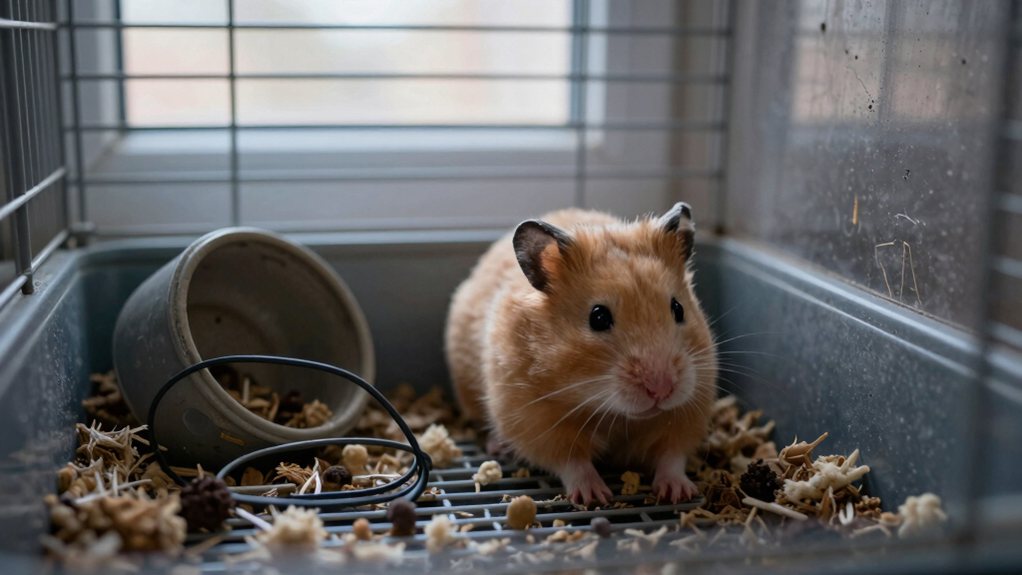
Ever wonder why your hamster suddenly started racing around the cage like it’s training for the tiny animal Olympics? That hyper behavior might be a sign of stress. Watch for other clues, biting, hiding more than usual, or fur loss.
Stress in hamsters can come from loud noises, rough handling, or even changes in routine. These are common aggression triggers. Keep their space quiet and predictable.
Also, check their hydration levels. Dehydration can make stress worse. A dry nose or sunken eyes? That’s a red flag. Offer fresh water daily and hydrating snacks like cucumber.
You can help by adding cozy hideouts and gentle playtime. Stay calm and patient. Your little buddy just needs time to adjust.
With a little love and attention, your hamster will chill out and go back to being the adorable furball you know.
When to Take Your Hamster to the Vet
How do you know when your pint-sized pal needs a check-up? Keep an eye out for emergency symptoms like labored breathing, bleeding, or sudden lethargy, those mean it’s time to act fast.
While hamsters don’t need frequent trips to the vet, a yearly wellness check helps catch sneaky health issues early. Think of it like a tune-up for your tiny buddy.
A yearly wellness check is like a tune-up for your tiny buddy—catch sneaky health issues early and keep your hamster happy and thriving.
If your hamster stops eating, loses weight fast, or has messy fur and watery eyes, don’t wait. Schedule a vet visit.
Even though they’re small, their needs are big when they’re sick. And hey, no Googling instead of a real vet! You love your little furball, so give them the care they deserve.
With the right vet visit frequency and quick action when trouble strikes, your hamster can stay happy, healthy, and adorably active.
Is a Hamster Right for Your Lifestyle?
Think about how much space you’ve got. Hamsters need a decent-sized cage to stay happy and active, not merely a tiny box that looks cute on a shelf.
You’ll also want to set aside a few minutes every day to feed, clean, and hang out with your little buddy, especially since they’re night owls and might be zooming around when you’re trying to sleep.
If you’re cool with a pet that’s more independent but still loves a good chin scratch, a hamster might just fit right into your life.
Cage Space Requirements
While you might picture a hamster living happily in a shoebox-sized cage, giving your tiny buddy enough room to roam is actually one of the biggest keys to their health and happiness.
Let’s bust those cage size myths. Hamsters aren’t built for cramped plastic tubes and tiny enclosures.
They need space to dig, run, and explore, just like they’d in the wild.
Think of space versus enrichment: a bigger cage means more room for toys, tunnels, and wheels, which keeps your hamster mentally stimulated.
Aim for at least 450 square inches of floor space. Bigger is always better.
A spacious home helps prevent stress and boredom, which can lead to chewing bars or even health issues.
Trust us, your hamster won’t send a thank-you note, but they’ll show their joy by being active and curious.
Give them room to be their adorable, energetic selves!
Daily Time Commitment
Ever wonder how much of your day a hamster really needs? Not as much as you’d think! You’ll spend just minutes daily on care, making them great for busy folks. Stick to a simple feeding schedule, once in the evening since they’re nocturnal, and refresh water every day. That’s it for meals!
As for playtime duration, aim for 15–20 minutes a few times a week. Let your hamster explore a safe space or enjoy some cuddle time in your hands.
Sure, they don’t need walks like dogs, but they do crave interaction. Think of it like checking in with a quiet roommate who loves snacks and tunnels.
With a bit of consistency, you’ll build trust fast.
Nocturnal Activity Patterns
You’ve got the daily routine down, quick feedings, a little playtime, and life with your hamster feels effortless. But here’s the twist: your hamster’s clock runs differently.
Hamsters are nocturnal, meaning they’re up and running when you’re trying to sleep. While you’re dreaming, your little buddy is busy exploring, chewing, or sprinting on that wheel, *thump, thump, thump*, all night long.
Their natural sleep cycles mean they nap during the day and party at night. If you’re a light sleeper, that nighttime hustle might catch you off guard.
But hey, it’s not personal, they’re just living their best after-dark life!
Understanding their nocturnal behavior helps you plan playtime for evenings, when they’re most alert and friendly.
Final Thoughts
You’ve got this! Hamsters aren’t as high-maintenance as they seem, just a little love, daily snacks, and a clean cage go a long way. Sure, they’re tiny, but they’ve got big personalities and even bigger hearts.
Spend time with them, watch for stress signs, and enjoy those midnight wheel runs. They’re low-key pets, but they still need your care. If you’re ready for some small-scale snuggles and endless entertainment, a hamster might just be your new best (and furriest) friend.

Super Quiet Hamster Wheel: Silent hamster exercise wheel with a double bearing design, ensuring smooth and quiet movement without annoying noise. Enrich your hamster's nightlife while ensuring that your pet does not disturb your sleep or daily activities while exercising.
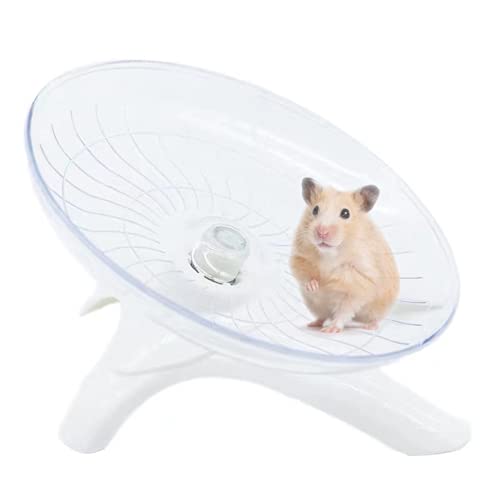
Item Specifications: Item Weight 110g/, 3.88ounce, 18*12*14 cm/7.08*4.72*1.57 inch

Super Silent 8.2-Inch Hamster Wheel - Niteangel Silent Spinner Hamster wheel designed with Dual Ball bearings, it brings your little hamster endless running happiness, also brings you a quiet night even if your hamster on the race track to run & hamster wheel is spinning