Your Russian dwarf hamster usually lives 1.5 to 3 years, but with great care, they can surprise you by reaching over 3.5 years, like a tiny, furry marathoner. Genetics, diet, and a roomy, safe home play big roles.
Skip sugary treats, offer fresh veggies, and keep their space clean and cozy. A solid exercise wheel and gentle interaction help too. You’re more than keeping them alive—you’re making their life joyful. And hey, there’s a little more to the story if you stick around.
How Long Do Russian Dwarf Hamsters Live?
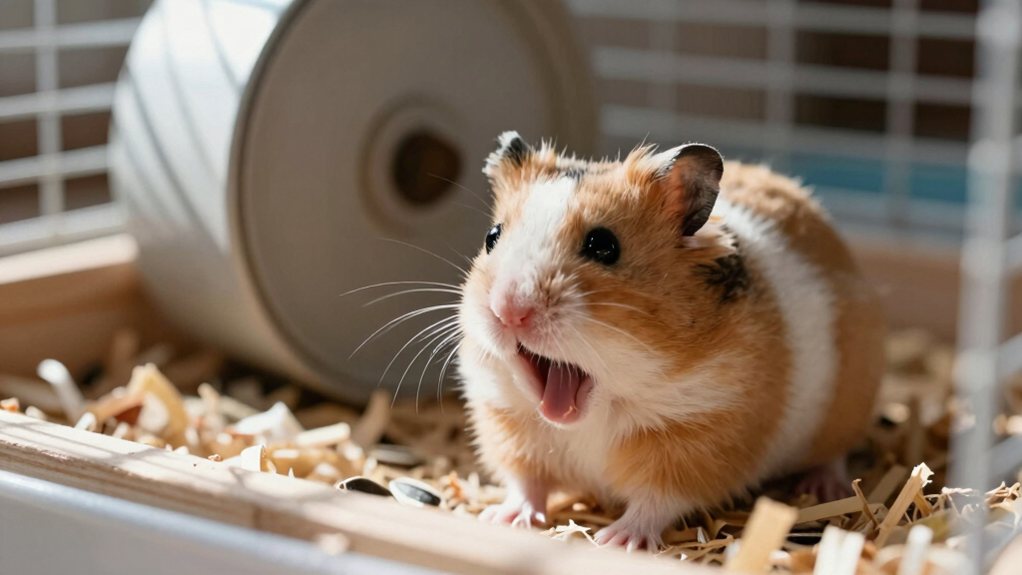
So, how long can you expect your tiny, whiskered friend to be part of your life? On average, Russian dwarf hamsters live 1.5 to 3 years, but with great care, some even reach 3.5!
Russian dwarf hamsters typically live 1.5 to 3 years, but with love and top-notch care, some lucky ones thrive past 3.5 years!
You can help by meeting their exercise needs. Wheel time is non-negotiable, and they’ll thank you with midnight marathons.
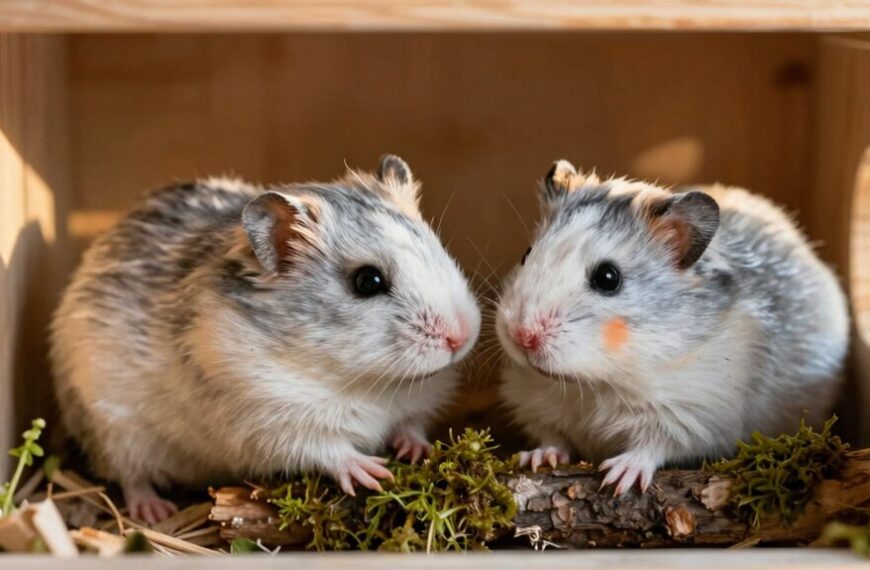
These little fluffballs are also surprisingly social, especially with their own kind if introduced young.
Still, they can bond with you too. Just don’t expect hugs, they’re more “watch me from afar” pals.
A balanced diet, a clean home, and daily playtime go a long way.
Sure, they won’t be around forever, but every squeak and cheek-puff is a tiny joy.
Think of them as the energetic roommates who never clean but always entertain.
What Factors Affect Russian Dwarf Hamster Lifespan?
You’ve got a say in how long your tiny furball sticks around, and it starts with good genes, so pick a breeder who knows their stuff.
Feed your hamster a balanced diet, more than just treats (yes, even though they give you those “feed me” eyes), because nutrition plays a huge role in keeping them spry.
A little love, the right food, and a safe home can go a long way in giving your pint-sized pal a happy, healthy life.
Genetics And Breeding
Ever wonder why some Russian dwarf hamsters live longer than others, even when they’re fed the same snacks and given identical tiny wheels? Well, it often comes down to genetics and breeding. Just like how some families have a knack for living longer, hamsters inherit traits from their parents that can affect their health. Good genetic diversity helps reduce the risk of inherited diseases, giving your little furball a better shot at a long, happy life.
On the flip side, poor selective breeding, like mating close relatives, can lead to weaker immune systems and shorter lifespans. Reputable breeders aim for healthy, varied genes, not merely cute faces. So, if you’re picking a hamster, ask about their background. It’s not merely fluff—it’s their future. A well-bred hamster might just outlive your houseplant!
Diet And Nutrition
Good genes might give your Russian dwarf hamster a head start, but what you put in their bowl plays a huge role in how long they’ll zip around their cage. You’ve got to nail the right food choices, think high-quality hamster pellets, fresh veggies, and the occasional protein like boiled egg or mealworms.
Sugary treats? Skip those, they can lead to diabetes, which shortens lifespan fast. Portion control is key too, these tiny guys only need about a tablespoon of food per day.
Overfeeding leads to obesity, and nobody wants a hamster who’s too tired to run their wheel. Mix in some hay for digestion and always keep fresh water available.
It’s not fancy, but consistency keeps them thriving. You’re more than feeding them, you’re fueling their adventures. So be smart, stay balanced, and your little furball might just outlive your expectations.
What’s the Best Diet for a Long-Lived Russian Dwarf Hamster?
What makes a Russian dwarf hamster thrive, besides their knack for stuffing their cheeks like tiny food hoarders? A balanced diet does wonders, especially when paired with regular exercise routines and mental stimulation.
You’ll want to offer high-quality hamster pellets as a base. Then mix in fresh veggies like carrots and broccoli a few times a week.
A tiny bit of fruit now and then works too. Just don’t overdo it, or you’ll have a sugar-crazed furball on your hands.
Avoid sugary or fatty treats. They can shorten lifespan fast. Fresh water daily is a must.
Think of their diet as fuel for all their wheel-running marathons and puzzle-solving escapades.
Get it right, and you’re doing more than feeding them. You’re helping them live longer, happier lives.
Simple, nutritious, and a little fun. That’s the golden rule.
What’s the Best Home for a Russian Dwarf Hamster?
You’ve nailed the food part, now let’s talk real estate, because even the best snacks won’t help much if your tiny, cheek-puffed buddy is stuck in a cramped, boring cage. For a happy, healthy Russian dwarf hamster, cage size matters. Think at least 450 square inches of floor space, so your little escape artist can explore and zoom without hitting walls. Bigger is always better.
Cage size matters—aim for at least 450 square inches so your tiny explorer can dig, dart, and dream big in a space that feels like home
Pair that with a deep layer of safe, dust-free bedding type like aspen or paper-based options. Avoid cedar or pine. It’s harsh on their tiny lungs.
Toss in tunnels, a cozy hideout, and a solid-surface wheel, and boom: you’ve built a five-star rodent resort.
A comfy home reduces stress, which helps your hamster live longer and act like their silly, curious self.
You’re more than housing a pet. You’re crafting a tiny world they’ll thrive in.
And honestly, watching them dig and dart around? Worth every penny.
A well-ventilated cage with micro-holes or mesh panels ensures healthy airflow and prevents respiratory issues, so look for designs with adequate ventilation.
Common Health Problems in Russian Dwarf Hamsters
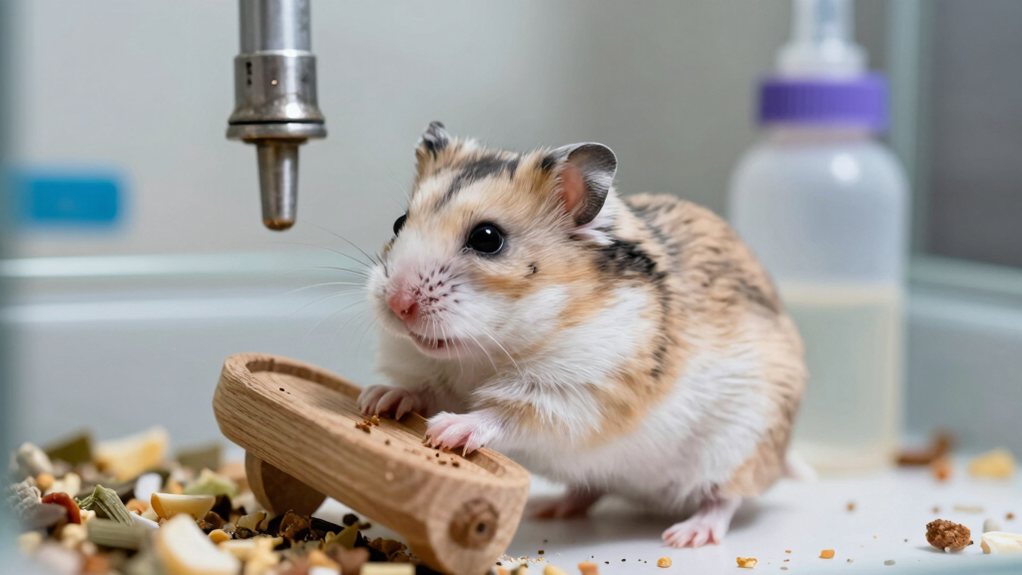
Ever wonder why your pint-sized furball suddenly stops zooming through tunnels or skips snack time? It might be more than just a moody moment.
Russian dwarf hamsters are tough little adventurers, but they’re prone to dental disease, where their ever-growing teeth can overheat—literally and figuratively—if not worn down properly. That’s why chew toys aren’t just fun, they’re crucial.
You’ll also want to watch for sneezing or wheezing, signs of respiratory infections, often triggered by damp bedding or chilly drafts. Keep their home clean, dry, and cozy.
Catching issues early makes all the difference. Sure, they can’t tell you “I’m not feeling great,” but you’d be surprised how much their behavior speaks. Stay alert, stay playful, and don’t forget the vet checkups. A little love and attention go a long way in keeping your tiny buddy happy, healthy, and full of zoomies.
Do Genetics and Breeding Affect Lifespan?
Could your hamster’s family tree be the secret to a longer, happier life? Absolutely! Genetics play a big role in how long your tiny buddy lives. Responsible breeders focus on healthy bloodlines, which can help avoid inherited issues.
Poor breeding, on the other hand, might lead to problems, even affecting coat color and temperament traits. Yep, that sassy little fluffball’s personality could be written in their DNA!
Hamsters from well-cared-for lines often live longer, healthier lives.
You wouldn’t want a hamster bred just for cute looks if it means health troubles down the road. Think of it like picking a puppy: looks are fun, but health matters more.
Daily Care Habits That Help Your Hamster Live Longer
What if the secret to a longer, happier life for your Russian dwarf hamster wasn’t hidden in some fancy supplement, but right in your daily routine? You’ve got more power than you think! Simple, consistent care makes a big difference.
Give your tiny buddy a wheel for nightly exercise routines. Trust me, they’ll run miles!
A clean cage, fresh water, and balanced food keep sickness away.
Hamsters are nocturnal, so respect their sleep patterns by keeping noise down during the day. No surprise wake-ups!
Handle them gently and often to build trust.
A little playtime outside the cage, supervised of course, boosts mental health.
Think of it like hamster self-care because even small pets deserve spa days.
With love, routine, and a few laughs, you’re doing more than adding days. You’re making those days joyful.
Who knew being a hamster hero was this sweet?
A minimum floor space of 450 square inches supports healthy movement and reduces stress.
Final Thoughts
You’ve got the power to help your tiny furball thrive! With a cozy home, healthy snacks, and daily love, your Russian dwarf hamster can live a happy, active life.
Sure, genetics play a part, but your care makes all the difference. Watch for little changes, keep things clean, and don’t skip the vet trips. Think of it like being a hamster superhero, minus the cape (though that’d be cute).