Yeah, hamsters definitely have personalities. Just like people, they can be bold, shy, sassy, or super snuggly. You’ll notice some zoom around like tiny racecars, while others chill and observe.
Their breed, genes, and age all play a part, but each one’s a unique little character. Watch how they react to toys, treats, or you—it tells you who they really are. And trust us, once you start noticing their quirks, you’ll see there’s way more to them than meets the eye.
Do Hamsters Really Have Unique Personalities?
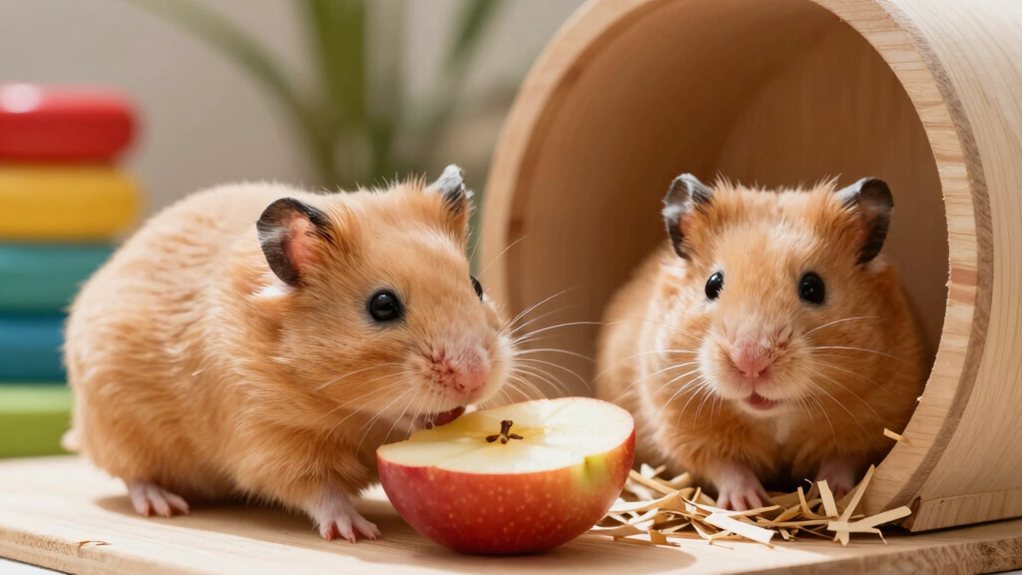
Ever wonder why one hamster zooms around its cage like a tiny furry racecar while another just sits and stares like it’s pondering the meaning of life?
That’s because, yes, your little buddy has a real personality!
Some hamsters are bold and curious, always ready for hamster travel adventures in their exercise balls.
Bold and curious, some hamsters leap at the chance to explore the world in their exercise balls—tiny adventurers on a mission!
Others prefer chilling in their cozy hideouts.
You might even catch your hamster styling in a new tunnel or bedding setup, almost like following hamster fashion trends.
They react differently to treats, handling, and new toys, showing clear preferences and quirks.
Just like people, they can be shy, energetic, or even a bit sassy.
These unique traits make each hamster special and fun to get to know.
Common Hamster Personality Types (And What They Mean)
You’ve probably already noticed your hamster has its own little way of doing things, maybe it goes nuts for sunflower seeds or gives you a grumpy side-eye when you clean its cage.
That’s because hamsters really do have distinct personalities! Understanding these can help you bond better and meet their needs.
Here are some common types you might see:
- The Explorer: Driven by curious nature, this hamster checks every corner, sniffs everything, and loves new toys.
- The Cuddler: Though rare, some hamsters seek out gentle pets and calm playtime. Watch for soft squeaks and relaxed posture.
- The Wild Child: Full of playful behavior, this one zooms around at midnight and treats tunnels like roller coasters.
Each type shows how unique your tiny friend is.
Recognizing their quirks isn’t just fun. It helps you give them a happier, healthier life.
How to Spot Your Hamster’s Personality Traits
What makes your hamster pause and sniff the air when you open the cage, or suddenly dart into hiding at the sound of a door closing?
That’s their personality shining through!
To spot your hamster’s unique traits, spend time observing them daily.
Notice their playtime preferences.
Do they zoom through tunnels or prefer chewing on a cardboard roll?
Watch their toy interactions.
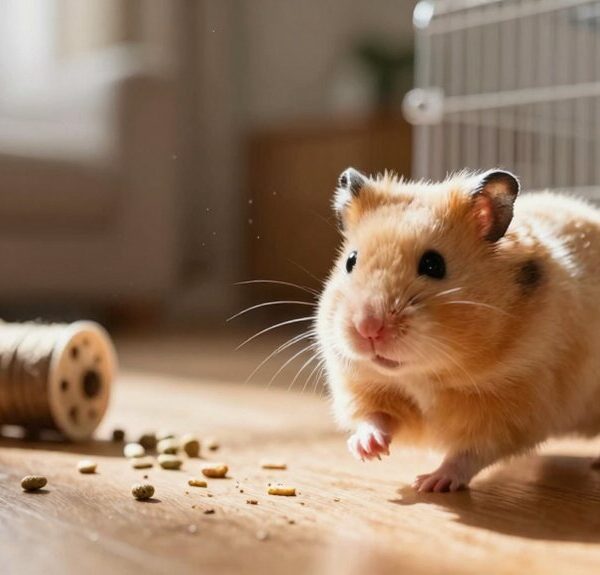
Some hamsters ignore wheels, while others treat them like Olympic equipment.
Is yours bold and curious, or shy and cautious?
Maybe they’re a little grumpy when woken up.
Sound familiar?
These quirks aren’t random.
They’re clues to their true nature.
You’ll start seeing patterns in how they react to you, new objects, or even snack time.
Pay attention, and you’ll discover a tiny friend with big character.
After all, every hamster’s a little drama queen or sweetheart.
Sometimes both!
A hamster’s behavior around people can also reflect their social tendencies, and over time, consistent interaction may lead to signs of established trust.
Why Age and Breed Shape Hamster Personality
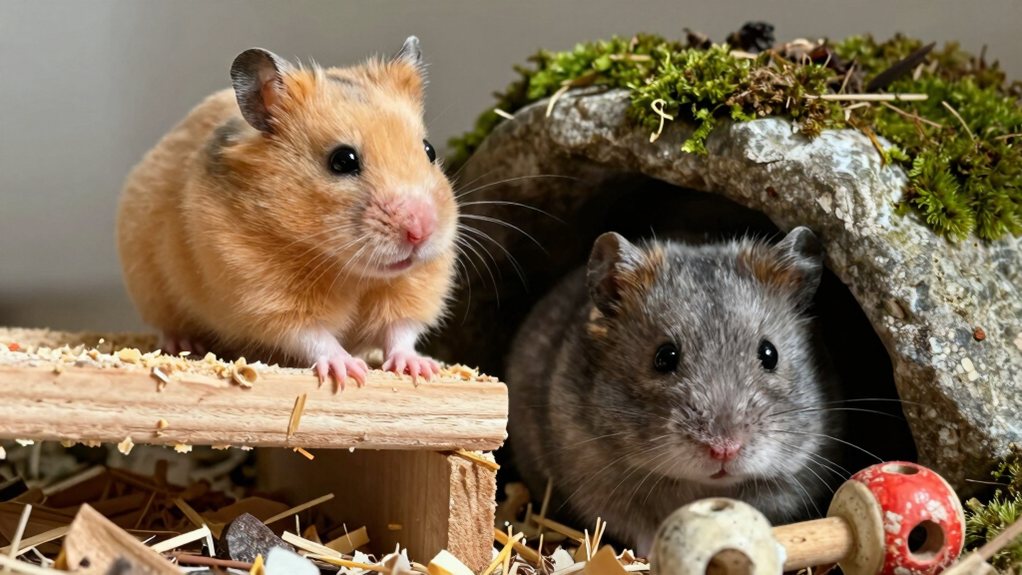
You’ve probably noticed your hamster acts a little different these days. Maybe they’re zooming around more or suddenly napping all afternoon, and that’s totally normal because age really shapes how they behave.
Just like people, hamsters change over time. Their breed plays a part too: some are naturally curious, while others are more laid-back from day one.
Think of it as their little hamster fingerprint, a mix of growing up and genetics that makes your pet uniquely *them*.
Hamster Age And Behavior
Ever wonder why your hamster acts like a tiny tornado one week and a sleepy couch potato the next?
That’s all part of hamster life stages and behavioral development.
As your little buddy grows, their actions shift in ways that are totally normal—and kinda adorable.
Baby hamsters are bundles of energy, always exploring, nibbling, and learning what’s safe (and what’s not).
Adults settle into a rhythm, more predictable, maybe a bit sassy if you wake them too early.
Seniors slow down, nap more, and might grumble at sudden movements (we’ve all been there).
You’re not imagining things.
Your hamster’s age really does shape how they act.
Watching these changes helps you bond and care for them better.
So when your furball zones out instead of zooming, just smile.
They’re not lazy.
They’re just living their best life, one nap at a time.
Breed Traits Matter
Your hamster’s age plays a big role in how they act, but it’s not the whole story. Breed matters just as much. You might notice your Syrian hamster is calmer than your friend’s hyperactive Roborovski, and that’s no accident. Different breeds come with built-in quirks.
Syrians are often cuddly and curious, while Dwarfs can be feisty and fast.
Even coat color and eye shape can hint at personality. Though don’t expect a black-coated hamster to be moody, unless they’re mad about missing snack time.
Some breeds with larger eyes seem extra alert, always watching for treats or escape routes.
Paying attention to breed traits helps you understand what to expect and how to bond.
So when you’re picking a tiny buddy, remember: age shapes behavior, but breed sets the stage.
And hey, whether they’re bold or bashful, they’ll still steal your heart—and maybe your socks.
Personality Changes Over Time
While they’re small enough to fit in the palm of your hand, hamsters aren’t merely tiny, predictable machines. They’ve got real personalities that shift and grow over time.
As your little buddy ages, you’ll notice clear signs of personality development and behavioral evolution. It’s kind of like watching a toddler turn into a teen, just fluffier and less interested in your Wi-Fi password.
Young hamsters are often bold and curious, zooming around like tiny explorers on a mission.
Middle-aged hamsters tend to settle into routines, showing more consistent quirks and preferences.
Older hamsters may slow down, becoming calmer or even a bit grumpy. We’ve all been there.
Breed plays a part, sure, but time shapes your hamster just as much. So keep observing, stay patient, and enjoy the experience. You’re not simply raising a pet, you’re getting to know a character.
Why Some Hamsters Are Bold and Others Are Shy?
You’ve probably noticed some hamsters charge right up to the cage door, while others vanish into their bedding the second you come near. Turns out, it’s more than in your head.
Some are born bold, others shy, and a lot of that comes down to their genes, kind of like how some people love roller coasters and others won’t go near them.
It’s nature’s way of mixing things up, even in something as tiny as a hamster.
Bold By Nature
Ever wonder why one hamster zips across the cage like a tiny fur-covered racecar while another freezes at the sound of a crinkling chip bag? It’s more than random. Some hamsters are simply bold by nature.
These little adventurers thrive on exploration, driven by an inner spark of curiosity and a love for adventure seeking. They’re the ones tunneling through bedding, climbing walls, and checking out new toys first.
- Naturally curiosity driven, they investigate every nook without hesitation
- They’re adventure seeking, treating each day like a mission to conquer
- Even around humans, they show confidence, sniffing fingers instead of fleeing
It’s not fearlessness. It’s personality. Just like people, hamsters come wired differently.
Shy From Birth
What makes one hamster charge headfirst into a new tunnel while another dives under the bedding at the first sign of movement? Well, some hamsters are just shy from birth, no surprise there. Just like people, they come into the world with built-in personalities.
While their nocturnal behavior means they’re naturally cautious in low light, some take it further, staying extra alert and reserved.
Their solitary nature plays a role too. Without siblings to roughhouse with, shyness can stick.
You might notice your little one freezes when you reach in. Don’t take it personally! It’s not that they dislike you. They’re just wired to be more careful.
With patience and gentle handling, even the most timid hamster can learn to trust. Think of them as the quiet bookworm at the back of the class, sweet, sensitive, and full of quiet charm.
Genes At Play
While you can’t exactly hand a hamster a personality quiz, science shows that their bold or bashful behaviors often come straight from their DNA.
Yep, just like how you might’ve inherited your mom’s laugh or your grandpa’s curly hair, hamsters get their quirks through genetic variation too.
Some pups are born adventurers, poking around cages like tiny explorers, thanks to bold inherited traits.
Others freeze at the sound of a sneeze, shying away like they’re at a surprise party they didn’t RSVP to.
Even in the same litter, one hamster might charge the food bowl while another hides behind bedding.
It’s more than upbringing—genes are totally at play.
So if your hamster’s a homebody or a daredevil, don’t take it personally.
They’re just wired that way.
Blame or thank evolution and the genetic lottery!
Can You Bond With a Shy or Grumpy Hamster?
So, you’ve got a hamster who’d rather hide than hug, or one that gives you side-eye every time you reach into the cage.
Don’t worry, grumpy or shy doesn’t mean unlovable.
With patience, you can build trust, even with the most standoffish little buddy.
Start by respecting their space and letting them explore you on their terms.
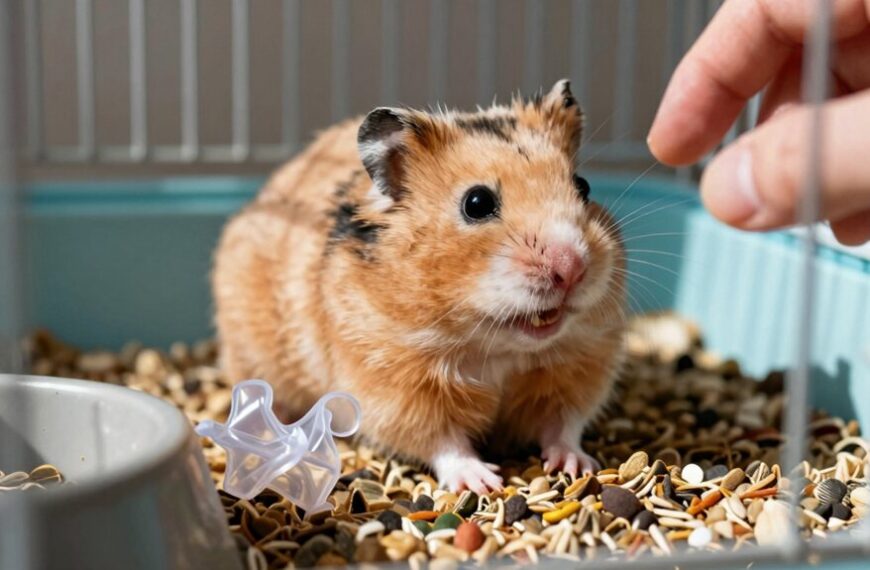
Let your hamster come to you—trust grows when they feel safe exploring on their own terms.
Offer treats from your hand and talk softly, your voice can become a comfort.
Pay attention to their hamster grooming habits, a relaxed hamster grooms more, so that’s a good sign.
Spruce up their home with cozy cage decoration preferences like tunnels and hideouts to make them feel secure.
Bonding takes time, but small wins, like a curious sniff or a calm nap near your hand, add up.
You’ve got this.
A consistent routine of supervised playtime supports both trust-building and mental well-being.
Signs Your Hamster Personality Is Trusting You
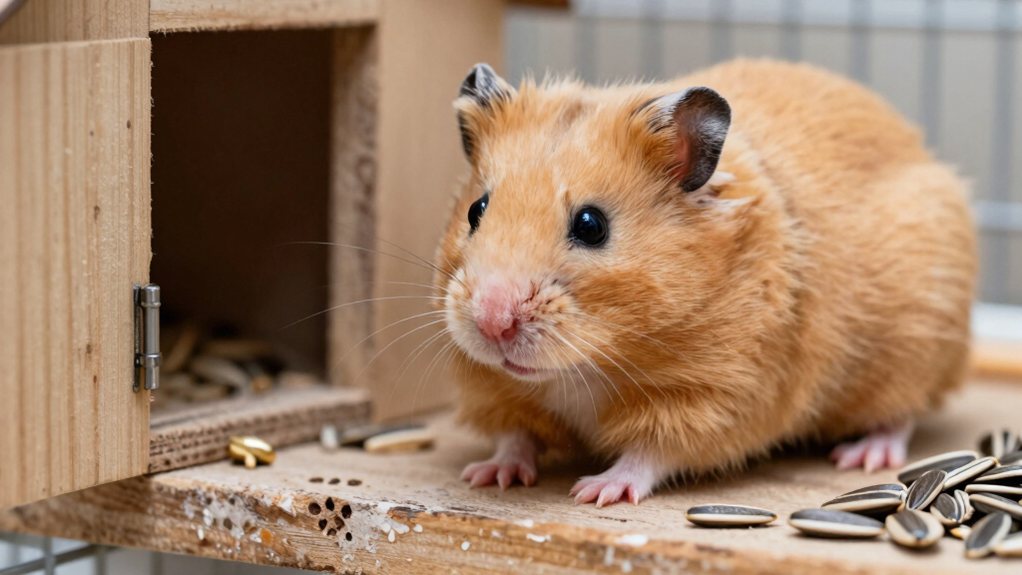
Ever wonder how your hamster really feels about you? A trusting hamster shows it in cute, quiet ways. You’ll start to notice little moments that say, “Hey, I’ve got your back.”
Once they see you as part of their safe circle, their true personality shines. Especially during playtime routines and snack time.
- They’ll run to you instead of hiding, especially when they hear your voice
- They accept treats right from your hand, showing off their treat preferences with gusto
- They chill on your shoulder or let you pet them without panicking
It’s not grand drama. Just tiny trust drops that add up.
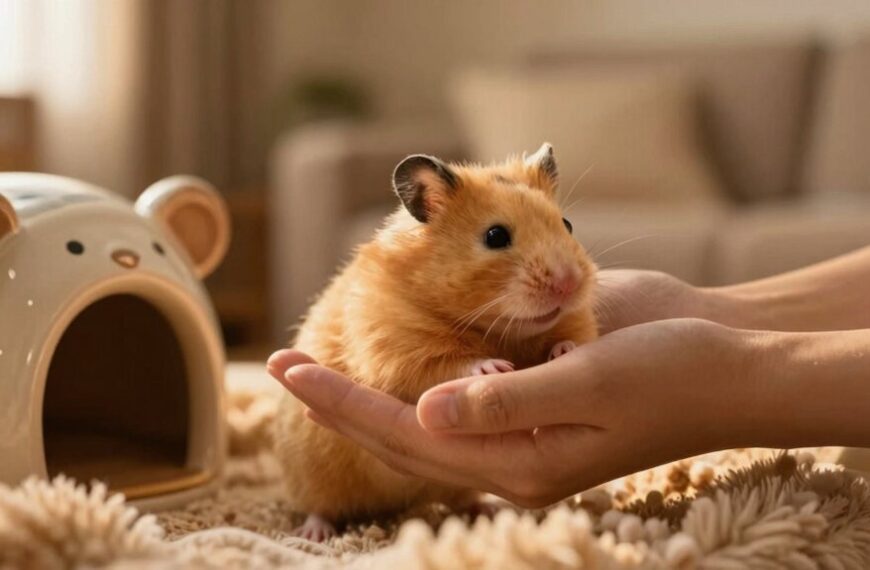
And hey, if they groom themselves while sitting on your palm? That’s hamster zen. You’ve earned their inner-circle status.
Keep up the gentle chats and consistent cuddle time. Trust grows best when you’re patient, kind, and always bringing snacks.
7 Ways to Bring Out Your Hamster’s True Personality
What makes your hamster perk up, zoom around, or suddenly start stuffing their cheeks like a tiny, furry heist artist? It’s their unique personality shining through! You can help bring it out by creating a fun, safe space.
Spend time near their cage daily—talk softly, offer treats, and let them get used to your scent.
Sit by their cage each day, speak gently, share a treat, and let your scent become their comfort—trust grows in quiet moments.
Try different toys to discover their toy preferences. Some go wild for tunnels, others love chew blocks or mini exercise wheels.
Skip the hamster fashion trends, no tiny hats needed, but do switch up bedding and hideouts to spark curiosity.
Gentle handling builds confidence, so scoop them slowly with both hands.
Watch how they react: bold, shy, or super sneaky? Each quirk is part of their charm.
With patience and play, you’ll see their true self blossom—one cheek-stuffed adventure at a time.
A great way to encourage natural behaviors is by introducing a puzzle feeder that stimulates foraging and problem-solving skills.
Final Thoughts
You’ve got a little personality in that tiny furball, really. Whether your hamster’s bold, shy, or just plain sassy, they’re all individuals with quirks you can learn to love. Pay attention, stay patient, and you’ll see their true self shine.
And hey, even grumpy hamsters have soft sides. Usually right after stealing your heart and your toilet paper tube. Keep bonding, and you’ll both be happier for it.