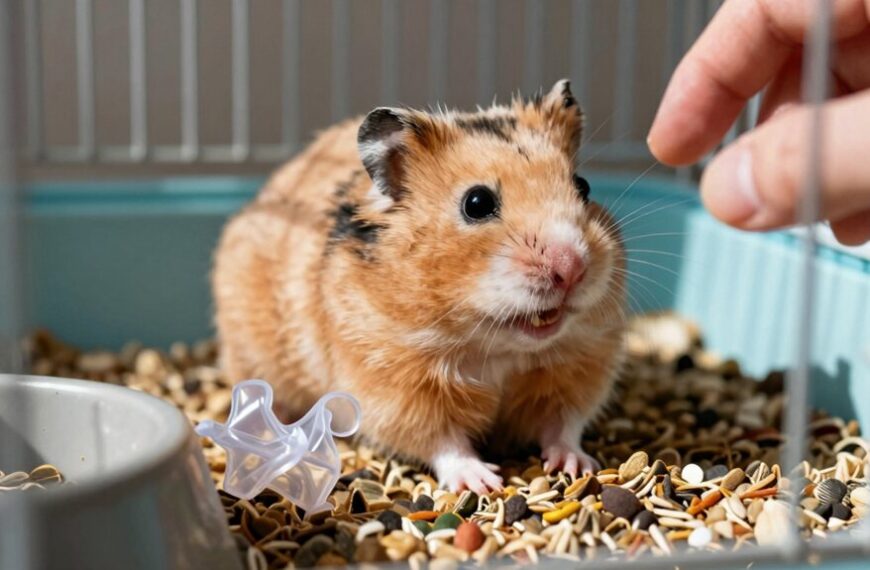
No, you shouldn’t give your Winter White hamster a water bath, ever. It strips their skin of natural oils, causes stress, and can lead to health issues.
These tiny groomers clean themselves just fine using their paws and saliva, like little furry pros. If they get messy, spot-clean gently with a damp cloth.
Sand baths are optional, but they love them. Keep an eye out—dirty fur might mean sickness. Stick around, and you’ll discover how to keep your hamster happy and clean—naturally.
Why You Shouldn’t Bathe Your Winter White

Let’s get one thing straight, your Winter White hamster isn’t asking for a bubble bath, and honestly, they’d probably give you a side-eye if you offered.
Bathing your tiny fluffball in water can do more harm than good.
These little guys naturally keep themselves clean, and their fur is built to handle everyday messes.
Water exposure strips away vital oils their skin needs, leading to dryness and skin irritation.
That’s no fun for anyone.
Instead of a soak, they prefer dust baths, yes, really!
A small dish of chinchilla dust lets them roll and groom safely.
It’s like a spa day, minus the drama.
So skip the tub, the shampoo, and the towel parade.
Trust their instincts.
Your hamster will stay healthier, happier, and furrier without a single drop of water.
Just say no to wet baths and yes to cozy, dry grooming.
Your pet will thank you, probably with a cheek pouch full of sunflower seeds.
For a safe and effective experience, use a dust-free formula to protect your hamster’s respiratory health and support natural grooming behaviors.
How Winter Whites Groom Themselves Naturally
While you might be tempted to lend a hand with a washcloth and baby shampoo, your Winter White hamster’s got grooming all figured out, no help needed.
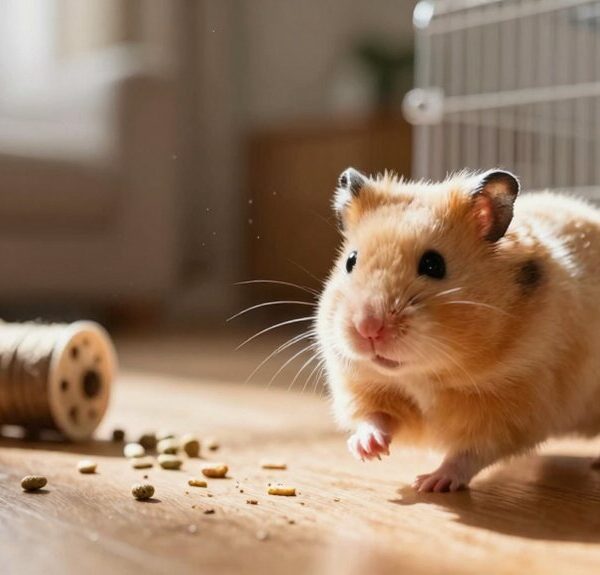
These tiny fluffballs are pros at natural grooming, using their paws and tongues to stay clean and cozy.
You’ll often catch them doing little fur rolling sessions, flipping and twisting to tidy every inch of their soft coat.
It’s kind of like a mini workout mixed with spa time!
This self-care routine keeps their skin healthy and their fur in top shape, all without a single drop of water.
Plus, their saliva has mild cleaning properties: nature’s own hamster shampoo.
So instead of giving baths, just watch and admire their routine.
It’s cute, effective, and totally normal.
Trust the process, and let your little friend stay fresh the way nature intended, with a roll, a lick, and a happy hop.
How to Spot-Clean a Soiled Hamster Safely
Even though your Winter White hamster is a grooming expert who licks and rolls their way to cleanliness, sometimes life happens. A messy bedding accident or a sticky treat mishap can leave their fur a little less than snow-white.
When that happens, spot cleaning is your go-to solution. Forget full baths. Hamsters hate them and they’re unsafe.
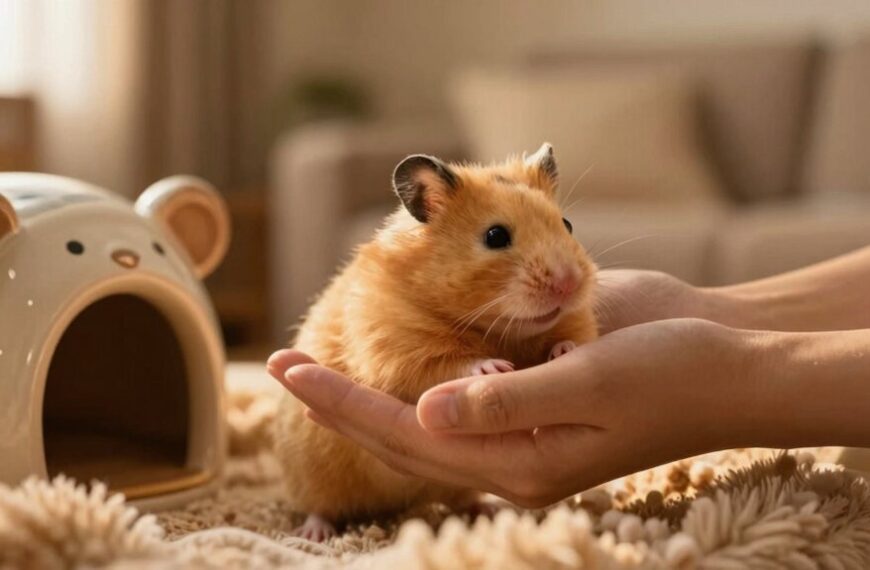
Instead, use safe techniques. Dampen a soft cloth or cotton ball with lukewarm water. Gently wipe the soiled area and avoid soaking their fur. Focus only on the messy spot. No need for a spa day overhaul.
Then, let your little buddy air-dry in a warm, draft-free spot. It’s quick, stress-free, and keeps their natural oils intact.
Spot cleaning isn’t just practical. It’s a mini rescue mission for your tiny, fluffball friend. You’ve got this, and so do they!
Do Winter Whites Need Sand Baths?

Wondering if your Winter White hamster needs a fancy sand bath to stay clean? Good news, you’re not late to the party, and your tiny furball’s going to be just fine.
Winter Whites don’t need sand baths like some other pets, but they do enjoy the occasional roll in safe, dust-free sand. Think of it as a mini spa day, not a weekly scrub.
Use a chinchilla-safe sand type. Avoid anything with oils or scents.
As for bathing frequency, once a week is plenty. More than that might dry out their skin.
Just scoop a small pile in their play area and let them dig, wiggle, and flip to their heart’s content. It’s adorable and helpful for coat health. You’ll laugh, they’ll clean—win-win.
Keep it simple, keep it safe, and let your little snowball shine.
When Dirty Fur Means Your Hamster Is Sick
You’ve seen your Winter White happily rolling in their little sand spa, fluffing up like a tiny snowball with a job to do.
But if their fur stays dirty, greasy, or matted, it might be more than just a messy day. It could be illness indicators.
When your hamster stops grooming, it’s time to pay attention. Here’s what to watch for:
- Fur matting around the tail or back. Could mean they’re too sick to clean themselves.
- Clumpy, oily fur, even after sand baths.
- Hunched posture or low energy during their usual active hours.
- Droppings stuck to fur, a sign of digestive trouble.
These aren’t just “bad hair days.” They’re red flags.
While sand baths are normal, skipped grooming isn’t.
You know your little buddy best. If something feels off, a vet visit could save their life.
Stay calm, stay kind, and keep that sand bowl full.
Final Thoughts
You don’t need to give your Winter White hamster a bath, really, you’ll just stress them out. They’re like tiny, furry self-cleaning machines. If they get a little messy, a gentle spot-clean does the trick.
Sand baths? Totally optional, but most hamsters love rolling around in them. Just remember: dirty fur isn’t always normal, so keep an eye out. When in doubt, call your vet. You’ve got this, awesome pet parent!