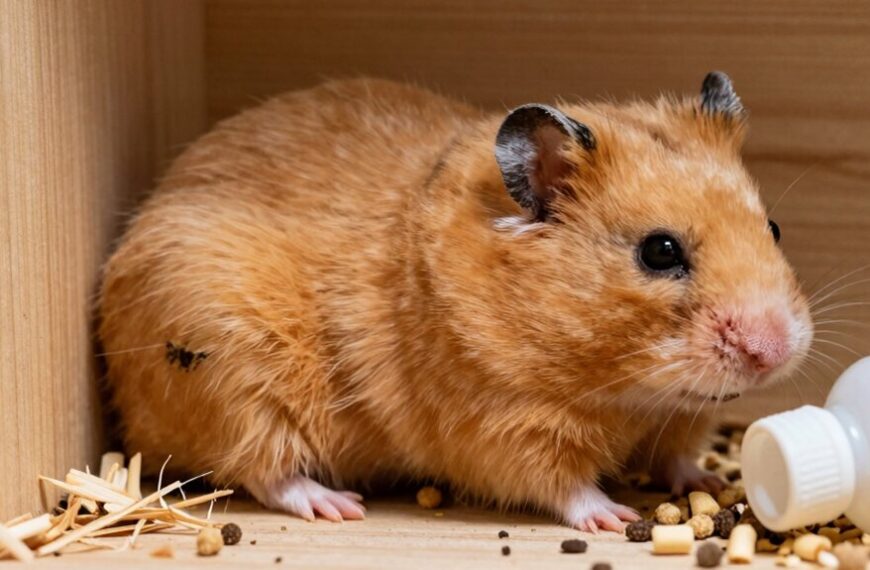
Your hamster’s clicking sound happens when its little lungs struggle to breathe, often due to pneumonia or fluid buildup. It’s not pain, but it does mean they’re very sick. You might notice labored breathing, nose discharge, or lethargy, too.
While it’s heartbreaking, staying calm helps them feel safe. Keep them warm, quiet, and close. Your soothing voice is like a soft lullaby. They can still feel your love, even now.
There’s more to learn about helping them peacefully through this.
What Causes Clicking Sounds in Dying Hamsters?

Why does it seem like your hamster’s little chest is turning into a tiny, broken music box? That clicking sound often means trouble, usually respiratory issues like pneumonia or wet tail.
Wet tail is way more than just a messy back end. It’s a serious infection that can sneak up fast.
If you’ve also noticed fur loss or your little buddy seems weaker, it’s time to act. These signs together can point to a body working overtime just to breathe.
You’re not imagining it. Your hamster’s struggling.
While it’s easy to panic, stay calm and call your vet right away. They’ll know how to help.
And hey, even though it feels like your tiny pal is falling apart, you’re doing great just by noticing and caring.
That clicking? It’s not a new trick. It’s a cry for help. Let’s get them the support they need.

Antibiotic for Cats - Our cat antibiotic is used to improve cats infections from cat ear infections and feline skin issues, through to respiratory and urinary tract infections. It helps your pet to be healthy and feel great with the power of nature and a balanced composition.

Ear & Skin Care: Specially formulated for rabbits, guinea pigs, hamsters, ferrets, and all exotics. This solution quickly and effectively relieves ear and skin infections, soothes itching and significantly speeds up wound healing

✅NATURAL COUGH SUPPORT FOR DOGS & CATS - At-home treatment that may offer upper respiratory and breathing support while naturally boosting immunity. Effective in relieving coughing and wheezing through herbal ingredients, our drops also enhance overall pet health!
Is Your Hamster in Pain From the Clicking?
That clicking noise isn’t just strange, it’s stressful to hear, especially when it’s coming from your little furball who usually just crunches pellets and runs on their wheel like a tiny, determined athlete.
While the sound itself isn’t painful, it’s often a sign of serious breathing trouble, which can make your hamster uncomfortable.
You’re not imagining their distress. Labored breathing takes effort, and that strain can cause real discomfort.
In their final moments, your hamster isn’t thinking about wheels or treats. They just need calm, warmth, and your quiet presence.
You can’t fix everything, but you *can* make their last days gentler.
Keep their space peaceful, like a cozy corner where hamster dreams of sunlit tunnels and endless seed stashes still come true.
You’re doing right by them. Just being there matters most.
Could a Respiratory Infection or Pneumonia Be the Cause?
While your hamster’s tiny chest heaves with each click, it’s easy to wonder if a respiratory infection or pneumonia is behind those troubled breaths. Chances are, you’re on the right track.
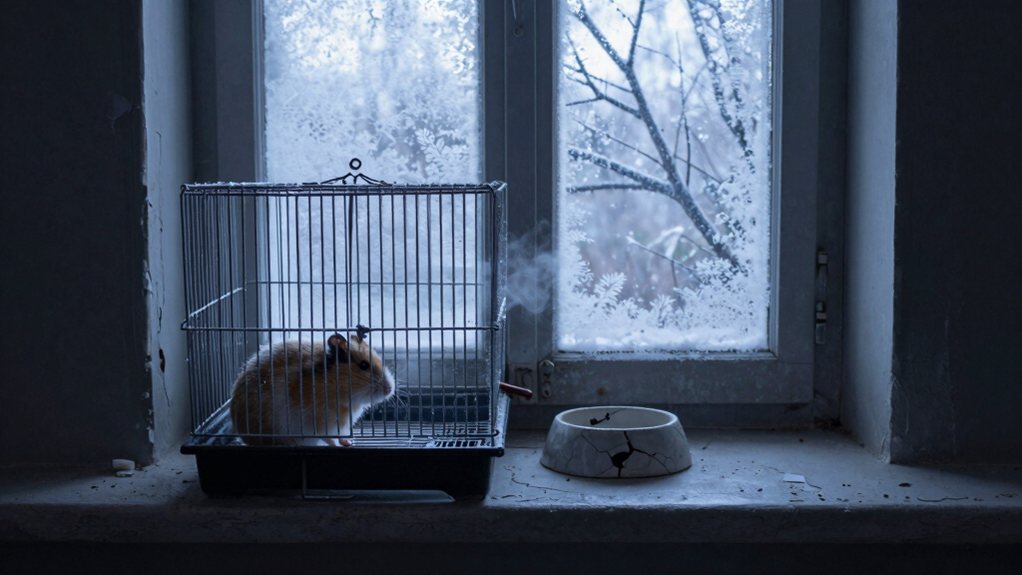
These illnesses are common in small pets, especially when environmental stressors like drafts, damp bedding, or sudden temperature changes come into play.
Sometimes, a genetic predisposition can make your little buddy more vulnerable, too.
But don’t panic. Here’s what to watch for:
- Wet nose or discharge – A gooey nose isn’t just a cold sign; it’s a red flag.
- Labored breathing – If their sides are working overtime, it’s time to act.
- Lethargy or huddling – When your usually active furball won’t budge, something’s up.
You’ve got this. With quick care, many hamsters bounce back. Even if they’re a bit dramatic about it.
Signs Your Hamster Is Nearing the End

You might notice your hamster breathing heavily or making little gasping sounds, which can be scary but is often a sign they’re getting close to the end.
They may also stop eating their favorite treats, and while it’s sad to see, it’s part of the natural process.
Try to stay calm and just be there. Offering warmth and quiet comfort means more than you think.
A new symptom to watch for is a clicking or wheezing noise, which may indicate respiratory distress and requires close monitoring.
Labored Breathing Patterns
Ever wonder why your little buddy’s breathing suddenly sounds like a tiny accordion struggling to play a tune? When your hamster is nearing the end, labored breathing is a common sign. You might notice wet fur around the nose or mouth. This could mean fluid buildup. Cold paws often go hand-in-hand, signaling poor circulation.
Don’t panic, but do pay close attention. Here’s what to watch for:
- Rapid or shallow breaths – like they’re trying to run a marathon while napping.
- Clicking or wheezing sounds – not a new hamster karaoke habit, but a red flag.
- Visible chest or belly movement – each breath looks like a big effort.
Stay calm and keep them cozy. You’re doing great just by being there. This tough moment shows how much you care. Even the quietest squeaks matter.
Loss Of Appetite
That clicking sound you heard earlier mightn’t be the only clue something’s off.
Now you’ve probably noticed your hamster isn’t touching their favorite sunflower seeds. A loss of appetite is a clear sign your little buddy is struggling.
When your hamster stops eating, even treats they used to go crazy for, it’s a red flag.
You might also see visible weight decline. Your pet feels lighter, their cheeks look sunken, and their movements slow down.
It’s heartbreaking, but knowing this helps you provide comfort.
Try offering soft, easy-to-eat foods like mashed banana or baby food.
Even if they nibble a little, that’s okay.
This stage is tough, but your love matters.
You’re more than just watching. You’re caring, gently and bravely.
And honestly, that’s everything to them.
When to Call the Vet vs. When to Say Goodbye
You know your hamster best, so trust your gut when things feel off, but don’t panic at every little squeak.
If your little buddy’s struggling to breathe, won’t eat, or seems in real pain, it’s time to call the vet right away.
But if they’re just quietly fading, curled up and peaceful, sometimes the kindest thing is to let them go with love, not a trip to the clinic.

100% Quality driven Made in the USA Dedicated to creating a better environment for your pet Safety Guaranteed, Don't settle for Less, Use Kordon SM ANIMAL MEDICATION & REMEDY
Signs It’s Time
How do you know when it’s time to call the vet, or when it’s time to just sit quietly with your little furry friend and say a silent goodbye? It’s one of the hardest parts of pet ownership, but paying attention helps you make the kindest choice.
You love them, and sometimes love means peace over panic. When the joy fades, it’s okay to choose comfort. Trust your gut. You’re doing right by your tiny buddy.
- No appetite for treats – If your hamster won’t even sniff their favorite snack, that’s a red flag.
- Labored breathing or constant clicking – Struggling to breathe means they’re suffering, not merely slowing down.
- Lethargy 24/7 – Occasional naps are normal, but zero movement for days? That’s not hibernation. It’s a sign.
Knowing When To Act
What do you do when every instinct screams to fix things, but your hamster’s quiet little body tells a different story?
You’ve noticed changes in your hamster behavior, less movement, shallow breaths, maybe that soft clicking sound. It’s heartbreaking, but knowing when to act matters most.
If your hamster is still alert, eating, or responding, a vet visit might help.
But when the spark fades and discomfort grows, it may be the end of life.
Sometimes, love means easing pain, not chasing cures.
Ask your vet for guidance. They’ll help you decide with care.
It’s okay to feel torn. Every pet parent does.
Remember, you’re not giving up. You’re choosing kindness.
And hey, if you cry while googling “hamster hospice,” you’re not alone.
You’ve been a great human. That counts.
How to Comfort a Hamster With Clicking Breathing
Is it just me, or does that clicking sound like a tiny squeaky wheel trapped in your hamster’s chest? It’s scary, but you can still make your little buddy more comfortable.
Focus on gentle handling, scoop them with both hands like a sleepy burrito. Avoid sudden movements that could stress them more.
Handle your hamster like a tiny, sleepy burrito—gentle, two-handed scoops only. Sudden moves? Nope. Keep it calm and cozy for your little friend.
Switch to soft bedding, like unscented tissue paper, so it’s cozy on their little nose and lungs. Keep their space warm, quiet, and draft-free, think “hamster spa.” Here’s how to help:
- Keep them warm: Use a heating pad on low (half the cage only).
- Offer favorite treats: Even a nibble of banana can spark joy.
- Talk softly: Your voice is a comfort, even if they’re dozing.
You’re doing great. Just being there means the world to them.
Creating a Calm, Peaceful Environment
You’ve already started doing the sweet, small things that make a big difference, like warming their corner of the world and offering treats with love.
Now, let’s make their space feel like a cozy hideaway. Swap bright lights for soft lighting. Try a small lamp or dim nightlight to keep things calm.
Harsh light can stress them, and right now, comfort is everything.
Play gentle sounds, like quiet music or nature noises, to soothe their nerves.
Even your calm voice can be a lullaby. Keep other pets and loud noises away.
No surprise drum solos from your kid’s toy set.
Think of it as creating a tiny spa for your little buddy. It’s not about perfection. It’s about peace.
Hamsters thrive in darkness due to their nocturnal nature, which helps regulate their sleep and reduce stress.
You’re doing great. Just being there, quietly, means the world to them.
What the Clicking Means in the Final Hours
Why does it sound like your hamster’s tiny lungs are tapping out a secret Morse code? In the final moments, that clicking often signals your little friend’s breathing is slowing.
Part of end of life care isn’t fixing, but just being there. You’re not imagining it; it’s real, and you’re doing right by staying close.
Here’s what you should know:
- Clicking can mean labored breathing as the body winds down.
- It’s common in the final hours, not painful for your hamster.
- Comfort matters most now—soft bedding, quiet, and your calm presence.
This isn’t about fixing. It’s about love. You’ve got this. And so does your hamster.
Final Thoughts
You’re doing your best, and that matters most.
That clicking sound? It’s tough to hear, but it’s often just your hamster’s body slowing down, like an old clock winding out. They’re not in pain just from the noise.
Stay close, keep things cozy, and let them feel your calm. It’s okay to laugh a little, even now: hamsters would approve of silly moments. You’ve been a great pet parent.

Naturally Air-dried: Every sprig is hand-picked from whole plants and air-dried. Each stem is neatly trimmed, retaining its natural color and scent. Material: dried plant stems only. Suitable for pets to sniff and explore. Always supervise your pet during use. Store in a dry, dark place away from moisture, and handle gently as petals may shed if squeezed
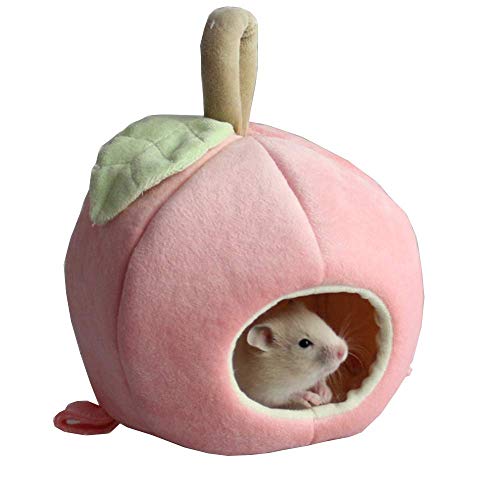
Hamster house Size: Hole diameter:2.36 Inch; Height- 5.1 Inch; Bottom diameter:4.7 Inch; a soft warm cushion for small animals like rat,hedgehog,gerbil,mouse,birds,lizard,etc.

HAMSTER HIDEOUT TENT: The hamster hut design with the non-slip bottom ensures hamster nest stays in place. With ultra soft fabric, your furry children will feel comfortable and warm in the small hamster hut.