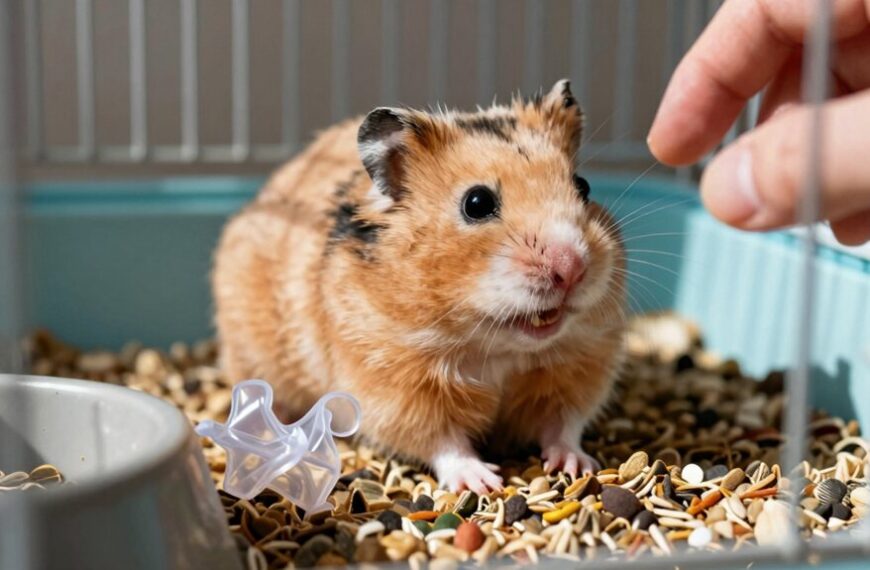
Your Russian dwarf hamster isn’t trying to be a tiny terror, she’s just scared or stressed. Start by moving slowly, speaking softly, and letting her sniff your hand without grabbing.
Offer pea-sized treats daily to build trust, and keep her cage quiet, cozy, and predictable. Watch for stress signs like freezing or darting away, and skip loud noises or sudden moves.
If she nips, stay calm—don’t jerk back. And if biting keeps up, there might be more beneath the surface worth exploring.
Why Your Russian Dwarf Hamster Bites
Why’s your tiny furball suddenly turning into a mini ninja with teeth? Sometimes, biting isn’t about you—it’s just how your Russian dwarf hamster rolls. These little guys can have a genetic predisposition to being a bit feisty, especially if they feel threatened or startled. Think of it like a built-in alarm system: no coffee needed, just instinct.
Your hamster’s feisty bite? Not personal—just instinct. Tiny warriors come wired with built-in alarms, ready to defend their turf at a moment’s notice.
Also, in the wild, hamsters deal with social hierarchy by setting boundaries, biting included. Even in a cozy cage, that behavior sticks.
Maybe your hamster sees your hand as a rival invading their turf. It’s not personal, promise!
With patience and gentle handling, you can help them feel safe. But remember, understanding their nature, genetic quirks and social instincts, is the first step.
Bites are not expressions of affection—hamsters do not bite to show love—and what may seem like playful nipping is usually curiosity or fear.
Read Your Hamster’s Stress Signals
Ever wonder what your Russian dwarf hamster is trying to tell you when they freeze mid-nibble or dart into their hideout like they’ve seen a ghost?
Learning your hamster’s body language can help you catch stress before it leads to biting.
If your little buddy’s ears are flat, they’re tense, or they’re grooming nonstop, those are clear stress triggers.
Maybe the cage is too loud, or you’re handling them too much too soon.
Watch for yawning, yes, really. It can mean they’re feeling overwhelmed.
A calm hamster is a happy hamster, and a happy hamster is less likely to chomp your finger.
Pay attention, respect their space, and you’ll both breathe easier.
Think of it like reading a tiny, furry mood ring.
Once you tune in, you’ll see the signs before the snap.
That’s when the real bond begins.
Hamsters may also display repetitive behaviors like bar chewing, which is often linked to cage rage caused by inadequate space or mental stimulation.
Tame a Biting Hamster With Gentle Handling
When your Russian dwarf hamster nips during handling, it’s not trying to start a fight, it’s just scared or unsure. The key to taming a biting hamster is gentle, consistent handling.
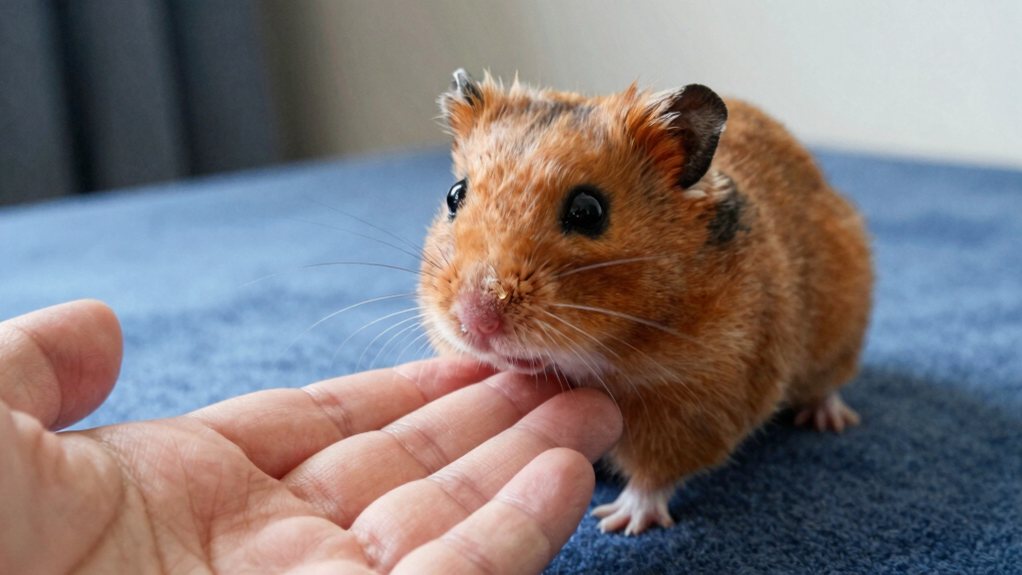
Start by letting your hand rest in the cage so your hamster can sniff and get used to you. Move slowly, no sudden grabs.
Offer a treat from your palm to create positive reinforcement and turn interactions into something yummy and fun.
Over time, this builds trust building naturally.
Scoop them up gently with both hands, supporting their whole body.
If they nip, stay calm, don’t jerk away, as that can scare them more.
Think of it like making a new friend who’s shy at first.
With patience, love, and a few sunflower seeds, your tiny buddy will learn you’re safe.
You’ve got this!
Bold or feisty hamsters may nip initially, but consistency builds trust over time, and your calm approach supports this process through consistent, kind presence.
Make Your Hamster’s Home Calm and Safe

You’ve been working on building trust through gentle handling, and that’s a big step toward a happier hamster. Your little furball also needs a peaceful home base to feel truly secure.
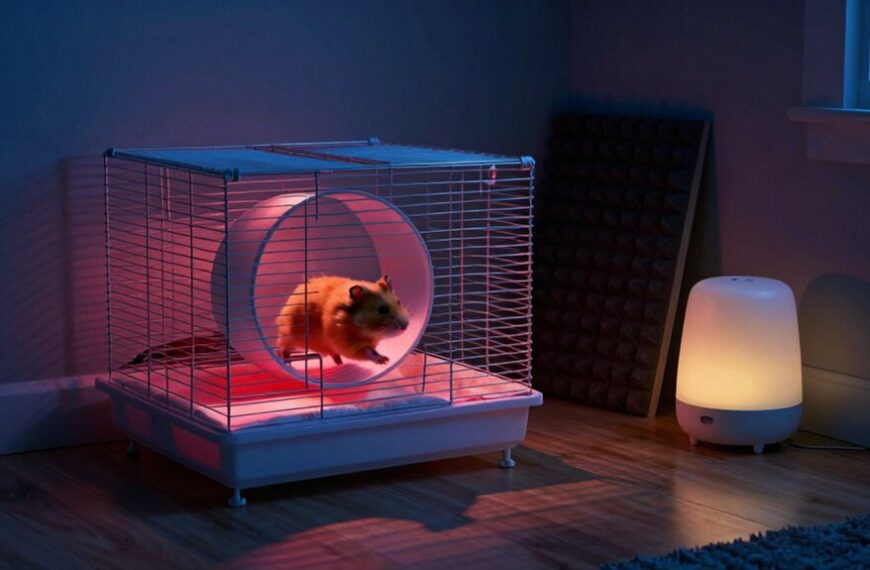
Start by placing the cage in a quiet spot, away from loud TVs or barking dogs. Hamsters get stressed easily, and a calm space helps them relax.
Keep a consistent routine for cage cleaning. Once a week is usually enough, so your pet isn’t startled by sudden changes. A dirty cage can stress them out and even affect their hamster diet if food gets contaminated.
Use soft bedding and include cozy hideouts so they feel safe. Avoid sudden movements near the cage, and keep other pets at a distance.
Think of it as creating a tiny, stress-free vacation home for your tiny roommate. A calm, clean space means fewer jitters and way fewer surprise nips.
A lack of mental stimulation can lead to compulsive behaviors, so be sure to include opportunities for natural activities like foraging and climbing to prevent cage rage.
Avoid Sudden Movements and Loud Noises
You know how you’d jump if someone suddenly slammed a door behind you? Your tiny hamster feels the same, so keep things calm and move slowly around their cage.
Loud noises and quick hand movements can startle them, and a scared hamster might nip just to feel safe.
Think of it like sneaking past a sleeping cat: quiet steps, soft voice, and no dramatic gestures. Your little furball will thank you.
Hamsters have highly sensitive hearing, making even everyday sounds potentially stressful for them.
Calm Environment Matters
Even though your Russian dwarf hamster might look like a tiny furball built for adventure, sudden movements and loud noises can send them into full-on panic mode, picture a mini action movie playing out in their cage, complete with dramatic squeaks and lightning-fast retreats.
That’s why a calm environment matters.
Keep their space quiet and predictable, away from TVs, barking dogs, or slamming doors.
A peaceful spot helps reduce stress, which means fewer nips when you reach in.
While you’re at it, consider how hamster diet and toy selection play a role.
Boredom or hunger can lead to grumpy moods.
Offer healthy snacks and fun chew toys to keep them happy and distracted.
You’re more than merely avoiding bites.
You’re building trust.
Think of it as creating a tiny, cozy sanctuary where your little buddy feels safe.
Stay calm, move slow, and soon, your hamster might just see you as part of the peace, not the chaos.
Consistent, non-intrusive contact over time fosters trust and reduces fear-based reactions, especially since hamsters interpret sudden actions as predator threats—prioritizing safe bonding practices can make all the difference.
Move Slowly Near Cage
Keeping the area around your hamster’s home peaceful sets the stage for better interactions, and that peace starts with how you move.
Sudden gestures or loud noises can startle your tiny friend, making them more likely to nip out of fear.
Instead, ease into their space, move slowly and speak softly near the cage.
Think of it like sneaking past a sleeping parent: slow, steady, and no dramatic arm flails.
Good cage lighting and temperature control help too, since stress from flickering lights or chilly drafts makes them jumpy.
A calm, well-set environment means a calmer hamster.
You wouldn’t want someone waving at you from out of nowhere, right?
So be the chill human your hamster can count on, predictable, gentle, and maybe a little funny.
Over time, they’ll learn you’re not a threat, just a snack-bearing buddy who respects their tiny turf.
Maintaining ideal habitat conditions, including stable temperature and humidity, supports your hamster’s comfort and reduces stress-related biting, so consider using a reliable digital hygrometer thermometer to monitor their environment accurately.
Reduce Loud Surrounding Sounds
What’s louder than a thunderstorm to a hamster? Your blender. Or the TV. Or your sneeze. To your tiny friend, everyday sounds can feel like explosions. That’s why reducing loud surrounding noises is key to calming a biting Russian dwarf hamster.
Keep their cage in a quiet corner, away from bright lighting and constant foot traffic.
Sudden noises startle them, just like unfamiliar scents might. Imagine waking up to a vacuum roaring nearby; you’d be jumpy too! So, lower the volume, avoid slamming doors, and skip the surprise parties near their home.
Soft music or white noise can actually help buffer sudden sounds.
And hey, less noise means more naps for you both. A peaceful space builds trust. When your hamster feels safe, no loud surprises, no harsh lights, no weird smells, they’re way less likely to nip. Quiet wins.
Reward Calm Behavior With Treats and Praise
When your Russian dwarf hamster sits still without squeaking or scrambling away, that’s your golden moment, snatch it fast with a tiny treat and a soft “good job!” in your sweetest voice.
This simple act builds trust and reinforces positive reinforcement.
Over time, your tiny buddy will link calmness with yummy rewards and your warm tone, making trust building a breeze.
- Offer a seed or sliver of carrot right after calm behavior.
- Keep treats pea-sized—hamsters don’t need much!
- Praise softly; squeaky excitement might scare them.
- Repeat daily—consistency turns skittishness into sweetness.
You’re doing more than stopping bites—you’re growing a friendship.
Think of it as hamster therapy, one crumb at a time.
Soon, your little furball might chill on your hand like it’s a tiny spa.
Who knew peace could fit in a palm?
Hamsters often bite out of fear-based behavior, so reinforcing calm interactions helps replace anxiety with positive associations.
Stop Biting When Offering Food

Why does your sweet little hamster turn into a tiny ninja when you offer food? It might be food aggression, a common quirk in Russian Dwarf hamsters. When hungry, they can get overexcited and nip, mistaking your fingers for snacks. The key is to use treat motivation wisely.
Offer food with tweezers or drop it in the cage first to avoid accidental bites. Then, slowly introduce your hand by pairing it with treats, so your hamster links your fingers with yum, not chow.
Be patient. If they lunge, stay calm and pull back. Never scold, they’re not being mean, just instinctive.
Over time, with consistency, they’ll learn you’re the snack giver, not the snack. Think of it as hamster diplomacy: you’re building trust, one pea-sized treat at a time.
Using a puzzle feeder toy can also redirect your hamster’s foraging instincts and reduce food-related stress during feeding time.
Stay positive, stay safe, and soon, mealtime will be peaceful, for both of you.
When Biting Signals a Health Problem
Could it be that your usually calm hamster is suddenly acting like a tiny, toothy tornado? Sometimes, biting isn’t about attitude, it’s about health. If your little buddy is showing new aggression, it might be in pain or feeling under the weather.
Watch for illness symptoms like drooling, weight loss, or messy fur. Dental pain is common in Russian dwarfs since their teeth grow nonstop. Here’s what to check:
- Look for overgrown or misaligned front teeth.
- Notice if they’re dropping food or eating less.
- Check for swelling around the mouth or jaw.
- Spot signs of irritability during gentle handling.
If any of these ring true, it’s vet time. A quick checkup can ease their pain and stop the biting. After all, nobody’s sweet when they’re sore!
Sudden aggression could also stem from an undetected injury, such as a bone fracture, especially if your hamster has recently fallen or been handled roughly.
Final Thoughts
You’ve got this! With patience and gentle handling, your little furball can learn to trust you. Watch for stress signs, keep things calm, and reward good behavior, tiny treats work wonders.
Avoid sudden moves, and never take the bites personally: he’s just scared. Most importantly, stay consistent and kind.
Before you know it, your Russian dwarf hamster might just hop into your hand willingly. Who knew such a tiny creature could be so dramatic—and adorable?