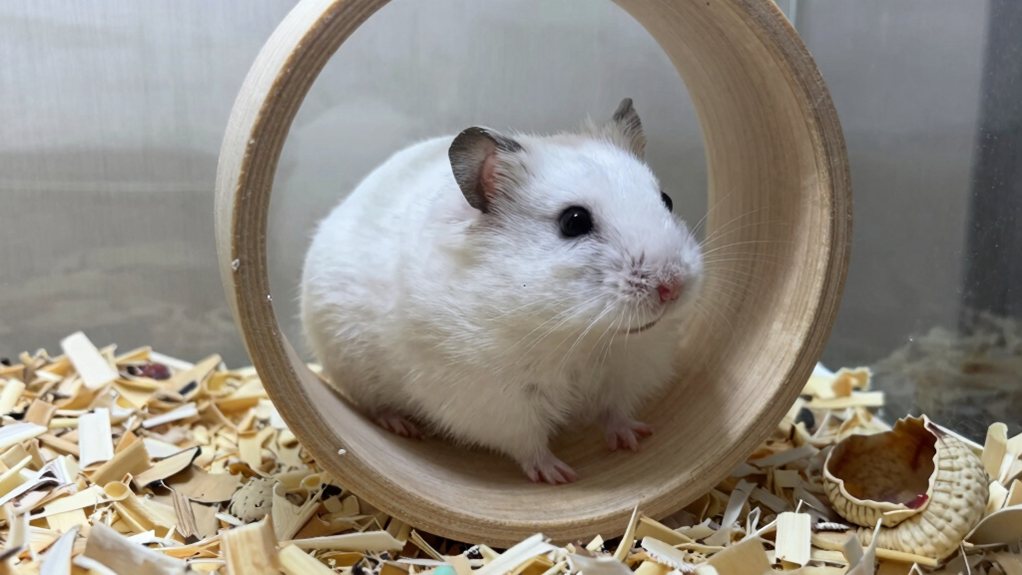
Yes, your Winter White hamster definitely needs a wheel, it’s crucial, not optional. These little nocturnal runners can log 5–8 miles a night, so without a wheel, they get stressed and start chewing bars or acting out.
A proper 8-inch solid wheel keeps their back safe and their mind happy. Skip the noisy, clunky ones, they’ll scare your hamster! Pick a quiet, sturdy wheel, and you’ll both sleep better. You’d be surprised what else makes a big difference.
Why Winter White Hamsters Need a Wheel

Ever wonder why your Winter White hamster scurries around like it’s training for the tiny hamster Olympics? That’s because these little fluffballs are full of energy, especially during their nocturnal activity hours.
Without a wheel, they’d be running laps on your bedroom wall at 2 a.m.! A proper wheel gives them a safe outlet to burn off that midnight madness.
Plus, it’s about more than just exercise. Mental stimulation matters too.
Spinning keeps their mind sharp and prevents boredom, which can lead to chewing bars or sad little hamster meltdowns.
Think of the wheel as their personal gym and therapy session rolled into one.
You’d go nuts without your favorite stress reliever, right? So do they.
A solid, silent wheel means happier, healthier hamsters and quieter nights for you. Win-win!
How Much Exercise Does a Winter White Hamster Need?
You mightn’t clock it at first, but your Winter White hamster is basically a fur-covered marathon runner with tiny legs and big stamina. These little guys need serious exercise, think 5 to 8 miles a night, all thanks to their natural nocturnal activity.
While you’re asleep, they’re wide awake, sprinting on their wheel like it’s the hamster Olympics. Without enough movement, they can get stressed or bored, which might lead to chewing bars or acting grumpy.
A proper wheel helps, but don’t forget social interaction. Spending a few gentle minutes each day builds trust and keeps them mentally sharp.
Just 10–15 minutes of supervised playtime outside the cage adds variety to their routine. It’s more than just about running, it’s about enrichment.
What’s the Right Wheel Size for a Winter White Hamster?
Now that you know your Winter White hamster’s built like a tiny, furry athlete with a nightly 5-mile habit, it’s time to talk about the gear that keeps those little legs happy: the exercise wheel. You’ll want a wheel that’s at least 8 inches in diameter. Bigger is better.
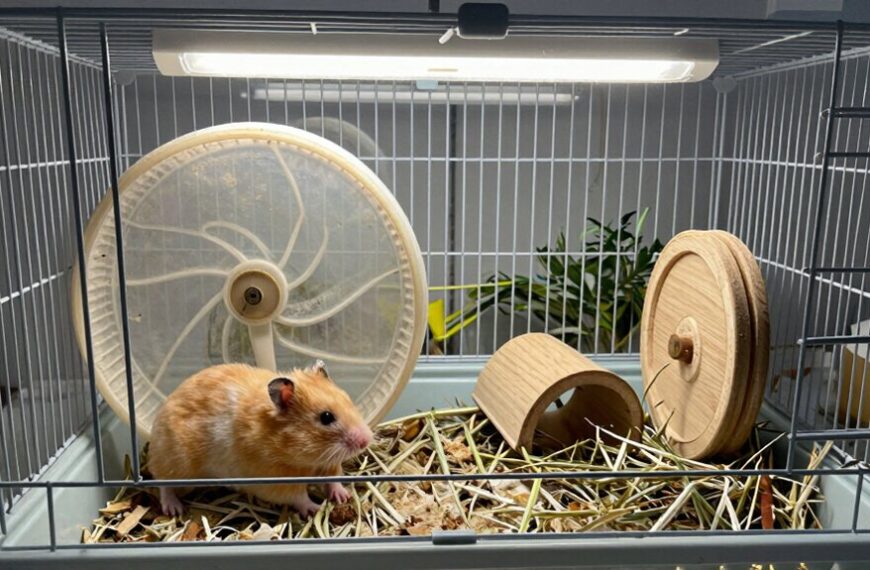
A too-small wheel can hurt their back or cause discomfort, and nobody wants a grumpy gym-goer. Go for solid wheel material like metal or sturdy plastic. Avoid wire rungs that can trap tiny feet.
A continuous, even running surface helps prevent injuries and keeps your hamster zooming safely. Think of it like buying sneakers for a marathon runner—support and comfort matter. Your little buddy will thank you with happy, healthy sprints.
Plus, watching them go full speed at 2 a.m. is kind of hilarious. Just make sure the wheel fits snugly in the cage without wobbling. Your hamster’s health and nightly cardio depend on it!
Top Wheel Picks for Winter White Hamsters

While your Winter White hamster mightn’t be training for the Hamster Olympics, though they act like it, picking the right exercise wheel still matters more than you’d think. A solid, silent wheel keeps your little runner happy and safe: no wire rungs that could hurt tiny feet.
Look for a wheel with a solid surface and a diameter of at least 8 inches so their back stays straight while they sprint. Some wheels even double as chew toys, which is a win since your hamster loves gnawing.
Just make sure it’s sturdy and won’t wobble.
Place it away from bedding material buildup so it spins freely. A clean, frictionless-running wheel means fewer squeaks and more zzz’s for you at night.
Your fuzzy friend will thank you with fewer midnight marathons on a noisy, sticky wheel. Trust us, both of you’ll sleep better.
How to Choose a Quiet, Safe Hamster Wheel
When your Winter White hamster hits the ground running at 2 a.m., you’ll want a wheel that whispers instead of squeaks.
Look for a silent spinner, low noise level means peace for you and joy for your tiny gym enthusiast.
A silent spinner means peace for you and pure joy for your tiny, tireless runner—quiet wheels keep midnight marathons happy and hushed.
Plastic wheels are usually quieter than metal ones, and they’re safer too, since no wires mean no risk of trapped limbs.
Always check material safety. Go for sturdy, BPA-free plastic that won’t crack or splinter.
Avoid rusty metal or flimsy designs. They’re a hazard and a headache.
A solid running surface helps prevent foot injuries, so skip the open-bar wheels.
Size matters too. A 6.5 to 8-inch wheel fits Winter Whites just right.
Clean it weekly to keep it silent and quiet.
Your hamster’s midnight marathons don’t have to be your lullaby sabotage.
Choose smart, stay sane, and let the quiet zoomies begin.
Best Placement for a Winter White Hamster Wheel
Place your Winter White hamster’s wheel in a quiet corner so it won’t get startled while sprinting like a tiny, furry Olympian.
Keep it out of direct sunlight, nobody likes a sweaty gym session, not even your pet.
And since they love convenience, setting it near their bedding area means they can roll out of bed and straight into cardio.
Quiet Corner Location
Ever wonder why your Winter White hamster sometimes ignores that shiny new wheel you bought? It mightn’t be the wheel, it could be where you placed it. Hamsters thrive in a quiet corner location, away from loud noises and heavy foot traffic. Think of it like their personal gym, they want peace while they sprint.
Place the wheel in a spot with natural lighting, but not in direct sunlight, so your little buddy doesn’t overheat.
Temperature control is key, keep it between 65–75°F.
A calm, stable environment helps your hamster feel safe and ready to run.
And let’s be real, no one likes working out next to the washing machine. So skip the noisy spots and pick a cozy nook instead.
Your hamster will thank you with midnight marathons and fewer grumpy stares.
Quiet corner equals happy hamster. Simple as that.
Avoid Direct Sunlight
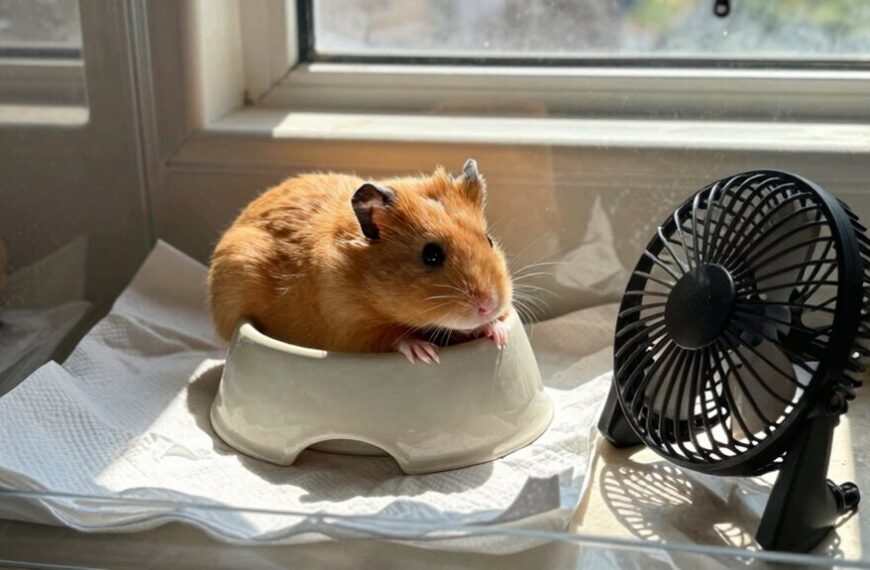
While your Winter White hamster might look like a tiny snowball with legs, that fluff coat means they overheat fast, so skipping the sunny windowsill is a smart move.
You’ll want to avoid sunlight when placing their exercise wheel.
Direct sun can turn their cozy home into a mini sauna, and nobody wants a sweaty, stressed-out hamster.
Instead, pick a spot with steady, room-temperature air—away from chilly drafts, too.
Cold exposure isn’t good either; these little guys are sensitive to extreme temps.
Think of Goldilocks: not too hot, not too cold, just right.
A quiet corner away from windows does double duty by blocking sun and drafts.
Your hamster will thank you with happy midnight wheel runs instead of heat naps.
Keep it comfy, keep it shaded, and your furry athlete will stay cool, calm, and ready to sprint.
To ensure optimal comfort, monitor the environment using a reliable digital hygrometer thermometer to maintain ideal temperature and humidity levels.
Near Bedding Area
Where should your Winter White hamster’s wheel go for maximum comfort and convenience, right near the bedding area. Your little night runner will thank you.
Placing the wheel close to their nest means less chilly trekking across the cage in the middle of the night. Winter Whites love their bedding comfort, and you’ll often catch them fluffing and rearranging like tiny interior designers.
Keeping the wheel nearby supports their natural nesting behavior without disrupting their cozy setup.
Plus, no one likes a cold bathroom run at 2 a.m., right. Your hammy feels the same.
A nearby wheel means quick access for those sudden bursts of energy.
Just make sure it’s stable and doesn’t squish their favorite sleep spot.
Think of it as a bedroom with a mini gym—convenient, safe, and totally hamster-approved. Sweet dreams and happy running!
Why Your Winter White Hamster Avoids the Wheel
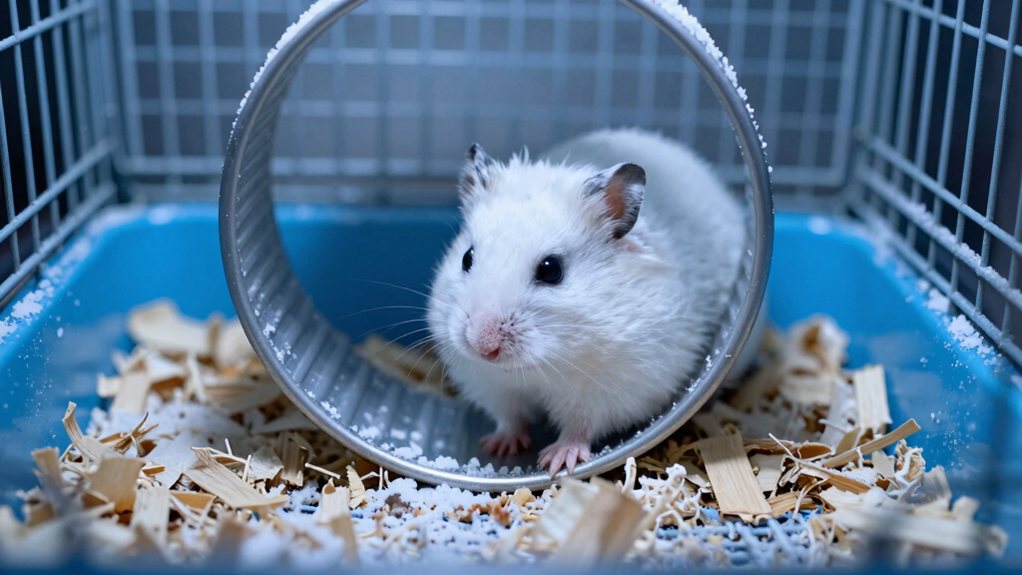
You might be wondering why your Winter White hamster gives the wheel a hard pass, even though you know they need exercise.
Maybe your little guy’s just shy by nature, or the wheel’s so loud it sounds like a squeaky shopping cart, scaring him instead of encouraging a jog.
And hey, could it be the wrong size? A wheel that’s too small turns his nightly sprint into a comedy sketch.
Poor guy ends up running like he’s on a hamster-sized treadmill from a cartoon!
Shy By Nature
It might surprise you to learn that your Winter White hamster isn’t ignoring the exercise wheel out of stubbornness, those little fluffballs are just naturally shy by design.
Their nocturnal behavior means they’re most active when you’re asleep, tip-toeing around in the dark when the house is quiet.
During the day, they’d rather hide than hop, especially if they feel watched.
Social interaction? They’re not the cuddly type and prefer exploring alone.
That new wheel might seem like a giant metal monster at first!
Give it time.
Place it in a calm corner, let them sniff it, and they’ll warm up.
Think of it like meeting new people: some hamsters need a minute or a week to feel safe.
Be patient, avoid sudden moves, and keep the vibes chill.
Soon enough, your shy little speedster might just start sprinting on their own terms.
Wheel Too Loud
Ever wonder why your Winter White hamster gives the exercise wheel a wide berth, even after warming up to it? It mightn’t be fear. It could be noise sensitivity.
These tiny furballs have super sharp hearing, and a squeaky or clunky wheel can sound like a rock concert in their ears. What seems quiet to you might be downright annoying to them.
If your hamster freezes or darts away when the wheel spins, the noise is likely the culprit. Try upgrading to a silent, solid-surface wheel and add a bit of sound insulation around the cage, like placing it away from walls or using a small mat underneath.
A little quiet goes a long way. After all, who wants to run on a treadmill that sounds like a rusty robot?
Keep it silent, keep it silent, and your hamster might just start sprinting like a tiny, fuzzy Olympian.
Wrong Size Used
A wheel that’s too big or too small can turn your hamster’s workout into a comedy of errors, picture a tiny gymnast trying to flip on a trampoline meant for giants or crammed into a kiddie pool.
If your Winter White hamster avoids the wheel, incorrect measurements or an improper fit might be the culprits.
A wheel over 8 inches forces awkward stretches, making your hamster look like it’s moonwalking uphill.
One under 6 inches strains their back, kind of like doing squats in a closet.
Plastic models with slats can trap tiny feet, turning fun time into a tiny tragedy.
You want a snug, even ride—something that feels natural, not like a circus act.
Measure twice, buy once. Your little buddy will thank you with midnight marathons instead of side-eye.
Keep it comfy, keep it safe, and let the happy running begin.
Final Thoughts
You absolutely need to give your Winter White hamster a wheel, they’ll thank you with midnight marathons and happy squeaks. A good wheel keeps them healthy, sane, and way less likely to chew through your socks.
Pick the right size, place it wisely, and skip the noisy ones. Trust me, your sleep matters too. Watch them zoom, and smile, because nothing says “I love my tiny furball” like a well-chosen wheel.