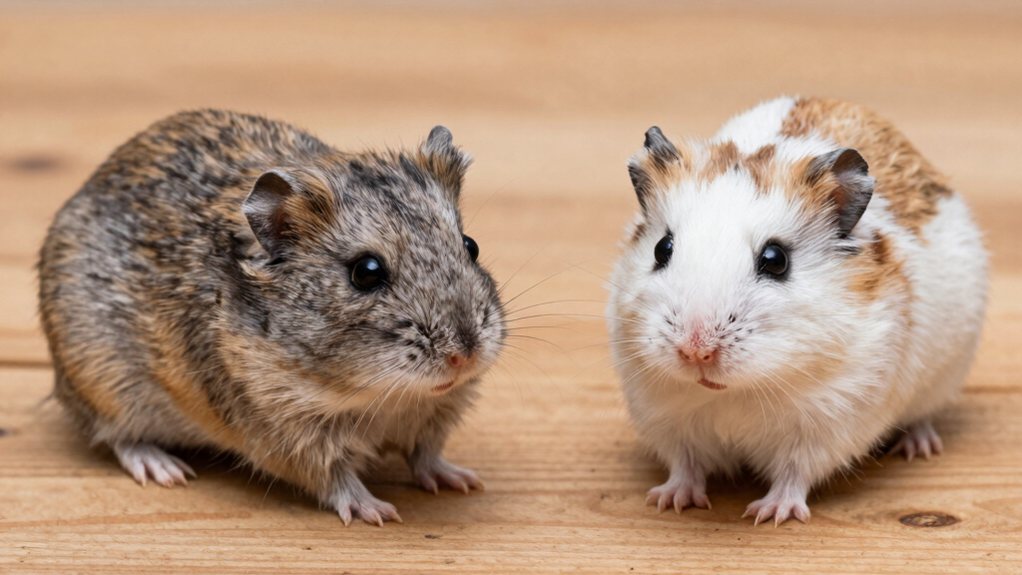
You might think Campbell and Russian dwarf hamsters are twins, but they’re more like quirky cousins. Campbell’s bolder, loves exploring, and handles busy homes well, while Russian dwarfs are shy, prefer cozy hideouts, and startle easily.
Campbells have coarser fur, lighter eyes, and a chunkier stripe. Russian dwarfs boast silky coats and beady eyes. And no, they don’t turn white in winter, sorry! Keep going, and you’ll uncover which one’s your perfect tiny match.
Campbell Vs Russian Dwarf Hamsters: Key Differences Explained
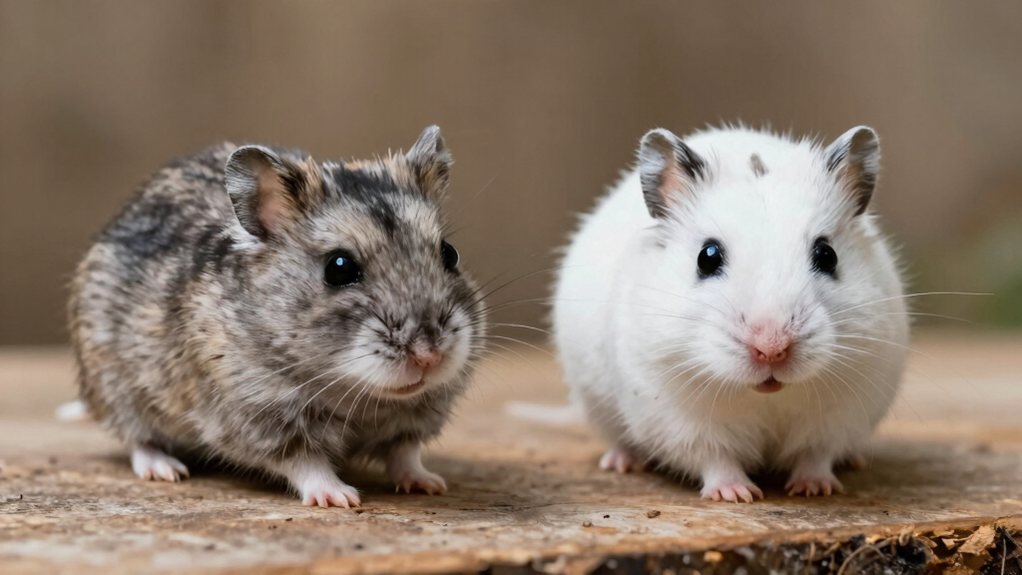
Thinking about bringing a tiny furball into your home? Great choice. But hold up. Campbell and Russian dwarf hamsters aren’t quite the same, even if they look like pocket-sized twins. You’ll want to know the scoop before picking your pint-sized pal.
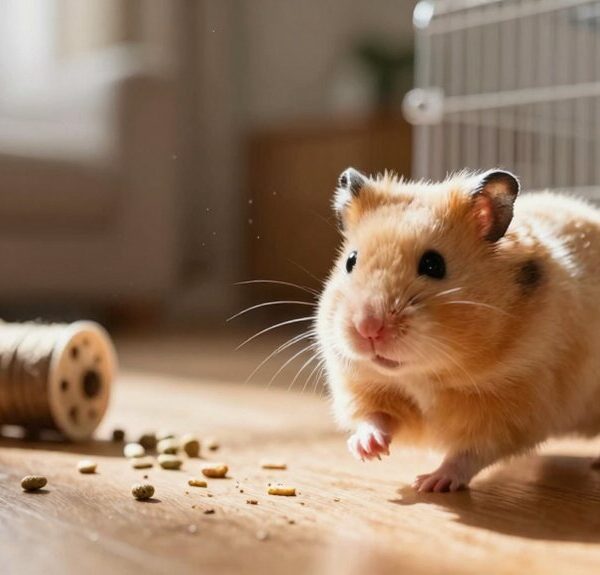
Campbell hamsters tend to be a bit more social and curious.
Russian dwarfs, like the Winter White, can be shyer and love hiding.
When it comes to habitat preferences, both enjoy cozy burrows and chew toys.
Campbells handle stress a little better in busy homes.
Breeding behaviors differ too.
Russians may surprise you with litters if you’re not careful.
Mixing species is a big no-no.
They might look cute together, but it can lead to stressed-out hamsters or unhealthy babies.
So, do your homework.
Set up the perfect setup.
Get ready for some tiny, whiskered joy.
Spot the Difference: Appearance Compared
Ever tried telling two fluffy peas in a pod apart?
Ever tried telling two fluffy peas in a pod apart? Some hamsters are that tricky—adorably, delightfully identical at first glance.
That’s what spotting the difference between a Campbell and a Russian dwarf hamster feels like.
But once you know what to look for, it’s a breeze.
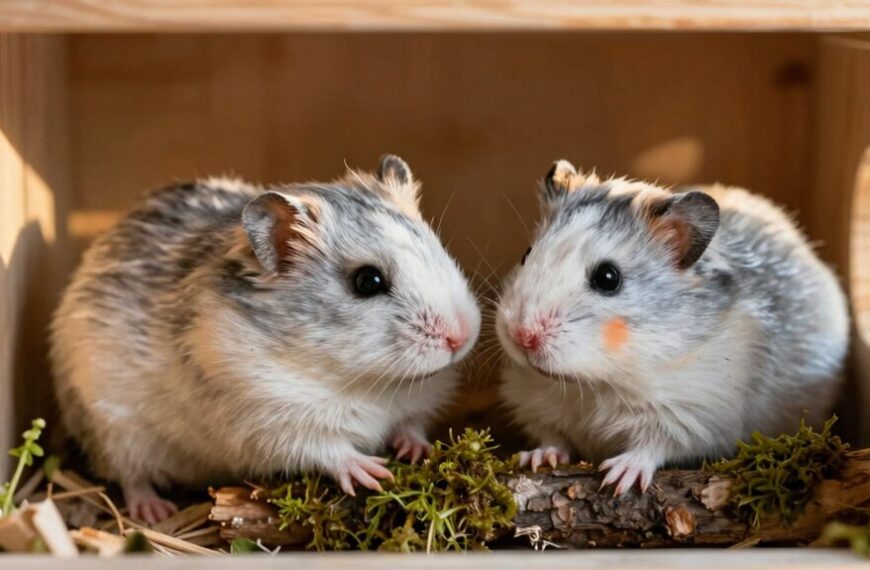
Pay close attention to their coat texture, eye color, and markings.
They’re your best clues.
- Coat texture: Campbell’s often feel slightly coarser, while Russian dwarfs are typically silkier to the touch
- Eye color: Russians usually have darker, beady eyes; Campbells can sport lighter, ruby-tinted ones
- Dorsal stripe: Both have one, but on Campbells, it’s broader and more defined
You’ve got a keen eye now.
Go impress your hamster-loving friends.
With a little practice, you’ll tell them apart faster than they can steal a sunflower seed.
Why Russian Dwarf Hamsters Turn White in Winter?
Now that you’ve got the hang of telling Campbell and Russian dwarf hamsters apart by their silky coats and shiny eyes, let’s clear up a curious quirk you might’ve heard: the idea that Russian dwarfs turn white in winter. Spoiler: it’s false.
While some animals, like arctic foxes, use winter adaptation for seasonal camouflage, Russian dwarf hamsters don’t actually change color. Their fur stays the same year-round, no snow-cone surprise.
You might’ve seen photos or heard tales, but those are likely mix-ups with other species or lighting tricks. So, no need to pack tiny scarves or winter hats for your pet. They’re perfectly cozy as-is.
Think of it like fashion: some animals go full seasonal wardrobe swap, but your Russian dwarf’s look is timeless. Cute, consistent, and always camera-ready.
Personality Test: Which Hamster Fits Your Lifestyle?
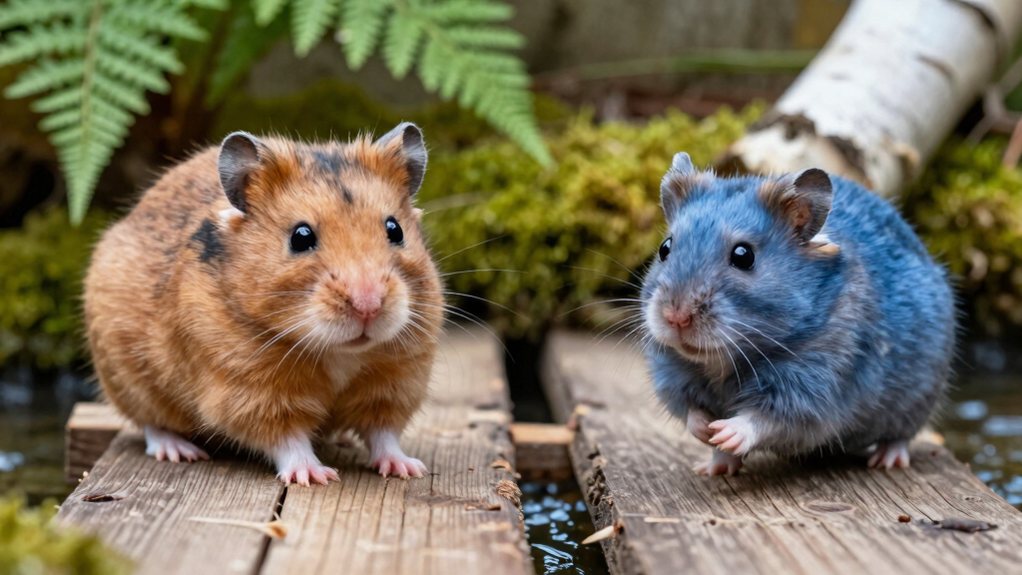
How do you picture your perfect pet pal? When it comes to hamster behavior and pet compatibility, your lifestyle matters. Think about it—do you want a curious explorer or a chill couch buddy? Take this quick personality check to find your match.
You’re active and social: A Campbell might be your go-to. They’re bold, love interaction, and thrive on playtime.
Bold and full of energy, Campbells love to interact and play—perfect for active owners who want a curious, social companion.
You prefer quiet moments: Russian Dwarfs can be shy but form sweet bonds. They’re perfect for calm, patient owners.
You’re a busy bee: Both need care, but Russian Dwarfs may stress easier, while Campbells adapt better to routine changes.
Either way, you’re in for tiny paws and big charm. Just remember: a happy hamster means a home full of giggles, snacks, and the occasional escape attempt.
Who knew pet compatibility could be this fun?
Care Needs: What Each Dwarf Hamster Requires
Taking care of a tiny hamster isn’t just about cute moments and snack time, it’s about giving them the right home, food, and attention to stay happy and healthy.
You’ll need a solid habitat setup: a wire cage or glass tank with plenty of bedding, toys, and a cozy hideout.
Both Campbell and Russian dwarf hamsters love to burrow and explore, so don’t skimp on space.
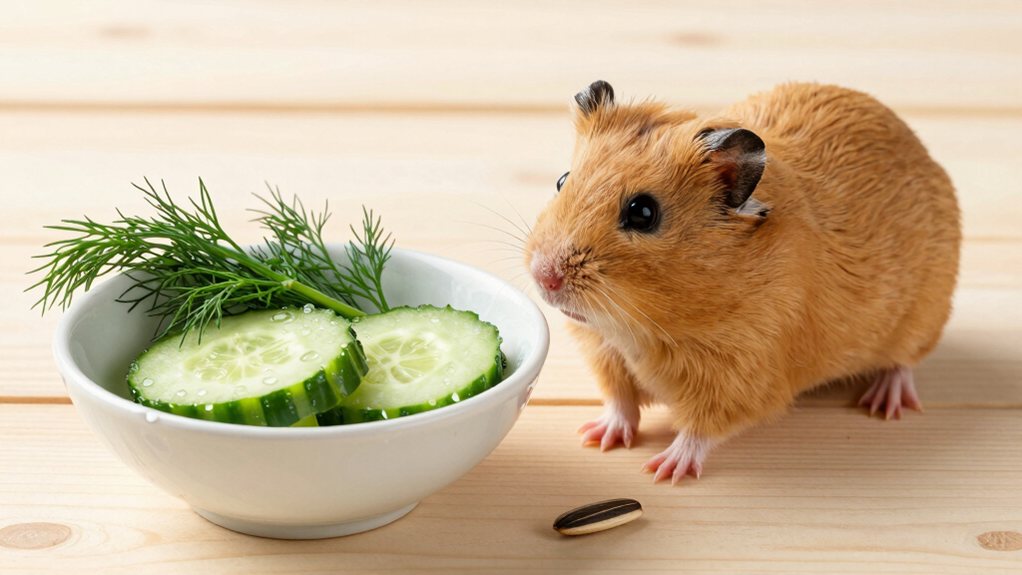
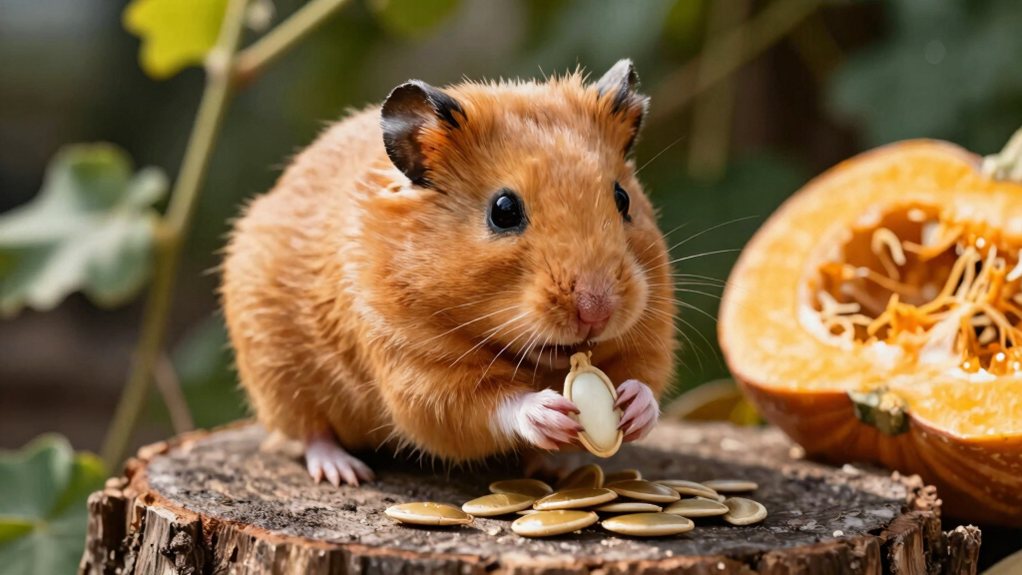
For diet requirements, stick to a mix of quality hamster pellets, fresh veggies, and the occasional treat, say, a sunflower seed or two.
But not too many, or they’ll turn into little food hoarders!
Fresh water daily is a must.
They’re active little escape artists, so secure that lid!
With love, consistency, and a clean home, your dwarf hamster will thrive—and probably charm you silly every single day.
A well-ventilated cage helps prevent respiratory issues and supports overall health, so choose a habitat with adequate ventilation.
Final Thoughts
So, you’ve met both tiny furballs. Now what? Whether you pick a curious Campbell or a winter-coat-wearing Russian Dwarf, you’re in for snuggles and silly midnight zoomies.
They’re both feisty, fun, and full of personality. Just match their care needs with your vibe, and you’re golden.
Honestly, either hamster will steal your heart (and maybe your socks). Ready for tiny paws and big laughs? You’ve got this.