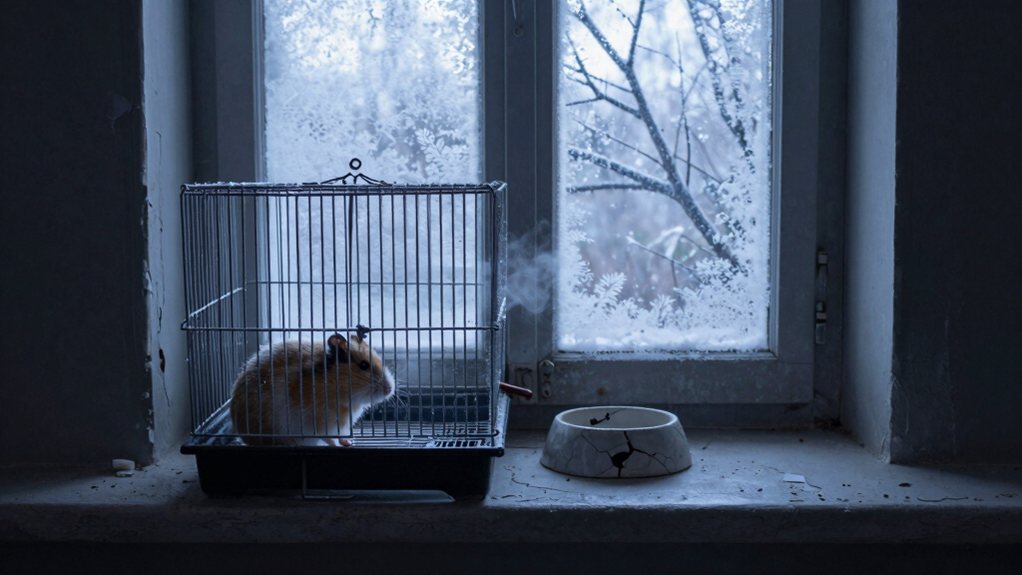
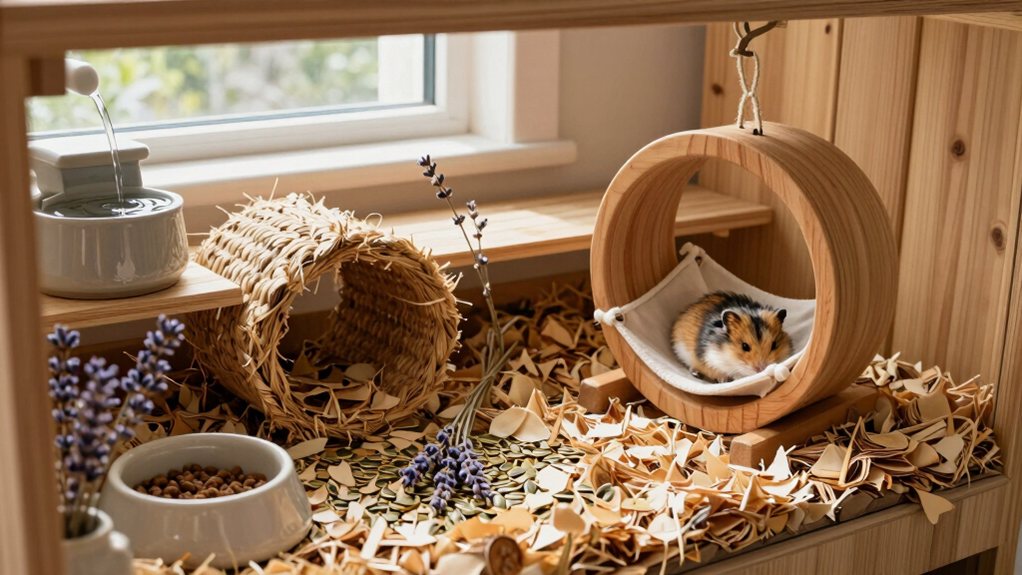
Dwarf hamsters aren’t high maintenance, but they do need your daily attention to stay healthy and happy. You’ll provide fresh food, clean water, and a tidy cage about once a month.
They’re independent little explorers who love chewing, burrowing, and nighttime zoomies. With a cozy setup and some chew toys, no fancy extras needed, they thrive. Just don’t skip their care; they’ve got tiny tummies and big personalities. Stick around, and you’ll see how simple and fun life with a dwarf hamster can be.
Are Dwarf Hamsters High Maintenance? The Truth

So, are dwarf hamsters high maintenance? Not really. You’ve got this! These tiny furballs are actually pretty low-key once you know their needs.
Sure, they don’t need daily walks like dogs, but they do need a clean cage, fresh food, and room to explore.
Dental care is important. Chewing keeps their ever-growing teeth in check, so toss in some safe chew toys.
As for social behavior, they’re more “friendly loner” than cuddle buddy. Most prefer flying solo, so skip the buddy system unless you want drama.
They’ll still greet you with a curious sniff or a cheek-stuffing snack run.
With a little attention and the right setup, they’re easygoing pals.
Think of them as the quiet roommate who’s always up for a midnight wheel sprint. Low drama, high charm—what’s not to love?
Adequate 450 square inches of floor space is essential to support natural behaviors like burrowing and running.

[ All-Natural Materials ] Made from 100% natural materials, with no artificial harmful additives or preservatives, ensuring a safe and healthy option for your pets.

Weight: One pack of 250g apple sticks for pet rodents includes premium hamster chew sticks. Dimensions are controlled within a reasonable range, with each stick having a length of about 4.5 inches and a diameter no more than half an inch

【FUNNY TOYS】:Maybe you are in the midst of setting up a mouse habitat ,YIXUND hamster toys set to be a good variety for you.Good various adorable toys for your hamster friends to hide,toss,chew,play and fight over,will keep them busy and happy.
What’s Daily Life Like for a Dwarf Hamster?
Ever wonder what your dwarf hamster’s up to while you’re off living your human life? While you’re at school or work, your tiny buddy is busy being a nocturnal ninja, snacking, scampering, and tunneling like a pro.
While you’re out conquering the day, your dwarf hamster transforms into a nocturnal ninja—snacking, scampering, and tunneling with stealthy precision.
Their feeding habits are simple: they graze throughout the night, so always keep fresh food and water available.
Don’t be surprised if you find snacks stashed in their cheek pouches or hidden in secret burrow corners. Hoarding is part of the charm!
As for social behavior, most dwarf hamsters prefer flying solo. They’re not big on roommates and can get grumpy if forced to share.
But with you, they can be curious and even cuddly in their own way. A clean cage, a good wheel, and a little quiet time make their world complete.
Honestly, their daily life is low-drama—and that’s why they’re such easy, adorable roommates.
How Often to Clean a Dwarf Hamster Cage?
You’ll want to spot clean your dwarf hamster’s cage a couple times a week, nobody likes stepping in soggy bedding, not even tiny rodents. Grab a scoop or small spoon to remove poop and wet spots, and toss in some fresh bedding where needed.
Then, every 4 to 6 weeks, do a full cage clean to keep things fresh and odor-free. Because let’s be honest, even the cutest pet deserves a deep clean now and then.
A weekly full cleaning is recommended to prevent bacterial growth and maintain a healthy environment for your hamster, especially if using unsafe bedding like cedar and pine shavings.
Spot Cleaning Frequency
Most of the time, your dwarf hamster keeps things pretty tidy, but let’s be real, someone’s gotta deal with the mess eventually, and that someone is you. Spot cleaning every few days keeps waste buildup under control and your little buddy happy.
If you’re using paper-based bedding, you’ll notice soggy spots or clumps faster, so check those corners and under the hideout. Scoop out soiled bits and replace them with fresh bedding, easy peasy.
For wood shavings, watch for damp zones or strong smells, which mean it’s cleanup time. Don’t wait too long, or things can get stinky fast.
A quick daily peek helps you stay ahead.
Think of it like tidying the kitchen, no need to deep clean every day, but tossing out scraps stops the funk.
With a bit of routine, your hamster’s home stays cozy and clean without driving you nuts. You’ve got this!
A full bedding replacement should be done once a week to reset bacteria levels and maintain a healthy environment.
Full Cage Clean Schedule
While your dwarf hamster mightn’t throw a full-blown tantrum over a messy cage, letting things go too long can lead to odors, bacteria, and one very grumpy pet.
You should do a full cage clean every two weeks to keep things fresh and safe.
This means swapping out all old bedding types, whether it’s aspen, paper, or fleece, for clean ones.
Don’t forget to wash cage decorations like tunnels, houses, and wheels with warm, soapy water.
Built-up gunk isn’t cute on a plastic igloo.
Rinsing well and drying everything completely helps prevent mold.
Sure, your hamster might side-eye you for disturbing their carefully arranged mess, but they’ll thank you with better health and happier zoomies.
Stick to the schedule, and you’ll avoid surprise stink bombs.
Think of it as spa day—deep clean for them, peace of mind for you.
A clean environment leads to a happy, healthy hamster, so maintaining a consistent routine supports both weekly deep cleaning and long-term well-being.
Do Dwarf Hamsters Need Expensive Supplies?
Dwarf hamsters don’t need a fancy setup to thrive, your wallet can breathe easy.
You won’t have to hunt for rare accessories or splurge on unique toys to keep them happy.
A cozy cage, a solid wheel, and some bedding go a long way.
Sure, you can find glittery castles and mini treadmills online, but your hamster would rather nap in a cardboard tube than lounge on velvet.
Basic food, fresh water, and a hideout are all they truly need.
You can even DIY toys from toilet paper rolls or old boxes, cheap, safe, and fun.
Think of it like decorating a studio apartment: simple touches beat over-the-top upgrades.
So skip the pricey gimmicks.
Your dwarf hamster isn’t judging your decor taste.
They just want to snack, run, and maybe stash food in weird places.
And honestly, that’s kind of adorable.
Many starter bundles include everything you need in one affordable package, with chew-resistant materials to ensure long-term safety and durability.
Can You Leave Dwarf Hamsters Alone for Days?

You can’t just pack your bags and leave your dwarf hamster alone for days without a solid plan, trust me, they’re not fans of surprise staycations.
Aim to leave them solo for no more than 2–3 days max, and make sure they’ve got plenty of food, fresh water, and a clean cage before you go.
When you get back, keep an eye out for signs they’re stressed, like excessive hiding or chewing on the bars, because even tiny drama queens need a little TLC.
Hamsters rely on daily feeding routines to maintain their fast metabolism and overall health, so extended absences can disrupt their well-being.
How Long Is Safe
Ever wonder how long you can sneak off for a weekend trip without dragging your tiny furball along? Good news, you can safely leave your dwarf hamster alone for up to 2–3 days if you prep right.
Make sure their cage size gives them room to move and store supplies, and use a cozy bedding type like paper-based material that holds up well.
Fill their food bowl with extra, but not too much, hamsters hoard. A water bottle with a backup is a must, check it twice before you go.
No need to stress over daily cuddles, they’re independent little escape artists. Just don’t ghost them for a week. After three days, someone should peek in.
Think of it like a mini-vacation, not total abandonment. Your pint-sized pal will forgive your absence, as long as the snacks are still flowing.
Essential Preparations Needed
What’s the secret to leaving your pint-sized pal alone without losing sleep? Proper prep! Start with smart cage customization, make sure it’s escape-proof, spacious, and stocked with food, water, and cozy bedding.
A double water bottle helps in case one fails. Add extra snacks in multiple spots so your hamster won’t go hungry.
Don’t forget toy rotation, switching things up before you leave keeps your little buddy entertained and curious. Boredom’s the real enemy!
Leave a few chew toys and tunnels out, they’ll keep your dwarf busy and happy.
And while they’re low-maintenance, no hamster should be left alone for more than 3–4 days.
With the right setup, you can relax knowing your tiny furball’s safe, snug, and maybe even throwing a solo dance party in your absence.
A well-ventilated cage with perforated design ensures fresh airflow and prevents stuffiness during extended absences.
Signs Of Distress After Return
So, how do you know if your tiny roommate had a rough time while you were gone? Keep an eye on changes in feeding habits. Skipping meals or overeating could mean stress.
If your usually curious hamster hides more than normal or avoids the wheel, that’s a red flag.
Social behavior shifts too. A once-friendly dwarf might shy away or get grumpy when you offer a treat.
You might even spot chewed bars or scattered bedding, signs they felt anxious.
Now, don’t panic. A short trip doesn’t doom your pet.
But coming home to a mess or a moody hamster? That’s your cue to slow down, offer a favorite snack, and give some quiet time.
Think of it like reuniting after vacation. Everyone needs a little readjustment, even if they’re only six inches tall.
A lack of environmental enrichment during your absence may have contributed to stress, potentially triggering behaviors associated with cage rage.
Best for Beginners? Dwarf Hamsters for Kids & New Owners
Thinking about your first pet? A dwarf hamster might be just the tiny buddy you’re looking for. With their friendly temperament traits, these little fluffballs are often great for kids and new owners.
They’re curious, active, and usually adapt well to handling once they’ve warmed up to you.
Sure, they’re nocturnal, so don’t expect cuddles at bedtime. But their care routine is simple: fresh food, clean water, a cozy cage, and daily playtime.
They won’t follow you around like a dog, but watching them zoom through tunnels or stuff their cheeks is pure joy.
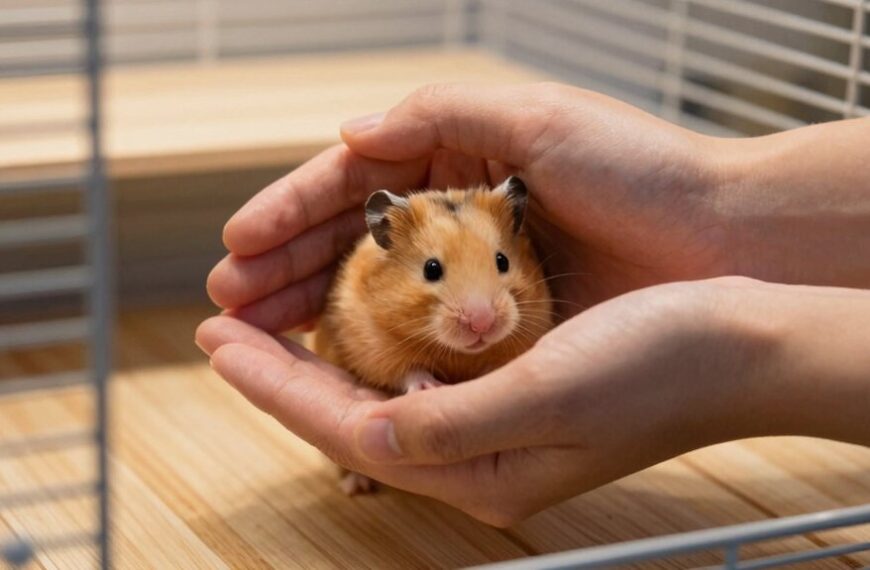
Just remember, gentle handling is key—no squeezing! Dwarf hamsters aren’t high maintenance, but they do need patience and consistency.
For a first-time pet that’s low on drama but high on charm, this pint-sized pal could be your perfect match.
A minimum cage size of 450 square inches is recommended to support their natural burrowing and exploring behaviors.

Naturally Air-dried: Every sprig is hand-picked from whole plants and air-dried. Each stem is neatly trimmed, retaining its natural color and scent. Material: dried plant stems only. Suitable for pets to sniff and explore. Always supervise your pet during use. Store in a dry, dark place away from moisture, and handle gently as petals may shed if squeezed

Fine Silica Sand: Bath sand is one of the necessary hamster accessories. And silica sand is a type of sand commonly used in hamster sand baths. It is a natural and absorbent fine sand that helps remove excess grease and dust from the hamster's fur, removes dirt and odors from the body, and keeps the little pet dry and clean

Natural Botanical Habitat Enrichment: This hamster bedding and hamster sprays and forage mix is crafted from air-dried flowers and grasses, creating a calm and natural small animal habitat décor that helps hamsters feel safe, relaxed and engaged in their cage
Common Health Problems in Dwarf Hamsters
You’ve probably fallen in love with your dwarf hamster’s cheeky grin and endless energy, and while they’re generally tough little characters, they can still run into health hiccups now and then.
Adorable and full of spark, dwarf hamsters may be resilient, but even these feisty little pals can face the occasional health challenge.
Keep an eye out for dental disease. Those tiny teeth grow constantly, and if they overgrow, eating becomes a real struggle. A quick check of their mouth and appetite can save a lot of trouble.
Also, watch for wet tail, a serious bacterial infection that causes lethargy, diarrhea, and a wet, messy rear. It’s rare but dangerous, especially in stressed or young hamsters.
The good news is most issues pop up only with poor care or bad luck. Clean bedding, fresh food, and a calm home go a long way.
Stay alert, love them well, and your pint-sized pal should stay happy, healthy, and adorably mischievous for years.
Heart disease is a common age-related issue that can lead to sudden decline, especially in older hamsters, so monitoring for signs of organ failure is important.
Is Your Dwarf Hamster Stressed? Early Warning Signs
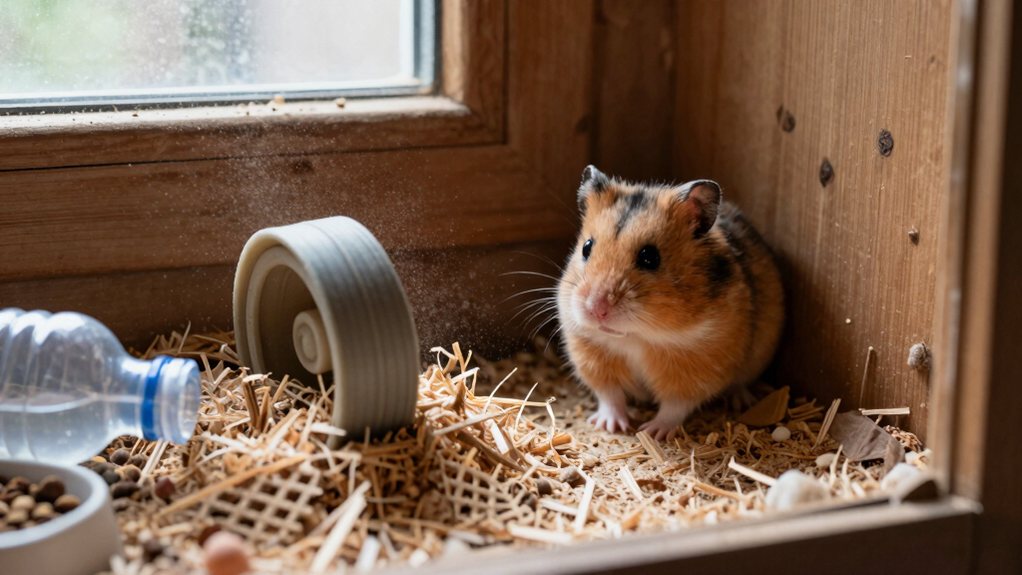
Ever wonder why your usually peppy dwarf hamster is suddenly hiding more than a ninja on a coffee break? Stress could be the culprit. Watch for signs like excessive grooming, biting the cage, or ignoring their favorite treats.
A lack of diet variety might be part of the problem.
Hamsters thrive on balanced meals with fresh veggies and occasional protein. If your little buddy skips playtime habits, like avoiding the wheel or ignoring toys, it’s a red flag. Maybe they’re bored or overwhelmed.
Try rotating toys, offering safe chewables, or spending quiet time near their habitat.
Keep their space calm and consistent. No loud noises or sudden changes.
You know your hamster best, so trust your gut. A few small tweaks in routine or environment can make a big difference. You’ve got this. Your furry pal is counting on you!
Why Dwarf Hamsters Are Easier Than Other Small Pets
While some small pets demand daily walks or constant attention, dwarf hamsters happily thrive with a bit of care and a lot of charm. Their exercise needs are simple: just a solid wheel and a cage to explore, and they’re set.
No leash, no park trips, just happy midnight sprints that might keep you awake. But hey, at least they’re quiet otherwise.
When it comes to social behavior, they’re low-key. No need for playdates or cuddle sessions. Most prefer flying solo, so you won’t stress over pairing them up.
Compared to chatty birds or needy guinea pigs, dwarf hamsters are the chill roommates you never knew you needed.
They don’t ask for much: clean bedding, fresh food, and the occasional treat. You’ll bond in your own time, on their terms.
Honestly, they’re perfect if you want a pet that’s sweet, simple, and a little silly—without the drama.
Final Thoughts
You’ve got this! Dwarf hamsters aren’t high maintenance, they’re actually pretty chill little roommates. You’ll clean their cage weekly, give them fresh food, and chat to them. Yes, they listen.
They won’t need fancy gear or constant attention. Sure, they’re not cuddly teddy bears, but they’re low-cost, fun to watch, and perfect for first-time pet parents. Just don’t forget the snacks, nobody likes a hangry hamster!

✅【Quiet Fun, No Disturbance】This silent hamster wheel is equipped with dual ball bearings for smoother, quieter spinning—while not completely noiseless, it's a great basic option that won't disrupt your daily life. Ideal for nighttime activity in shared spaces.

Ultra Quiet Running Experience – Designed as a silent hamster wheel, this exercise wheel helps reduce running noise while allowing hamsters to stay active during the day or night. Enjoy a quieter home environment while your pet exercises freely.
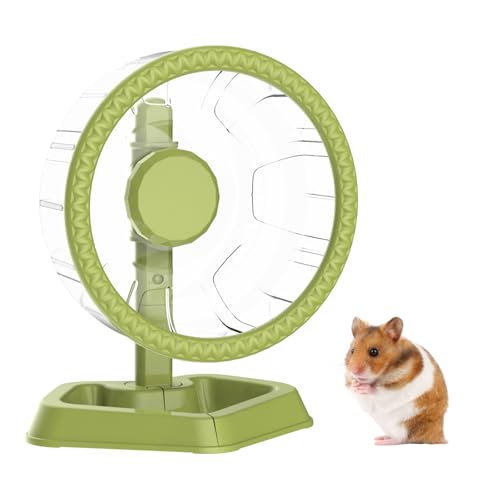
【High-Quality Durable Construction】Crafted from premium transparent ABS material, this hamster wheel is non-toxic and odor-free. It boasts rounded edges to maximize safety and ensure reliable stability.