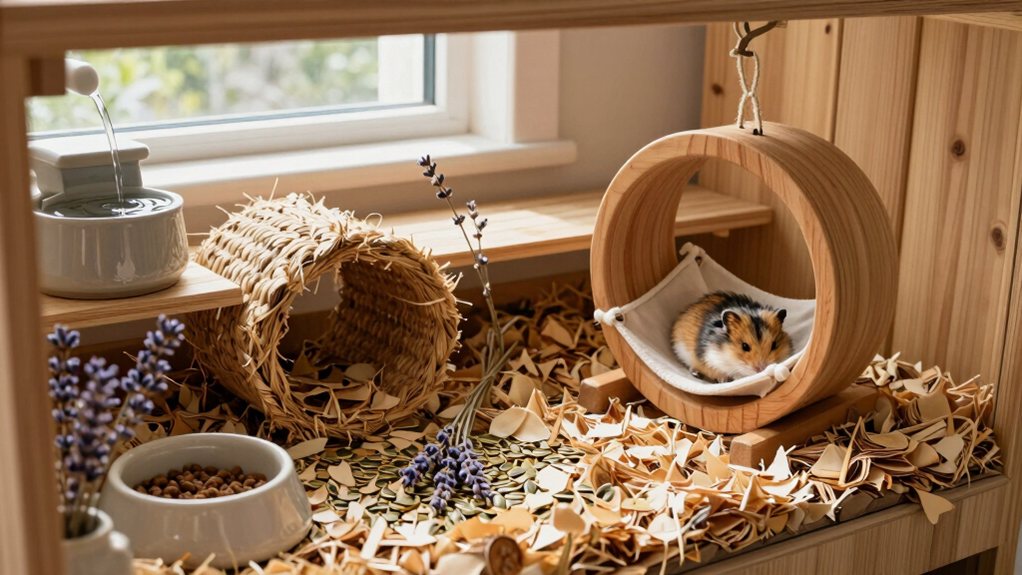
Give your hamster a roomy cage with at least 450 square inches of space and solid floors, no wire bars that could hurt little feet. Layer 6–8 inches of aspen or paper bedding so they can dig and nest like they would in the wild.
Add tunnels, chew toys, and hideouts to keep them busy and happy. Place cozy sleep spots in quiet corners, and keep the setup calm with soft colors and gentle airflow. You’ll both smile more when their home feels like an adventure playground with a spa retreat. There’s even more to get right.
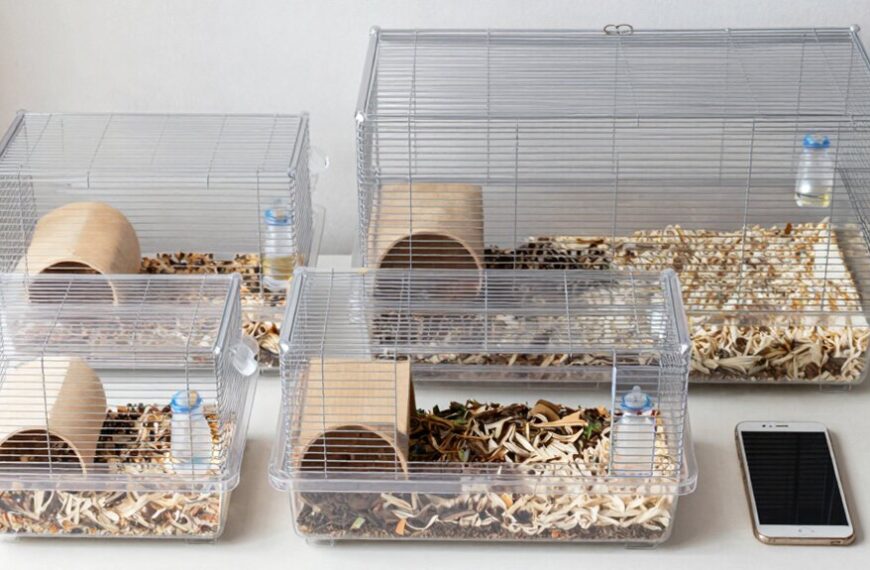
Choose the Right Hamster Cage Size and Type
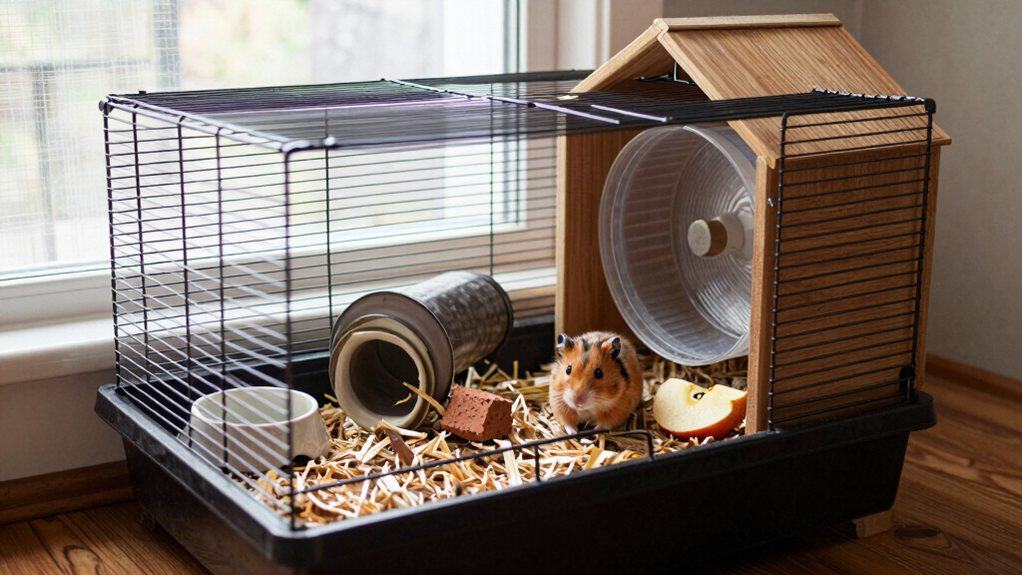
Let’s be real, your hamster might be small, but that doesn’t mean he belongs in a shoebox, even if it *is* super cute. You need a cage that’s roomy enough for zoomies and safe enough to prevent midnight escapes.
Aim for at least 450 square inches of floor space. Bigger is always better.
Wire cages with solid floors work well, but make sure they’ve good cage ventilation so the air stays fresh.
Glass tanks are cozy, but they need mesh lids for airflow and escape prevention. Avoid cages with wide bar spacing. Your Houdini-in-training could squeeze out.
A deep base for bedding is a plus, giving your little buddy room to dig and burrow.
Think of it as his personal playground and bedroom rolled into one. When you pick the right size and type, you’re more than just building a cage. You’re creating a happy, healthy home.

Security & Durability: Constructed with sturdy metal materials, this hamster cage ensures a secure structure, preventing your hamster from chewing on the bars and extending the cage’s lifespan. It provides peace of mind by prioritizing your pet’s security.
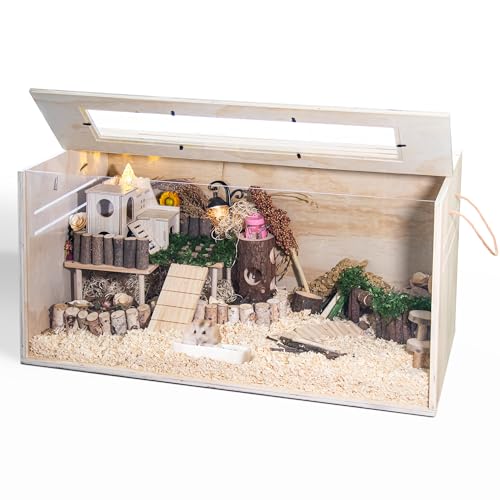
[Habitat for various small animals] The large hamster cage measures 40 inches * 20 inches * 20 inches, with a floor space of about 774 square inches, suitable for small and medium-sized animals such as rabbits, guinea pigs, hedgehogs, hamsters, quail, gerbils and ferrets, providing them with more space to play without weight restrictions.

【Thick Bedding Matters】Research shows it’s best to have plenty of bedding so your hamsters can make a burrow just like they would in the wild. The extreme large interactive space of our cage is able to hold thick bedding and toy system for your pets to dig and explore. It's easy to arrange their hideout, sand bath area, hamster wheel, or exploring scene in the cage, which results in a far happier and less stressed hamster compare to the wire cage. We offer 4 different sizes, feel free to choose from 24-48in length. Note: The inner decoration is not included in the package
Layer Bedding Deeply for Digging and Nesting
A deep layer of bedding isn’t just a luxury, it’s basically your hamster’s ticket to happiness. You’ll want to aim for at least 6–8 inches of safe, dust-free bedding so your little buddy can enjoy deep digging like they’d in the wild.
A deep layer of bedding is your hamster’s ticket to happiness—aim for 6–8 inches so they can dig, burrow, and thrive like they would in the wild.
Hamsters are natural burrowers, and without enough material, they get stressed and bored. Think of it as their version of a spa day, except instead of cucumbers on the eyes, they’ve got tunnels and cozy hideouts.
Layering bedding deeply supports natural nesting behavior, letting them build soft, secure nests for sleeping and snuggling.
Paper-based or aspen bedding works great, just skip the cedar or pine.
Your hamster will thank you with happy zoomies and fewer grumpy moments.
Plus, watching them dig is weirdly entertaining.
Build Multi-Level Habitats for Exploration
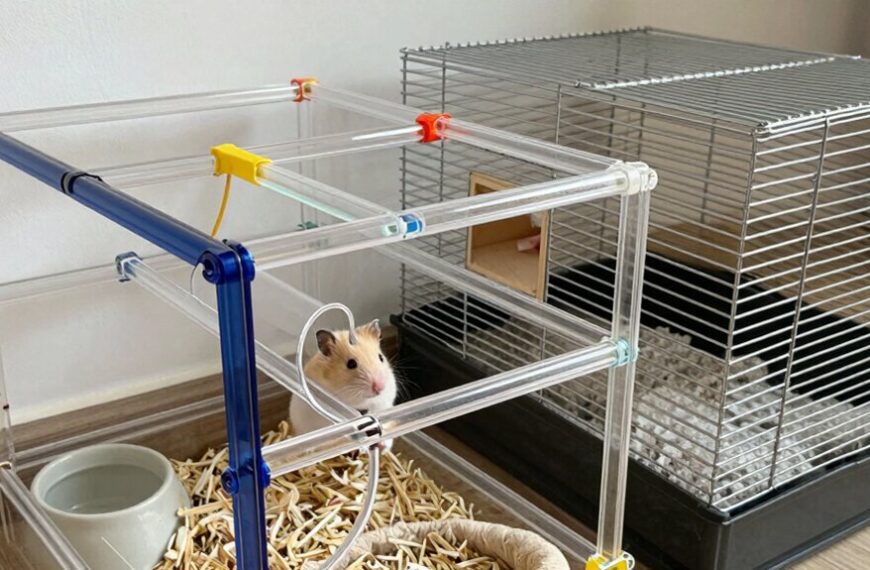
You’ve already layered the bedding for cozy digging, so now it’s time to build up. Hamsters love exploring high and low just like tiny mountain climbers with day jobs.
Add safe ramps between levels so your little buddy doesn’t take a tumble trying to reach his next adventure.
Sprinkle in some enriched zones with hideouts, chew toys, or a mini bridge, and watch him zip around like he’s training for hamster parkour.
Multi-Level Design Basics
While your hamster mightn’t be scaling mountains, giving them a multi-level habitat is like building a tiny adventure park they can explore every night.
Use vertical space utilization wisely, stack levels with ramps or ladders so your little buddy can climb, dig, and discover.
It’s more than fun, it boosts their physical and mental health.
Many cages offer modular expansion options, so you can adapt the setup as your hamster’s needs grow.
It’s kind of like adding rooms to a treehouse.
Just make sure each level is safe and escape-proof.
You don’t want your Houdini ending up on the floor at 3 a.m.
Solid flooring and low drop zones keep adventures injury-free.
Think of it as hamster-proofing a playground.
With a well-built multi-level design, your pet gets enrichment, exercise, and endless tiny thrills—all before sunrise.
Safe Access Ramps
Getting your hamster’s multi-level home up and running means thinking carefully about how they’ll move around. After all, even tiny climbers need safe ways to get from floor to rooftop.
When building ramps, ramp safety should be your top priority. Avoid slick or steep surfaces, they’re like ice slides for hamsters. Instead, opt for gentle slopes with textured surfaces so your little buddy can grip without slipping.
Material durability matters too, flimsy ramps might buckle under enthusiastic exploration. Choose sturdy, chew-resistant materials like wood or thick plastic that can handle daily wear and the occasional snack attack.
Rounded edges and secure attachments prevent surprise tumbles.
Think of it as building a tiny adventure park, fun, but foolproof. With the right ramp, your hamster can climb, descend, and patrol their kingdom with confidence. Safety first, silliness always!
Enriched Exploration Zones
Since your hamster’s home isn’t merely a cage, it’s their whole world. Why not turn it into a mini adventure land they’ll love exploring?
Create enriched exploration zones with tunnels, hideouts, and climbing spots to boost sensory enrichment and keep your little buddy mentally sharp.
Think of it as interactive landscaping: like a tiny jungle gym just for them.
Scatter different textures, safe chew toys, and hidden treats to spark curiosity.
Your hamster will sniff, climb, and burrow with joy, burning energy and staying happy.
Rotate items weekly so things stay fresh and exciting, because even hamsters get bored of the same old view.
You’re not merely building levels; you’re crafting experiences.
Add a lookout platform or a cozy cave on a higher floor, and watch your furball claim their kingdom.
It’s fun, it’s functional, and honestly? Your hamster will thank you with endless zoomies.
Add Chew Toys and Puzzle Feeders for Stimulation
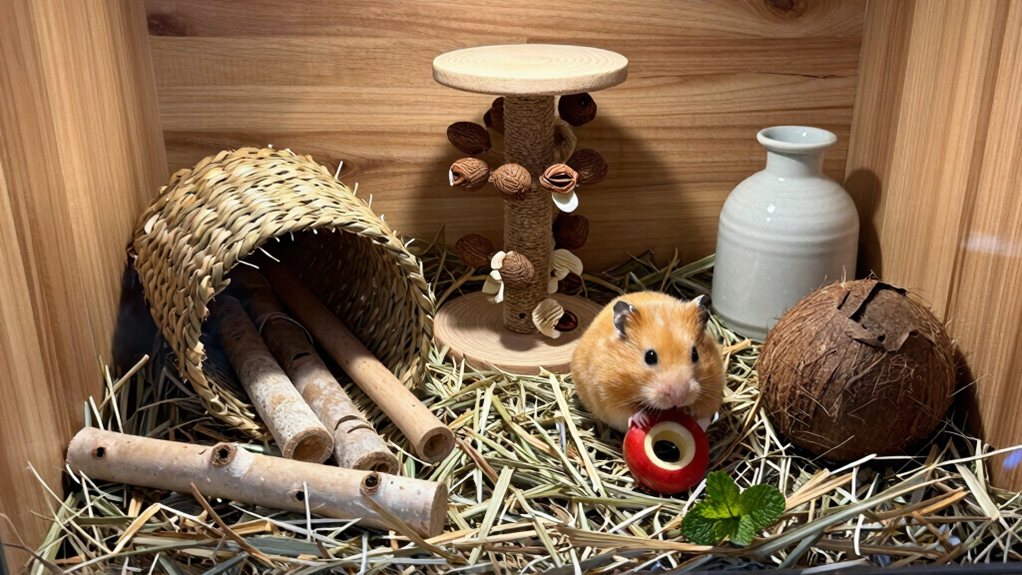
When your hamster isn’t busy stuffing their cheeks or sprinting on their wheel, they’re probably looking for something fun to do. Enter chew toys and puzzle feeders, your tiny buddy’s new best friends.
Chewing keeps their ever-growing teeth in check, so rotate chew toys regularly. This chew toy rotation keeps things fresh and exciting.
Puzzle feeders, on the other hand, turn snack time into brain time. Try a mix of styles. This puzzle feeder variety prevents boredom and taps into their natural foraging instincts.
Stuff a feeder with a few seeds, and watch your little escape artist work it out. It’s like hamster homework, but way cuter.
These simple additions do more than entertain. They reduce stress and build confidence.
You’ll notice your pet seems perkier, more engaged. Plus, who doesn’t love watching a hamster triumph over a treat maze? It’s a win-win: happy hamster, happy you.
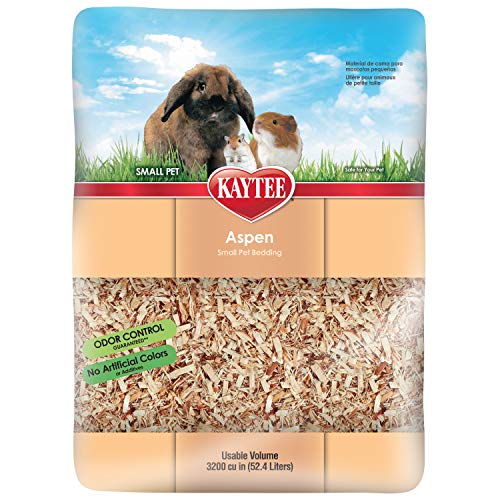
ALL-NATURAL ASPEN SHAVINGS, crafted for a natural, comfortable habitat

Perfect for Burrowing and Digging – Give your pets the ideal environment for natural behaviors like burrowing, tunneling, and nesting. This soft yet supportive aspen bedding is perfect for snakes, lizards, hamsters, guinea pigs, and rabbits. Whether used in a snake enclosure, hamster hideout, or guinea pig cage, it provides a comfortable and secure space for your pets to explore.
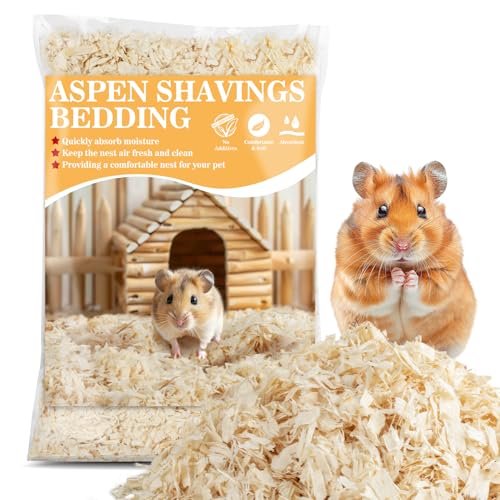
Aspen shavings: Using aspen wood, without any additives, with a nice odor, fluffy and comfortable, good for use as pet bedding
Create Cozy Retreats and Hidden Sleep Spots
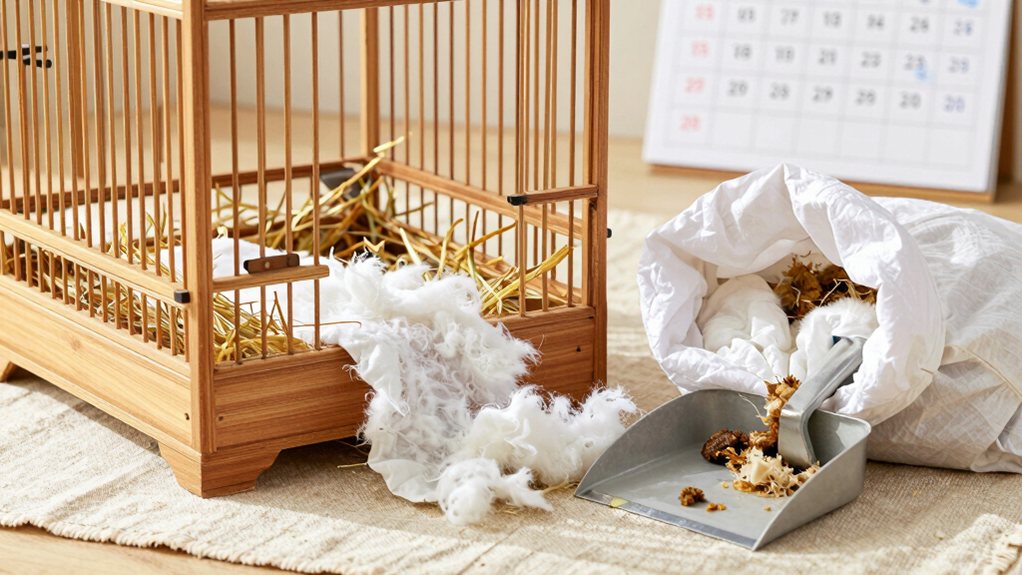
You’ll want to give your hamster some soft nesting materials, like unscented tissues or shredded paper, so they can build a snug little bed.
Place a few hideouts in different corners of the cage. Hamsters love having secret spots to nap and stash snacks.
Think of it as their tiny version of a cozy blanket fort, just don’t expect an invite inside!
Cozy Nesting Materials
A little hideaway made just for snoozing? Yes, please! Your hamster deserves a nest that feels like a five-star fluff hotel.
Start with soft fabrics like fleece or cotton, no loose threads, though, or you’ll end up with a tangled hammock disaster.
Layer them in a quiet corner where warm lighting won’t disturb their daytime beauty sleep.
Shredded tissue or unscented paper towels work great too, safe, cozy, and chew-approved.
Avoid cedar or pine bedding, it’s like giving your hamster a pine-scented sneeze attack.
Watch how they stuff their cheeks and haul materials like tiny, determined movers.
It’s adorable, yes, but also serious business.
This nesting ritual reduces stress and keeps them snug.
So go ahead, pamper your pint-sized pal.
A dreamy nest means happy zoomies later.
Sweet dreams, little buddy, sweet dreams.
Strategic Hideout Placement
While your hamster may not have a real estate agent, they definitely know what they want in a dream home: privacy, safety, and a spot far from the snack bar, a.k.a. their food bowl. Place hideouts in quiet corners to support natural hideout orientation, helping your little buddy feel secure.
Avoid high-traffic zones or near noisy equipment. Your hamster isn’t trying to live next to a washing machine. Aim for a ventilation balance: enough airflow to keep air fresh, but not so much that it feels drafty. Think of it like bedroom windows—cracked just right.
Tuck one hideout near the back of the cage and another partially buried in bedding for layered security.
Your hamster will love having choices: nap in peace, stash treasures, or just disappear when they’ve had enough of your commentary.
Smart placement isn’t just cute—it’s cozy psychology.
Design a Calm, Naturalistic Layout
Ever wonder how to turn your hamster’s home into a cozy little slice of nature? Start by placing the cage in a quiet location, away from loud TVs or barking dogs, so your tiny friend can feel safe and relaxed.
Natural lighting during the day helps regulate their sleep cycle, but skip direct sunlight; you don’t want a mini sauna!
Use soft, earthy bedding like aspen or paper-based materials, and add real (washed) wood branches or ceramic hideouts for that natural touch.
Toss in some fake (hamster-safe) plants for greenery—no gardening skills required!
Arrange tunnels and nesting spots to mimic a real burrow system.
Keep colors calm and clutter minimal. Think zen den, not toy store explosion.
Your hamster mightn’t meditate, but they’ll definitely appreciate the chill vibes.
A peaceful setup means a happy, healthy pet—and that’s something to squeak about!
Final Thoughts
You’ve got this! By picking the right cage, piling on bedding, and adding fun toys and cozy hideouts, you’re giving your hamster a happy home. Think of it like building a tiny adventure park, just with more snacking and napping.
A calm, natural setup keeps your little buddy relaxed and curious. You’re more than cleaning a cage. You’re crafting comfort, one paw-sized step at a time. Sweet dreams, tiny explorer!

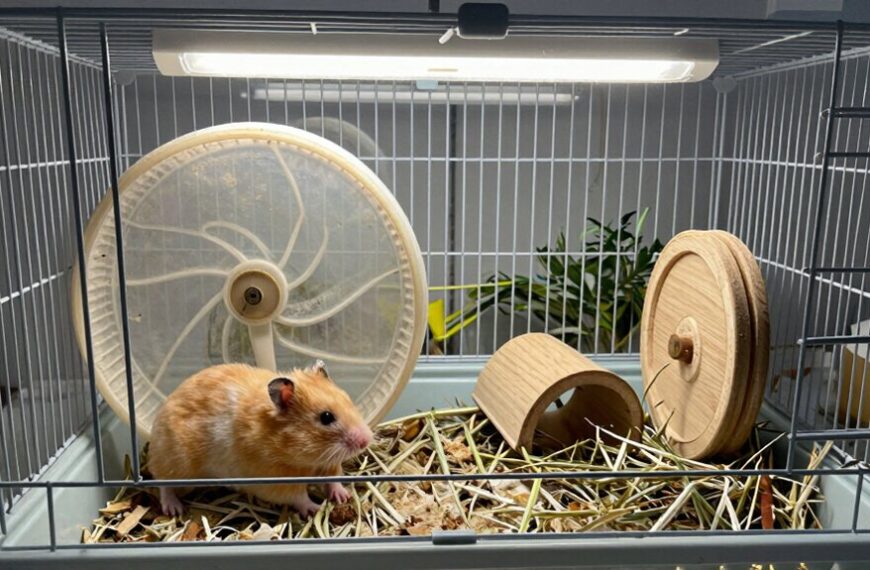
【Great Hamster Starter Kit】In addition to the cage, this mouse cage set includes:A wooden hamster hideout for cozy nesting,A silent exercise wheel for nighttime runs,An outer bath container for natural grooming,A drip-proof water bottle,A food dish, A ladder and a wooden platform for climbing fun.Everything you need to care for your hamster is covered—no extra purchases required!
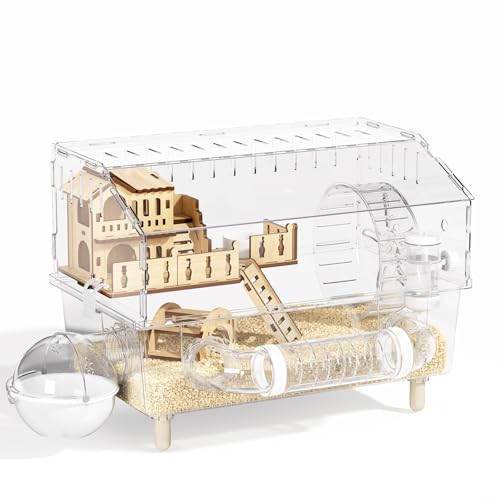
【Complete Starter Kit】This hamster cage comes with a complete set of accessories, including the cage itself, a wooden house, an 18cm silent running wheel, a sand bath, a tunnel, a water bottle, a food bowl, an arched bridge, a platform, and a ladder. All essential accessories are included, eliminating the need for additional purchases and ensuring your hamsters has a comfortable and enriching living environment.

Multi-Layer Design: This gerbil cage is designed with a 3-layer structure, mimicking your hamster's natural habitat. A 12.4" deep bottom for digging, climbing, and exploring encourages healthy and natural behaviors to keep them content and active.