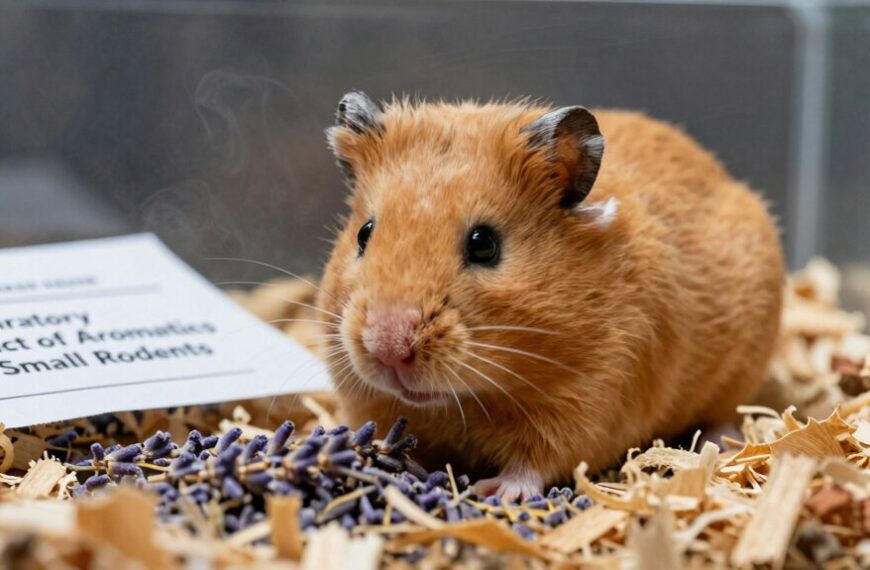
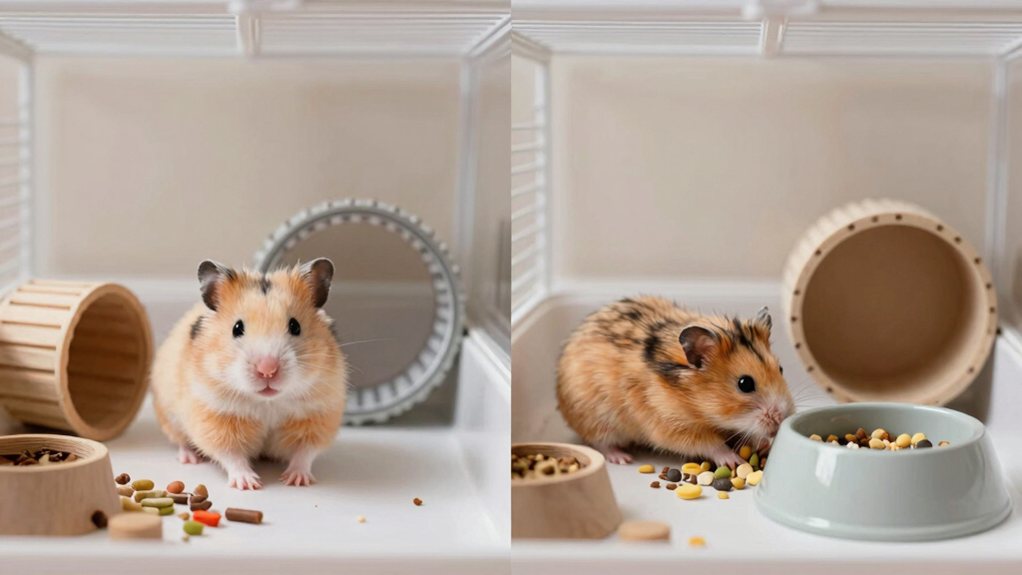
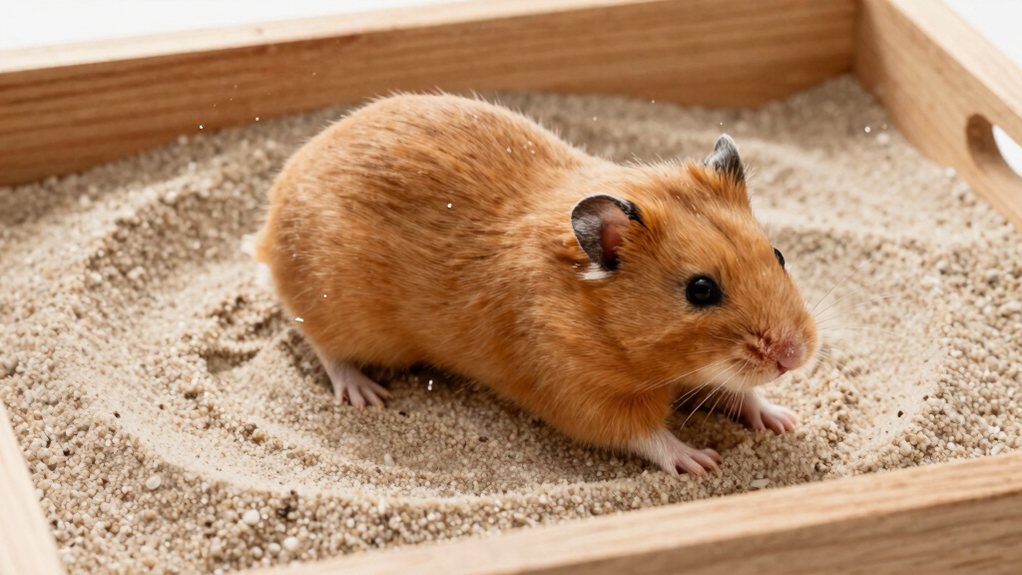
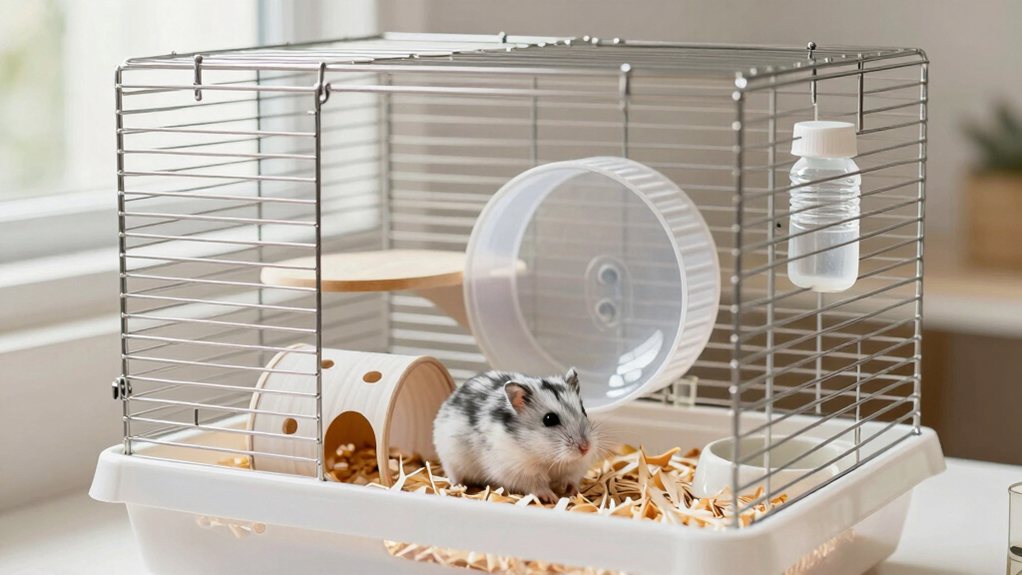
Put a thick layer of super-absorbent, dust-free bedding like aspen or paper-based material in the bottom of your hamster’s cage. Your little digger will love burrowing in it. Avoid cedar or pine. Those scented shavings might smell nice to you, but they’re tough on tiny lungs.
Add soft nesting materials like unscented tissues for coziness. Toss in a waterproof liner to keep things clean and easy. Spot clean daily and do a full refresh weekly. Your nose and hamster will thank you. There’s even more to get right, so keep going to give your furry friend the best setup possible.
Choose Safe, Absorbent Bedding for Your Hamster Cage
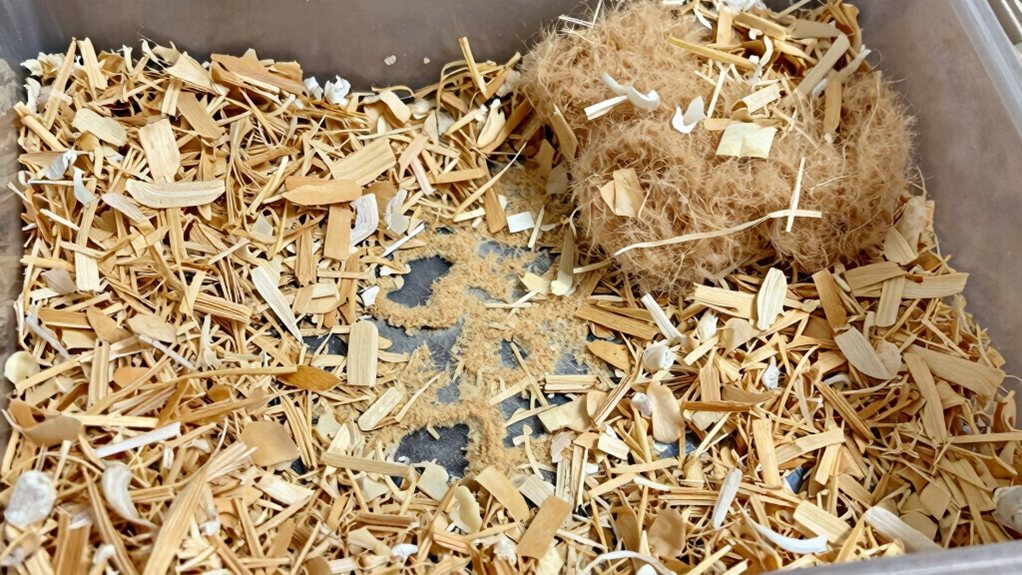
Let’s talk about what really matters at the bottom of your hamster’s home, bedding that keeps your tiny buddy safe and comfy. You’ll want something super absorbent to manage odors and moisture, so your little furball stays healthy and happy.
Skip the dusty or chemically-scented stuff; it can irritate their tiny lungs.
Instead, go for soft, paper-based or aspen bedding. It’s safe and cozy.
Oh, and don’t stress too much about bedding color; hamsters don’t care if it’s pink or pine, but you might want something natural-looking to match your cage decor.
Bright dyes can sometimes cause irritation, so stick to earthy tones.
Make sure it’s deep enough for burrowing. Those little diggers love to tunnel! A good 2–3 inch layer works great.
Choose wisely, and your hamster will thank you with happy, midnight wheel runs.
A high-quality option offers 99.9% dust-free performance, which is ideal for protecting your hamster’s sensitive respiratory system.
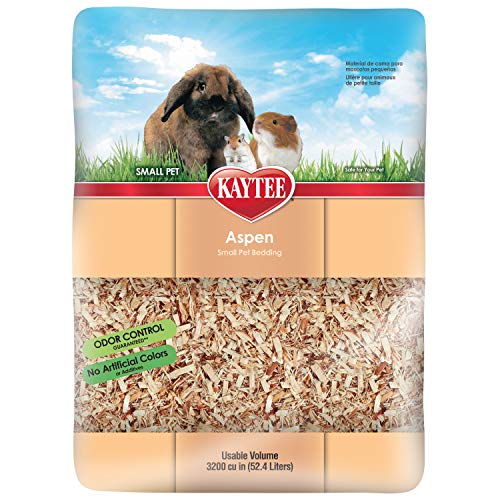
ALL-NATURAL ASPEN SHAVINGS, crafted for a natural, comfortable habitat

[Soft Texture & More Comfortable] Niteangel tiny pet aspen bedding is made from natural Aspen wood and safe for small pets. The soft fluffy texture allows your critters to play freely on the aspen shavings bedding. The small pet bedding is not only good at absorbing the annoying smell of the cage, but also gives the hamster a natural and comfortable habitat.
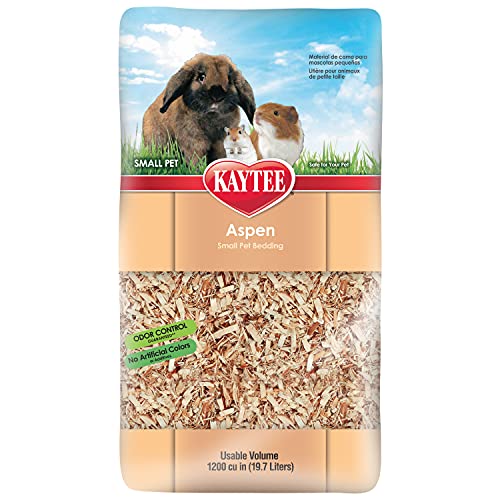
Avoid Cedar and Pine: They Harm Hamster Lungs
While you might think a pine-scented bed sounds like a fresh choice for your hamster, that woody aroma could actually be doing more harm than good.
Cedar and pine bedding may seem natural, but they release harmful oils that cause pine irritation and cedar toxicity in tiny lungs.
Seriously, your hamster’s breathing could be at risk, no pressure, right?
Instead, keep your fuzzy friend safe and cozy with these better options:
- Aspen shavings – soft, safe, and super absorbent.
- Paper-based bedding – great for sensitive sniffers.
- Fleece liners – washable, comfy, and irritation-free.
Skip the pine and cedar.
Your hamster doesn’t need a forest spa if it means breathing trouble.
Stick with gentle, tested materials, and you’ll both sleep better at night.
After all, happy hamster equals happy you!
Adequate bedding depth is essential to support natural burrowing behavior and provide insulation.
Layer Bedding Deep for Natural Burrowing
Now that you’ve picked a safe, non-toxic bedding like aspen or paper-based material, it’s time to think about how much to use. Your hamster isn’t just looking for a soft spot to nap.
Your hamster doesn’t just want a soft nap spot—they’re born to dig, tunnel, and explore. Give them the joy of a deep, cozy burrow they can truly call home.
These little diggers have strong natural instincts to burrow, tunnel, and explore underground, just like they’d in the wild. That’s why you should layer the bedding at least 6–8 inches deep.
Trust me, watching your hamster disappear into a fluffy mountain of bedding is both hilarious and heartwarming.
Deep digging isn’t just fun. It’s crucial for their mental and physical health. A deep layer lets them build tunnels, hide food, and feel secure.
Skip the bare-bottom cage. It’s like asking you to live in an empty room with no furniture. Give your furry friend the joy of a cozy, diggable home. They’ll thank you with happy, busy paws.
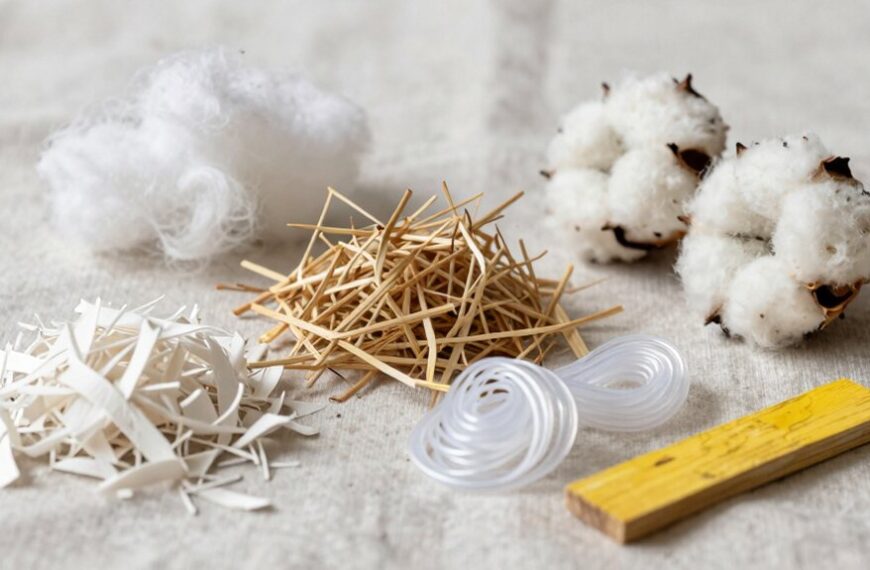
A great way to enhance burrowing and nesting is by adding soft, shreddable cotton-based nesting materials that support natural behaviors and provide extra comfort.
Add Soft Nesting Material for Warmth and Security

You’ll want to give your hamster some soft nesting material so they can snuggle up warm and feel safe, just like you’d under a cozy blanket.
Try shredded paper, unscented tissues, or pet-safe cotton bedding. They’re comfy, easy to fluff, and perfect for building a snug little nest.
Just skip the fluffy stuff that looks like cotton candy, unless you want your hamster looking like they got into a pillow fight!

ODOR CONTROL for long-lasting freshness. Kaytee Clean & Cozy can be used with any type of habitat for a fresh animal home.

ODOR CONTROL for long-lasting freshness, Kaytee Clean & Cozy can be used with any type of habitat for a fresh animal home
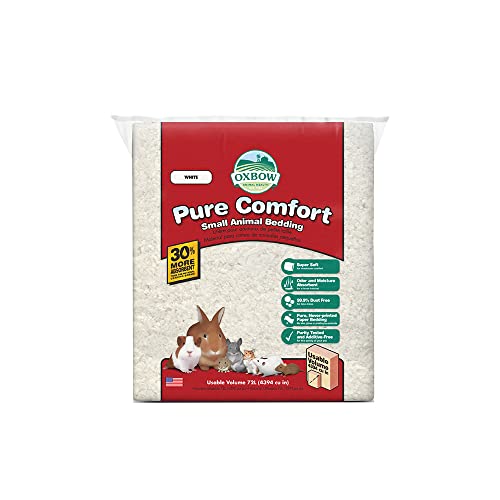
ODOR ABSORBENT TO MINIMIZE PET ODORS: Effectively neutralizes odors to keep bunny bedding & hamster bedding fresh; Ideal for pet bedding, ferret cages, and litter boxes, it helps maintain a clean environment for your pets and a better experience for you
Soft Bedding Options
A cozy nest can make all the difference in your hamster’s happiness, and let’s be honest, who doesn’t love snuggling into something soft after a long day of wheel-running marathons?
When choosing soft bedding, focus on both bedding texture and material safety to keep your little buddy comfy and healthy.
Avoid anything dusty or chemically treated, your hamster’s tiny nose will thank you.
Here are three great options:
- Paper-based bedding – Soft, absorbent, and safe if chewed.
- Aspen shavings – Cozy texture, great for burrowing, and naturally safe.
- Fleece liners (homemade or store-bought) – Super soft, washable, and eco-friendly.
Just make sure it’s deep enough for digging, because what’s life without a good tunnel project?
With the right soft bedding, your hamster will feel secure, warm, and ready for maximum nap potential.
For optimal hygiene and health, replace bedding once a week to prevent odor buildup and maintain a clean living environment.
Nesting for Comfort
Think of your hamster’s nest as their personal cozy fortress, somewhere to curl up, feel safe, and dream about sunflower seeds. You can help them build it right by adding soft nesting materials like shredded paper, unscented tissues, or pet-safe cotton. These keep your little buddy warm and give them a sense of security, especially during naps or nighttime.
A well-made nest also supports mental wellness. Hamsters love to dig, fluff, and rearrange, which counts as fun enrichment.
Tuck in a few safe toys nearby, like chew blocks or tiny tunnels, and you’ve got a full comfort zone.
Just avoid fluffy bedding that can tangle—safety first! Watching your hamster snuggle in is pure joy.
You’re more than just lining a cage—you’re creating a happy home where comfort and play go hand in paw.
Use a Washable Liner Under the Bedding

While your hamster mightn’t care about interior design, giving their cage a little extra protection can make cleanup way easier for you.
Adding a washable liner under the bedding creates a waterproof base that guards against leaks and pee spots, because let’s be real, accidents happen.
A washable liner under the bedding? Yes, please—because let’s be real, pee spots and tiny messes are part of hamster life.
Plus, it means less time scrubbing and more time enjoying your tiny, squeaky roommate.
With easy maintenance in mind, here’s what to look for in a great liner:
- Waterproof material – Keeps the cage floor dry and prevents odors.
- Machine-washable fabric – Toss it in the laundry instead of replacing it.
- Snug fit – No slipping around when your hamster digs like a furry little excavator.
It’s a small step that makes a big difference.
Your future self will thank you on cleaning day.
Reusable liners offer an eco-friendly alternative that supports long-term cage hygiene and reusable liners can be just as effective as disposables when properly maintained.
Spot Clean Daily and Deep Clean Weekly
Spot clean every day and plan a full deep clean once a week. This simple cleaning routine keeps your hamster healthy and your home smelling fresh.
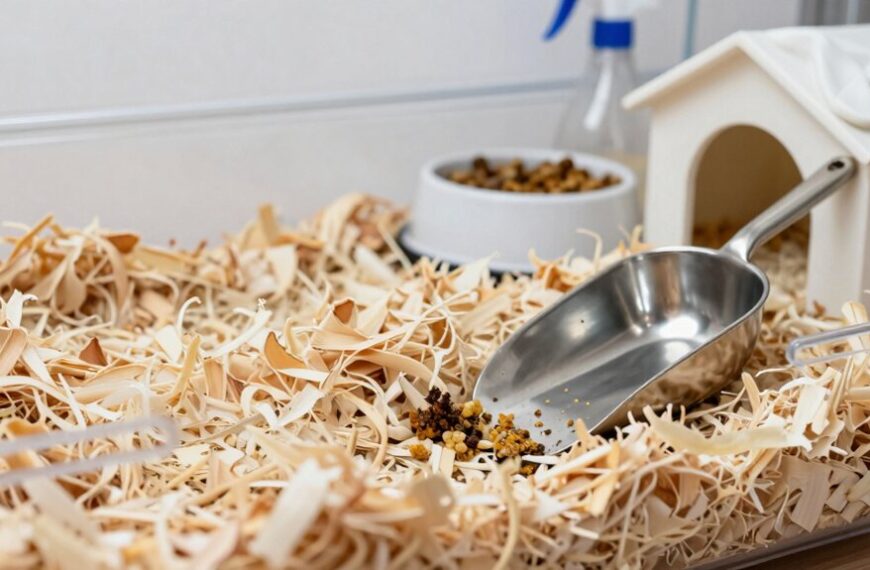
Each day, just scoop out soiled bedding, leftover food, and droppings. It takes two minutes and helps with cage organization by preventing mess buildup.
Then once a week, dump everything, wash the cage with mild soap, and refill with fresh bedding. Your little buddy will thank you. No one likes a dirty house!
Sticking to this routine also helps you notice changes in your hamster’s habits early. Think of it like doing laundry: annoying but way worse if you ignore it.
A clean cage means a happy, healthy hamster—and peace of mind for you.
For households with two hamsters, consider cleaning every five days since double the waste is produced, which can lead to faster odor and bacteria buildup.
Final Thoughts
You’ve got this! Pick safe, absorbent bedding, skip the cedar and pine, and pile it deep so your hamster can dig to their heart’s content. Toss in some soft nesting material for cozy naps, because who doesn’t love a good nap?
Use a washable liner to make cleanups easier, and stay on top of spot cleaning. A little weekly TLC keeps things fresh. Your tiny friend will thank you with happy wheel runs and cheeky food hoards!
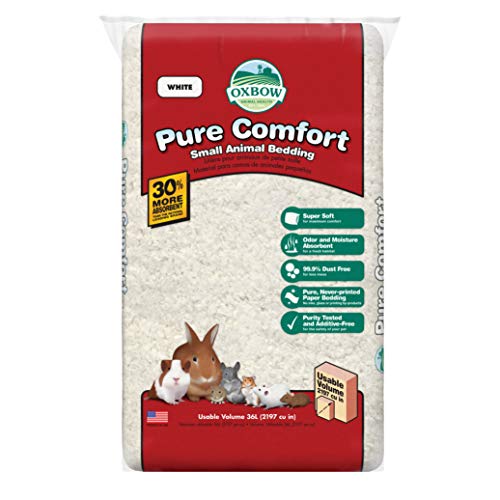
ODOR ABSORBENT TO MINIMIZE PET ODORS: Effectively neutralizes odors to keep bunny bedding & hamster bedding fresh; Ideal for pet bedding, ferret cages, and litter boxes, it helps maintain a clean environment for your pets and a better experience for you

ODOR CONTROL for long-lasting freshness. Kaytee Clean & Cozy can be used with any type of habitat for a fresh animal home.
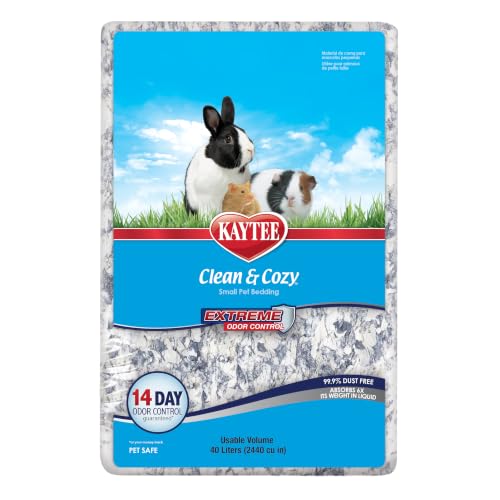
14-DAY ODOR CONTROL for long-lasting freshness. Kaytee Clean & Cozy can be used with any type of habitat for a fresh animal home