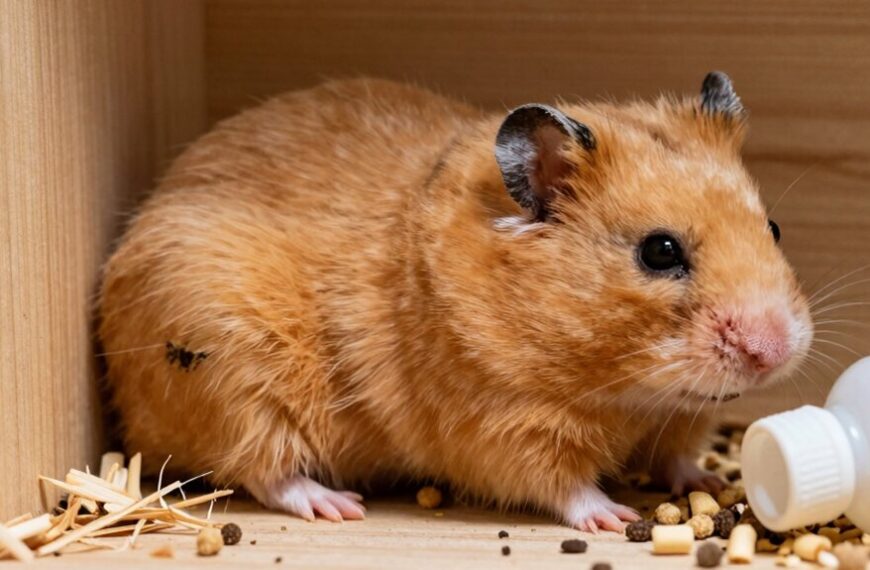
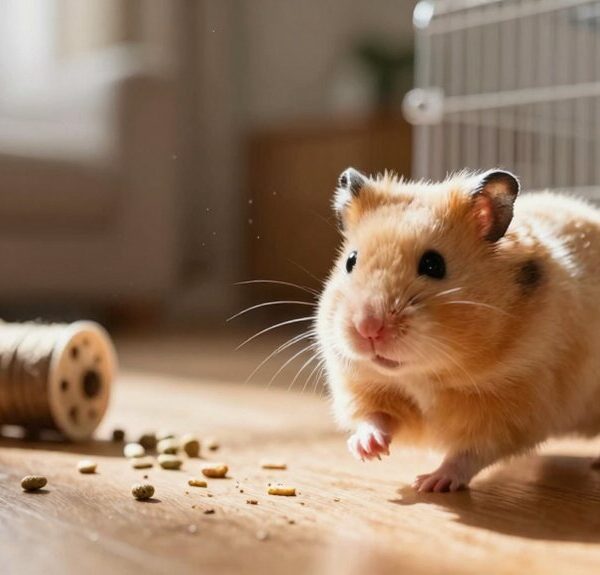
Your winter dwarf hamster will likely live 1.5 to 3 years, a short but joyful time full of late-night runs and cheeky snacking. Genetics, diet, and how you care for them play big roles in their lifespan.
A cozy cage, balanced meals, and watching for sneezes or slowness keep them thriving. They’re tiny, but their personality’s huge: treat them well, and they’ll steal your heart fast. You’d be surprised what else makes a difference.
How Long Do Winter White Dwarf Hamsters Live?

So, how long can you expect your pint-sized, fluffy winter white dwarf hamster to stick around? On average, you’ll get about 1.5 to 3 years of tiny squeaks, midnight wheel runs, and adorable cheek stuffing. Not super long, but every whisker-twitch is worth it.
Expect 1.5 to 3 years of tiny squeaks, midnight dashes, and cheeky snacks—short in time, but endless in charm.
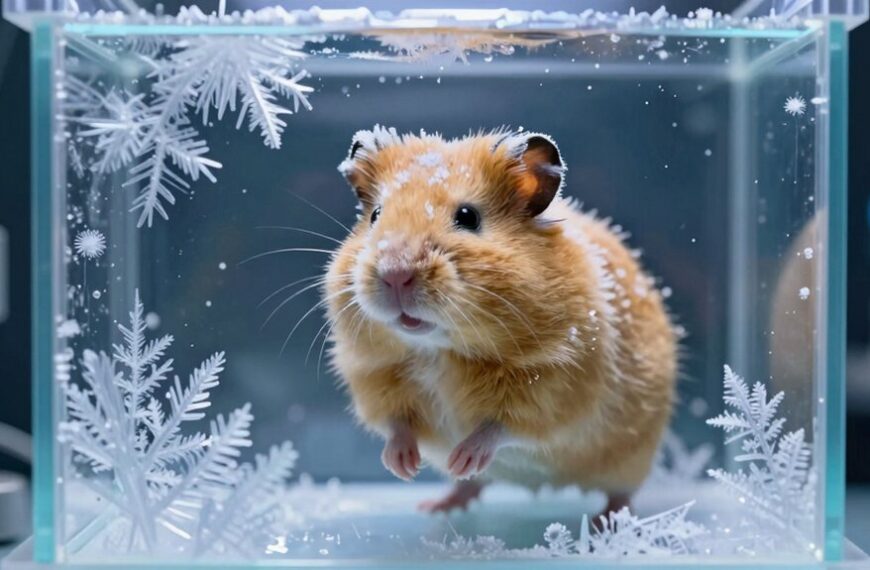
These little fluffs aren’t true hibernators, but they do have hibernation behavior when it gets cold, so keep their space warm.
You might also notice their cool seasonal coat changes: turning whiter in winter, like nature’s own snow camouflage. It’s like they’ve got a built-in winter wardrobe.
While their lifespan isn’t huge, giving them a cozy home, good food, and daily love makes all the difference.
Sure, they won’t be around for decades, but they’ll pack plenty of joy into their short lives—tiny, furry fireworks of cuteness.
What Affects a Winter White Dwarf’s Lifespan?
You can’t pick your hamster’s genes, but they play a big role in how long your little fluffball sticks around. Some lines just come with a built-in longer lease on life.
What you *can* control is their diet, and trust me, feeding them right is like giving them tiny superhero fuel.
Skip the junk, load up on fresh veggies and quality pellets, and you’re already winning the hamster care game.
Genetics And Heredity
When it comes to your winter white dwarf hamster’s lifespan, genes play a starring role, kind of like how your aunt’s legendary snoring probably runs in the family. Good genetic diversity helps your tiny furball stay strong and healthy, reducing the risk of inherited issues.
Just like people can inherit things like curly hair or a sweet tooth, hamsters pass down hereditary traits that affect their overall health and longevity. If a hamster comes from a line with solid genetics, it’s more likely to live a longer, happier life.
On the flip side, inbreeding can limit genetic diversity and lead to weaker immune systems or hidden health problems. You can’t pick your family, but you *can* choose a breeder who cares about healthy bloodlines. That little extra effort could mean more cuddly years with your pint-sized pal.
Diet And Nutrition
Genetics might set the stage for your winter white dwarf hamster’s life span, but what you pour into their food bowl every day plays a leading role too.
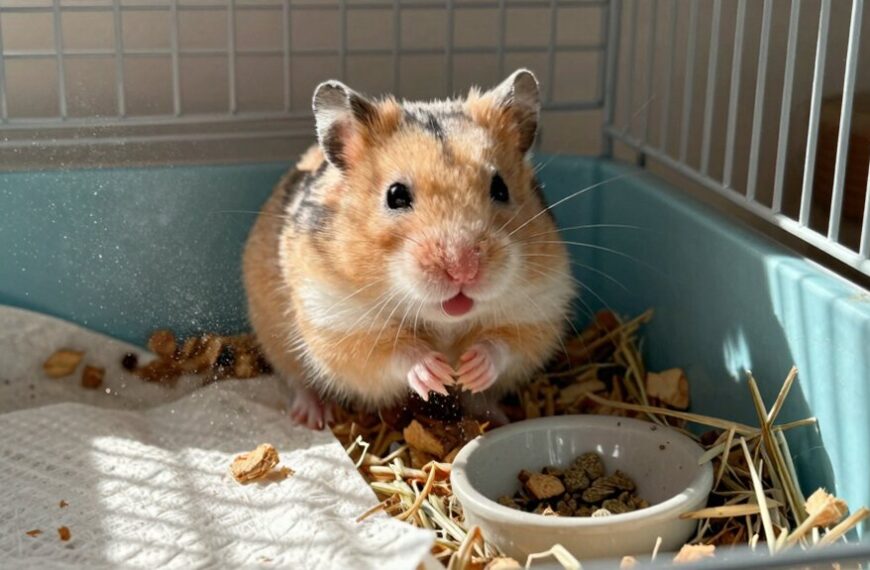
You’ve got to feed them a balanced mix, think high-quality hamster pellets, fresh veggies, and the occasional seed treat.
Too many seeds? Yeah, they’ll love it, but that means weight gain and trouble down the road. Portion control is key. About a tablespoon of food per day keeps them full but not overstuffed.
Let them enjoy natural foraging by scattering food in their cage. Mental boost and fun workout in one!
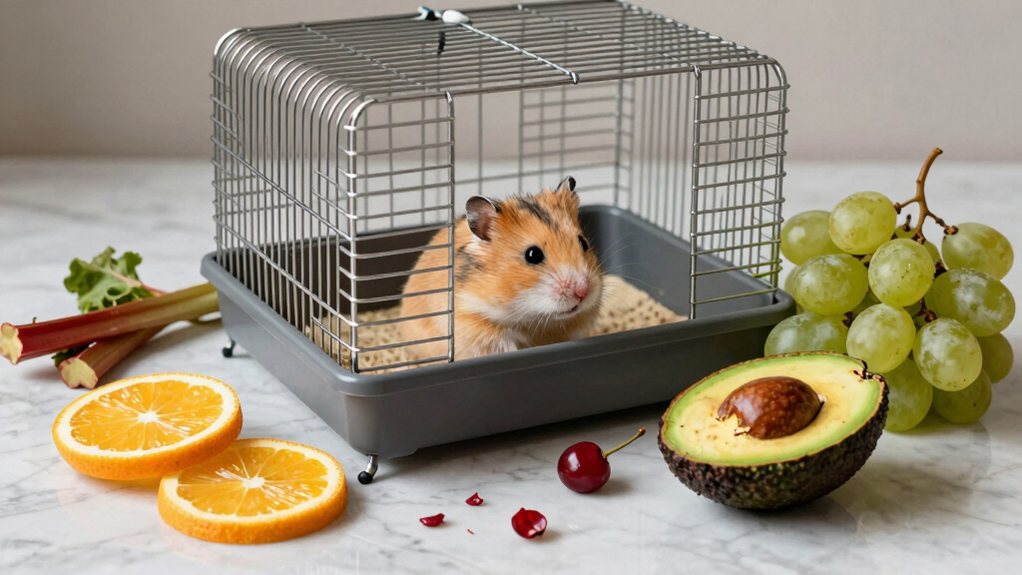
Skip sugary snacks. They’re a fast track to health issues.
Fresh water daily? Non-negotiable.
Get the diet right, and you’re doing more than just feeding them. You’re fueling a longer, happier life.
Think of it as love, served in a tiny bowl.
A consistent daily feeding routine supports digestive health due to your hamster’s rapid metabolism, so aim to feed around the same time each evening when they’re most active, and check for hidden food stashes to prevent spoilage and overfeeding.
What Should You Feed a Winter White Dwarf Hamster?
What’s on the menu for your pint-sized furball? You’ll want to keep things balanced and tasty. Feed your Winter White dwarf hamster a mix of high-quality hamster pellets, they’re like their daily multivitamin in kibble form.
Toss in small amounts of fresh veggies like carrots or cucumber a few times a week, but go easy, too much and you’ll have a soggy bedding situation.
Add a pinch of protein with boiled egg or mealworms now and then. Avoid sugary treats, they’re not built for candy runs.
Always keep fresh water available, and double-check that their exercise wheel isn’t blocking food access.
While we’re chatting food, remember, the right bedding type keeps their dining area clean and stress-free.
A happy tummy means a happy hammy, so skip the junk and stick to the good stuff. They’ll thank you with cheek pouches full of joy.
Best Cage for a Healthy Winter White
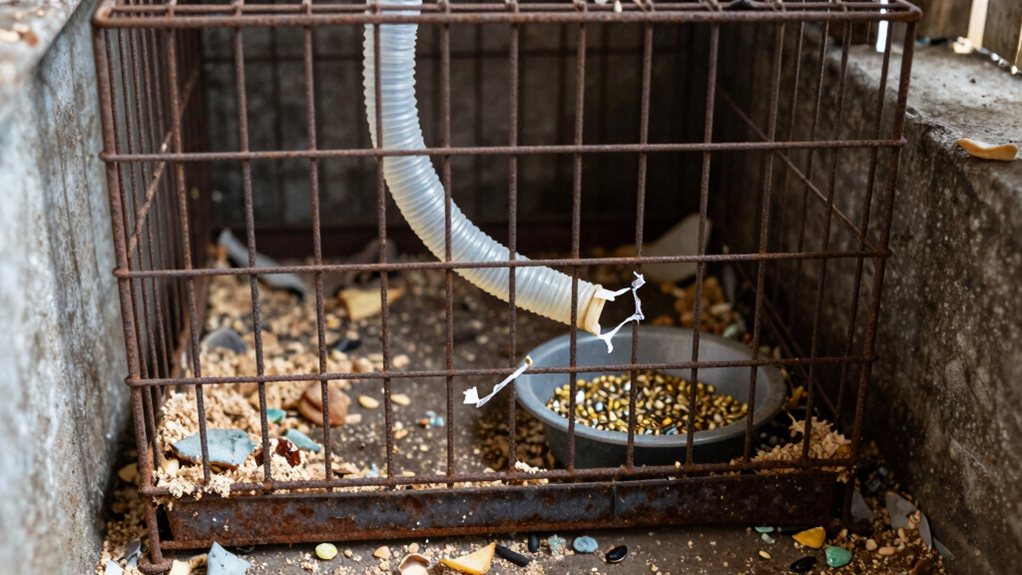
Right from the start, size matters. Your Winter White dwarf hamster may be tiny, but they’ve got big energy and an even bigger need for space to roam. A cramped cage stresses them out. Nobody wants a grumpy hamster on their conscience.
Here’s how to build the ultimate cozy kingdom:
- Minimum 450 square inches of floor space—bigger is always better.
- Wheel size? At least 8 inches. Anything smaller can hurt their back and ruin their night runs.
- Cage bedding should be 2+ inches deep. Soft, dust-free, and safe for burrowing. They’ll treat it like a five-star hotel.
Go for a wire cage with a solid base or a spacious bin setup. Avoid plastic cages. They’re chew magnets. With the right home, your little fluffball will thrive, sprint, and maybe even forgive you for waking them up at 3 a.m.
Ensure proper air circulation by choosing a cage with ventilation slots to prevent respiratory issues and maintain a healthy environment.
Do Temperature Changes Affect Winter White Lifespan?

You’ve picked the perfect cage, layered the bedding just right, and even scored that giant 8-inch wheel—awesome job.
Now, let’s talk temperature. Yes, it matters big time. Winter Whites come from chilly regions, so they’re built for cold, but too much cold at home can trigger hibernation risks.
And no, it’s not cute snuggling. It’s dangerous. If your hammy slows down, gets stiff, or seems “off,” warmth is key.
Keep their space steady between 65–75°F. Sudden drops aren’t cool.
They also go through seasonal shedding, which can stress them out if temps swing wildly. Think of it like your dog hating thunder. Small critters feel big changes.
So, no drafty windows or heaters blasting nearby.
Keep it cozy, not tropical. A sweater for you, a stable zone for them.
Simple fix, huge payoff. Your tiny fluffball will thank you, probably in squeaks.
To ensure accuracy, consider using a digital hygrometer thermometer with 10-second update frequency to monitor your hamster’s environment in real time.
Illnesses That Cut Hamster Lives Short (And How to Spot Them)
If your little buddy suddenly stops eating or seems way too tired to play, it’s time to pay close attention. These could be early signs something’s off.
Watch out for wet tail, which shows up as a messy bottom and strong smell, or respiratory issues that come with sneezing and wheezing, like your hamster caught a cold at a tiny rodent party.
Don’t panic, but do act fast. Catching these early can make all the difference.
A common cause of sudden death in young hamsters is wet tail, a severe bacterial infection that requires immediate veterinary treatment.
Wet Tail Warning Signs
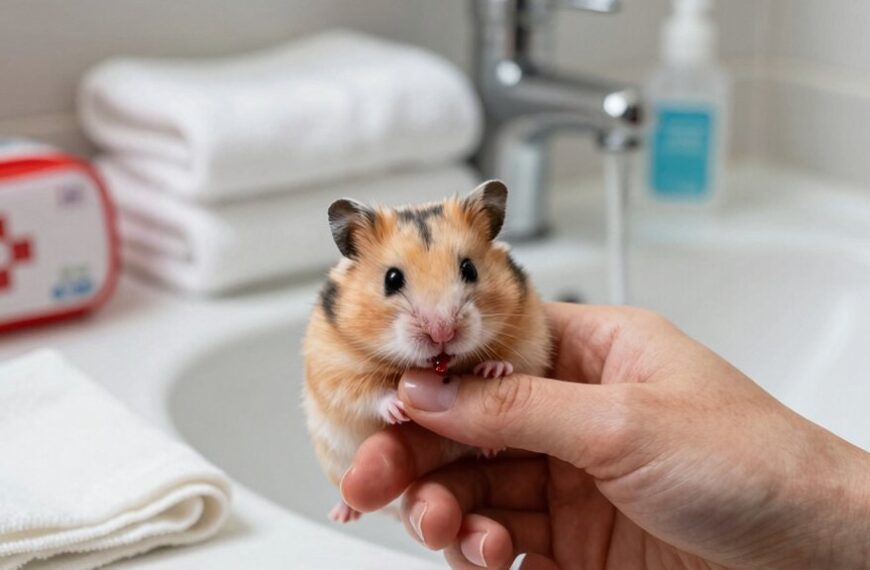
Ever wonder why your winter dwarf hamster suddenly seems off, like they’ve lost their usual spark? It might be wet tail, a serious condition that can sneak up fast.
While not all diarrhea symptoms mean wet tail, this illness is no joke. It’s one of the top reasons hamsters don’t live as long as they could.
But don’t panic! Catching it early helps. Here’s what to watch for:
- Runny poop – If your hammy’s cage smells worse than a gym sock and you spot watery droppings, it’s a red flag.
- Lethargy – Your usually zippy buddy is now just… napping. Like, *a lot*.
- Hunched posture or messy tail – They might look uncomfortable or have a wet, dirty bottom.
Act fast if you see these signs. Your tiny pal needs a vet stat.
And hey, keep calm. You’ve got this.
Wet tail can lead to severe dehydration and zoonotic transmission if not treated promptly, so maintaining hygiene during care is essential.
Respiratory Infection Red Flags
What’s that sniffle? Don’t brush it off, respiratory infection red flags in your Winter Dwarf Hamster need attention fast. If you notice sneezing, wheezing, or nasal discharge, your tiny buddy might be fighting an infection.
Watch for breathing difficulty symptoms like rapid or labored breaths, hunched posture, or fluffed-up fur. These aren’t just cold quirks. They can turn serious overnight.
Yes, even hamsters get the blues and the bronchitis. Keep their cage clean, warm, and draft-free to help them heal. You’re their hero, so act quickly. Catching these signs early can save precious time and extend their little life.
Stay calm, stay kind, and call your vet if things worsen. A little care goes a long way with these pint-sized pals. You’ve got this and so do they.
Lethargy And Loss Of Appetite
Why is your tiny furball suddenly acting more like a couch potato than the midnight marathon runner you know?
Lethargy and loss of appetite aren’t merely “off days” — they’re red flags.
Unlike normal hibernation behavior or seasonal shedding, these signs often point to something serious cutting your hamster’s life short.
Don’t panic, but do act fast:
- Check the temperature – Cold cages can trigger hibernation attempts, but true hibernation is rare in pet hamsters.
- Monitor food intake – If your hamster skips meals for over 24 hours, it’s time to worry.
- Watch for hiding or shivering – These mean your buddy feels unwell, not merely tired.
You’re their hero.
A quick vet trip could make all the difference.
Stay calm, stay kind, and trust your gut.
That sleepy face might just need your help to bounce back.
A noticeable decline in activity may also be accompanied by reduced nighttime activity, a key indicator of advancing age or underlying health issues.
Signs Your Winter White Is Aging or Unwell
How do you know when your little fluffball isn’t quite as springy as he used to be? Watch for changes in how he moves and looks. If he’s stiff or limping, those could be arthritis symptoms, yes, even tiny hamsters get achy joints!
You might also notice fur thinning, especially as he ages, making him look a bit less plush.
He may nap more, eat less, or skip his nightly wheel runs. While some slowdown is normal with age, sudden lethargy or weight loss isn’t.
Keep an eye on his water intake and grooming habits too.
A messy coat or hunched posture can signal he’s unwell. You know your hamster best. If something feels off, it’s okay to worry.
A vet visit can help catch issues early. After all, even small heroes need a little help sometimes.
7 Daily Habits to Extend Your Hamster’s Life
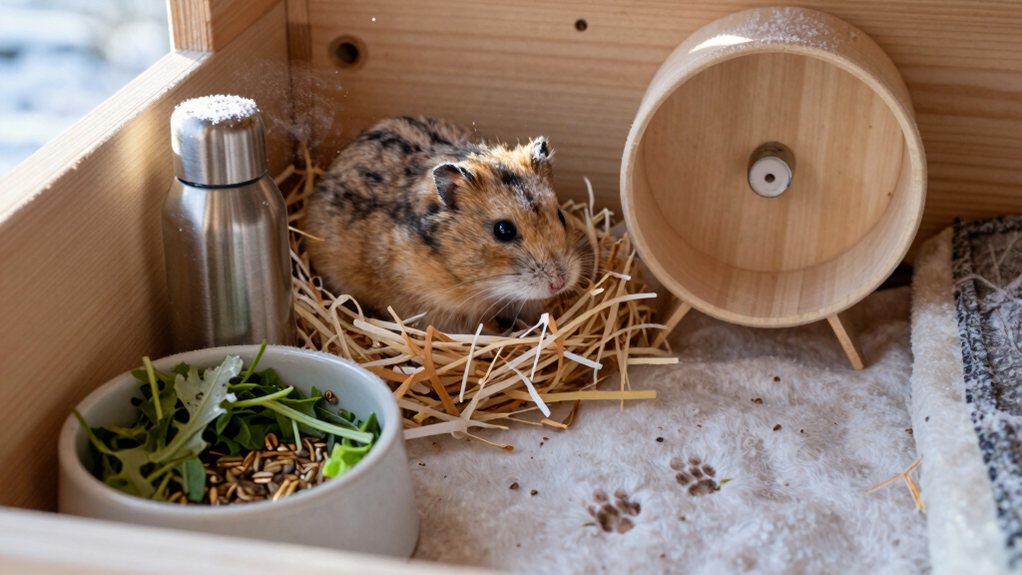
You’ve got a tiny, whiskered roommate who depends on you for more than just snacks and cage cleanings.
He’s counting on you to help him live his best, fluffiest life.
A few daily habits can seriously boost his health and happiness. Here’s how:
- Fresh food and water every day, no soggy pellets or empty bottles.
- Daily playtime frequency of at least 15–20 minutes outside the cage, supervised, please, no hamster marathons to the couch cushions.
- Calm bedtime routines, dim the lights, reduce noise, and let him settle into a cozy nest.
Consistency keeps stress low and life longer.
Think of it as hamster self-care: simple, sweet, and full of little joys.
You’re more than a pet parent.
You’re his whole world.
And honestly? That’s kind of adorable.
Hamsters are naturally nocturnal animals, so respecting their nighttime activity patterns helps reduce stress and supports long-term well-being.
When to Take Your Winter White to the Vet?
What’s that? If your Winter White seems off, maybe less active or hiding more than usual, it’s time to pay attention. Changes in hamster behavior, like refusing treats or skipping wheel time, can signal trouble.
Watch their grooming habits too. A messy coat or matted fur means they mightn’t feel well.
Sneezing, wheezing, or goopy eyes? Don’t wait. These aren’t just colds—they can turn serious fast.
Diarrhea or wet tail is an emergency. Act quickly.
And if your little fluffball stops eating for over 12 hours, that’s vet time.
Remember, hamsters hide illness well, so it’s better to be safe than sorry.
Think of it like this: if you’d call the doctor for yourself, call the vet for them. A quick trip could add months to your hamster’s life.
You’ve got this—and so does your tiny, squeaky buddy.
Aging hamsters are especially prone to heart disease, which often progresses without obvious symptoms until it’s too late.
Final Thoughts
You’ve got the power to give your little fluffball a happy, healthy life. With good food, a cozy cage, and daily love, your Winter White can thrive for years.
Sure, they’re tiny, but they’ve got big personalities. They count on you. Watch for warning signs, keep things fun, and don’t skip vet visits.
Think of it as a tiny roommate who never pays rent but gives endless joy. Worth every effort, right?