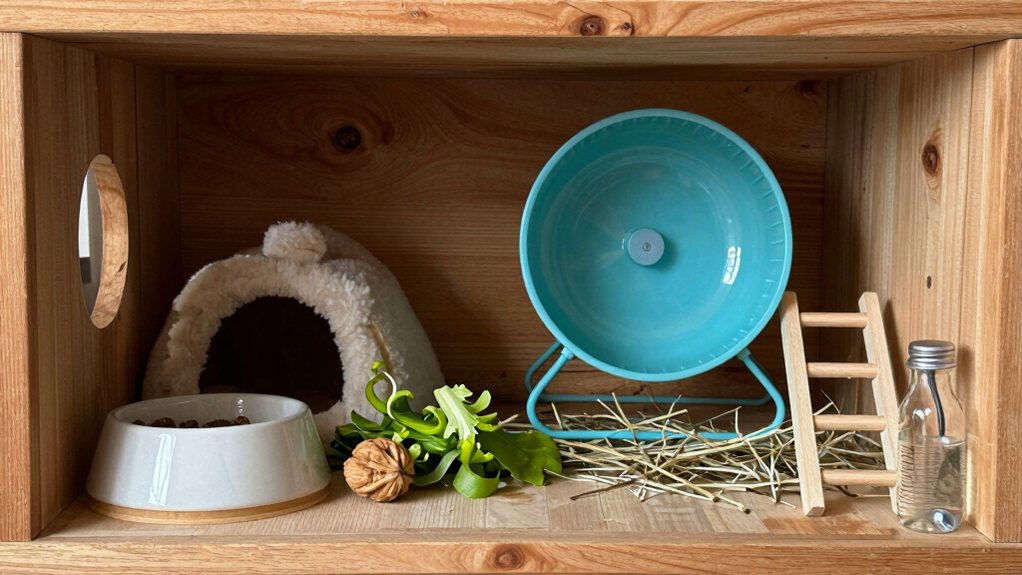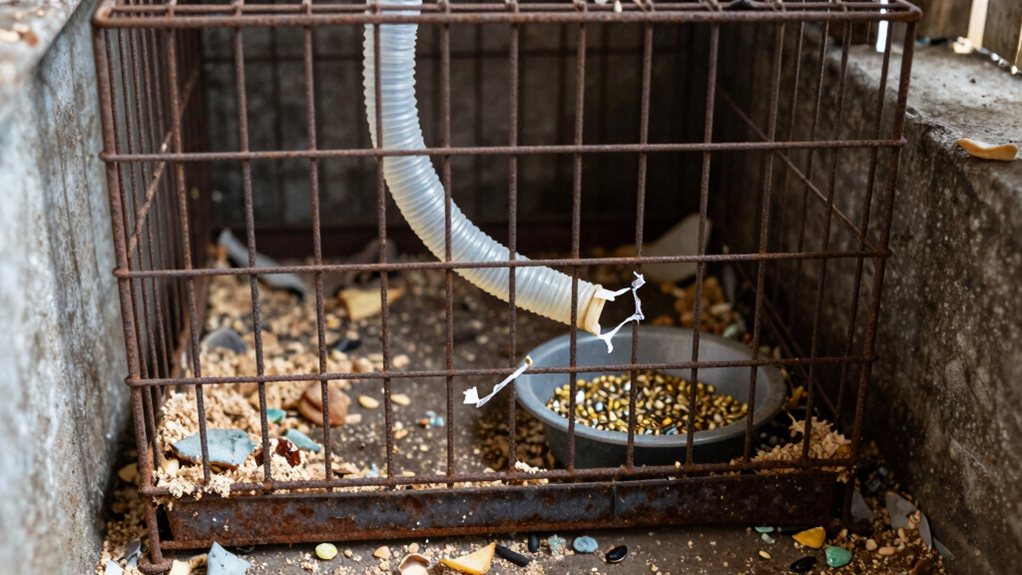
A bad hamster cage is too small, flimsy, or poorly designed, like tall bins that wobble or wire cages where toes get stuck. If it allows escapes, traps stinky air, or is made of sketchy plastic that warps or leaks yucky stuff, skip it.
Tubes and multi-level mazes? Often dirty traps with hidden pee corners. You want space, safety, and easy cleaning, because your fuzzy buddy deserves better than a sad, drafty shoebox. Stick around, and you’ll see what *actually* makes a happy, healthy home.
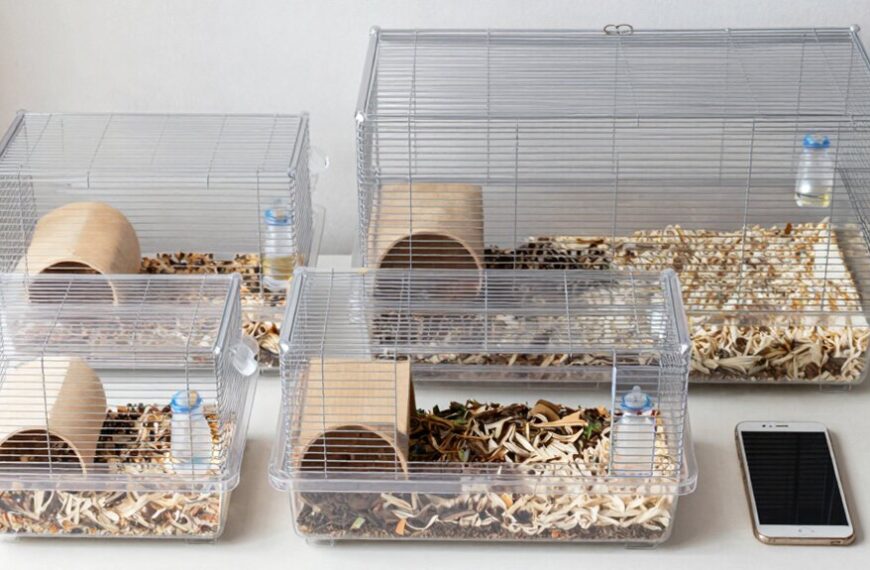
Why Small Hamster Cages Cause Stress and Health Issues
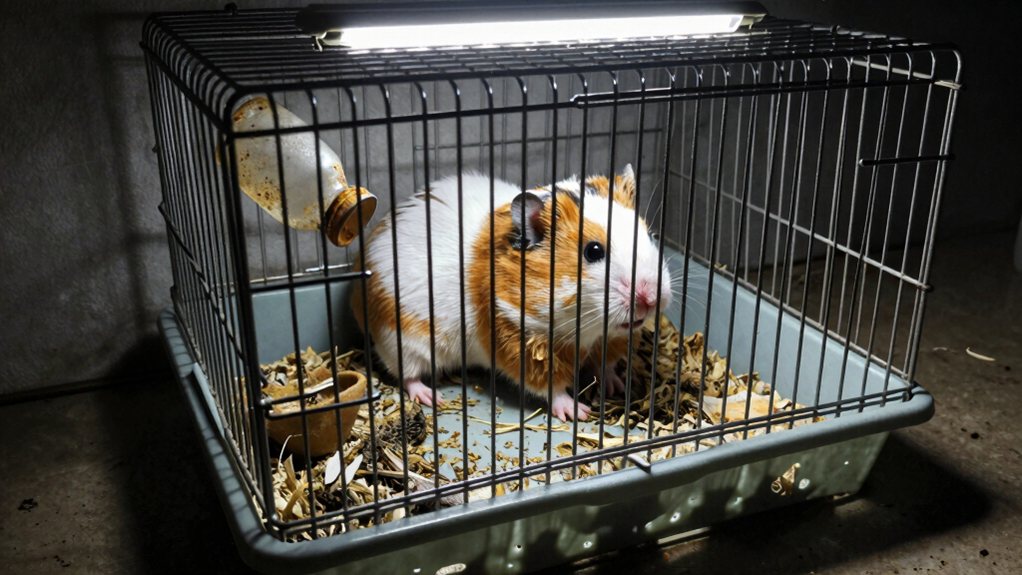
Even though your hamster might look like he’s just a tiny ball of fluff with a mission to hoard sunflower seeds, skimping on cage space can seriously mess with his health and happiness.
That cute ball of fluff needs room to thrive—skimping on cage space harms his health and happiness in more ways than you think.
When you stick him in an overcrowded environment, he can’t explore, dig, or run like he naturally wants to. That lack of space leads to stress, and stressed hamsters can develop health problems, like obesity or a weakened immune system, faster than you’d think.
Limited exercise isn’t just boring for him, it’s dangerous.
Imagine being cooped up in a closet all day with nothing to do but stare at the same four walls. Not fun, right? Your little guy feels the same way.
A cramped cage can also make him grumpy or even aggressive.
Adequate minimum recommended floor space helps prevent these issues by supporting natural behaviors and long-term well-being.
How Wire Cages Hurt Hamsters Despite Looking Spacious
Just because a wire cage looks roomy doesn’t mean it’s safe or comfy for your hamster. Those open bars might seem like a five-star setup, but they can actually cause more harm than good.
You might think your little buddy has plenty of space to explore, but wire cages come with hidden dangers:
- They can lead to painful foot injuries from wires pressing into tiny paws
- Hamsters often resort to bar chewing, which wears down teeth unevenly
- Open bars offer zero privacy—your pet feels exposed and stressed
- Bedding falls through, making cleanups a constant chore
- Escapes are way too easy and way too common
Sure, it looks big, but your hamster deserves comfort, not only cubic inches.
Swap out the wire for solid walls and watch your furry friend thrive—happy, safe, and definitely not chewing on bars.
A durable and safe alternative is using BPA-free PET plastic covers designed specifically to block bar access while maintaining visibility and ventilation.
Can Your Hamster Escape? The Danger of Wide Bar Spacing
Ever wonder why your hamster seems to vanish into thin air, only to turn up sipping imaginary tea on the top shelf? It’s likely due to wide bar spacing in their cage.
If the gaps between bars are too big, your tiny Houdini might squeeze through, turning your home into a hamster hide-and-seek arena.
Most experts agree bar spacing should be no more than ½ inch to reduce escape risk.
Escapes aren’t just funny stories—they can lead to injury, stress, or worse.
A Syrian hamster’s body might fit where their head goes, but that doesn’t mean it’s safe.
You want your little buddy to explore, not vanish during snack time.
Check your cage closely.
Press a quarter between the bars. If it fits, so could your hamster.
Keep them snug and secure, and save the adventures for their wheel.
Safety first, circus acts later.
Why Tall Bins With Small Bases Don’t Work for Hamsters

You’ve probably caught your hamster testing their jailbreak skills thanks to wide bars, but even if they’re safely tucked in, the shape of their home can still spell trouble.
Tall bins with tiny bases may look sleek, but they’re a no-go for your little buddy. Here’s why:
- Base instability makes the whole setup wobble, stressing your hamster out.
- Height imbalance means your pet feels insecure, not cozy.
- They can’t dig or burrow properly in a cramped footprint.
- Tipping risk goes up, imagine your cage suddenly doing a backflip!
- Limited floor space cuts down on toys, wheels, and exploration zones.
Sure, it might save space on your desk, but your hamster’s happiness needs room to spread out literally.
Skip the skyscraper style and go wide, not tall. Your fuzzy escape artist will thank you.
A cage with a minimum 360 square inches of floor space supports natural behaviors like running and burrowing, which tall, narrow bins simply can’t provide.
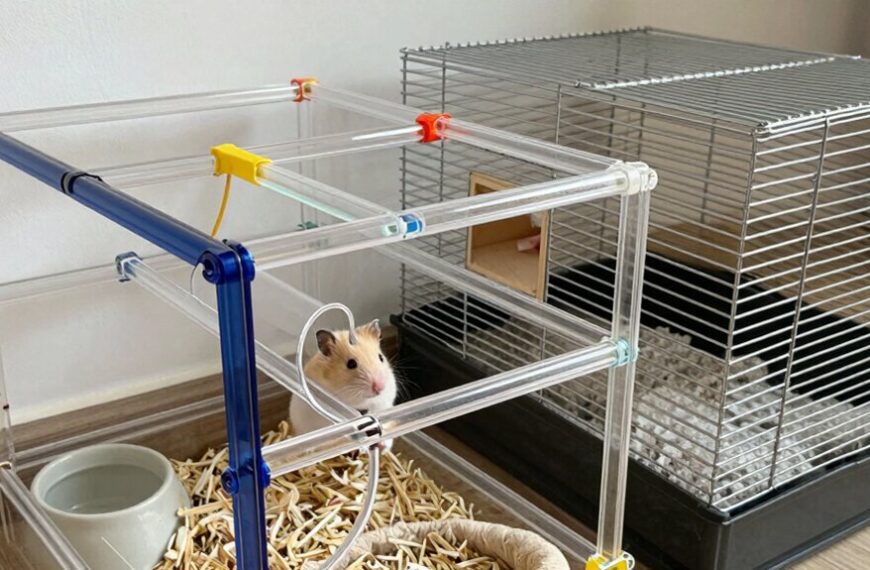
The Truth About Plastic Tube Habitats: Are They Safe?
Ever wonder if those colorful plastic tube habitats are the hamster paradise they appear to be? Spoiler: they’re not.
Those trendy plastic tube habitats? Cute, maybe—but paradise for hamsters? Not even close.
While they look fun and futuristic, many of these tubes are made from low-quality plastic that might carry risks like plastic toxicity over time. Yikes.
Plus, hamsters need space to dig, explore, and feel secure.
Tube enrichment sounds cool, but tiny tunnels don’t offer much room for natural behaviors.
Your hamster isn’t a toy in a maze. He’s a curious little buddy who craves real comfort.
Sure, a tube here or there can be a fun add-on, but relying on them as a full cage isn’t ideal.
Think bigger and safer, like a deep bin with bedding and chew-safe toys.
Your furry friend will thank you with happy midnight wheel runs and fewer escape attempts.
Keep it cozy, keep it safe, and skip the flashy plastic traps.
A well-designed habitat should allow for modular expandability to support growing space needs and safe exploration.
How Poor Ventilation Makes a Hamster Cage Unsafe
Why do some hamster cages feel like mini greenhouses gone wrong? It’s often because of poor airflow. When your hamster’s home doesn’t breathe well, it traps moisture and ammonia from waste, yuck!
This can lead to serious respiratory risks over time.
You love your little buddy, so let’s keep their space fresh and safe. Here’s how poor ventilation causes trouble:
- Stale air builds up, making the cage smelly fast
- Moisture sticks around, promoting mold and bacteria
- Ammonia from pee isn’t carried away, irritating tiny lungs
- Your hamster may sneeze, wheeze, or seem sluggish
- Long-term exposure increases respiratory risks
Good airflow isn’t just nice, it’s a must. Swap stuffy setups for well-ventilated homes, and your hamster will thank you with happy zoomies!
A smart way to monitor these hidden dangers is by using a device with humidity range tracking to maintain ideal cage conditions.
Why Multi-Level Cages Often Lead to Injury

Just because your hamster loves to climb doesn’t mean every multi-level cage is a good idea.
Sure, those fancy towers look fun, but they often come with big risks.
If the bar spacing is too wide, your little escape artist could squeeze through and take a nasty tumble.
And let’s be real: hamsters aren’t exactly graceful acrobats.
A misstep on a ramp or platform can mean broken limbs or worse.
Climbing hazards aren’t just about height.
Shaky levels or slippery surfaces make accidents way more likely.
You want your hamster to explore safely, not audition for a stunt show.
Stick to lower levels with secure, narrow bar spacing to keep your tiny buddy both happy and safe.
Think cozy castle, not sky-high jungle gym.
Your hamster will thank you, probably with a cheeky stretch, not a trip to the vet.
Falls from heights are a leading cause of fractures, so keeping platforms low helps prevent broken bones.
Dirty Cages = Sick Hamsters: Cleaning Challenges by Design
- Tight corners trap pee and poop, making full cleanouts a puzzle
- Multi-level ramps collect dust and food scraps you can’t easily reach
- Plastic tubes hide mold and bacteria unless you disassemble everything
- Poor ventilation creates a noisy environment from stressed chewing and leads to ammonia buildup
- Cheap materials absorb odors and stains, no matter how hard you scrub
Skip the struggle. Choose a simple, open design. Your hamster will breathe easier, stay healthier, and maybe stop redecorating at 2 a.m.
A dirty cage can pose serious health risks to humans, including respiratory irritation from ammonia buildup and potential exposure to harmful pathogens like Salmonella.
What Safe Hamster Cage Materials Should You Use?
Let’s talk about what your hamster’s home is actually made of, because not all cage materials are created equal. You want something safe, not a chew toy that turns toxic.
Look for cage material safety first: avoid soft plastics that break down fast or painted surfaces your hamster might snack on.
Skip flimsy plastics and painted surfaces—they’re chew hazards. Your hamster’s cage should be safe, not a snack.
Instead, go for non toxic plastic options like those used in reputable wire-frame cages or modular bins. Solid metal or powder-coated wire is great too, just check that it won’t rust or chip.
Glass tanks work well if you’re into DIY setups, but make sure ventilation is solid.
Wood? Skip it. It soaks up mess and can harbor bacteria.
Your hamster’s health starts with what their cage is made of, so don’t wing it. Choose smart, safe materials, and your tiny roommate will thank you, probably with a happy wheel sprint.
Avoid using any bedding that contains aromatic compounds as they can cause serious respiratory issues in hamsters.
The Best Hamster Cage Features for Health and Happiness
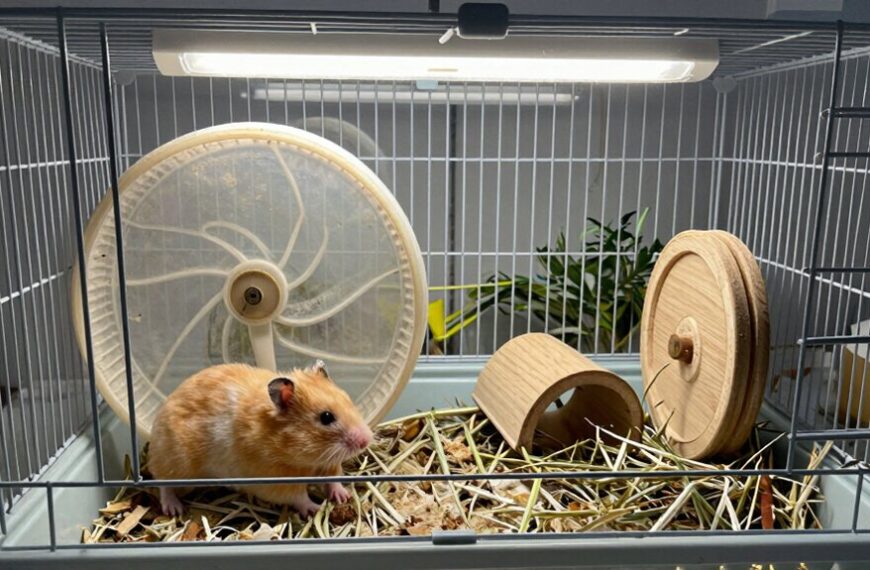
You want your hamster to stay healthy and happy, so give them plenty of room to scurry around. Think of it like their own tiny apartment.
A spacious living area keeps them active.
Don’t forget proper ventilation, or it’ll feel like they’re living in a stuffy closet.
After all, nobody likes a cramped, sweaty home—not even a hamster!
For safe and enriching out-of-cage time, consider using a pop-up automatic setup playpen that provides a secure, breathable environment.
Spacious Living Area
While your hamster mightn’t ask for a mansion, giving them a spacious living area is one of the easiest ways to keep them healthy, happy, and out of trouble.
Hamsters need room to explore, dig, and meet their daily exercise needs, after all, they can run up to five miles a night.
A cramped cage leads to stress and bad habits, like bar-chewing.
Make sure you’re giving your little buddy enough floor space to live their best life.
- Bigger floor space = happier, healthier hamster
- Lets them run, dig, and burrow like they’d do in the wild
- Reduces stress and boredom-related behaviors
- Supports their natural exercise needs without feeling trapped
- Makes room for fun extras like tunnels and wheels
Trust us, your hamster will thank you—probably with a cheek-stuffed smile.
A soft, dust-free bedding layer is essential for maintaining respiratory health while supporting natural burrowing behavior.
Proper Ventilation Design
Ever wonder why your hamster’s cage sometimes smells like a locker after gym class? Poor ventilation might be the sneaky culprit.
A good cage needs airflow balance, enough fresh air to clear odors and moisture, but not so much that your tiny friend feels like they’re living in a wind tunnel.
You want breathable materials too.
Plastic bins trap humidity, while wire or mesh sides offer better material breathability.
Think of it like picking the right jacket. Too thick, and you sweat. Too thin, and you shiver. Your hamster deserves that sweet spot.
Proper ventilation prevents mold, keeps bedding dry, and helps your buddy breathe easy.
It’s more than just about comfort. It’s about health.
So skip the stuffy containers and go for designs that let air flow naturally.
Your nose, and your hamster, will thank you.
After all, nobody likes a smelly gym locker, especially when it’s on your nightstand.
Final Thoughts
You wouldn’t want to live in a shoebox with broken walls, right? That’s how your hamster feels in a bad cage.
Skip the tiny tubes, wide bars, and wobbly towers. Your little buddy deserves better. A safe, roomy home keeps him happy, healthy, and out of trouble. No escape attempts at 2 a.m.!
Trust me, a comfy cage means fewer vet trips and more cute, zoomie-filled nights. You’ve got this!