Your hamster might stop munching on sunflower seeds, nap way more than usual, or move like it’s wading through peanut butter. You’ll notice less grooming, a dull coat, and maybe a hunched stance. Labored breathing, diarrhea, or not eating for over a day are serious red flags.
They may skip the wheel and avoid cuddles, seeming “off” for days. Lethargy, weight loss, and wet fur near the tail mean it’s time to act. There’s more you should know to help them feel comfy.
10 Signs Your Hamster Is Dying
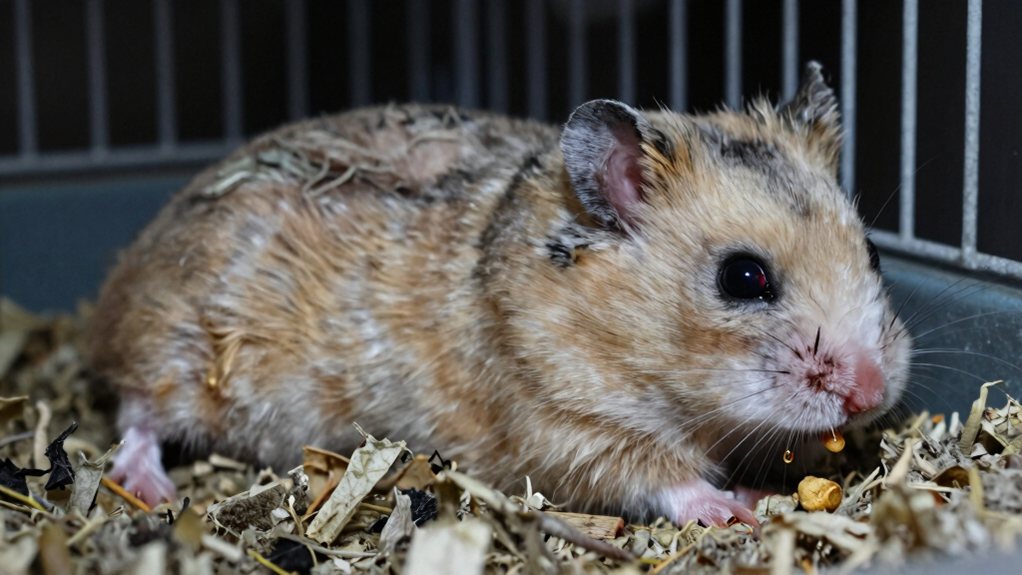
Ever wonder why your usually lively hamster is suddenly acting off? It might be a sign something’s wrong. If your hamster is sleeping more than usual, refusing treats, or moving sluggishly, pay close attention. Labored breathing, hunched posture, or messy fur can signal declining health.
You might notice they’re avoiding their favorite wheel or ignoring you during social bonding time, definitely out of character. While some changes are normal with age, sudden shifts aren’t.
Keep their habitat calm and avoid excessive sunlight exposure, which can stress a sick hamster.
They need comfort, not excitement. You know your little buddy best. If they seem “off” for more than a day or two, it’s worth a vet visit.
It’s tough, but staying alert helps you give them the care they need. You’ve got this, pet parent.
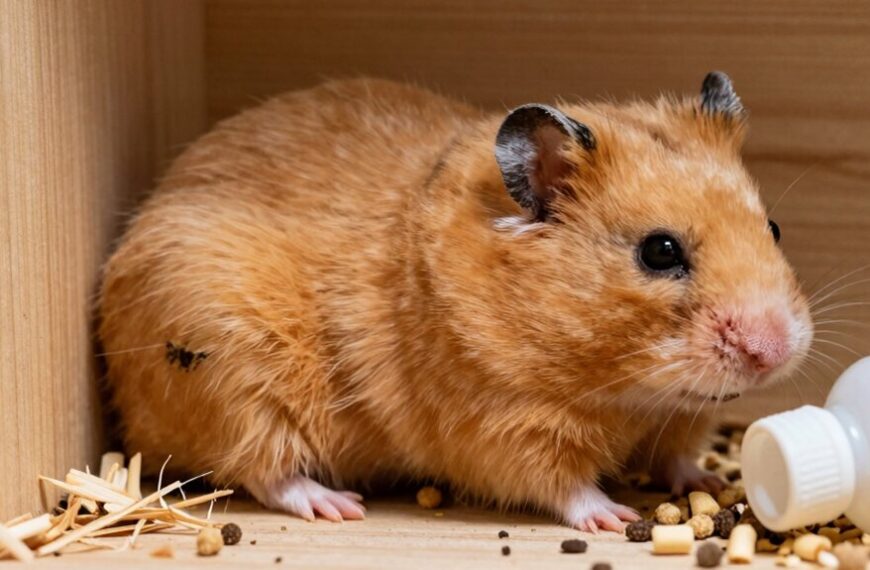
A noticeable decline in grooming can lead to matted fur and poor hygiene, especially near the tail, due to reduced mobility and energy.


Easy To Hang : with four pre-drilled holes, it is lightweight and can be installed with double-sided foam tape, command strips, or nails.

DURABLE ALUMINUM: Funny Beware of Hamsters signs are made from heavy-duty 40 mil thick aluminum. Unlike steel signs, our aluminum signs do not rust. Signs easily last up to 7 years outside.
Loss of Appetite and Weight Loss
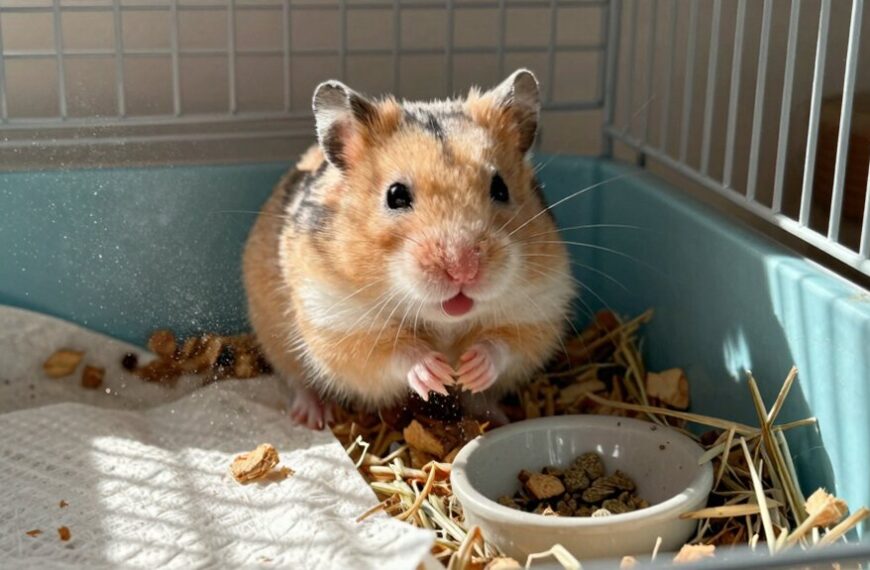
You might notice your hamster skipping meals, even turning up its nose at that sugary cereal you know it loves.
When your little buddy starts losing weight fast and won’t touch its favorite treats, it’s a real red flag.
It’s like they’re saying, “Nope, not even the good stuff today,” and that’s when you know something’s off.
A sudden drop in food intake can be linked to underlying heart disease, a common cause of death in aging hamsters.
Loss Of Appetite
What could it mean when your hamster suddenly turns up its tiny nose at the very treats it once went wild for? It might be more than just picky eating. Loss of appetite can signal serious trouble.
If your little buddy skips meals, it could point to digestive issues or even dehydration symptoms like dry mouth or sunken eyes. You know how you skip food when you’re under the weather? Same goes for hamsters.
But here’s the catch: they need steady fuel. Without it, they weaken fast.
You might notice less poop, lower energy, or a scrunchy, hunched posture. Don’t wait it out. Step in fast.
Offer fresh veggies, a drop of water from a syringe, or a vet visit. Your quick action could make a big difference.
After all, you’re their hero in a tiny fur coat.
Rapid Weight Decline
A sudden drop in your hamster’s weight can sneak up like a ninja, quiet, fast, and totally unexpected. One day your little buddy seems fine, stuffing cheeks like a pro. The next, you notice they’re looking a bit like a deflated balloon.
Rapid weight decline often follows a loss of appetite. When your hamster stops eating, their tiny body starts burning fat and muscle—fast.
Since they’re so small, even a little weight loss is a big deal. You might notice their fur looks looser or their spine more visible.
It’s more than just about food. Stress, illness, or age can play sneaky roles too.
Keep an eye out, and if you’re worried, don’t wait—call your vet. Catching it early could make all the difference.
Your hamster may be small, but their health matters—big time.
A new symptom like this could signal underlying organ failure, especially in older hamsters.
Refusing Favorite Treats
When your hamster starts turning up its nose at sunflower seeds, the snack they’d usually fight you for, you know something’s off. A sudden loss of interest in food preferences, especially beloved treats, is a red flag. You might notice they’re not even sniffing around their usual snacks, and that’s when treat motivation drops fast.
This change is more than mere pickiness. It often ties into rapid weight decline and underlying health issues. Even the most stubborn hamsters won’t skip food without reason. While they can be quirky, skipping meals isn’t normal behavior.
Keep a close eye, and don’t brush it off as just a phase. If your little buddy won’t budge for their favorite nibble, it’s time to call the vet. Better safe than sorry, especially when their appetite says more than they can.
Lethargy and Unusual Inactivity
You might notice your hamster isn’t zooming around the cage like usual, and that’s a sign to pay attention.
If your little buddy is sleeping way more than normal or barely moving when awake, it could mean they’re feeling seriously under the weather.
Sure, they’re not exactly marathon runners to begin with.
But when even snack time doesn’t spark a wobble, it’s time to be concerned.
Lethargy And Unusual Inactivity
Though your hamster might usually zoom around like a tiny, furry tornado, you’ll likely notice a big shift if something’s wrong, like when they start sleeping more than your cat on a Sunday afternoon.
When lethargy sets in, their playful behavior slows to a crawl.
You might find them huddled in a corner, ignoring the wheel they once loved or skipping out on treats.
Social interaction drops too.
They won’t come running when you talk or reach in to pet them.
It’s like they’ve hit the pause button on life.
While hamsters do nap a lot, this isn’t normal snoozing.
It’s deeper, more constant.
You’ll feel it in your gut—something’s off.
They’re more than merely tired; they’re fading.
Keep a close eye, stay gentle, and offer comfort.
It’s tough, but being there matters most.
Reduced Movement
What’s going on when your usually busy little buddy barely moves from his nest? If your hamster’s slowing down more than a sloth on a Sunday, it might be a sign he’s not feeling well.
Hamsters are naturally active, especially at night. So if you’re not hearing his wheel spinning or seeing him scurry around, take note.
Reduced movement often comes with other changes, like increased thirst or just plain old zoomies that have zonked out.
You might find him huddled more, grooming less, or skipping his favorite treats.
It’s more than mere laziness. Your tiny pal could be telling you something’s off.
While they’re not marathon runners, a sudden drop in night activity is worth watching.
Keep an eye out, offer comfort, and maybe whisper, “You’ve got this, champ,” even if he’s too tired to reply.
Labored or Heavy Breathing
Ever wonder why your little hamster suddenly seems to be breathing like it just ran a tiny marathon? If you notice labored or heavy breathing, it could be a sign something’s wrong.
Your hamster might struggle to catch its breath, with visible chest movements or even wheezing episodes that sound surprisingly loud for such a small creature.
This kind of breathing often points to oxygen deprivation, which isn’t something to brush off.
It can come from infections, heart issues, or stress.
While hamsters are sneaky little drama queens sometimes, real distress needs your attention.
Don’t panic, but do act.
Gently observe, keep the cage calm and warm, and call your vet.
Heavy breathing isn’t normal bedtime snoring.
It’s your cue to help.
You’ve got this, and your tiny buddy’s counting on you.
Hunched Posture and Muscle Weakness
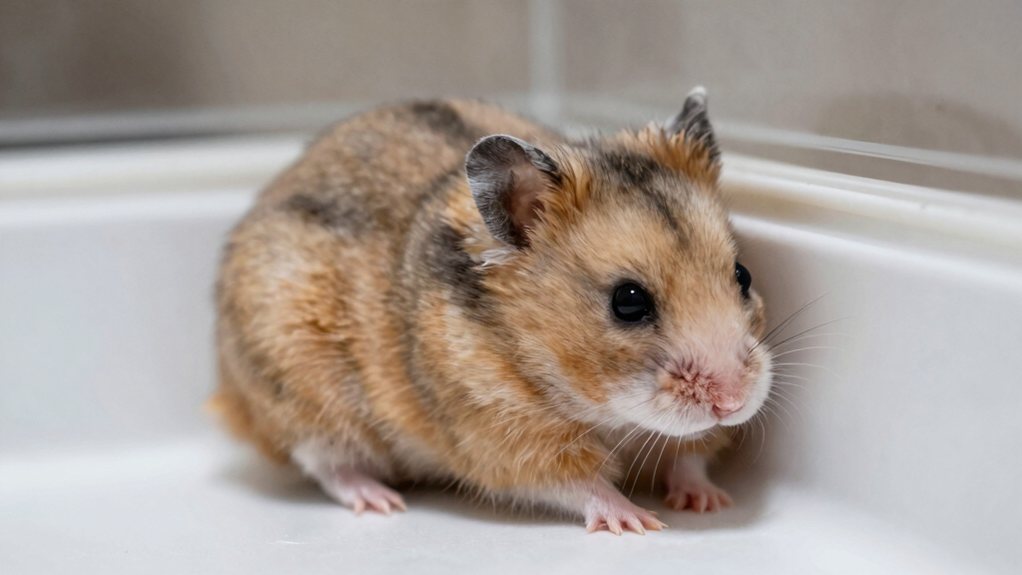
Why does your hamster suddenly look like it’s trying to nap in a teacup, all curled up and stiff? A hunched posture isn’t just quirky. It’s a red flag.
When your little buddy can’t sit up straight or seems wobbly when moving, it’s often due to muscle weakness tied to age or illness.
You might notice them struggling to reach food or freezing in place, like they’ve forgotten how their legs work. It’s not laziness.
This kind of slump means they’re fighting something serious.
Even grooming becomes too much effort.
While some odd poses are none of your concern, like that dramatic stretch after a nap, a constant hunch is irrelevant to normal behavior and very relevant to their health.
Stay close, keep them comfy, and call your vet. You’ve got this. And so do they, with your help.

Sized for every interaction: At 9.84x7.87 inches for the hamster anti-bite gloves and 4.92x1.57 inches for the hamster brush, this hamster sugar glider bonding pouch set offers the suitable size for gentle pet care and is suitable for hamsters cats sugar gliders bunnies ferrets rats chinchilla guinea pigs, hedgehogs parrots small dogs. The calming glove comfortably fits most hands, ensuring a pleasant interaction, while the compact grooming brush easily touch hard-to-reach areas.

🐹 One Box, One Fluffy Finish – This all-in-one small-animal grooming kit packs every comb, clipper & brush a hamster, guinea pig or bunny could wish for—perfect for daily upkeep on long-haired guinea pigs or dwarf rabbits.Precise scissor-style clippers + mini file trim tiny nails safely, while the bonus cleaning comb pops debris from every bristle.

You're Provided: buy our products, and you will get 2 pieces of sugar glider gloves in elegant gray, with delicate workmanship, which are enough to meet your demands for calming and sharing
Poor Grooming and Dull, Messy Fur
That sleek, shiny coat your hamster used to sport? It might start looking dull and messy when they’re not feeling well. As hamsters age or get sick, they often groom less, leaving their fur looking neglected.
You might notice a dry coat or even matted fur clumping together, kind of like bedhead that never gets brushed. It’s more than laziness. It’s a sign they’re struggling.
They stop licking their fur as much.
Their coat loses its healthy shine.
Dry coat makes skin visible in spots.
Matted fur traps dirt and pee.
They might smell a little “ripe.” (Yep, we’re going there.)
It’s sad, sure. But also normal. Think of it like your hamster’s way of saying, “I’m too tired to primp.” Keep them comfy, and maybe give gentle wipes if needed.
Wet Tail or Incontinence in Final Days
When your hamster stops grooming like they used to, you might start noticing wet or soiled fur around their back end. That’s more than just a messy phase.
In their final days, some hamsters develop wet tail or incontinence, leaving damp spots in their bedding.
You’ll likely see wet bedding even after a fresh change, which can lead to a foul odor no air freshener can fix.
It’s more than messy—it’s a sign your little buddy is struggling.
While it’s tough to watch, remember you’re doing your best.
Think of it like their body saying, “I’m worn out.”
Keep their space clean and cozy, and offer extra soft bedding.
It’s not glamorous, but love isn’t always pretty.
You’ve got this—and so do they.
Diarrhea is abnormal and may signal wet tail, a serious condition.
When to Call the Vet or Consider Euthanasia
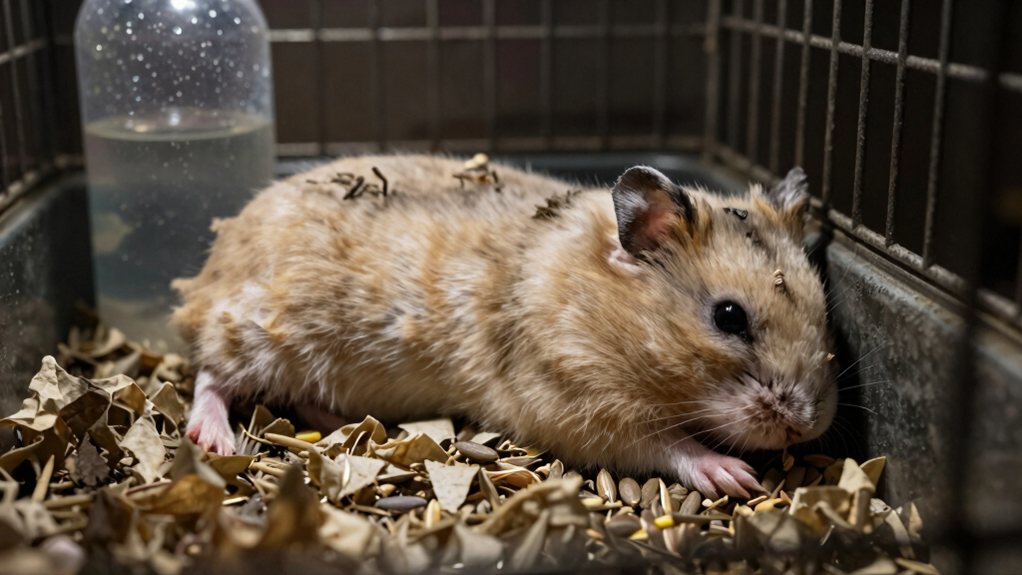
How do you know when it’s time to call the vet or say the hardest goodbye?
Watching your little buddy struggle is heartbreaking. But you’re not alone. Here’s when to seek help.
No appetite for over 24 hours, even their favorite treat won’t tempt them.
Labored breathing: if their sides are heaving or they’re gasping, it’s urgent.
Lethargy or unresponsiveness. They’re not merely napping. They won’t wake up.
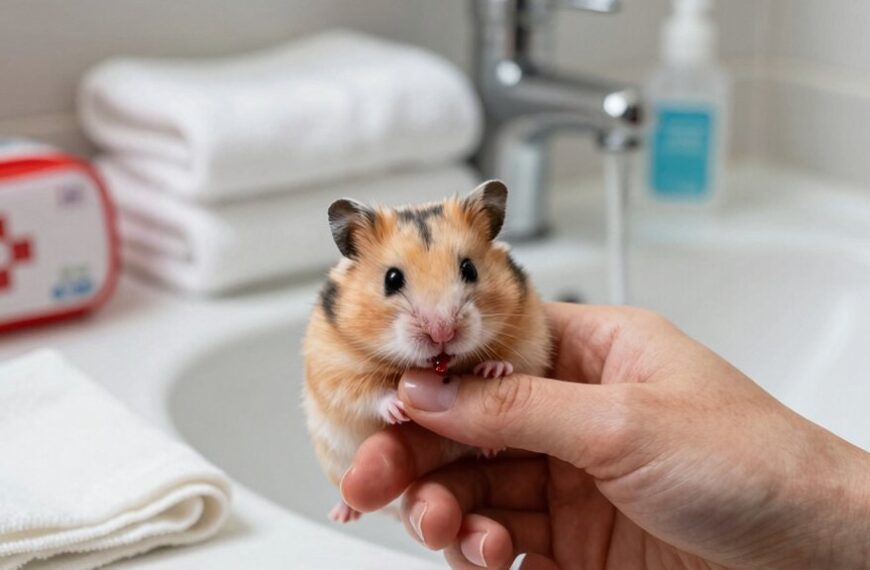
Severe diarrhea or bleeding. This isn’t merely a mess. It’s a red flag.
You’re overwhelmed. Your emotional support matters too.
Call your vet right away if you notice these signs.
Sometimes, palliative care can ease their final days.
Other times, euthanasia is the kindest choice.
Trust your gut. You love them most.
And hey, it’s okay to cry. You’ve been a great pet parent.
Final Thoughts
You know your hamster better than anyone, so trust your gut if something feels off. Spotting these signs isn’t fun, but being there for your tiny buddy means the world.
Sure, they can’t tell you in words, but you’re their hero, snacks, cuddles, and all. When the time comes, choosing kindness, whether a vet visit or saying goodbye, is the ultimate act of love. And hey, even little legends leave big paw prints.

LMYUHONG's Tin Metal Sign is the perfect wall art decor for pet enthusiasts! Featuring a unique 6x11inch design, this retro ferret sign is both funny and inspirational.
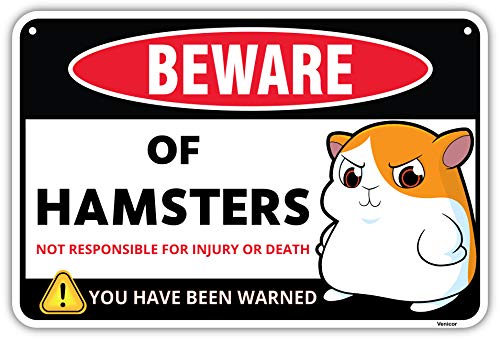
One of a kind design: Each sign we make has original illustrations and has been thoughtfully made with you in mind, perfect purchase for all occasions! Beware of the hamsters - Not responsible for injury or death - You have been warned.

DURABLE ALUMINUM. Funny Hamster Theme Signs are made from heavy-duty, 40 mil thick aluminum. Unlike steel signs, our aluminum signs do not rust. Signs last up to 7 years outside.