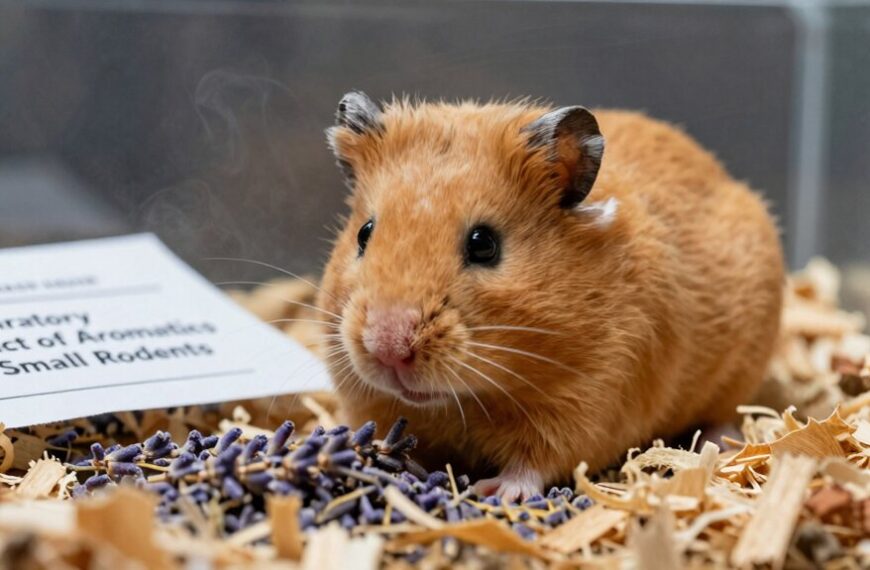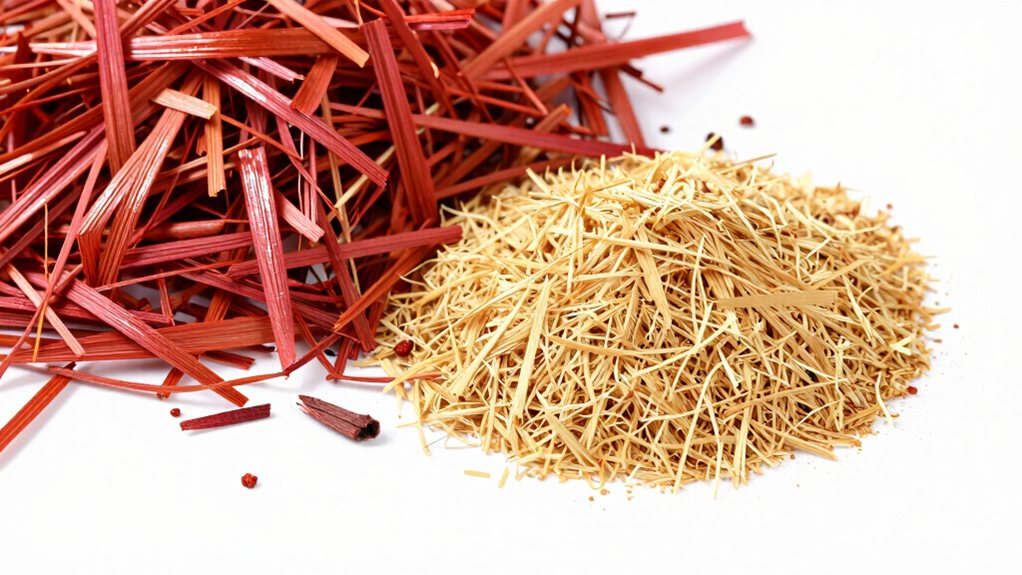
Not all wood shavings are safe for your hamster. Pine and cedar can harm their little lungs, even if labeled “kiln-dried.” While kiln-drying reduces some toxins, risky oils may still linger.
You’re better off choosing aspen or paper-based bedding, which are dust-free, gentle, and vet-approved. Your hamster will breathe easier and burrow happily.
Pick unscented, natural options to keep their home clean and cozy. Your tiny friend will thank you in squeaks and snuggles. There’s more to get right, like spotting sneaky label traps and keeping bedding fresh.
The Hidden Danger in Pine and Cedar Bedding
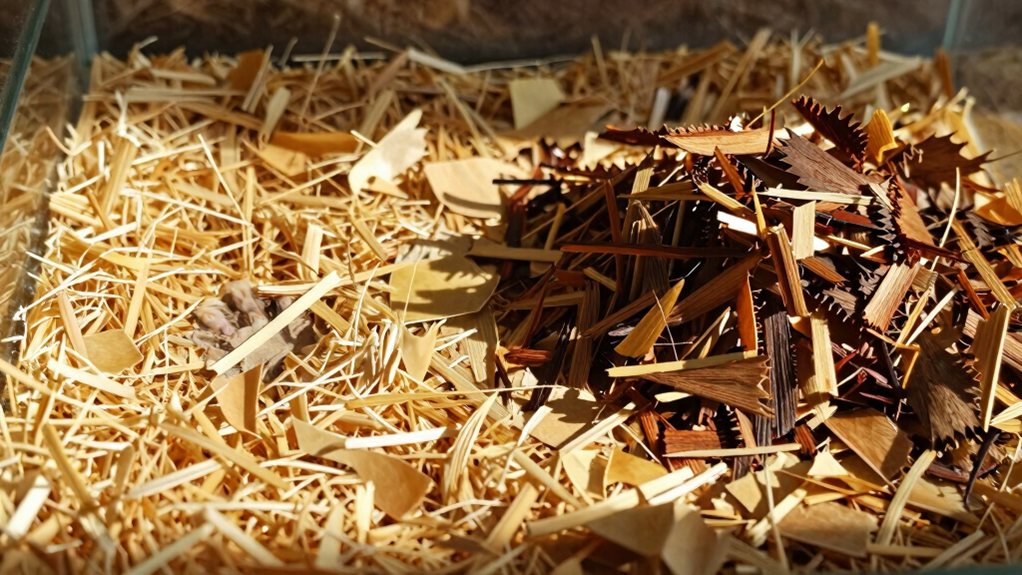
Ever wonder why your hamster’s cozy-looking pine or cedar bedding mightn’t be as safe as it seems?
Well, here’s the scoop: those soft, fragrant shavings might smell great to you, but they can be harmful to your tiny buddy.
Pine allergies and cedar toxicity are real concerns.
Both woods release aromatic oils called phenols that can irritate your hamster’s lungs and weaken their immune system over time.
Yikes! Even if your pet seems fine now, long-term exposure could lead to breathing issues or other health problems.
Think of it like living in a room that smells like strong perfume 24/7—not fun, right?
Luckily, there are safer, just-as-comfy options out there.
So skip the pine and cedar, and your little furball will thank you with more zoomies and fewer sniffles.
Win-win!
A safer alternative is using dust-free materials that support respiratory health and prevent irritation.
How Kiln-Drying Removes Toxins From Softwood
You mightn’t think heat could be a hero, but when it comes to softwood bedding, kiln-drying actually zaps away the harmful oils that can bother your hamster’s little lungs.
The high temperatures break down toxic compounds like phenols and aromatic hydrocarbons.
Basically, they’re shown the door.
It’s kind of like giving the wood a spa day.
Except instead of cucumbers, it’s all about safety and snuggles.
Heat Treatment Process
What if the secret to safe softwood bedding isn’t in avoiding it altogether, but in how it’s treated? The heat treatment process, especially kiln-drying, is a game-changer.
When softwood goes through high heat in a controlled kiln, it doesn’t simply dry out—it breaks down harmful substances like phenols and aromatic oils that can bother your hamster’s tiny lungs. Think of it like cooking out the bad stuff while keeping the good.
Kiln safety guarantees the wood reaches just the right temperature, long enough to neutralize toxins without burning or degrading the material. It’s science you can trust, no fancy lab coat needed.
So, while raw softwood might be a no-go, kiln-dried softwood? That’s a cozy, safe option.
You’re not merely picking bedding. You’re choosing peace of mind. And honestly, your hamster will thank you with every happy wheel run.
Avoiding cedar and pine wood shavings is essential, as these untreated softwoods contain toxic aromatic compounds that can cause respiratory irritation and long-term health issues in hamsters.
Toxin Elimination Explained
How does a pile of pine go from risky to safe for your tiny, squeaky roommate? Simple: kiln-drying. This process uses intense heat to break down harmful compounds in softwoods, like phenols and terpenes, stuff that messes with your hamster’s lungs and liver.
Think of it as toxin chemistry 101: heat changes the bad molecules so they can’t do harm.
As the wood heats up, vapor diffusion kicks in, pushing those broken-down toxins right out of the shavings and into the air, where they’re safely vented away.
It’s like giving the wood a detox spa day, sweating out the nasties so your hamster won’t have to.
Kiln-dried doesn’t just mean dry, it means safer, cleaner, and way less stinky for your little buddy.
Is Aspen Bedding Safe for Hamsters?
You’re probably wondering if aspen bedding is a safe choice for your little furball. Good news, it really is!
Unlike some softwoods, aspen doesn’t release harmful oils that can bother your hamster’s lungs, so you can skip the worry and the vet bills.
Plus, it’s comfy, dust-free, and lets your pet dig and nest without any sneezy surprises.
It’s also highly absorbent and effective at odor neutralization, making it a reliable option for maintaining a clean and healthy habitat.
Aspen Bedding Safety
Ever wonder why your hamster suddenly looks like a tiny lumberjack after burrowing into their bedding? When it comes to aspen bedding safety, you’ll want to pay attention to aspen sourcing and particle size.
Good news: aspen is one of the safest wood options for your little buddy, no harmful oils or fumes like in cedar or pine.
Just make sure it’s kiln-dried and dust-extracted. Big, chunky shavings can be annoying for small paws, while super fine dust might irritate their lungs.
You want that Goldilocks zone—just right.
Always check the label for clean sourcing; you don’t want mystery woods sneaking in.
With the right aspen bedding, your hamster can dig, nest, and snooze without a worry.
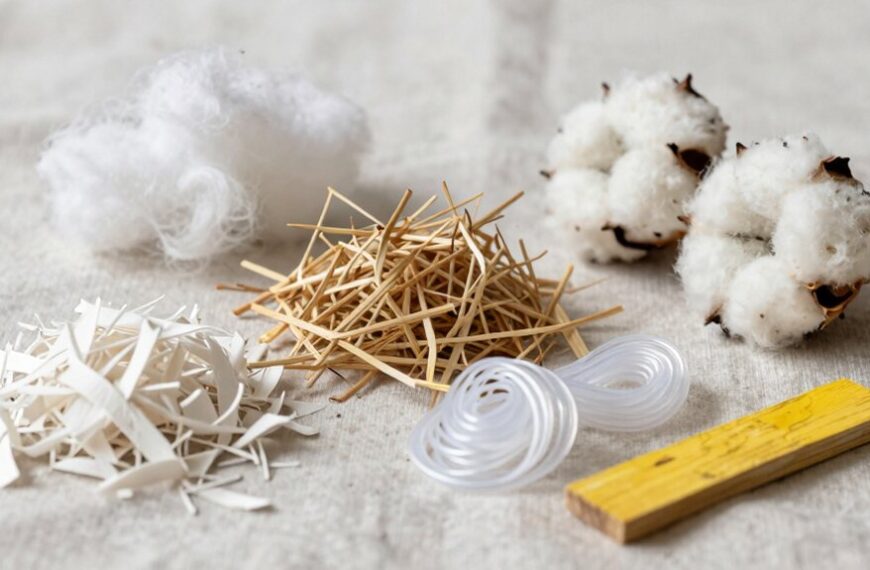
A great alternative for sensitive habitats is cotton-based nesting materials, which are soft, dust-free, and ideal for promoting natural burrowing behavior.
Hamster Health Benefits
Now that you’ve picked a safe, cozy bed of aspen shavings for your little digger, let’s talk about how it actually helps them thrive.
A comfy, dust-free habitat means your hamster can focus on what they love: zooming through tunnels and stuffing their cheeks.
With clean air from non-toxic aspen, their lungs stay healthy, so they’ve got more energy for their nightly exercise routines.
No sneezing or wheezing means more wheel sprints and burrow-building marathons.
Plus, when your hamster isn’t stressed by irritants, they eat better, which supports solid hamster nutrition.
A happy belly means a shiny coat and bright eyes.
Think of aspen as the unsung hero behind those adorable cheek-puffing moments. It’s more than bedding; it’s part of their wellness plan.
So yes, your fluffball’s health? Way better when their home is as safe as it’s snuggly.
You’re doing great, by the way.
Best Paper Bedding for Hamsters: Soft and Safe
What makes the perfect cozy nest for your tiny, burrow-loving hamster? It’s all about bedding texture and supporting natural nesting behavior.
Paper bedding is a top choice, soft, safe, and dust-free. Unlike some wood shavings, it won’t irritate delicate skin or lungs.
Soft, safe, and dust-free—paper bedding pampers delicate paws and lungs, unlike harsh wood shavings. Perfect for happy, healthy burrowing.
You want your little digger to snuggle up without sniffles.
Here’s why paper bedding rocks:
- Hypoallergenic and gentle on paws
- Highly absorbent, so your cage stays fresher longer
- Easy to fluff into dreamy burrows—hamsters go nuts for it
- Eco-friendly and biodegradable (planet-friendly = win!)
You’re doing more than just picking bedding. You’re building a five-star hideaway.
Your hamster will thank you with happy tunneling and maybe a cheek-pouch smile.
Soft, safe, and simple? That’s the sweet spot.
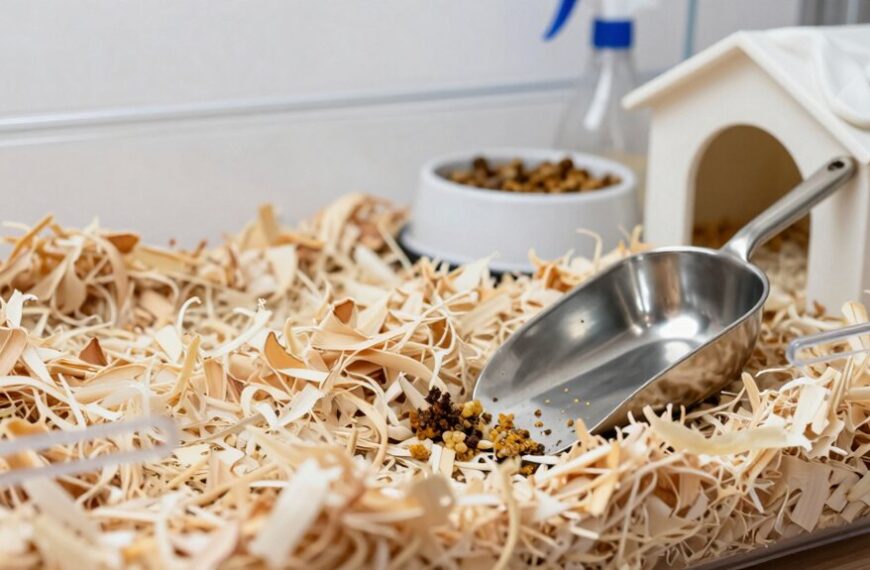
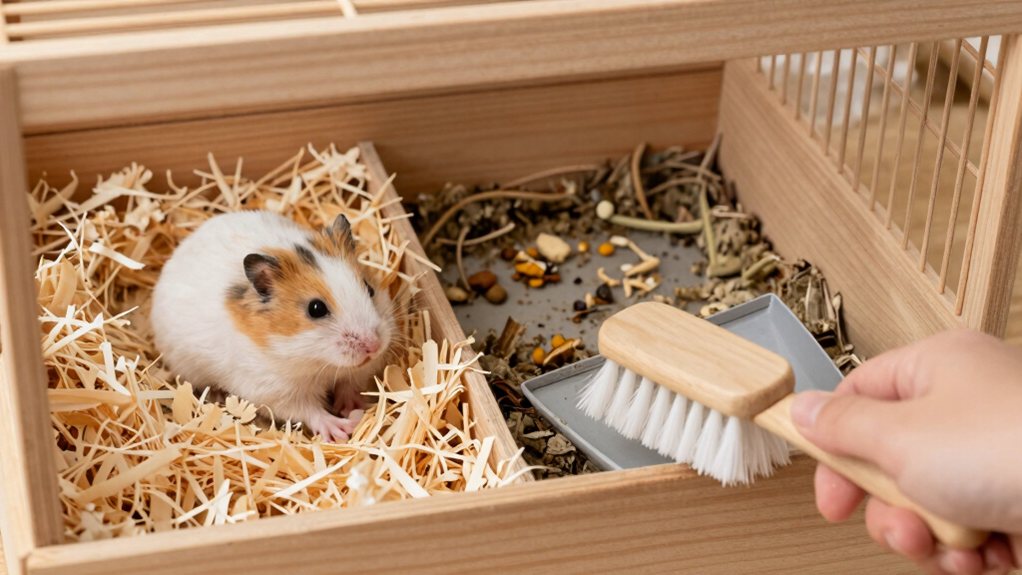
A full bedding replacement should be done once a week to maintain hygiene and prevent odor buildup.
Which Bedding Types Produce the Least Dust?
Wondering why your hamster keeps sneezing after you change the bedding? It might be due to dust. Dust reduction is key for your little buddy’s tiny lungs.
Bedding with finer particle size, like some wood shavings, can kick up more dust, especially if it’s not kiln-dried.
But don’t panic. You’ve got better options.
Paper-based bedding is super low dust and cozy.
Aspen shavings are also a solid pick, naturally low in dust when properly processed.
Avoid cedar and pine unless they’re labeled kiln-dried and dust-extracted.
Even then, paper or aspen usually win for dust reduction.
Think of it like choosing between a dusty attic and a clean living room. Your hamster deserves the fresh space.
Swap out dusty bedding, and you’ll likely see fewer sneezes and more happy zoomies.
Your nose and theirs will thank you.
A consistent cleaning schedule helps prevent respiratory irritation by reducing dust and ammonia buildup over time.
What Vets Recommend for Hamster Respiratory Safety
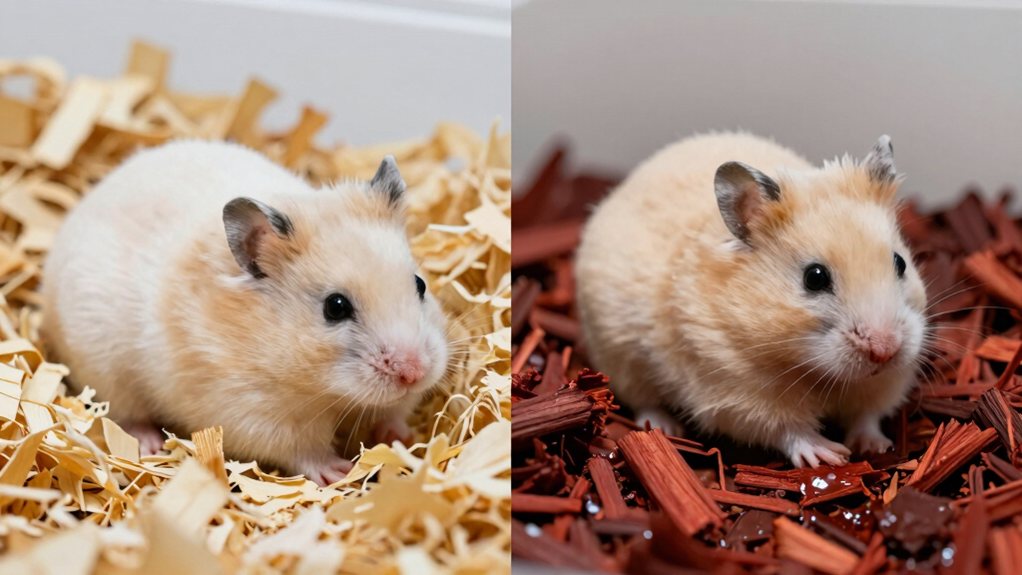
You’ve probably already made the switch to a low-dust bedding after seeing your hamster sneeze like they’re auditioning for a tiny allergy commercial, and that’s a great start.
Sneezing hamster? That tiny audition for the allergy commercial means it’s time to switch to low-dust bedding—your first win for happier, healthier lungs.
When it comes to hamster allergies and respiratory irritants, vets are clear: prevention beats treatment every time.
Here’s what the pros suggest:
- Use dust-free, paper-based or aspen bedding. Skip the cedar and pine.
- Clean the cage weekly to reduce ammonia buildup from pee. Yes, really.
- Keep your hamster away from strong scents like air fresheners or smoke.
- Watch for wheezing or goopy eyes. These could signal trouble early.
You’re more than just a pet parent. You’re their personal health coach.
Small changes make a big difference in keeping those tiny lungs happy and breathing easy.
Using a hamster-safe disinfectant between deep cleans can further protect against harmful pathogens without risking respiratory irritation.
Stay alert, stay cozy, and your hamster will thank you with snuggles, not sneezes.
How to Spot Unsafe Bedding on Labels
Ever stared at a bag of hamster bedding like it’s written in ancient hieroglyphics? You’re not alone.
When checking labels, skip anything with strong scent additives. Those perfumes might smell nice to you, but they can wreck your hamster’s sensitive lungs.
Nope, that “fresh linen” smell isn’t worth the risk.
Also, pay attention to bedding color. Bright dyes or unnatural hues can signal harmful chemicals.
Stick to natural, unscented, and undyed options.
If the bag says “cedar” or “pine,” put it back.
Those are softwoods that release harmful oils.
Instead, look for aspen or paper-based bedding.
Kiln-dried doesn’t always mean safe if it’s still pine or cedar.
When in doubt, choose simple, natural materials.
Your hamster won’t care about fancy colors or scents.
Just clean, cozy fluff they can breathe easy in.
A good bedding choice pairs well with super absorbent liners to maintain a dry, healthy habitat.
How Often to Change Hamster Bedding (And What to Watch For)
Usually, you’ll want to do a quick spot clean once or twice a week.
Spot clean your hamster’s cage once or twice a week to keep things fresh and your little friend happy.
But a full bedding change should happen every 7 to 10 days.
This keeps your hamster healthy and your home smelling fresh, nobody likes a stinky cage, right?
Keep an eye on these signs to know when it’s time:
- Bedding moisture – Damp spots mean it’s time to clean, or your hamster might get chilly.
- Smell – If you wrinkle your nose, your hamster definitely does too.
- Nesting behavior – If they’re avoiding their nest, the bedding might be dirty or uncomfortable.
- Visible waste buildup – No one wants to lounge in a litter box.
Stick to this routine, and your little buddy will stay happy, dry, and cozy.
Plus, you’ll both enjoy cuddle time a lot more, without the funk!
A full deep cleaning once per month is also recommended for optimal hygiene, in addition to weekly changes, to prevent bacterial growth and maintain a healthy environment. This includes washing all toys and decor with warm, soapy water and sanitizing cage surfaces using a pet-safe cleaner like diluted white vinegar. Monthly deep cleaning ensures long-term cleanliness and reduces health risks for your hamster.
Comparing Absorbency and Comfort in Hamster Bedding
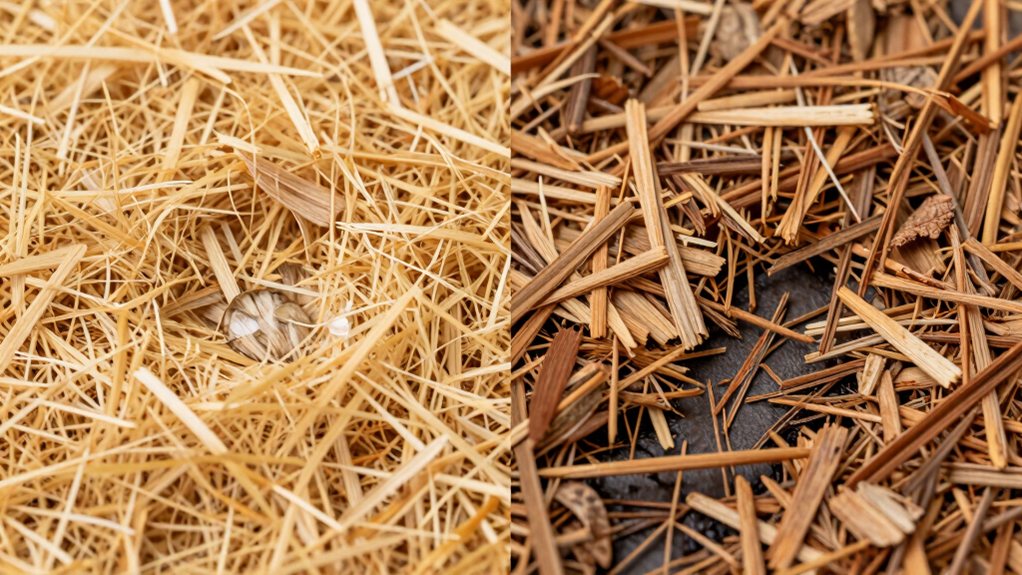
While your hamster mightn’t send you a comfort review from their cozy nest, they’ll definitely let you know, through sneezes, shivers, or that sad side-eye, when their bedding isn’t cutting it.
You want something that offers great odor control without trapping moisture, so your little buddy stays dry and happy.
Kiln-dried pine or aspen shavings strike a nice balance.
They’re soft enough for sensitive skin and absorbent enough to keep smells at bay.
Plus, they provide solid nesting support.
Your hamster will love burrowing and fluffing them into a snug hideaway.
Avoid dusty or aromatic woods, though.
They can irritate tiny lungs.
Think of it like picking pajamas: cozy, breathable, and nothing scratchy.
Get the bedding right, and you’ll see your hamster thriving.
Zooming, nesting, and maybe even giving you a silent nod of approval.
You’ve got this.
Final Thoughts
You’ve got this, hamster hero! Now that you know the scoop, skip the pine and cedar. They’re like kryptonite to your tiny buddy’s lungs.
Kiln-dried softwood is still risky. Stick with aspen or paper bedding, keep dust low, and your little furball will breathe easy. Change it weekly, watch for sneezes, and you’ll both sleep better.
Tiny paws, big love. Worth getting it right!