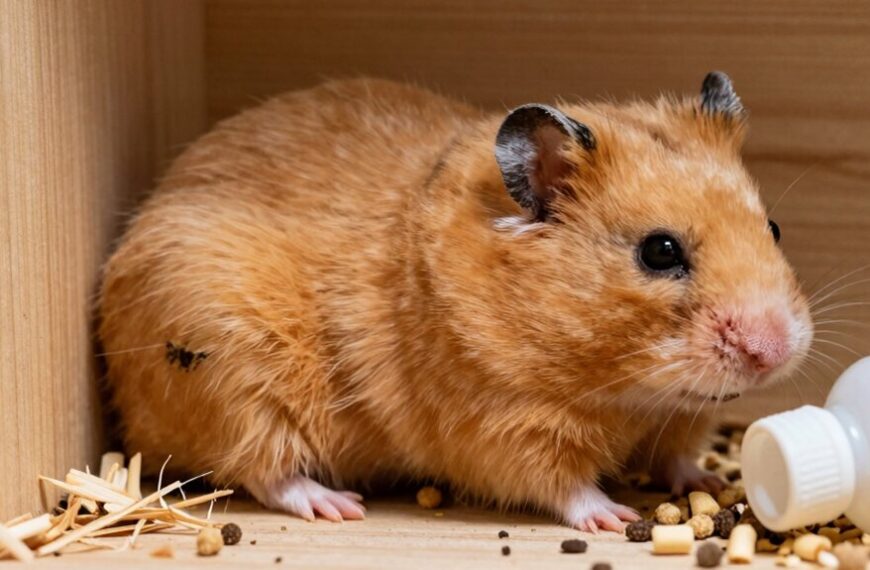
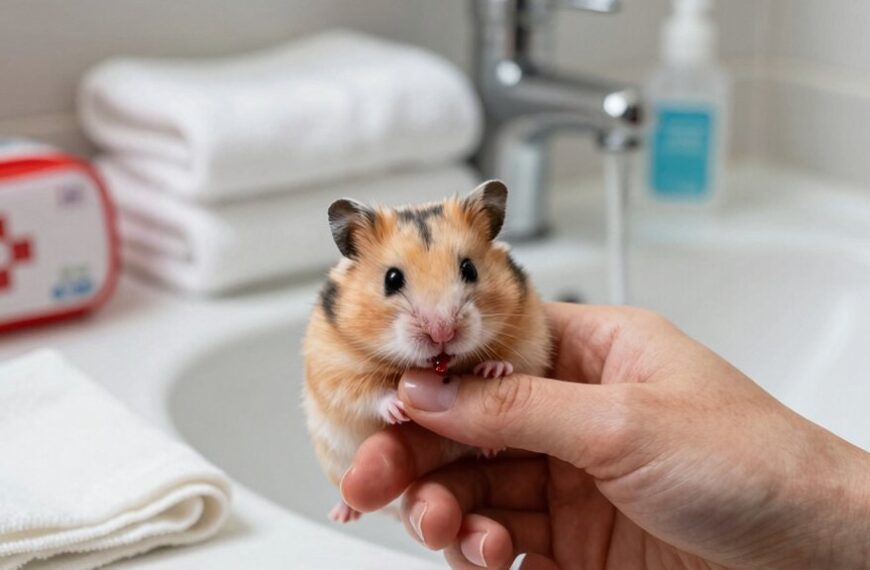
You’re more likely to sneeze from dusty bedding than catch something serious, but hamsters can sometimes pass germs like salmonella or ringworm. They might not look sick, yet still spread bacteria through poop or dirty cages.
Ringworm shows up as itchy, red circles on your skin. Don’t worry—washing hands after handling your pet cuts risk way down. And while hantavirus sounds scary, pet hamsters don’t carry it.
Stay safe, stay clean, and you’ll both stay happy, plus there’s a bit more you should know.
Diseases You Can Catch From Your Hamster

So, can your hamster actually make you sick? Good news: serious diseases from hamsters are rare. Most health concerns come from allergies or bites, not infections.
If you sneeze or get itchy around your furry buddy, you might’ve hamster allergies, annoying but not dangerous. Just keep their cage clean and wash your hands after handling them.
As for bites, they’re usually accidental, often when your hamster feels scared or startled.
That’s where bite prevention comes in: always handle your pet gently and avoid waking them suddenly.
While germs like salmonella are possible, they’re unlikely if you practice basic hygiene.
Bottom line? Your hamster isn’t a health hazard.
Your hamster isn’t a health hazard—just practice good hygiene and gentle handling, and you’ll both stay safe, happy, and sniffle-free.
With a little care and common sense, you’ll both stay happy, healthy, and sniffle-free.
Think of it as a tiny roommate who rarely causes trouble. Just don’t let them nibble your fingers!

Practical: The broom and dustpan are made of PP material, which can be used to clean up waste, dropped food, and hay in the cage

PACKAGE INCLUDE:1pcs stainless steel tweezer, 1pcs mini dustpan and brush and 1Pcs scooper feeding tool.

BIO-ENZYMATIC CLEANING FORMULA: Penetrates to help break down and destroy tough stains and odors
Salmonella From Hamsters: How It Spreads
While it’s not common, your hamster can carry salmonella without showing any signs of illness, meaning you could be handling a tiny, seemingly healthy germ carrier without even knowing it.
Salmonella spreads through zoonotic transmission, which is just a fancy way of saying germs jump from animals to people.
Your hamster sheds the bacteria in their poop, a process called bacterial shedding, and it can end up on their fur, cage, or toys.
If you touch those surfaces and then touch your mouth or food, boom—you’ve invited salmonella to dinner.
The good news? You’re not doomed.
Just wash your hands after handling your pet or cleaning their home.
Think of it as part of the hamster hug tax.
Stay smart, stay clean, and you and your pint-sized pal can stay healthy together.
Ringworm From Hamsters: Symptoms and Spread
Ever wonder why that red, scaly patch appeared on your skin after playing with your hamster? It might be ringworm, a fungal infection that’s not actually a worm at all! Hamsters can carry ringworm transmission without looking sick, so even cuddly playtime could pass it to you. The good news? It’s treatable and preventable.
Look for circular, itchy rashes with raised edges—classic signs of a fungal infection.
Ringworm spreads through direct contact with your hamster or contaminated bedding.
Keep your hands clean and check your pet regularly to reduce ringworm transmission.
Don’t panic—you’re not doomed to itchy circles forever. With a little care and some antifungal cream, you’ll both be back to normal in no time. Just remember: love your hamster, but maybe wash your hands before you scratch your arm!
Hantavirus: Can Your Hamster Spread It?

You might be surprised to learn your hamster probably isn’t a hantavirus risk, good news for late-night snack sharers and cuddle buddies.
Still, it’s smart to watch for symptoms like fever or trouble breathing, just in case something else sneaks in.
Keep the cage clean, wash your hands, and you’ll stay safe without giving up those adorable whisker wiggles.
Hantavirus Transmission Risks
Could your fluffy little hamster really be a sneaky carrier of hantavirus? While it’s natural to worry, the truth is your tiny furball poses almost no risk.
Hamsters sold as pets in the U.S. aren’t known to carry hantavirus, and their zoonotic potential is extremely low.
Wild rodents are the real concern, not your cuddly cage buddy.
Still, understanding viral shedding helps ease fears.
Even if a pet hamster were infected, which is rare, transmission requires direct contact with infected urine, droppings, or saliva.
Here’s what actually matters:
- Stick to reputable pet stores to avoid wild-caught animals
- Wash your hands after handling your hamster or cleaning its cage
- Keep cages clean to reduce any minor infection risks
You’re far more likely to catch a cold from your coworker than hantavirus from your hamster.
Stay smart, stay clean, and keep loving your little pal.
Symptoms To Watch For
While your hamster isn’t going to give you hantavirus, it’s still smart to know what to look for just in case something else comes up. If you come down with an unexplained fever that won’t quit, pay attention.
Add in a sudden rash, and it’s time to call your doctor. These symptoms aren’t typical from hamster contact, but germs like bacteria or mites can sometimes pass from pets to people.
You’re not in a horror movie, but staying alert helps keep you safe. Watch for flu-like signs, itching, or redness where you handle your furry buddy.
Most issues are mild and treatable, no panic needed. Just think of it as being a pet parent superhero: cape optional, common sense required.
Preventing Hamster-Borne Infections
Though hantavirus sounds like something straight out of a late-night sci-fi movie, the good news is your hamster isn’t going to give it to you, phew!
Still, a little zoonotic prevention never hurts. Keeping your fuzzy friend and yourself healthy is all about smart pet sanitation and simple habits. Think of it like brushing your teeth—easy, quick, and way better than dealing with a surprise illness later.
Wash your hands before and after playtime. Yes, even when you’re just stealing a cuddle.
Clean the cage weekly with pet-safe disinfectants to stop germs from throwing a pool party.
Avoid eating near your hamster’s home. Your snack isn’t theirs, and crumbs attract more than just attention.
A clean habitat means a happy hamster and a safer you. With these steps, you’re more than just a pet parent. You’re a prevention pro!
Who’s Most at Risk for Hamster-Borne Illnesses
Ever wonder who’s most likely to catch something from a hamster? While these tiny fluffballs are generally safe, some people need to be extra careful.
If you’re an elderly individual or have compromised immunity, like from diabetes, HIV, or cancer treatments, your body mightn’t fight off germs as well.
That means even mild infections from hamsters, like salmonella or ringworm, could become a bigger deal for you.
Kids under five are also more vulnerable since their immune systems are still developing.
But hey, no need to panic! With good hygiene, like washing hands after handling your pet, you can still enjoy your pint-sized pal safely.
Think of it like sharing snacks: fun, but only if everyone follows the rules.

𝗖𝗢𝗠𝗣𝗔𝗖𝗧 𝗣𝗔𝗖𝗞𝗔𝗚𝗜𝗡𝗚 𝗗𝗘𝗦𝗜𝗚𝗡 - We embrace green compact packaging, optimizing our process to minimize packed volume and maximize shipping and space-saving storage. Simply fluff the paper bedding upon receipt to expand it up to three times its original size.

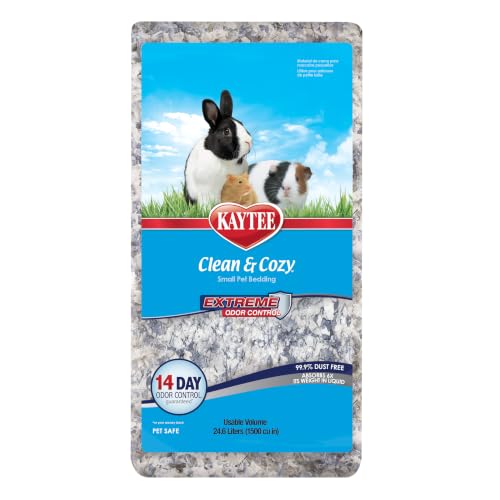
14-DAY ODOR CONTROL for long-lasting freshness. Kaytee Clean & Cozy can be used with any type of habitat for a fresh animal home
How to Stay Safe: Hamster Hygiene Tips
Keeping your hamster clean isn’t just about a tidy cage. It’s your first line of defense against germs. You can stay safe and keep your tiny buddy healthy with a few smart habits. Here’s how to make hamster grooming and cage cleaning simple and effective.
Spot-clean daily: Toss out soiled bedding and leftover food. Your nose will thank you, and your hamster will love the fresh digs.
Deep-clean weekly: Swap all bedding, wipe down surfaces with pet-safe cleaner, and rinse food bowls. Consistency stops bacteria in its tracks.
Wash hands before and after playtime. It’s quick, easy, and keeps germs from hitching a ride to your sandwich later.
Good hygiene isn’t just about avoiding illness. It’s part of loving your little furball. A clean cage means a happy hamster. A happy hamster makes a better roommate than most humans!
When to See a Doctor After Hamster Contact

If you’ve been nuzzling your hamster and suddenly notice redness, swelling, or a fever, don’t brush it off. Your body might be waving a little red flag.
It’s smart to call your doctor if symptoms stick around or you just feel “off” after handling your tiny buddy.
Better safe than sorry, especially when your pet’s cuteness could come with a side of germs!
Signs Of Infection
So, you’ve been snuggling your hamster and now you’re wondering, “Could this tiny ball of fluff actually make me sick?”
While hamsters are mostly harmless and totally adorable, they can sometimes carry germs that might lead to an infection, especially if you’ve got a cut on your hand or you accidentally touch your face after handling them.
The good news is there’s no evidence of widespread illness from hamsters, and most people report no issues at all.
But just in case, keep an eye out for:
- Redness, swelling, or warmth around a bite or scratch
- Fever, chills, or feeling run-down after contact
- A rash or oozing wound that won’t heal
If any of these pop up, don’t panic. Just call your doctor. Better safe than sorry when it comes to your health and your pint-sized pal.
Seeking Medical Advice
Wondering when a cozy moment with your hamster might mean it’s time to call the doctor?
If you’ve been scratched, bitten, or snuggled your furry pal and now feel feverish, achy, or just “off,” don’t wait.
Seek medical advice.
Some illnesses can spread through zoonotic transmission, meaning germs jump from pets to people.
While rare, it’s better to be safe than sorry.
If redness, swelling, or pus shows up at the contact site, that’s a red flag.
Also, if you have a weakened immune system, act fast.
A quick call to your doctor can ease your mind and get you treatment if needed.
And don’t forget: your hamster might need a veterinary consultation too.
Healthy pet, healthy you!
Stay alert, stay calm, and remember, even tiny paws can pack a surprise.
Final Thoughts
So, while your hamster’s tiny, they can still pass on some yucky stuff, like salmonella or ringworm. But don’t panic! Just wash your hands, keep their space clean, and skip the face kisses. They’ll survive the heartbreak.
Most risks are low, especially if you’re healthy. Think of it like snack-sharing: cute in theory, but better safe than sorry. Stay smart, stay clean, and keep enjoying your fuzzy little buddy!

Sized for every interaction: At 9.84x7.87 inches for the hamster anti-bite gloves and 4.92x1.57 inches for the hamster brush, this hamster sugar glider bonding pouch set offers the suitable size for gentle pet care and is suitable for hamsters cats sugar gliders bunnies ferrets rats chinchilla guinea pigs, hedgehogs parrots small dogs. The calming glove comfortably fits most hands, ensuring a pleasant interaction, while the compact grooming brush easily touch hard-to-reach areas.
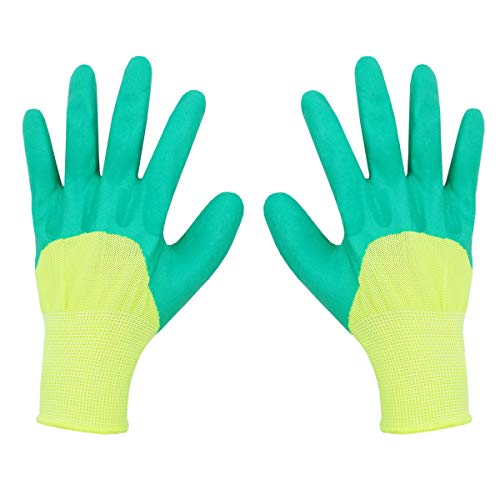

Comfortable and Protective: Designed from sturdy PVC materials, these anti-bit gloves are comfortable and protective, preventing your hands from puncturing, cutting, and biting. They are also thickened to deliver extra warmth and softness.