Yes, you can give your hamster pears, but keep it small and sweet, literally. Offer just a bite-sized, peeled piece once or twice a week, and never include seeds (they’re toxic!).
Pears are hydrating and packed with fiber, but their sugar can cause tummy troubles or weight gain if overdone. Think of it like dessert: fun now and then, not every day.
Your tiny friend will nibble happily, and you’ll keep them healthy—win-win. There’s more to know about safe, tasty treats waiting just ahead.
Can Hamsters Eat Pears Safely?

So, can your hamster actually enjoy a bite of pear without any trouble? Yes, but only in small amounts and with care. Pears are safe for hamsters when given as an occasional treat, not a daily snack.
Yes, hamsters can enjoy pear—but only in small amounts and as an occasional treat, never daily. Sweet, safe, and satisfying when served responsibly.
Just be sure to remove the seeds, they contain trace amounts of cyanide, which is no joke for such a tiny creature.
Also, wash the skin well or peel it to reduce pesticide exposure. While pear allergies are rare in hamsters, watch for signs like itching or swelling the first few times you offer it.
On the bright side, chewing soft pear bits can support dental health by encouraging natural gnawing.
Still, too much sugar can lead to obesity or diabetes, so keep portions tiny, think teaspoon size. Your little buddy will appreciate the sweet surprise without the side effects.
Balance is key, and your hamster will thank you with happy cheek-puffing.
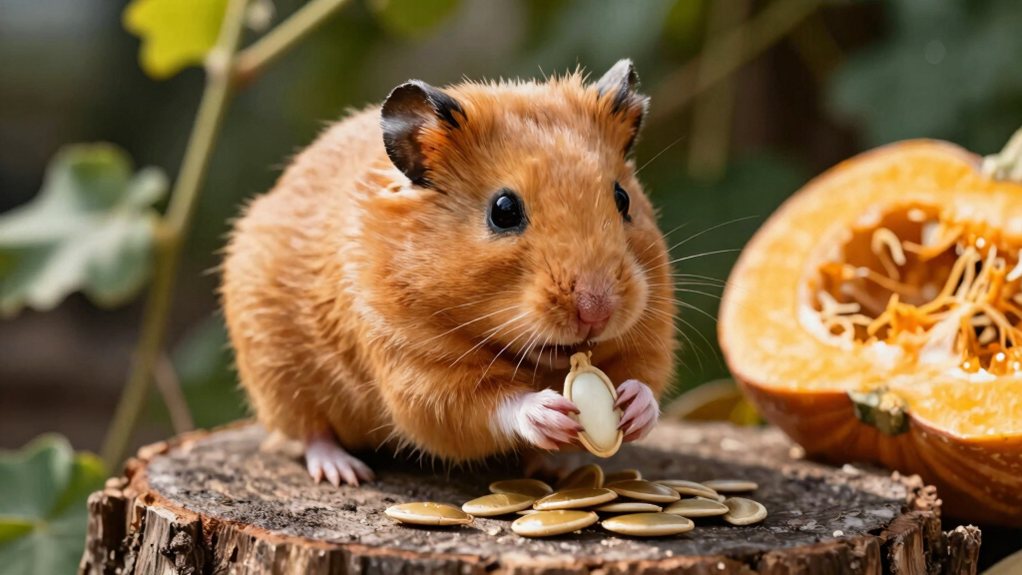
Can Hamsters Eat Pear Seeds? (Spoiler: No!)
Wait, pear seeds? Nope, don’t even think about it. While the juicy flesh of a pear is a safe, tasty treat for your hamster, the seeds are a no-go. They may seem tiny and harmless, but they pack a risky punch.
Here’s why you should skip them:
- Pear toxicity: Pear seeds contain amygdalin, a compound that can turn into cyanide in the body. Even small amounts aren’t worth the risk.
- Seed choking: Those little seeds are the perfect size to get stuck in your hamster’s cheek pouches or airway.
- Always remove seeds before serving any pear slices. Better safe than sorry!
Your hamster’s health comes first, so keep treats seed-free and smiles wide. After all, nobody wants a grumpy, seed-stuck hamster on their conscience!
How to Prep Pears for Your Hamster
Ever wonder how to turn a juicy pear into a safe, tail-wiggling treat for your hamster? Start by washing the pear thoroughly to remove pesticides, your tiny friend’s tummy will thank you.
Next, cut a small piece, about the size of your hamster’s head, and remove the core and seeds (remember, pear seeds are a no-go!). Peel the skin too, since it can be tough to digest.
Now, offer it once or twice a week. Feeding frequency matters to avoid tummy troubles.
Watch for signs of pear allergies, like itching or lethargy, especially the first time. If all goes well, you’ve got a happy little nibbler!
Just don’t overdo it; pears are sweet, and too much sugar leads to messy cages and grumpy hamsters. Think of it like dessert: fun in moderation, chaos in excess. Your hamster might just do a victory backflip!
Pears are a safe fruit option when served in appropriate portions and prepared correctly.
How Much Pear Can a Hamster Eat?

A little pear goes a long way when it comes to your tiny furball, think half a teaspoon of chopped fruit for a dwarf hamster and maybe a full teaspoon for a larger Syrian.
Overfeeding can lead to tummy troubles or even pear allergies, so keep portions small and sweet, just like your hamster!
Here’s what to remember:
- Feeding frequency should be limited to once or twice a week. Hamsters thrive on routine, not fruit feasts.
- Always wash and remove seeds to avoid choking and harmful compounds.
- Watch for signs of pear allergies, like itching or swelling, and stop feeding if anything seems off.
You’re doing more than sharing a snack. You’re building trust with your little buddy.
Just don’t turn their cage into a produce stand. A tiny treat is plenty to make their day, and keep their tummy happy.
Health Benefits of Pears for Hamsters
You’re probably wondering if pears do more than just taste good to your hamster, and they do! Pears give your little buddy a nice boost of vitamin C to keep them healthy.
Plus, fiber helps their digestion run more easily than a greased wheel.
And since pears are full of water, they’re a tasty way to help your ham stay hydrated on a hot day.
Vitamin C Boost
Wondering if pears can give your hamster a little health kick? You’re in luck, pears offer a nice vitamin C boost, which supports your little buddy’s immune system. Since hamsters can’t produce their own vitamin C, snacks like pear help fill that gap.
Just keep things balanced—too much can upset their nutrient balance or trigger pear allergies in sensitive pets.
Think of pears as a tasty supplement, not a staple.
Here’s how pears help:
- Immune support – Vitamin C fights off sniffles and keeps energy up.
- Hydration helper – High water content keeps your hamster happily hydrated.
- Digestive aid – Fiber promotes effortless digestion (and fewer tummy troubles).
A small slice once or twice a week is plenty. Watch for sneezing or itching—signs of allergies. When in doubt, ask your vet. Treat time should be fun, not stressful—for both of you!
Fiber For Digestion
While your hamster mightn’t be running a marathon, they still need a well-functioning digestive system, and that’s where fiber steps in like a tiny gut guardian.
Feeding your hamster a small piece of pear now and then helps support gut health by keeping things moving seamlessly through their little digestive tract.
Think of fiber as the friendly janitor that keeps the gut clean and working right.
It also boosts nutrient absorption, so your hammy gets the most out of every seed and veggie they munch.
Without enough fiber, things can slow down. Nobody wants a grumpy, bloated hamster.
Pears aren’t the fiber champs compared to pellets or hay, but they’re a tasty bonus.
Just don’t go overboard—too much can upset their stomach.
A little pear, a lot of care—your fuzzy friend will thank you with happy wheel runs and bright, beady eyes.
Natural Hydration Source
Since your hamster can’t exactly chug a water bottle like you after a long day, offering foods with extra moisture helps keep them hydrated and feeling great.
Pears are a tasty way to add natural hydration to their diet, thanks to their high water content, about 84%. That means each bite gives your little buddy a revitalizing sip in snack form.
Just think of it as nature’s water fountain, minus the weird public spigot. Here’s how pears help:
- Boost natural hydration between water breaks
- Support kidney function with gentle moisture
- Make snack time juicier (in the best way possible)
Just remember: small pieces only. You’re aiming for happy sips, not a pear pool party.
With that sweet balance of flavor and water content, pears are a smart, hydrating treat your hamster will wiggle for.
What Happens If Your Hamster Eats Too Many Pears?
If you give your hamster too many pears, their tiny tummy might get upset, think bloating or diarrhea, and nobody wants a grumpy, gassy hamster.
Those sweet juices can also spike their blood sugar fast, especially in smaller breeds that are prone to diabetes.
Plus, all those extra calories can pack on the pounds, and let’s be honest, your hamster’s not signing up for hamster boot camp anytime soon.
Digestive Upset Risks
You might think your hamster’s tiny size means a little extra pear won’t hurt, but here’s the truth, too much of that juicy fruit can turn your pet’s tummy into a full-blown chaos zone. Overfeeding pears risks serious digestive upset, especially since their little systems aren’t built for sugar overload. Here’s what could go wrong:
Gut bacteria imbalance – Too much sugar disrupts the good bacteria, leading to bloating and discomfort.
Diarrhea and dehydration – Excess moisture and sugar in pears can quickly cause messy, dangerous runs.
Dental health impact – Sticky pear residue feeds mouth bacteria, which may lead to painful tooth decay.
Keep it light, keep it rare. Think of pears as a once-in-a-while treat, not a staple. Your hamster’s belly (and smile) will thank you!
Blood Sugar Spikes
Ever wonder why that sweet, juicy pear might be a double-edged sword for your hamster? While pears are tasty, they’re packed with natural sugars that can cause blood sugar spikes in your tiny friend.
Hamsters have small bodies, so even a little sugar sends their system into overdrive. This forces their pancreas to release insulin, triggering a strong insulin response, which over time can stress their system.
Too many pears too often might even lead to health issues like diabetes, especially in dwarf hamsters who are more sensitive.
Think of it like giving your hamster a soda rush—cute now, but not worth the crash. A small, occasional bite is fine, but keep it rare.
You’re more than just sharing a snack. You’re helping them stay healthy. So go ahead, share the love and the pear, but keep it tiny and thoughtful.
Weight Gain Concerns
- Pears are high in natural sugars, which add up quickly.
- Extra weight strains tiny joints and hearts.
- Overfeeding treats often means less room for balanced, nutritious food.
You’re not being a party pooper, you’re being a smart pet parent.
Your hamster might give you the side-eye when you limit the pear, but trust us, a leaner hamster is a happier, healthier one.
Keep it sweet, keep it small, and keep them zooming!
Why Pears Should Be a Rare Treat

Now and then, you might be tempted to share a juicy slice of pear with your little hamster, especially when those tiny paws reach out like they’re at a mini tea party. While pears aren’t toxic, they should only be an occasional treat.
Too much sugar can lead to weight gain, and that’s no joke for such a small body.
Plus, store-bought pears often carry toxic pesticides, so always wash them well or better yet, go organic.
Some hamsters might even have allergic reactions, showing signs like itching or lethargy. If that happens, skip the fruit and call your vet.
A tiny piece once in a while is plenty, think birthday-party level rare.
Your hamster will still adore you, even without dessert every night. After all, love isn’t measured in pears, but in safe, happy nibbles.
7 Safe Fruits to Feed After Pears
What if your hamster could have a fruit menu that’s both safe and exciting?
Good news—you can mix things up after pears! Just remember, moderation is key.
Here are three safe options to try:
- Apple slices (seeds removed, those are a no-go!)
- Banana pieces (tiny bits, please, high in sugar)
- Blueberries (packed with antioxidants, but keep it to one)
Your little buddy will go nuts for these tasty treats.
Think of fruit as the dessert course in their tiny diet—fun, but not every day.
Rotate these options weekly to keep meals interesting without overloading their system.
You’re doing more than just feeding them; you’re treating them like the adorable, whiskered VIPs they are.
Just watch their little cheeks puff out—it’s impossible not to smile.
Final Thoughts
You can give your hamster pears, but only a little at a time, think tiny treat, not dinner! Skip the seeds (they’re a no-go), and always chop the pear into small, chewable bits.
Pears offer good stuff like fiber and vitamins, but too much sugar can upset your little buddy’s tummy. So, keep it rare and special. Your hamster will still adore you—especially when you mix in other safe fruits. Balance is key, and hey, who doesn’t love a happy, healthy hamster snack dance?