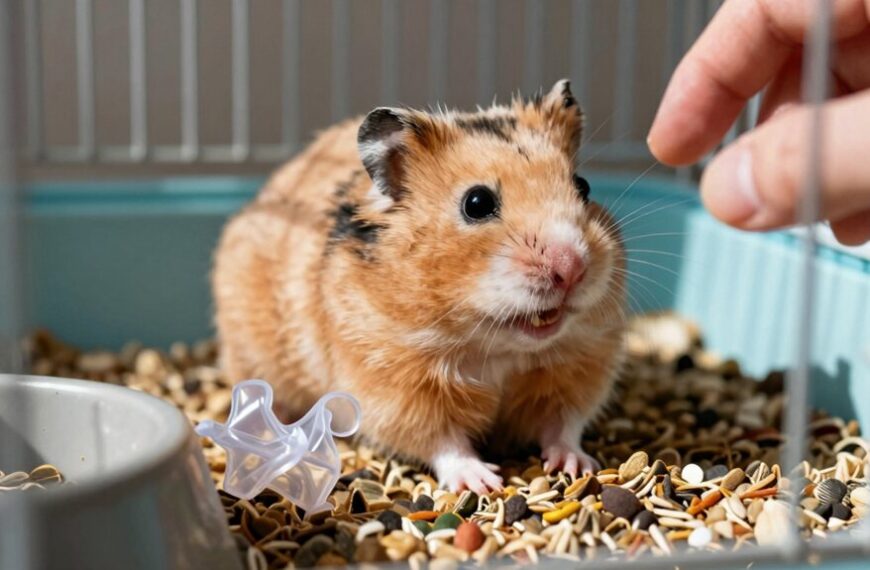
You won’t find the friendliest hamster just by checking gender. Both males and females can be sweet, snuggly pals or a bit feisty. It really comes down to personality, not whether they’re a boy or girl.
Sure, males are often seen as calmer. But your best bet is building trust through gentle handling, treats, and patience. Think of it like making a new friend: it takes time, consistency, and a few shared snacks.
Stick around—there’s more to uncover about raising a happy, friendly hamster.
Male vs Female Hamsters: Which Is Friendlier?

While you might think one gender of hamster is naturally friendlier than the other, the truth is, it really comes down to the individual little furball. You could have two males, one super cuddly and the other a tiny escape artist, and the same goes for females.
It’s not about boy or girl—it’s about personality. Every hamster is a unique little character waiting to surprise you.
Don’t judge by coat color or eye shape. A bold black coat doesn’t mean bold personality, and beady eyes don’t mean grumpy.
Some hamsters warm up fast, others need time and treats. Males often get labeled calmer, but that’s not a rule, just a trend.
Females can be sweethearts or fiercely independent, just like people.
The key? Spend time with them, offer snacks, and let trust grow. Honestly, your bond matters more than gender.
Are Male Hamsters Friendlier Pets?
So, are male hamsters really the friendlier bunch? Well, many owners think so! Male hamsters tend to be calmer and less territorial than females, especially as they grow older.
If you’re looking for a cuddly little buddy who enjoys gentle handling, a male might be your best bet.
But remember, every hamster has its own personality, just like people! To build trust, spend time daily offering treats from your hand and keeping their space cozy.
A proper hamster diet and regular exercise needs met go a long way in keeping them happy and sociable. A well-fed, active hamster is a friendly hamster!
Just don’t expect hugs on demand. Hey, they’re still tiny nocturnal goofballs. Still, with patience and love, your male hamster could become your cheeky little sidekick.
Trust develops over time with patience, calm presence, and warmth, and this foundation is essential for forming a strong bond through consistent, gentle interaction. Trust develops over time
Are Female Hamsters Harder to Handle?
You might’ve heard that female hamsters are feisty or tough to handle, but that’s not the whole story.
Sure, some females show a bit more territorial behavior, especially if they feel their space is invaded.
That doesn’t mean they’re harder to handle.
In fact, aggression levels vary more by personality than by gender.
Think of it like people, some are shy, some are bold, and a few just want their snacks in peace.
With gentle, consistent handling, most female hamsters warm up quickly.
Just give them time to adjust and avoid waking them suddenly.
Nobody likes being startled, right?
A calm approach and a treat or two go a long way.
So don’t write off females as “difficult.”
They can be just as sweet and cuddly as males.
It’s all about patience, trust, and respecting their tiny, dramatic hamster feelings.
How Hormones Affect Hamster Temperament

When your hamster suddenly starts acting like a tiny, furry drama queen, biting the cage bars, ignoring treats, or doing that grumpy upright pose, it’s easy to blame bad manners.
But the real culprit might be hormones.
Hamsters, especially females, go through hormonal cycles that can shift their moods faster than you change their bedding.
These cycles may cause temporary crankiness or even sudden aggression triggers, making your usually sweet pet seem like a tiny, angry wrestler.
Males aren’t off the hook either.
Territorial vibes and mood swings can flare up too.
But don’t panic.
This behavior is normal and usually short-lived.
By staying calm, handling gently, and avoiding sudden moves during these phases, you’ll keep trust strong.
Think of it as your hamster’s version of a moody Monday.
With patience and love, you’ll both get through it.
No drama required.
How Age Changes Friendliness by Gender
You’ll notice young male hamsters are usually super chill and easy to handle, making them great for first-time owners.
As females grow up, they often get a bit more feisty, kind of like a moody teenager who just wants her space.
But don’t worry, once they hit their senior years, both males and females tend to slow down and become sweeter, like tiny furry grandparents who’ve outgrown the drama.
Young Male Temperament
What’s the deal with young male hamsters, sweethearts or tiny tornadoes? Honestly, it depends. Young males are bursting with playful behavior and a curious nature that can melt your heart one minute and scatter bedding across the room the next.
You’ll catch them zooming through tunnels, flipping toys, and sniffing every corner like tiny detectives.
They’re keen to explore, which makes taming them fun, but it takes patience.
While they’re generally calmer than females their age, their energy can feel overwhelming if you’re not ready.
Still, with gentle handling and daily interaction, they bond quickly and show off their affectionate side.
Think of them as goofy puppies in fur coats, messy, lively, but full of love.
So yes, they can be friendly, but don’t expect a couch-potato cuddler just yet.
Give them time, and that wild streak turns into winsome charm.
Female Maturity Shifts
Ever wonder why your sweet little female hamster suddenly acts like she’s running for mayor, of her cage, that is?
Around 3 to 4 months old, female hamsters often go through big changes. Hormonal fluctuations kick in, making them more territorial or moody. It’s kind of like a tiny furball going through puberty.
While males usually stay chill, females can get feisty as they mature. This shift isn’t personal. It’s just part of their social development. They’re wired to be independent, especially as they reach breeding age.
So, if your once-cuddly girl now side-eyes you, don’t take it hard. She’s not mad. She’s just growing up!
Still, consistent handling and gentle interaction can help ease the shift.
Pay attention to her cues, respect her space when needed, and keep bonding time positive.
Understanding these changes helps you love her, mayoral attitude and all.
Senior Hamster Behavior
As your hamster settles into her golden years, you might notice she’s not quite the same feisty politician she became in her younger days. Good news if you were on her “do not disturb” list during her prime.
Senior females often mellow out, becoming more cuddly and less likely to nip during handling.
Males, meanwhile, tend to stay chill throughout life, so their friendliness doesn’t change much with age.
Both genders slow down, sleeping more and exploring less.
But their nocturnal habits still kick in, just with fewer sprint sessions on the wheel.
Keep an eye on their dietary needs.
Older hamsters may need softer foods and fewer sugary treats to stay healthy.
You’ll likely find your senior buddy enjoys quiet time in your palm more than midnight marathons.
Aging brings changes, but love? That stays the same.
How to Gain Your Hamster’s Trust
You can start building trust with your hamster by moving slowly and speaking softly every time you’re near the cage. Sudden moves might make them jump, and not in a good way.
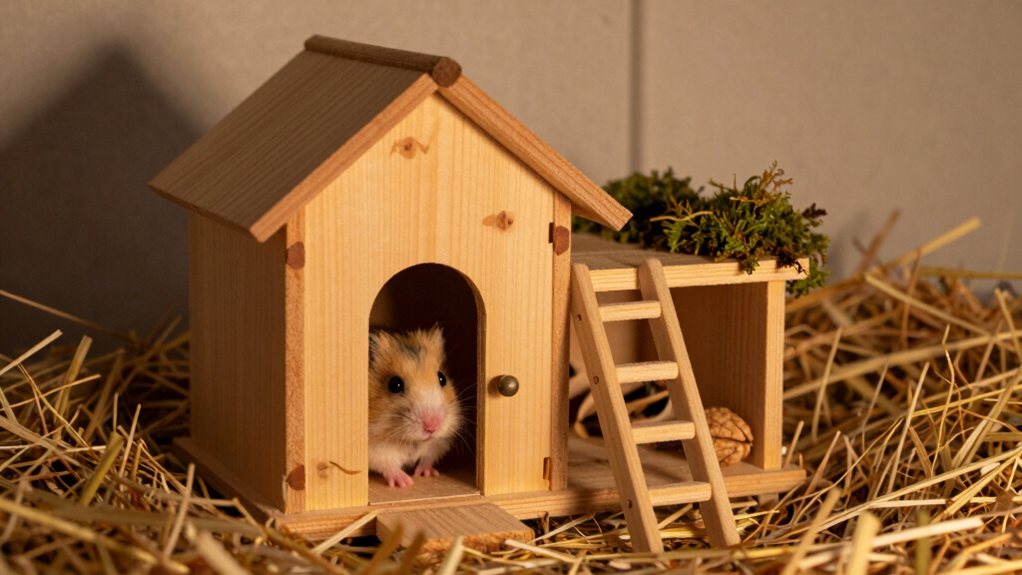
Create a safe space with cozy hideouts and familiar scents so they feel secure, not like they’re living in a reality show.
Stick to a daily routine of feeding, gentle talk, and short hand-outings. Before you know it, your little buddy might actually run toward you instead of vanishing into fluff mode.
A hamster’s defensive behavior is usually rooted in fear rather than aggression, so understanding their stress signals can help prevent bites and build a stronger bond over time. This means paying attention to signs like flattened ears or excessive grooming, which are clear indicators of stress or fear.
Building Gentle Interactions
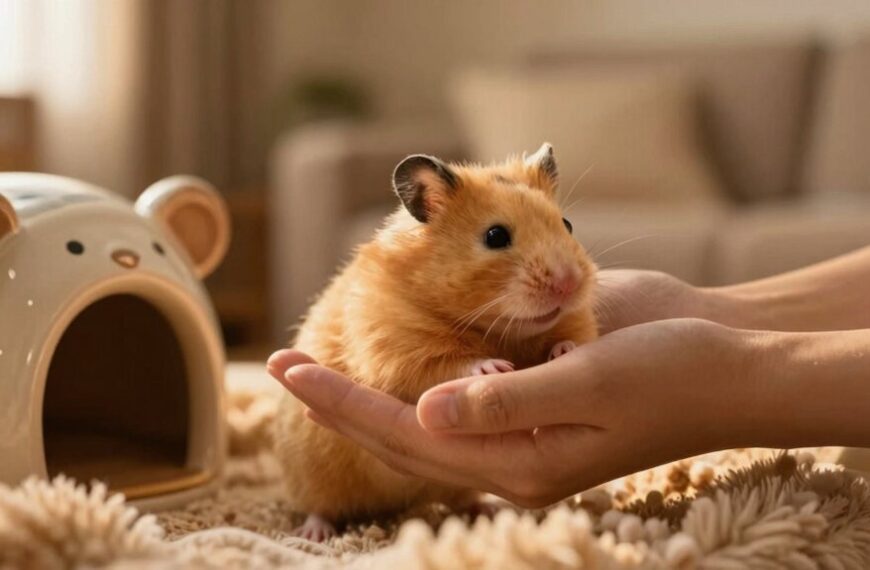
What’s the secret to turning a shy, nibble-hesitant hamster into a cuddle champion? Gentle play and soft handling go a long way. Start by offering treats from your hand, let your hamster come to you. It might take days, but patience builds trust.
Once they’re sniffing your fingers, slowly cup your hands to let them climb in. Don’t grab, that’s a fast track to fear.
Talk softly and move slowly, sudden motions scream “predator!” Spend time near their cage daily so your scent becomes familiar.
When you do pick them up, support their whole body, no dangling legs!
Over time, they’ll nap in your hoodie pocket or nibble a seed on your palm. It’s not magic, just consistency with a sprinkle of love. And hey, if they groom you, that’s hamster gold. You’ve made it.
Creating A Safe Space
A cozy, secure home isn’t merely a nice-to-have. It’s the foundation of trust with your hamster.
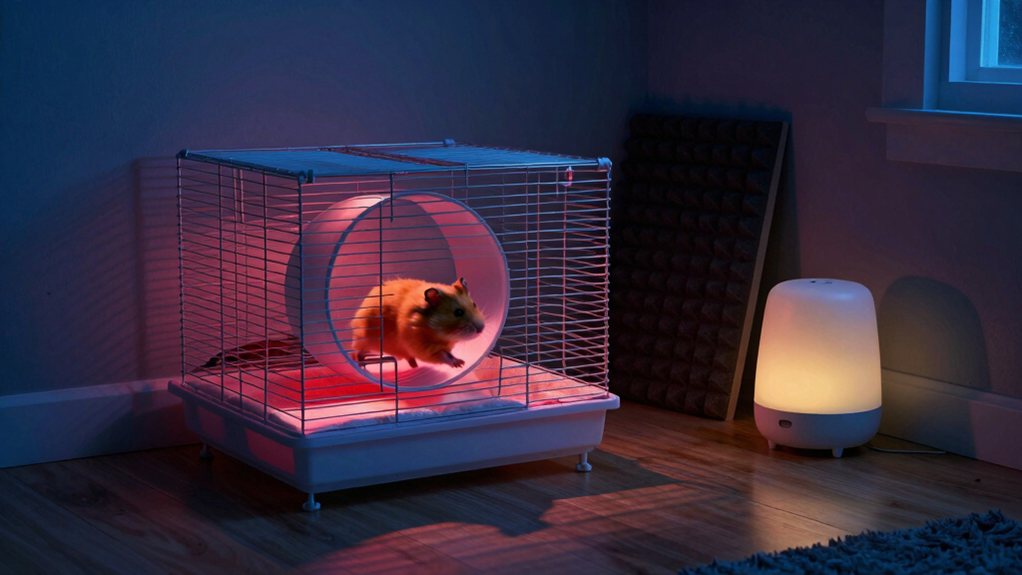
Start by choosing the right cage placement. Pick a quiet corner away from foot traffic, loud pets, or sudden noises. You wouldn’t want your nap interrupted by a barking dog, right? Same goes for your tiny roommate.
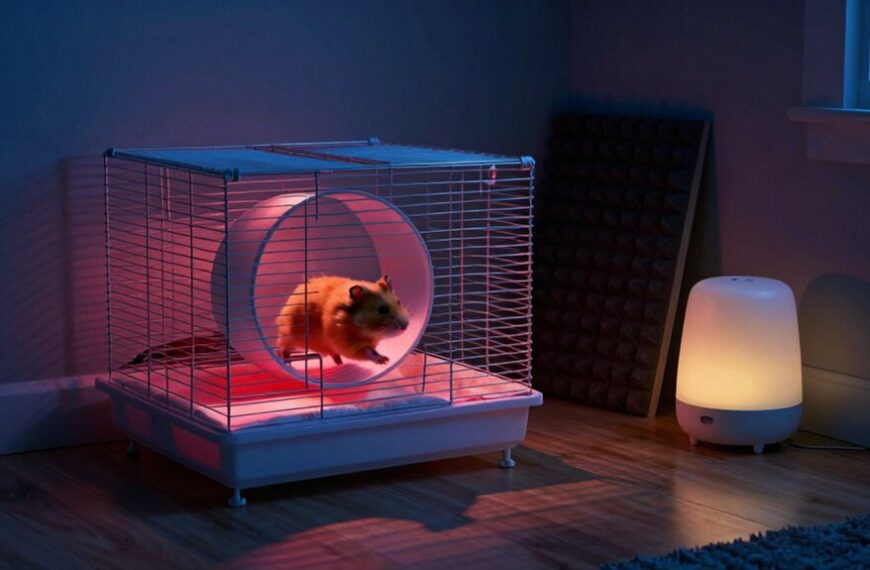
Keep lighting conditions calm. No direct sunlight or harsh overhead lights. A dim, consistent glow mimics their natural twilight world.
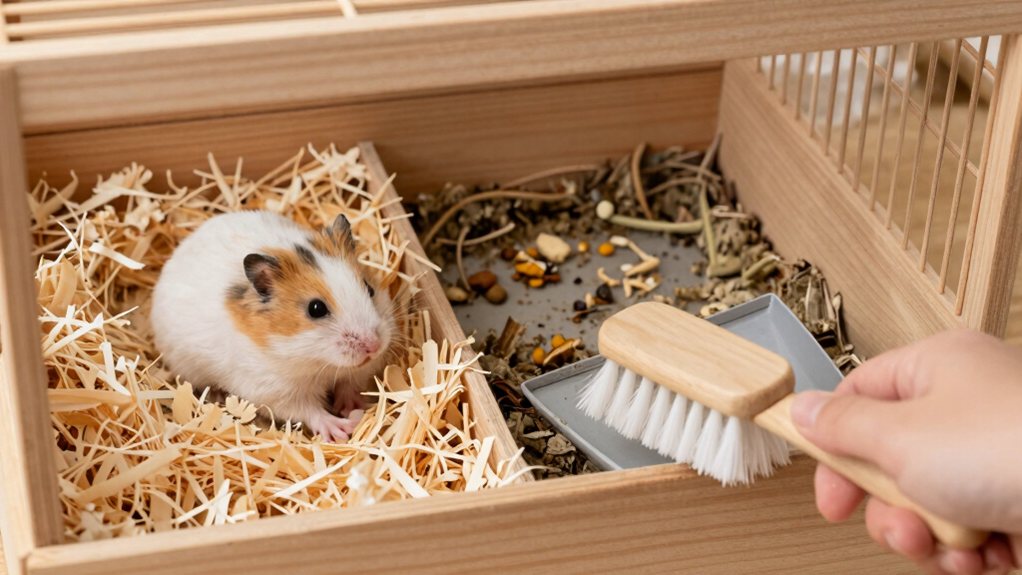
Add soft bedding, a snug hideout, and maybe a cardboard tunnel or two. They’re like five-star hotels to hamsters.
When your hamster feels safe, they’ll peek out more, explore bravely, and maybe even nap belly-up. Trust in action.
You’re not merely building a cage. You’re building confidence.
And hey, who knew peace and quiet could come in a shoebox-sized package?
A chew-proof barrier like a BPA-free PET plastic cover helps prevent injury and escape while maintaining visibility.
Establishing Daily Routines
Ever wonder why your hamster seems nervous one day and curious the next? Consistency is key. Setting daily routines helps your little buddy feel safe and understand what to expect.
Start by feeding, playing, and cleaning at the same times each day, hamsters thrive on predictability.
Stick to calm bedtime habits, like dimming lights and reducing noise, since they’re most active at night.
Carve out regular playtime schedules, even if it’s just 10 minutes, to bond and build trust.
Gently talk to your hamster during these moments. It’ll learn your voice and grow more comfortable.
Over time, they’ll start running to you instead of hiding. It’s not magic, just patience and routine.
Think of it like training a tiny, furry roommate.
Soon, your hamster won’t just tolerate you. It’ll actually look forward to your visits.
Why Personality Matters More Than Gender

Let’s be real, your hamster isn’t applying for a job where gender matters. When it comes to friendliness, personality wins every time.
Sure, hamster genetics play a role, but your tiny buddy’s vibe comes from way more than merely being male or female.
Environmental enrichment, like toys, tunnels, and daily interaction, shapes their behavior just as much.
Think of this:
Two hamsters of the same gender can act totally different, one cuddly, one camera-shy.
A well-stimulated hamster is usually calmer and more social, regardless of sex.
Trust builds through consistent handling, not chromosomes.
You’re merely picking a pet, you’re building a little friendship.
So skip the gender debate and focus on bonding.
With time, treats, and a cozy setup, your hamster’s true and adorable self will shine through.
Debunked: Myths About Male and Female Hamsters
So, do male hamsters really play nicer than females, or is that just hamster hearsay?
Spoiler: it’s the hearsay. Turns out, there’s no solid proof that one gender is friendlier than the other. Your hamster’s vibe depends way more on personality than plumbing.
Forget hamster astrology signs or dream interpretation symbols. Those won’t tell you if your little buddy will cuddle or zoom past you like a furry lightning bolt.
Some males can be grumpy, some females super sweet. It’s a mixed bag.
Thinking all males are cuddly or all females are feisty? That’s like saying all dog owners love jazz. Cute idea, but not how life works.
Focus on handling, bonding, and treats instead of gender myths.
Your hamster doesn’t care if it’s a “Leo” or a “Pisces.” It just wants snacks and a safe space.
Keep it simple, stay patient, and let their true personality shine.
How to Socialize Male vs Female Hamsters
You’ll want to take it slow when bonding with your male hamster. Offer treats from your hand and let him sniff around your fingers so he learns to trust you.
Female hamsters can be a bit feistier. Try gentle, consistent handling during their calmer moments, like early evening.
With a little patience and a soft voice, both guys and gals can become cozy little pals who don’t mind a good chin scratch.
Male Hamster Bonding Tips
While your male hamster might seem like a tiny loner at first, with a little patience and the right approach, he can become a curious and surprisingly affectionate little buddy.
Male hamsters often have chill personalities and enjoy consistent routines, making bonding easier once you understand their quirks.
Unlike females, they usually don’t stress as much over cage hierarchy and tend to be more relaxed during playtime preferences.
To build trust, try these tips:
- Hand-feed treats daily to link your scent with good things.
- Spend quiet time near the cage so he gets used to your voice and presence.
- Start short, supervised play sessions in a safe, enclosed area, let him explore *you*, not only the room.
He might nibble once or twice (oops, wrong snack!), but don’t take it personally.
With time, your little guy could be climbing onto your hand like a furry high-five.
Bites are never a sign of affection, so remember that even curious nipping is usually about exploration or excitement rather than love.
Female Hamster Handling Strategies
Ever wonder why your female hamster seems a bit more independent than her male counterpart? That’s often because of her strong nesting instincts and natural wariness, especially if she’s been around breeding behaviors, even briefly.
To build trust, handle her gently but confidently, offering treats daily to create positive associations. Let her explore your hand first; don’t force contact.
Keep sessions short and calm, avoiding sudden movements. Unlike males, females can be more territorial, so consistency is key.
A quiet space, soft voice, and patient repetition go a long way. Think of it as dating—she needs time to warm up!
With a little persistence and a lot of patience, she’ll soon see you as a friend, not a threat. You’ve got this!
Choosing the Right Hamster for Your Lifestyle
- Time: How many minutes a day can you spend handling or playing?
- Space: Do you have room for a larger cage, or are you limited?
- Noise: Some hamsters are nocturnal ninjas, ready for midnight wheel runs?
Choose wisely, and you’ll both be happy.
Final Thoughts
So, what’s the friendliest hamster gender? Honestly, it’s not that simple. Males tend to be calmer, sure, but every hamster’s a little different.
Like people, they’ve got their own quirks. Age, handling, and personality matter way more than just being male or female. Skip the stereotypes, spend time with them, and you’ll find your perfect tiny buddy. Just don’t expect them to fold your laundry.