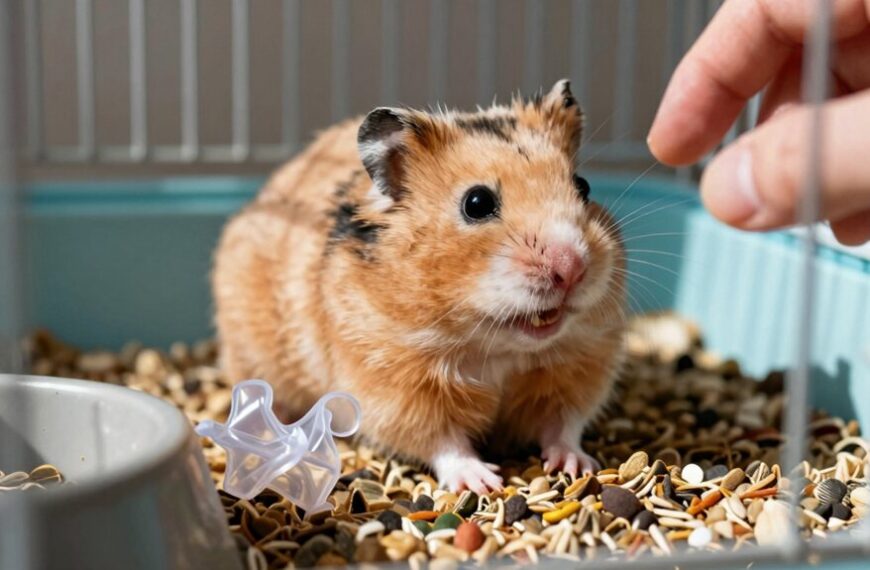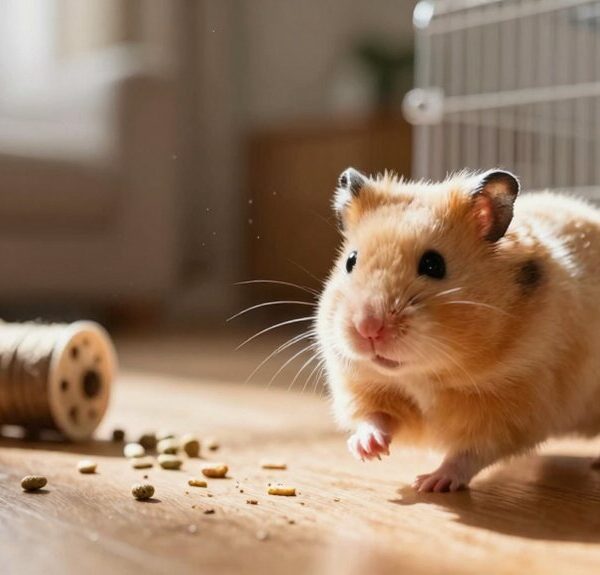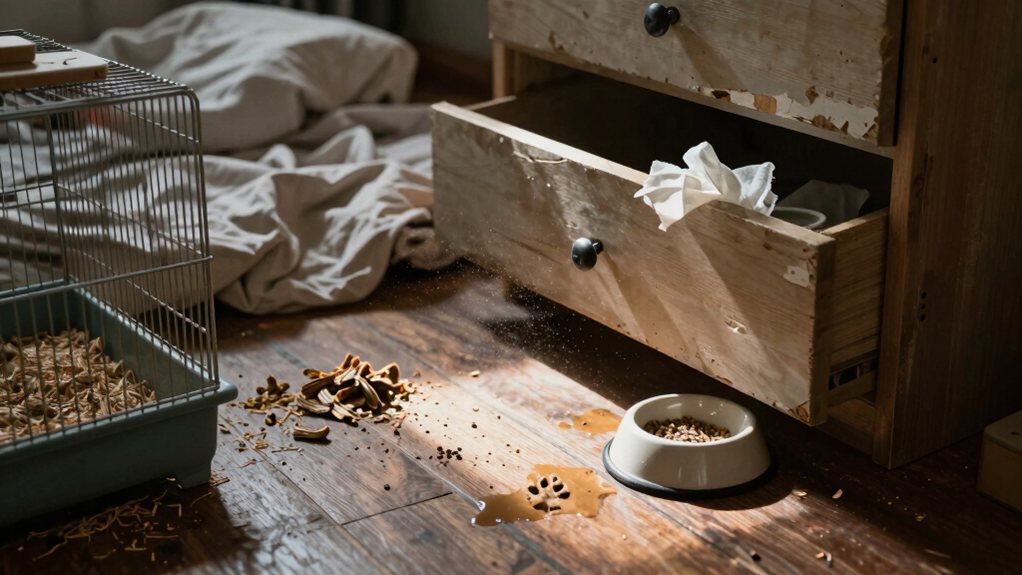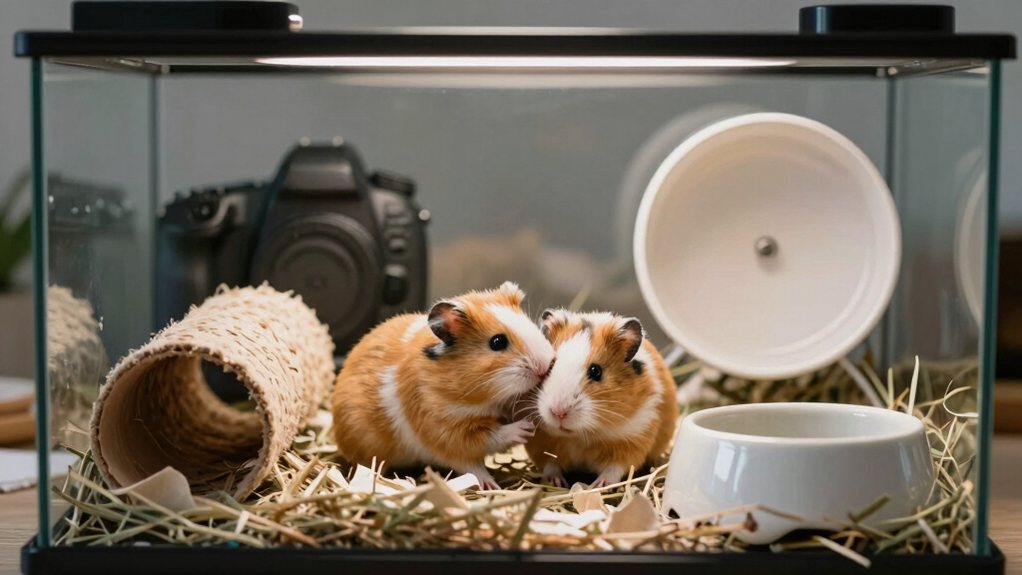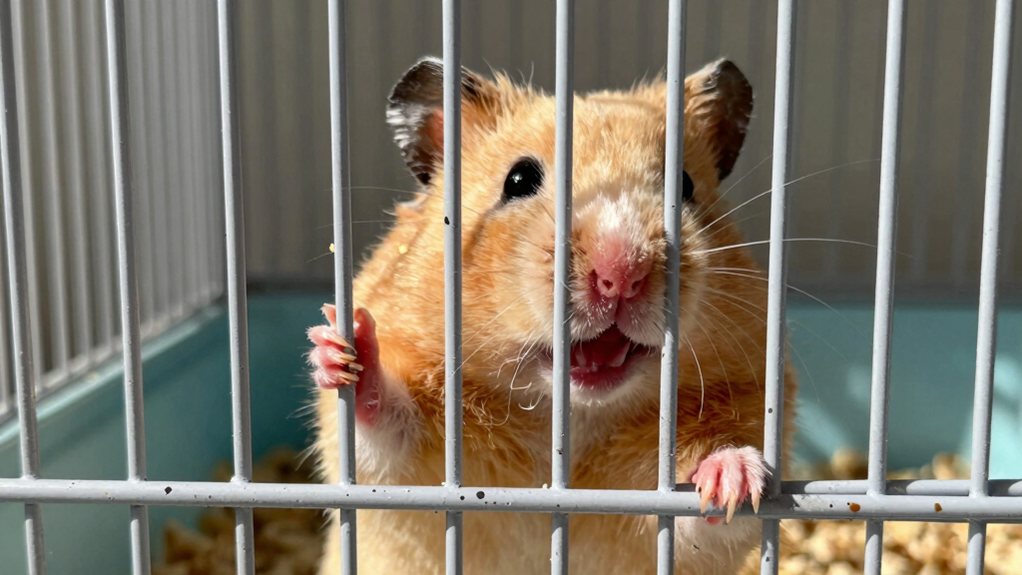
Your hamster chews the cage because their teeth never stop growing, yep, they’re basically nature’s power tools. Without enough to gnaw on, those chompers can get overgrown and painful.
Boredom, stress, or craving attention can also turn the bars into a chew toy. A quiet space, fun tunnels, and safe wooden treats keep them happy and distracted. Give them a cardboard castle or apple wood stick, and you’ll see less bar-biting mischief. Stick around, there’s a simple fix or two you might not have tried yet.
Why Hamsters Chew Their Cage Bars
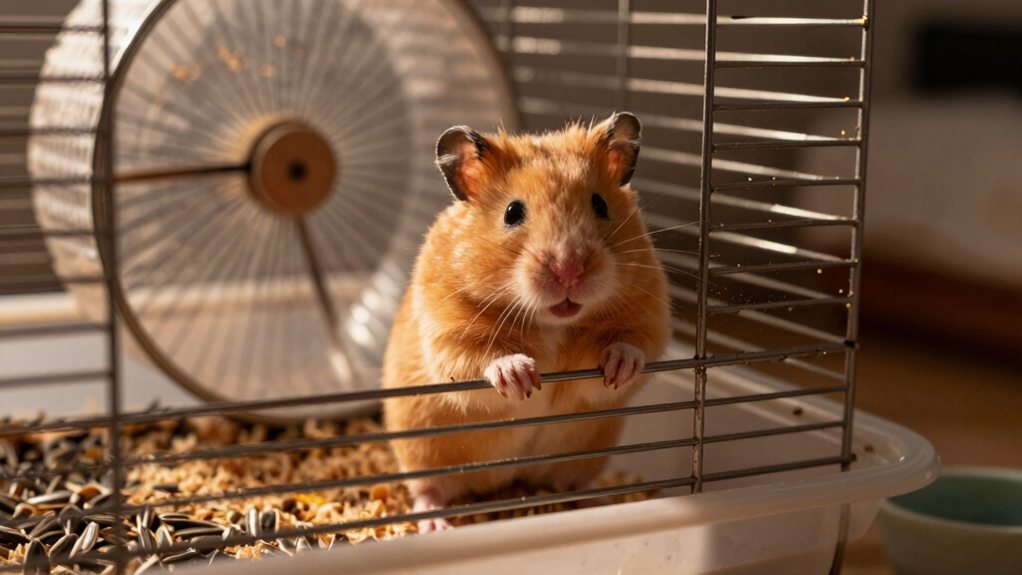
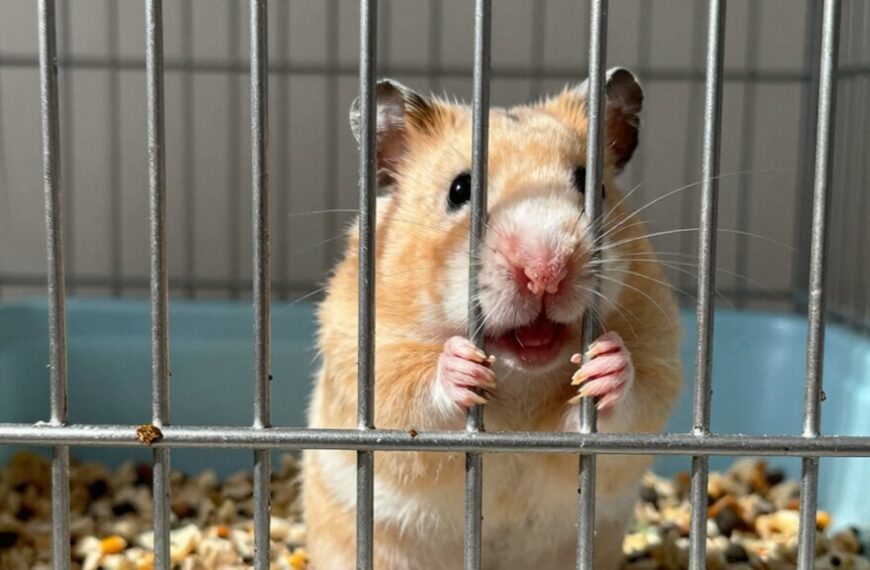
Ever wonder why your hamster spends so much time gnawing on those metal cage bars like they’re auditioning for a prison break?
Your hamster’s not planning a jailbreak—they’re just trying to keep their teeth in check.
Well, it’s not because they hate your decor. Hamsters chew to keep their ever-growing teeth worn down.
But here’s the thing. Chewing cage bars can be risky.
If the cage material safety is poor, tiny metal bits could harm your little buddy.
Plus, if the bar spacing concerns you haven’t checked, their head or limbs might get stuck. Yikes!
Chewing bars might also mean your hamster’s bored or stressed.
They need chew toys, tunnels, and fun stuff to stay happy.
Think of it like giving them a Netflix and chew combo.
Swap out unsafe cages for ones with proper spacing and safe materials.
Your hamster isn’t plotting escape. They just need better entertainment.
Give them wood blocks or cardboard tubes, and you’ll both breathe easier.

🐹【Hamster Chewing Toy Set】Hamster chewing toy made of natural wood, durable apple branches as molar tools for your pets, timothy grass cake rich in dietary fiber promotes digestion, rolling seaweed balls, wooden seesaws and swings, and extra long play pipeline and various fun toys can keep your little pet healthy and happy.
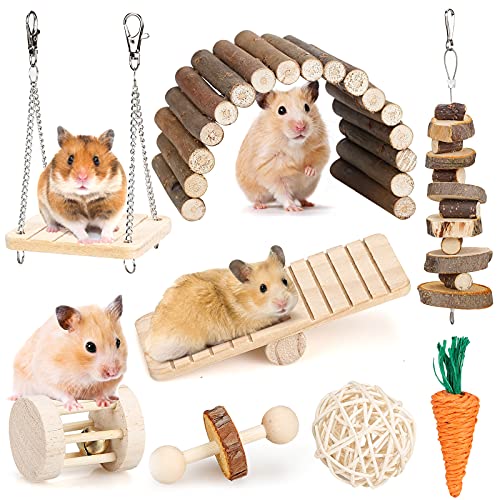
【Durable Molar Tools】:Hamster chew toys are made of apple branch and crude wood which are eco-friendly and bite-resistant.As molar tools for your pets,helping them grind the growing teeth and prevent they from chewing the cage and other furniture! Good toys to play and molar,keep your lovely pets healthy and active.

【11Pack Hamster Activity Toys】Hamster activity toys set includes apples wood molar string, apples wood dumbbell, unicycle, bell roller, square molar block, apples wood ladder bridge, 50g apple branch,2* pinecone, seagrass ball, willow rattan ball. Very suitable for small animals molar and relieve tne boredom.
Overgrown Teeth: The #1 Reason
You know that constant chewing your hamster does? It’s more than cute. It’s a must, because their teeth never stop growing.
If those little pearly whites get too long, they can hurt, making your hamster uncomfortable and grumpy, kind of like us when we need a haircut.
That’s why they chew on the cage bars to keep their teeth in check and stay feeling their best.
Overgrown Teeth Cause Discomfort
While it might seem like your hamster’s gnawing on the cage bars is just a quirky habit, there’s often a more serious reason behind it. Those tiny teeth are growing nonstop, and if they get too long, they can cause real discomfort.
Imagine having teeth that never stop growing. Sounds wild, right? Well, your hamster deals with that every day.
When their teeth overgrow, it can lead to dental pain and even jaw misalignment, making it hard to eat or close their mouth properly.
That cage biting? It’s not mischief. It’s your little buddy trying to file down those pearly whites.
Without proper chew toys, those teeth can really throw a wrench in their day. So instead of scolding them, give them safe things to gnaw on.
Think of it as hamster dental care. You’ll both feel better knowing they’re comfy, pain-free, and not using your cage as a chew toy.
Chewing Helps Manage Growth
Teeth that never stop growing, yep, your hamster’s got a built-in chew machine. That’s why chewing isn’t just a habit; it’s a must for their dental health.
Every time your little buddy gnaws on something, they’re naturally wearing down those ever-growing incisors. Without this, their teeth could overgrow, causing pain or even injury.
It’s a natural instinct, deeply wired into their behavior, like scratching an itch they can’t ignore.
Think of it as their version of brushing and flossing, minus the toothpaste. So when your hamster bites the cage, they mightn’t be mad, they’re just trying to stay healthy.
Offer safe chew toys, wooden blocks, or cardboard tubes to help them out. You’ll save your cage bars and support their well-being at the same time. Win-win!
Just remember, a chewy hamster is a happy, healthy hamster.
Boredom: When Hamsters Need More Fun
Ever wonder why your hamster turns into a tiny cage-chewing machine when you’re just trying to give them a peaceful home? It might be boredom. Hamsters have big exercise needs and hate being stuck in the same small space all day. Without a wheel, tunnels, or toys, they get restless fast.
Social isolation plays a part too. Even though they’re not super social, they still need stimulation. Imagine being cooped up with nothing to do but stare at the same bars. That’s when cage biting starts.
You can fix this by giving your little buddy more fun. Add chew toys, change up their setup, or let them explore a playpen.
A happy hamster is a busy hamster. So, mix in some adventure, and you’ll likely see less chewing and more zooming. Trust us, your furry friend will thank you, with fewer gnaw marks.
Common Stressors in Their Environment
What’s bugging your hamster lately? Could it be the noise, the lights, or maybe that squeaky door they hear every five minutes? Hamsters are tiny, but their stress levels aren’t. They’ve got serious noise sensitivity and can get jumpy over things we barely notice.
That means your late-night gaming session or the vacuum cleaner might be sending them into full panic mode. Combine that with their natural territorial behavior, and your hamster might start gnawing the cage just to cope.
Here’s what could be stressing them out:
- Loud TVs or music blasting nearby
- Sudden movements or too much handling
- Other pets staring or prowling close by
- Constant bright lights, especially at night
Keep their space calm and predictable. A chill hamster is a happy hamster—and way less likely to treat their cage like a chew toy.
Is Your Hamster Chewing for Attention?

You might think your hamster’s just bored, but sometimes that cage-chewing is their quirky way of saying, “Hey, notice me!”
When they don’t have enough toys or fun stuff to do, they’ll chew to get your attention, kind of like a tiny, furry drama queen.

Material:Hamster lava block chew toy made of natural lava rock,natural mineral with calcium.Rabbit teeth grinding stone is ideal material for pet grinding teeth.Shape of rabbits lava block for pet to chew safely,promote cleanliness and health of teeth

Coming with 30 pieces of lava stones, each with a hole, you can hang it with string on the cage, easy to carry and enough for a long time use. It's lightweight, most pets will be able to push, toss, and roll it

KEEP TEETH---Hamster teeth grinding stone effectively help rodents grinding teeth for preventing the incisors too long to affecting eating. They are rich in unique high calcium element.
Lack Of Stimulation
Could it be that your hamster’s constant cage chewing isn’t just a habit, but a cry for something more?
A lack of stimulation can lead to social isolation and mental fatigue, even in tiny paws.
Hamsters are curious creatures who need more than just a cage to thrive.
Without enough to do, they get bored, really bored, and start gnawing to cope.
You wouldn’t want to sit in a blank room all day, right?
Try spicing up their world with:
- A colorful maze made of cardboard tubes
- A digging box filled with shredded paper
- A tiny exercise wheel that actually spins effortlessly
- Puzzle feeders that make them work for treats
A little enrichment goes a long way.
Keep their mind busy, and those cage bars might finally get a break!
Seeking Interaction
Ever wonder why your hamster turns into a tiny, determined chewer the moment you sit down to watch TV? It mightn’t be boredom. Your little buddy could be seeking interaction.
Hamsters are smarter than they look and quickly learn when you’re around. That cage biting? It’s their way of saying, “Hey, notice me!”
They crave social bonding, even if it’s on their quirky terms.
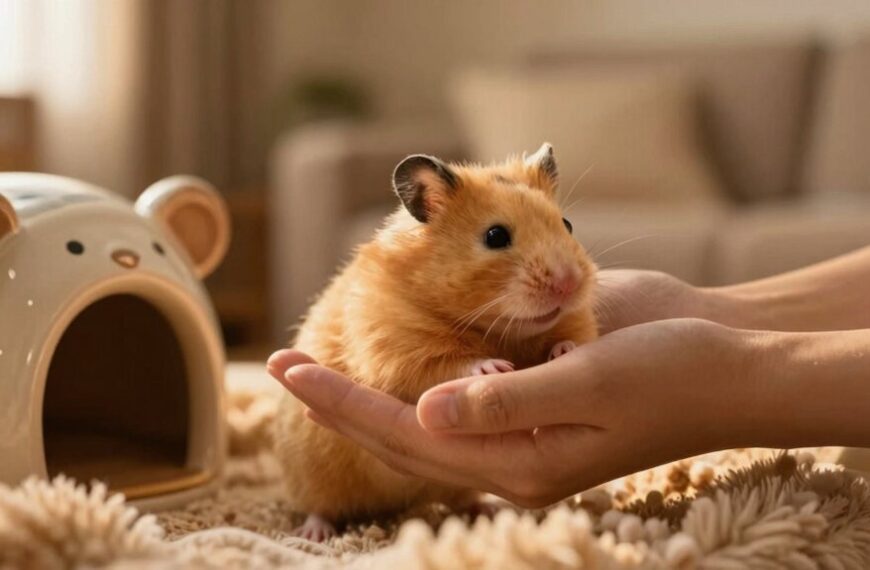
Instead of ignoring the chatter, try responding with playful nudging through the bars or offering a treat by hand. You’ll strengthen your connection and redirect that energy positively.
Think of it as their version of calling your name, just with more teeth.
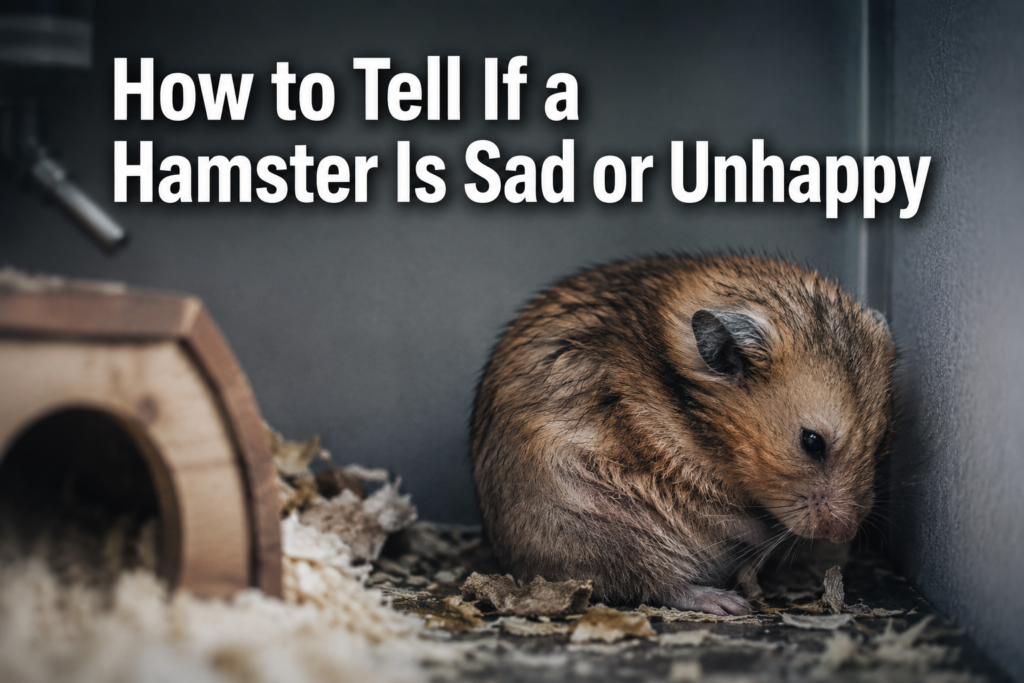
Signs of a Stressed or Unhappy Hamster

What’s going on when your usually cheerful hamster starts acting out?
It might be showing anxiety symptoms or feeling stressed.
Hamsters are sensitive little pals, and when they’re unhappy, they let you know, just not in words.
You’ll need to read their tiny, twitchy cues.
Here are 4 signs your hamster might be stressed:
- Constant cage biting – It’s not a power move, it’s a cry for help.
- Excessive grooming or fur loss – Like nervous habits in people.
- Aggressive territorial behavior – Suddenly guarding food like a tiny dragon.
- Lethargy or hiding nonstop – Not cute naps, but sad retreats.
If your hamster’s acting off, don’t panic.
Check their space, noise levels, and routine.
A little love and adjustment can turn that frown, well, whisker twitch, around.
You’ve got this!
7 Ways to Stop Excessive Cage Chewing
So, why’s your hamster turning the cage into a chew toy? It might be more than boredom. Sometimes, food scarcity makes them anxious, and they chew to cope.
Other times, it’s territorial behavior kicking in, especially if they feel their space isn’t secure.
The good news? You can help. First, give your hammy plenty of chew-safe toys: wood blocks or cardboard tubes work great.
Make sure they’re getting enough food and fresh water daily to ease any stress about scarcity.
Add hiding spots to make their cage feel cozier and more private, which helps calm territorial instincts.
Rotate toys weekly to keep things interesting.
And hey, spend time with them. Playtime outside the cage reduces boredom and builds trust. A little attention goes a long way.
Chew marks on the bars? No biggie—just redirect that energy. With a few tweaks, you’ll both be happier.
Best Chew Toys and Enrichment Ideas
How do you keep your hamster happily chewing the right things and not your cage bars?
It’s all about giving them safe, fun options that mimic their natural habitat and wild behavior.
In the wild, hamsters chew on twigs, seeds, and plants.
So we’ve got to bring a little of that outdoorsy fun indoors.
Here are four great chew toys and enrichment ideas:
- Apple wood sticks – Safe, tasty, and perfect for gnawing.
- Cardboard tubes – Free, easy to replace, and they love tunneling through them.
- Unsalted nut blocks – Keep them busy crunching and mentally stimulated.
- Homemade paper nests – Let them shred and burrow like they’d in the wild.
Swap these in regularly, and you’ll see less cage biting and a lot more happy, busy chewing.
Your hamster will thank you, probably with a cheeky side-eye.
Final Thoughts
You’ve got this! Chewing’s normal, but when your hamster turns the cage into a chew toy, it’s time to mix things up. Swap bars for fun toys, add cozy tunnels, and keep those teeth in check.
A little boredom buster goes a long way. Your tiny friend just wants to explore, not redecorate. Give them love, laughter, and a good apple wood stick, and you’ll both sleep easier.

Easy Portable Design: Cage dimensions measure 24 inches length by 16 inches width by 24 inches height, featuring all-metal construction with 3 levels, wire shelves, and ladders with tight 3/8-inch cross bar spacing
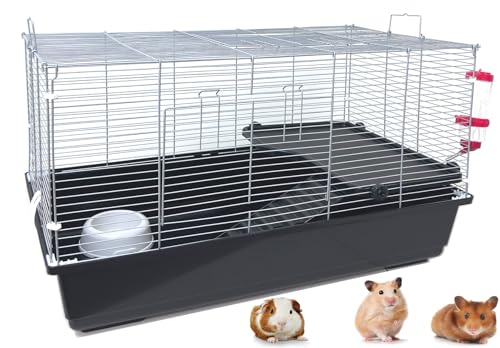
VERSATILE AND SPACIOUS DESIGN: Stylish and Beautiful With Silver Glossy Metal Wires Painted Frame and Black Heavy Duty Base. 2-Level, Large Size: 31" x 18" x 20"H

Extra Large Two-Tier Spacious Design: Durable wrought iron construction that is easy to assemble, providing a secure and long-lasting home for your small pets