You scoop the poop every few days with a small, safe scoop and toss it in a sealed bag. No one likes surprise stink bombs. Use gloves and pet-safe cleaners, then wash your hands like you just touched a sneezy hamster. Bag it, bin it, and keep that cage fresh.
Compost only if you’re sure the bedding’s safe. No cedar or meds. Doing it right keeps your little buddy happy, healthy, and far from funky fumes. There’s a bit more to get just right, so stick around to nail the details.
How Often to Clean Hamster Poop

You’ll usually want to scoop out your hamster’s poop a few times a week, think every two to three days, to keep their little home fresh and healthy.
How often you clean depends on your hamster’s poop frequency, which ties directly to their hamster diet.
If your furry buddy eats lots of fresh veggies or high-fiber food, they’ll likely poop more, so you might need to scoop a bit more often.
A full cage clean should happen weekly to prevent odors and bacteria buildup. Don’t wait until it smells, trust us, you’ll know!
Spot cleaning spots (pun intended) between deep cleans keeps things under control.
Think of it like tidying your room: a little effort now saves a big mess later.
Your hamster will thank you with happy zoomies and fewer stinky surprises.
Stay on top of it, and you’ll both enjoy a cleaner, cozier space.
After all, nobody likes a dirty litter box, not even tiny paws.
Daily spot cleaning helps manage waste buildup and maintains a healthier environment between full cleanings.

Designed for Exotic Pets:Specially made for hamsters, gerbils, hedgehogs, reptiles and other small exotic pets with fine sand baths.

Compact Size: Measuring 9 inches x 2.7 inches, this small litter scoop fits almost perfectly in all sand baths, reptile enclosures, and small pet habitats—large enough for thorough cleaning, yet compact enough for easy storage without taking up extra space

【Size and Fit】Designed at 9 by 2.7 inches to fit most hamster sand baths, reptile tanks, and small animal habitats without being too large or too small for efficient cleaning.
Spot-Cleaning vs. Full Changes: What’s Best for Hamster Poop?
Keeping up with your hamster’s bathroom habits doesn’t mean you have to tear the whole cage apart every time a little poop shows up. Spot-cleaning is your best friend for daily upkeep, just scoop out the droppings and any soiled bedding. It’s quick, easy, and keeps odors under control without stressing your little buddy.
Hamsters are creatures of habit, and constant full cage changes can disrupt their sense of security. That said, a full change once a week is still important to maintain hygiene. When you do, wash cage decorations and replace all bedding.
Watch your hamster behavior closely. Some get grumpy during cleanings, others couldn’t care less. Either way, consistency is key. Spot-clean often, do a deep clean weekly, and your hamster and nose will thank you. It’s all about balance, like keeping a tiny roommate happy without losing your sanity.
Daily spot cleaning helps prevent bacterial growth and keeps your hamster healthy.
How to Safely Remove Hamster Poop
You’ve got this, just scoop out the poop each day to keep your hamster’s home fresh and comfy.
Grab a small spoon or pet-safe tool (no forks, please—your hamster’s not dinner!) and toss the waste in a sealed bag or compost bin.
It’s quick, simple, and keeps both you and your tiny roommate happy.
For long-term hygiene, remember to perform a full weekly deep cleaning to prevent odor buildup and maintain a healthy environment.
Daily Spot Cleaning
Ever wonder how to keep your hamster’s home fresh without turning it into a science experiment? Daily spot cleaning is your best friend. Just grab a small scoop or even a spoon and quickly remove any droppings you see, especially near the corner where your hamster loves to go.
Pay attention to changes in hamster behavior. If they’re extra fidgety, they might be telling you the space needs a tidy-up.
Use safe, dust-free bedding material like paper-based or aspen shavings, and avoid anything scented. Replace only the soiled bits, not the whole layer. Your hamster likes their familiar scent!
This quick cleanup keeps odors low and your little buddy happy. Plus, it’s way easier than a full cage overhaul.
Think of it as a mini spa treatment for your furball. A clean cage means a healthy, playful hamster—and that’s always worth the few minutes it takes.
Regular spot cleaning also reduces the risk of harmful ammonia buildup that can affect both your hamster’s health and your own.
Use Safe Cleaning Tools
Now that you’ve got the daily scoop down, literally, it’s time to talk about the tools you’re using to clean up. Grab gloves to protect your hands, and choose a small dustpan and brush that make it easy to sweep up droppings without a mess.
Avoid harsh chemicals. Your hamster’s cage needs gentle care.
Instead, go for eco friendly tools like biodegradable poop scoops or reusable silicone ones.
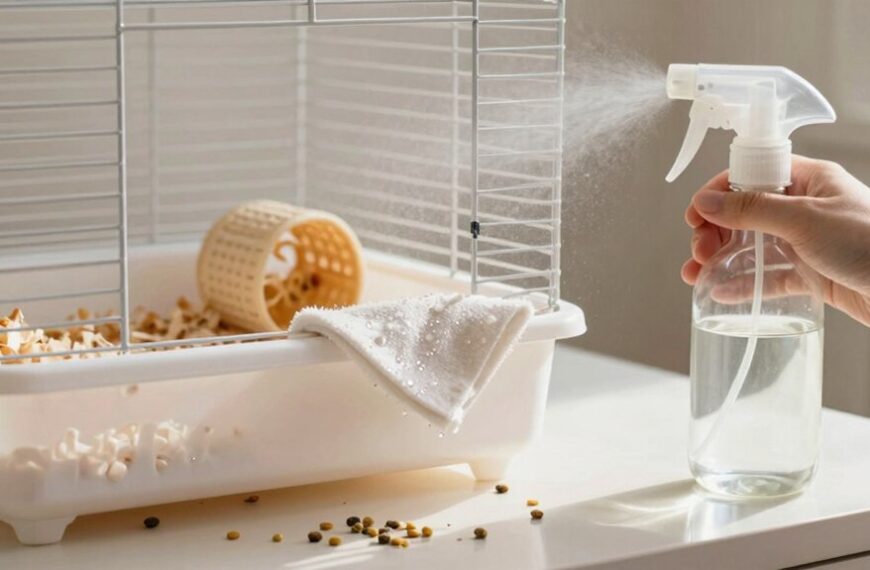
When disinfecting, swap out toxic cleaners for natural disinfectants like diluted vinegar or pet-safe sprays. They work well and keep your tiny buddy safe.
A soft sponge or microfiber cloth helps wipe surfaces without scratching.
Just remember: what’s safe for you mightn’t be safe for your hamster. Keep it simple, green, and kind. Your pet and the planet will thank you.
Cleaning doesn’t have to be gross. With the right tools, it’s a breeze.
A vet-approved disinfectant like SO PHRESH Habitat Cleaner ensures effective cleaning without exposing your hamster to harmful residues.
Dispose of Waste Properly
While your hamster may be tiny, their poop pile can get pretty impressive. So handling it the right way matters. You want to keep your space clean and your pet safe, but also think about the bigger picture.
Here’s how to dispose of waste properly without stressing.
- Scoop the droppings daily using gloves and a small shovel, your nose (and hamster) will thank you.
- Toss soiled bedding in a sealed bag to reduce odor and prevent mess from spreading.
- If you’re using paper-based, non-toxic bedding, consider composting benefits. Just skip this if your hamster is on medicated food.
Proper disposal lowers environmental impact and keeps your home fresh.
Plus, your hamster will love their clean, cozy space. A little effort goes a long way—both for their health and the planet. Win-win!
How to Throw Away Hamster Poop (Without Risk)

You’ve scooped it, now let’s get rid of it, safely and without grossing out your roommates. Wear gloves and seal the poop in a plastic bag to keep smells and germs contained, because nobody wants a surprise stink bomb in the trash.
Flush it if your vet says it’s okay, or toss it in an outdoor bin with a tight lid. Simple, smart, and stink-free.
Safe Handling Practices
Let’s face it, cleaning up after your tiny furball isn’t the most glamorous part of hamster ownership, but doing it safely keeps both you and your little buddy healthy.
When handling hamster poop, your habits matter just as much as your choice of bedding types or understanding hamster behavior.
Stay safe and sane with these simple steps:
- Wash your hands before and after cleanup, yes, even if you were just saying goodnight to your squeaky-cheeked pal.
- Wear disposable gloves to avoid direct contact, because nobody wants surprise germs from a poop patrol gone wrong.
- Use a small scoop or tissue to bag the waste, then toss it in a sealed trash can, out of reach from curious noses, yours or theirs.
A little caution goes a long way in keeping your home clean and your hamster happy.
You’ve got this!
Proper Waste Containment
A clean cage means a happy hamster, and a healthier you. So getting the poop disposal right matters.
When it’s time to scoop, use biodegradable bags to toss the waste. They break down easier than plastic, which is better for the planet and your conscience.
For odor control, seal the bag tight and don’t let it linger. Nobody wants a surprise stink bomb in the trash can.
Keep a small bin near the cage with a lid to stash soiled bedding and droppings between full cleanings. It cuts down on smells and makes daily upkeep a breeze.
And hey, your hamster may be tiny, but their waste adds up. Just remember: quick cleanup, smart containment, and a little humor go a long way. Your nose and pet will thank you.
Disposal Method Options
So, where does the poop go from here? You’ve contained it properly, great job! Now it’s time to choose a safe, smart way to say goodbye.
How you toss that tiny trash matters more than you think.
- Flush it? Only if your hamster’s bedding is flushable, otherwise you’re risking clogs and plumbing drama.
- Trash it? Wrap it tightly in a bag to avoid odors and mess. It’s simple, but remember: this adds to landfill waste and increases your environmental impact.
- Compost it? Yes, really! With the right setup, hamster poop offers composting benefits, nutrient-rich gold for your garden (just skip the cedar or pine bedding).
Choosing wisely keeps your home clean and the planet happier.
You’re more than just cleaning a cage. You’re making eco-choices.
And hey, your hamster may be small, but your impact doesn’t have to be.
Safe Cleaning Supplies for Hamster Cages
Wondering what you can actually use to clean your hamster’s cage without sending them into a sneezing fit? You’re not alone.
Stick to gentle, non-toxic cleaners like diluted white vinegar or a mild dish soap. Your tiny friend will thank you.
Avoid harsh chemicals. They’re rough on little lungs.
Instead, try natural deodorizers like baking soda to keep smells at bay. It’s safe, cheap, and works like a charm.
When wiping things down, use a soft cloth or sponge. No scrubbing like you’re attacking a burnt pan.
For eco disposal, toss soiled bedding into a compost bin if it’s paper-based. Check first.
Plastic or chemically treated stuff? Straight to the trash.
Cleaning doesn’t have to be a drama-filled event.
With the right supplies, it’s quick, safe, and kind to your pet.
Your hamster mightn’t throw you a party, but their happy little zoomies? That’s the real reward.
Enzyme-based cleaners are highly effective at eliminating odors without irritating your hamster’s sensitive respiratory system, making enzyme-based formulas a top choice for safe, thorough cleaning.

Unique Design: Transparent front window design guinea pig carrier, meet with that pets like to pay close attention to the surrounding environment, and allows you to see small animals everything inside the handbag. At the same time, the transparent window is separated from the bottom of the zipper, making it easier and safer for pets to enter and exit

High-quality Material: This hamster carrier bag is made of high-quality sponge, the texture is soft, comfortable, breathable and warm

✔ BONDING - Your pet can snuggle up inside and be on the go with you.
Stop Cage Smells and Health Risks
While your hamster mightn’t mind a little funk, letting cage smells build up isn’t just gross. It’s a fast track to health headaches for your tiny roommate.
Poor odor prevention can lead to respiratory issues and stress, which messes with your hamster’s behavior: like making them grumpy or extra sleepy.
Keep things fresh and safe with these simple steps:
- Spot clean daily – Scoop out wet bedding and poop to stop stink before it starts
- Deep clean weekly – Swap all bedding and wipe down surfaces to crush bacteria
- Use odor-absorbing bedding – Paper-based options trap smells and keep your pal comfy
Staying on top of cleaning doesn’t just help with odor prevention. It keeps your little buddy happy, healthy, and acting like their adorable, zoomie-filled self.
Trust us, both you and your hamster will breathe easier.
A smart addition to your routine is using liners with bamboo charcoal odor control, which actively neutralize ammonia and VOCs at the source.
Why Proper Hamster Poop Disposal Matters

You’ve already tackled the stink and kept your hamster’s home fresh with smart daily and weekly cleaning.
So now let’s talk about what actually happens to all that poop once it’s out of the cage.
Proper disposal isn’t merely about tossing it in the trash. It matters for your pet’s health and yours.
Proper disposal isn’t just about convenience—it’s a crucial step in protecting both your hamster’s well-being and your own.
Did you know hamster behavior can change if their space isn’t clean? A dirty cage stresses them out, and stressed hamsters aren’t happy hamsters.
Plus, tracking their waste helps you catch issues early, like diarrhea or unusual droppings, which could signal illness.
By handling poop the right way, you’re not merely cleaning up. You’re waste tracking like a pro.
It’s simple: bag it, seal it, and trash it.
No composting, sorry, gardeners. This keeps bacteria away and keeps your tiny buddy safe.
You’ve got this. Cleanliness is part of good pet love!
A clean environment starts with spot-clean every 2–3 days to prevent odor and health risks.
Final Thoughts
You’ve got this! Tackling hamster poop doesn’t have to be gross or stressful. Just spot-clean regularly, use safe supplies, and toss waste properly. Your little buddy will thank you.
A clean cage means a happy, healthy hamster, and a happier you, without the stink! Think of it as part of the pet-parent deal. Messy, but totally worth it. Keep it simple, stay consistent, and maybe wear cute gloves. You’re doing great!

Anti-Bite and Anti Dirt: When you need to pick up a hamster, this hamster clamp can help you treat it without contact and prevent feces from getting your hands dirty. At the same time, you can also use it to clean the hamster's bedding, transfer the hamster, and keep the hamster itself free from your scent
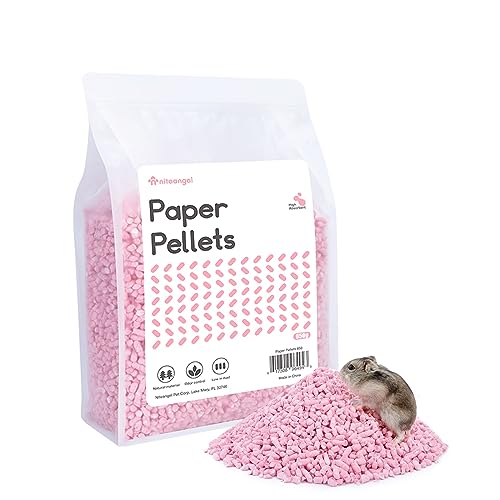
[Natural Material Paper Bedding] Are you still worried about the annoying smell of your tiny pet farm? Niteangel small animal paper bedding are made of natural pulp, which has strong water absorption, which can better absorb the annoying smell of the cage, and it will not deform in contact with water, allowing hamsters to have more fun rolling and digging.

FUN CONFETTI PIECES that provide mental enrichment for your pet