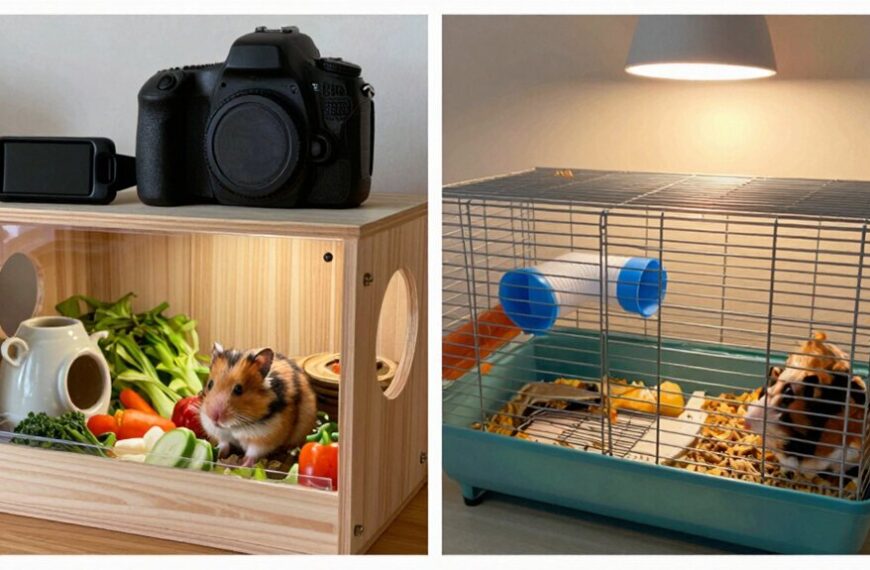
Most hamster deaths in the first six months stem from preventable owner mistakes, not genetic issues or bad luck. The gap between what pet stores recommend and what hamsters actually need creates a welfare crisis that plays out in living rooms across the country. Understanding what not to do when owning a hamster matters more than memorizing care checklists, because the wrong cage, wheel, or housing decision doesn’t just cause discomfort; it shortens lives.
This guide cuts through the generic advice to address the specific mistakes that lead to wet tail, barbering, cage aggression, and premature death. Whether you’re researching before bringing a hamster home or troubleshooting problems with your current setup, these are the concrete errors to avoid.
Key Takeaways
- Cage size and setup errors kill more hamsters than any other mistake, minimum 450 square inches floor space, 6+ inches bedding depth, and species-appropriate wheel diameter are non-negotiable
- Syrian hamsters must live alone after 8-10 weeks; cohabitation attempts cause fatal injuries and chronic stress regardless of cage size
- Bar spacing, wheel design, and substrate type directly impact respiratory health, spinal alignment, and natural burrowing behaviour, cheap starter kits fail on all three
- Daytime handling and bright lighting during their rest period creates cumulative stress that suppresses immune function and shortens lifespan
- Skipping vet care for diarrhea, lethargy, or breathing changes allows treatable conditions like wet tail to become fatal within 48 hours
Housing Mistakes That Compromise Hamster Welfare
Undersized Cages and Inadequate Floor Space
The 450 square inch minimum (620 square inches in the UK and Europe) isn’t arbitrary, it’s the threshold below which stereotypic behaviours like bar chewing and repetitive pacing become statistically significant. Pet store “hamster starter cages” typically offer 200-360 square inches, forcing hamsters into chronic stress states.
Minimum cage dimensions by species:
| Species | Minimum Floor Space | Recommended Wheel Diameter | Bar Spacing |
|---|---|---|---|
| Syrian | 450 sq in (80×50cm) | 10-12 inches | 1cm maximum |
| Dwarf (Campbell’s, Winter White) | 450 sq in | 8 inches minimum | 0.7cm maximum |
| Roborovski | 450 sq in | 6.5-8 inches | 0.6cm maximum |
| Chinese | 450 sq in | 8 inches | 0.7cm maximum |
Wire cages with multiple levels don’t count toward floor space, hamsters are ground-dwelling burrowers, not climbers. Falls from upper levels cause internal injuries that often go unnoticed until the hamster stops eating.
Insufficient Bedding Depth
Six inches of bedding depth is the minimum for natural burrowing behaviour. Hamsters create tunnel systems with multiple chambers for sleeping, food storage, and waste, behaviours suppressed in setups with 1-2 inches of substrate. This isn’t about aesthetics; it’s about allowing species-typical behaviour that regulates stress hormones.
Paper-based bedding (unscented, dust-extracted) supports tunnel stability better than wood shavings. Avoid cedar and pine shavings entirely, the phenols cause respiratory damage and liver toxicity even in “kiln-dried” formulations. For more details on what bedding to avoid for hamsters, check our substrate safety guide.
Wrong Wheel Size and Design
A wheel that’s too small forces spinal hyperextension with every stride. Syrian hamsters need 10-12 inch diameter wheels; anything smaller causes permanent back curvature over time. Dwarf species need 8 inches minimum, the “6-inch dwarf wheel” marketed in stores is too small for adult Winter Whites and Campbell’s.
Wheel design requirements:
- Solid running surface (no rungs or mesh)
- Closed back wall (no gaps or spokes)
- Upright mounting (not angled)
- Silent bearing system (squeaky wheels disrupt sleep cycles)
Wire wheels and wheels with gaps cause bumblefoot, broken toes, and limb injuries. If you’re setting up a new enclosure, our guide to what are must-haves for hamsters covers wheel selection in detail.
Dangerous Bar Spacing
Bar spacing wider than 1cm for Syrians or 0.7cm for dwarfs allows head entrapment and escape. Chinese hamsters, with their mouse-like body shape, can squeeze through 0.8cm gaps. Babies require even tighter spacing, 0.6cm maximum until 8 weeks old.
Glass aquariums and bin cages eliminate bar spacing issues entirely while providing better ventilation control and noise reduction. The “hamsters need wire cages for airflow” claim is outdated; proper ventilation comes from adequate opening size at the top, not exposed sides.
Species-Specific Mistakes: Syrian vs Dwarf Requirements
Cohabitation Attempts With Syrian Hamsters
Syrian hamsters are obligately solitary after sexual maturity (8-10 weeks). “My Syrians get along fine” observations always end the same way: with bite wounds, abscesses, or one hamster dead from stress-induced wet tail. The question isn’t if they’ll fight, but when.
Syrians establish territories through scent marking, a behaviour that intensifies in the presence of other hamsters. Even in 1000+ square inch enclosures, cohabitation causes chronic cortisol elevation that suppresses immune function. Separating “bonded” Syrians doesn’t cause loneliness; it eliminates a constant stressor.
Inappropriate Dwarf Pairing
While some dwarf species (Winter Whites, Campbell’s, Roborovskis) can live in same-sex pairs if introduced before 8 weeks and given 800+ square inches, most dwarf cohabitation attempts fail. Signs of incompatibility include:
- One hamster monopolizing the wheel or food bowl
- Barbering (one hamster chewing the other’s fur)
- Sleeping in separate areas
- Chasing or mounting behaviour
- Weight loss in the subordinate hamster
Dwarf hamsters don’t “need company”, solitary housing is always safer than risking sudden aggression. If you’re considering a dwarf species, read about what’s the friendliest dwarf hamster to understand temperament differences.
Ignoring Species-Specific Enrichment Needs
Syrian hamsters need larger hides (minimum 6-inch diameter), deeper substrate for elaborate burrows, and more territorial space. Dwarf species benefit from multiple small hides, sand baths for grooming, and more complex enrichment layouts.
Chinese hamsters, often mislabeled as dwarf hamsters, have unique needs: they’re semi-arboreal and appreciate climbing branches, but still require the same floor space as other species. Their longer tails and body shape make them more prone to wheel injuries if equipment isn’t sized correctly.
Handling and Interaction Errors
Daytime Disturbances and Sleep Disruption
Hamsters are crepuscular (most active at dawn and dusk) to nocturnal. Waking them during daylight hours for handling or cage cleaning creates cumulative sleep debt that weakens immune response. A hamster that’s “always awake during the day” isn’t well-adjusted, it’s chronically stressed.
Appropriate interaction windows:
- Early morning (6-8 AM)
- Evening (8 PM-midnight)
- Never during midday (10 AM-4 PM)
Placing cages in bright rooms, near windows with direct sunlight, or in high-traffic areas prevents proper rest. Hamsters need 12-14 hours of undisturbed darkness daily. For more on creating a calm environment, see what relaxes a hamster.
Improper Handling Techniques
Grabbing from above triggers predator-response fear. Hamsters have poor depth perception and can’t see directly overhead, a descending hand looks like a hawk strike. Instead:
- Let the hamster approach your hand voluntarily
- Scoop from underneath with both hands forming a cup
- Keep hands low over soft surfaces during taming
- Never squeeze or restrain around the chest (restricts breathing)
Forcing interaction with an untamed hamster creates fear associations that take weeks to reverse. Taming requires 5-10 minute sessions, not hour-long handling marathons. If you’re struggling with bonding, our article on what should you never do with a hamster covers handling mistakes in detail.
Ignoring Stress Signals
Hamsters communicate discomfort clearly, most owners just don’t recognize the signals:
- Flattened ears: fear or aggression warning
- Freezing in place: predator-avoidance response
- Teeth chattering: severe stress or pain
- Excessive grooming: anxiety behaviour
- Bar chewing: inadequate cage size or enrichment
Continuing to handle a hamster showing these signs teaches them that their communication doesn’t work, escalating to biting as the only effective deterrent. Learn to recognize signs of stress in hamsters before they escalate to health problems.
Diet and Nutrition Mistakes
Overfeeding Treats and Fresh Foods
Hamsters need 1-2 teaspoons of pellet mix daily, that’s it. The rest should be occasional treats (1-2 times weekly) and minimal fresh vegetables. Overfeeding causes:
- Selective feeding: eating only high-fat seeds, leading to nutritional imbalances
- Obesity: particularly common in dwarf species prone to diabetes
- Wet tail risk: sudden diet changes disrupt gut bacteria
- Pouch impaction: sticky foods like peanut butter get trapped
Fresh vegetables should be introduced one at a time in thumbnail-sized portions. Diarrhea after any new food means immediate removal and 48-hour monitoring. For safe options, see what do hamsters love to eat the most.
Providing Inappropriate Food Items
Never feed:
- Citrus fruits (too acidic)
- Onions, garlic, raw beans (toxic)
- Chocolate, caffeine, alcohol (obvious toxins)
- Almonds (cyanide compounds)
- Tomato leaves (solanine)
- Processed human foods (salt, sugar, preservatives)
Hamster-safe doesn’t mean unlimited. Even approved foods like carrots or apples contain sugars that contribute to diabetes in dwarf species. Treats should never exceed 10% of daily caloric intake.
Water Access Problems
A malfunctioning water bottle causes dehydration faster than any other husbandry error. Check the ball bearing daily, mineral deposits and bedding particles jam the mechanism. Hamsters need 10ml of water per 100g body weight daily; a Syrian drinks approximately 20-30ml.
Bowls aren’t suitable water sources, they get contaminated with bedding and feces within hours. If switching from bowl to bottle, monitor for 48 hours to confirm the hamster understands the mechanism.
Health Monitoring Failures
Delaying Veterinary Care
Hamsters hide illness until they’re critically compromised, it’s prey-animal survival instinct. By the time symptoms are obvious to owners, the condition is often advanced. Seek immediate vet care for:
- Diarrhea lasting more than 12 hours (wet tail can kill in 48 hours)
- Labored breathing or wheezing
- Lethargy with hunched posture
- Eye discharge or swelling
- Sudden weight loss (weigh weekly)
- Lumps or bumps anywhere on the body
“Wait and see” with hamster illness means waiting until treatment options are exhausted. Exotic vets familiar with hamsters are essential, dog-and-cat practices often lack appropriate protocols. The leading cause of death in hamsters is often delayed treatment of treatable conditions.
Ignoring Environmental Temperature
Hamsters tolerate 65-75°F (18-24°C). Above 80°F risks heatstroke; below 60°F triggers torpor (a hibernation-like state that can be fatal). Signs of temperature stress:
- Too hot: lethargy, sprawled posture, wet fur
- Too cold: cold ears and paws, reduced activity, shallow breathing
Never place cages near radiators, air conditioning vents, or windows with temperature fluctuations. Sudden temperature drops (more than 10°F in 24 hours) can trigger fatal torpor even in heated homes.
Skipping Routine Health Checks
Weekly health checks catch problems early:
- Weight: use kitchen scale, track trends (±10% change is significant)
- Teeth: check for overgrowth, misalignment, drooling
- Eyes: clear, bright, no discharge or cloudiness
- Coat: smooth, no bald patches or excessive scratching
- Mobility: normal gait, no limping or favoring limbs
- Pouches: empty naturally, no swelling or impaction
Overgrown teeth prevent eating and require vet trimming. Dental problems develop within 2-3 weeks if chew toys aren’t provided. For appropriate options, see what to give hamster to chew on.
Cleaning and Maintenance Mistakes
Over-Cleaning and Scent Removal
Complete cage cleanouts weekly eliminate scent markers that hamsters use for territorial security. This triggers scent-marking overdrive, excessive urination and cheek gland rubbing that increases stress rather than reducing it.
Proper cleaning schedule:
- Daily: remove fresh food remnants and soiled bedding from toilet corner
- Weekly: replace 1/3 of bedding, spot-clean heavily soiled areas
- Monthly: complete substrate change and cage disinfection
Save a handful of clean used bedding to mix with fresh substrate, it maintains familiar scent while providing hygiene. For safe cleaning products, read about using vinegar and water to clean a hamster cage.
Using Harmful Cleaning Products
Bleach, ammonia-based cleaners, and scented products leave residues that cause respiratory irritation. Hamsters have sensitive respiratory systems, what smells “clean” to humans can be toxic at their breathing level.
Safe cleaning protocol:
- Remove hamster to secure carrier
- Discard all substrate and spot-clean accessories
- Wash with hot water and white vinegar (1:1 ratio)
- Rinse thoroughly until no vinegar smell remains
- Dry completely before adding fresh bedding
Never use air fresheners, essential oil diffusers, or scented candles near hamster cages. These products cause cumulative respiratory damage that manifests as chronic wheezing and shortened lifespan.
Inadequate Cage Ventilation
Ammonia from urine builds up in poorly ventilated enclosures, causing respiratory infections and eye irritation. Glass aquariums need mesh lids covering at least 50% of the top surface. Bin cages require ventilation holes covering 15-20% of upper wall surface area.
Signs of poor ventilation:
- Ammonia smell noticeable from 3+ feet away
- Condensation on glass walls
- Hamster spending excessive time near ventilation openings
- Respiratory symptoms (sneezing, wheezing)
If you smell ammonia, your hamster has been breathing concentrated levels for days. Increase ventilation immediately and deep-clean the cage.
FAQ
Can I keep two Syrian hamsters together if they’re siblings?
No. Syrian hamsters become territorial at 8-10 weeks regardless of sibling relationships. Even littermates raised together will fight once they reach sexual maturity. Cohabitation attempts result in injuries, chronic stress, and often death. Syrians must be housed individually, no exceptions.
How do I know if my hamster’s cage is too small?
Bar chewing, repetitive pacing along walls, excessive wheel running (6+ hours nightly), and aggressive behaviour during handling all indicate inadequate space. Minimum 450 square inches floor space is required, but many hamsters need 600+ square inches to eliminate stereotypic behaviours. Vertical space doesn’t compensate for insufficient floor area.
Is it okay to wake my hamster during the day for playtime?
No. Daytime disturbances disrupt essential sleep cycles and create cumulative stress that weakens immune function. Wait until natural waking hours (early morning or evening) for interaction. A hamster that’s “always awake” during the day isn’t adjusted, it’s chronically stressed and unable to maintain normal sleep patterns.
What’s the most common mistake new hamster owners make?
Trusting pet store cage recommendations. Most commercial “hamster starter kits” are 200-360 square inches, less than half the minimum requirement. This single error creates cascading welfare problems: stereotypic behaviours, aggression, shortened lifespan, and chronic stress. Always research species-specific requirements before purchasing equipment.
How often should I completely clean my hamster’s cage?
Monthly complete cleanouts are sufficient for properly sized cages with adequate bedding depth. Weekly spot-cleaning (removing soiled bedding and uneaten fresh food) maintains hygiene without eliminating scent markers. Over-cleaning causes territorial stress and excessive scent-marking behaviour. Save a handful of clean used bedding to mix with fresh substrate during complete changes.
Can I use a wire wheel if I cover the rungs?
No. Wire wheels with covered rungs still have structural gaps that trap toes and cause limb injuries. The covering material (fabric, tape) creates additional hazards, ingestion risk and poor traction. Invest in a proper solid-surface wheel with closed back wall. Wheel injuries are entirely preventable with correct equipment.
Conclusion
What not to do when owning a hamster boils down to avoiding the gap between pet store marketing and actual species needs. The mistakes outlined here, undersized cages, inappropriate wheels, cohabitation attempts, daytime disturbances, and delayed vet care, account for the majority of preventable hamster deaths and welfare problems.
Immediate action steps:
- Measure your cage floor space (length × width, excluding levels), upgrade if under 450 square inches
- Check wheel diameter against species requirements and replace if too small or unsafe design
- Verify bedding depth reaches 6+ inches for natural burrowing
- Separate any cohabiting Syrians immediately, regardless of current behaviour
- Schedule exotic vet consultation to establish care relationship before emergencies
The difference between a hamster surviving 12-18 months and thriving for 2-3+ years lies in these fundamental setup and care decisions. Getting them right from day one prevents the health problems, behavioural issues, and premature deaths that plague hamster ownership.
For comprehensive guidance on proper care, review what is the best thing to put in a hamster cage and cross-reference with species-specific requirements. Your hamster’s welfare depends on concrete, measurable standards, not generic pet care advice.