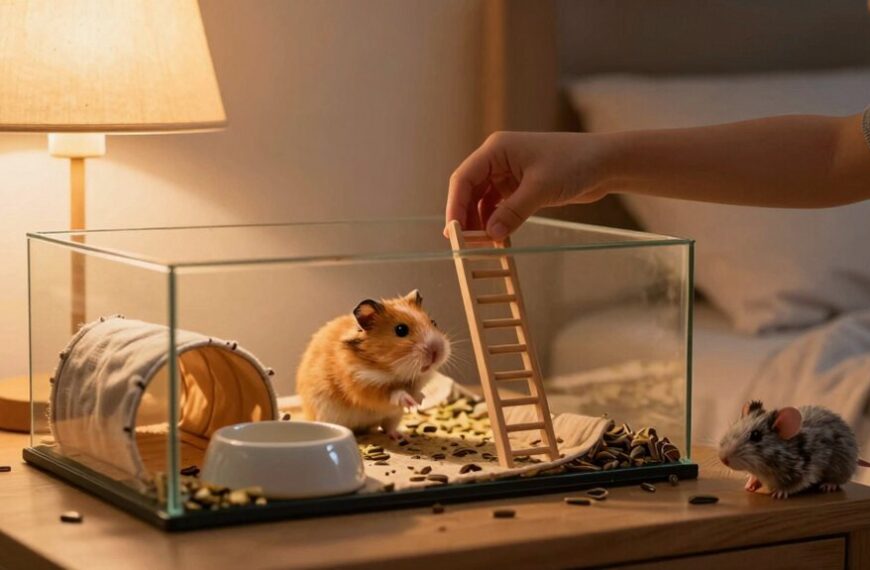
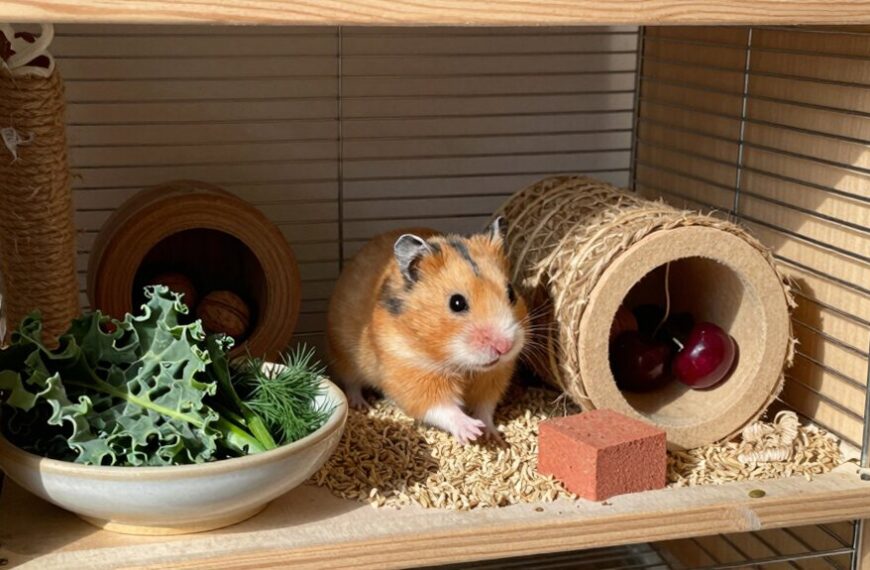
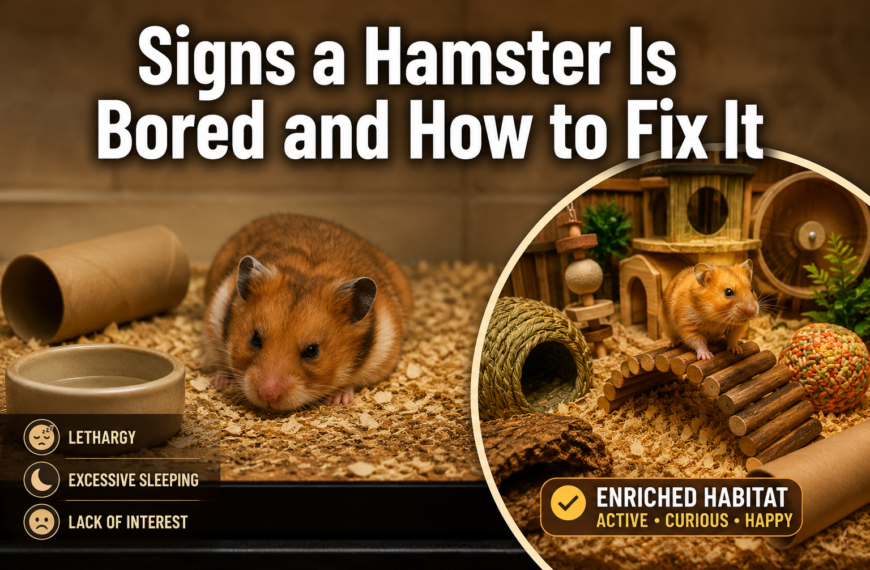
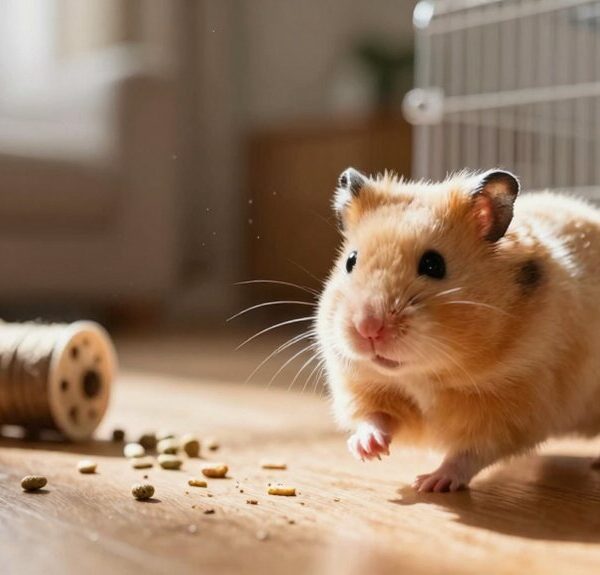
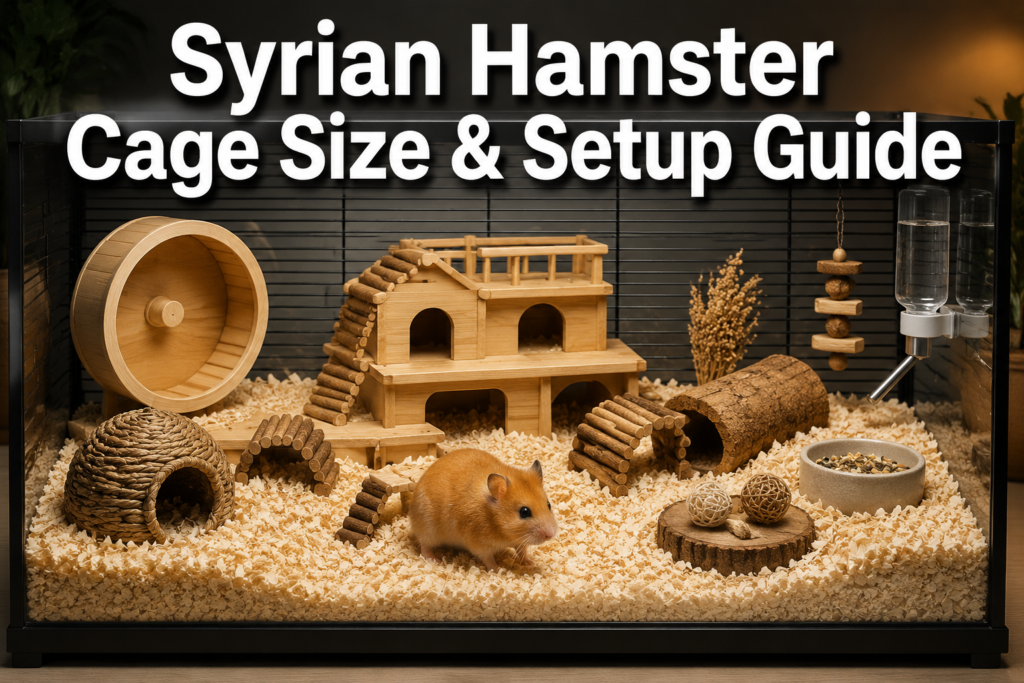
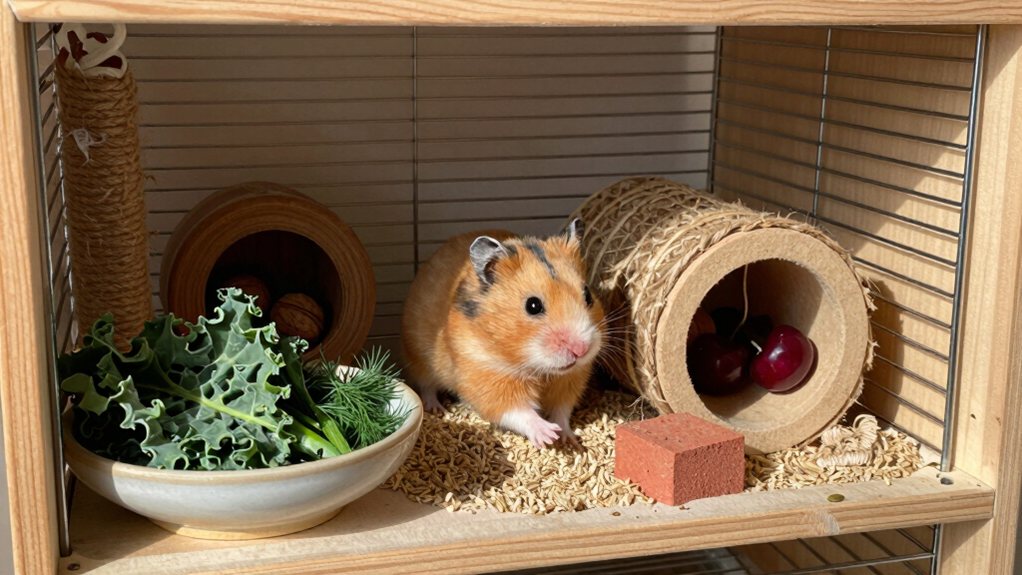
You’ve got to give your hamster safe things to chew, those teeth never stop growing! Try untreated applewood sticks, willow branches, or plain cardboard tubes from toilet paper rolls. They’ll love gnawing on hard veggie bits or shredded paper too. Just skip anything plastic, painted, or chemically treated—it’s risky.
Mix in some hay-stuffed rolls or natural wood toys for fun. They’ll stay healthy and out of trouble (goodbye, cage-bar chewing!). There’s a whole list of fun, safe options they’ll go nuts for.
Top Chew Toys for Hamsters: Safe & Vet-Approved

Let’s face it, your hamster isn’t just nibbling for fun, though they definitely enjoy it. Those tiny teeth grow constantly, so chewing keeps them healthy and prevents overgrowth.
Lucky for you, plenty of safe, vet-approved chew toys exist.
Try wooden blocks made for small pets. They’re simple, natural, and perfect for gnawing.
Applewood sticks or untreated pine are great too, as long as they’re free of chemicals.
You can even offer hard vegetable bits like carrot tops or dried corn husks as occasional treats.
Avoid plastic or painted items. Those can be dangerous if ingested.
Rotate toys weekly to keep things exciting. Your hamster will thank you with happy crunching sounds and fewer chewed cage bars.
It’s a win-win: dental health and entertainment, all in one tiny package.
Just remember, when in doubt, stick to natural, pet-safe materials. Your little buddy deserves nothing less.
A great option includes toys made from 100% natural materials like apple wood, timothy hay, and untreated bamboo, which support dental wear without exposing your pet to harmful chemicals.

100% Natural Apple Wood Material – Sourced from pesticide-free apple orchards, our chew sticks are non-toxic, safe for hamsters, guinea pigs, rabbits and other small pets. No additives, preservatives or artificial flavors, ensuring your furry friends can gnaw with confidence.

2-in-1 Chew Treats And Toys For Small Animals --- Chewing is a necessary and highly enjoyable activity for small animals like squirrels, gerbil, parrots, and guinea pigs. They like to chew on the young shoots and buds of many young trees, especially fruit trees when in the wild. Apple Sticks by SunGrow is a bark-covered stick of irresistible chew treats that they will surely appreciate. They would also love to play with these bunch of twigs for entertainment, exercise and play.

100% Natural Apple Wood Material – Sourced from pesticide-free apple orchards, our chew sticks are non-toxic, safe for hamsters, guinea pigs, rabbits and other small pets. No additives, preservatives or artificial flavors, ensuring your furry friends can gnaw with confidence.
Why Hamsters Need to Chew (And What Happens Without It)
You’ve probably noticed your hamster gnawing on just about anything it can find—and for good reason. Those tiny teeth never stop growing, so if you don’t give your little chewer safe things to crunch, they could end up with serious dental problems or turn your favorite houseplants into snacks.
Chewing keeps their teeth in check, their mind busy, and yes, even their dignity intact. Nobody wants a hamster with overgrown buckteeth trying to eat a sunflower seed.
Hard wooden chews made from untreated fruit woods help naturally wear down continuously growing molars and prevent dental overgrowth.
Why Chewing Is Essential
While it might seem like your hamster is just having a blast shredding everything in sight, that constant chewing is actually a must for their health. You see, hamsters’ teeth never stop growing, yep, they’re like tiny, furry vampires with forever-growing incisors!
Without regular chewing, those pearly whites can overgrow, causing pain, infections, or even trouble eating. Chewing helps keep them filed down naturally.
In your hamster habitat, safe chew toys do more than save your furniture. They support dental health and mental well-being. Think of it as nature’s version of a toothbrush and stress ball combined.
Even the exercise wheel gets a break when your little buddy opts for a good gnaw session.
A lack of appropriate gnawing materials can lead to destructive behaviors like bar chewing, which may be a sign of dental health issues requiring attention.
Dental Health Risks
Those ever-growing teeth we just talked about? Yeah, they’re cute, but they can cause real trouble if you don’t keep them in check. Without something to chew on, your hamster’s teeth can overgrow fast, leading to tooth misalignment that makes eating painful or even impossible. Ouch.
Worse, overgrown teeth can cut into the gums, opening the door to dental infections, which are as much painful as they’re able to spread and seriously harm your little buddy’s health. Think of chewing like a daily workout for their mouth. It keeps things trim and aligned.
Skipping it’s like never trimming your nails and wondering why your hands feel weird. Not ideal, right? So don’t wait for problems to show up. Stay ahead of the game with safe chew toys.
Your hamster mightn’t say “thanks,” but their bright, healthy smile (yes, hamsters kind of smile) will tell you everything.
A great way to support healthy chewing behavior is by using BPA-free materials in cage accessories like bar covers, which are safe for gnawing and help prevent exposure to harmful chemicals.
Behavioral Consequences
Ever wonder why your hamster turns the exercise wheel at 2 a.m. or rearranges their entire bedding for the third time today? Chewing isn’t just about dental health. It’s key to their happiness too.
Without proper things to gnaw on, your little buddy can get stressed or bored, leading to odd behaviors like bar-chewing or over-grooming.
Chewing gives them mental stimulation and a sense of control in their space. Think of it as their version of stress relief after a long day of being adorably tiny.
Providing safe chew toys adds environmental enrichment, which keeps their mind sharp and their paws busy.
Plus, it encourages positive social interaction because a happy hamster is way more likely to greet you with a head tilt than a grumpy squeak.
Natural wood chew toys like grapevine wood branches support both dental health and instinctual chewing behavior.
Signs Your Hamster Isn’t Chewing Enough
If your hamster’s teeth are peeking out past their lips, it’s a clear sign they’re not chewing enough, those little pearly whites grow fast!
You might also notice your furry friend acting sluggish or grumpy, kind of like they’ve missed their coffee.
Keep an eye out for these clues, because a happy hamster is usually a busy chewer.
A lack of chewing can lead to serious dental issues, including overgrown teeth that cause pain and difficulty eating, so providing appropriate chew toys is essential for their dental health.
Overgrown Teeth Appearance
Wondering why your hamster suddenly looks like a tiny rodent version of a dragon with tusks? Overgrown teeth could be the culprit.
If your little buddy isn’t chewing enough, those constantly growing incisors can spiral out of control, literally jutting out past their mouth.
You might also notice tooth discoloration, like yellow or brown spots, which can signal poor dental health.
Jaw misalignment is another red flag. It makes chewing harder and worsens the overgrowth.
Your hamster might drool, drop food, or just seem grumpy at snack time.
Don’t panic—but do act fast! These signs mean your pet needs safe chew toys *yesterday*. Think untreated wood blocks, cardboard tubes, or hay-based treats.
A trip to the vet might be needed to trim those tusks.
Keep things crunchy, keep them safe, and your hamster will be back to happy gnawing in no time.
Plain, unbleached cardboard is a safe and effective option for satisfying your hamster’s need to chew, but always ensure it’s free of harmful residues like toxic inks and dyes.
Lethargic Or Irritable Behavior
Could your usually peppy hamster be feeling off lately? If your little buddy seems more tired than a cat after a long nap or snaps at you like a grumpy old man, it might be a sign they’re not chewing enough.
Overgrown teeth can make eating painful, leaving them low on energy and skipping their favorite activities, like running circles on their exercise wheel or enjoying some quality social interaction with you.
Without proper chewing, those teeth grow too long, causing discomfort you can’t see.
A hamster in pain might hide more, groom less, or act downright grumpy.
Don’t worry—you’ve got this! Offer safe chew toys made for hamsters, like wooden blocks or cardboard tubes.
Watch them nibble, play, and perk up.
Soon, your fuzzy pal will be back to zooming in their wheel and cheek-puffing at you with love (and maybe sass).
Natural, untreated wood chew toys not only satisfy gnawing instincts but also support dental health, making products like the Hamiledyi Wooden Hamster Hideout an excellent choice for both comfort and wellness.
Best Natural Wood Chews for Healthy Teeth
Chewing isn’t just a pastime for your hamster. It’s a survival skill. Those tiny teeth grow nonstop, so your little buddy *needs* to chew to stay healthy. Lucky for you, nature’s got some safe, fun options.
Apple sticks are a top pick. Tasty, soft enough to gnaw, and great for wearing down teeth. Just make sure they’re pesticide-free.
Willow branches are another winner. Sturdy, safe, and often a hamster favorite. Think of them as nature’s toothbrushes with a side of entertainment.
Your hamster might even throw a tiny chew party.
Always skip painted or chemically treated wood. Your pet’s health isn’t a DIY experiment.
Stick to natural, pet-safe sources, and your furry friend will stay happy, healthy, and busy.
Trust me, a well-chewed willow branch beats a chewed-up cage any day.
Safe Cardboard and Paper-Based Chew Options
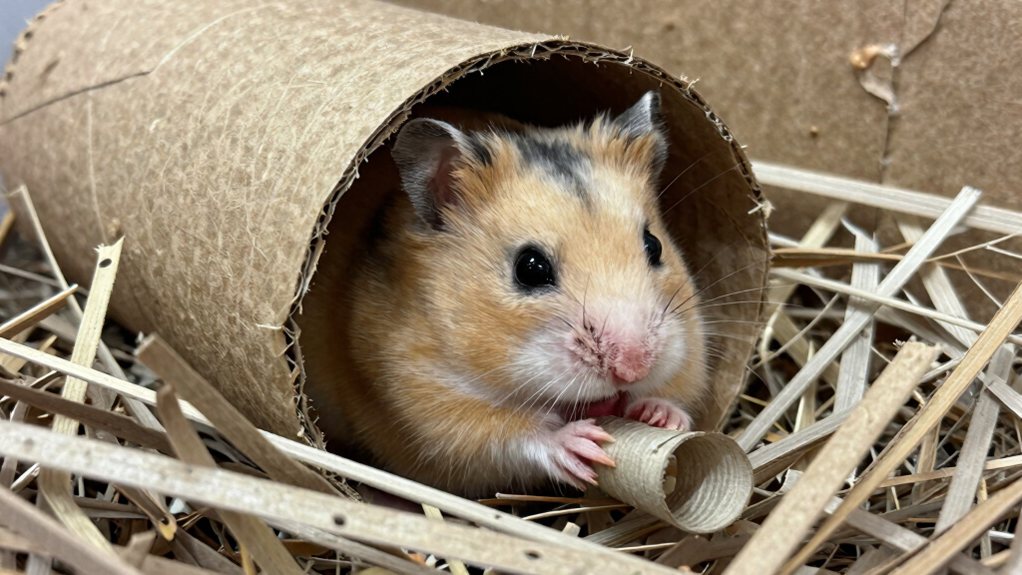
While your hamster’s tiny teeth are built for serious work, that doesn’t mean their chew toys have to be fancy. You’ve probably got safe, fun options right in your recycling bin!
Cardboard tubes from toilet paper or paper towels make fantastic, no-cost chews. Just make sure they’re clean and free of glue or ink.
Plain paper rolls and unbleached cardboard boxes are also great picks. Your hamster will love tunneling and nibbling at them.
- Cardboard tubes for gnawing and peekaboo games
- Plain paper rolls stuffed with hay for added fun
- Shredded newspaper (non-glossy) for nesting and chewing
- Small cardboard boxes to chew, dig, and claim as their own
These simple items keep teeth trimmed and minds busy. Plus, your hamster will act like they’ve struck gold.
Who knew recycling could be so entertaining?
Everyday Household Items Your Hamster Can Chew
You’d be surprised how many things around your house can double as safe, fun chew toys for your hamster. No trip to the pet store is required.
Toilet paper rolls are a total favorite. Just make sure they’re clean and free of any glue or ink. Your hamster will love tunneling through them or gnawing the edges.
Popsicle sticks work too, but only if they’re untreated and plain. No paint or chemicals. Give them a quick wash and let them dry before tossing them in the cage.
Just like us, hamsters need to chew to keep their teeth healthy. These little items help prevent overgrowth.
Rotate them weekly to keep things interesting.
And hey, who knew saving toilet paper rolls could make you a hamster hero? It’s a win-win: you recycle, and your tiny buddy gets a snack-sized project.
Just keep an eye out—hamsters are sneaky little chewers!
Natural, untreated materials like those found in chewable and textured items support healthy gnawing behavior and help manage continuously growing teeth.
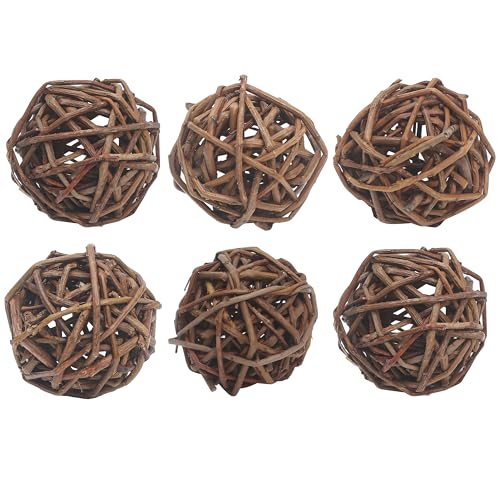
Package: 6 Willow Branch Balls. Size: 2.1-2.3" (size may vary between balls due to handcrafting). Portable and lightweight. Wide Compatibility: Suitable for rabbits, parrots, birds, guinea pigs, parakeets, budgies, chinchillas, gerbils, and other small animals. A great toy for cats and pets alike.
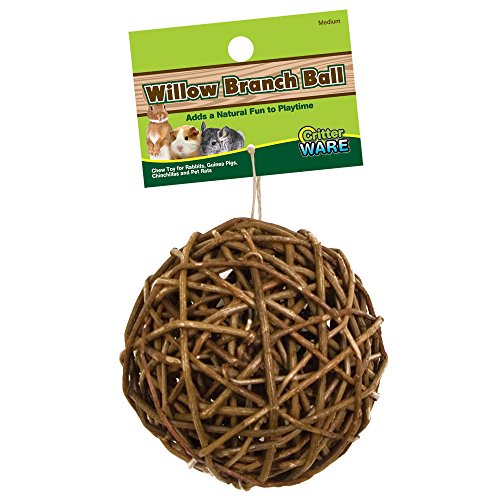
Wholesome and appealing playtime chew toy
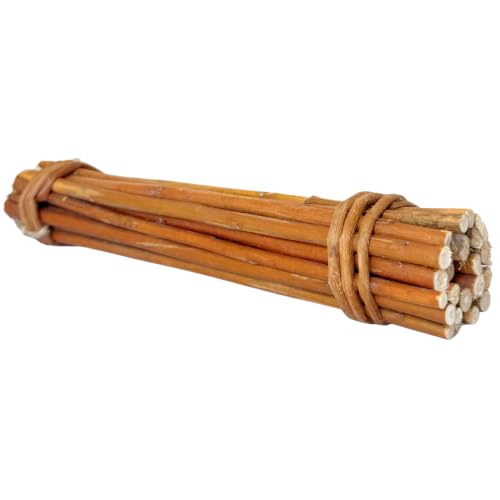
Willow Bundle: Natural Safe Willow Branch Activity Chew Toy Cage Accessory
Toxic Chews to Avoid: Dangerous Materials Explained
Not every chew toy is a green light for your hamster’s busy little teeth. Some everyday items might look harmless but can actually be dangerous. You’ve got to be picky, because chewing the wrong thing can make your tiny friend seriously sick.
Skip plastic toys. They might seem fun, but they can splinter or contain chemicals that aren’t safe.
And never let your hamster gnaw on metal objects. They can damage little teeth or cause internal harm if swallowed.
- Plastic toys: Can break into sharp bits or leach toxins
- Metal objects: Risk of tooth damage or poisoning
- Treated wood: Chemicals in some woods are toxic
- Household glues or adhesives: Found on some crafts—big no
Stay smart, stay safe, and your hamster will keep crunching happily—and healthily!
Avoid giving your hamster any items made with aromatic compounds, as these can cause respiratory distress and long-term health issues.
Introducing New Chew Toys Safely

Now that you know what *not* to give your hamster, let’s talk about how to bring safe, fun chews into their life without causing stress or tummy troubles.
Start slow, introduce one new chew toy at a time so you can monitor reaction and spot any issues early.
Hamsters are curious but sensitive, so tossing in five new items at once might overwhelm them or lead to a chew-fueled meltdown.
Place the toy near their favorite spot and let them investigate at their own pace.
Some might gnaw right away; others need a day or two to warm up. That’s okay!
Introducing variety keeps things exciting and their teeth in check.
Just watch for signs of discomfort or allergies, like drooling or avoiding the toy.
If all looks good, celebrate—you’ve just upgraded their snack-and-squeak game!
Rotating Chew Toys for Mental Stimulation
Ever wonder why your hamster loses interest in a chew toy after a few days? It’s not pickiness. It’s boredom.
Just like us, hamsters need mental enrichment to stay happy and healthy. That’s where chew toy rotation comes in. Swapping out toys every few days keeps things fresh and exciting, giving your little buddy something new to explore.
- Rotate toys weekly to maintain curiosity
- Store unused ones to preserve novelty
- Mix textures (wood, cardboard, loofah) for variety
- Watch your hamster’s reactions to learn their favorites
Chew toy rotation isn’t just fun. It’s smart care. A stimulated hamster is a joyful hamster, and a joyful hamster makes for a heart-melting pet.
Final Thoughts
You’ve got this! Giving your hamster safe things to chew keeps their teeth in check and their mind happy. Skip the risky stuff. Stick to vet-approved wood, cardboard, or simple household items.
Rotate toys now and then to keep things fun. Because yes, even hamsters get bored. Watch for signs they’re not chewing enough, and when in doubt, play it safe. A little effort goes a long way in keeping your tiny buddy healthy, busy, and adorably nibbly.

7.5-inch cardboard tube

2 Pack Hamster Tubes: includes two corrugated cardboard tunnels for flexible cage use; Place one in each separate habitat for homes with multiple small pets, set both in different areas for more hiding and exploring space, or keep one as a replacement after chewing and shredding so you can keep using the set for longer

Versatile Crafting Tubes: Includes 12 sturdy cardboard tubes in 2 sizes (6pcs 1.37x15.7In and 6pcs 1.77x15.7In), perfect for a variety of DIY crafts and art projects.