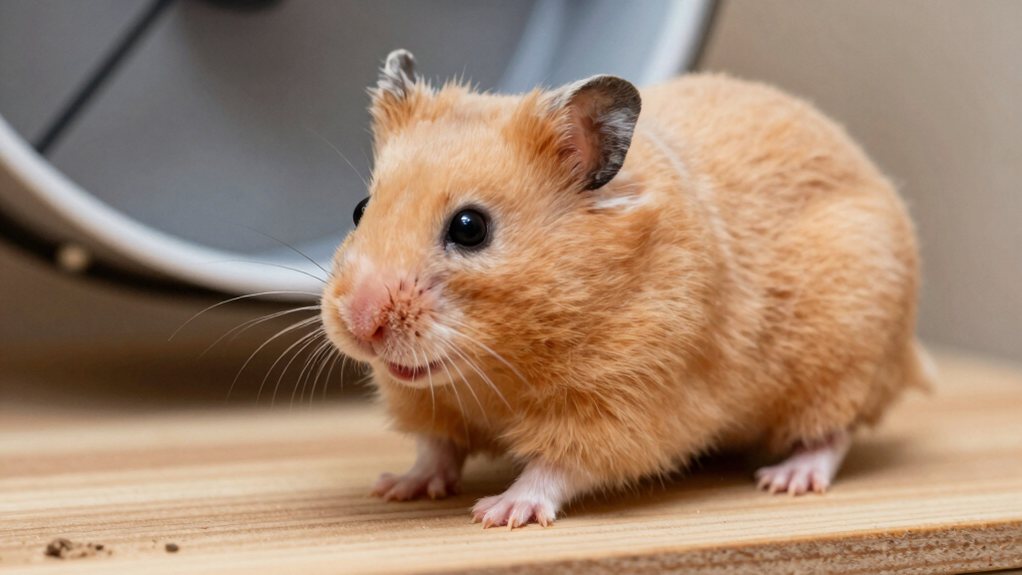
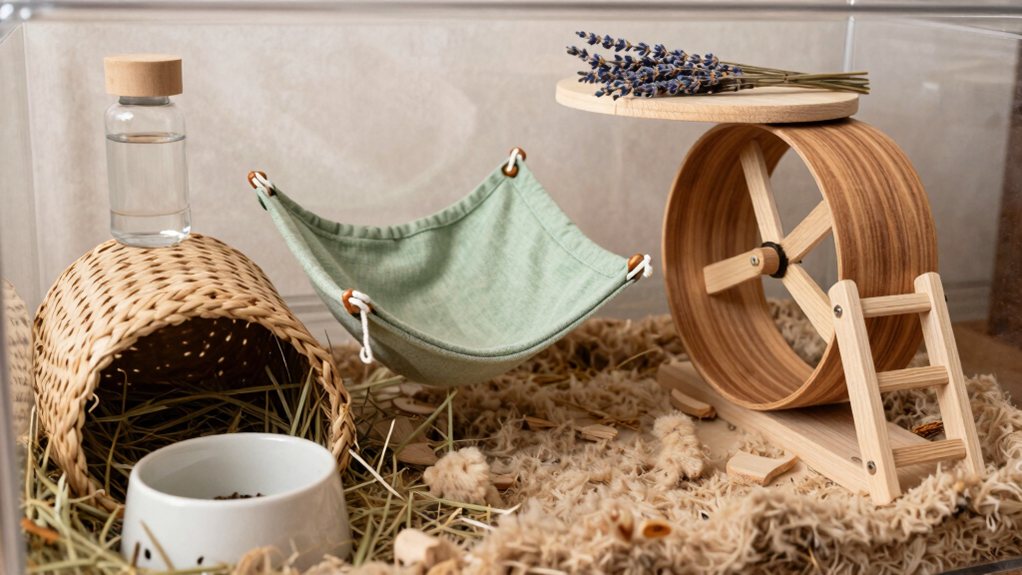
You can vacuum with your hamster in the room, but keep it smart and kind. Hamsters have super-sensitive hearing, so loud or sudden vacuum noise can totally stress them out, even if it sounds fine to you.
Keep the vacuum at least 6–8 feet away, or better yet, clean in another room. Quiet models and closed doors help a lot. And hey, your fluffball might appreciate some chill time and treats afterward. Stick around, there’s a handy trick or two you’ll want to know.
Can Vacuum Noise Harm Your Hamster?

Ever wonder if your hamster’s going to file a noise complaint the second you turn on the vacuum?
While they won’t actually sue you, that loud roar can stress them out.
Hamsters have super hearing sensitivity, picking up higher sound frequency ranges than we do, so what’s just annoying to you might be overwhelming for them.
Hamsters hear way more than we do—what’s just loud to you could be totally overwhelming for their super-sensitive little ears.
Their little ears aren’t built for constant loud noise, and sudden vacuum sounds can spike their anxiety.
You might notice them freezing, hiding, or even thumping their feet in protest.
It’s not life-threatening, but it’s far from comfy.
To keep your fuzzy pal calm, try vacuuming in another room or putting their cage somewhere quiet.
A little consideration goes a long way.
After all, peace and quiet aren’t just for us.
Your hamster deserves a stress-free zone too.

READY TO GO WHENEVER YOU ARE: Get up to 50 minutes of power with the Crevice or Pet Tool in Eco mode, 30 minutes with the vacuum head, and 12 minutes in Turbo mode. Note: Runtimes are based on testing at room temperature

58KPa Super Suction: This cordless vacuum cleaner is driven by a newly upgraded high-speed motor, delivering powerful 58KPa suction at 210,000 rpm. It effortlessly lifts crumbs from floors, embedded pet hair from carpets, and dust from corners, walls, and high shelves. All this cleaning power operates in a quiet environment (under 58 dB) efficiently undisturbed.

【6-in-1 Dog Grooming Vacuum Kit】Professional grooming kit combines brush, detangling tool, electric clippers, guide combs, and cleaning tools. Groom, trim, and remove loose hair all at once, no mess, no fur on furniture. Enjoy a full grooming session with your pet at home, saving time and money without trips to the salon.
How Loud Is Too Loud for Hamsters?
How loud is too loud when your hamster’s right there, judging you from his cozy pile of shavings?
Well, hamsters have serious sound sensitivity, way more than we do. Their little ears pick up high-pitched noises we can’t even hear, which means your vacuum might sound like a jet engine to them.
Most experts say anything over 85 decibels can stress them out, and vacuums often hit 70–80, sometimes more. That’s pushing their noise tolerance to the limit.
Even if it doesn’t hurt their ears, the constant rumble can scare them or mess with their sleep.
So while it’s not instantly harmful, it’s still rough on their tiny nerves.
Want to keep your hamster calm? Scoop them up and move their cage to a quieter room before you start cleaning.
Your furry buddy mightn’t say thanks, but his peaceful nap will show it.
Are Hamsters Scared of Vacuum Cleaners?
You just learned that vacuums can be pretty rough on your hamster’s sensitive ears, but that doesn’t automatically mean your little furball is terrified of the machine itself.
Hamsters aren’t born scared of vacuums, but their behavior often changes when they hear that loud, rumbling beast.
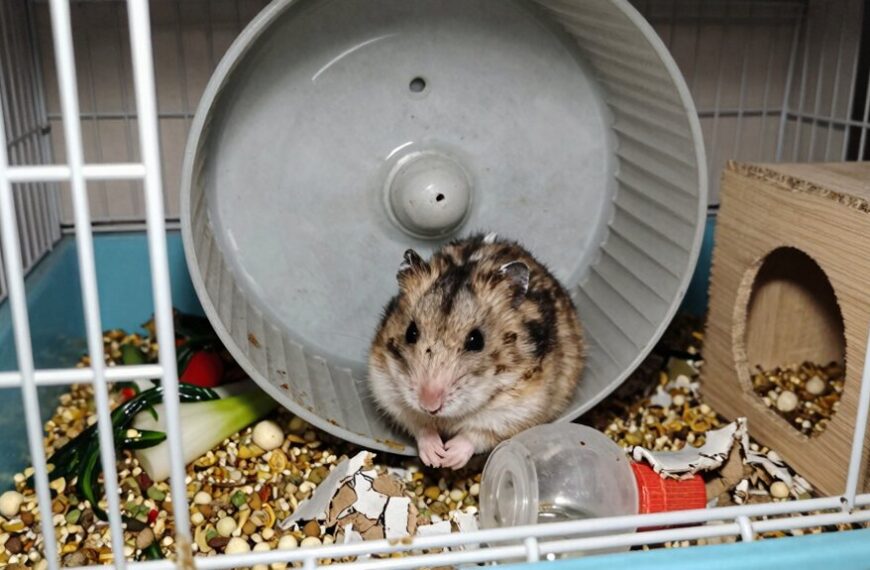
Some freeze, others dart into their hideouts: classic signs of stress.
It’s not the vacuum they fear, really, but the sudden noise and movement.
Pay attention to your hamster’s behavior.
If they’re panicking, it’s time to rethink vacuum placement.
Try cleaning in another room or at a different time.
And hey, maybe give your hamster a heads-up, like how you’d warn a roommate before blasting music.
A little consideration goes a long way in keeping your tiny buddy calm and curious, not scared silly.
Where Should You Vacuum Near a Hamster?

You don’t have to treat your vacuum like a wild beast, but it’s smart to keep some space between it and your hamster’s home. Try to vacuum at least a few feet away from their cage.
If you can, place the cage in a quieter room where the noise won’t rattle their tiny nerves.
After all, nobody likes a surprise sandstorm, especially when they’re napping in a cozy bedding burrito.
Safe Distance Guidelines
Ever wonder how close is *too* close when you’re pushing that vacuum around your hamster’s domain? When it comes to safe distance, aim for at least 6–8 feet between your hamster’s cage and the vacuum.
Hamsters have super-sensitive hearing, so even if you think the noise isn’t *that* loud, it might feel like a jet engine to them.
Using noise barriers like furniture or closed doors can help soften the sound. You don’t need to soundproof the whole house—just give your tiny roommate a break.
Think of it like watching a movie: you wouldn’t blast the volume right next to someone’s ear, right? Same idea here.
Keep the vacuum sessions quick, stay at a respectful distance, and your hamster will stay calm (and maybe even forgive you for the ruckus).
Cage Placement Tips
When the vacuum comes out, where your hamster’s cage sits can make all the difference. Place the cage in a quiet corner away from the vacuum’s path, this reduces noise stress and flying dust.
Make sure cage ventilation isn’t blocked; fresh air keeps your little buddy comfortable during cleanup.
Avoid spots with direct sunlight or harsh lighting conditions, which can overheat the cage when you’re bustling around. Think cozy, calm, and draft-free.
And hey, if your hamster’s giving you side-eye from inside his igloo, you might want to rethink that spot by the door.
Keep the environment stable, even when you’re vacuuming nearby. A well-placed cage means less stress for both of you.
After all, nobody likes a dusty home—not even tiny hoarders with cheek pouches. Keep it smart, safe, and slightly silly, just like hamster life should be.
Noise Exposure Control
What’s the real deal with all that ruckus when the vacuum roars to life? Your hamster’s tiny ears are way more sensitive than yours, thanks to their crazy frequency sensitivity. They hear sounds you can’t even detect.
That vacuum? It’s like a jet engine to them. So, if you’re vacuuming near their cage, you’re more than cleaning—you’re stressing them out. Keep some serious distance, or better yet, vacuum in another room entirely.
Sound insulation helps, but most cages don’t offer much. A quiet corner away from high-traffic zones gives your little buddy a calmer home. Think of it like giving them noise-canceling headphones, minus the actual headphones (though that’d be adorable).
You don’t need silence, just smart choices. Your hamster mightn’t say “thanks,” but their relaxed nibbles will speak volumes.
How Long Can You Safely Vacuum Around a Hamster?
So, how long can you really vacuum around your hamster without turning their cozy little world upside down?
Well, it’s less about time and more about your hamster’s sound sensitivity. These tiny pals have super-sensitive ears, so even a few minutes of vacuum noise can stress them out. Think of it like blasting a rock concert in their bedroom—no fun, right?
Hamsters have super-sensitive ears—vacuum noise is like a rock concert in their bedroom. Even a few minutes can stress them out, so keep the volume down and the peace up.
While short bursts of vacuum duration (under 5 minutes) might be tolerable, longer sessions could leave your little buddy jittery or hiding.
Instead of timing the vacuum, focus on keeping the door closed or using the vacuum in another room. That way, you keep your space clean and your hamster calm.
A quick sweep while they’re snoozing might work too. Just don’t turn cleaning into a daily jam session. Your hamster will thank you with happy cheek puffing!
What Are the Signs Your Hamster Is Stressed?
Ever wonder why your hamster suddenly acts like a tiny, furry ninja dodging life itself? It might be stress indicators kicking in.
Hamsters can’t tell you they’re overwhelmed, but their body language speaks volumes.
Watch closely—you know your little buddy best.
- Excessive grooming or biting: Your hamster might over-clean or nip at itself when anxious.
- Hiding more than usual: Even for a pro burrower, constant hiding can signal distress.
- Pacing or bar-chewing: Repetitive actions often point to stress.
- Freezing or playing dead: A scared hamster may go completely still, hoping to disappear.
These stress indicators aren’t just quirks. They’re cries for calm.
Pay attention to your hamster’s body language, especially during loud moments like vacuuming.
A little empathy goes a long way with your pint-sized pal.

3-in-1 design with onboard crevice tool allows you to customize your vacuum for your needs. At only 4 pounds, you can take the Eureka blaze anywhere.240.0 watts.Specific uses:hard floor

Oneisall Dog Grooming Kit Slove Hair Shedding Between Seasons:Traditional home grooming tools often lead to hair flying around, especially during hair shedding between seasons. However, our dog vacuum brush for shedding grooming collects 99% of pet hair into a vacuum canister while brushing, ensuring a clean and tidy home with no more dog hair flying all over

POWERFUL SUCTION FOR CARPET & HARD FLOORS: Clean carpets and hardwood floors with strong multi-surface suction. This lightweight upright vacuum cleaner lifts dirt, debris, and pet hair for a complete home clean.
How to Calm Your Hamster After Vacuuming

Why does your hamster suddenly look like it just survived a hurricane when all you did was vacuum? That loud noise can really rattle your tiny friend.
After vacuuming, give your hamster a quiet space to recover, dim the lights and keep the room calm. Offer a treat or two; nothing says “sorry for the noise” like a sunflower seed.
Spend a few calm minutes near the cage, talking softly to reassure them. This helps with stress prevention and builds trust.
Try adding new tunnels or chew toys, hamster enrichment isn’t just fun, it’s healing! A little playtime distracts them from past vacuum trauma.
And hey, maybe schedule cleaning for when your hamster’s napping? A peaceful home means a happy hamster. You’ve got this, and so does your tiny, slightly startled buddy.
What’s the Best Time to Vacuum With a Hamster?
You’re probably wondering when it’s safest to break out the vacuum without stressing your little furball. Since hamsters are nocturnal, they’re usually snoozing during the day.
So aim to vacuum when your hamster’s deep in dreamland, like mid-morning or early afternoon.
And hey, if you’ve got a quieter model, you’re already one step ahead in the peace-and-hamster-harmony game.
Best Time Of Day
When should you tackle that pile of dust bunnies without turning your hamster into a stressed-out little gymnast on the wheel?
Timing is key to keeping your tiny friend calm and content.
Aim for a moment when your hamster is naturally less active, usually during the day, since they’re nocturnal.
Here’s how to pick the best time:
- Sync with your morning routines — vacuum while you’re already up and moving; your hamster’s likely snoozing.
- Choose a time with natural lighting — bright rooms signal it’s “rest time” for your furry buddy.
- Avoid evenings or late nights when your hamster starts perking up.
- Keep sessions short and sweet — 10 to 15 minutes max.
You’ll keep your space clean and your hamster chill. Win-win!
Hamster Sleep Cycle
While your hamster isn’t exactly keeping a 9-to-5 schedule, understanding their sleep cycle makes it way easier to sneak in some vacuuming without turning their world upside down.
Hamsters are nocturnal, meaning they nap during the day and get busy at night, think midnight marathons on their wheel.
That’s why vacuuming in the late afternoon might catch them in deep sleep, leading to stress and sleep disruption.
The last thing you want is a grumpy hamster side-eyeing you from his cozy nest.
Instead, aim to vacuum earlier in the morning when they’re more likely still snoozing peacefully.
It’s all about working *with* their natural rhythm, not against it.
Think of it like avoiding your roommate’s nap time—common courtesy, right?
A little timing goes a long way in keeping your tiny buddy happy and well-rested.
Quiet Vacuum Options
Ever wonder how you can keep your floors spotless without sending your hamster into a tizzy? You’re not alone! The key is choosing a vacuum with low vacuum decibel levels and using smart sound insulation methods. Here’s how to clean quietly and keep your tiny roommate calm:
Look for vacuums labeled “quiet.” Many run under 70 decibels, which is like a soft conversation.
Use rugs or mats to dampen noise. They help absorb sound like tiny acoustic shields.
Vacuum during your hamster’s deep sleep, usually daytime, to avoid disturbing their routine.
Close the door and add a towel at the bottom to block noise. Simple but super effective.
With these tricks, you’ll keep your space clean and your hamster chill. Who knew peace, quiet, and clean floors could go paw-in-paw?
What Are the Quietest Vacuums for Hamsters?
How do you keep your home clean without turning your hamster’s peaceful little world upside down? You’re not alone. Hamsters are super sensitive to ultrasonic emissions and vibration sensitivity, so loud vacuums can stress them out fast.
The good news is that some vacuums are much quieter than others. Look for models labeled “quiet” or “low-noise,” like robot vacuums or handheld cordless ones. They often run at lower decibels.
Stick vacuums with soft brushes and carpet cleaners designed for apartments can also be gentler.
These options reduce both sound and shaking, making your clean-up less scary for your tiny roommate. Pro tip: run the vacuum in another room first so your hamster gets used to the sound. It’s all about balance—keeping your space tidy while respecting your pet’s peace. After all, a calm hamster is a happy hamster!
Can You Train Your Hamster to Tolerate Vacuum Noise?
- Start small: Play vacuum sounds at low volume while offering treats to link the noise with good things.
- Gradual exposure: Slowly increase the volume over days, watching your hamster’s behavior closely.
- Keep it calm: Always stay nearby to comfort your pet and stop if they seem overly stressed.
- Practice regularly: Short, consistent sessions build trust and reduce fear over time.
With time, your little buddy might still flinch. But they’ll likely stay curious instead of panicking.
Training strengthens your bond and eases clean-up stress for both of you.
Final Thoughts
You can vacuum with your hamster nearby, but it’s best to keep some space between them and the noise. Hamsters have super-sensitive ears, so loud sounds stress them out, kind of like how you’d feel at a rock concert without earplugs.
Turn it off if they freeze or hide. Pick a quieter vacuum, vacuum when they’re less active, and talk to them calmly after. A little patience goes a long way in keeping your tiny buddy happy and relaxed.

①8‑inch Small Size & Waterproof Track for Effortless Cleaning The 8 inch Hamster Wheel features a soft removable running track that is waterproof, anti-slip, and washable with water — no scrubbing needed. The track measures about 3.15 inches wide,accommodates Dwarf Hamster,Gerbil,Mouse, For larger pets like Syrian hamsters or rats, choose the 10-inch or 12-inch size to prevent back arching. A correctly sized wheel keeps your pet active without strain.

Features: provides effective sound isolation for your pet, ensuring the ceramic reptile hideout also works as a calm hamster house hide for quiet naps,hamster dome hideout,hideout dome