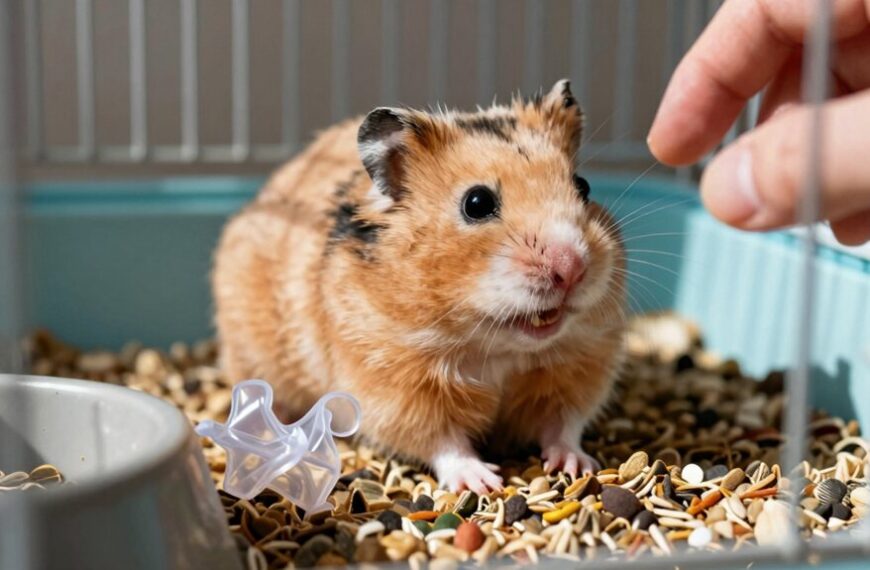
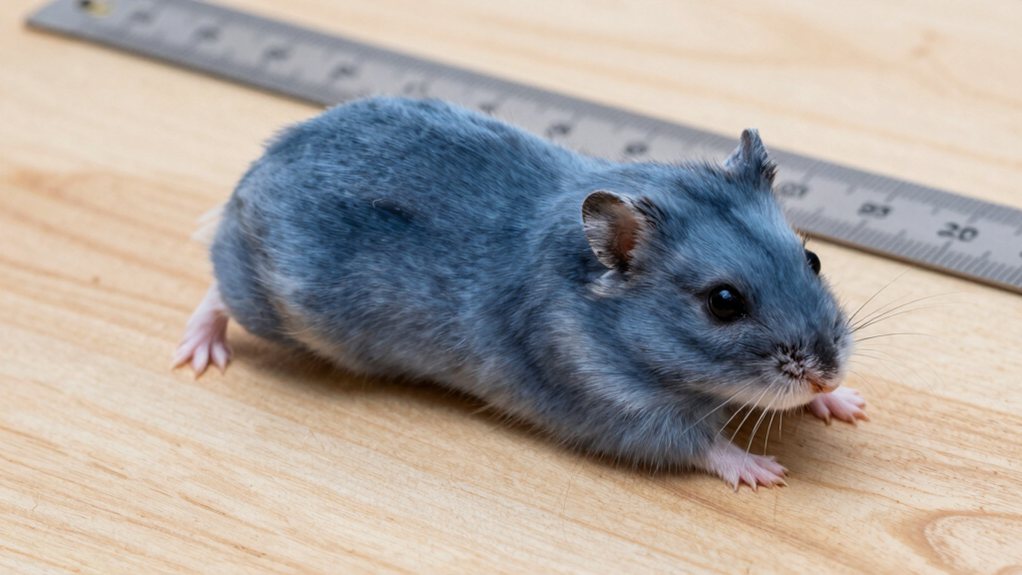
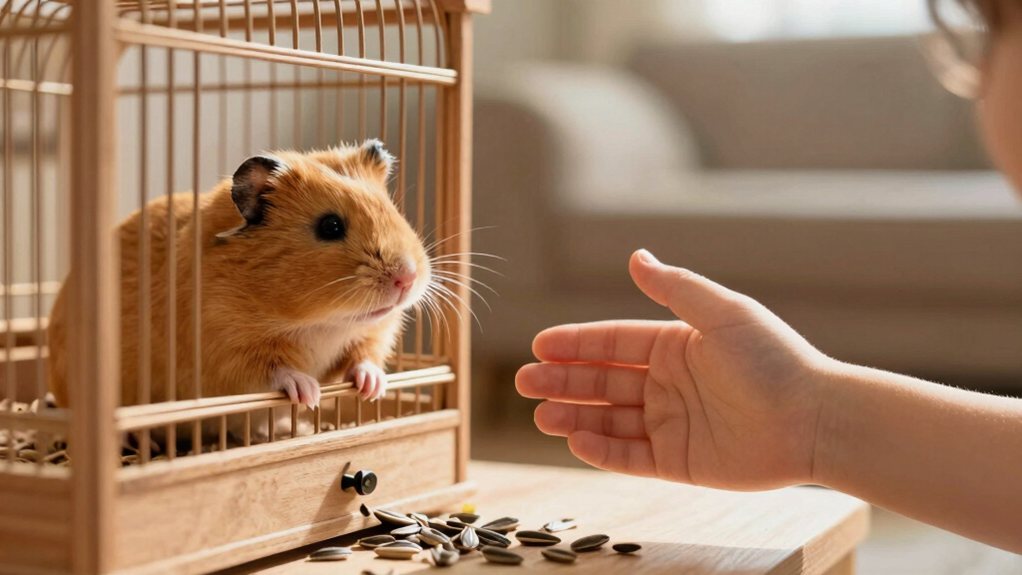
Your Chinese hamster loves zooming through tunnels and stashing snacks in its cheeks, especially at dawn and dusk when it’s most active. It’s not fully nocturnal, so you’ll often catch it stretching or snacking during the day. These little explorers are smart, curious, and thrive alone, pairing them with others usually ends in drama. They communicate with squeaks, cheek puffs, and even scent marks.
Spot stress early, go slow with trust, and you’ll reveal their playful, quirky charm. There’s a lot more to their daily rhythm and personality waiting to be discovered.
Are Chinese Hamsters Nocturnal?
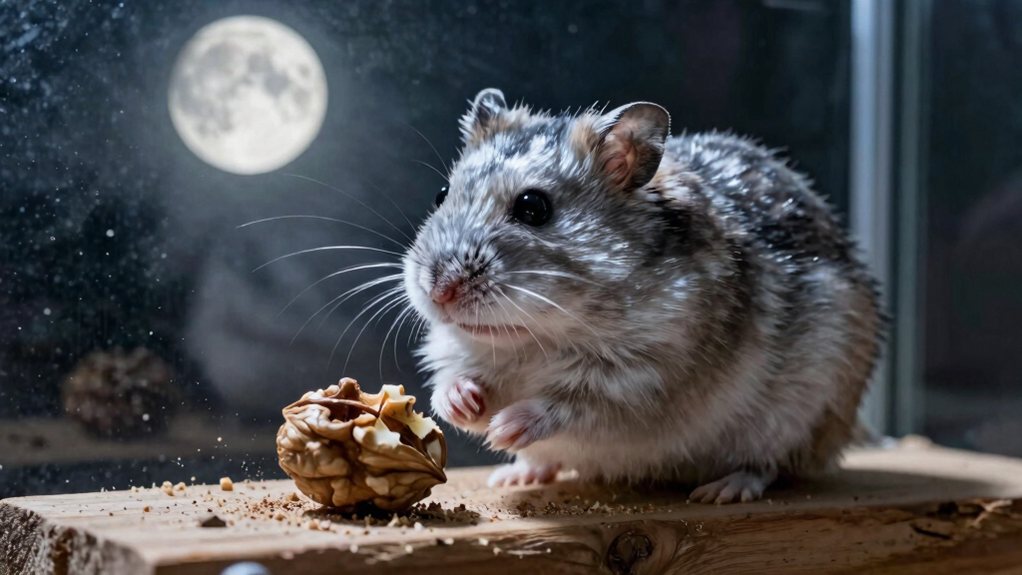
Ever wonder why your Chinese hamster seems wide awake when you’re ready to hit the hay?
Well, here’s the scoop: Chinese hamsters aren’t strictly nocturnal. They actually follow more of a crepuscular or even slightly diurnal pattern.
That means they’re most active at dawn and dusk, and might even pop up during the day for a snack or a stretch.
You’ll notice they love moments of social interaction, especially when you’re around to chat or offer a treat.
While they enjoy their solo time too, they often perk up when you’re nearby, making bonding easier than you’d think.
So, if you catch your little buddy scurrying around in daylight, don’t be surprised. It’s just their natural rhythm.
They’re not night owls, but more like early birds with a quirky sleep schedule.
Watching their habits is half the fun of being a hamster parent!
Their activity patterns differ from strictly nocturnal behavior seen in many other hamster species.
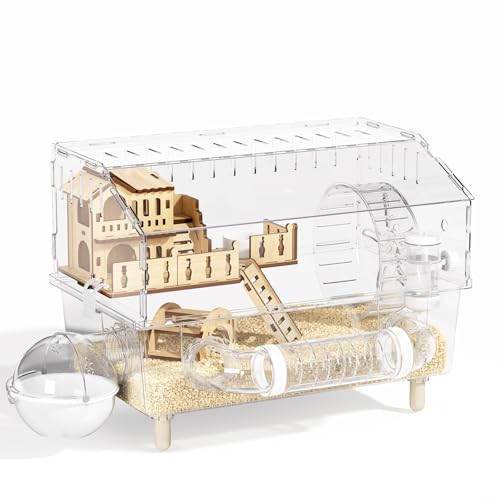
【Complete Starter Kit】This hamster cage comes with a complete set of accessories, including the cage itself, a wooden house, an 18cm silent running wheel, a sand bath, a...
Why Chinese Hamsters Live Alone
Why do Chinese hamsters prefer flying solo? Well, it’s not that they’re unfriendly, they just don’t do well with roommates. Unlike some pets, Chinese hamsters don’t form social hierarchies, so pairing them up often leads to squabbles, not friendships.
In the wild, they stake out their own little territories and stick to them. Even during mating rituals, their interactions are brief and to the point, no long-term commitment here!
Once the romance fizzles, they go back to living solo.
Putting two together in captivity usually ends in stress or fights, so it’s kinder to let them live alone. Think of it like giving them their own personal apartment, peace, quiet, and no drama.
You’ll actually make your hamster happier by respecting its need for space.
How Active Are Chinese Hamsters at Night?
What’s keeping your Chinese hamster so busy when you’re trying to sleep?
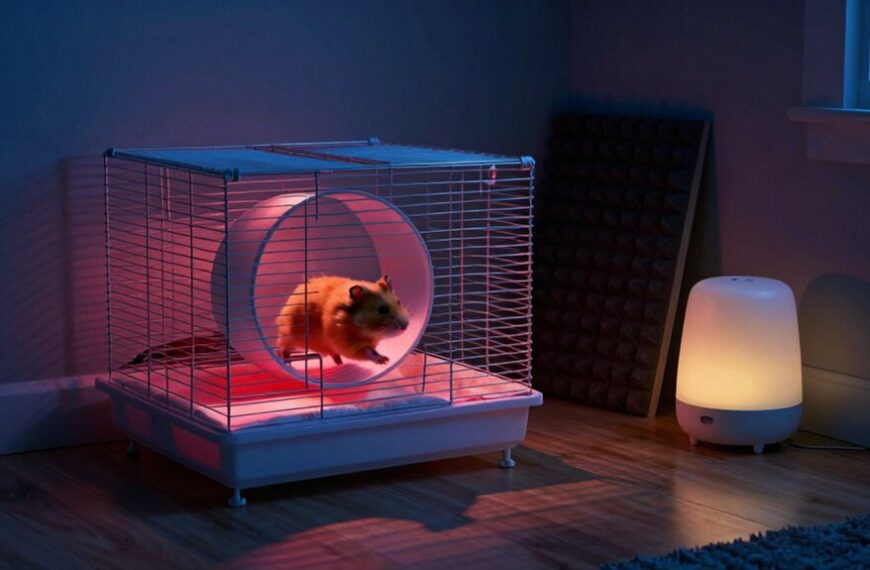
Well, your tiny friend is naturally nocturnal, meaning they’re most active when the moon phases shift and the world quiets down.
Thanks to their sharp night vision, they zip around their cage like furry little ninjas, exploring, foraging, and even rearranging their bedding.
You might hear rustling or squeaky wheels turning at midnight, don’t take it personally, they’re just living their best night life.
While you’re dreaming, they’re wide awake and curious, using the dark to feel safe and adventurous.
It’s not that they’re trying to keep you up though it might feel that way.
Think of it as their built-in superpower: night vision plus boundless energy equals a mini explorer in your bedroom.
biological rhythm evolved to avoid predators ensures they stay active at night for safety and survival.
Are Chinese Hamsters Intelligent and Curious?

How do these tiny creatures manage to figure out their way around mazes, remember where they stashed their snacks, and still find time to chew through cardboard tubes like tiny escape artists?
You’d be surprised just how sharp Chinese hamsters really are. With a solid learning ability, they quickly pick up routines and recognize their names.
Don’t let their size fool you—Chinese hamsters are quick learners, mastering routines and even responding to their names with surprising intelligence.
They’re natural problem solvers, often figuring out puzzle feeders or escaping enclosures with clever precision.
Curiosity drives them to explore every nook, sniffing and scurrying with purpose.
You’ll catch them investigating new toys, tunnels, or even your hand with bright, inquisitive eyes.
They mightn’t write novels, but their smarts shine in everyday antics.
Watching them overcome obstacles or stash food in secret spots shows just how mentally active they are.
So yes, they’re small, but don’t underestimate their brains.
These little furballs are smart, curious, and always up for a challenge.
How They Explore and Use Their Space
Ever wonder what your Chinese hamster’s up to when they vanish into their tunnel system like a furry little secret agent? They’re more than just running laps. They’re hard at work mapping their territory.
Using their keen nose and whiskers, they rely on sensory exploration to learn every corner, crevice, and hideout. You’ll catch them pausing, sniffing, then darting off like they’ve cracked the code.
They memorize routes, stash snacks, and even rearrange bedding like tiny interior designers.
Watch closely, and you’ll see them stand on hind legs, scouting like little explorers. This isn’t random chaos. It’s purposeful, clever behavior.
They’re building a mental map, one sniff at a time.
Giving them space with tunnels and toys fuels their natural curiosity. So when your hamster zips into a tube and disappears, don’t worry. They’ve got a plan.
They’re not lost. They’re just busy mastering their mini kingdom.
A well-designed wooden climbing platform can enhance their exploration and support natural behaviors like climbing and foraging.
Do They Burrow, Dig, or Hoard Food?
Why do your bedding layers keep shifting overnight? Because your Chinese hamster is busy at work! These tiny diggers love to burrow and create intricate tunnel construction under the bedding, turning their habitat into a cozy underground maze.
You’ll often find tunnels leading to hidden spots, perfect for naps or secret food storage.
Yep, they’re hoarders too! They stash snacks in cheek pouches and squirrel them away for later, just in case hunger strikes.
While they don’t dig as intensely as some hamsters, they’re still natural explorers and builders. So if you wake up to a rearranged cage, don’t panic, your pet’s just redecorating. It’s all part of their instinct.
Give them plenty of bedding, and maybe a few safe hiding spots. Watching them dig and store is more than adorable, it’s a peek into their wild side. Who knew such a small creature could be such a clever architect?
A deep layer of safe, diggable material supports this behavior, so make sure to provide at least 6 to 8 inches of bedding depth to encourage natural burrowing.

✔ SUPER SILENT HAMSTER WHEEL:Silent Hamster wheel designed with Ball bearings, it brings your little hamster endless running happiness. rat wheel also brings you a quiet night even.

Reasonable Size of Hamster Wheel Drum: Medium Size(M) - 10.2-inch Diameter drum wheel w/ 3.3-inch track wide is recommended for large dwarf hamsters, normal size Syrian hamsters, gerbil, mice, and other similar-sized pets, fits for them when run without bending their backs. We designed 3 sizes with different diameters to provide a back-friendly running experience to the hamsters of various species and sizes, please choose the right one for your pets

Silent Operation: Designed with a whisper-quiet mechanism, the Fanlahmtasy silent hamster wheel ensures your pet can exercise without disturbing your sleep or daily activities
How to Spot Stress in Chinese Hamsters
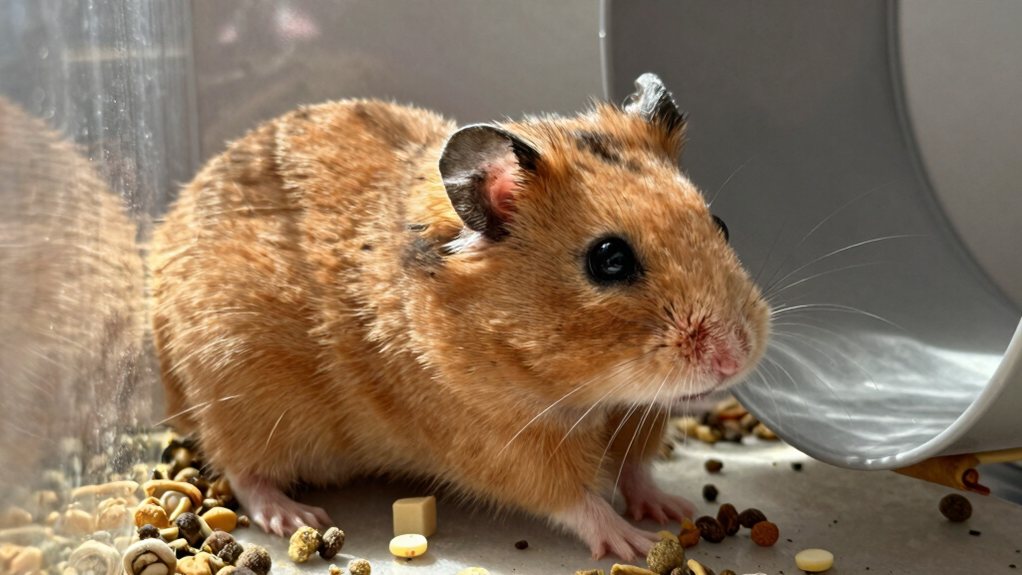
If your Chinese hamster starts acting out of the ordinary, it might be stressed. Keep an eye on sudden grumpiness, since signs of aggression can mean they’re feeling overwhelmed.
You might also notice they’re eating less or hiding more than usual, which are clear hints that something’s off.
Think of it like a tiny furry barometer: when their world feels shaky, they react, and a little extra TLC can go a long way.
A cramped or unstimulating environment can lead to cage rage, a condition marked by hyperactivity, bar chewing, and increased aggression due to unmet natural behaviors.
Signs Of Aggression
What’s that sudden grumble coming from your usually quiet little buddy? Don’t panic. Your Chinese hamster might just be showing signs of aggression. While they’re typically sweet, they can get feisty when stressed or threatened.
Watch for territorial biting, especially if they’re guarding their cage or food. That’s their way of saying, “Back off!”
You might also see dominance displays, like standing tall, puffing up, or even boxing with their tiny paws. It’s kind of funny—like a mini martial artist—but it’s serious to them.
These behaviors often mean they’re uncomfortable or feeling challenged.
Stay calm, avoid sudden moves, and give them space. With patience and gentle handling, most hamsters chill out. Think of it as their quirky way of setting boundaries—adorable, yet firm.
A key factor behind such reactions is fear and stress, which are the primary causes of biting or scratching in hamsters.
Changes In Appetite
Ever notice your little furball turning up their nose at their favorite sunflower seeds? A sudden shift in food preferences might be more than just pickiness. It could signal stress.
Chinese hamsters are usually consistent eaters, so if your pet starts ignoring meals or nibbling less, pay attention. Maybe they’re stressed from a noisy environment or a change in routine.
Keep an eye out during seasonal eating shifts too. Some hamsters eat more in cooler months, but a true appetite loss isn’t normal.
Don’t panic, but do act. Check their habitat, reduce loud noises, and offer familiar treats to comfort them.
A stressed hamster might also hoard less or skip snacks they once loved. You know your pet best. If something feels off, trust your gut.
A little detective work and maybe a vet trip can bring back their happy munching. After all, a hungry hamster is usually a healthy, busy one!
Chronic stress can significantly weaken your hamster’s immune system, making them more vulnerable to serious conditions like wet tail and respiratory infections.
Excessive Hiding Behavior
Your Chinese hamster loves a good hide-and-seek game, but when they’re vanishing for hours and barely peeking out, it might be more than just playtime. Excessive hiding can be a red flag for stress or discomfort.
If you’ve noticed sudden behavioral changes, like skipping meals, ignoring toys, or flinching at sounds, your little buddy might be overwhelmed.
Common triggers include loud noises, a busy household, or a cage that feels too exposed.
Try adding more cozy hideouts or soft bedding to create safe zones.
You can also spend quiet time near their habitat, talking gently to build trust.
Remember, some hiding is normal, but when it becomes constant and pairs with other odd behaviors, it’s worth investigating.
Keep an eye out, stay patient, and give your hamster space to adjust. A little empathy goes a long way in helping them feel secure again.
A well-designed wooden hamster hideout can provide both security and mental stimulation, helping reduce stress in Chinese hamsters.
How Chinese Hamsters Communicate With You
You can actually tell what your Chinese hamster’s feeling if you pay close attention—they’re chatty in their own quirky way.
Watch their body language, like how they freeze or perk up when curious, and listen for little squeaks or soft chirps that mean they’re excited or annoyed.
They even rub their bellies on things to leave a scent, basically saying, “Hey, this spot’s mine!”: kind of like tiny, furry real estate agents.
Body Language Signs
What’s your Chinese hamster trying to tell you when it freezes mid-scamper or suddenly starts thumping its tiny feet? Pay close attention. Those little moves are full of meaning.
If you notice tail flicking, your hamster might be annoyed or feeling territorial, kind of like a grumpy cat swishing its tail.
Ear twitching? That’s curiosity in action. They’re tuning in to every sound, maybe even your voice.
When they stand on their hind legs, they’re saying, “Hey, what’s going on?”
But if they flatten out or dart away, they’re scared or overwhelmed.
Thumping? That’s a serious “danger!” alert.
Understanding these signs helps you bond better and avoid surprises.
Think of it as learning your hamster’s secret language.
Vocalizations And Sounds
Ever wonder what that soft squeak or sudden hiss really means when your Chinese hamster pipes up? These tiny chatterboxes use vocalizations like squeaking and chirping to tell you how they’re feeling, sometimes loud and clear, other times subtle as a whisper. Pay attention, and you’ll start to understand their mini soundtracks.
A high-pitched squeaking usually means excitement or a plea for attention. Maybe they’re happy to see you or want a treat.
Gentle chirping can signal curiosity, especially when exploring new toys or tunnels.
A sharp hiss or growl? Back off for a sec. They’re stressed or feeling grumpy.
You’ll learn their tones faster than you’d think. And hey, if your hamster starts “talking” during snack time, take it as a compliment. They’re including you in their world, one squeak, one chirp at a time.
Scent Marking Behavior
That little squeak or chirp isn’t the only way your Chinese hamster shares their feelings. Turns out, they’ve got a whole invisible messaging system you can’t even hear.
Your hamster uses scent marking to say, “Hey, this is mine!” They’ve got special glands on their belly and will rub them on toys, tunnels, or even your hand to leave their signature scent.
This territorial spraying helps them feel secure in their space.
And guess what? Those chubby cheeks aren’t just cute. They store food, but they also pick up scents as your hamster explores.
It’s like a built-in GPS and message board!
While you mightn’t notice the smells, your hamster’s nose knows *everything*.
So when they nuzzle a corner or drag their belly around, they’re basically posting updates on hamster social media.
Cute, right? Just remember: respect their marked zones, and you’ll both live in harmony.
When They’re Most Playful (And Why)
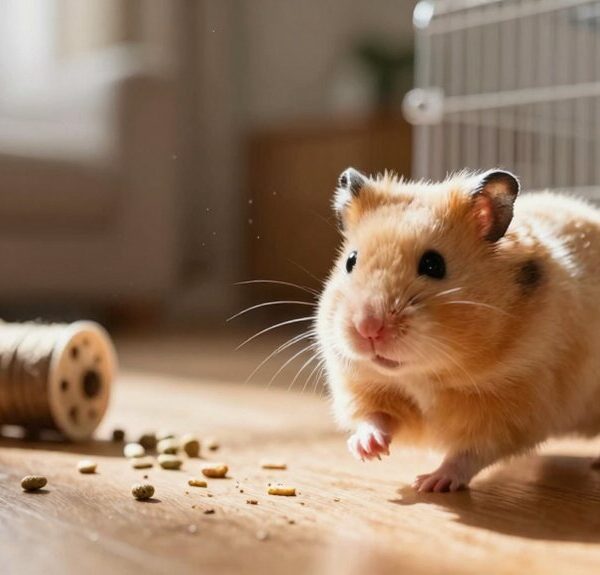
Why do your little hamster’s antics seem to peak when you’re just trying to wind down for the night? It’s all about their natural playtime patterns and energy peaks. Chinese hamsters are crepuscular, meaning they’re most active at dawn and dusk, just when you’re settling in.
They zoom around their cage right after sunset, full of curiosity and zest.
Short bursts of running, climbing, and tunneling mimic their wild instincts.
Even a quiet yawn from you might trigger their “It’s showtime!” mode.
Their internal clock doesn’t care about your Netflix schedule, and honestly, that’s part of their charm. So when they start flipping, burrowing, or sprinting like tiny furry Olympians, remember: it’s not personal.
They’re just being true to their nature. Enjoy the show—it’s their way of saying, “Life’s an adventure, even in a cage.”
How to Build Trust With a Shy Hamster
What if the secret to winning over your shy Chinese hamster isn’t chasing them with treats, but simply being calmly and quietly right by their side?
Start by sitting near their cage daily, talking softly so they get used to your voice.
Offer a treat from your hand, but don’t force it. Let them come to you.
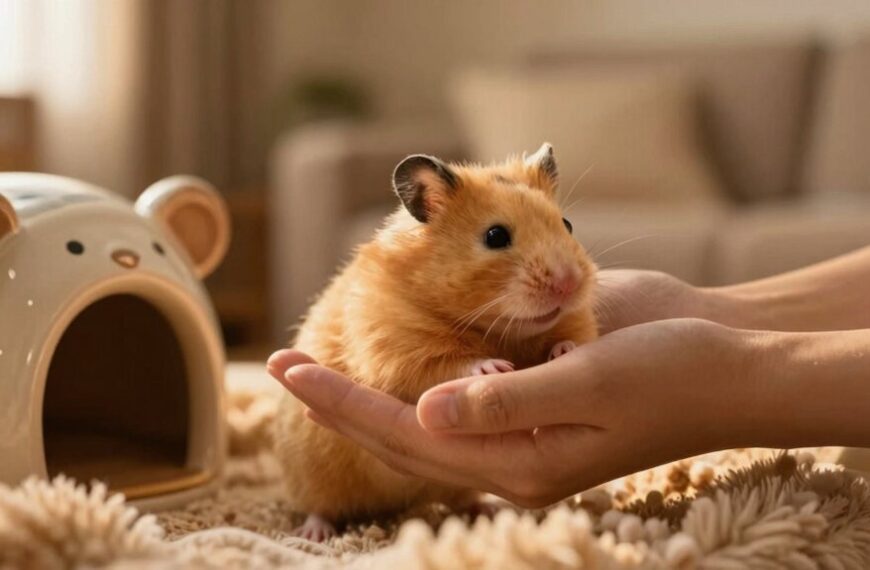
Gentle handling is key. When they’re relaxed, scoop them slowly with both hands to make them feel secure.
Never grab or startle them.
Use positive reinforcement by pairing calm behavior with small rewards like a sunflower seed or a soft word.
Over time, they’ll link your presence with safety and snacks.
It’s not about speed. It’s about patience.
Think of it like making a new friend who’s just really, really cautious. You’ve got this.
A shy hamster may take longer to bond, but consistent, calm interaction builds trust over time.
Final Thoughts
You’ve got a little night owl on your hands, Chinese hamsters are busy after dark, super curious, and surprisingly smart. They like their alone time, but with patience, they’ll warm up to you.
Watch how they explore, listen to their quiet chatter, and learn their quirks. Stress happens, but so does snuggle time. Treat them kindly, give them space, and you’ll build a bond that’s totally worth the effort. Hamster love is real, even if it comes with a midnight wheel sprint.

INTERESTING TUNNEL TOYS: Are you still looking for fun toys for your pet? This small wooden adventure mice tunnel is one of choices for keeping your pets natural. The small wooden adventure tunnel is also a great exploring toy for small dwarf hamsters, gerbils, mice and other pets of similar size, it's not recommanded for Syrian Hamsters or similar sized pets

Natural material: Hamster hideout wood from the nature of birch, very safe for pets, to meet the needs of pets close to nature

【FUNNY TOYS】:Maybe you are in the midst of setting up a mouse habitat ,YIXUND hamster toys set to be a good variety for you.Good various adorable toys for your hamster friends to hide,toss,chew,play and fight over,will keep them busy and happy.