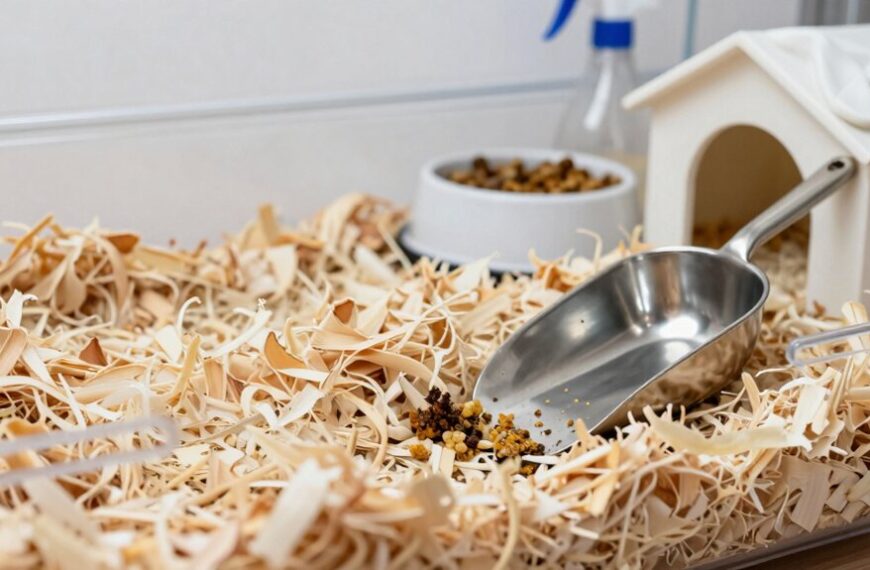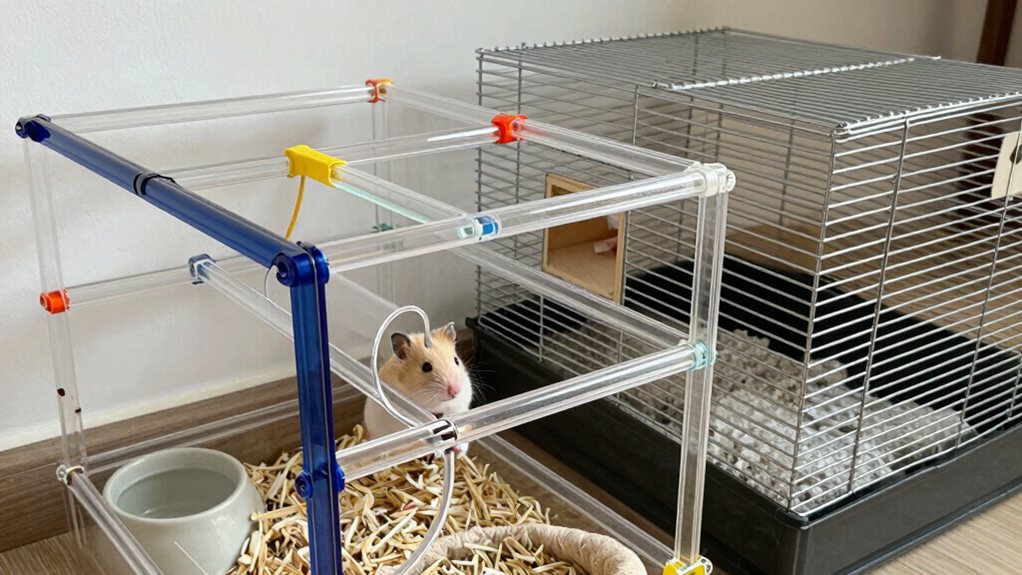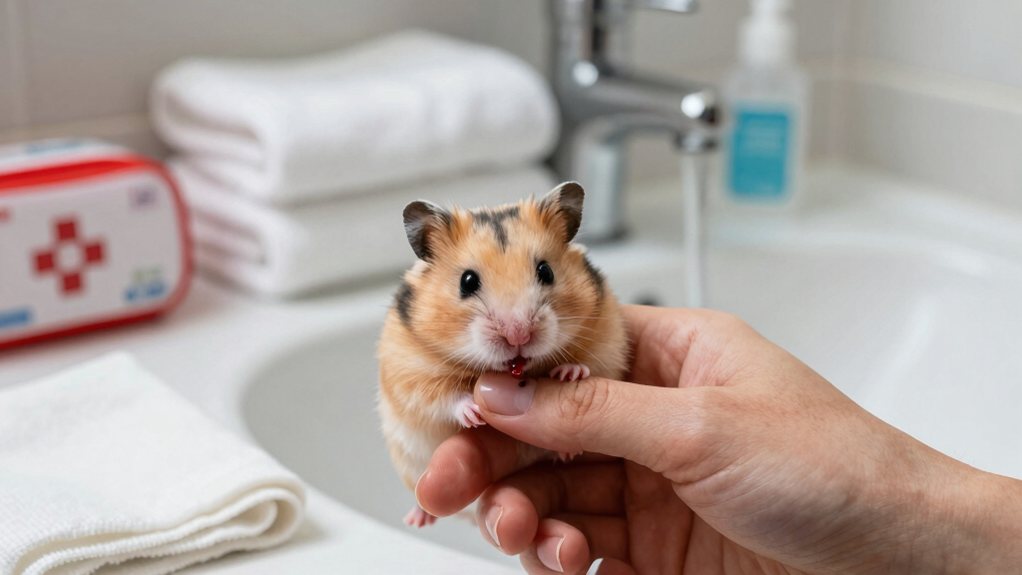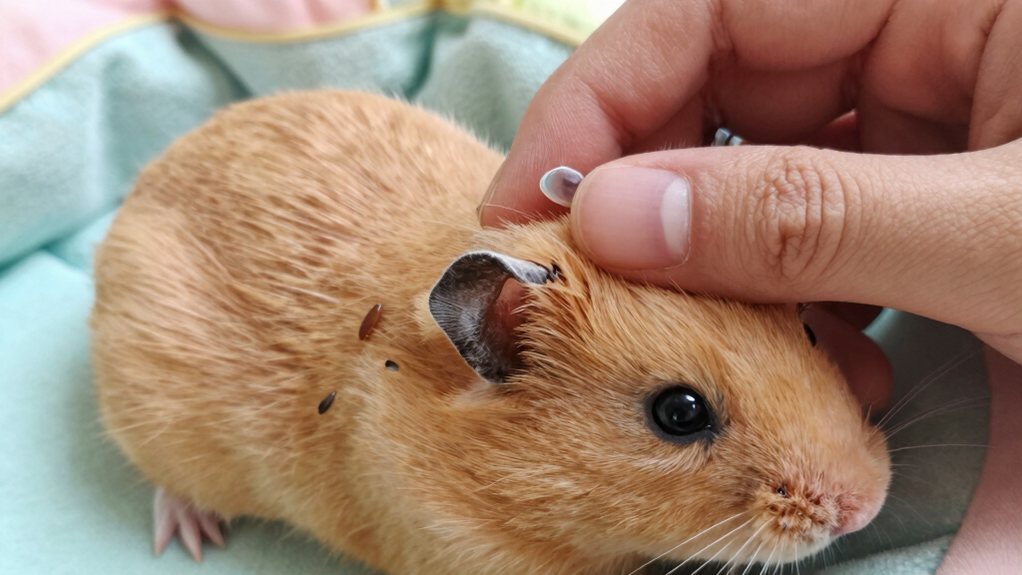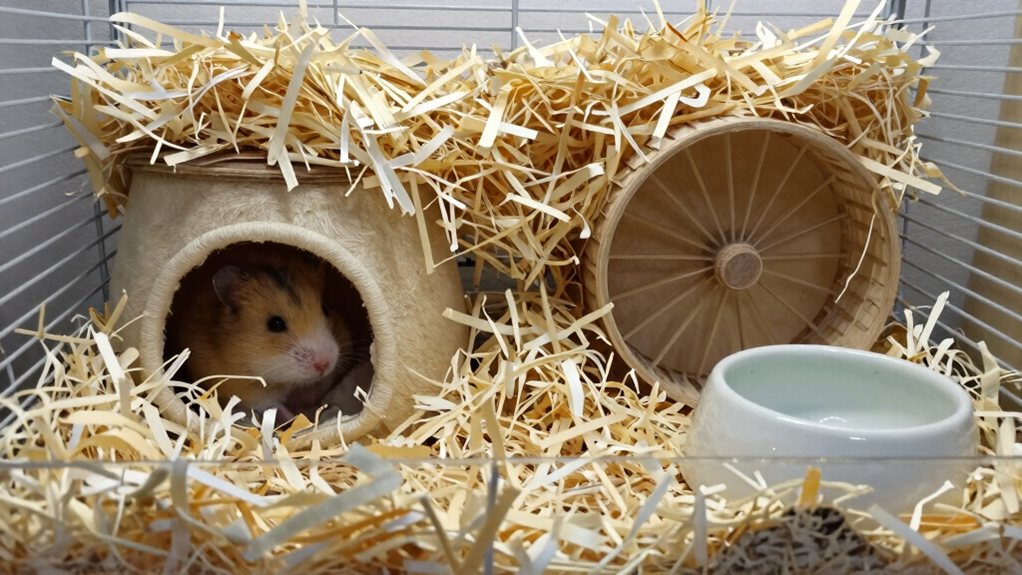
Yes, you can definitely put too much bedding in your hamster’s cage. Piling it too high compacts the bottom layers, trapping moisture and bacteria, hello, soggy swamp vibes no one wants.
While your pup needs 6–8 inches to dig and burrow happily, going overboard risks mold, breathing issues, and a stressed-out pet. Stick to safe, dust-free materials like paper or aspen, keep it clean, and your little digger will thrive. Oh, and there’s a sweet spot you’ll want to know about.
Can Too Much Hamster Bedding Be Dangerous?
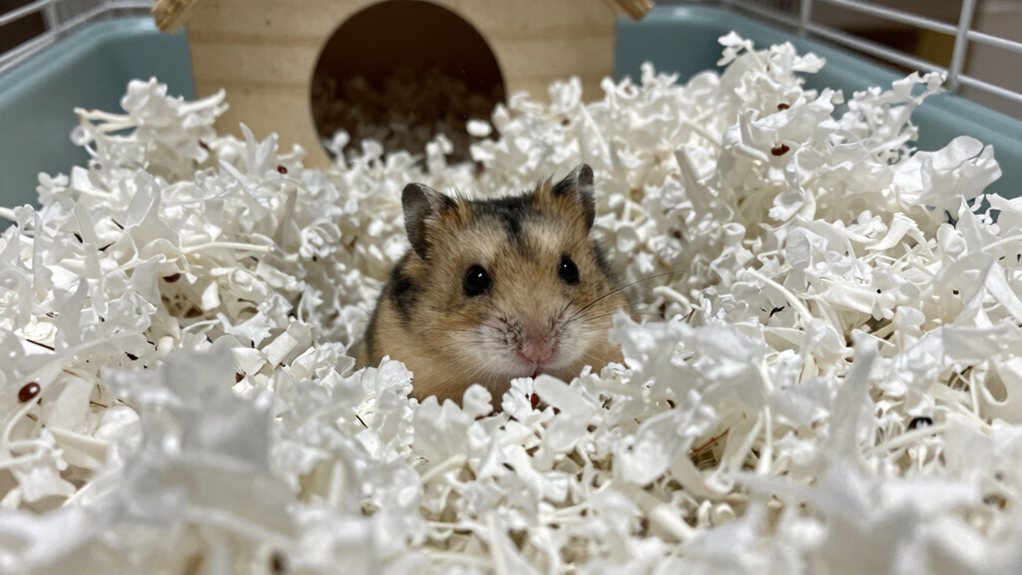
Ever wonder if your hamster’s bedding mountain is doing more harm than good? While your furry friend loves digging and nesting, too much bedding can cause problems.
Over-piling leads to bedding compaction, especially at the bottom, where it gets squished and damp. That soggy mess traps moisture and bacteria, putting your hamster at risk for respiratory issues or skin irritation.
Plus, compacted bedding limits air circulation, making the cage stuffy and unhealthy, kind of like sleeping in a closet full of wet towels (not cute).
You want a cozy burrow, not a swampy cave! Aim for 2–3 inches of bedding for most cages; deep enough for tunneling fun, but shallow enough to breathe easy.
Think balance: comfy for snuggles, safe for sniffles. Your hamster will thank you with happy, energetic zoomies—no soggy surprises!
Avoid using cedar or pine shavings, as they release toxic compounds that can severely impact your hamster’s respiratory and liver health.

ODOR CONTROL for long-lasting freshness, Kaytee Clean & Cozy can be used with any type of habitat for a fresh animal home

ODOR CONTROL for long-lasting freshness. Kaytee Clean & Cozy can be used with any type of habitat for a fresh animal home
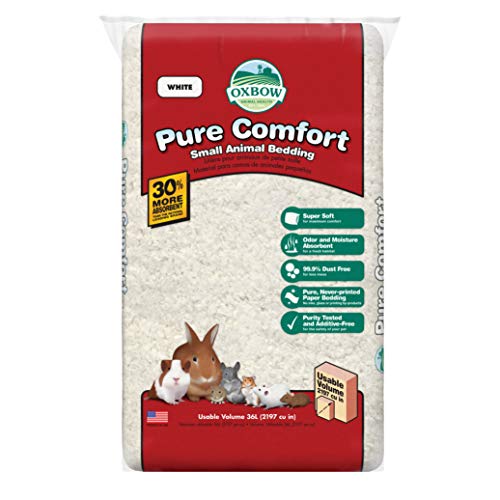
ODOR ABSORBENT TO MINIMIZE PET ODORS: Effectively neutralizes odors to keep bunny bedding & hamster bedding fresh; Ideal for pet bedding, ferret cages, and litter boxes, it helps maintain a clean environment for your pets and a better experience for you
How Deep Should Hamster Bedding Be?
You’ve probably seen your hamster vanish into a fluffy pile of bedding, only to pop up minutes later with cheeks full and eyes bright, proof they love their cozy digs.
When it comes to bedding depth, aim for about 6–8 inches to support your hamster’s natural nesting habits.
This depth lets them burrow and create secure tunnels, just like in the wild.
Here’s how to get it right:
- Start with a 2-inch base layer of paper-based bedding.
- Add soft hay or shredded tissue for nesting comfort.
- Monitor digging patterns to adjust bedding depth as needed.
- Keep one corner slightly deeper, hamsters often favor it for nesting.
Too shallow, and they can’t nest properly.
Too deep might hide waste.
But with the right balance, your little digger will thrive, snoozing in a nest they built themselves, adorable and healthy.
A high-quality, 99.9% dust-free bedding like Kaytee CleanCozy or Oxbow Pure Comfort supports respiratory health while maintaining the ideal burrowing environment.
What’s the Best Bedding for Burrowing Hamsters?
What makes a burrow truly worth digging? For your busy little digger, it’s all about bedding texture and depth. You want something soft, safe, and perfect for nesting habits that scream “cozy castle.”
Paper-based bedding is a top pick, gentle on tiny paws and great for tunneling.
Avoid dusty or fluffy stuff like cotton, which can trap moisture or tangle in fur.
Aspen shavings work well too, but skip cedar or pine, they’re harsh and can irritate.
Your hamster isn’t just playing, they’re building a home.
So when you fluff that bedding, imagine your pet snuggling deep into their masterpiece.
Too much bedding? Nah, not if it’s the right kind. Just keep it clean and clump-free.
Give them room to dig, dream, and disappear.
After all, a happy hamster is a buried hamster!
Natural materials like coconut fiber support burrowing and coconut-based bedding for optimal moisture control and diggable texture.
Is Your Hamster’s Bedding Too Deep? Watch for These Signs

How deep is too deep when it comes to your hamster’s bedding? While your little digger loves to burrow, too much bedding can cause more stress than snuggles. Keep an eye out for these signs that things might be getting out of paw:
- Your hamster avoids certain areas because the bedding texture feels overwhelming or traps moisture.
- You notice damp spots forming deep in the bedding, leading to mold or mildew.
- Nesting behavior becomes frantic, your hamster’s piling bedding like it’s prepping for a blizzard.
- Your pet seems disoriented or struggles to find food hidden too far down.
Aim for 6–8 inches—enough for cozy tunnels and nesting behavior, but not so much that your hamster’s swimming in fluff.
Aim for 6–8 inches of bedding—just right for cozy tunnels and natural nesting, without overwhelming your little digger.
Think of it like a comfy mattress, not a snowdrift.
You’ve got this!
Using unsafe materials like scented or dusty bedding can worsen these issues, so always choose non-toxic, low-dust bedding to support your hamster’s respiratory health and overall well-being.
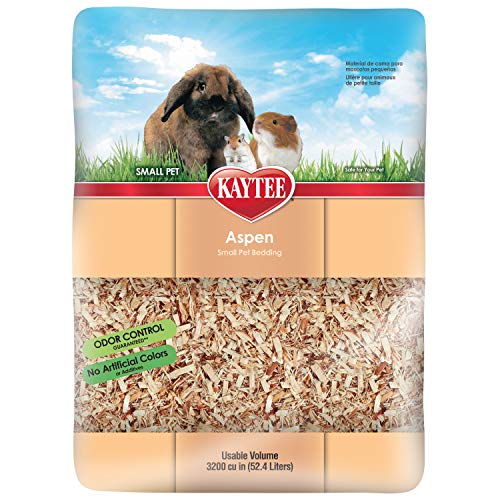
ALL-NATURAL ASPEN SHAVINGS, crafted for a natural, comfortable habitat
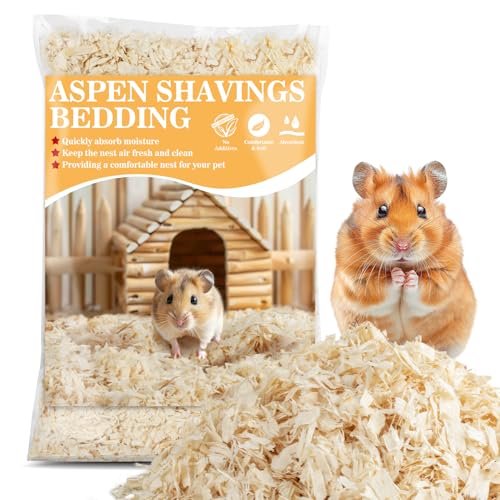
Aspen shavings: Using aspen wood, without any additives, with a nice odor, fluffy and comfortable, good for use as pet bedding

Natural Pet Bedding – Made from 100% natural materials with no additives or fragrances. Soft, fluffy, and safe, providing a healthy bedding option for your small pets.
How to Keep Hamster Bedding Clean & Safe
While your hamster might treat their bedding like a five-star spa retreat, digging, nesting, and occasionally tossing it around like confetti, it’s up to you to keep things fresh and safe.
Check the bedding moisture daily; damp spots can lead to mold and health issues.
Scoop out wet or soiled sections every few days—think of it as spot-cleaning their tiny kingdom.
Replace all bedding weekly to keep odors and bacteria at bay.
Good air circulation helps, so avoid overstuffing the cage.
Use safe, dust-free materials like paper-based bedding—no cedar or pine, which can irritate their lungs.
Clean the cage with mild, pet-safe soap and rinse well.
Your hamster will thank you with happy squeaks and energetic tunnel-building.
A clean home means a healthy, bouncy buddy.
You’ve got this—hygiene isn’t glamorous, but it’s love in action.
For multiple hamsters, consider changing bedding twice a week to maintain optimal hygiene and prevent waste buildup.
Final Thoughts
You’ve got this! Just like you wouldn’t bury yourself under ten blankets, your hamster doesn’t need a foot-deep bedding paradise. Too much can trap moisture and make breathing tough. Aim for 2–3 inches: perfect for cozy burrows without the drama.
If your little digger disappears and never resurfaces, it’s a sign! Keep it clean, keep it safe, and your furry friend will thrive (and maybe stop hoarding bedding in his cheeks).

ODOR CONTROL for long-lasting freshness. Kaytee Clean & Cozy can be used with any type of habitat for a fresh animal home.

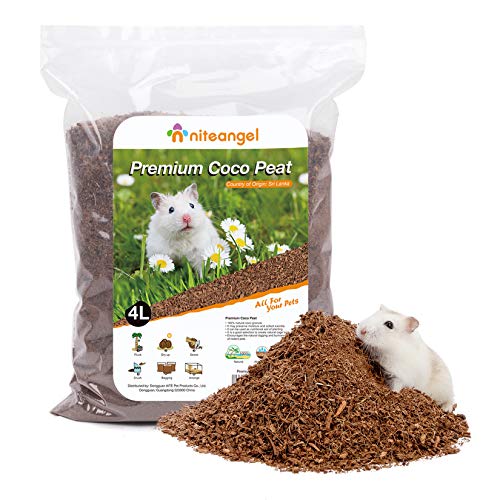
Natural Materials And Easy To Use: Hamster bedding is made of selected natural coco materials, the soft and delicate material will give the hamster to dig and play without hurting its paws, you just need to sprinkle Hamster Bedding on the hamster habitat , let the hamster enjoy the fun of digging and exploring.