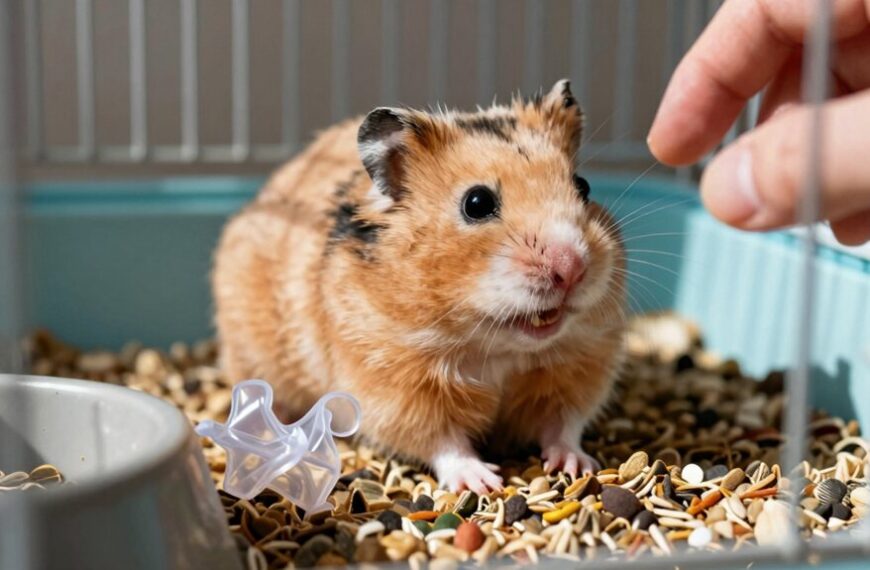
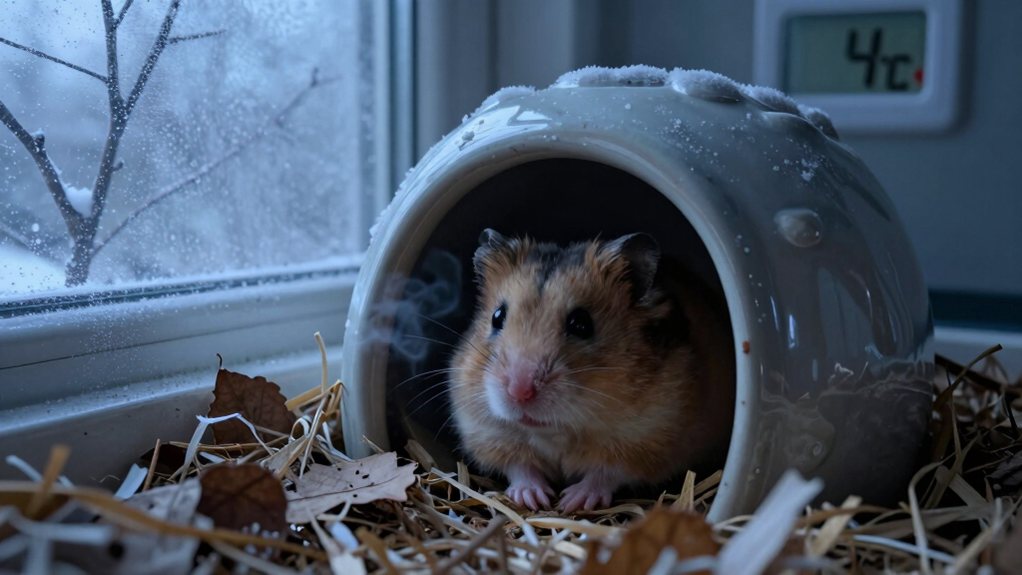
Your hamster poops in his house because it’s his safe zone, like your bathroom at home. He eats, sleeps, and yes, even poops there, all by instinct. It’s not laziness; it’s smart hamster behavior!
Wild hamsters keep their nests clean but use one spot for business to avoid predators. Yours is just following his tiny, furry instincts. And honestly, it’s kind of impressive how organized he is. You’ll love how simple it is to keep things fresh once you know his routine.
Why Does My Hamster Poop in His House?

Ever wonder why your hamster treats his little house like a personal restroom? Well, it’s actually totally normal, kind of clever.
Your hamster picks his house as his bathroom because it’s his safe zone, a spot where he eats, sleeps, and feels secure.
Since his food preferences keep him snacking inside, it only makes sense he’d poop where he munches. Think of it like eating on your couch and not wanting to get up to throw away the wrapper.
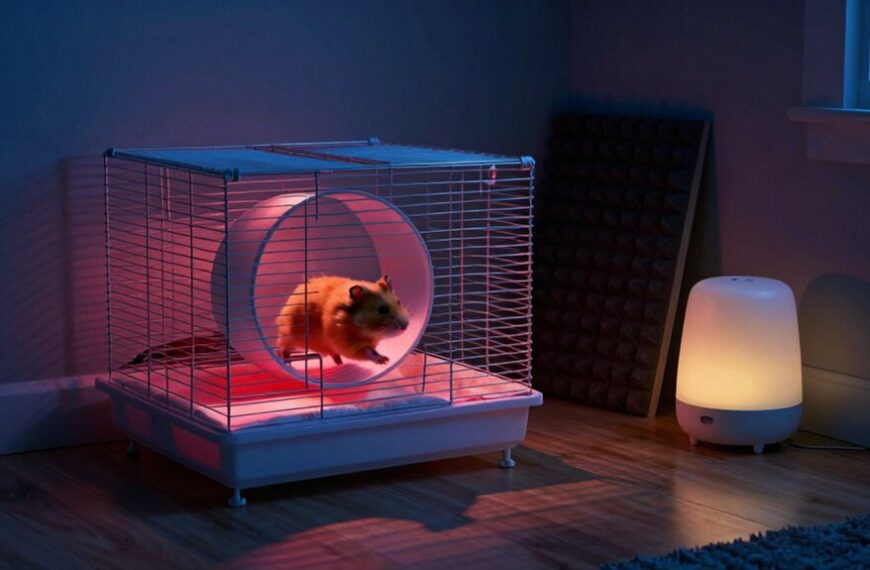
His sleep patterns also play a role. He’s most active at night, so he’s likely eating, running, and yes, pooping while you’re catching Z’s.
It’s not laziness, it’s efficiency. He’s keeping things simple in his tiny world.
So while it might seem gross to us, to him, it’s just practical living.
A quick clean once a week should keep both of you happy, and his house fresh!
Hamsters often designate one spot for multiple activities, including sleeping and peeing.

Full-Wrap High Walls & Anti-Spill - Hamster sand bath container 5.3" tall enclosed design prevents sand scattering during vigorous digging, keeping cages clean vs. open hamster sand boxes

Detachable Design---Detachable up and down and protruding extension, effectively prevent bath sand leakage, easy to clean, without leaving any spaces.

Full-Wrap High Walls & Anti-Spill - Hamster sand bath container 5.3" tall enclosed design prevents sand scattering during vigorous digging, keeping cages clean vs. open hamster sand boxes
Is It Normal for Hamsters to Poop in Their Nest?
While your hamster might treat his house like a snack station and sleep spot, he actually keeps things tidier than you’d think when it comes to his nest. Most hamsters avoid pooping where they sleep, seriously, they’ve got standards! Their sleep patterns rely on a clean, cozy nest, so they usually pick a separate corner for bathroom breaks. It’s their way of staying healthy and comfy.
If your hamster is pooping in the nest, it might be due to limited space or stress. Check if his cage setup supports his food preferences and natural habits. A cramped home can mess with even the best sleep patterns. Ensuring a proper bedding depth of 6–8 inches supports natural burrowing and helps maintain a clean, organized living space.
How Instinct Shapes Your Hamster’s Bathroom Habits
Your hamster may not come with an instruction manual, but he definitely comes with a built-in rulebook, and a lot of it revolves around where he does his business.
Deep down, your little furball follows instincts shaped by survival. In the wild, pooping in one designated spot keeps predators from sniffing him out.
So when he picks a corner of his house, he’s not being messy, he’s being smart.
This habit also ties into his food preferences and social behaviors. He’ll often keep his bathroom far from where he stores snacks or sleeps.
Think of it as tiny-hamster feng shui. You might chuckle when he backflips after going, but that’s just him saying, “All done!”
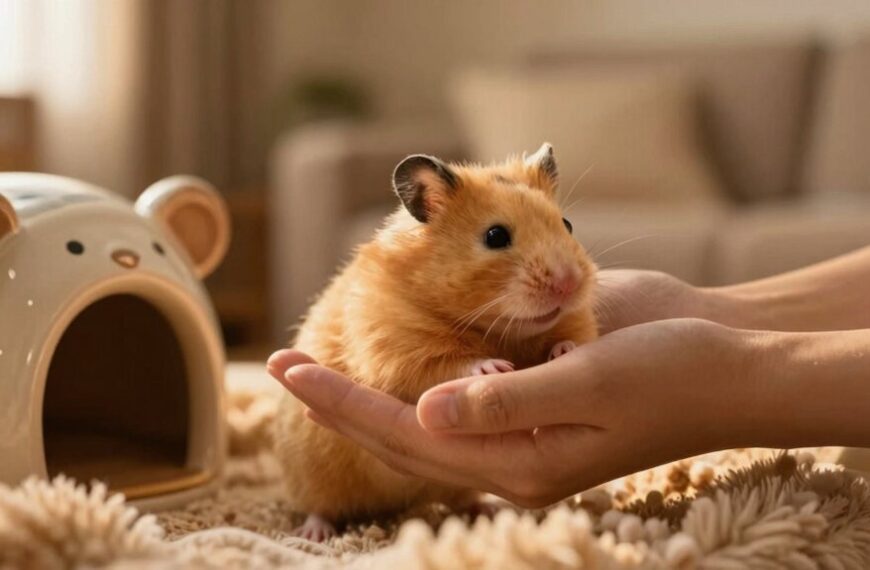
Understanding these quirks helps you bond with him better.
A litter box placed in this preferred corner can help manage waste and support his natural bathroom corner habit.
Do Hamsters Use Poop to Mark Their Territory?

Could it be that your hamster’s little droppings are more than just bathroom breaks? While hamsters don’t exactly use poop like a “keep out” sign, they do rely on scent communication to understand their world.
Their droppings carry subtle smells that help them recognize familiar spaces.
Tiny droppings pack a powerful scent, helping hamsters identify safe, familiar territory with quiet confidence.
And yes, sometimes assert a bit of social hierarchy, especially in multi-hamster homes (though we don’t recommend those!).
Poop contains scent cues only other hamsters can fully read.
It helps your pet feel secure in its territory.
Marking isn’t aggressive. It’s more like leaving sticky notes.
Scent communication is key in hamster social hierarchy.
Even clean cages get reclaimed with a few strategic droppings.
Signs Your Hamster’s Pooping Isn’t a Problem
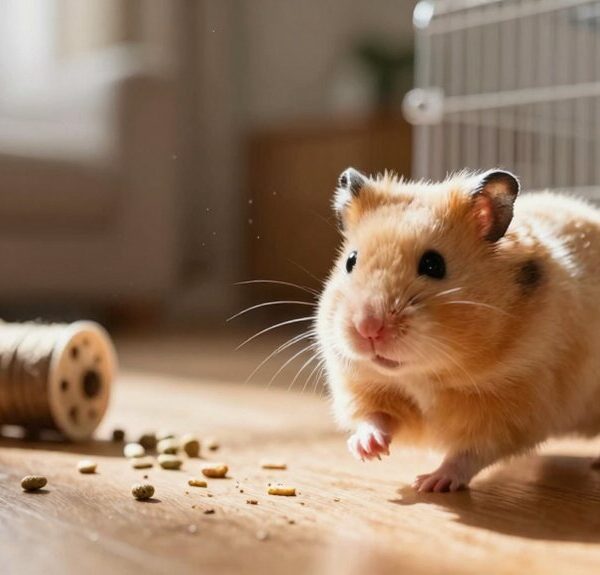
You’ve probably noticed your hamster dropping tiny pellets like confetti in their favorite spots, and if you’ve been wondering whether it’s a red flag, chances are it’s not. Healthy pooping is usually small, dry, and scattered, totally normal!
If your hamster is active, eating well, and has consistent droppings, there’s likely no cause for concern.
Pay attention to bedding preferences; some hammies pick specific corners to go, almost like choosing a favorite bathroom.
Also, monitor food reactions. Sudden diet changes might tweak their poop at first, but it should settle.
As long as there’s no diarrhea, lethargy, or messy fur, you’re golden.
Think of it as your little buddy just doing his business where he feels comfy. It’s quirky, kinda cute, and completely natural.
Hamsters naturally defecate every 10 to 15 minutes during active periods, which explains the frequent droppings in their preferred spots. This behavior is tied to their fast digestive system and is perfectly normal for a healthy hamster.
When to Worry: Health Clues in Nest Soiling
Ever wonder why your hamster’s cozy nest suddenly smells more like a red zone than a sleepy sanctuary?
While a little mess is normal, sudden or smelly changes could hint at digestive issues or behavioral changes worth checking out.
Keep an eye out for these red flags:
- Poop that’s runny, clumped, or a weird color
- Nest bedding soaked in urine or smeared with diarrhea
- Your hamster avoiding the nest altogether
- Noticeable weight loss or less activity than usual
- Odd aggression or lethargy when you clean the cage
If you spot these signs, it’s time to call the vet.
Digestive issues can sneak up fast, and behavioral changes often mean your tiny buddy isn’t feeling well.
Don’t panic.
Early action usually leads to a quick fix.
You’ve got this, and your hamster’s counting on you to keep their home and health on track.
A sudden change in hygiene habits could also increase the risk of zoonotic diseases through contact with contaminated bedding or waste.

Slow-release formula: Our bedding deodorizer utilizes a unique slow-release technology, allowing for odor control through continuous release of deodorizing agents over time, ensuring a long-lasting freshness that lasts up to 5 weeks per inner bag and up to 15 weeks in total!

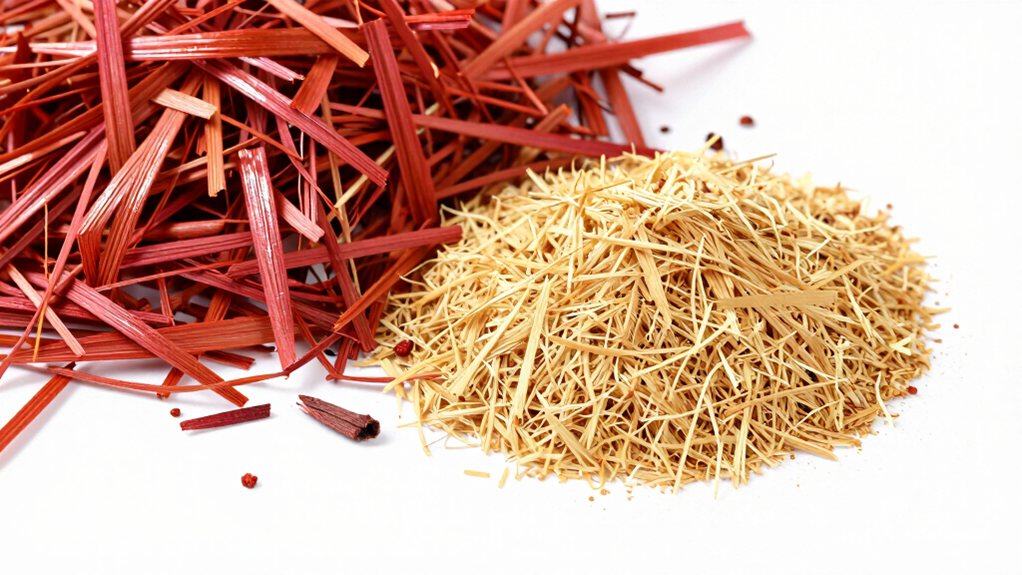
Product specs: 3.5OZ natural kapok in vacuum-sealed flat packaging (locks out moisture/air for better value). Unseal, let sit a few minutes to expand. Note: Natural product may have small kapok shell bits.Please note before purchasing.

How to Clean Your Hamster’s House Safily

You’ve got this—cleaning your hamster’s house isn’t as tough as it seems, especially when you use safe supplies like warm water and a dash of vinegar instead of harsh chemicals.
Stick to a regular schedule, like spot-cleaning every few days and a full clean once a week, so things never get out of paw.
Your little buddy will thank you with fewer surprise droppings in his bedroom, and maybe even a happy squeak or two.
Choose a hamster-safe disinfectant that is non-toxic and residue-free to ensure your pet’s health during and after cleaning.
Safe Cleaning Supplies
Keeping your hamster’s house clean doesn’t have to be a science experiment, unless you count avoiding toxic fumes and mystery sprays as lab work.
When choosing safe cleaning supplies, stick to natural cleaners like vinegar, baking soda, or unscented pet-safe wipes.
Harsh chemicals? Nope. Your tiny roommate has sensitive lungs, so good ventilation tips are a must.
Open a window or clean in a well-airflow spot to keep things fresh and safe.
- White vinegar (diluted) for disinfecting
- Baking soda to neutralize odors
- Unscented, alcohol-free wipes for quick cleanups
- Mild dish soap (a tiny drop in water)
- Microfiber cloths (no lint left behind)
Your hamster will thank you by, well, still pooping in his house—but at least it’ll be a clean one.
Enzyme-based cleaners are highly effective at breaking down waste and eliminating odors without harsh chemicals, making them a safe choice for frequent use. Enzyme-based formulas begin working immediately to dissolve urine and feces, ensuring a healthier environment for your hamster.
Regular Maintenance Schedule
How often should you tackle the great hamster house cleanup? Once a week is perfect, your furry roommate will thank you! Think of it like syncing your bedtime routines and playtime habits. Consistency keeps life seamless.
Scoop out soiled bedding daily, but save the deep clean for weekly. Remove your hamster gently. Maybe mid-playtime, when he’s already out and exploring. Then empty everything.
Use safe supplies. No harsh chemicals! Warm water and a bit of pet-safe cleaner work wonders. Scrub the corners, rinse well, and let it dry.
While it airs out, give your hamster a little extra cuddle time. A clean home means happier zoomies and comfier naps. Plus, you’ll dodge funky smells and health hiccups.
It’s not glamorous, but hey, nobody said being a hamster parent was all treats and tunnels. Stick to the schedule, and both of you’ll sleep better. Promise.
For two hamsters, consider cleaning every five days due to increased waste and double the waste.
Can You Potty Train a Hamster? (Without Stress)
- Place a small litter box in their favorite corner, where they naturally go
- Use paper-based litter, skip the clumping kind, it’s unsafe
- Scoop droppings daily and add them to the box to reinforce the spot
- Reward with a tiny treat when they use it right, yes, hamsters like snacks!
- Keep expectations low, this is more about habit than perfection
Aim for a litter box with easy access design to ensure your hamster can enter and exit comfortably without stress.
You’re not aiming for a hamster potty genius, just a tidier cage.
With a little consistency, you might just see progress.
And fewer surprises during cleanups!
Cage Setup Tips to Guide Potty Behavior
Ever wonder why your hamster seems to have a built-in GPS for the farthest corner of their cage when it’s time to go? You’re not alone! The good news is, a smart cage setup can gently guide their potty behavior.
Start by placing their bed in one end. Hamsters prefer to keep their sleep zone clean, so they’ll naturally pick another spot for bathroom breaks.
Use that to your advantage by putting a small litter box in the opposite corner.
Also, pay attention to toy arrangement. Spread toys and chewables near the sleeping area to make it their favorite hangout, not their toilet.
Keep food and water mid-cage to avoid mess confusion.
With a little planning, you’re more than building a home. You’re creating a hamster-friendly bathroom map. Who knew interior design could be this tiny?
A successful routine depends on consistent placement and natural bathroom habits to support training efforts.
Why Forcing Change Stresses Your Hamster
What if your hamster could tell you he’s not a fan of sudden redecorating? Well, even though he doesn’t speak English, his stress tells the story. Forcing change, like cage relocation or routine disruption, can really rattle your tiny friend.
Hamsters thrive on predictability, and shaking things up too fast overwhelms them.
Sudden cage relocation feels like being dropped in a foreign country.
Routine disruption messes with their internal hamster clock.
Cleanings every day? That’s overkill and super stressful.
Moving their favorite hideout? That’s basically stealing their bedroom.
Expecting instant potty training? Give it time and patience.
Go slow, make gradual tweaks, and watch his behavior. A calm hamster is a happy hamster—and way less likely to redecorate his house with poop. You’ve got this!
Final Thoughts
You’re not grossed out, and honestly, neither is your hamster. Pooping in his house? Totally normal, it’s his safe zone, not a mess he’s trying to make.
He’s not being lazy; he’s just following instincts older than your Wi-Fi router. Clean gently, guide his habits, but don’t stress him out trying to “fix” it. A happy hamster is a poopy-nest hamster. And hey, at least he’s house-trained… sort of.

5-Tier Design: Featuring toys galore, the hamster habitat contains tunneling, a wheel, ramps, and a hut. Spot your little guy mid-tube, mid-ladder, or catching a drink of water after the fun. This fun hamster cage provides not only a multi-story design but activities to enjoy.

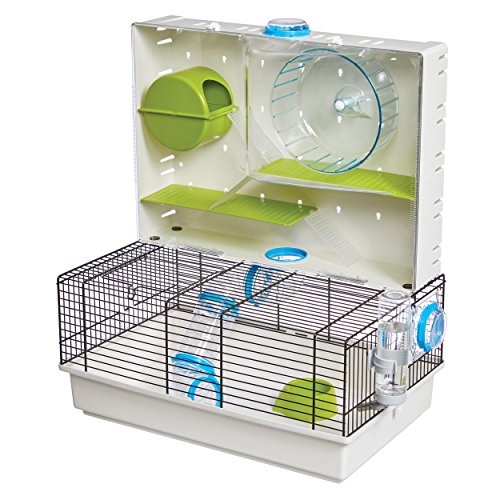
Fun Arcade Hamster Home features a cool multi-level play space to watch your hamster in action 18.11 length x 11.4 width x 21.5 height inches, 6.1 pounds