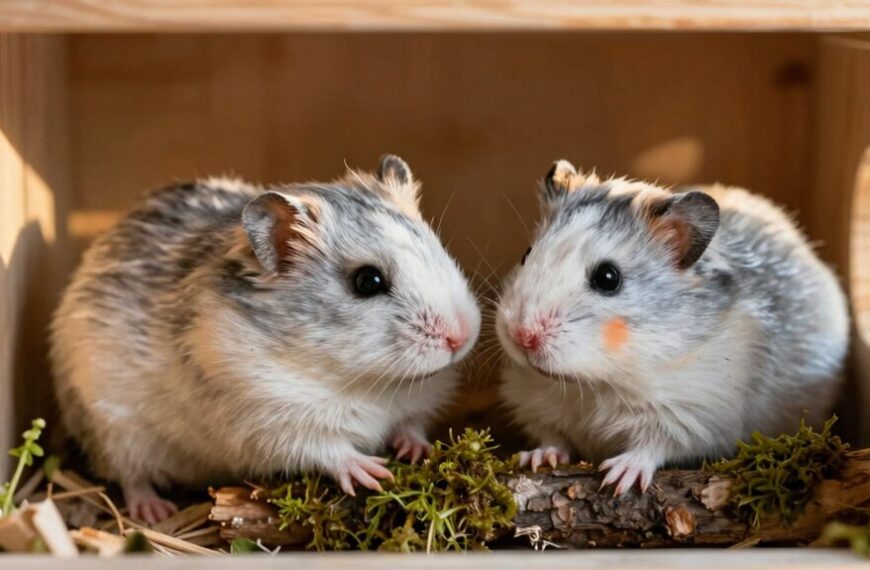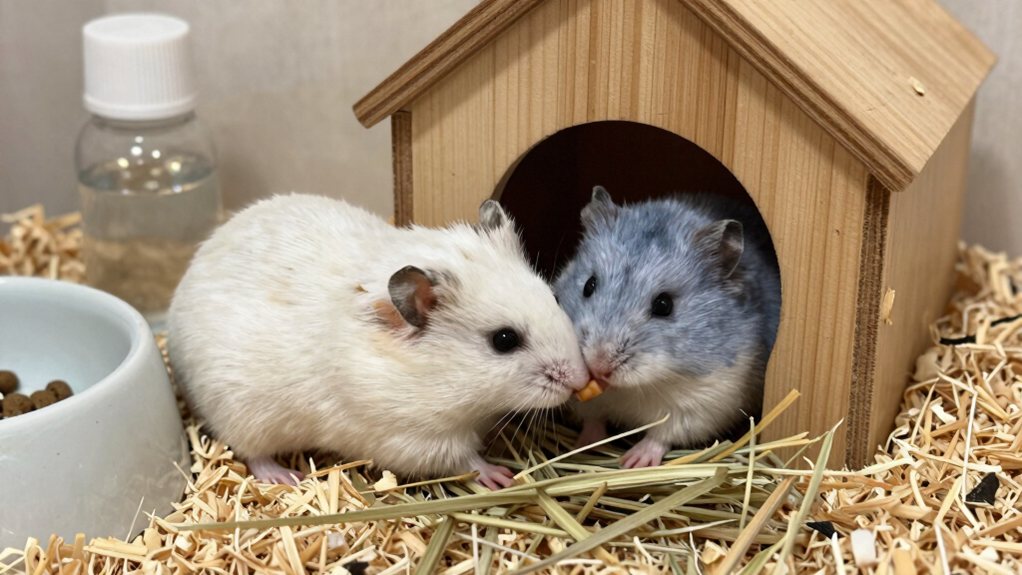
You can keep some dwarf hamsters together, but it’s not one-size-fits-all. Roborovskis usually do great in same-sex pairs.
Winter Whites need to be raised together from a young age. Campbell’s and Chinese dwarfs can be hit or miss, some snuggle up, others throw down.
Always introduce them slowly in neutral space, and watch for chasing or biting. If they’re constantly squabbling, it’s safer to house them separately. You’ll want to know the signs it’s not working, and when it might be time to part ways.
Can Dwarf Hamsters Live Together?

So, can dwarf hamsters actually live together, or is that just a cute idea we see in cartoons and pet store displays?
Well, here’s the truth: most dwarf hamsters can live together, but only under the right conditions. You’ve got to introduce them young, keep them same-sex, and watch for squabbles.
Even then, their nocturnal behavior means you might miss tense moments while you’re asleep.
One hamster might hog the wheel while the other naps, or they might argue over nesting spots.
And while their dietary preferences are similar, think seeds, veggies, and the occasional treat, sharing food doesn’t always mean sharing peace.
It’s kind of like roommates: just because you both like pizza doesn’t mean you won’t fight over the last slice.


3-IN-1 PLAY MODES — MORE FUN, LESS BOREDOM Switch between 3 exciting modes — detachable running ball for free-roaming rolls, fixed exercise wheel for daily sprinting, and full sports car mode for a fun ride — so your hamster always has something new to enjoy.

This hamster or dwarf hamster shirt makes a great gift for anyone who owns a Roborovski, Chinese, Russian, or Syrian hamster. Kids, girls, and hamster owners will love this cute hamster holding a strawberry. It's too kawaii when your hamster is eating food
Which Dwarf Hamster Species Can Share a Cage?
Ever wonder why some dwarf hamsters snuggle up like best friends while others act like they’re in a tiny wrestling match?
Well, it all comes down to species compatibility. Not all dwarf hamsters can live together, and believing the cohabitation myths you hear online might lead to chaos in your pet’s cage.
Roborovski dwarfs? They’re social little adventurers and usually do great in pairs or small groups.
Roborovski dwarfs? These tiny explorers thrive on friendship—pair them up or group them young for a cage full of happy, busy buddies.
But Campbell’s and Chinese dwarfs? They can be hit or miss. Some get along, but many prefer flying solo.
Winter Whites? Same deal. Always introduce them young and watch closely.
If you see biting or chasing, it’s time to split them up.
You’re aiming for peace, not a reality show feud.
Why Gender Matters for Pairing Dwarf Hamsters
You’ll want to stick to same-gender pairs when housing dwarf hamsters together, trust me, mixing boys and girls usually ends with tiny, unexpected roommates.
While opposite genders can bond at first, they’ll likely breed faster than you can say “hamster speed-dial.”
Keeping two males or two females together avoids surprises and keeps peace in the cage, unless they’re in a mood to squabble over sunflower seeds.
Same Gender Pairing
Why do some dwarf hamster pairs get along like best buds while others act like they’re in a tiny wrestling ring? When it comes to same-gender pairing, social compatibility is key.
You might’ve heard cohabitation myths like “two females always get along” or “males will fight no matter what,” but that’s not always true. While females can live together peacefully, they sometimes clash over territory or food, yes, even over a single sunflower seed.
Males, on the other hand, often surprise you by napping in a cuddle pile one minute and play-boxing the next. The trick? Introduce them young, keep their space roomy, and watch for signs of stress.
Same-gender pairs can work, but it’s more than just a guarantee. Think of it like matching roommates: you want compatible personalities, not merely the same gender. With patience and care, your dwarf duo might just become inseparable.
Opposite Genders: Risks
So, what happens when you put a male and female dwarf hamster in the same cage hoping for a peaceful partnership?
Well, let’s just say it’s not the buddy movie you imagined. Instead of cuddling up, they’re more likely to start a tiny soap opera full of breeding complications and hormonal stress.
Even if you don’t plan on baby hamsters, one surprise litter can turn your calm cage into chaos.
The female may get grumpy, territorial, or even aggressive. No one likes an uninvited roommate, especially when hormones are involved.
And trust us, cleaning up after a hamster nursery isn’t exactly fun.
Plus, constant stress weakens their little immune systems.
So, while opposite genders might seem cute together, it’s usually a recipe for drama.
Skip the romance and stick to same-sex pairs. Your hamsters and your sanity will thank you.
Neutral Companionship Possible
Putting male and female dwarf hamsters together might sound like a sweet idea, but as you’ve seen, it usually leads to more drama than a reality TV show.
While cohabitation myths suggest opposite genders can peacefully share a space, the truth is their social behavior often tells a different story.
Unspayed females and intact males, that’s a recipe for endless chasing, stress, and surprise litters.
Even if they seem calm at first, hormones can turn best friends into rivals overnight.
But here’s the good news: neutral companionship is possible just not between males and females.
Same-sex pairs, especially females raised together, often bond well and enjoy grooming or snoozing side by side.
Just remember, every hamster has its own personality.
Watch for signs of tension, like biting or hiding, and be ready to separate if needed.
With the right match, your tiny roommates can thrive, no drama required.
How to Introduce Dwarf Hamsters Safely

Ever wonder how two tiny hamsters can go from strangers to snuggle buddies without turning your cage into a tiny battleground? Introducing dwarf hamsters safely takes patience and smart bonding techniques. Start by placing their cages side by side so they get used to each other’s scent.
Patience and smart bonding start with side-by-side cages—let your tiny roommates sniff their way to friendship before the big meet.
Then, let them meet in a neutral space, like a clean bathtub or playpen, never in one hamster’s home territory. This keeps things fair and less stressful.
Always supervise their playtime supervision closely, watch for chasing or biting, which means it’s time to split them up.
Keep these meetups short at first, just 5–10 minutes, and gradually increase if they get along.
Swap bedding often to mix scents.
With calm, consistent effort, your pint-sized pals might just become best friends, no tiny swords required.
7 Signs Your Dwarf Hamsters Are Fighting
How can you tell if your dwarf hamsters are bonding or about to star in their own tiny reality feud? Watch their behavior closely. Play behavior should look fun and balanced: chasing, hopping, and gentle nudging.
But if one hamster is always on the run or gets pinned down, it’s not play—it’s a fight.
Check their grooming habits too. Friendly hamsters groom each other, but if one’s avoiding contact or has bald spots from stress, something’s wrong.
Hissing, loud squeaking, or one hoarding all the food are red flags. You might even spot bite marks or ruffled fur.
Don’t wait for bloodshed—step in early. Separate them calmly and reassess their living situation.
When to Separate Dwarf Hamsters Immediately
If you see your dwarf hamsters showing signs of aggression, like biting or chasing each other nonstop, it’s time to act fast.
No more hoping they’ll “work it out.”
When they’re constantly fighting over territory, hogging the nest, or drawing blood, you’ve gotta step in before naptime turns into a cage match.
Trust me, they’ll be happier apart than in a tiny turf war.

Gourmet Green Delight for Your Small Companions: Introducing Niteangel's Dried Dandelion Roots, a sensation to elevate your pet's dining experience. Crafted with care, these...
Signs Of Aggression
What’s that sudden squeak you just heard, playtime or a warning sign? Pay close attention, because aggression in dwarf hamsters can sneak up fast.
If one’s constantly chasing the other, biting, or standing on its hind legs in a defensive pose, it’s time to act.
Watch for food stealing or toy hoarding. What seems like mischief might actually be dominance.
Hamsters aren’t always drama queens, but when they start guarding every seed and tunnel like it’s their last meal, trouble’s brewing.
You might even see one bullied into a corner, looking stressed and skittish.
Don’t wait for bloodshed. Separate them immediately.
It’s not about being overprotective. It’s about keeping your tiny pals safe and sane.
Think of it like breaking up roommates who’ve had one too many arguments over laundry. A little peace goes a long way in a tiny cage.
Fighting Over Territory
While your dwarf hamsters might start out cuddling like tiny roommates on a road trip, don’t be fooled. Territory battles can pop up faster than a popcorn kernel in a hot pan.
If you notice territory disputes, like one hamster guarding the food bowl or nesting area, it’s a red flag.
Dominance behavior often starts with puffing up, chasing, or even biting. These aren’t just grudges—they’re serious warnings.
When fur starts flying and one hamster seems stressed or injured, it’s time to act fast.
Don’t wait for a tiny tragedy. Separate them immediately to keep everyone safe.
Think of it like breaking up roommates who’ve had one too many arguments over laundry.
A calm, solo setup with plenty of toys and space can save their little lives and your peace of mind.
Watch closely, trust your gut, and remember: happy hamsters are safe hamsters.
Best Cage Setup for Two Dwarf Hamsters
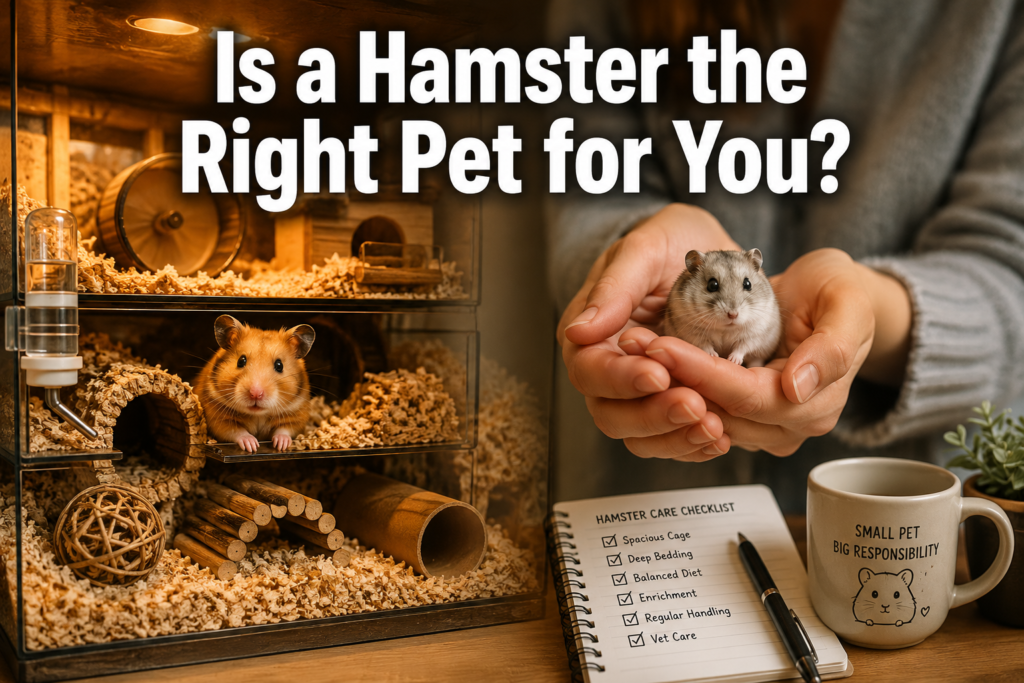
When setting up a home for two dwarf hamsters, space isn’t just a luxury. It’s a peace treaty waiting to happen. Go big: a minimum of 2 square feet per hamster, so aim for at least 4 square feet total. A spacious cage gives each little one room to claim their own corner, reducing squabbles.
Wire cages with solid floors work well. Skip cage lighting—it can stress them out. Hamsters are crepuscular, so they’re active at dawn and dusk and prefer low light. As for wheel size, 6.5 inches is ideal; anything smaller can hurt their backs.
Make sure you have two wheels if possible. Sharing isn’t always caring. Include multiple hideouts, food bowls, and water bottles to prevent jealousy. Add tunnels and chew toys to keep things fun.
With the right setup, your tiny roommates can thrive—peacefully and playfully.
A cage with a pull-out tray simplifies cleaning and helps maintain a healthy environment with minimal stress for both hamsters.
Not All Hamsters: Why Syrians Must Be Alone

Just because your dwarf hamsters get along like best buddies doesn’t mean every hamster enjoys a roommate, and that’s especially true for Syrian hamsters. These fluffy little divas thrive on peace, quiet, and their own personal space. Here’s why:
- Syrians have a strong solitary nature. They’re wired to live alone, not share.
- Their Syrian temperament leans territorial. Even a friendly glance from another hamster can spark a showdown.
- Cage mates? More like cage enemies. Pairing them often ends in stress, fights, or one sad, missing hamster.
- They’re perfectly happy solo. No loneliness here, just naps and snack breaks in blissful privacy.
Think of them as the homebodies of the hamster world. They’re content with their own company.
When Keeping Dwarf Hamsters Solo Is Safer
So, you’ve got a dwarf hamster—or maybe you’re thinking about getting one—and you’re wondering if they *need* a buddy to be happy? Here’s the thing: despite being smaller and sometimes social, many dwarf hamsters do just fine solo.
In fact, keeping them alone is often safer. That’s because of their solitary nature. Yes, even dwarfs can prefer flying solo.
You never know how their individual temperament will play out until you try, and sometimes, “roommates” end up in full-blown cage wars.
One hamster might want to cuddle. The other might throw down like a tiny furry wrestler. It’s not worth the stress or risk of injury.
By housing them separately, you give each hamster space to thrive on their own terms.
Plus, you get all the snuggles and attention for yourself—no sharing required. When in doubt, go solo. Your little buddy will probably thank you.
Final Thoughts
So, you’ve got a pair of dwarf hamsters? Awesome! Just remember, not all tiny fluffballs play nice—even if they’re the same species. Watch them like a hawk, especially at first. If they’re snuggling instead of scrapping, you’re golden.
But if fur starts flying, don’t wait. Split them up. A happy hamster home is safe, roomy, and drama-free. And hey, when in doubt, solo life keeps things simple. Your little buddy just might prefer it!

1. NATURAL PINE WITH REAL BARK: Solid pinewood hut with the original bark left on, bringing a genuinely rustic, closer-to-nature look to the cage — no paint, no coatings, nothing artificial for your pet to chew on.
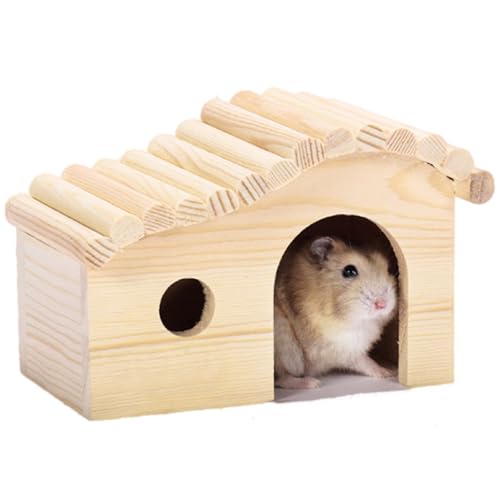
Safe Material - After fine processing and polishing, ensure the hamster hideout house has rounded edges and no sharp corners, effectively preventing hamster from getting hurt and giving you more peace of mind

Ceramic Hamster Hideaway – Made of degradable and environmentally friendly ceramic, which can effectively bite resistance. Water washable can be used with wet wipes for cleaning. (It will degrade into the soil after being placed outdoors for 1-2 years)