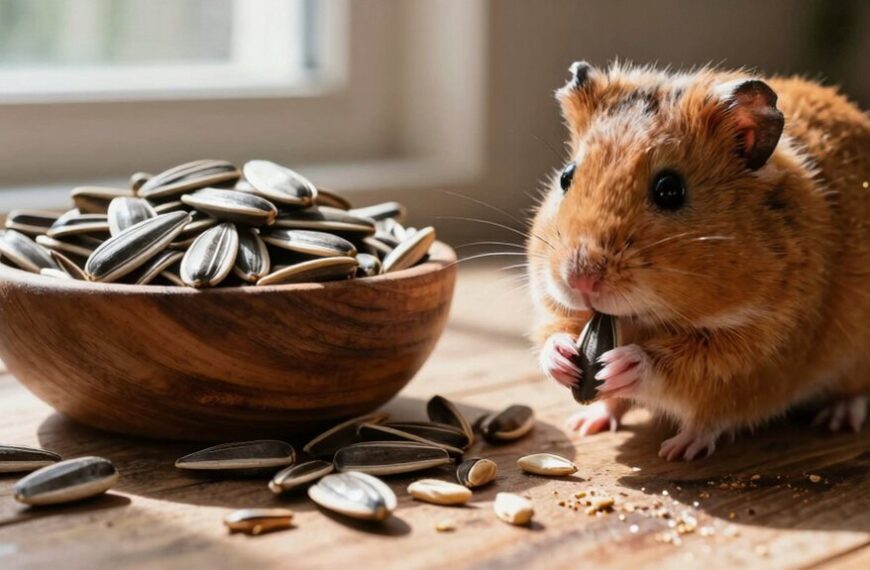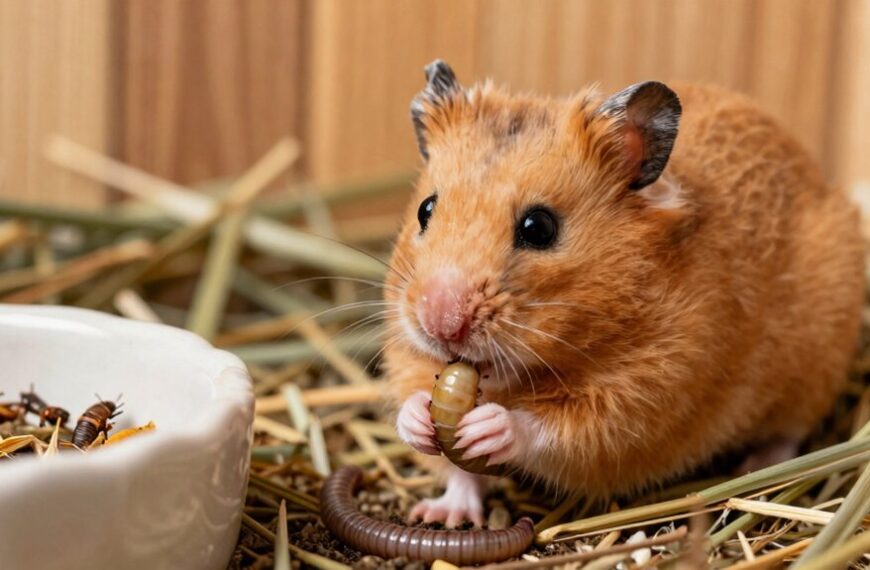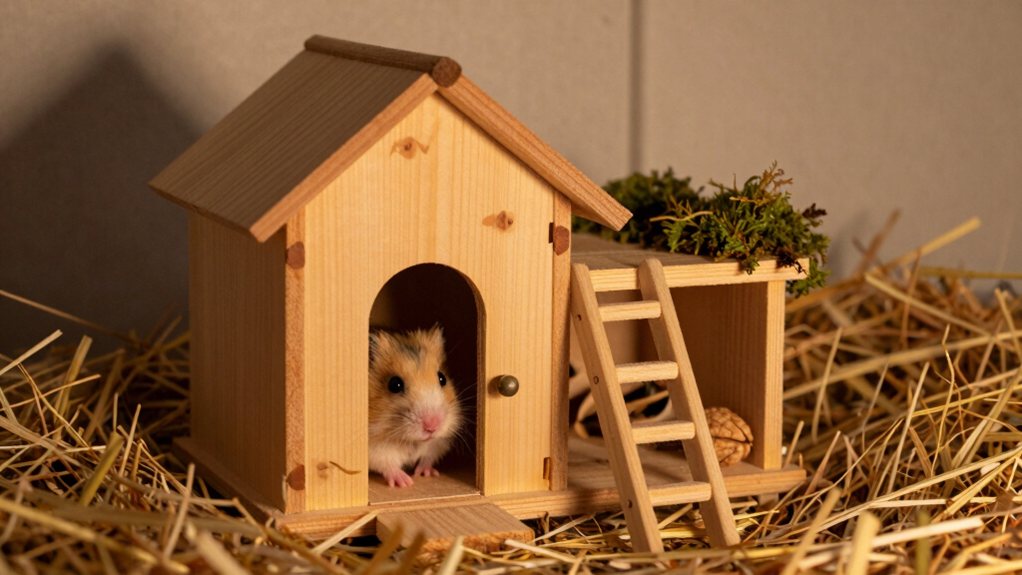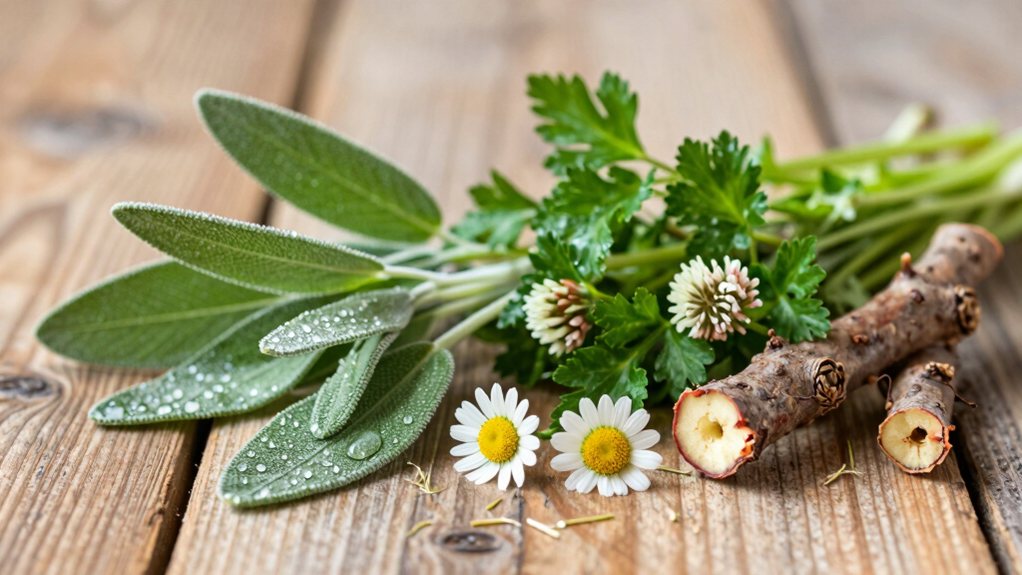
You’re doing great by thinking beyond pellets, adding safe forage like dandelion greens, clover, or apple twigs gives your hamster a fun mental boost while helping their teeth stay healthy.
Toss in herbs like basil or dill for variety, and let them gnaw on willow or maple sticks for natural chewing satisfaction. Just make sure everything’s clean, pesticide-free, and introduced slowly.
You’ll both love watching them explore and nibble like nature intended. There’s even more to discover about turning snack time into playtime.
Why Natural Forage Keeps Hamsters Healthy
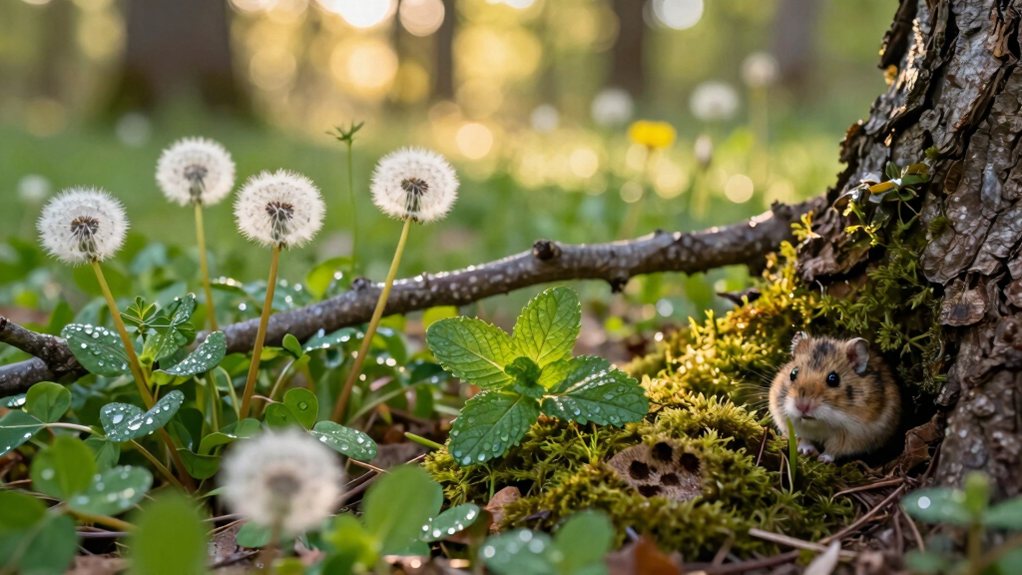
Ever wonder why your hamster spends so much time nibbling on random bits of stuff like a tiny, furry food critic? It’s because natural forage isn’t merely fun, it’s crucial.
Chewing on safe plants, herbs, and twigs gives your little buddy serious digestive benefits by keeping their gut moving and teeth worn down, those chompers never stop growing!
Plus, rooting around for tasty leaves adds mental stimulation, which keeps boredom at bay.
Think of it like a snack and a brain game rolled into one. Without this natural behavior, your hamster might get stressed or sluggish.
So when you toss in a bit of dandelion leaf or apple twig, you’re not merely feeding them, you’re enriching their world.
It’s simple, healthy, and honestly kind of adorable to watch.
Your hamster mightn’t say “thank you,” but their happy little cheek-pouches will speak volumes.
A great way to support this instinctual behavior is by incorporating foraging toys made from natural, non-toxic materials like Timothy hay or untreated wood.
Safe Garden Plants for Natural Forage
Where do you start when turning your garden into a safe snack bar for your hamster?
Simple: stick to plants you know are non-toxic and free from pesticides.
Stick to plants you know are safe and always skip the pesticides—your hamster’s health starts with what you grow.
Set clear garden boundaries to keep your little forager safe from harmful areas.
Here are a few trusted picks:
- Dandelions: These sunny edible flowers and their greens are a hamster favorite, just make sure they’re pesticide-free.
- Clover: A sweet, safe treat that grows like, well, a weed (in the best way).
- Chickweed: Soft and mild, it’s perfect for curious nibblers.
Always wash plants thoroughly and introduce them slowly.
Your hamster will thank you with happy, busy whiskers.
And hey, who knew gardening could be this fun—for both of you?
Just remember: when in doubt, leave it out.
Healthy Herbs Hamsters Actually Enjoy
What’s better than watching your hamster happily munch on a fresh green snack? Not much!
When it comes to herb preferences, your little forager might surprise you. Most hamsters go wild for basil, dill, and cilantro.
Seriously, they’ll do a happy backflip. Okay, maybe not, but their excitement is close.
Mint and parsley are also safe choices, but offer them in small amounts to avoid tummy troubles.
Always wash herbs well and introduce one at a time. That way, you can do a little taste testing to see what your hamster truly enjoys.
Some might turn up their nose, while others plunge in like it’s a five-star buffet.
Pay attention—your hamster’s reactions tell you more than any chart.
Rotate herbs weekly to keep things interesting and nutritious.
With a bit of patience and observation, you’ll discover your pet’s favorite leafy treats in no time.
Safe Twigs Your Hamster Can Chew
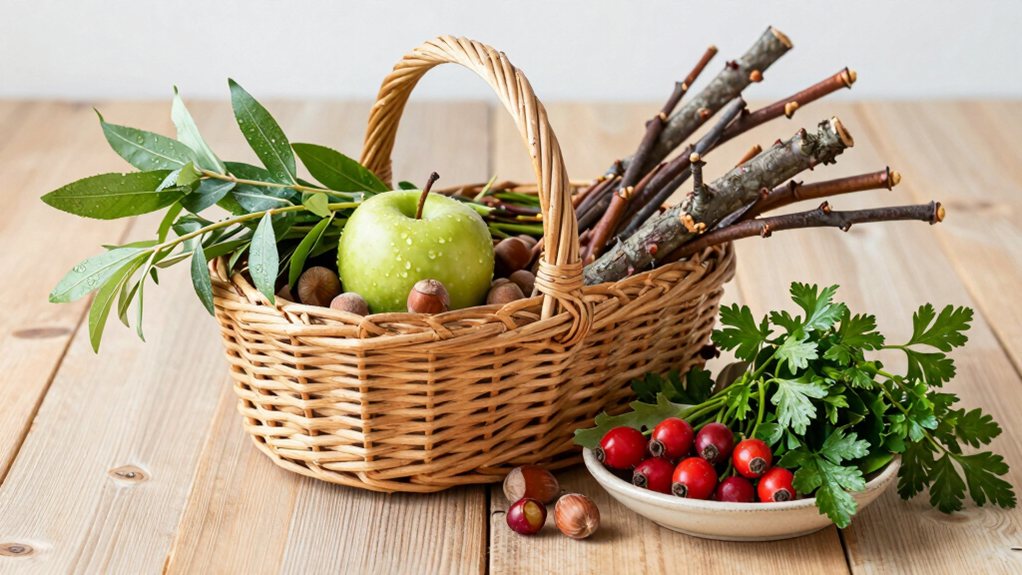
How about giving your hamster something fun and natural to gnaw on? Chewing helps keep their teeth healthy, and safe twigs are a great alternative to artificial chews.
Just be sure to avoid toxic woods like cedar or pine, which can harm your little buddy. Stick to safe, clean options instead, your hamster will thank you!
Apple twigs: Safe, tasty, and great for chewing—just make sure they’re pesticide-free.
Willow branches: Soft enough to gnaw but sturdy enough to satisfy that nibbling instinct.
Maple sticks: A hardy favorite that’s easy to find and totally hamster-approved.
Always wash and dry twigs before offering them.
Skip the store-bought artificial chews when nature’s got better, tastier options. Your hamster’s inner forager will love the adventure!
A great option for long-lasting dental wear is peach wood sticks, which are 30% more durable than apple wood and feature a naturally grooved texture that cleans molars.
Plants and Herbs That Are Dangerous for Hamsters
You just gave your hamster a nice apple twig to chew on, and they’re happily gnawing away like a tiny lumberjack, awesome!
But not all plants are safe snacks. Some can cause toxic reactions or even poisoning risks.
Avoid giving your hamster onions, garlic, or chives. They might flavor your soup, but they’re a no-go for your pet.
Keep ivy, poinsettia, and tulips far from their reach. These common houseplants are dangerous.
Even some herbs like sage and oregano are too strong and can upset their tiny tummies.
Always double-check before offering anything new. When in doubt, stick to safe picks like dandelion greens or parsley.
You’re doing great by being cautious. Your hamster’s health depends on it.
Think of yourself as their personal food safety inspector with better snacks, honestly.
A little care goes a long way in keeping your little buddy happy, healthy, and out of trouble.
Apple seeds contain amygdalin, which releases cyanide when digested and can be lethal even in small amounts.
How to Harvest and Prepare Natural Forage Safely
You’ll want to pick plants from spots that are clean and away from traffic, like your backyard or a trusted garden, so your hammy doesn’t get a side of car exhaust with dinner.
Give everything a good rinse under cool water to knock off dirt and tiny bugs, think of it like pre-washing your salad, but for a tiny furry foodie.
Once it’s clean and dry, you’re all set to offer a safe, tasty snack your little buddy will love.
Safe Harvesting Locations
Where exactly should you gather tasty, safe treats for your hamster from the great outdoors? You’ll want spots far from urban pollution and pesticide exposure, your hamster’s tiny tummy can’t handle those nasties! Think like a snack-seeking ninja: quiet, clean, and chemical-free zones only.
Your own untreated yard: If you skip the lawn chemicals, it’s a golden spot.
Organic gardens or farms: Ask permission, then forage guilt-free.
Quiet woodland edges: Away from roads, where nature does its thing, no sprays, no stress.
Always double-check that plants haven’t been peed on by neighborhood pets (yes, really).
A quick rinse and proper drying later, and boom—your hamster’s gourmet menu is set.
Nature’s pantry is open, but only if you shop smart!
Proper Cleaning Methods
While nature offers a treasure trove of tasty nibbles for your hamster, skipping the cleaning steps is like serving salad with dirt still on the leaves, yuck! You’ve got to wash every leaf, stem, and twig under cool running water to knock off bugs, pesticides, or grime.
Don’t just rinse—scrub gently with a soft brush, especially on twigs.
Once clean, pat them dry with a towel, then let them air-dry completely. Moisture leads to mold, and mold is a no-go for tiny tummies.
Use drying techniques like hanging bundles upside down or laying them flat in a warm, airy spot—no direct sunlight!
Once bone-dry, store your forage in breathable containers like paper bags or mesh sacks. These storage solutions keep airflow steady and prevent dampness.
Label them with dates so you know what’s fresh. Your hamster will thank you with happy munching!
To ensure complete safety, consider disinfecting foraged items using a hamster-safe disinfectant like SO PHRESH or Zoo Med Wipe Out 1, especially if the plants were collected from areas exposed to contaminants.
Fun Ways to Serve Forage
Ever wonder how to turn snack time into a mini adventure for your hamster? Mix up mealtime with foraging games and treat puzzles that spark their natural curiosity.
Instead of just dropping food in a bowl, make them work for it a little, because let’s be honest, a hamster on a mission is a happy hamster.
These fun ways to serve forage keep your little buddy mentally sharp and wildly entertained.
Plus, watching them sniff, dig, and scurry is half the fun for you! It’s enrichment that feels like play—for both of you.
- Hide small bits of safe herbs in shredded paper for a DIY foraging box
- Tuck twigs and leaves into a cardboard maze so they “hunt” their treats
- Use a commercial treat puzzle filled with clover or dandelion bits
- Rotate different types of chew-resistant materials to keep the experience safe and engaging over time.
Final Thoughts
You’ve got this! Tossing your hamster some safe forage isn’t just fun, it’s a tasty brain boost and a chewable workout all in one. Just stick to the safe list, skip the sketchy plants, and always wash things well.
Think of it like packing a tiny picnic for a tiny friend who judges you silently but loves you anyway. With a little care, those little jaws will be happily crunching twigs and herbs like nature intended.