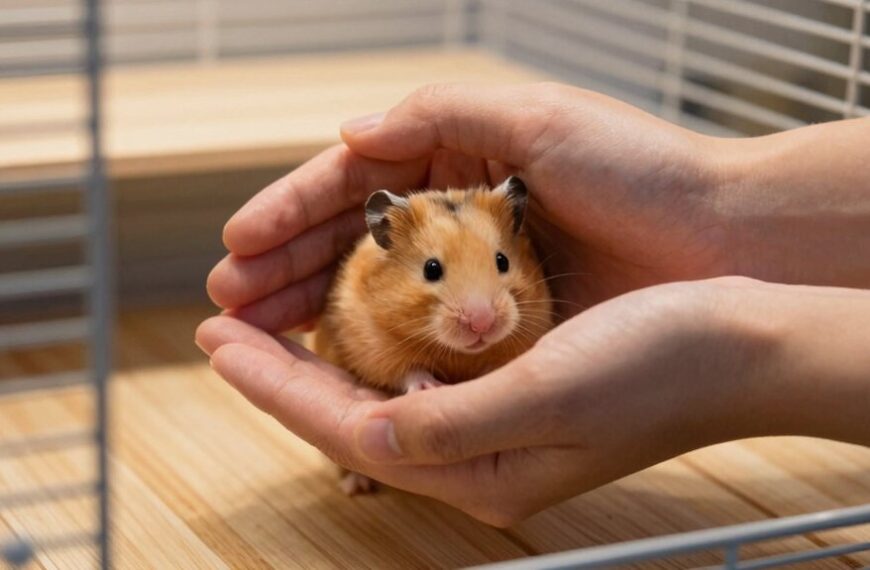
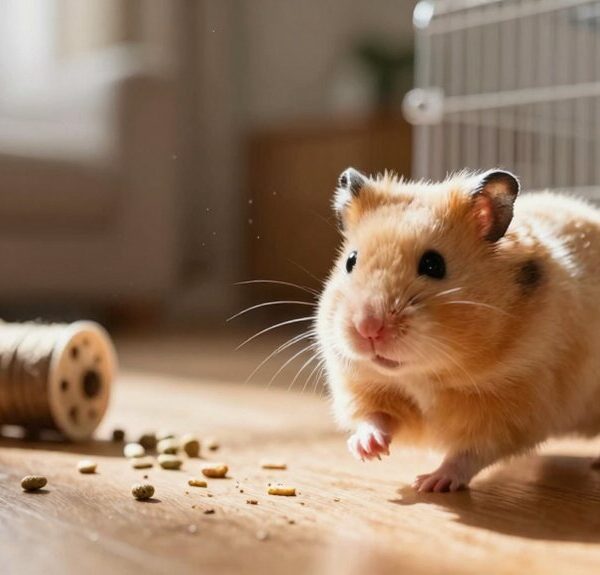
Yeah, your hamster probably pees where they sleep, and that’s totally normal. They’re not being messy, they’re marking territory to feel safe, using scent like a “No Trespassing” sign.
Wild instincts drive this, not laziness. Most don’t have a designated potty spot, so don’t expect perfect bathroom habits.
But if things smell extra funky or seem off, it might be more than just habit. Stick around, there’s a lot more to learn about keeping your little buddy happy and healthy.
Why Hamsters Pee in Their Sleeping Areas
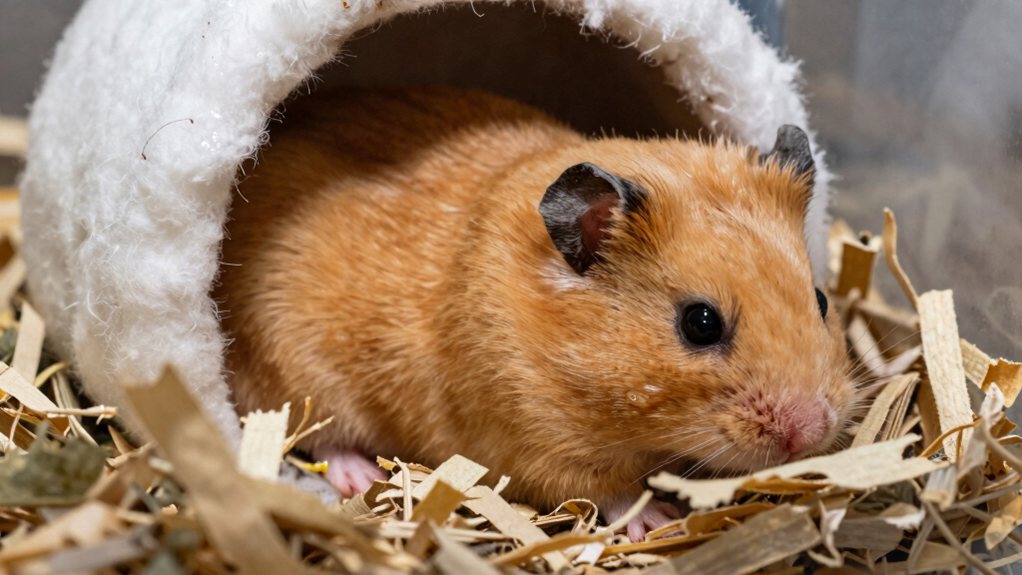
Ever wonder why your hamster seems to treat their cozy sleeping nook like a bathroom?
Well, it’s not because they’re messy, they’re just being naturally instinctive!
Hamsters often pee in their sleeping areas as part of their territorial behavior, marking their space with scent to feel safe.
Your hamster’s bedtime bathroom habit? It’s not laziness—it’s a natural instinct to mark their safe space and claim their cozy corner as their own.
That little puddle is basically their way of saying, “This spot is mine!”
The bedding material you choose can also play a role.
Some types absorb urine better and help control odor, making cleanup easier for you.
While it might seem odd or gross, this habit comes from the wild, where staying put helps avoid predators.
So, instead of scolding your tiny roommate, just scoop and refresh the bedding regularly.
Think of it as their quirky way of settling in, cute in a slightly stinky kind of way!
A change in cage layout can help redirect this behavior by encouraging the use of a designated litter corner.

ODOR CONTROL for long-lasting freshness, Kaytee Clean & Cozy can be used with any type of habitat for a fresh animal home

ODOR CONTROL for long-lasting freshness. Kaytee Clean & Cozy can be used with any type of habitat for a fresh animal home.
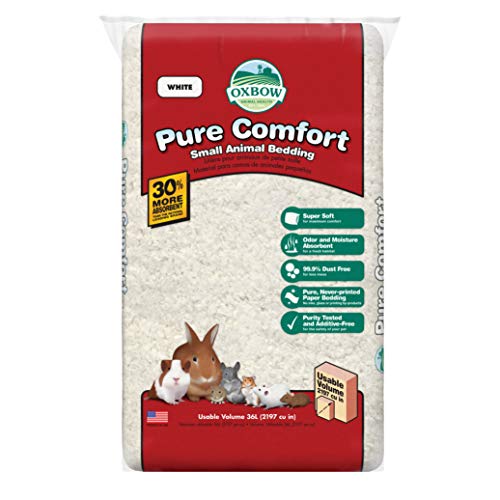
ODOR ABSORBENT TO MINIMIZE PET ODORS: Effectively neutralizes odors to keep bunny bedding & hamster bedding fresh; Ideal for pet bedding, ferret cages, and litter boxes, it helps maintain a clean environment for your pets and a better experience for you
Do Hamsters Have a Designated Potty Spot?
You’ve probably noticed your hamster doing their business wherever they happen to be, including their favorite sleeping corner, and you might be wondering if they’ll ever pick a special spot for bathroom breaks.
The truth is, hamsters don’t naturally have a designated potty spot like cats or dogs.
Their bed behavior often includes peeing or pooping right where they nap, which can make nesting hygiene a bit of a challenge.
While some pet owners train their hamsters to use a corner of the cage, most just go when the urge hits, no planning involved.
It’s not laziness, it’s instinct.
In the wild, marking territory with scent helps them feel secure.
So, while your tiny roommate mightn’t win any cleanliness awards, understanding their natural habits makes cohabiting a little easier.
Just keep the bedding fresh, and you’ll both be happier.
Hamsters often develop a preference for one corner of their cage as a bathroom area, making litter box training a practical way to manage waste.
Why Hamsters Use Pee to Mark Their Space
Why do hamsters turn their cages into little kingdoms marked by pee? It’s all about territorial behavior and scent communication. Your tiny furball isn’t being messy. She’s claiming her space like a tiny, furry landlord.
Hamsters rely on smell more than sight. A few strategic drops say, “This is mine!”
Hamsters see the world through scent, not sight—a few well-placed drops are their way of posting a bold, invisible “Keep Out” sign.
You catch her squatting near her food bowl, marking dinner as “hands off.”
She rubs her scent glands and adds pee for extra emphasis, double security!
That corner near her nest? Now it screams, “Private suite—no roommates!”
Even toys get tagged. Her way of saying, “I played here first.”
When you smell that sharp ammonia hint, she’s texting in pee form, “Occupied!”
It’s not gross. It’s genius. Your hamster’s just setting boundaries, one tiny puddle at a time.
Normal vs. Odd Hamster Peeing Patterns
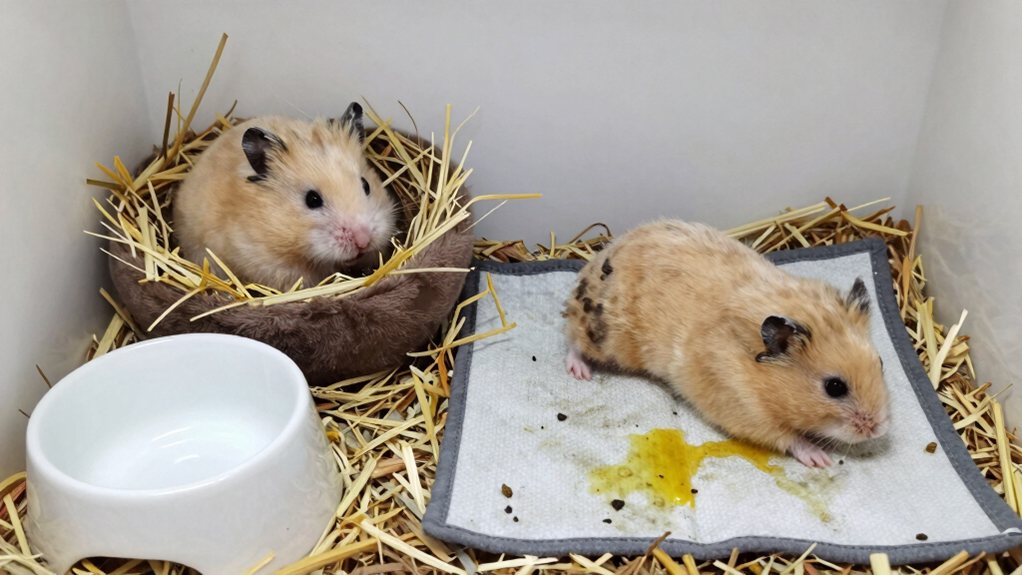
How’s your hamster’s bathroom behavior looking, spot on or kind of off the charts? Most hamsters pick one corner for peeing, keeping their bed behavior tidy and their sleep hygiene in check. That’s normal—and pretty smart, honestly.
But if your little buddy starts peeing everywhere, even in their cozy nest, something might be up. Stress, a dirty cage, or even a health issue could be behind the mess.
Watch for sudden changes: constant dribbling, cloudy or strong-smelling pee, or signs of discomfort. These aren’t just quirks. They’re red flags.
On the flip side, if your hamster’s got a designated “bathroom” spot and sticks to it, give yourself a pat on the back. Good sleep hygiene starts with smart pee habits.
Keep the cage clean, stay observant, and remember: a happy hamster is usually a tidy one. Unless they’re making a statement. Then maybe they need a tiny therapist.
A consistent cleaning routine that includes spot-clean every 2–3 days helps maintain hygiene and supports your hamster’s natural bathroom habits.
When Hamster Pee Habits Signal a Health Issue
Ever wonder what your hamster’s pee habits are trying to tell you? While a little territorial spraying is normal, big changes could mean trouble. Keep an eye out: your tiny friend can’t tell you when they’re feeling off, but their pee might. Watch for these red flags:
Your hamster’s pee habits can reveal hidden health issues—subtle changes might be their only way to signal something’s wrong.
- Pee-soaked bedding every morning (hello, bed wetting!)
- Frequent dribbling outside the usual corner
- Cloudy or strong-smelling urine
- Licking their private parts more than usual
- Refusing to use their litter box, even after cleaning
These signs might point to infections or stress. Territorial spraying is one thing, but constant wetness isn’t cute—it’s a cry for help.
Stay calm, check in with your vet, and give your little buddy the care they need. You’ve got this!
How to Train Your Hamster to Pee in One Spot
You can actually teach your hamster to pee in one spot. It just takes a little patience and the right setup.
Place a small litter box in the corner they use most, and toss in some of their soiled bedding to encourage the habit.
Stick to a consistent routine, and you’ll be surprised how quickly your tiny roommate catches on. Yes, even if they’re more interested in snacks than rules.
Choose a litter box with high sides to help contain waste and maintain a cleaner cage environment.

【Safety First for Our Fur-babies】Crafted with premium plastic, our Rabbit potty tray is odorless and safe for your pet's daily activities, giving you peace of mind.

🐻 HAMSTER IDEAL HABITAT✔:Provide your hamster with the perfect hamster sand bath. Having a hamster bath like this is a great way to relieve stress, increase activity, and cleanse your pet's fur! Rodents love to burrow, sand bath for hamsters perfect for a great way to entertain!

Usage Tips 1 - in Cage - Niteangel Fan-shaped SandBox - Settle it down at your hamster sandbath area as a sandbox for their daily sand-bath spot. Due to the fan-shaped design, it's easy to settle down at a corner in your cage or habitats and save more space for other hamster toys if your cage is smaller than Niteangel Bigger World Series Cage or Niteangel Vista Cage
Litter Box Placement
- Tuck the litter box in the corner they already use as a bathroom
- Keep it far from their cozy nest and food stash
- Choose a small, low-sided box so they can hop in easily
- Place it on the same side as their exercise wheel. Hamsters like routines
- Use paper-based bedding that’s safe if they nibble
Position matters just as much as training. With the right spot, your hamster will catch on fast.
No potty seat required!
Consistent Training Routine
While your hamster won’t sit on command, they *can* learn to use one spot for peeing—with a little patience and a smart routine. Start by placing a small litter box in their favorite corner and add a bit of soiled bedding to guide them. Stick to a consistent feeding routine and playtime schedule. Hamsters thrive on predictability.
After meals or play, gently place your hamster in the litter spot. They’ll catch on faster when cues are regular.
Reward successes with a tiny treat or soft praise. Yes, even hamsters appreciate a good pep talk. It won’t happen overnight.
But over time, fewer surprises mean a cleaner cage and less scrubbing for you.
Think of it as teamwork. You provide the structure, and your tiny roommate does the rest. With consistency, you’ll both be happier—especially your nose.
A key factor in success is using paper-based litter to ensure safety and comfort during training.
Cage Layouts That Separate Sleep and Pee Areas
Ever wonder why your hamster seems to nap in one corner and do their business in another, like they’ve got their own tiny apartment zoning laws? You can encourage this natural habit by designing a cage layout that keeps sleep and pee areas separate.
Thoughtful bed placement and cozy nesting materials make all the difference. Here’s how to set it up:
- Place the bed far from the litter corner, giving your hamster clear zones
- Use soft nesting materials like shredded paper or fleece in the sleep nook
- Position the litter box in a consistent, easy-to-reach spot
- Add tunnels to guide movement between zones, like tiny hallways
- Refresh soiled spots daily to keep smells from mixing zones
A smart layout keeps your hamster happy, healthy, and living their best little life.
Incorporating natural bedding materials can further support this separation by enhancing comfort in the sleep area while aiding in odor control near the litter zone.
Easy Cleaning Hacks for a Fresher Hamster Cage

You know that moment when you walk by the cage and wrinkle your nose? Spot clean those messy corners every few days, especially the pee corner, so things don’t get out of paw.
Toss in a sprinkle of baking soda under the bedding to keep odors in check. Trust me, your nose and your hamster will thank you.
A weekly deep clean helps prevent bacterial growth and keeps your hamster healthy.
Spot Cleaning Tips
How do you keep your hamster’s home smelling fresh without turning the whole cage upside down every other day? Spot cleaning is your best friend, and it’s way easier than you think. With just a few minutes daily, you can tackle messes before they spread.
Pay attention to bed placement and fabric choices, too. Some materials trap odors faster than others. Here’s how to stay on top of things:
- Scoop out damp or soiled bedding with a small spoon or scooper
- Wipe down plastic tunnels with a pet-safe wipe
- Replace soggy nesting material with dry, clean strips
- Move food crumbs from sleeping zones to feeding corners
- Toss wet fabric bedding and swap in a fresh, breathable one
A little effort keeps your tiny roommate happy and the stink at bay without the deep clean drama. Daily spot-cleaning helps maintain hygiene and reduces the need for frequent full cleanings.
Odor Control Tricks
While your hamster might be tiny, their ability to create a not-so-fresh scent is anything but small. But don’t worry—odor control doesn’t have to be a chore.
Start with smart bedding choices: paper-based or aspen shavings absorb moisture and neutralize smells better than cheap options. Avoid cedar or pine, it’s harsh and can irritate your pet.
Spot clean daily, but deep clean weekly to stay ahead of stink.
Good air circulation is key, so keep the cage in a well-ventilated area, just not in a drafty spot. Crack a window nearby or use a small fan, not pointed at the cage, to keep air moving.
Sprinkle a dash of baking soda under the bedding for an extra freshness boost, it’s safe and effective.
A great way to manage moisture and odor between cleanings is to use a liner with bamboo charcoal odor control, which actively neutralizes ammonia and VOCs at the source.
With these easy cleaning hacks, you’ll keep the funk at bay and your furry friend happy. A fresh cage means happy sniffs all around!
Mistakes That Make Hamster Pee Smell Worse
Ever wonder why your hamster’s cage suddenly smells like a locker room after gym class? It might be your cleaning habits making things worse.
Poor bedding material and bad ventilation quality can turn a cozy home into a stink zone fast.
Here’s what accidentally amps up the stench:
- Using dusty, low-quality bedding that traps moisture instead of absorbing it
- Skipping spot-cleaning, letting pee build up like a science experiment
- Overloading the cage with plastic toys that block airflow and trap odors
- Washing with strong soaps that irritate your hamster and disrupt natural scent balance
- Ignoring ventilation—stuffing the cage in a dark corner with zero fresh air
A buildup of ammonia from stale urine not only worsens odors but can also lead to respiratory irritation in both you and your pet, so maintaining clean air is essential for everyone’s health. Ammonia exposure can cause coughing, wheezing, and even worsen asthma over time.
Tackle these, and you’ll breathe easier, literally.
A fresh cage isn’t just nice for you; it keeps your tiny buddy happy and healthy too.
Who knew less stink meant more snuggles?
When to Call the Vet: Urinary Problems in Hamsters
If your hamster’s pee starts smelling like a science experiment gone wrong or you notice them straining to go, it’s time to pay attention: these could be signs of infection.
Watch for changes in urination, like going more often, less often, or leaving wet spots where they shouldn’t.
When in doubt, call the vet; better safe than sorry when your tiny buddy’s health is on the line.
Signs Of Infection
Wondering why your hamster’s acting a little off lately?
It might be more than just grumpiness, especially if there’s a urinary tract issue brewing.
A bladder infection can sneak up fast and turn your tiny buddy into a sad, sluggish ball of fluff.
Keep an eye out for these red flags:
- Pee that smells stronger than last week’s gym socks
- Frequent trips to the corner, like they’re on a pee-time loop
- Lethargy that makes naptime look excessive (And it’s no secret hamsters love naps)
- Blood-tinged droplets—yes, really, check the bedding!
- Hunched posture, like they’re guarding a tiny, sore tummy
Don’t wait until it’s a full-blown crisis.
Call your vet early—your hamster will thank you with more zoomies and fewer bathroom breaks.
Changes In Urination
You just checked your hamster’s bedding and noticed something’s off, maybe the pee spots are bigger, smell stronger, or show a pinkish tint. Don’t panic, but do pay attention. Changes in urination can signal health issues like infections or kidney problems.
If your hamster starts bed wetting, soaking the nesting area, or pees way more than usual, it’s time to act. While some territorial spraying is normal, especially in males, sudden or excessive marking isn’t.
Watch for straining, squeaking while peeing, or blood-tinged urine. That pink hue could mean trouble.
Also, if your hamster seems lethargic or grumpy, trust your gut. These aren’t just quirky habits, they’re clues.
When in doubt, call your vet. Quick action can save your tiny buddy from bigger problems. After all, you’re their hero, even if they repay you with a spray to the hand.
Final Thoughts
You’ve got this, Hamster parent! While it’s totally normal for your little buddy to pee near their nest, thanks to instinct and tiny bladders, keeping their space clean helps everyone breathe easier. Literally.
A smart cage layout and quick cleanups make a big difference. Just watch for weird pee signs, because health issues sneak up fast. You’re doing great, and your hamster’s counting on you. No pressure, right?

【Small Pets Potty Litter Sand】Our natural fine white sand is dust and silica-free, perfect for your hamster, gerbil, chipmunk, chinchilla, etc. We've added fragrant plant petals for a lovely scent your pet will enjoy. Safe, fun, and ideal for keeping your little fur friend clean and happy!

【Low-Dust Hamster Sand Bath】 Made with 2.2 lbs of fine natural bath sand, this small pet sand is designed for hamster sand bath, hamster bath sand, and potty litter use. The low-dust, silica-free formula is suitable for dwarf hamsters, Syrian hamsters, gerbils, chinchillas, mice, and other small animals that enjoy sand bathing

No Scent Small Animal Spray: Simple to use, mist, spray, pour or saturate habitat, cage, hutch, enclosure & carrier with NoScent; Use in between cleanings to freshen bedding, supplies, toys, accessories & liner: