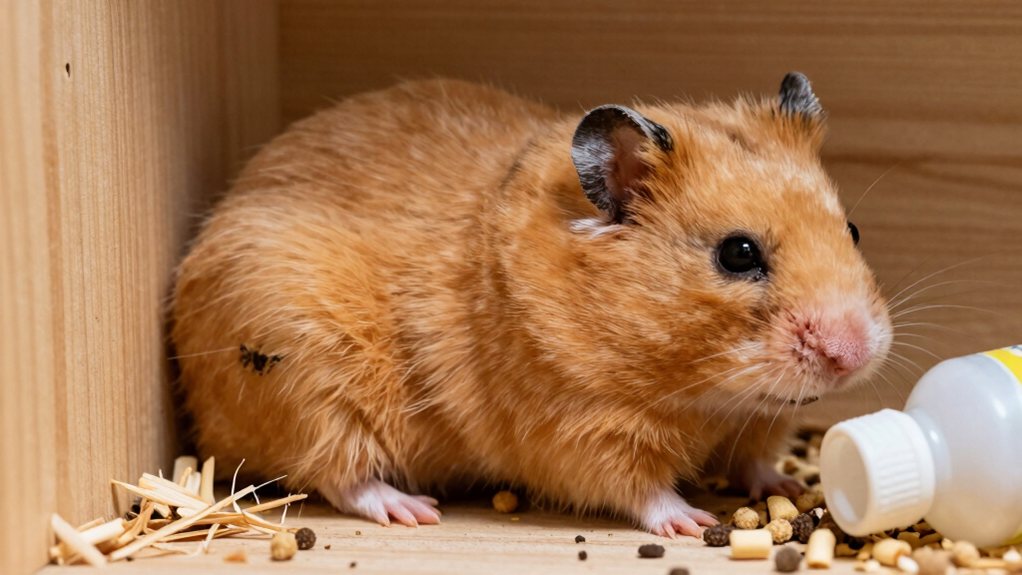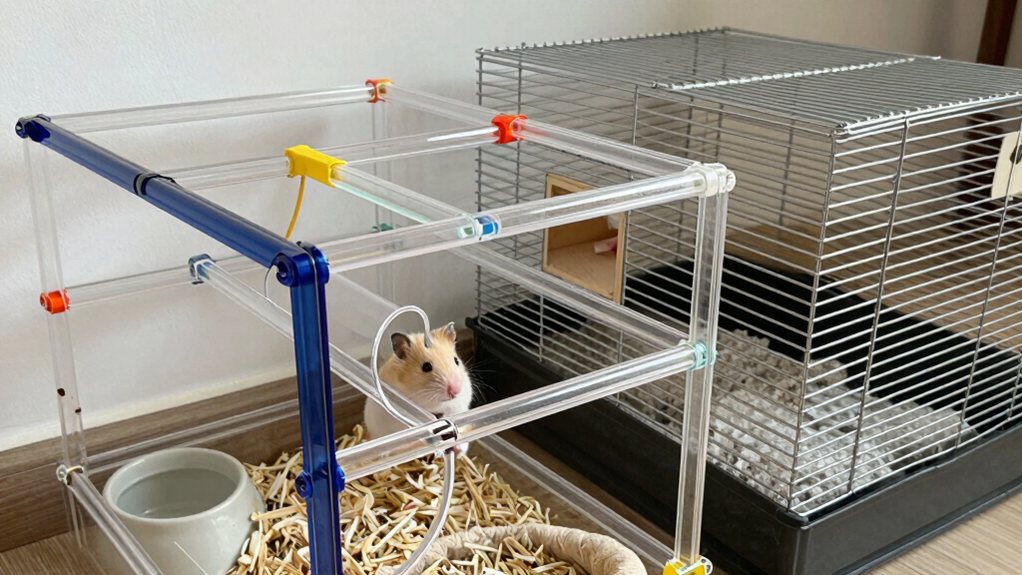
You can spot pain in your hamster by watching their habits and body. Look for sudden grumpiness, poor grooming, or a hunched posture.
Listen for unusual wheezes or squeaks, and note if they’re eating less or seem restless. These subtle changes are their way of telling you something’s wrong.
Spotting these clues early makes all the difference, and there’s plenty more to help you become a hamster health detective.
Spot the Hidden Signs: Is Your Hamster in Pain?
Have you ever wondered if your tiny, furry friend might be hurting without making a peep? Hamsters are experts at hiding discomfort, so you must become a detective.
Watch for changes like unusual aggression or a sudden lack of grooming. This behavioral stress is a major clue.
Watch for unusual aggression or poor grooming, as these behavioral stress signals are key clues your hamster is silently suffering.
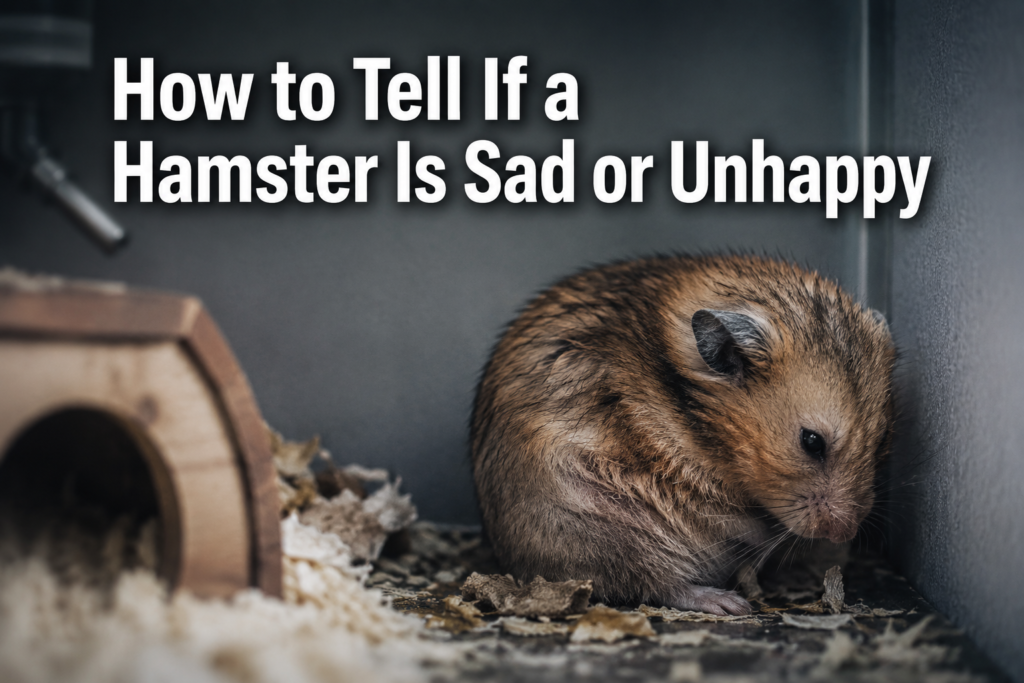
Also, check if they’re huddled in a corner or seem less active than their usual, zoomie-filled self.
Don’t forget their environment!
Ensuring the right cage temperature is stable helps, as drafts or excessive heat can cause silent suffering. Sudden aggression, such as lunging or nipping, can also be a sign of cage rage caused by an unstimulating environment, not just pain. It’s like they’ve a secret code, and you’re learning to crack it.
Paying close attention to these hidden signs is your first, most caring step toward helping them feel better.
Check for These Physical Red Flags
Now, let’s play hamster detective again, but this time we’re looking for clues you can see with your eyes. Start by watching your pet closely.
Observe breathing patterns; rapid, shallow breaths or a hunched posture while breathing can signal discomfort.
Check their fur for any dull, greasy patches or bald spots, as a healthy hamster grooms carefully.
Look at their eyes—they should be bright and clear, not half-closed or crusty.
Gently feel for any unusual lumps or swellings on their body.
You can also test gentle skin sensitivity by softly stroking their back; if they flinch or squeak more than usual, it’s a red flag. While investigating, also be aware that skin issues like circular, itchy rashes could indicate a separate health concern.
Decode Changes in Your Hamster’s Behavior
You might see classic stress signs, like excessive burrowing or frantic bar-chewing. Conversely, a once-social hamster might hide constantly, avoiding interaction.
Pay close attention to their bonding behavior with you. If they suddenly flinch from your touch or stop taking their favorite treat, that’s a major red flag.
Even their grooming habits can tell a story; a pained hamster often stops cleaning itself, looking unkempt. It’s like they’ve forgotten their daily routine. These shifts in their normal personality are their way of communicating, so trust your gut if your buddy just isn’t acting like themselves. A sudden shift from their typical nocturnal habits, like daytime restlessness, can also indicate distress.
Listen for Unusual Sounds of Discomfort

Ever wondered what your hamster might be trying to tell you with their voice? Healthy hamsters are usually quiet, so any new noise is a clue.
Listen for wheezing or raspy breaths, which can signal a respiratory infection, a condition that can be exacerbated by prolonged ammonia exposure from a dirty cage.
Also, pay close attention to their sides moving. You should watch breathing rate; fast, shallow, or labored breathing isn’t normal.
Notice the rise and fall of their sides: rapid or strained breathing is a warning sign.
Sometimes they might even chirp or squeak sharply if they’re startled or hurt, though they often suffer in silence.
It’s like they’re tiny, furry detectives leaving subtle audio clues for you. By tuning into these unusual sounds, you become their best advocate, ready to seek a vet’s help and make sure their comfort.
Your attentive ear makes all the difference.
Monitor Their Eating, Drinking, and Bathroom Use
You’ll quickly notice something’s off if your hamster’s daily habits shift, so keep a friendly eye on their eating, drinking, and bathroom routines.
A happy hamster is a hungry hamster, so a full food bowl day after day is a big red flag, though remember that hamsters are natural hoarders who stash food, which can create the illusion they aren’t eating.
You’ll want to observe weight loss by gently noting if they feel lighter when you hold them.
Monitor their water bottle, too, as drinking much more or less can signal trouble.
Don’t forget the litter corner! Regular stool consistency checks are important; overly dry or unusually soft droppings aren’t good.
These daily routines are like their personal newsletter, so reading it closely helps you catch problems early and keep your tiny friend feeling great.
How to Safely Examine Your Hamster for Injury
Before you check your hamster for any injury, it’s important to know how to hold them gently, so they feel safe. Remember that sudden movements mimic predator attacks and can cause panic, so always move slowly and calmly.
You’ll want to do a slow, head-to-toe check, looking closely at their paws, fur, and belly for anything unusual.
Once you’re done, offering a favorite treat and some quiet time helps reassure your little friend that everything’s okay.
Gentle Restraint Methods
While it’s important to check your hamster for signs of injury or pain, you need to handle them carefully, as a scared hamster might squirm or even nip. Always start by letting them sniff your hand, which builds trust and social bonding.
For a secure hold, gently cup them in both hands, keeping fingers wrapped around their body but never squeezing. You can also let them walk from one hand to the other over a soft surface. This method keeps them contained without pressure.
If they struggle, just lower them back down and try again later. If a bite does occur, immediately wash the wound with warm water and soap to prevent infection.
If you spot anything concerning during your check, don’t hesitate to make a vet appointment for a professional opinion.
Systematic Body Check
After getting comfortable with gently holding your hamster, you’re ready to start a careful head-to-tail check. Keep sessions short and calm.
Start by watching their sides to observe breathing—fast, shallow breaths can be a red flag.
Gently feel their body for any lumps or swelling, talking to them softly.
Run a finger along their back to inspect fur texture; matted, greasy, or missing patches are clues something’s wrong.
It’s like being a tiny detective! Check these four key areas, and you’ll be a pro at spotting trouble:
- Eyes & Nose: Look for crustiness or discharge, which means “I don’t feel good.”
- Teeth: Overgrown teeth cause serious pain and prevent eating.
- Feet & Nails: Swollen, red feet or painfully long nails need attention.
- Underside: Check for wetness, a sign of stress or bladder issues. Also, be sure to check for changes in your hamster’s regular bowel habits, as a sudden drop in their frequent droppings can signal a health problem.
Post-Examination Comfort
Since you’ve just finished your gentle check-up, it’s time to shift your focus entirely to making your hamster feel safe and secure again. Place them gently back in their familiar, clean habitat.
Offer a favorite treat and some fresh water to help with stress reduction. Speak to them in a soft, calm voice as they readjust, as hamsters are most comfortable during quiet evening hours.
If you noticed anything concerning during your check, that’s when you seek warm vet guidance; a professional can provide clarity and a care plan.
Your main job now is to be a comforting presence.
Let them retreat to their nest to rest, as the examination, while necessary, can be tiring. This quiet recovery time is a pivotal part of the process.
Immediate Steps to Take If You Suspect Pain

If you spot signs your hamster might be in pain, it’s time to act quickly but calmly, because your little friend is counting on you. First, don’t panic, as your hamster will sense your stress.
Your immediate goal is to assess the situation and get professional help. Here’s a simple plan to follow:
- Gently Secure Your Hamster: Carefully place them in a small, warm, and familiar carrier lined with soft bedding to prevent further injury.
- Do a Quick “Pain Scoring”: Note specific symptoms, like limping or hunched posture, to tell the vet clearly. Be especially vigilant for signs of respiratory distress, such as wheezing or labored breathing, which require urgent care.
- Call for a Vet Emergency: Contact your exotic animal vet immediately, explaining it’s urgent.
- Minimize Stress: Keep the room quiet and dark while you prepare to go, offering a favorite treat if they’ll take it.
Common Health Issues That Cause Hamster Pain
When you’re trying to figure out why your hamster might be hurting, dental and oral issues are a common culprit, like overgrown teeth that make eating a real chore.
Digestive system disorders, such as wet tail, can also cause considerable discomfort and need quick attention.
Keeping an eye on these areas helps you catch problems early, so your little friend can get back to happily stuffing their cheeks.
Dental And Oral Issues
- They suddenly drop food or eat much slower than usual.
- You notice excessive drooling, making their chin perpetually wet.
- They paw persistently at their face or cheek, as if trying to dislodge something.
- A sudden, unexplained weight loss begins because eating is just too painful.
Regular vet check-ups are your best defense, so you can catch these issues before the pain sets in.
Digestive System Disorders
While your hamster’s digestive system is a tiny but mighty machine, it can sometimes run into trouble that causes them real discomfort.
You might notice a bloated belly, a sudden lack of appetite, or strange droppings.
These are big red flags.
Issues like wet tail, which is serious diarrhea, cause immense pain and need a vet immediately.
Constipation is another painful culprit.
Keeping their environment cool is part of good heat stress management, as overheating can worsen digestive woes.
Also, be gentle when checking their belly; you’re not merely looking for swelling but also for any hard lumps that could signal an abscess detection is needed.
Their little system is sensitive, so any change in eating or pooping habits warrants a close look and likely a professional opinion.
What to Expect During a Vet Visit for Pain
- A calm, quiet exam room to keep your little friend relaxed.
- A gentle physical check-up, often while you hold them.
- An honest chat about possible causes and treatment plans.
- Clear instructions for at-home care to help your hamster heal.
You’re their best advocate, so asking questions is always encouraged.
Create a Calm, Pain-Free Recovery Space
Once your vet visit is over, you can help your hamster heal by making a cozy recovery space at home.
You’ll want to keep the room quiet and dimly lit, provide super soft bedding, and try to limit how often you disturb their cage for cleaning.
This setup gives your little friend the peaceful rest they need, letting their body focus on getting better without any extra stress.
Quiet And Dim Lighting
To create this, focus on these four simple adjustments:
- Use a thick blanket to muffle sudden sounds from TVs or household bustle.
- Switch bright overhead lights for a soft, ambient lamp in the evening.
- Place the cage in a low-traffic corner, away from doors and noisy appliances.
- Speak in gentle, hushed tones when you’re nearby offering food or water.
A peaceful corner really helps them turn a corner.
Soft Bedding Materials
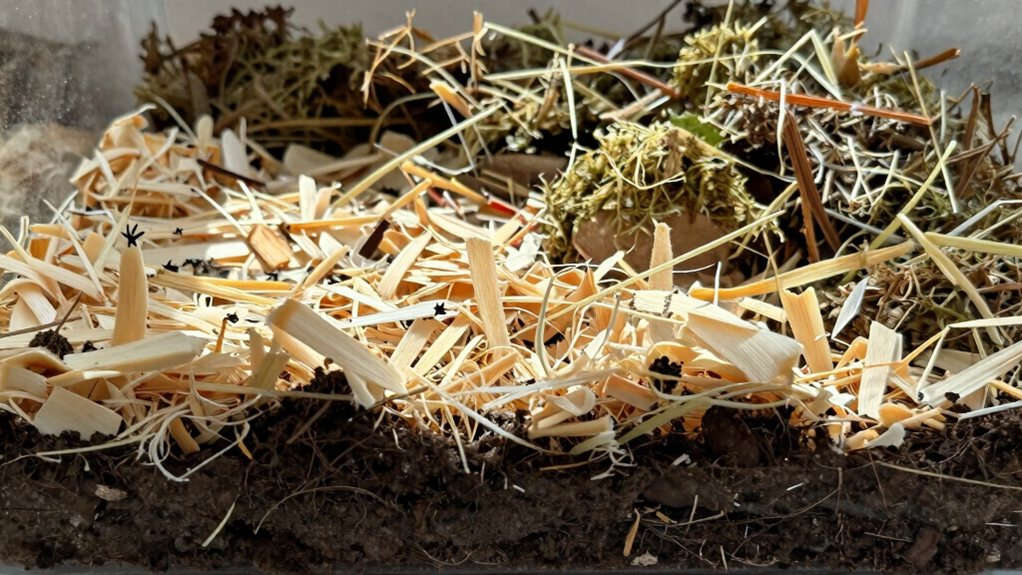
Beyond keeping things quiet and calm, the actual floor of your hamster’s cage plays a big role in their comfort. Choose soft, dust-free bedding, like paper-based products, to cushion their tiny feet. This is essential for bedding safety and helps prevent painful nesting complications if they try to burrow with sore limbs.
Avoid harsh wood shavings, as they can poke delicate skin. Think of it as creating a plush, supportive mattress that eases pressure on their body.
You aren’t merely building a nest; you’re crafting a recovery zone where every step is gentle. It’s a simple switch that makes a world of difference, letting your hamster rest and heal without any added discomfort from their environment.
Limited Cage Disturbances
Since your hamster is hurting, you’ll want to turn their cage into a peaceful sanctuary where they aren’t startled by sudden changes or loud noises. Your goal is to promote nesting comfort and guarantee major stress reduction. Think of it as creating a quiet, predictable bubble for their recovery.
To build this calm space, follow these simple steps:
- Move the cage to a low-traffic room away from TVs and noisy appliances.
- Avoid rearranging their hideouts and toys, as familiar layouts are reassuring.
- Schedule cage cleaning around their sleep, doing partial cleanings to keep their scent intact.
- Speak softly when approaching and move slowly to avoid sudden shadows.
This gentle routine helps your little friend feel secure, letting them focus all their energy on getting better.
Final Thoughts
You’ve learned the signs, so trust your gut if something seems off. Remember, you know your hamster best, and catching pain early makes a huge difference.
A quick vet visit can get them back to their happy, busy self. With your watchful care and a cozy home, your little friend can feel safe and comfy again.
Here’s to many more joyful, wheel-running days ahead!