Hamsters can develop wet tail, a potentially fatal stress-induced condition, within 48 hours of a major environmental change. Understanding what stresses hamsters out isn’t just about keeping your pet comfortable; it’s about preventing serious health consequences that can shorten their already brief 2-3 year lifespan.
Stress in hamsters manifests through specific, observable behaviors: bar biting, excessive grooming leading to bald patches, cage aggression, and freezing when approached. These aren’t personality quirks, they’re distress signals pointing to fixable problems in cage setup, handling routines, or environmental conditions. The good news? Most stress triggers are completely preventable once you know what to look for.
Key Takeaways
- Cage size matters more than you think: Enclosures under 450 square inches trigger chronic stress and stereotypic behaviors like bar biting
- Species-specific needs are non-negotiable: Syrian hamsters require solitary housing; forcing cohabitation causes severe stress and fighting
- Environmental factors compound quickly: Wrong wheel size, insufficient bedding depth, and improper lighting all contribute to cumulative stress
- Handling technique directly impacts stress levels: Grabbing from above mimics predator attacks; proper scooping from below reduces fear responses
- Stress-related illness develops fast: Wet tail and other stress-induced conditions can become life-threatening within 24-48 hours
Environmental Stressors: What Stresses Hamsters Out in Their Cage Setup
Inadequate Cage Size and Bar Spacing
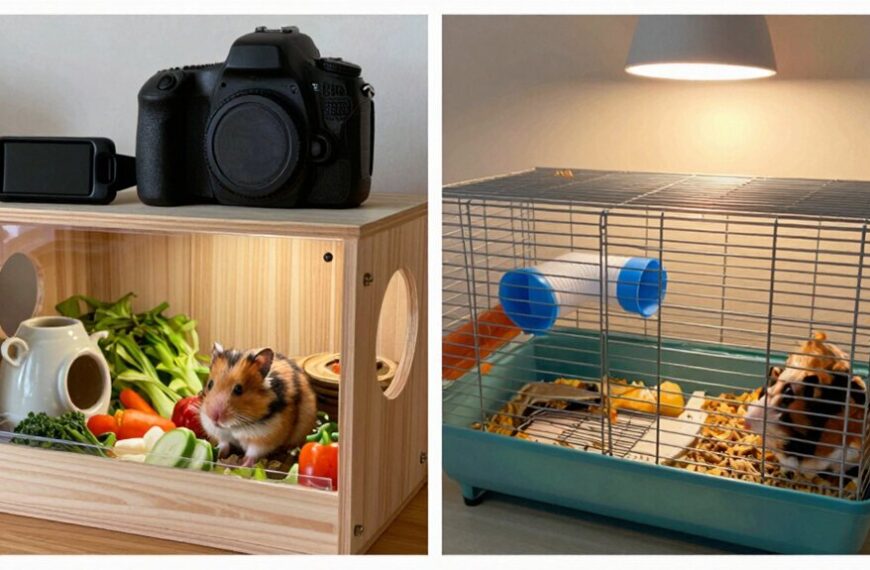
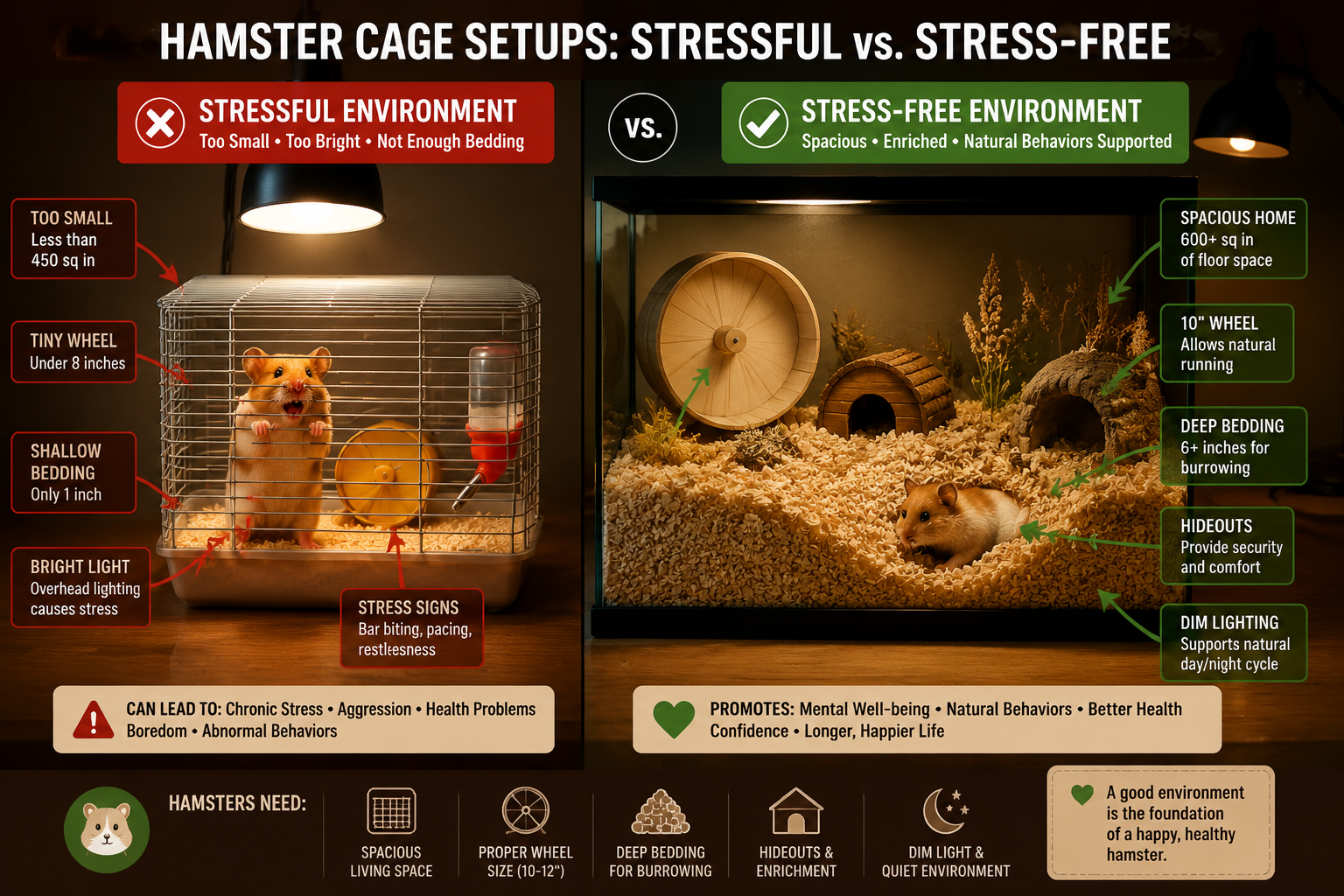
A cage under 450 square inches of continuous floor space creates chronic stress for any hamster species. Syrian hamsters need a minimum of 600 square inches, while dwarf species require at least 450 square inches. Wire cages with bar spacing wider than 0.5 inches allow dwarf hamsters to escape or get their heads stuck, both terrifying experiences that trigger lasting anxiety.
Glass aquariums and bin cages eliminate bar-biting behavior entirely because hamsters can’t grip smooth surfaces. If you’re using a wire cage and notice your hamster repeatedly climbing and gnawing bars, that’s not exercise, it’s a stereotypic stress behavior indicating the enclosure feels too small or lacks adequate enrichment.
Wrong Wheel Size and Exercise Equipment
Wheel diameter directly affects spinal health and stress levels:
- Syrian hamsters: 10-12 inch wheel minimum
- Dwarf hamsters: 8-10 inch wheel minimum
- Roborovski hamsters: 8 inch wheel minimum
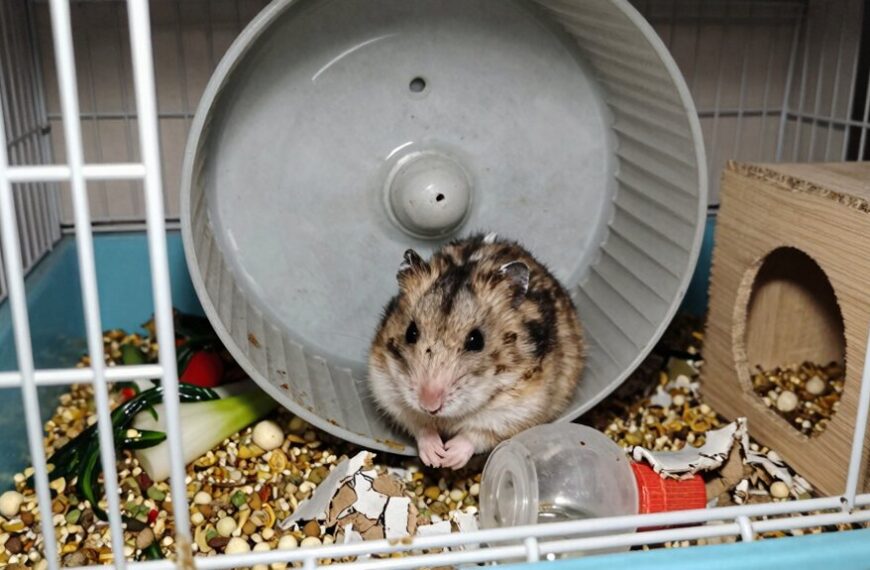
A wheel that’s too small forces hamsters to arch their backs unnaturally during running, causing pain and discouraging natural exercise behaviors. This creates a stress cycle: the hamster feels confined, wants to run, experiences discomfort, and becomes increasingly frustrated. Solid-surface wheels prevent foot injuries that mesh or barred wheels commonly cause.
Insufficient Bedding Depth for Burrowing Behaviour
Hamsters are fossorial animals, burrowing is a biological need, not a preference. Bedding depth under 6 inches prevents natural tunnel construction, which hamsters use for temperature regulation, security, and stress relief. Aim for 8-10 inches of paper-based or aspen bedding in at least one section of the cage.
When hamsters can’t burrow, they exhibit increased surface-level pacing, corner-digging against solid walls, and heightened startle responses. These behaviors indicate the hamster feels exposed and vulnerable. For more guidance on proper cage setup, check out our article on what are must-haves for hamsters.
Improper Lighting and Temperature
Hamsters are crepuscular (most active at dawn and dusk) and need a consistent day-night cycle. Constant bright lighting or irregular light patterns disrupt their circadian rhythm, causing sleep deprivation and chronic stress. Position cages away from windows with direct sunlight and maintain ambient room lighting that mimics natural day-night transitions.
Temperature stress thresholds:
- Too cold: Below 65°F (18°C) can trigger torpor attempts
- Optimal range: 68-74°F (20-23°C)
- Too hot: Above 78°F (26°C) causes heat stress
Sudden temperature fluctuations stress hamsters more than consistent slightly-cool or slightly-warm conditions. Avoid placing cages near heating vents, air conditioners, or drafty windows.
Lack of Hideouts and Enrichment
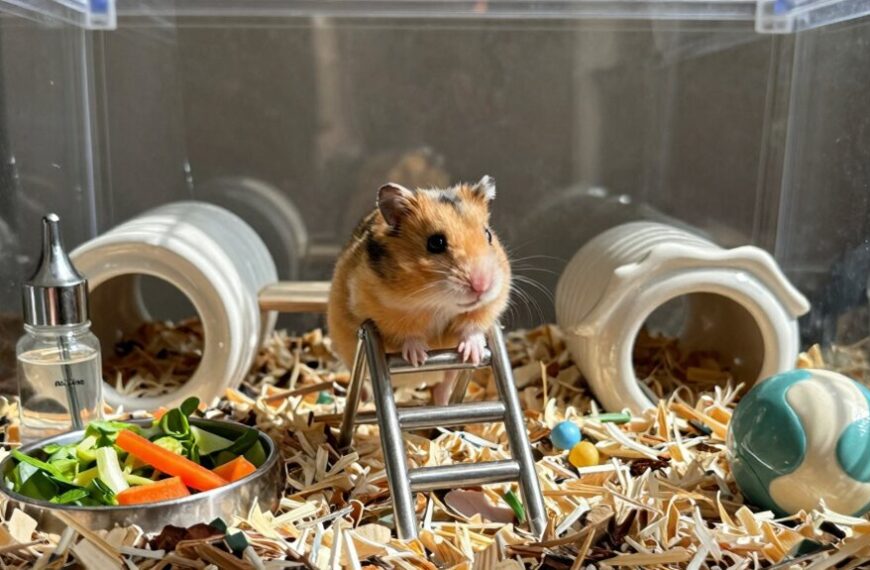
A hamster that can’t hide when startled lives in constant low-level anxiety. Provide at least two enclosed hideouts with single entrances (multiple exits can feel less secure). Wooden houses, ceramic hideouts, and coconut shells all work well, avoid transparent plastic houses that defeat the purpose of hiding.
Enrichment isn’t optional decoration; it’s stress prevention. Rotate these items weekly:
- Cardboard tubes and boxes for shredding
- Whimper sticks and chew toys for dental health
- Foraging opportunities (scatter feeding instead of bowl feeding)
- Sand bath area for grooming and scent marking
Boredom itself is a stressor. Hamsters in barren cages develop learned helplessness and depression-like behaviors. For more ideas, explore what is the best thing to put in a hamster cage.
Social and Handling Stressors: What Stresses Hamsters Out Through Interaction
Improper Handling Techniques
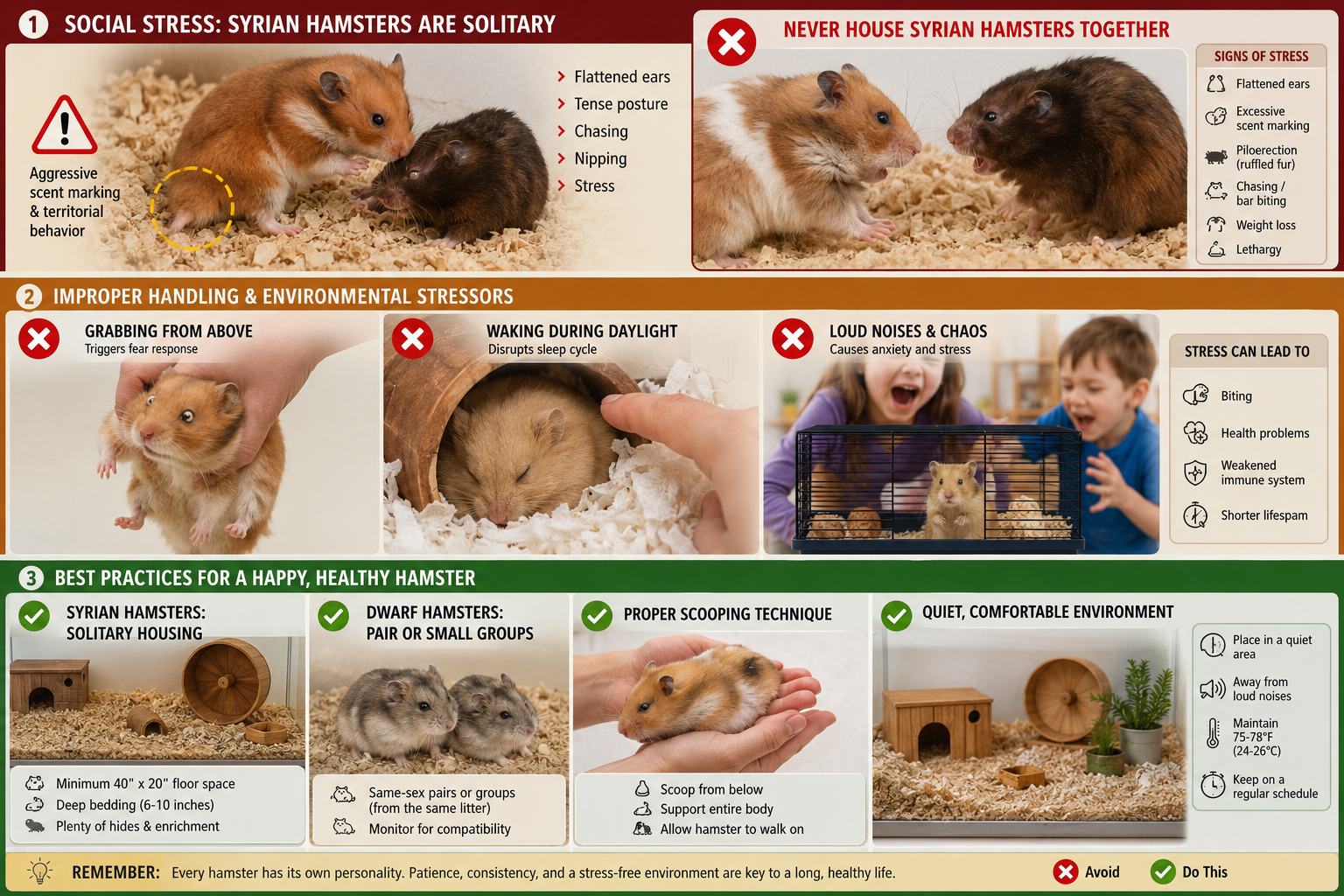
Reaching into a cage from above triggers a hamster’s predator-avoidance instinct, birds of prey attack from above. This explains why hamsters freeze, squeak, or bite when grabbed from overhead. Instead, use the scoop method: place your hand flat in the cage at ground level and let the hamster walk onto your palm, then cup your other hand gently over the top.
Common handling mistakes that cause stress:
- Waking a sleeping hamster during daylight hours
- Handling immediately after bringing a new hamster home (wait 3-5 days)
- Passing hamsters between multiple people in one session
- Handling for more than 10-15 minutes when the hamster shows stress signals
- Restraining or gripping tightly instead of supporting from below
Young children often move quickly and make sudden loud noises, both major stressors for hamsters. Supervise all child-hamster interactions and teach the “two-hand scoop” method before allowing independent handling. Learn more about safe interaction in our guide on what should you never do with a hamster.
Forced Cohabitation: Syrian vs Dwarf Housing Needs
Syrian hamsters are strictly solitary. Attempting to house two Syrians together after 8-10 weeks of age results in fighting, severe stress, injuries, and often death. This isn’t a personality issue, it’s species biology. Syrian hamsters establish territories in the wild and will defend their space aggressively.
Dwarf species (Campbell’s, Winter White, Roborovski) have more flexible social structures, but cohabitation still carries risks:
- Same-sex pairs from the same litter have the best success rate
- Even bonded pairs can suddenly fight after months of peaceful cohabitation
- Introducing unfamiliar dwarf hamsters almost always fails
- Males housed together often fight more than females
- Any cohabitation requires a backup cage in case separation becomes necessary
Signs of social stress in dwarf hamsters include one hamster monopolizing the wheel, food hoarding beyond normal levels, one hamster sleeping separately, and any chasing or squeaking. If you’re considering dwarf hamsters, read about what’s the friendliest dwarf hamster to understand species temperament differences.
Excessive Noise and Household Activity
Hamsters have excellent hearing and are sensitive to sounds humans barely notice. Chronic noise exposure from televisions, music, vacuum cleaners, and loud conversations creates cumulative stress. Position cages in low-traffic areas away from:
- Kitchen appliances and dishwashers
- Home theater systems and gaming setups
- High-traffic hallways and entryways
- Rooms where people gather for loud activities
Sudden loud noises (door slamming, dog barking, dropped objects) trigger acute stress responses. While you can’t eliminate all household sounds, you can minimize them by choosing a quiet bedroom or office for cage placement.
Scent Marking Disruption and Over-Cleaning
Hamsters use scent marking to establish territory and create a familiar environment. Over-cleaning the cage, especially using harsh chemicals or removing all bedding at once, eliminates these scent markers and forces the hamster to re-establish their territory from scratch. This causes significant stress.
Proper cleaning schedule to minimize stress:
- Spot-clean soiled areas daily
- Remove and replace only 1/3 of bedding weekly
- Deep clean entire cage monthly (or every 3-4 weeks for smaller cages)
- Use unscented soap or white vinegar diluted 1:1 with water
- Always leave some used bedding mixed with fresh bedding
Hamsters have scent glands on their flanks (visible as dark spots on their hips). You’ll notice them rubbing these glands on cage objects after cleaning, this is normal re-scenting behavior, not a sign of distress. However, excessive scent marking combined with other stress behaviors indicates the cleaning schedule is too aggressive.
Predator Presence and Perceived Threats
Even well-meaning household pets create stress for hamsters. Dogs and cats staring at the cage, pawing at glass, or barking nearby trigger constant vigilance and fear responses. Hamsters are prey animals, they don’t distinguish between a curious cat and a hunting predator.
Keep cages elevated at least 3 feet off the ground and in rooms where dogs and cats don’t have unsupervised access. Never allow “supervised interaction” between hamsters and predator species, the stress to the hamster isn’t worth the photo opportunity.
Health-Related Stress Triggers
Sudden Diet Changes
Abrupt food transitions cause digestive upset and stress. When switching hamster food brands or introducing new fresh foods, do so gradually over 7-10 days by mixing increasing amounts of the new food with the old. Hamsters have sensitive digestive systems, and diarrhea from sudden diet changes can quickly lead to dehydration and wet tail.
Stick to species-appropriate foods and avoid the temptation to share human snacks. For safe options, see our guide on what do hamsters love to eat the most.
Illness and Pain
Sick hamsters experience stress from both the illness itself and their inability to hide vulnerability (a survival instinct). Common stress-inducing health issues include:
- Dental problems causing eating difficulty
- Respiratory infections making breathing labored
- Wet tail (stress-induced diarrhea that becomes life-threatening)
- Mites causing constant itching
- Tumors causing pain or mobility issues
Hamsters hide illness until it’s advanced, so any behavior change warrants immediate veterinary attention. Weight loss, lethargy, hunched posture, and reduced activity all indicate health problems that are causing stress. Learn to recognize signs of stress in hamsters early.
Breeding and Pregnancy Stress
Breeding hamsters creates significant stress for females, who can become pregnant as young as 4-6 weeks old. Pregnancy, birth, and raising pups are physically demanding and stressful. Responsible breeders provide:
- Increased protein during pregnancy and nursing
- Undisturbed nesting areas
- Separation from males immediately after mating
- No handling during the first week after birth
Pet owners should never breed hamsters. Accidental pregnancies from pet store “females” that were actually pregnant or mis-sexed create emergency situations requiring immediate preparation and often veterinary intervention.
Recognizing and Responding to Stress
Observable Stress Behaviors
Watch for these specific indicators that reveal what stresses hamsters out:
- Bar biting: Repetitive gnawing on cage bars, often accompanied by climbing
- Cage aggression: Lunging, biting, or squeaking when you approach
- Excessive grooming: Over-grooming leading to bald patches or skin irritation
- Freezing: Becoming completely still when approached or touched
- Escape attempts: Constant climbing, jumping, or digging at corners
- Reduced activity: Staying in hideout more than usual, not using wheel
- Appetite changes: Eating significantly more or less than normal
These behaviors don’t appear in isolation, stressed hamsters typically show multiple signs simultaneously. For comprehensive coverage, read about what are signs of stress in hamsters.
Creating a Low-Stress Environment
Immediate stress-reduction checklist:
✅ Verify cage meets minimum size requirements (450-600+ sq inches)
✅ Provide 6-10 inches of appropriate bedding for burrowing
✅ Install species-appropriate wheel size (8-12 inches)
✅ Add 2-3 enclosed hideouts with single entrances
✅ Position cage in quiet, low-traffic area
✅ Maintain consistent temperature (68-74°F)
✅ Establish regular day-night lighting cycle
✅ House Syrian hamsters individually
✅ Implement proper cleaning schedule (spot daily, partial weekly)
✅ Use scoop-handling method from below, not grabbing from above
For additional calming strategies, explore what scent calms hamsters and what relaxes a hamster.
When to Seek Veterinary Care
Some stress-related conditions require immediate professional intervention:
- Wet tail: Watery diarrhea, hunched posture, lethargy (can be fatal within 24-48 hours)
- Self-mutilation: Biting own fur or skin until bleeding
- Complete appetite loss: Not eating for 24+ hours
- Respiratory distress: Labored breathing, wheezing, discharge
- Sudden aggression: Dramatic personality change with biting
Don’t wait to see if stress behaviors resolve on their own. Early intervention prevents minor stress from escalating into serious health crises. Understand the risks by reading about what is the leading cause of death in hamsters.
FAQ
How long does it take for a stressed hamster to calm down?
Minor stress from handling or cage cleaning typically resolves within 30-60 minutes once the stressor is removed. Chronic stress from inadequate housing requires 1-2 weeks of consistent environmental improvements before you’ll see behavioral changes. Severe stress with health complications like wet tail requires immediate veterinary treatment and may take weeks of recovery.
Can stress kill a hamster?
Yes. Stress suppresses immune function and can trigger wet tail, a bacterial infection with a 90% mortality rate if untreated. Chronic stress also shortens lifespan by contributing to heart problems, reduced disease resistance, and failure to thrive. Acute stress from fighting or predator exposure can cause fatal shock.
Do hamsters get stressed when left alone?
No, hamsters are solitary animals that prefer being alone. Syrian hamsters especially thrive in solitary housing. What stresses hamsters out isn’t being alone, but rather inadequate cage setup, boredom from lack of enrichment, or irregular care routines. Provide proper housing and daily food/water, and your hamster will be content during your absence.
Is it normal for a new hamster to be stressed?
Yes. Moving to a new home is one of the most stressful experiences for hamsters. Expect 3-7 days of adjustment where your hamster hides frequently, may not eat much, and shows wariness. During this period, provide food and water but minimize handling. Let the hamster initiate interaction by approaching your hand rather than forcing contact.
Can I use music to calm a stressed hamster?
Soft, low-volume classical music or white noise may help mask sudden household sounds, but hamsters don’t find music inherently calming. Silence or very quiet ambient sound is preferable. Never use music as a substitute for fixing underlying stressors like cage size, improper handling, or environmental issues.
What’s the difference between stress and fear in hamsters?
Fear is an immediate response to a specific threat (sudden noise, predator presence, being grabbed), while stress is a prolonged state caused by ongoing conditions (too-small cage, chronic noise, improper housing). Fear triggers acute behaviors like freezing or fleeing; stress causes chronic behaviors like bar biting, over-grooming, and reduced activity. Both require different interventions, fear needs threat removal, stress needs environmental correction.
Conclusion
Understanding what stresses hamsters out transforms you from a well-meaning owner into an informed caregiver who can prevent problems before they start. The most common stressors, inadequate cage size, wrong wheel dimensions, insufficient bedding depth, improper handling, and forced cohabitation for Syrian hamsters, are all completely preventable with proper setup and care.
Start by auditing your current cage setup against the specific requirements outlined in this article. Measure your cage floor space, check your wheel diameter, and assess your bedding depth today. These three factors alone account for the majority of chronic stress in pet hamsters. If you’re making changes, implement them gradually when possible to avoid the stress of sudden environmental shifts.
Remember that hamsters can’t tell you what’s wrong, they show you through behavior. Bar biting, excessive hiding, aggression, and reduced activity aren’t personality traits; they’re distress signals pointing to fixable problems. By creating a species-appropriate environment with adequate space, proper enrichment, and respectful handling, you’ll have a hamster that exhibits natural behaviors, uses their wheel enthusiastically, and approaches your hand with curiosity rather than fear.
For comprehensive guidance on avoiding common mistakes, review our article on what are common hamster cage mistakes. Your hamster’s quality of life, and potentially their lifespan, depends on getting these fundamentals right.