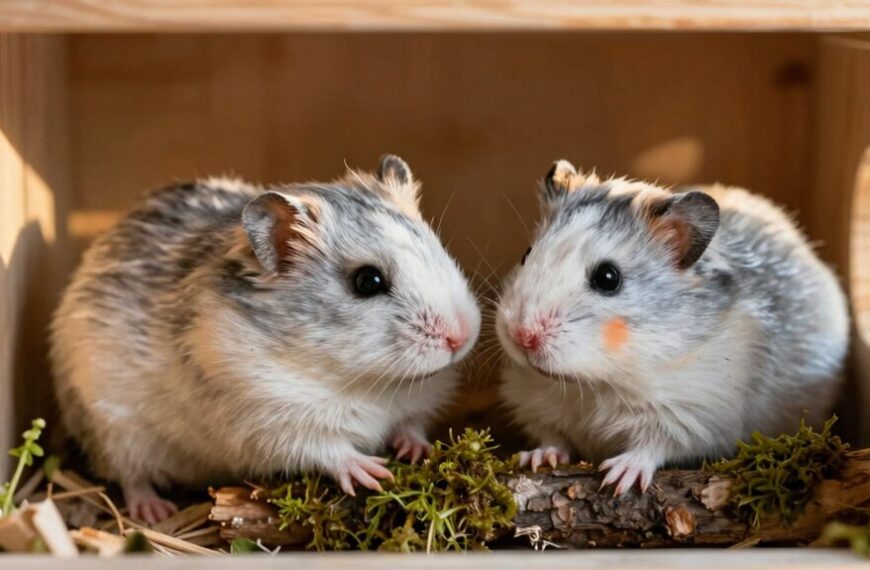
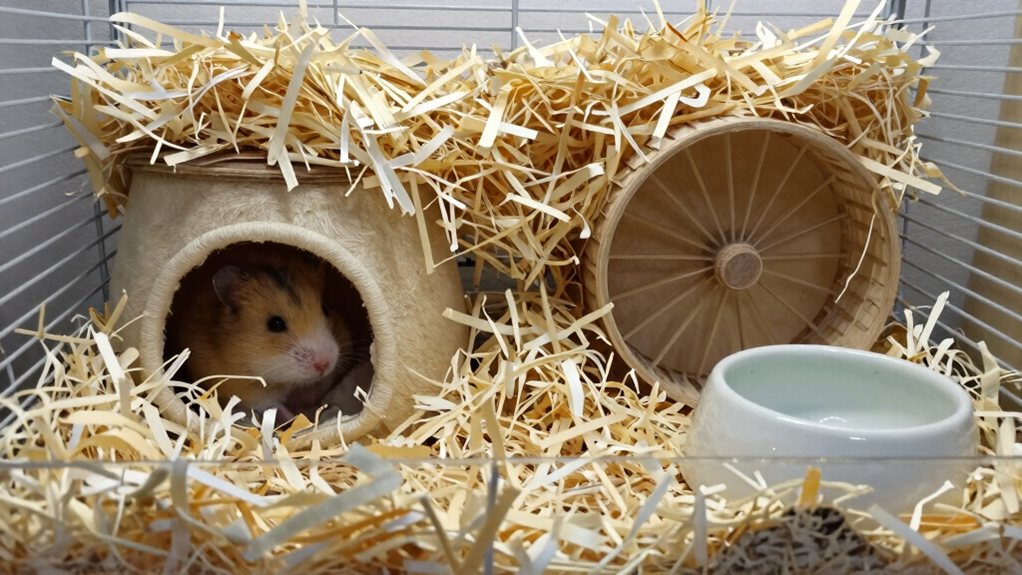
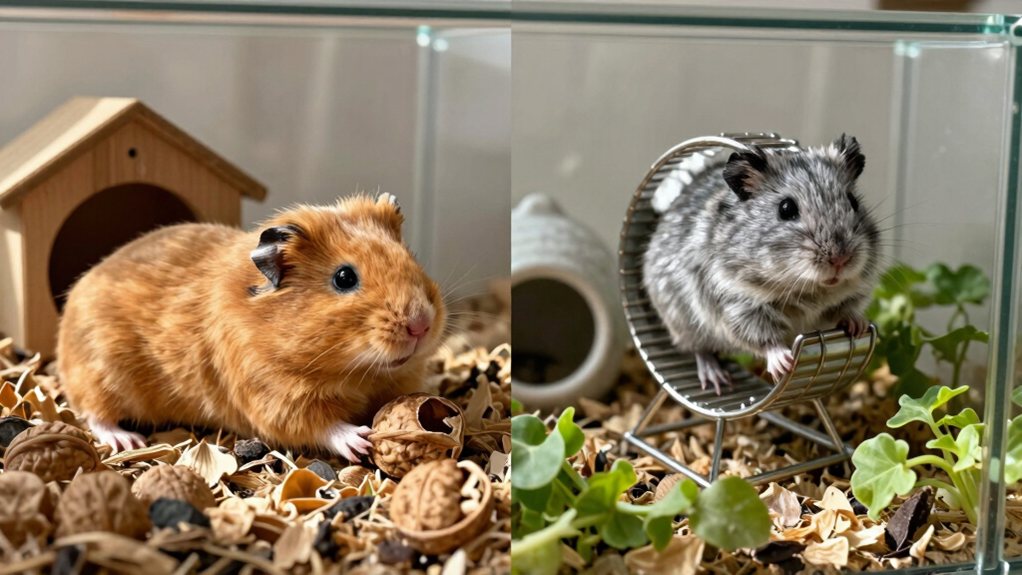
Yes, Winter White dwarf hamsters can be friendly, but they’re not born that way. You’ve got to earn their trust.
With gentle, daily handling from a young age, they often become calm and curious companions. They won’t cuddle on command, but a well-socialized hamster might climb onto your hand for a snack or nap near you.
Keep their space cozy, avoid sudden moves, and stay patient. Before you know it, you’ll be sharing quiet moments and tiny fist bumps, well, almost.
Are Winter White Dwarf Hamsters Naturally Friendly?

So, are Winter White dwarf hamsters born friendly, or is it all just fluff and attitude? Well, they’re not handed a “be sweet” manual at birth, but they do have a genetic predisposition that leans toward calmness, if you catch them in the right mood.
Unlike some grumpy hamster cousins, these tiny furballs come from a line shaped by social evolution, even if they’re still a bit independent.
These tiny furballs hail from a lineage fine-tuned by social evolution—naturally calmer, though still delightfully independent at heart.
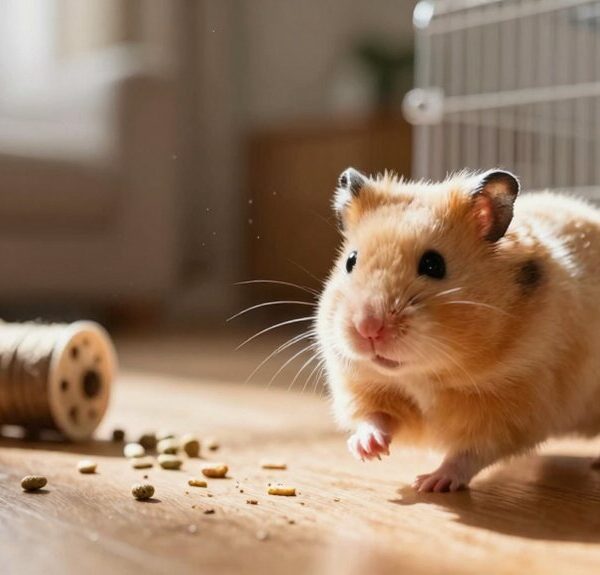
You’ll find they warm up faster with gentle handling and treats, yes, bribes work. They’re not automatically cuddly, but with patience, they can become little companions.
Think of it like making friends in a new school, first wary, then curious, then maybe sharing snacks.
Why Do Winter White Hamsters Act Differently?
You might notice your Winter White hamster acting a little moody when the seasons change.
Yes, these tiny fluffballs can get a bit grumpy in winter thanks to shorter days and cooler temps.
Their natural instincts kick in, making them less social, kind of like someone who skips coffee on a Monday morning.
But don’t worry, a cozy setup and gentle handling can help keep their temperament sweet all year round.
Seasonal Behavior Changes
Ever wonder why your usually peppy Winter White dwarf hamster suddenly acts like a grumpy roommate in winter? It’s not you. It’s seasonal behavior changes.
As days get shorter and colder, your hamster goes through winter shedding. It loses its bright white coat and regrows a grayish one.
During this time, you might notice more seasonal aggression. Maybe they’re less cuddly or even a bit nippy. That’s normal.
Their bodies are responding to natural light changes, not bad mood swings.
Think of it like hibernation prep, minus the actual hibernation.
Keep their space warm, maintain a steady light cycle, and offer extra hiding spots.
With a little patience, your little fluffball will bounce back to their cheerful self come spring.
Just remember: they’re not mad at you. They’re just wintering.
Hang in there. You’ve got this!
Temperament And Environment
What if the reason your Winter White hamster’s acting moody isn’t about attitude, but their surroundings? These tiny fluffballs have nocturnal habits, so if you’re trying to play during the day, they’re probably just grumpy from being woken up. Imagine someone yanking the covers off you at 3 a.m. That wouldn’t be cool.
A cramped cage size can also make them stressed and snappy. Think about it: would you want to live in a closet with no room to stretch?
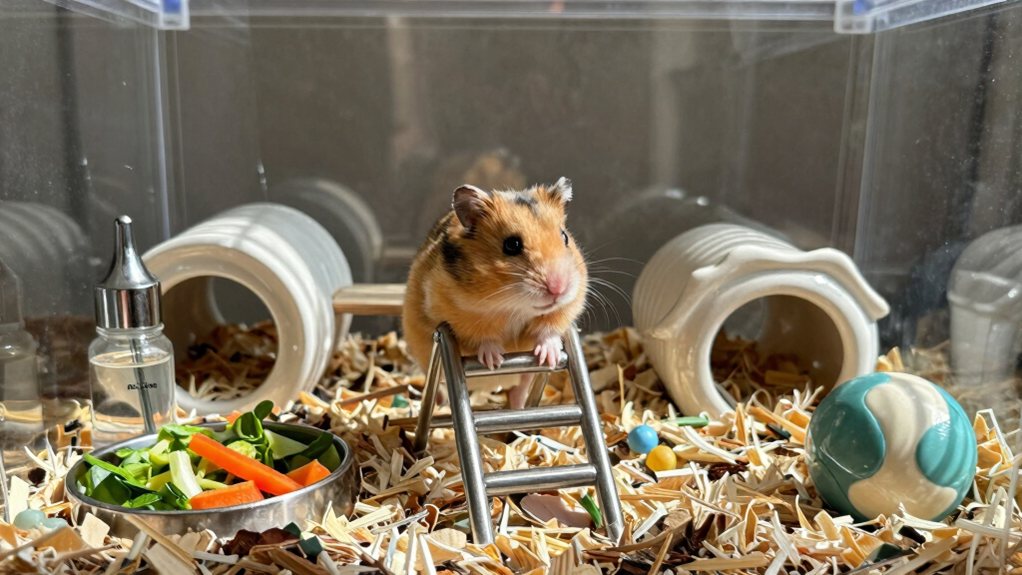
Give them space to dig, climb, and explore, and you’ll see a calmer, friendlier hamster. A roomy cage with cozy hideouts and nighttime activity toys works wonders.
With the right environment, your little buddy can thrive. No drama, just cute zoomies and cheek pouches full of snacks. Sweet, right?
A cage with pull-out tray simplifies cleaning and helps maintain a healthy, stress-free habitat.
Why Early Handling Builds a Tamer Hamster
While your winter white dwarf hamster might start off shy or a little unsure around you, getting hands-on early can make all the difference in turning that nervous nibbler into a confident little companion.
You see, even with a genetic predisposition to be a bit jumpy, how you handle your hamster during the first few weeks shapes their behavior more than you’d think.
The sweet spot for socialization timing is between 3 to 6 weeks old. Grab that window!
The prime time to bond is 3 to 6 weeks—seize that sweet window and watch your shy hamster blossom into a trusting friend.
Gentle, daily handling teaches them you’re not a threat, just a snack-bearing friend.
Don’t rush it. Let them sniff, explore, and maybe nibble a bit. Hey, it’s a compliment!
Soon, they’ll climb onto your hand like it’s their personal hamster limo.
A little patience now means a cuddly, curious buddy later. Worth every second.
7 Signs Your Winter White Trusts You
When your Winter White chills out near you instead of darting for cover, that’s a solid sign you’re doing something right.
You’ll notice they start creeping closer when you’re around, maybe even plopping down nearby like you’re their favorite couch.
If they’re coming to you on their own, maybe even begging for a head scratch, you’ve definitely earned their tiny, furry trust.
A calm presence and consistent routine help your hamster recognize you as non-threatening, and over time, they may begin voluntary climbing onto an open hand as a clear sign of trust.
Calm Around You
Ever wonder how your Winter White knows you’re more than just a giant, snack-holding stranger? When your tiny buddy stays calm around you, it’s a big deal, especially since these little fluffs are naturally skittish and have nocturnal habits that make daytime interactions tricky.
If your hamster isn’t bolting for the hideout every time you approach, that’s progress!
A calm Winter White might chill near the front of the cage or even nap in the open while you’re nearby. This trust grows best in a spacious cage.
Bigger cage size means less stress and more confidence.
You’ve earned that chill vibe by being predictable and kind. So when your hamster lounges like it’s on a tiny vacation, basking in your presence, that’s the hamster version of a hug.
You’re doing great.
Seeks Your Presence
What does it mean when your Winter White starts playing detective, sniffing around your hand before you even offer a treat? It’s a sign they’re seeking *you*, far more than snacks.
When your hamster climbs onto your shoulder or waits by the cage door for you to appear, that’s social bonding in action. These little explorers don’t just tolerate humans, they form emotional attachment, especially when you’re gentle and consistent.
If they nap in your palm or follow your movements, they’re saying, “You’re safe, and I like being near you.” It’s their tiny way of giving hugs.
Sure, they won’t fetch like a dog, but their quiet trust? That’s golden.
You’ve earned a spot in their world, and honestly, that sniff-test might be their version of a welcome kiss.
Who knew such a small buddy could mean so much?
A hamster’s gentle nibble during this interaction is usually a sign of curious exploration, not aggression, and often occurs when they are getting to know your scent.
Why Is My Winter White Hamster Biting or Scared?
Why’s your tiny furball suddenly acting like a mini ninja, all teeth and tuck-and-roll escapes? Sometimes, biting or fear in your Winter White hamster comes down to genetic predisposition, some lines are just shyer.
Add in hormonal fluctuations, especially during puberty or breeding season, and your sweet pet might get a little feisty. But don’t panic! Most of the time, it’s not personal.
They’re just nervous or unsure. Build trust slowly with gentle handling, quiet time, and tasty treats.
Avoid sudden moves—think slow and steady wins the cuddle race.
Give them space when they need it, and keep their environment calm and predictable. A little patience goes a long way.
Soon, your once-scaredy hamster might just become your pocket-sized pal. After all, even mini ninjas need time to learn they’re safe with you.
Fear and stress, not aggression, are the primary drivers of defensive behaviors like biting or scratching, so creating a stable routine helps minimize these responses through survival instincts.
How to Handle a Winter White Hamster Safely

Now that you’ve got a better handle on why your Winter White might be nipping or hiding like it’s playing peekaboo, let’s talk about how to pick them up without turning it into a tiny wrestling match.
Start by washing your hands, good hamster hygiene means no scary new scents.
Gently scoop your little buddy with both hands, letting them feel secure.
Avoid grabbing from above, it mimics predator moves and freaks them out.
Instead, slide your hand under their belly.
Regular handling builds trust, but keep it calm and short at first.
Also, make sure your cage decor includes hiding spots and soft bedding, stress-free hamsters are friendlier ones.
Over time, your Winter White will learn you’re not a threat, just a snack-bearing friend.
Be patient, move slowly, and soon you’ll be the one they run to, not away from.
A safe environment includes using chew-proof BPA-free materials to prevent harmful exposure and maintain long-term cage safety.
Winter White vs. Other Dwarf Hamsters: Which Is Friendlier?
Ever wonder why your friend’s dwarf hamster seems like a cuddly little bean while yours acts like a tiny, furry ninja dodging every attempt at snuggles?
When comparing Winter Whites to other dwarf types, friendliness isn’t just about species. It’s about care, handling, and knowing their needs.
Here’s what really matters:
- Temperament: Winter Whites are often calmer, especially when tamed early.
- Cohabitation risks: Never house different dwarfs together. Stress kills friendliness fast.
- Dietary preferences: A happy hammy eats balanced meals. Treats build trust (think sunflower seeds as tiny peace offerings).
You’ve got this! With patience, gentle handling, and the right setup, your Winter White can be the sweet, curious companion you’ve dreamed of.
Just remember: no forced cuddles. Let the bond grow naturally. Like a really slow, adorable garden.
Final Thoughts
You’ve got this! Winter white dwarf hamsters can be sweet, curious little pals when you give them time and gentle handling. Sure, they might act shy or jumpy at first, hey, you would too in a giant’s world!
But with patience, treats, and consistent care, they’ll learn to trust you. They’re not always cuddly, but their tiny antics? Pure joy. Just remember: slow wins the race, and yes, they’re worth every minute.