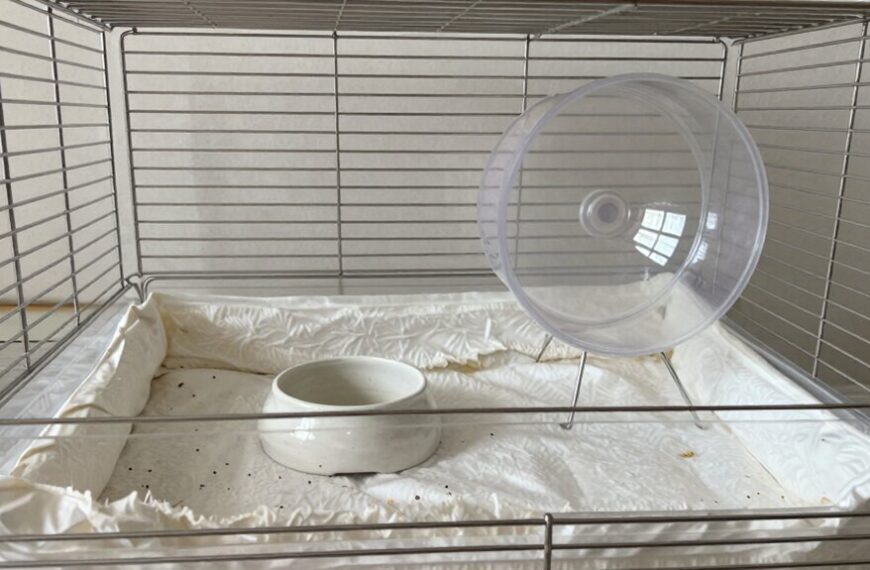
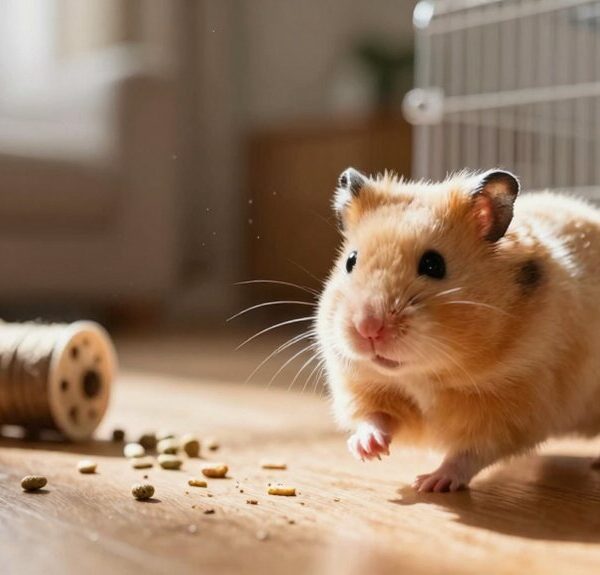
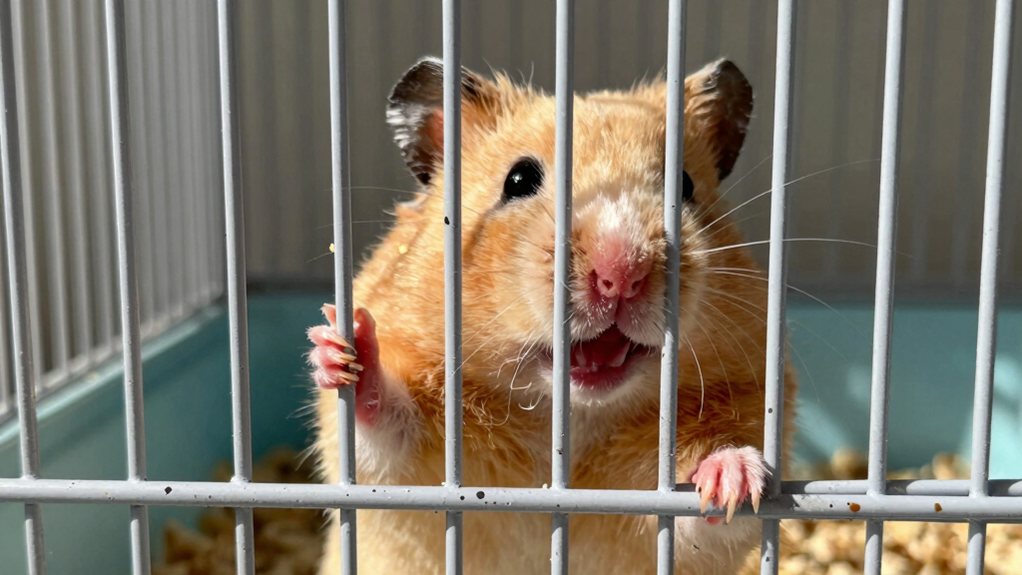
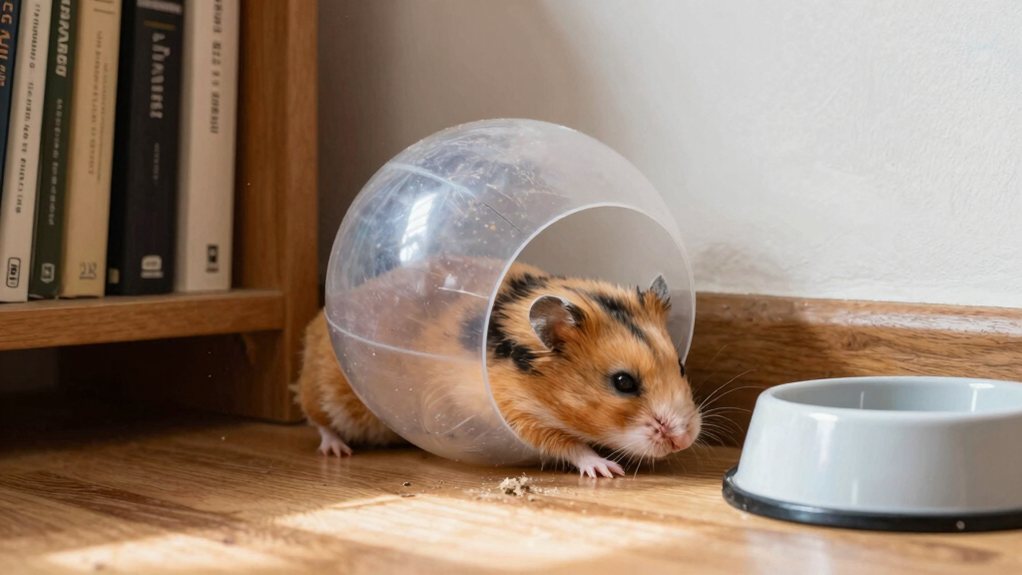
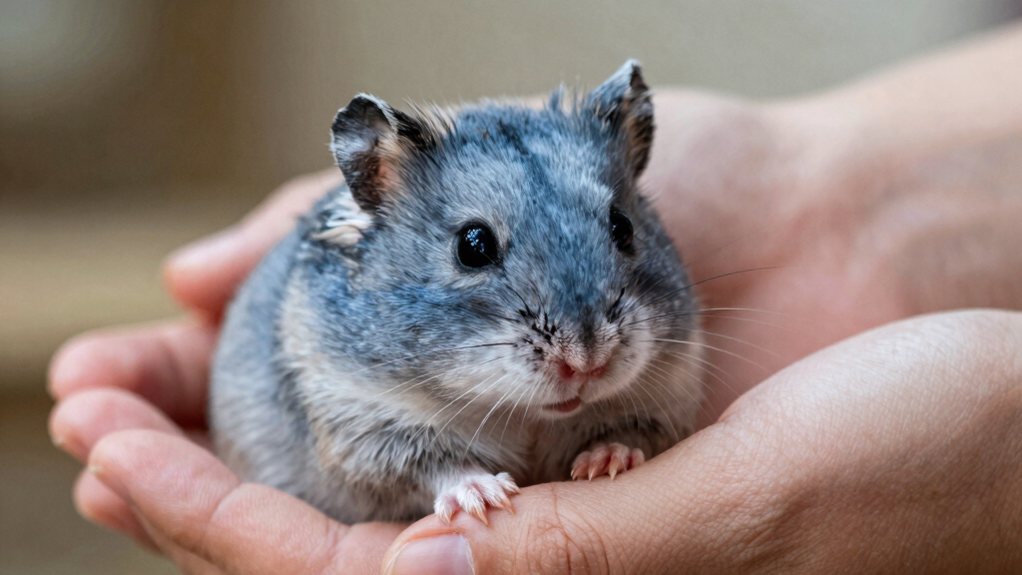
No, hamsters don’t like dust baths. That fine powder can irritate their sensitive lungs, leading to sneezing, wheezing, or worse.
Instead of dust, they naturally groom themselves by licking and rolling in bedding. If you want to pamper your little buddy, skip the dusty stuff and try a safe sand bath instead. They’ll love rolling around like tiny desert pups.
You’d be surprised what a difference the right kind of “bath” makes. There’s more to keeping your hamster happy and healthy than you might think.
Do Hamsters Need Dust Baths?
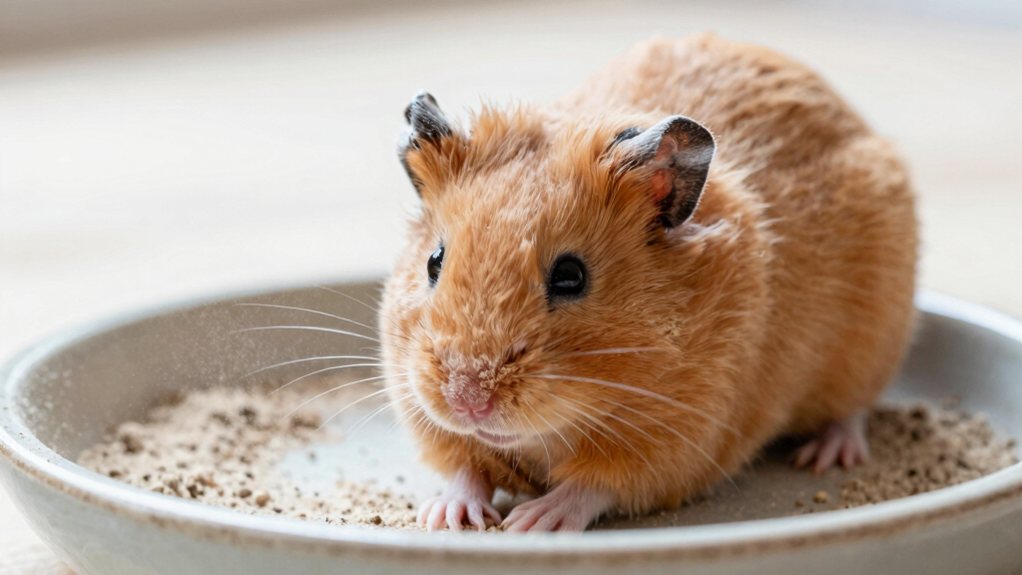
Ever wonder why your hamster seems obsessed with rolling in its bedding? That’s because hamsters are natural groomers who keep themselves clean without needing water or dust baths.
Hamsters are natural groomers who stay clean through instinctive rolling and licking—no water or dust baths needed.
Unlike some pets, they don’t require special grooming tools or dust baths to stay healthy. In fact, dust can cause dust allergies in sensitive little guys, leading to sneezing or breathing trouble.
So skip the fancy spa treatments. Your hamster’s happy with a simple routine. They lick their paws, wipe their fur, and do little dust-free rolls to freshen up. It’s kind of adorable, really.
You’ll see them at it every day, no help needed.
Just make sure their cage stays dry and clean, and they’ll handle the rest. Trust their instincts. They’ve got grooming down to a science.
Keep it simple, stay alert for any sneezing, and enjoy watching your tiny friend stay spiffy in their own quirky way. For those who still wish to provide a safe cleaning option, a low-dust formula is recommended to protect respiratory health.

Sukh Natural Desert Sand: Desert sand is one of the necessary hamster supplies, and a common type of sand used in hamster sand baths and also all purpose sand. It is a natural, absorbent fine sand that can help remove excess grease and dust from the hamster's fur, remove dirt and odors from the body, and keep the little pet dry and clean.

Natural & Real Desert Sand - This small pets bathing sand with no-addon, designed for Hamsters, Gerbils, Degus, Mice, or other small-sized pets who need to take sandbaths regularly to keep their own clean & well-being

Stainless Steel Hamster Mesh Scoop - niteangel fine sand scoop are made of durable stainless steel. The ergonomic design handle is comfortable to hold. Designed to clean small animals and reptile feces, with dense holes, the sand mesh scoop not only can easily clean the corners of small animal terrarium, but also can easily screen wet and sticky particles, without leaving annoying sticky things.
How Hamsters Clean Themselves Naturally
Your hamster’s grooming routine is like a tiny, furry spa day they throw for themselves, no help from you required.
Using their paws and tongue, they scrub their fur, wipe their face, and even nibble their nails.
This grooming behavior isn’t just about looking cute, though they definitely do.
It’s rooted in their natural instincts to stay clean and avoid attracting predators with odors.
You’ll often catch them mid-stretch, licking a paw and gliding it over their head like a tiny rodent using gel.
It’s adorable, sure, but it’s also serious hygiene.
They do this multiple times a day, all on their own.
No reminders, no bath time battles, just instinct kicking in.
Watching them is like seeing a mini self-care expert at work.
So while you might wonder if they need help, trust the process.
Their routine is simple, effective, and totally independent.
Why Dust Is Dangerous for Hamsters
You might think a little dust won’t hurt, but it can seriously mess with your hamster’s tiny lungs and breathing.
Their sensitive skin and soft fur can also get irritated or even damaged from dusty bedding or air.
Dusty environments can stem from unsafe bedding materials like clumping cat litter, which produces harmful dust that leads to respiratory distress.
Respiratory Health Risks
What’s hiding in that dusty corner of your hamster’s cage could be more than just leftover bedding. It might be a silent threat to their tiny lungs.
When your hamster sniffs around dusty bedding or plays in a dust bath, they’re at risk of dust inhalation, which can lead to serious lung irritation.
Their little respiratory systems aren’t built to handle fine particles, and over time, that dust can cause sneezing, wheezing, or even infections.
Think of it like breathing in chalk dust all day: uncomfortable, right? You wouldn’t want that, and neither does your hamster.
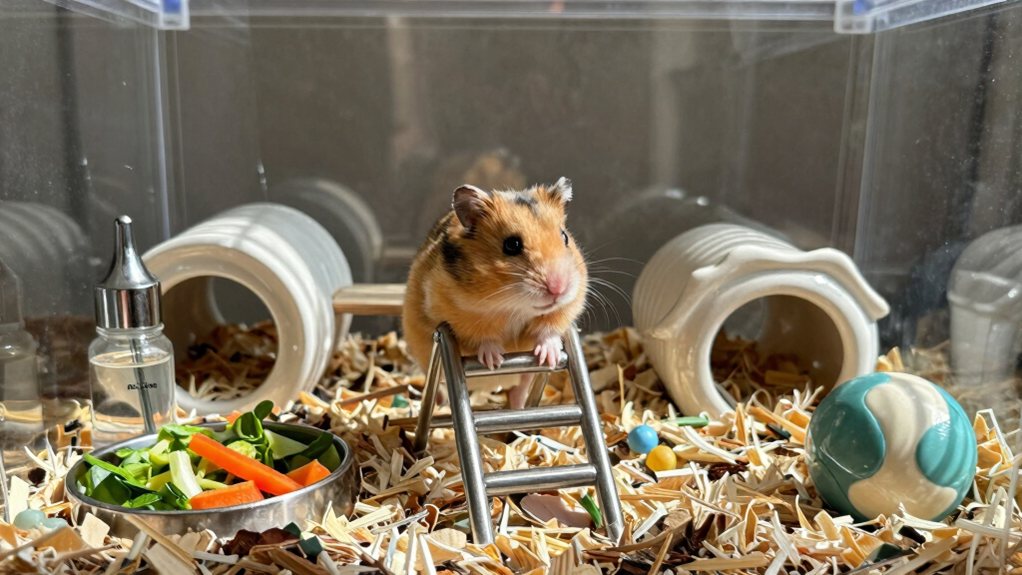
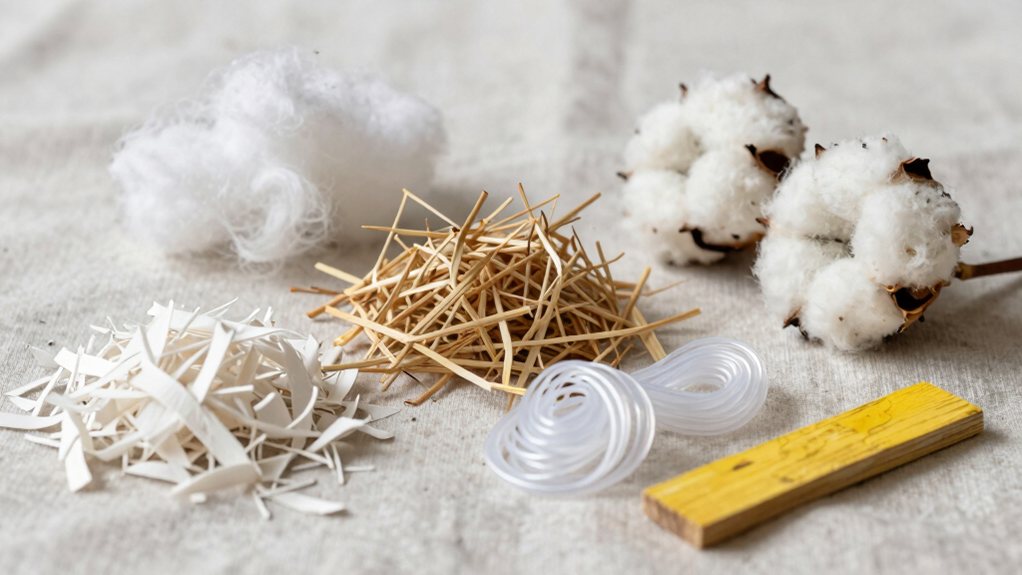
Skip the dusty materials and opt for low-dust bedding like paper-based options.
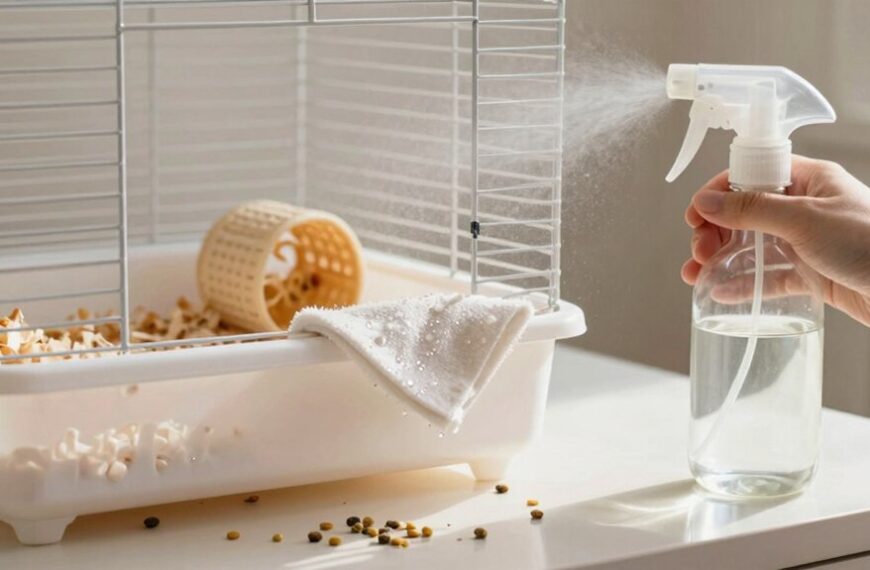
Keep their space clean and air fresh.
A happy hamster is a healthy one, and you’ve got the power to protect those precious lungs.
After all, you’re their hero. Cape optional, but clean air required!
A safer choice is using bedding labeled as 99.9% dust-free, which significantly reduces respiratory risks while maintaining comfort and cleanliness.
Skin And Fur Damage
Ever wonder why your hamster suddenly starts scratching more than usual? It might be because of dust baths. Hamsters have super sensitive skin and soft fur texture that’s easily irritated. That fine dust can clog their pores and dry out their skin, leading to redness or even tiny wounds.
Their skin sensitivity means what feels harmless to us can be harsh for them. Think of it like rubbing sand on your face, ouch!
Instead of helping, dust baths can cause more harm than good, damaging their coat and leaving them itchy and uncomfortable. You want your little buddy to stay cozy and clean, right?
Skip the dusty dips and stick to safe, dry brushing or a vet-approved wipe-down. Your hamster will thank you with fewer scratches and more happy zoomies.
Keep their fur fluffy and their skin happy because nobody likes a dusty, itchy tummy rub!
Are Sand Baths Safe for Hamsters?
Could there be a better way for your hamster to stay clean than a splash in water? Absolutely! Sand baths aren’t just safe for hamsters, they’re actually a natural and healthy part of their grooming routine. In the wild, hamsters roll in dry, fine sand to keep their fur clean and skin irritation-free.
You can offer a small dish of chinchilla sand (not dust!) a few times a week, and watch your little buddy go to town, flipping and wiggling with joy.
Just avoid scented or dusty products, which can harm their sensitive lungs.
Think of it as spa day, hamster-style: no bubbles, no towels, just pure, sandy bliss.
It’s a simple habit that keeps their coat soft and their skin happy.
Why Sand Beats Dust for Hamsters
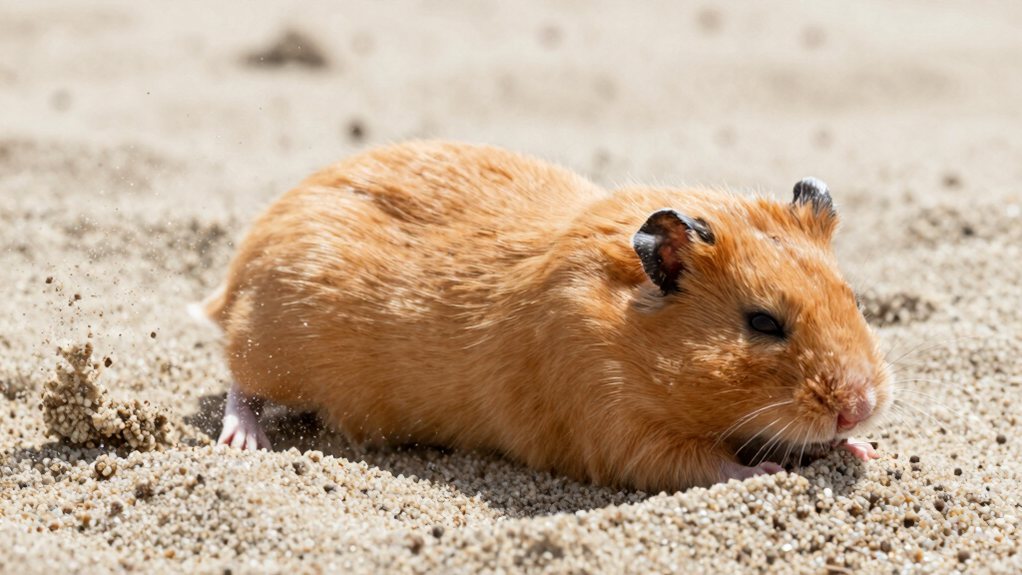
Why do so many hamster owners swear by sand over dust? Because sand matches your hamster’s natural desert habitats, where they love to roll, dig, and stay clean. Dust, on the other hand, can irritate their tiny lungs and delicate skin. Sand supports their natural grooming behavior without the mess or health risks.
You’ll notice your hammy happily burrowing and flipping, like a mini spa day in the Sahara. Unlike dust, which kicks up into the air, sand stays put and feels great on their fur.
Plus, it’s safer if they accidentally sniff or lick a bit. Think of it as nature’s dry shampoo, gentle, effective, and way more fun.
So when you’re choosing between sand and dust, go with what feels right in the wild. Your little furball will thank you with happy zoomies and sand-covered cheeks.
Sand just makes sense, for their health, their habits, and their happiness.
Safe Sand Options for Hamster Playtime
How do you give your hamster the perfect little desert getaway without booking a flight to the Sahara? Easy: a cozy sand bath right in their cage!
But far more than any sand will do. Playtime safety comes first. You’ll want to pick a dust-free, chemical-free sand with a silky sand texture, like chinchilla sand or children’s play sand (unscented and unwashed).
Avoid anything clumpy, sharp, or full of dyes.
Your tiny furball will roll, dig, and flip like they’re on a mini vacation.
Just keep bath time to 10–15 minutes a few times a week. Too much sand can dry their skin.
Think of it as spa day—hamster style.
With the right sand, your little buddy stays happy, clean, and safe.
After all, even small adventurers deserve a soft, sandy paradise!

ODOR CONTROL for long-lasting freshness, Kaytee Clean & Cozy can be used with any type of habitat for a fresh animal home

ODOR CONTROL for long-lasting freshness. Kaytee Clean & Cozy can be used with any type of habitat for a fresh animal home
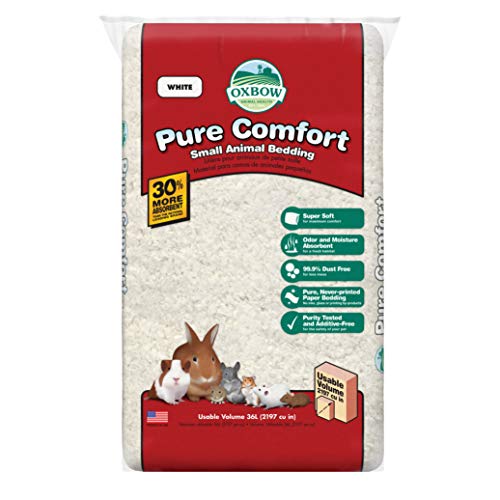
ODOR ABSORBENT TO MINIMIZE PET ODORS: Effectively neutralizes odors to keep bunny bedding & hamster bedding fresh; Ideal for pet bedding, ferret cages, and litter boxes, it helps maintain a clean environment for your pets and a better experience for you
Signs Your Hamster Enjoys Sand Play
Ever wonder if your hamster’s sand bath is pure joy or just confusing fluff time? Watch closely during playtime preferences. Happy hamsters plunge into, roll around, and kick sand like tiny, fuzzy sprinklers.
If your little buddy zooms to the sand dish the second it’s out, that’s a solid yes. You’ll notice enthusiastic toy interactions, like burrowing or tunneling, which means they’re more than merely tolerating it—they’re loving it.
A relaxed body, perked ears, and quick little digs are all good signs.
If they’re sneezing or avoiding the sand, maybe it’s not their thing—or the sand’s too dusty. But when they flop over for a full sand spa session, that’s hamster happiness.
So go ahead, laugh a little when they pop up looking like a sandy tumbleweed. It’s all part of the fun.
Sand play isn’t merely clean; it’s their favorite five-minute vacation.
How to Set Up a Safe Sand Bath
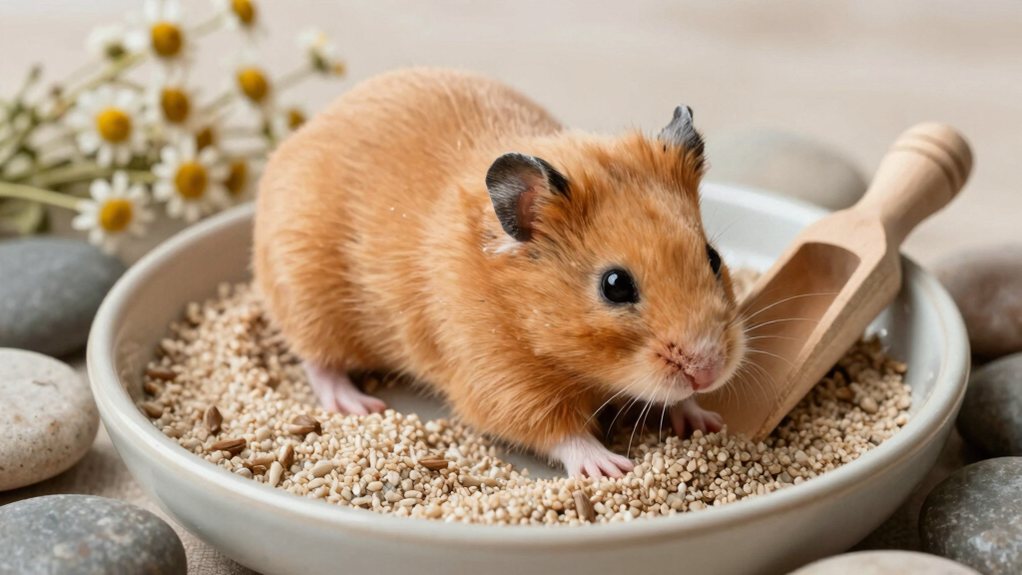
Where should you start when giving your hamster a sand bath that’s both fun and safe?
First, pick the right sand, skip the dusty stuff and choose chinchilla-safe sand instead. It’s gentle on their skin and perfect for rolling.
Avoid any scented or dyed bedding choices. Your hamster’s nose is super sensitive!
Fill a shallow dish or a small container, making sure it’s escape-proof and won’t tip over.
Check toy safety, too. Remove any sharp or small parts nearby that could hurt your little digger.
Place the sand bath in their play area for 10–15 minutes a few times a week.
Watch them go wild, like a tiny, furry kid at the beach!
Just clean the sand regularly and swap it out when it gets dirty.
With the right setup, sand time becomes a squeaky-clean blast for your buddy.
How Often Should You Give a Sand Bath?
So, just how often should your little furball plunge into that sandy playground? Most hamsters enjoy a sand bath 2–3 times a week, which strikes the perfect balance for good hygiene without overdoing it.
Most hamsters love a sand bath 2–3 times a week—perfect for keeping their coat clean and skin healthy, without overdoing it.
This bathing frequency keeps their coat clean and their skin healthy, especially since hamsters groom themselves but can’t wash off oily buildup on their own.
Think of it like a spa day, fun, invigorating, but not something they need every single day.
Always check the sand quality, too. Use dust-free, chinchilla-safe sand without dyes or scents. Your pet’s delicate lungs will thank you.
A shallow dish filled with about an inch of sand is plenty.
Watch them roll and wiggle. It’s equal parts adorable and practical.
Stick to the routine, and your hamster will stay happy, clean, and full of charm.
When Sand Play Is Unsafe for Your Hamster
While sand baths can be a joyful part of your hamster’s routine, there are times when that little sandbox should stay put on the shelf.
If your hamster has open wounds or skin infections, skip the sand, moisture and grit can slow healing.
Also, never use sand with toxic materials like scents, dyes, or chemicals. Those can harm your tiny friend fast.
Watch for signs of allergic reactions, like sneezing, itchy skin, or watery eyes.
Your hamster might be sensitive to the type of sand you’re using.
Dusty sand can also trigger respiratory issues, especially in older or delicate pets.
And if your hamster just isn’t into it, no judgment.
Not every hamster loves to roll like a tiny, furry burrito.
When in doubt, ask your vet.
Better safe than sorry when it comes to your pint-sized pal’s health.
Final Thoughts
You’ve got a clean little buddy who loves staying fresh, good for you! Skip the dusty mess; it’s risky for your hamster’s lungs. Instead, grab some safe sand and let them roll, dig, and flip like tiny, furry acrobats. They’ll thank you with happy zoomies.
Set up their spa a few times a week, watch them enjoy, and know you’re keeping them safe and smiling, well, as much as hamsters can!

Specially processed to eliminate dust and wood debris found in other brands
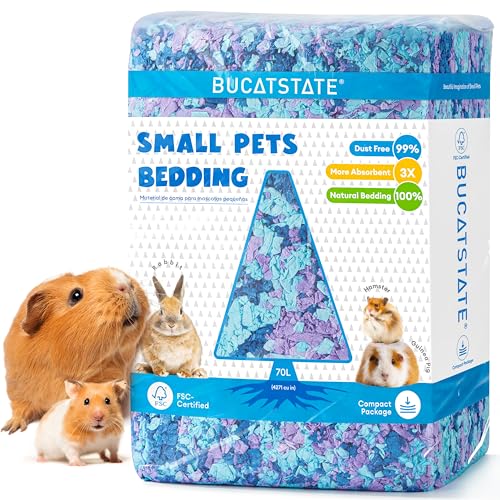
𝗖𝗢𝗠𝗣𝗔𝗖𝗧 𝗣𝗔𝗖𝗞𝗔𝗚𝗜𝗡𝗚 𝗗𝗘𝗦𝗜𝗚𝗡 - This ColorNest Paper Bedding embraces green compact packaging, optimizing our process to minimize packed volume and maximize shipping and space-saving storage. Simply fluff the paper bedding upon receipt to expand it up to 4X its original size.

【Perfect Combination】 This small animal supplies combination set includes a large mesh metal litter scoop and two small plastic litter scoop. The large one is responsible for large-scale cleaning, and the small one is used for fine processing. The combination of the two can more comprehensively maintain the hygiene and cleanliness of the pet's living environment.