You might love holding your Russian hamster, but honestly, they’re usually a little too jumpy to enjoy it, at least at first. These tiny guys are wired to be cautious, thanks to wild instincts that scream “danger!” when hands appear.
Sudden grabs or loud noises make them freeze or bolt. But don’t worry, with slow, gentle handling and plenty of treats, your little furball can learn to chill in your palms. Stick around, you’ll see how trust turns skittishness into snuggles.
Do Russian Hamsters Enjoy Being Held?
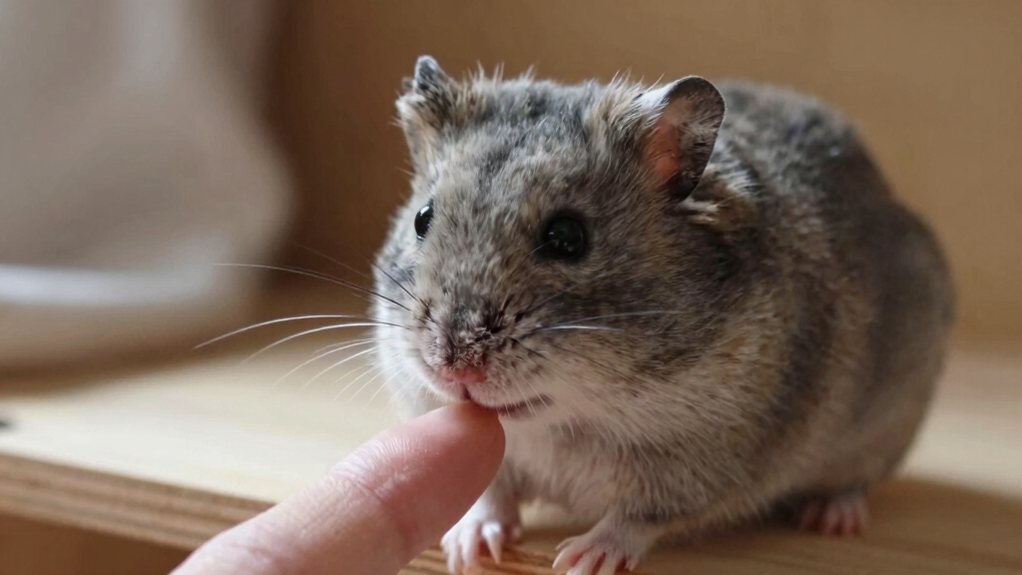
So, do Russian hamsters actually enjoy being held, or are they merely putting up with your affection like a tiny, furry roommate who can’t move out? Well, it depends.
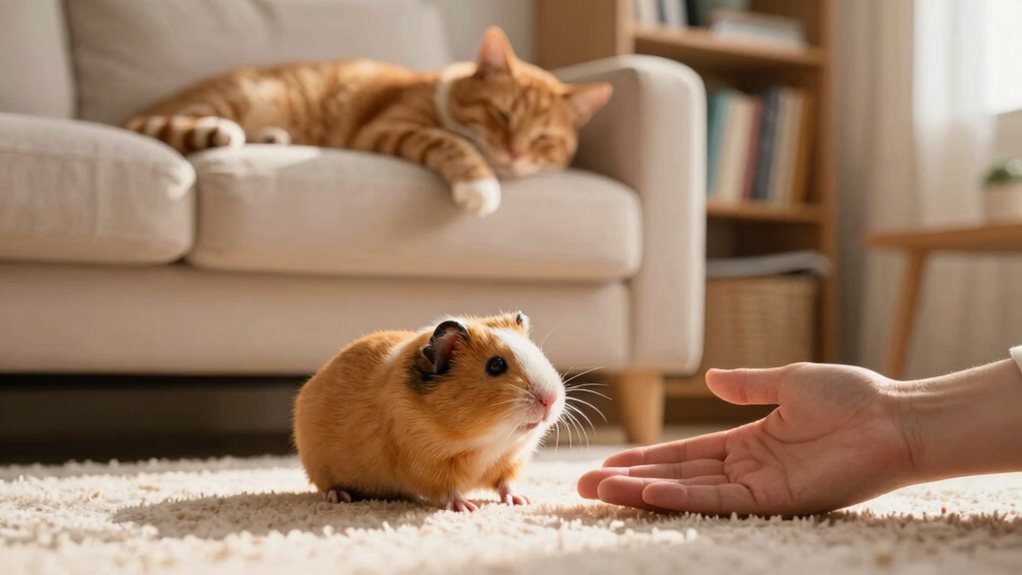
Some Russian hamsters warm up to handling, especially if you start young and go slow. They’re naturally skittish, so patience is key.
Russian hamsters can learn to enjoy handling, but they’re naturally shy—start young, go slow, and let trust grow at their pace.
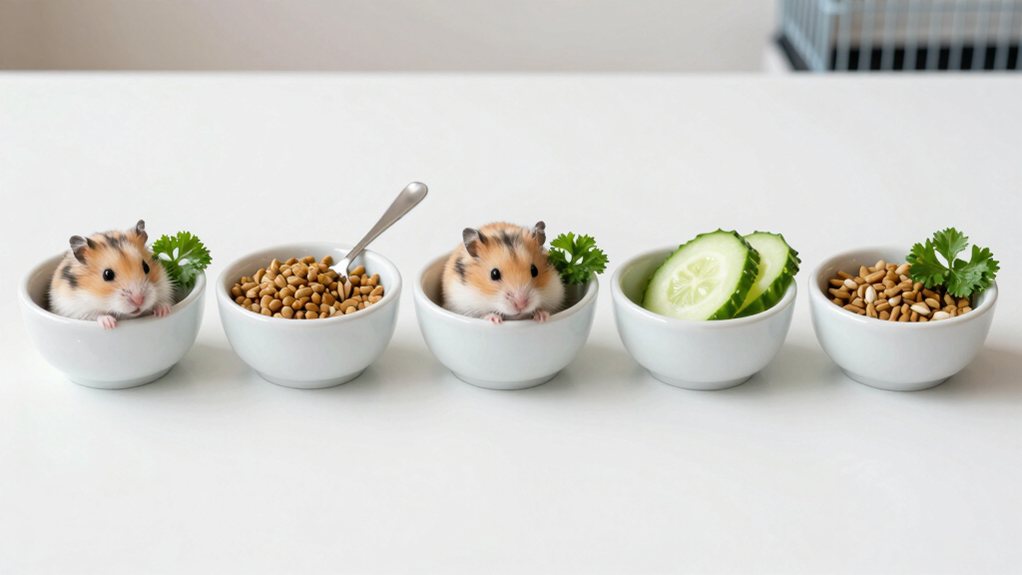
A calm environment, proper hamster diet, and the right cage size help them feel secure.
Happy hamsters are more likely to tolerate, or even enjoy, a little cuddle time. Think of it like building trust with a shy friend.
Offer treats, speak softly, and let them come to you.
If your hamster freezes or tries to bolt, they’re probably stressed.
But if they nuzzle or stay relaxed, that’s a win.
You’re not merely holding them, you’re bonding.
And honestly, that tiny heartbeat in your palm? Worth the effort.
Just don’t expect hugs on demand.
A hamster that climbs onto your hand voluntarily is showing clear signs of trust, indicating successful bonding with humans.
Why Russian Hamsters Are Naturally Skittish
You’ve probably noticed your Russian hamster darting to the corner or freezing in place the second you reach into the cage, like they’re playing a high-stakes game of hide-and-seek where you’re always “it”.
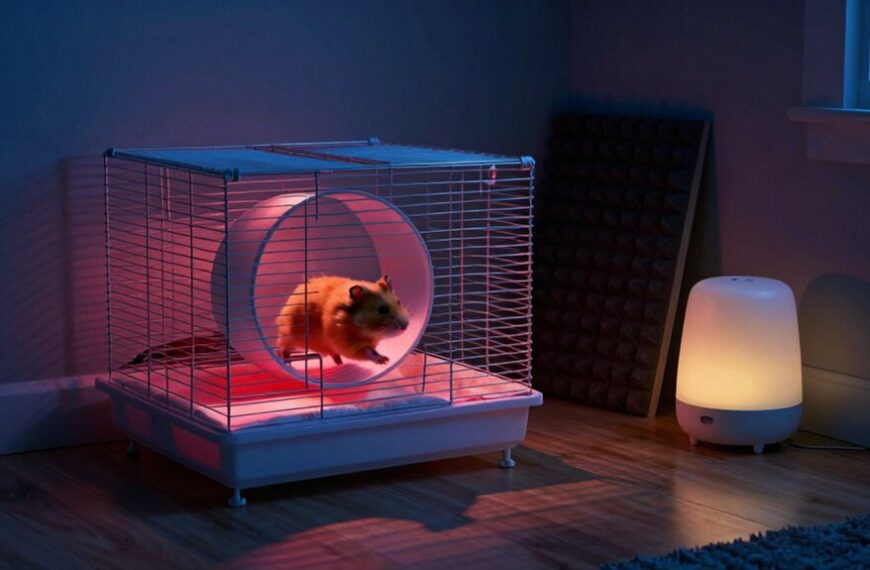
That jittery behavior isn’t personal, it’s baked into their biology. These tiny critters are hardwired to be cautious, thanks to their nocturnal behavior.
They’re most active at night, when predators are lurking, so staying alert keeps them alive in the wild.
Add in strong territorial instincts, and your hand might as well be an invading army. Even in a safe home, they react like they’re defending their tiny kingdom.
But don’t take it personally, they’re not mad at you.
With patience, gentle handling, and lots of treats, you can slowly show them you’re friend, not foe.
Think of it as earning VIP access to their trust. It takes time, but hey, good things always do.
Signs Your Russian Hamster Is Stressed or Scared
You might think your Russian hamster’s just being dramatic, but when they freeze up or dart away, they’re actually scared, not just playing hard to get.
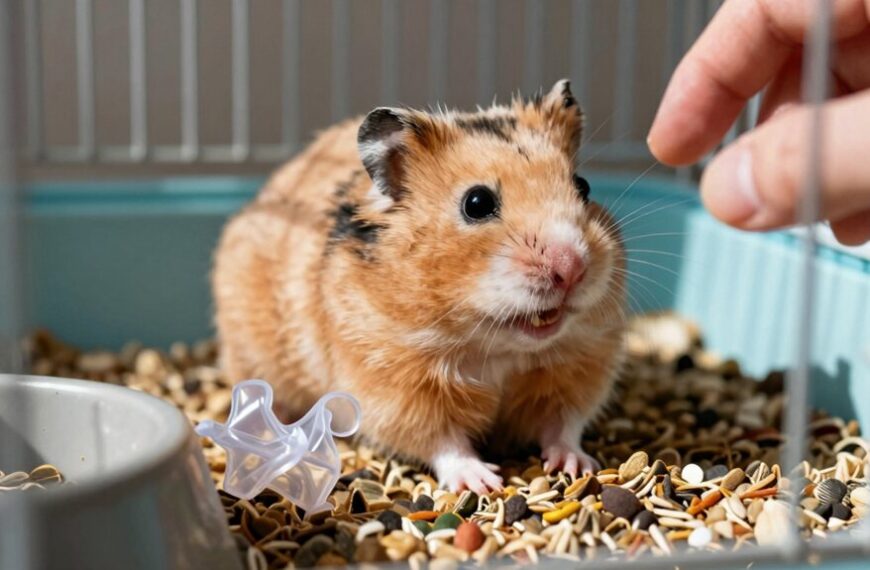
Watch for signs like constant grooming, biting the cage bars, or going stiff as a board when you reach in. These are their not-so-subtle ways of saying, “I’m stressed, please chill!”
Even though they’re tiny, their feelings are real. And yeah, they totally judge you silently.
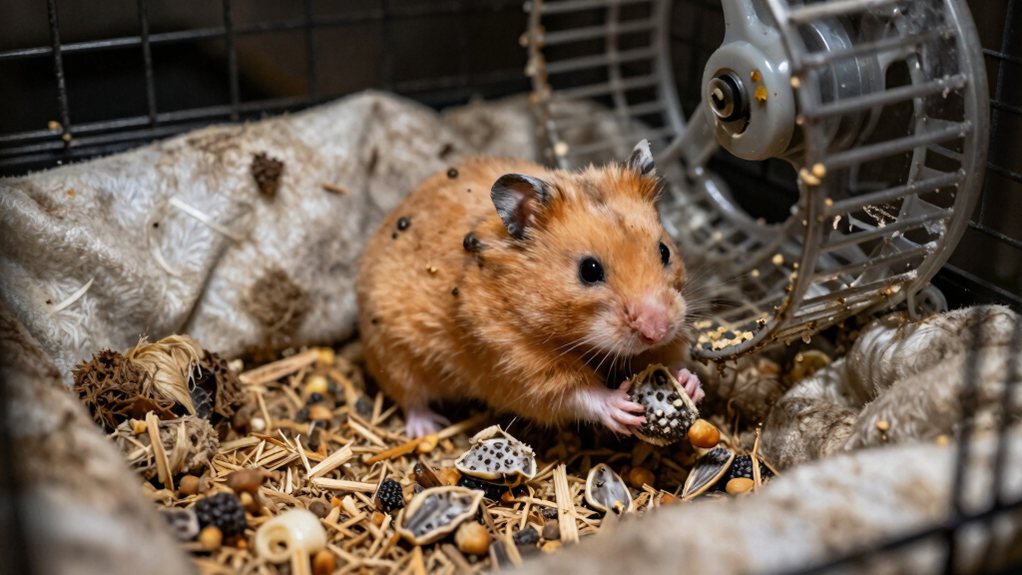
A key indicator of ongoing stress is cage rage, which can develop when hamsters lack sufficient space and mental stimulation.
Signs Of Fear
Ever wonder if your Russian hamster is actually enjoying that cuddle session or just tolerating it like a tiny, furry hostage? Watch closely. Fear can be subtle.
If your hamster freezes in place, stiff as a statue, that’s a red flag. A frozen posture means they’re scared and hoping you’ll just go away.
Rapid breathing is another clue. Those little sides puffing like they just ran a marathon.
They might also dart around, hide, or even squeak in panic.
You’re not a bad owner. They’re just naturally skittish. Think of it like meeting a shy kid at a party. They won’t hug you right away, and that’s okay.
Give your hamster time, space, and gentle handling. Build trust slowly, and soon, those fearful moments might turn into curious sniffs.
Maybe, just maybe, a cozy nap in your palm.
Sudden movements can trigger a fear response because handling too soon or too much mimics predator threats, so always approach with care and respect their handling challenges.
Behavioral Stress Indicators
A frozen hamster isn’t practicing yoga, it’s a sign something’s off. If your Russian hamster suddenly goes stiff with a frozen posture, it’s likely stressed or scared.
You might notice rapid breathing, like they’re out of breath after a tiny treadmill sprint. That’s not normal.
They might also freeze mid-movement, as if someone hit pause on their day. It’s their way of saying, “I don’t feel safe right now.”
Other signs include excessive grooming, biting the cage, or darting around wildly. These behaviors mean your little buddy is overwhelmed.
Give them space, speak softly, and avoid sudden moves.
Think of it like calming a nervous friend—patience works best.
Watch closely, because spotting these stress signals early helps you build trust faster.
And hey, no judgment if you also freeze during awkward moments, we’ve all been there.
Repetitive bar chewing or hyperactivity may indicate deeper psychological strain known as cage rage, often caused by unmet exploration and stimulation needs.
How to Tame Your Russian Hamster Gently
What’s the secret to turning your skittish little Russian hamster into a calm, trusting buddy? Patience and consistency, plain and simple.
Start by setting up a cozy home with smart cage decorations, hiding spots and tunnels make your hamster feel safe.
Stick to regular feeding routines, they build trust fast when they learn to associate you with tasty treats.
Spend time near the cage daily, talking softly so they get used to your voice.
Then, offer snacks from your hand, no sudden moves!
Once they’re comfy, gently scoop them up with both hands.
Keep sessions short at first, you’re not aiming for cuddle marathons.
Think of it like making a new friend: slow, kind, and full of little wins.
Before you know it, your tiny furball might actually hop into your palm.
Who knew such a small creature could warm your heart so big?
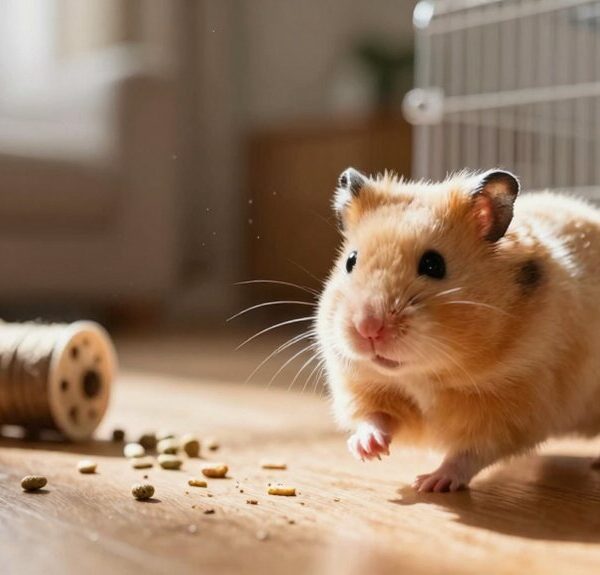
Supervised playtime outside the cage provides mental stimulation and strengthens your bond through safe, enriching exploration.
How to Hold Your Russian Hamster Safely
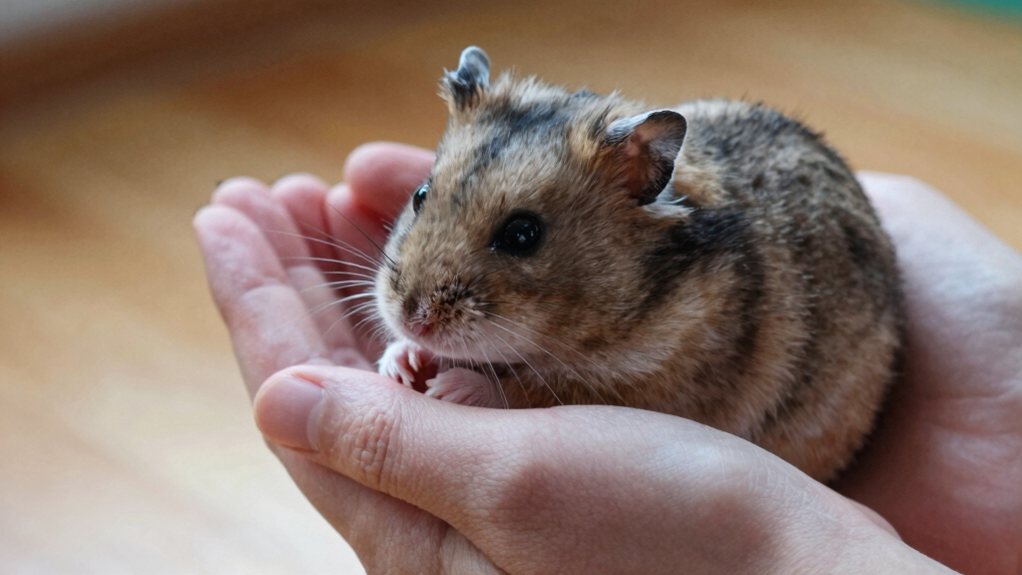
How do you hold a Russian hamster without turning your hand into a tiny, furry panic zone? Start by washing your hands, no sudden surprises from leftover feeding techniques scents.
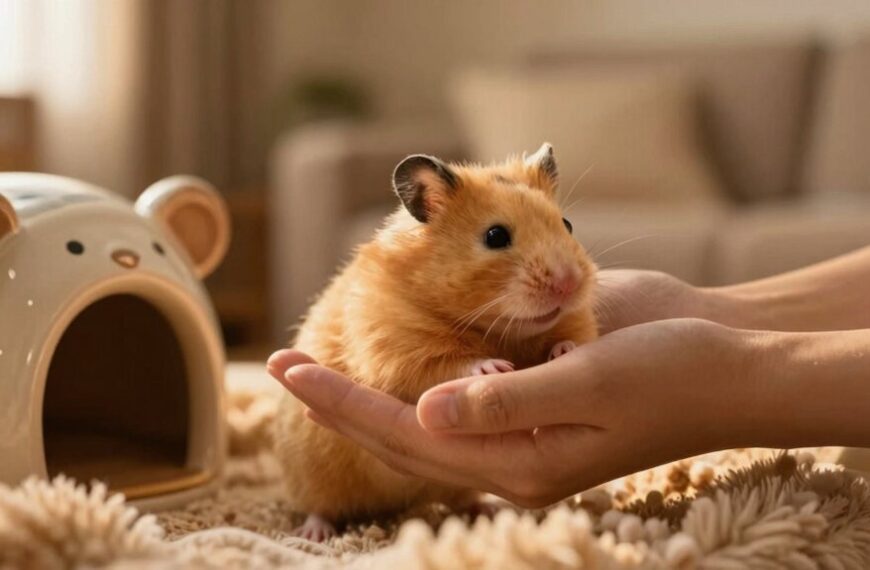
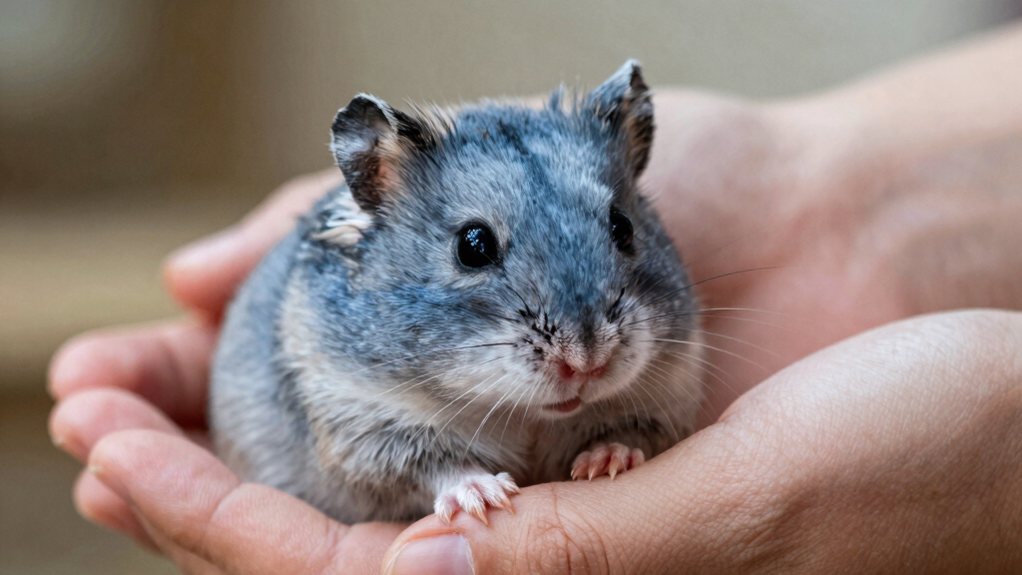
Gently scoop your hamster with both hands, letting it feel supported, not suspended.
Scoop gently with both hands—support your hamster fully so it feels safe, never dangling or unsure.
Keep movements slow and calm. Sudden jerks make escape attempts way more likely.
A secure grip isn’t a death grip. Think cozy, not confined.
Practice near the cage setup so if they wiggle free, it’s a soft landing.
Holding time? Keep it short at first, just a few minutes, building trust over days.
And remember, your hamster isn’t being rude. It’s just nervous.
With patience, those skittish moments turn into quiet snuggles.
You’ll both relax, and honestly, it’s kind of adorable when they finally chill out in your palm.
Just don’t expect a handshake.
When Not to Hold Your Russian Hamster
You probably wouldn’t want to be picked up mid-snooze, and your Russian hamster feels the same. So skip the cuddles when they’re asleep.
If they’ve just been startled by a loud noise or sudden movement, give them a minute to calm down before trying to hold them.
Just like you might snap after a bad alarm clock moment, they might bite if they’re still jumpy!
When Hamsters Are Asleep
Ever wonder what your Russian hamster’s doing when the lights go out and the room gets quiet? They’re likely deep in dream cycles, catching some serious Z’s.
Russian hamsters are nocturnal, so their sleep depth is greatest during the day, especially in the afternoon. That’s prime nap time!
If you try to pick them up then, you’re basically yanking them from a cozy dream about sunflower seeds. Not cool, right?
A startled hamster might get grumpy or even nip out of confusion. So, resist the urge to cuddle during their downtime.
Let them snooze peacefully in their hideout. Think of it like hitting “do not disturb” on their tiny hamster alarm clock. You’ll both be happier.
No one likes being woken up mid-dream. Sweet dreams, little buddy.
After Sudden Disturbances
What’s the rush? You might be keen to snuggle your Russian hamster, but timing matters, especially after sudden disturbances. These tiny pals get startled easily, and grabbing them mid-panic? Not a great idea.
Think of it like waking up to a fire alarm: confusing, scary, and definitely not hug-ready.
Loud sudden noises, like dropped pans or barking dogs, can send your hamster into zoomies or freeze mode.
Big environmental changes, like a moved cage or new toys, need time to adjust to. Patience is key.
If your hamster’s darting around or freezing, give them space to calm down first.
Let them settle, speak softly, and offer a treat. Rushing in might make trust take a nosedive. Slow and steady wins the snuggle race!
How to Build Trust With Your Russian Hamster
How do you turn a shy, skittish Russian hamster into a confident little buddy who doesn’t bolt at the sight of your hand? Start by setting up a calm cage placement, away from loud noises and foot traffic. A peaceful spot helps your hamster feel safe.
Create a calm, quiet space for your hamster—away from noise and chaos. A peaceful environment builds trust and helps your shy little friend feel safe and secure.
Then, stick to consistent feeding routines. They’ll learn to associate your presence with tasty treats.
Spend time near the cage daily, talking softly so they get used to your voice.
Offer snacks from your hand, but don’t grab. Let them come to you.
Patience is key. Trust takes days, not minutes.
You might get a nip at first. Hey, they’re nervous, not rude! With time, those little paws will step onto your hand willingly. It’s like earning VIP access to their tiny world.
Stay calm, stay consistent, and soon, holding your hamster might actually be something they (almost) enjoy.
Final Thoughts
You can totally bond with your Russian hamster, but patience is key. They’re tiny, jumpy, and easily spooked, kind of like a furry little ninja.
Hold them gently and only when they’re calm, not mid-zoomies! With time, treats, and soft talk, they’ll start trusting you. Just remember: slow wins the race.
And hey, if they nibble your finger? That’s hamster love… or a tiny protest. Either way, you’re doing great.