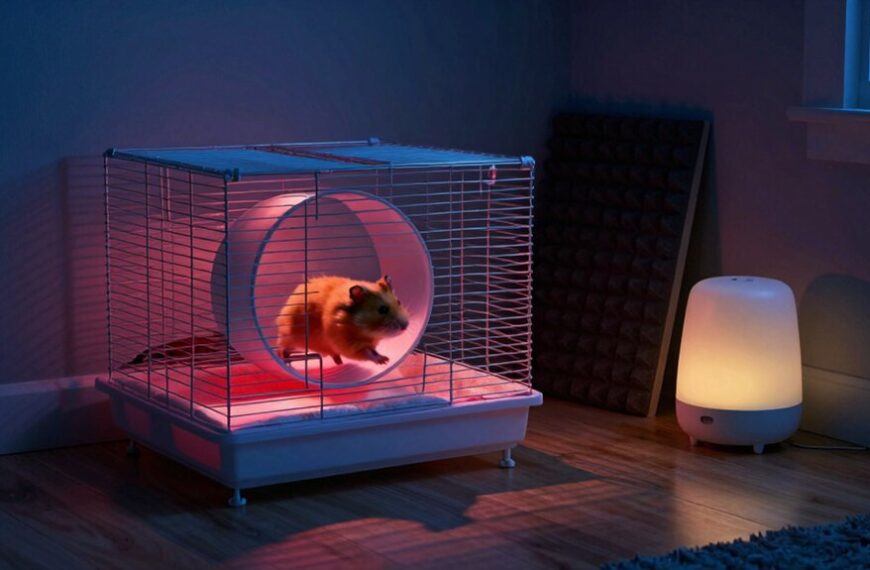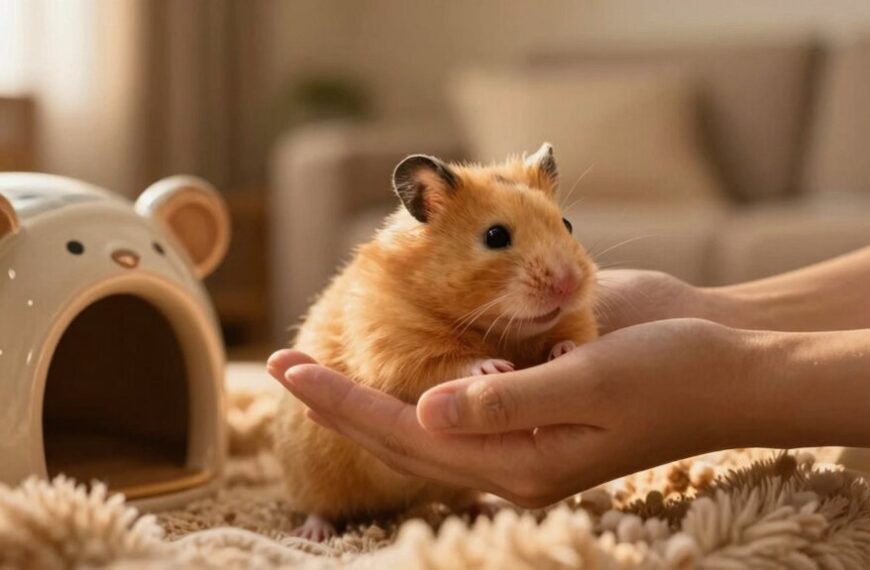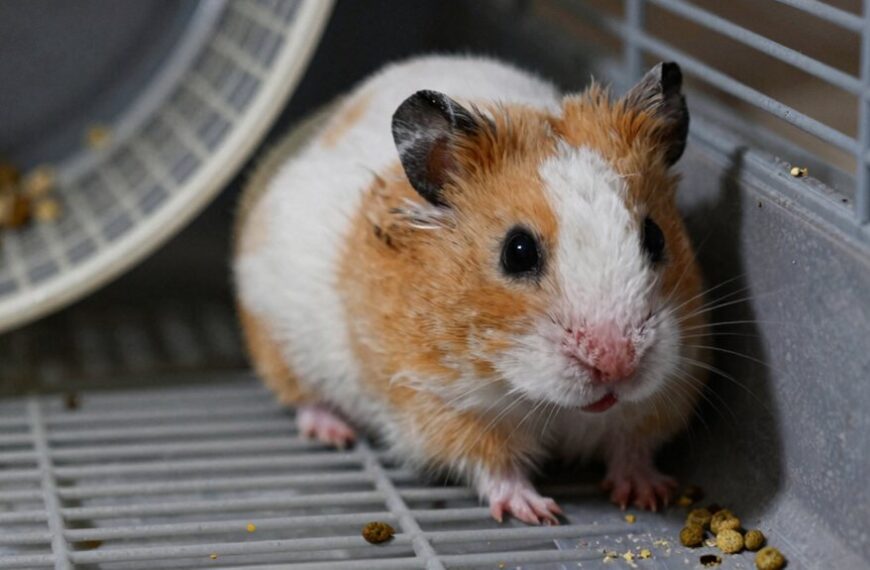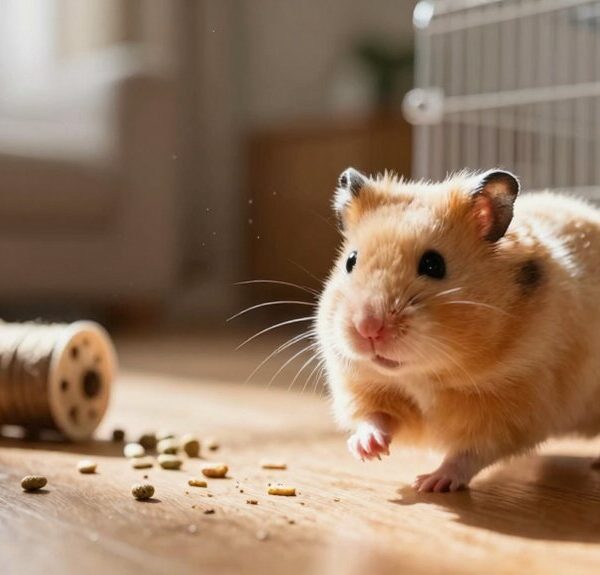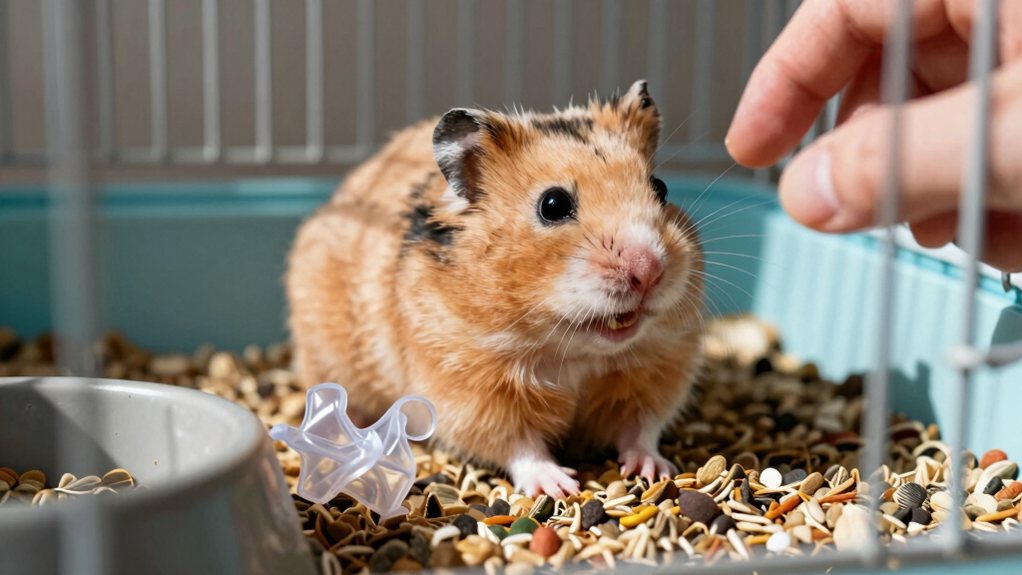
Your hamster’s sudden aggression isn’t personal. They’re likely stressed, scared, or in pain.
Maybe you startled them while they napped, or that blender scared them silly. Overhandling, loud noises, a cramped cage, or dirty bedding can push their buttons too. Health issues or hormonal surges might also be the culprit.
They’re not being dramatic. They’re communicating discomfort. Stay calm, check their space and routine, and you’ll start seeing clues. There’s more to this tiny drama than meets the eye.
Why Is My Hamster Suddenly Biting?
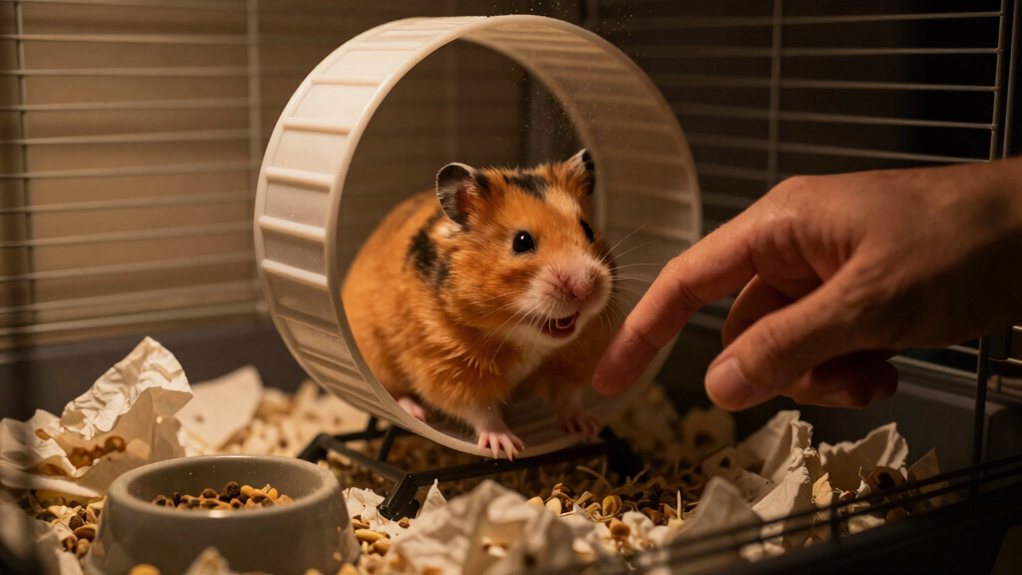
So, why is your usually sweet little hamster suddenly chomping on your fingers like a tiny, furry piranha? It’s not that they’ve turned evil overnight. There’s usually a reason behind the bite.
Your sweet hamster isn’t evil—just scared or stressed. That surprise bite? Always a reason behind it.
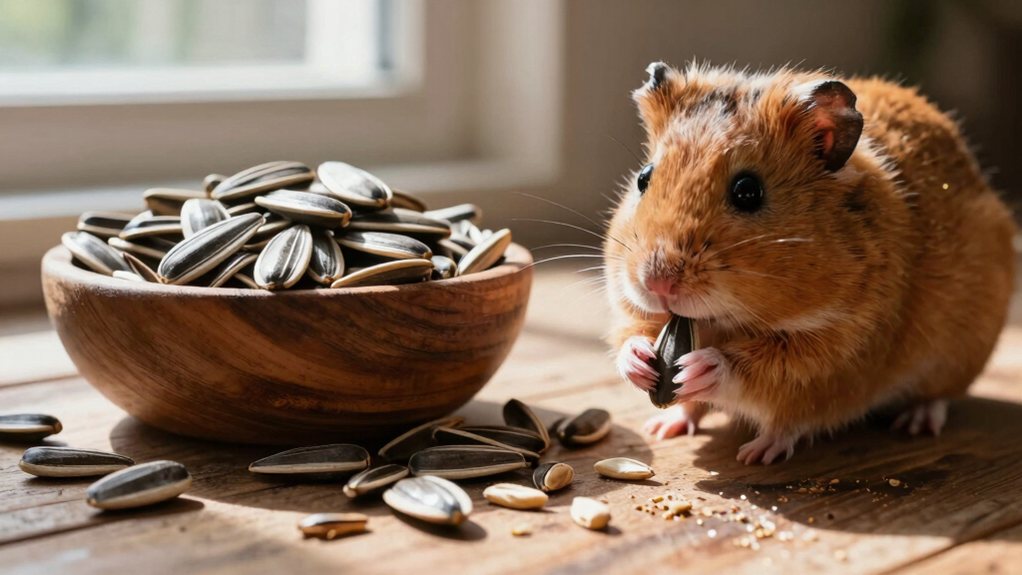
Hamsters are creatures of habit, and sudden aggression often comes from stress or instinct. Maybe you startled them while they were sleeping, or your hands smelled like food, triggering food guarding behavior.
They might also be marking their territory. And yep—your hand counts as territory if it invades their space.
Poor handling or loud noises can spook them too. Remember, they’re not out to get you. They’re just doing what feels safe.
Wash your hands before handling, approach calmly, and give them time to adjust. A little patience goes a long way.
After all, even tiny paws deserve understanding—and maybe a treat or two.
Hamsters do not bite to show love; instead, their nips are usually a sign of fear or curiosity and not affection.
Stress From a New Home or Handling
Moving your hamster to a new home can leave them feeling nervous, kind of like how you might feel on the first day at a new school.
If you’re handling them too much or too soon, they might get overwhelmed and snap.
Imagine trying to relax while someone keeps poking you!
Give them a little time and space to adjust, and they’ll likely chill out and start trusting you.
Hamsters may also display defensive behaviors like biting or scratching when stressed, but these actions stem from fear rather than aggression, and understanding this distinction is key to building trust over time through consistent, calm interactions. This type of response is often linked to survival instincts.
New Environment Anxiety
Ever wonder why your sweet little hamster suddenly acts like a tiny, furry grump the moment you bring them home? It’s not personal. They’re just overwhelmed.
Hamsters thrive on routine, and a new cage feels like moving to a foreign country overnight. Without familiar scents or safe corners, they get anxious, which can look like aggression.
This isn’t about territory marking or social hierarchy like in pack animals. Your hamster just wants to feel safe.
To help them settle, give them space and quiet time. You’ll notice a big difference when they start exploring instead of hiding. Here’s what’s going on:
- Unfamiliar smells make them nervous
- Loud noises feel like danger alerts
- New toys or bedding = confusing puzzle
Be patient. They’ll warm up, promise.
A lack of environmental enrichment in their new space can quickly lead to stress-related behaviors, including sudden aggression, due to unmet instinctual needs for exploration and activity—this mental strain is often an early sign of cage rage.
Frequent Handling Frustration
You’ve given your hamster time to adjust, the hiding spots are in place, and their new home no longer smells like “strange cardboard box from doom”. So why are they still nipping when you try to pick them up?
Chances are, you might be handling them too much. Yep, even though you’re excited to bond, hamsters aren’t built for long playtime duration or constant cuddles. Overhandling stresses them out, like being picked up every five minutes when you’re just trying to nap.
Stick to a calm feeding schedule and short, gentle handling sessions instead. Think 10–15 minutes, once a day, max. That way, your little furball gets predictability without the overwhelm.
Is Overhandling Making Your Hamster Aggressive?
Could your hamster’s grumpy mood mean you’re just loving it a little too much? Overhandling fatigue is real, and your enthusiastic playtime might be stressing out your tiny buddy.
Hamsters are social in bursts, not marathons. Too much handling frequency can leave them cranky and nippy.
Think of it like texting nonstop. Even your best friend would need a break!
Here’s what overhandling often looks like:
- You’re picking them up multiple times a day, every day.
- Your hamster hides, freezes, or bites when you reach in.
- They’re less active at night—because they’re too tired from daytime cuddle chaos.
Back off a bit, let them nap and explore solo. You’ll both enjoy your time together more.
A little space? That’s not rejection. It’s hamster love.
Hamsters thrive in a calm environment, and excessive interaction can disrupt their natural need for rest and security, especially since overhandling leads to overwhelm.
Loud Noises and Sudden Movements That Scare Hamsters
What’s that noise? If your hamster’s acting jumpy or even nippy, loud appliances like blenders or vacuum cleaners might be to blame. Hamsters have super-sensitive hearing, so sudden bangs or high-pitched sounds can send them into panic mode.
Loud noises? That jumpy, nippy behavior might not be attitude—your hamster could be terrified. Sudden sounds are sheer panic for their super-sensitive ears.
Even a door slamming down the hall might feel like a thunderstorm to them.
And don’t forget sudden shadows. Walking too fast overhead or waving your hand above the cage can look like a hawk diving in for lunch. Not exactly a chill vibe, right?
When your tiny buddy feels threatened, they might lash out, not because they’re “mad,” but because they’re scared.
Keep their space calm and quiet, away from noisy machines. Move slowly around them, and let them see you coming.
A little peace goes a long way in turning a grumpy hamster back into a happy, curious pal.
TV volume should also be kept low, as safe sound level for hamsters is comparable to a quiet conversation.
Cage Problems That Trigger Biting Behavior
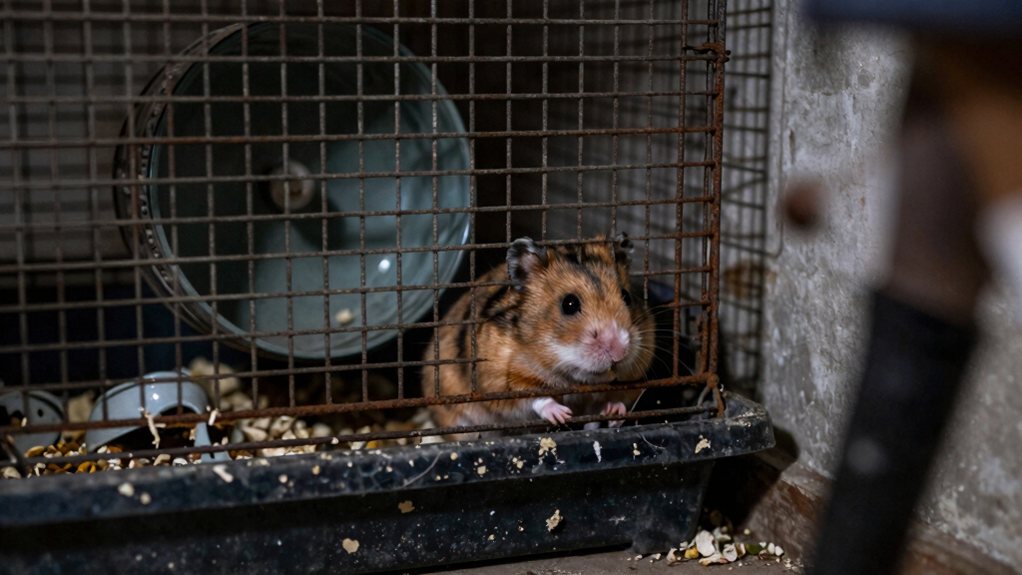
If your hamster’s suddenly nipping at you, it might be time to check their cage. Too small, and they’ll feel more trapped than a squirrel in a shoebox.
Dirty bedding or a cramped space can stress them out fast. Let’s be honest, we’ve all been cranky when our personal space feels like a closet.
Give them room to roam and keep things clean, and you’ll likely see that grumpy side start to fade.
Adequate ventilation and airflow are essential to prevent respiratory issues and reduce stress caused by stale, humid air.
Cage Size Matters
While your hamster might look small enough to fit in the palm of your hand, that doesn’t mean they’re happy crammed into a cage the size of a shoebox. Hamsters need space to run, dig, and explore. Without it, stress builds fast.
Proper space requirements aren’t just nice-to-have. They’re crucial for your pet’s well-being and can reduce biting behavior. Pair enough room with smart cage enrichment, and you’ll have a much happier buddy. Think of it like this:
- A cramped cage = a grumpy hamster with nowhere to blow off steam
- More floor space = room for tunnels, wheels, and midnight sprint marathons
- Enrichment items (like chew toys and hideouts) work best when there’s space to enjoy them
Give your little furball the upgrade they deserve. You’ll both sleep better at night.
A properly sized cage should offer at least 360 square inches of floor space to support natural behaviors and reduce stress-related aggression.
Poor Cleanliness Causes Stress
Even though your hamster can’t tell you they’re unhappy, they’ll definitely let you know in their own way, like with a surprise nip when you reach into their cage.
If your hamster’s home is full of dirty bedding or leftover stale food, it’s more than gross. It’s stressful for them.
Imagine living in a room that never gets cleaned. You’d be grumpy too.
A messy cage smells bad, attracts bacteria, and makes your little buddy feel unsafe. That stress can turn into biting behavior fast.
You don’t need a spotless palace, but a weekly clean-up goes a long way.
Swap out soiled bedding, toss old snacks, and wipe down the corners.
Do this regularly, and you’ll see a calmer, happier hamster. Less bitey, more snuggly.
Trust us, your tiny roommate will thank you, even if it’s just with a quiet squeak and a cheek full of fresh treats.
Prolonged exposure to ammonia from urine buildup can also harm your hamster’s respiratory system and increase their irritability, making regular cleaning essential for their well-being and your safety. ammonia from urine buildup
Health Issues Causing Hamster Aggression
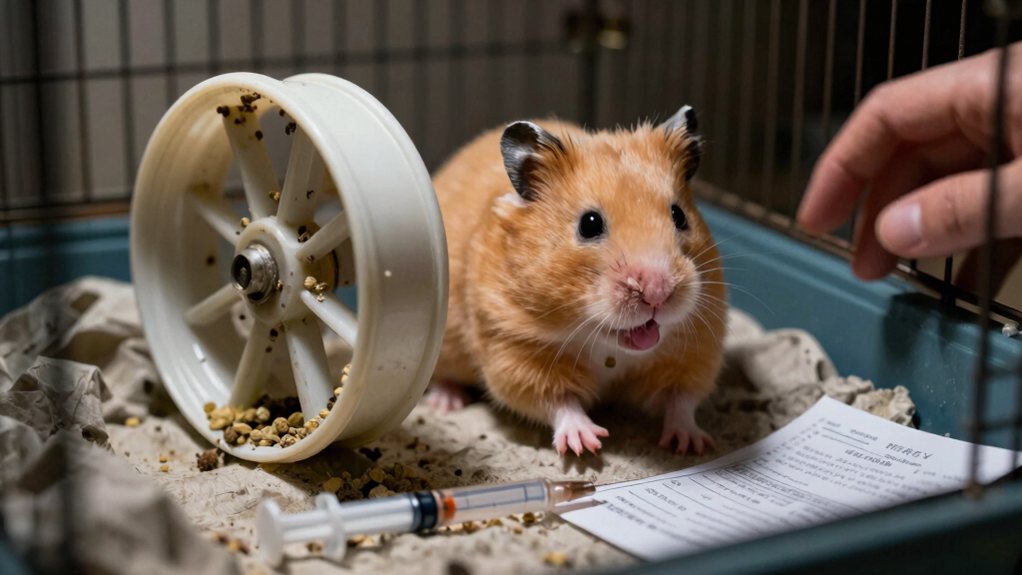
Sometimes, when your usually sweet hamster starts acting like a tiny grumpy overlord, biting the cage bars, swatting at your hand, or refusing cuddles, it’s more than just a phase. Health issues could be behind the attitude shift.
Hamsters hide pain well, so what looks like aggression might actually be a cry for help. Dental pain is a big culprit. Overgrown teeth make eating agony, turning even gentle handling into torture.
Other illness symptoms, like lethargy, hunched posture, or messy fur, can also signal something’s wrong. If your little furball seems off, don’t just write it off as “hamster drama.” Check for these red flags:
- Drooling or wet chin – Could mean dental pain.
- Loss of appetite – Often linked to hidden illness.
- Hissing or flinching – Signs of discomfort or pain.
When in doubt, a vet visit can save your pet—and your fingers.
A bite from an unwell hamster may lead to skin breaks that require immediate cleaning to prevent infection, so always wash bite area thoroughly with warm water and mild soap.
Hormones and Mating: Why Your Hamster Acts Out
Ever wonder why your once-cuddly hamster suddenly acts like a tiny, territorial tornado? Hormones might be to blame. During breeding season, even if your hamster isn’t near a mate, those natural instincts kick in hard.
Your sweet hamster’s sudden attitude? Blame hormones. Breeding season can turn even solo pets into feisty little tornadoes thanks to instincts kicking in hard.
You might notice more territorial behavior, biting the cage bars, puffing up, or swatting at your hand like you’re trespassing on royal land.
It’s not personal, your little furball is just following ancient rodent rules written in hormone ink.
Both males and females can get feisty, especially in spring when daylight increases.
While you can’t stop biology, you *can* stay calm, avoid sudden moves, and give your hamster extra space.
Think of it as their moody teen phase, annoying, but temporary.
With patience and gentle handling, your sweetie will likely return once the hormonal storm passes.
Other Pets and People Causing Hamster Stress
Your hamster’s sudden attitude problem might be about more than hormones. Sometimes, the real culprits are closer to home, like the dog who stares a little too intently or the little sibling who taps on the cage like it’s a fish tank.
Hamsters are sensitive, and stress from other pets or people can trigger territorial behavior or mimic a disrupted social hierarchy—even though they’re solitary by nature. To help your tiny friend feel safe, consider:
- Relocating the cage away from foot traffic, barking dogs, or curious cats.
- Setting ground rules for kids—gentle observation only, no poking or tapping.
- Using covered sides on the cage to create privacy and reduce anxiety.
You’re not imagining it. They really *do* get grumpy when they feel watched. With a few tweaks, you’ll reduce stress and maybe even earn a happy squeak. After all, peace and quiet go a long way when you’re the size of a muffin.
A durable, chew-proof cage bar cover can further enhance security by preventing access and minimizing visual stress from outside movement.
How to Calm and Rebuild Trust With a Biting Hamster
While it might feel like your hamster has turned into a tiny, furry ninja overnight, there’s usually a reason behind those surprise nips. And good news, you can fix it.
Start by giving your little buddy space for a day or two to calm down. Then, slowly reintroduce gentle interactions.
Give your hamster space for a day or two to relax, then gently rebuild trust with calm, patient interactions.
Offer treats from your hand, speak softly, and let them sniff you first. Rushing leads to more bites, so patience is key.
Spend time near their cage daily for quiet bonding, reading or just being present. This builds familiarity without pressure.
Avoid sudden moves or grabbing. Instead, let them climb onto you willingly.
Consistency works wonders. Over days, trust grows.
Remember, your hamster isn’t mad at you. They’re just scared or stressed.
With time, treats, and calm energy, you’ll likely see a sweeter, more confident pet emerge. One tiny step at a time.
Final Thoughts
So, your hamster’s acting feisty? Don’t panic. You’re not a bad pet parent.
Sudden bites usually mean stress, fear, or a tiny tummy ache. Think like a hamster: loud noises, too much handling, or a cramped cage can push their buttons. Check their space, ease up on cuddle time, and watch for health clues.
With patience, treats, and calm vibes, you’ll win back that wiggly nose trust. After all, even grumpy hamsters deserve second chances, and maybe a snack.