Syrian hamsters are the most commonly kept hamster species worldwide, yet over 60% live in cages too small for their welfare needs. These solitary, territorial rodents require specific housing, diet, and enrichment that differs significantly from their dwarf cousins, and getting the basics wrong leads to stress behaviours, health problems, and shortened lifespans.
This guide covers everything needed to keep a syrian hamster healthy and thriving in 2026, from minimum cage dimensions and wheel specifications to recognising early signs of wet tail and understanding scent marking behaviour.
Key Takeaways
- Syrian hamsters need minimum 450 square inches of continuous floor space (620+ square inches recommended) with 6-10 inches of bedding depth for natural burrowing behaviour
- Solitary housing is non-negotiable,Syrians become aggressive toward other hamsters after 8-10 weeks of age and must live alone
- Wheel size matters for spinal health,8-inch minimum diameter for females, 10-12 inches for males, with solid running surface (no bars or mesh)
- Bar spacing under 1cm prevents escapes,Syrians are surprisingly flexible and will squeeze through gaps that look too small
- Wet tail kills within 48 hours if untreated,watery diarrhoea, lethargy, and hunched posture require immediate veterinary care
Understanding Syrian Hamster Basics
Syrian vs Dwarf: Key Differences
Syrian hamsters (Mesocricetus auratus) are the largest pet hamster species, reaching 150-200g as adults compared to 20-50g for dwarf species. This size difference drives most care requirements.
Physical characteristics:
- Body length: 13-18cm (5-7 inches)
- Lifespan: 2-3 years (occasionally 4 years with excellent care)
- Coat varieties: short-haired, long-haired (teddy bear), rex, satin
- Colour variations: golden, cream, black, grey, cinnamon, plus patterns (banded, dominant spot, tortoiseshell)
The key difference between Syrian and dwarf hamsters extends beyond size. Syrians are strictly solitary after sexual maturity, while some dwarf species (Winter Whites, Campbells) can live in same-sex pairs if introduced young, though this still carries significant risk.
Temperament and Handling
Syrian hamsters are generally calmer and more tolerant of handling than dwarf species once tamed. Their larger size makes them easier for children to hold safely, though supervision remains essential.
Typical behaviour patterns:
- Nocturnal/crepuscular (active dusk to dawn)
- Territorial with strong scent marking behaviour
- Hoarders, will stuff cheek pouches and cache food
- Curious and food-motivated (aids taming)
- Can be startled awake but usually won’t bite without warning
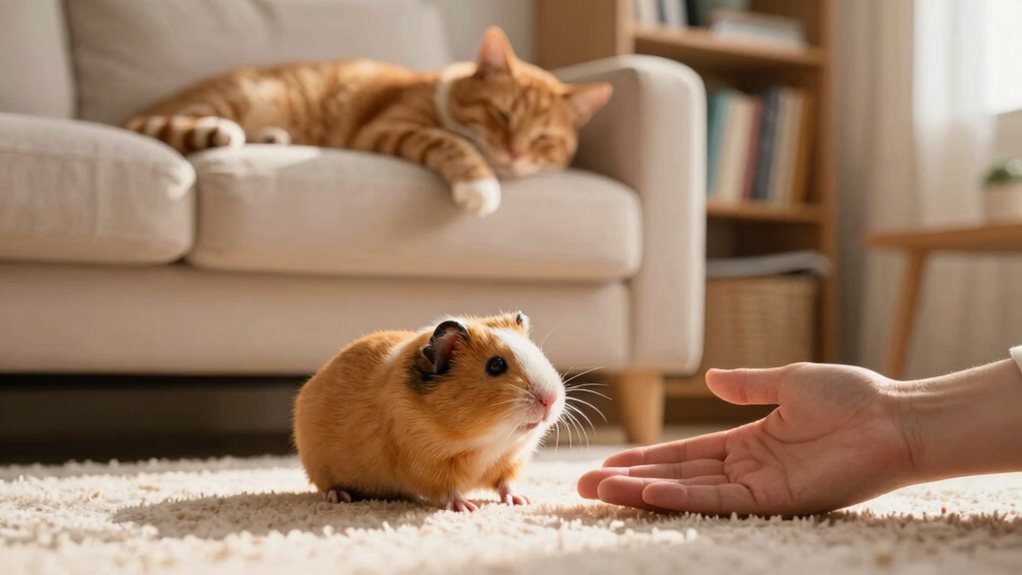
Taming takes 1-3 weeks of consistent daily interaction. Start with hand-feeding treats, progress to scooping (not grabbing), and build up handling duration gradually. Understanding how hamsters see humans helps explain why slow movements and low approaches work better than reaching from above.
Syrian Hamster Housing Requirements
Minimum Cage Dimensions
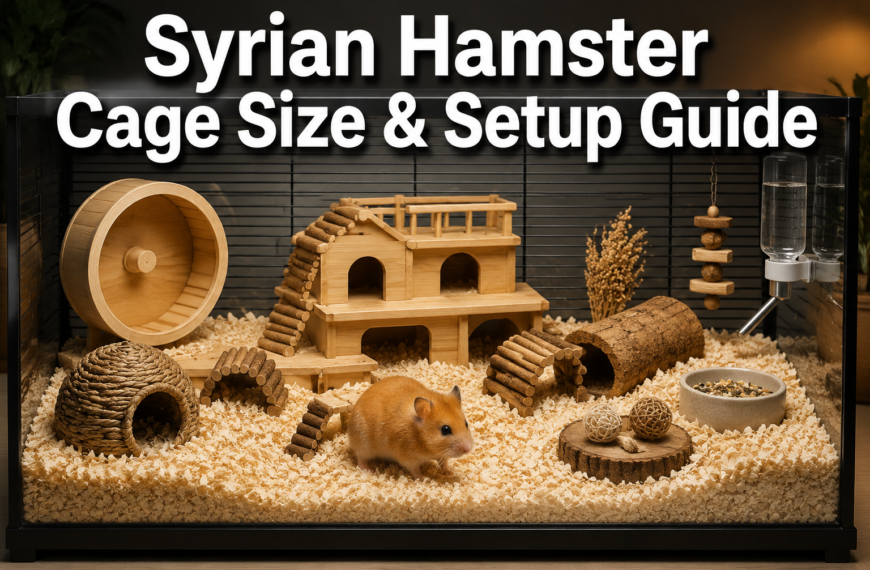
The absolute minimum floor space for a Syrian hamster is 450 square inches of continuous, unbroken floor area. This translates to:
- 30″ × 15″ (76cm × 38cm)
- 36″ × 12.5″ (91cm × 32cm)
- 24″ × 18.75″ (61cm × 48cm)
Recommended minimum: 620 square inches (40-gallon breeder tank or equivalent). Larger is always better, many behavioural problems (bar chewing, excessive wheel running, cage aggression) improve with more space.
⚠️ What doesn’t count toward floor space:
- Levels and platforms (unless 12″+ wide and full cage length)
- Tube connectors between sections
- Space inside hideouts or under wheels
Bar Spacing and Escape Prevention
Syrian hamsters can compress their bodies and squeeze through openings that appear too small. Maximum bar spacing: 1cm (0.4 inches) for adults, 0.7cm for juveniles under 12 weeks.
Wire cages marketed as “hamster cages” often have 1.5-2cm spacing, fine for adult Syrians but risky for smaller females or young hamsters. Check specifications before purchasing.
Escape-proof alternatives:
- 40-gallon breeder tanks (36″ × 18″ × 16″)
- 75-gallon tanks (48″ × 18″ × 21″)
- Large plastic storage bins (110+ quart) with ventilation holes drilled
- Purpose-built hamster enclosures (Ikea Detolf conversions, Niteangel cages)
Bedding Depth and Burrowing Behaviour
Syrian hamsters are fossorial, they dig extensive burrow systems in the wild reaching 1-2 metres deep. Captive hamsters retain this instinct and experience stress without adequate burrowing substrate.
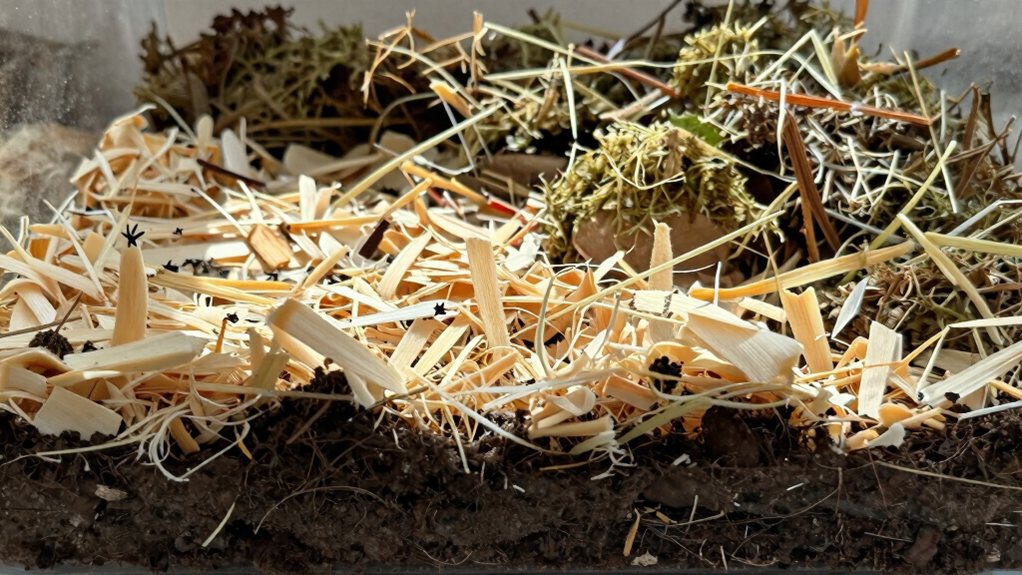
Minimum bedding depth: 6 inches in at least one-third of the cage. Recommended: 8-10 inches across the entire floor.
Safe bedding options:
- ✅ Paper-based bedding (Carefresh, Clean & Cosy)
- ✅ Aspen shavings (dust-extracted)
- ✅ Hemp bedding
- ✅ Orchard grass hay (mixed with paper bedding for structure)
❌ Never use:
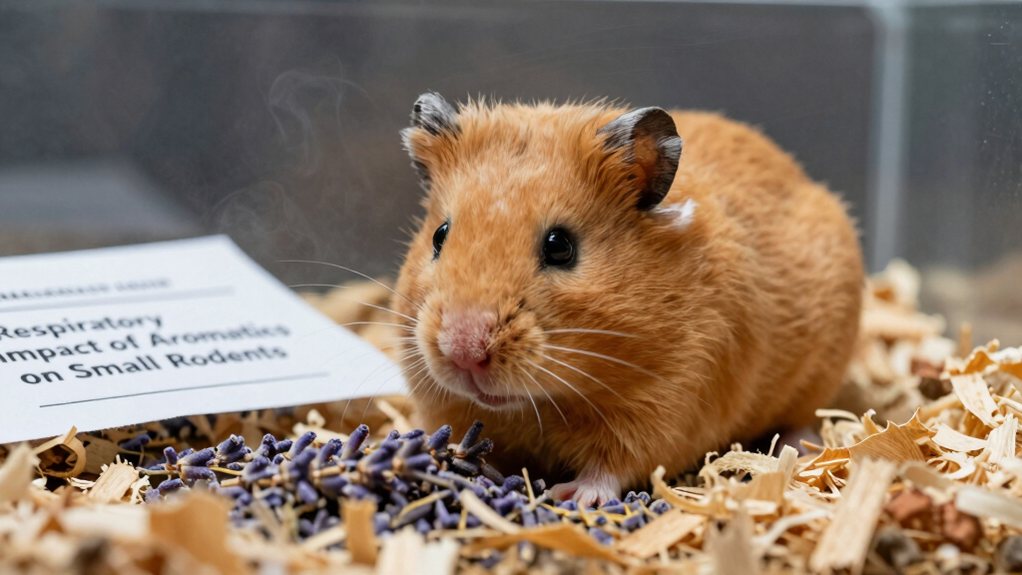
- Pine or cedar shavings (phenols cause respiratory damage)
- Fluffy bedding (cotton, kapok), causes fatal intestinal blockages
- Scented bedding
- Cat litter
Mix bedding types for tunnel stability. Spray water lightly in one corner to help bedding clump for burrow construction. Replace fully every 3-4 weeks; spot-clean soiled areas weekly but leave some used bedding to maintain scent markers and reduce stress.
For more guidance on what to put in the bottom of a hamster cage, consider substrate layering techniques that support natural digging behaviour.
Essential Syrian Hamster Equipment
Wheel Size and Specifications
Minimum wheel diameter:
- Female Syrians: 8 inches (20cm)
- Male Syrians: 10-12 inches (25-30cm)
Males grow larger and have longer bodies, requiring bigger wheels to prevent spinal curvature (lordosis) during running. A hamster’s back should remain straight or slightly downward-curved while running, never arched upward.
Critical wheel features:
- Solid running surface (no bars, rungs, or mesh)
- Closed back or very small central axle
- Stable base or secure cage attachment
- Silent bearing mechanism
Wheels with bars cause bumblefoot (pododermatitis) and broken toes. Mesh surfaces trap toes and cause degloving injuries. The best hamster wheels feature solid plastic or wood surfaces with smooth edges.
Popular Syrian-appropriate wheels:
- Niteangel Super Silent (11-12″)
- Exotic Nutrition Silent Runner (12″)
- Carolina Storm Wheel (12″)
- Getzoo Cork Wheel (30cm)
Food Dishes and Water Bottles
Food dish requirements:
- Ceramic or glass (too heavy to tip)
- 3-4 inch diameter
- Shallow sides (1-2 inches)
Plastic dishes get chewed and tipped. Place the dish away from the wheel and water bottle to prevent contamination with bedding and urine.
Water delivery:
- Glass or BPA-free plastic bottle
- Ball-bearing sipper tube (not open tube)
- 150-250ml capacity
- Mounted 2-3 inches above bedding level
Check the ball bearing daily, tap it to ensure water flows. Refill every 2-3 days even if not empty (prevents bacterial growth). Some Syrians prefer ceramic water dishes, but these require daily changes and increase cage humidity.
Hideouts and Enrichment
Syrian hamsters need minimum two hideouts with single entrances (multiple exits create stress, they can’t defend multiple openings). One hideout should be large enough for full-body nesting (6-8 inch interior).
Safe hideout materials:
- Untreated wood (cork bark, grapevine, birch)
- Ceramic (reptile caves, plant pots)
- Cardboard (free and disposable)
Avoid plastic hideouts, Syrians chew them and can ingest sharp fragments.
Enrichment essentials:
- Sand bath (8″+ diameter dish with reptile sand or children’s play sand)
- Chew toys (applewood sticks, loofah, whimbledon balls)
- Foraging opportunities (scatter feeding, treat balls, snuffle mats)
- Dig box (separate container with coco coir or shredded paper)
Rotate toys weekly to maintain novelty. What are must-haves for hamsters includes species-specific enrichment that prevents boredom-related behaviours.
Syrian Hamster Diet and Nutrition
Commercial Food Mix
A quality Syrian hamster food mix should contain:
- 16-18% protein (higher for juveniles and pregnant females)
- 4-6% fat
- 6-8% fibre
- Variety of seeds, grains, dried vegetables, and pellets
Recommended brands (2026):
- Higgins Sunburst Gourmet Blend
- Mazuri Rat & Mouse Diet (supplemented with seeds)
- Supreme Tiny Friends Farm Reggie Rat
- Versele-Laga Complete Cavia/Rat (mixed 50/50 with seed mix)
Feed 1-2 tablespoons daily (10-15g) in the evening when hamsters wake. Syrians hoard food, so check stashes weekly and remove fresh items before they spoil.
Fresh Foods and Treats
Offer fresh vegetables 3-4 times weekly in thumbnail-sized portions. Introduce new foods one at a time over 3 days to monitor for diarrhoea.
Safe daily vegetables:
- Cucumber, courgette (zucchini)
- Bell pepper (any colour)
- Broccoli, cauliflower (small amounts)
- Carrot, sweet potato (raw or cooked)
- Pak choi, romaine lettuce
Weekly treats:
- Mealworms, crickets (2-3 per week for protein)
- Boiled egg white (small piece)
- Plain cooked chicken (pinch-sized)
- Pumpkin seeds, sunflower seeds (1-2 seeds)
Fruits (limit to once weekly due to sugar):
- Apple, pear (seedless)
- Blueberries, strawberries
- Banana (tiny piece)
❌ Toxic foods:
- Citrus fruits (oranges, lemons, grapefruit)
- Onion, garlic, chives
- Chocolate, caffeine
- Raw potato, rhubarb
- Almonds (contain cyanide compounds)
For comprehensive information on safe options, see what hamsters love to eat the most.
Supplements and Treats
Most Syrians on quality commercial diets don’t need supplements. Exceptions:
- Elderly hamsters (18+ months): Joint supplements (glucosamine powder, tiny amounts)
- Pregnant/nursing females: Extra protein (more mealworms, egg white)
- Recovering from illness: Probiotic powder (veterinary-prescribed)
Avoid commercial hamster treats with added sugar, honey, or yogurt drops. These contribute to diabetes (Syrians are prone) and obesity.
Syrian Hamster Health and Common Issues
Recognising Illness Early
Hamsters hide illness instinctively (prey animal behaviour). Daily health checks catch problems before they become critical.
Daily observation checklist:
- ✅ Active and alert when awake
- ✅ Eating and hoarding food
- ✅ Dry, clean bottom (no diarrhoea staining)
- ✅ Clear eyes and nose (no discharge)
- ✅ Smooth, even breathing (no wheezing)
- ✅ Normal gait (no limping or dragging)
Weekly physical check:
- Weigh hamster (sudden weight loss = illness)
- Check teeth (overgrown incisors curve inward)
- Examine feet for sores or swelling
- Feel body for lumps (tumours common in older Syrians)
- Check scent glands (dark spots on hips, should be dry, not crusty)
Wet Tail (Proliferative Ileitis)
Wet tail is the leading cause of death in young Syrian hamsters (4-8 weeks old). Mortality rate exceeds 90% without immediate treatment.
Symptoms:
- Watery diarrhoea (tail and hindquarters soaked)
- Severe lethargy (won’t move when touched)
- Hunched posture
- Loss of appetite
- Dehydration (skin doesn’t snap back when pinched)
Causes:
- Stress (transport, new environment, poor conditions)
- Bacterial infection (Lawsonia intracellularis)
- Weakened immune system
⚠️ Wet tail requires emergency veterinary care within 24 hours. Treatment includes antibiotics (usually sulfadimethoxine or metronidazole), subcutaneous fluids, and supportive care. Home treatment fails, this isn’t simple diarrhoea.
Prevention:
- Buy from reputable breeders (not pet shops with stressed, young stock)
- Quarantine new hamsters for 2 weeks
- Minimise stress during first week home
- Maintain excellent cage hygiene
For broader context on hamster mortality, review the leading cause of death in hamsters.
Respiratory Infections
Syrian hamsters develop respiratory infections from:
- Dusty bedding (pine/cedar shavings, low-quality paper bedding)
- Cold drafts or temperature fluctuations
- High ammonia levels (dirty cage)
- Bacterial or viral pathogens
Symptoms:
- Sneezing, wheezing
- Laboured breathing (sides heaving)
- Nasal discharge
- Lethargy, hunched posture
- Clicking or rattling sounds when breathing
Respiratory infections progress rapidly. Veterinary treatment (antibiotics like enrofloxacin or doxycycline) must start within 48 hours. Untreated infections cause pneumonia and death within 5-7 days.
Tumours and Lumps
Syrian hamsters over 18 months commonly develop tumours, both benign and malignant. Regular handling helps detect lumps early.
Common tumour types:
- Mammary tumours (females, along belly)
- Lymphoma (swollen lymph nodes, lethargy)
- Skin tumours (raised, irregular growths)
Small benign tumours can be surgically removed if caught early. Large or malignant tumours usually aren’t operable due to hamster size and anaesthesia risks. Discuss quality of life with an exotic vet, euthanasia may be kindest for painful, inoperable tumours.
Dental Problems
Syrian hamster teeth grow continuously (1mm per week). Overgrown incisors curve inward, piercing the roof of the mouth or preventing eating.
Signs of dental issues:
- Drooling, wet chin
- Difficulty eating (drops food, eats only soft items)
- Weight loss
- Visible tooth overgrowth (teeth cross or curve)
Prevention:
- Provide constant chew toys (applewood, hazelnut branches)
- Include hard foods in diet (whole oats, dried corn)
- Avoid seed-only diets (too soft)
Overgrown teeth require veterinary trimming under sedation. Never attempt home trimming, you’ll fracture the tooth root and cause infection.
Syrian Hamster Behaviour and Taming
Understanding Scent Marking
Syrian hamsters have scent glands on their hips (dark spots visible when grooming). They rub these glands on objects to mark territory, you’ll see them dragging their sides along cage walls, toys, and your hands.
Normal scent marking behaviour:
- Increased marking in new environments
- Marking after cage cleaning
- Marking humans during handling (you’re part of their territory)
- More frequent marking in males
Excessive scent marking combined with signs of stress in hamsters, bar chewing, repetitive pacing, aggression, indicates the cage is too small or lacks enrichment.
Taming Your Syrian Hamster
Week 1: Settling in
- No handling, let hamster explore and establish territory
- Talk softly near cage
- Offer treats through bars (sunflower seed, small vegetable piece)
Week 2: Hand introduction
- Place hand in cage with treat on palm
- Let hamster approach voluntarily
- No grabbing or chasing
- 5-10 minute sessions daily
Week 3: Scooping and holding
- Scoop hamster with both hands (cup shape)
- Hold low over cage or soft surface
- Start with 30-second holds, increase gradually
- End session if hamster struggles (don’t teach that struggling = freedom)
Week 4+: Confidence building
- Out-of-cage time in secure playpen
- Lap time with treats
- Gentle grooming with soft toothbrush (mimics mutual grooming)
What relaxes a hamster includes consistent routines, calm environments, and respecting their nocturnal schedule. Never wake a sleeping hamster, this causes stress and defensive biting.
Common Behaviour Problems
Bar chewing:
- Cause: Cage too small, boredom, learned behaviour
- Solution: Upgrade cage size, add enrichment, provide more chew toys
- Apply bitter spray to bars (pet-safe) as deterrent
Cage aggression:
- Cause: Territorial behaviour, stress, poor socialisation
- Solution: Handle outside cage initially, use scoop method, increase positive associations with hand (treats)
Excessive wheel running:
- Cause: Insufficient cage space, lack of enrichment, stress
- Solution: Larger cage, varied enrichment, ensure wheel is appropriate size (not compensating for small cage)
Hoarding in wheel:
- Cause: Insufficient hideouts, insecurity about food access
- Solution: Add more hideouts, scatter feed to encourage foraging, ensure consistent feeding schedule
For detailed guidance on problematic behaviours, see what not to do with a hamster.
Cage Maintenance and Cleaning
Daily Tasks
- Remove fresh food remnants (prevents mould)
- Spot-clean soiled bedding (urine-soaked areas)
- Check water bottle function
- Quick visual health check
Time required: 5 minutes
Weekly Tasks
- Remove and replace soiled bedding (usually 1/4 to 1/3 of total)
- Clean food dish with hot water
- Wipe down solid surfaces (wheel, hideouts) with pet-safe cleaner
- Check food stash, remove fresh items, leave dry food
Time required: 15-20 minutes
Leave at least 50% of used bedding to maintain familiar scent. Complete bedding changes stress hamsters and trigger excessive scent marking.
Monthly Deep Clean
- Remove hamster to secure carrier
- Empty all bedding
- Wash cage with vinegar and water solution (1:1 ratio)
- Scrub wheel, hideouts, toys with hot soapy water
- Rinse thoroughly, air dry completely
- Add fresh bedding (6-10 inches)
- Return some used bedding from stash
- Rearrange layout slightly (enrichment through novelty)
Time required: 45-60 minutes
Never use household cleaners, bleach, or disinfectants unless specifically pet-safe. Residue causes respiratory irritation and chemical burns on feet.
Choosing and Bringing Home a Syrian Hamster
Where to Get a Syrian Hamster
Best sources (in order):
Reputable breeders
- Health-tested parents
- Known lineage (reduces genetic health issues)
- Proper socialisation from 3 weeks
- Post-purchase support
- Cost: £20-40
Rescue organisations
- Adult hamsters (personality established)
- Often already tamed
- Support rescue mission
- Cost: £5-15 adoption fee
Pet shops (last resort)
- Unknown breeding
- High stress environment
- Often too young (under 4 weeks)
- Higher wet tail risk
- Cost: £10-20
Red flags when buying:
- Hamsters housed together after 8 weeks (fighting inevitable)
- Wet tail or diarrhoea visible in any cage
- Lethargic, hunched, or laboured breathing
- Overgrown teeth or visible injuries
- Seller can’t confirm age or sex
Age and Sex Considerations
Ideal adoption age: 5-7 weeks
- Weaned and independent
- Young enough to socialise easily
- Past peak wet tail risk (4 weeks)
Sex differences:
| Characteristic | Males | Females |
|---|---|---|
| Adult size | Larger (180-200g) | Smaller (150-170g) |
| Scent marking | More frequent | Less frequent |
| Temperament | Calmer, lazier | More active, territorial |
| Wheel size needed | 10-12 inches | 8-10 inches |
| Lifespan | 2-3 years | 2-3 years |
Males have visible testicles (large, obvious from 4 weeks). Females have nipples visible along belly. Pet shop staff frequently mis-sex hamsters, verify yourself or expect surprises.
First Week Home
Before bringing hamster home:
- ✅ Cage fully set up (bedding, wheel, hideouts, food, water)
- ✅ Room temperature 18-24°C (65-75°F)
- ✅ Quiet location away from direct sunlight and drafts
- ✅ Food mix and fresh vegetables purchased
First 48 hours:
- Place hamster in cage and leave alone
- No handling, no cage changes
- Minimal noise and activity near cage
- Offer food and water, check from distance
Days 3-7:
- Talk softly near cage
- Offer treats through bars
- Observe behaviour patterns (when they wake, where they nest)
- Begin hand-introduction if hamster seems calm
Stress during the first week triggers wet tail in young hamsters. Resist the urge to handle immediately, patience now prevents health crises later.
Syrian Hamster Lifespan and Aging
Life Stages
Juvenile (0-3 months):
- Rapid growth
- High energy
- Easiest taming window
- Highest wet tail risk
Adult (3-18 months):
- Peak health and activity
- Stable weight
- Established personality
- Routine veterinary checks annually
Senior (18+ months):
- Decreased activity
- Weight loss or gain
- Increased tumour risk
- Arthritis, dental issues
- Veterinary checks every 6 months
End-of-Life Care
Syrian hamsters rarely die peacefully in their sleep. Most develop tumours, organ failure, or severe arthritis that causes suffering.
Signs it may be time for euthanasia:
- Inability to reach food or water
- Laboured breathing at rest
- Visible pain (vocalising, flinching when touched)
- Seizures or neurological symptoms
- Large, ulcerated tumours
- Complete loss of appetite for 48+ hours
Discuss quality of life with an exotic vet. Euthanasia (usually gas anaesthesia followed by injection) is painless and prevents prolonged suffering. For guidance on recognising end-of-life signs in hamsters, monitor for sudden behavioural changes in senior hamsters.
Average Syrian hamster lifespan: 2-3 years
- Exceptional care: 3-4 years
- Poor care: 1-2 years
- Genetic factors significantly influence maximum lifespan
Frequently Asked Questions
Can Syrian hamsters live together?
No. Syrian hamsters are strictly solitary after 8-10 weeks of age. Housing two together results in fighting, severe injuries, and death, usually of the smaller or weaker hamster. This isn’t negotiable or dependent on “personality”, it’s biological imperative. Even siblings raised together will fight to the death once sexually mature.
How often should I clean my Syrian hamster’s cage?
Spot-clean daily (remove soiled bedding and fresh food). Partial clean weekly (replace 1/4 to 1/3 of bedding). Full clean monthly (empty and wash entire cage). Never remove all bedding at once, leave 50% of used bedding to maintain scent markers and reduce stress.
What size wheel does a Syrian hamster need?
Minimum 8 inches for females, 10-12 inches for males. The hamster’s back should remain straight or slightly downward-curved while running, never arched upward. Wheels that are too small cause permanent spinal damage (lordosis) and arthritis. Solid running surface only, no bars or mesh.
Do Syrian hamsters need a companion?
No. Syrian hamsters are solitary and prefer living alone. They don’t experience loneliness like social species (dogs, rabbits). Providing companionship through handling, enrichment, and proper care meets their social needs. Forcing cohabitation causes chronic stress even before visible fighting begins.
How can I tell if my Syrian hamster is stressed?
Common stress signs include bar chewing, repetitive pacing, excessive scent marking, aggression during handling, over-grooming (bald patches), and refusal to leave hideout. Stress usually indicates inadequate cage size, insufficient enrichment, or environmental problems (noise, temperature, handling frequency). Address the underlying cause rather than treating symptoms.
What’s the difference between a Syrian hamster and a teddy bear hamster?
No difference, “teddy bear hamster” is a marketing term for long-haired Syrian hamsters. All teddy bear hamsters are Syrians, but not all Syrians are long-haired. They’re the same species (Mesocricetus auratus) with identical care requirements. Other marketing names include “golden hamster,” “fancy hamster,” and “standard hamster”, all refer to Syrian hamsters.
Conclusion
Syrian hamsters thrive when their specific needs are met: spacious housing with deep bedding for burrowing, appropriately sized wheels for exercise, solitary living arrangements, and species-appropriate enrichment. The difference between a stressed hamster surviving and a healthy hamster thriving comes down to concrete details, cage dimensions, bar spacing, bedding depth, wheel diameter.
Action steps for new Syrian hamster owners:
- Set up housing first: Minimum 450 square inches floor space (620+ recommended), 6-10 inches bedding depth, 8-12 inch wheel
- Source responsibly: Choose reputable breeders or rescues over pet shops; verify age (5-7 weeks ideal) and health
- Allow settling time: No handling first 48 hours; gradual taming over 2-3 weeks
- Establish routines: Daily spot-cleaning, weekly partial cleans, monthly deep cleans; consistent feeding times
- Monitor health: Daily observation, weekly physical checks, immediate vet care for wet tail or respiratory symptoms
Syrian hamsters are rewarding pets for owners who respect their needs and commit to proper care. The investment in appropriate housing and equipment prevents behavioural problems and health issues that cost more, financially and emotionally, than getting it right from the start.
For comprehensive species comparisons and additional care guidance, explore the Syrian hamsters category for detailed articles on specific topics.