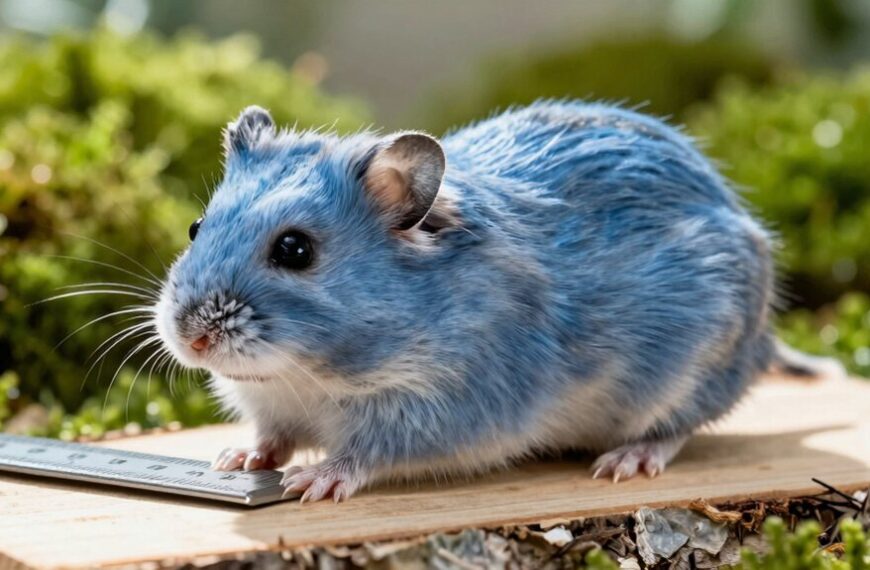
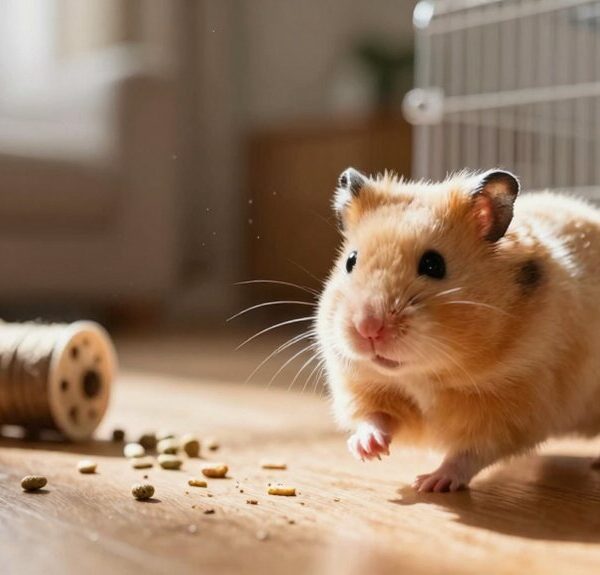
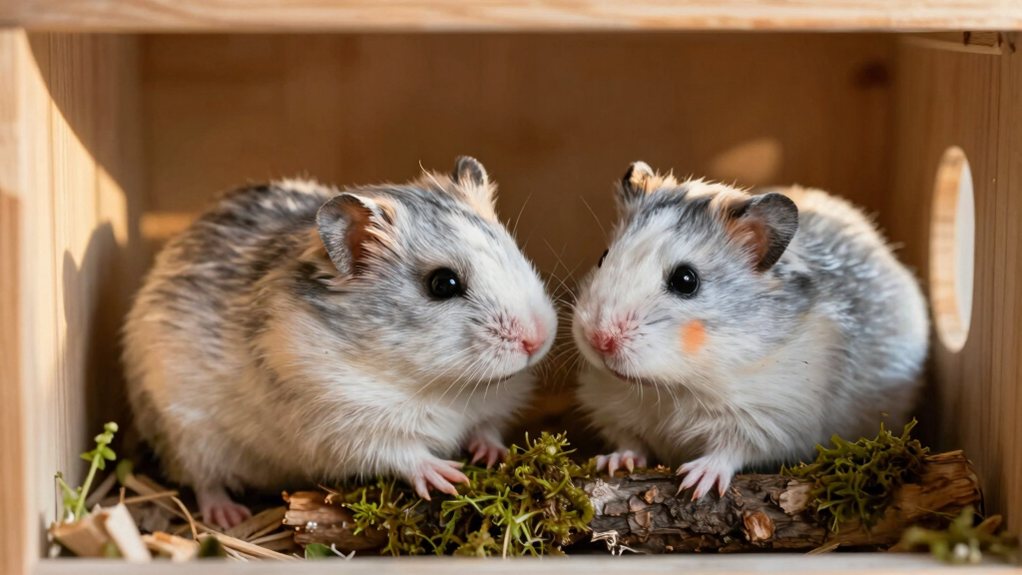
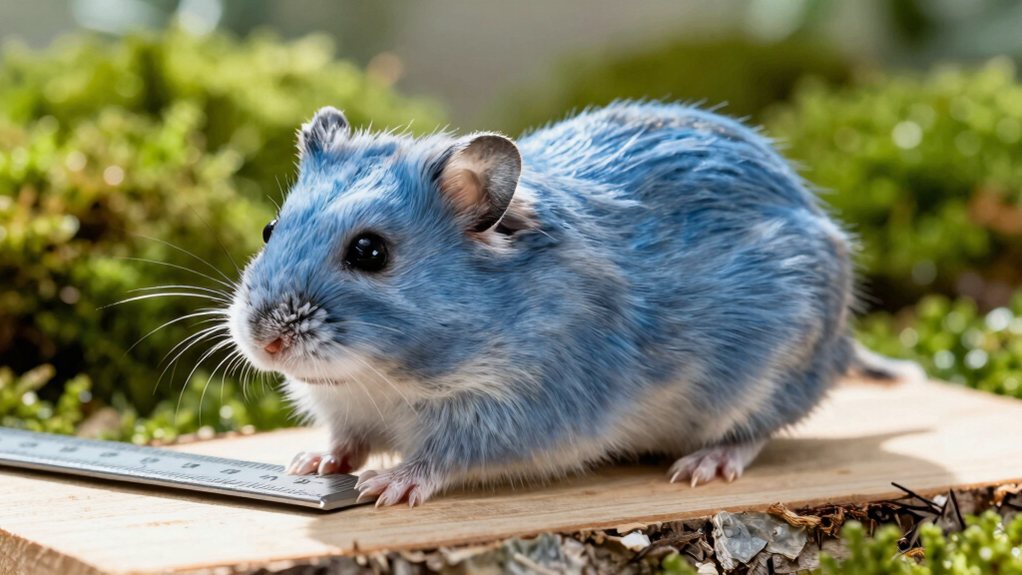
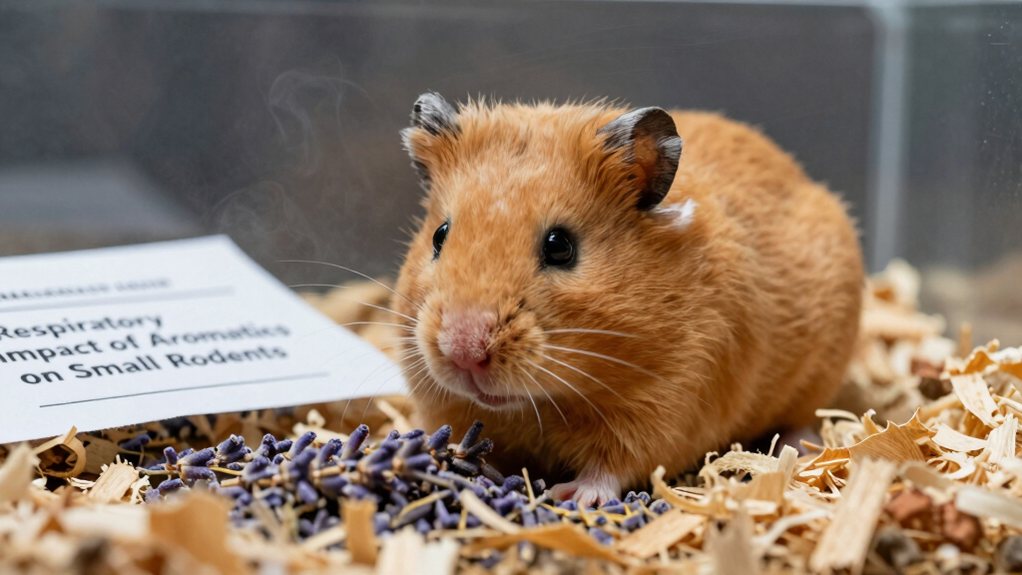
Your dwarf hamster will usually live 1.5 to 2 years, but with great care, some little dynamos hit 3 years. Genetics matter, but you’ve got more control than you think: think healthy meals, a roomy cage, and plenty of playtime.
Avoid sugary treats (yes, they’d beg for candy) and watch for warning signs like sluggishness or messiness. Keep things clean, calm, and fun, and you’ll give your tiny buddy the best shot at a long, happy life. There’s a lot more to keeping them thriving than you might guess.
How Long Do Dwarf Hamsters Usually Live?

On average, you can expect your tiny, whiskered buddy to be around for about 1.5 to 2 years, though some feisty little dwarfs surprise everyone and live closer to 3.
Most hamsters charm us for 1.5 to 2 years, but some spunky little dwarfs defy the odds and live happily up to 3.
Your hamster’s lifespan often depends on genetic predisposition, meaning some are just wired to last longer.
But good breeding practices play a big role too. Reputable breeders help guarantee healthier, hardier pups from the start.
You can’t control their genes, but you *can* give them a clean home, tasty food, and plenty of wheel time.
Think of it like giving your car regular tune-ups—it just runs better.
Sure, they’re small and their time with us is short, but every squeak and cheek-stuffing moment is pure joy.
They pack a lot of personality into a little body.

18-in-1 Comprehensive Value Pack: cater to all your small pet's daily needs with one curation; This18-piece cage accessories kit features 1 multi-room wooden maze house, 1 quiet 9.5-inch hamster wheel with an adjustable stand, 1 height-adjustable water bottle holder with a 4.2 oz bottle, and 15 diverse natural chew toys; Nice setup for hamsters, gerbils, mice, and other tiny pocket pets

Naturally Air-dried: Every sprig is hand-picked from whole plants and air-dried. Each stem is neatly trimmed, retaining its natural color and scent. Material: dried plant stems only. Suitable for pets to sniff and explore. Always supervise your pet during use. Store in a dry, dark place away from moisture, and handle gently as petals may shed if squeezed

🐹【Hamster Chewing Toy Set】Hamster chewing toy made of natural wood, durable apple branches as molar tools for your pets, timothy grass cake rich in dietary fiber promotes digestion, rolling seaweed balls, wooden seesaws and swings, and extra long play pipeline and various fun toys can keep your little pet healthy and happy.
Key Factors That Affect Dwarf Hamster Lifespan
While you can’t hand your dwarf hamster a golden ticket to a longer life, you’ve got more power than you think in helping them thrive. Your care choices directly shape their world.
A balanced diet, clean cage, and room to explore keep them healthy and happy.
Stress levels matter more than you’d guess. Loud noises, rough handling, or a cramped home can wear them down fast.
Think of it like this: would you want to live in a shoebox next to a drum set? Probably not.
Genetics play a role too. Their genetic predisposition can influence how long they live, but you’re not off the hook.
Even with great genes, poor care cuts lives short.
Best Diet for a Long-Living Dwarf Hamster
A solid diet is your golden ticket to helping your dwarf hamster live a long, happy life. Luckily, you don’t need a PhD in hamster nutrition to get it right.
Feed your tiny buddy a mix of high-quality hamster pellets, fresh veggies like carrots and broccoli, and the occasional treat of plain cooked egg or chicken.
Avoid sugary snacks—they can lead to health issues, especially since genetic predisposition already plays a role in their well-being.
A balanced diet also supports stress management, keeping your hamster calm and content.
Fresh water every day is non-negotiable.
And remember, overfeeding won’t make them love you more—just rounder.
Watch portion sizes to prevent obesity, which can shorten their lifespan.
You’ve got this! With good food, love, and a clean cage, your hamster’s days will be full of zoomies and cheek-pouch adventures.
A consistent daily feeding routine helps maintain your hamster’s rapid metabolism and supports long-term health.
Healthy Cage Setup for Maximum Lifespan

You’ll want to give your tiny buddy plenty of room to zoom around, aim for a cage that’s at least 24 inches long so he doesn’t feel cramped.
Use soft, safe bedding like paper-based material, and keep the whole setup in a spot that stays between 65–75°F, away from drafts or direct sunlight.
After all, even hamsters deserve a cozy, draft-free pad where they won’t sneeze their whiskers off!
To ensure stable conditions, monitor the environment closely with a reliable digital hygrometer thermometer that updates readings every 10 seconds or faster.
Spacious Cage Dimensions
When it comes to giving your pint-sized furball the best shot at a long, happy life, think big: way bigger than that cramped plastic palace you might’ve picked up on sale. A spacious cage isn’t merely room to roam. It’s key to great air quality and proper cage lighting, both of which keep your hamster healthy and stress-free.
- Minimum 24 x 12 inches floor space: bigger is always better
- Height matters less: dwarfs love horizontal space for zoomies
- Multiple levels with ramps: great for exercise, but keep them safe
- Good ventilation: stops stale air and boosts air quality
- Natural, indirect light: avoid direct sun; it messes with cage lighting balance
Your hamster’s not merely living in that cage. They’re thriving. Give them room to explore, breathe easy, and nap in peace. You’ve got this!
A cage with pull-out tray design simplifies cleaning and supports long-term hygiene, which is essential for maintaining a healthy environment.
Proper Bedding Materials
Let’s talk bedding, because your dwarf hamster’s cozy nest isn’t just cute, it’s a big deal for their health and how long they’ll be around to steal your heart. Choosing the right bedding means balancing bedding safety and material comfort. Skip the dusty, scented stuff—it can irritate their tiny lungs.
Instead, go for soft, absorbent options like paper-based or aspen shavings. Never use cedar or pine, they release harmful oils. Your hammy loves to burrow, so give them at least two inches to dig into.
A comfy nest means better sleep, less stress, and a longer, happier life. Think of it like picking the perfect pillow—except it’s for a furball who might stash snacks in it.
Check the bedding weekly for damp spots or odors. Fresh, clean bedding keeps your little buddy healthy and bouncing. You’ve got this, your hamster’s dream bed is just a smart choice away.
For optimal well-being, aim for a bedding depth of 6 to 8 inches to support natural burrowing behavior.
Optimal Temperature Control
Ever wonder why your dwarf hamster sometimes curls into a tight little ball even when it’s not nap time? It might be struggling with temperature regulation.
These tiny fluffballs need climate stability to thrive and live their fullest, cutest lives.
Keep their world just right with these simple tips:
- Keep the cage between 65°F and 75°F, no chilly drafts or sunny sauna spots
- Avoid placing the habitat near windows, heaters, or AC vents
- Use a thermometer to monitor daily, consistency is key
- If it’s cold, add extra bedding (but skip the heat lamps, they’re risky)
- Watch for shivering or sluggishness, it’s your cue to adjust
You’ve got this! A cozy, stable climate helps your little buddy stay active, happy, and healthy for years.
Think of it as creating a five-star hotel for a furball who hates surprises.
For accurate tracking, consider a digital hygrometer with high accuracy readings to monitor both temperature and humidity effectively.
Common Illnesses That Shorten Dwarf Hamster Life
While you might think your tiny furball is built like a tiny tank, dwarf hamsters are actually prone to several health issues that can cut their lives short if left unchecked.
You see, they often face genetic predispositions to diabetes and wet tail, especially if stressed.
Yep, even something as simple as a loud noise or a sudden change in routine can become a major stress trigger.
That’s why keeping their environment calm and consistent is key.
Watch for signs like lethargy, wetness around the tail, or excessive thirst. These could mean trouble.
Catching illness early makes a big difference.
Sure, they’re small, but their health needs big attention.
Think of yourself as their tiny superhero, minus the cape (unless you’re into that).
A little love, a steady routine, and prompt vet trips help your little buddy live a longer, happier life.
Wet tail is particularly dangerous and has a high mortality rate without immediate veterinary care.
Early Signs of Illness in Dwarf Hamsters
How do you know when something’s off with your dwarf hamster? You’re not alone—it’s tricky when they can’t tell you what’s wrong! But catching early signs of illness can make all the difference. Keep an eye out for these red flags:
- Wet tail: A smelly, wet rear end, this serious condition needs fast vet care.
- Lethargy: If your hamster’s napping more than a couch potato, it’s a concern.
- Loss of appetite: Skipping snacks? That’s not normal.
- Hunched posture: A curled-up stance often means discomfort.
- Dull, messy fur: Healthy hamsters are tidy; a scruffy coat hints at trouble.
You know your tiny buddy best. If something feels wrong, trust your gut. A quick trip to the vet could add months to their life.
Stay alert, stay calm, and remember—your care keeps them thriving!
A decline in activity and grooming may signal end-of-life signs in aging hamsters.
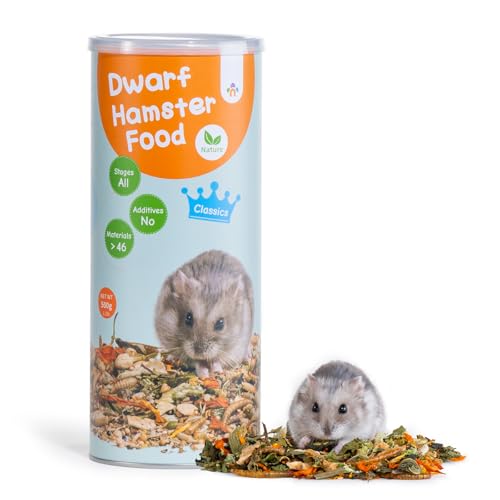
Specially Designed for Dwarf Hamsters: Niteangel Dwarf Hamster Food is thoughtfully crafted to suit the unique dietary preferences and smaller size of dwarf hamsters. This customized blend is designed to provide a wholesome, satisfying meal that supports their daily activity and keeps them content

ENHANCED BY NUTRITIONAL SCIENCE. The Kaytee Forti-Diet Pro Health Hamster & Gerbil Food is backed by the latest nutritional science to tailor a diet for your hamster or gerbil.
How Exercise Boosts Dwarf Hamster Longevity

When your dwarf hamster zips across the floor like it’s late for a very important date, that’s not merely cute—it’s crucial. Regular exercise helps your tiny buddy live longer and stay healthier, even if they’ve a genetic predisposition to certain conditions.
That burst of speed? It’s not just adorable—it’s vital. Exercise helps your dwarf hamster thrive, boosting longevity and health, even with genetic risks.
A good run on the wheel or a maze adventure boosts heart health, prevents obesity, and keeps their mind sharp. Think of it as their daily dose of joy and vitality.
Plus, pairing exercise with social interaction, like gentle playtime or talking to them, strengthens your bond and reduces stress for both of you.
You’re not merely entertaining a hamster, you’re building a happier, longer life together. So, keep that wheel spinning and the tunnels flowing. Your little furball mightn’t say “thanks,” but their energy—and lifespan—will show it.
For safe and engaging floor exercise, consider using a properly sized exercise ball that allows for secure, supervised exploration.
Enrichment Ideas That Extend Dwarf Hamster Life
You can keep your dwarf hamster sharp and happy by giving them fun toys and puzzles to explore, think of it as their version of game night.
Make sure they’re munching on a mix of fresh veggies, quality pellets, and the occasional treat, because a balanced diet keeps their tiny engine running strong.
A little playtime and good food go a long way in helping your little buddy live a longer, brighter life.
Providing safe and stimulating foraging toys helps satisfy natural behaviors and supports long-term mental and dental health.
Mental Stimulation Through Play
Ever wonder what’s going through your dwarf hamster’s tiny mind as it zips around its cage like a furry little racecar?
Keeping your little buddy mentally sharp isn’t just fun, it’s key to their health and happiness.
Cognitive enrichment and sensory engagement help prevent boredom and stress, which can shorten their lifespan.
Playtime isn’t just play, it’s brain fuel!
- Hide treats in toilet paper tubes for a snack-time scavenger hunt
- Set up a cardboard maze for curious explorers
- Rotate toys weekly to keep things fresh and exciting
- Let them dig in a safe, dust-free sand bath for sensory fun
- Use puzzle feeders to challenge their problem-solving skills
A stimulated hamster is a healthier, happier hamster, so get creative and have fun together!
Puzzle feeders that promote foraging and problem-solving can significantly enhance mental stimulation while encouraging natural behaviors.
Balanced Diet Essentials
While toys and tunnels keep their minds buzzing, it’s what you put in your dwarf hamster’s food bowl that truly fuels a long, lively life. A balanced diet isn’t just about avoiding picky eating, it’s about supporting dental health and preventing sneaky weight gain.
Hamsters love to munch, but overfeeding leads to trouble, so practice portion control: a tablespoon of quality pellet mix per day is plenty.
Toss in small amounts of fresh veggies like carrots or cucumber, but skip the iceberg lettuce. It’s basically hamster water!
Seeds are tasty treats, but too many can unbalance their nutrition.
Think of their diet like your own: variety, moderation, and the right nutrients go a long way.
And remember, chew time is health time. Hard foods help wear down their ever-growing teeth.
You’ve got this. Your tiny furball is counting on you to keep mealtimes smart, safe, and just a little bit fun.
How to Choose a Dwarf Hamster for a Longer Life
What if the secret to a longer-lived dwarf hamster starts long before the tiny paws hop into your home? Choosing wisely from the start sets the stage for a joyful, healthy life.
The secret to a longer-lived dwarf hamster? It begins long before those tiny paws enter your home—choose wisely, and set the stage for joy and health from day one.
Pay close attention to genetic lineage and breeding history. These matter more than you’d think!
A well-bred hamster from a responsible breeder often lives longer and has fewer health issues.
Here’s how to pick a great candidate:
- Look for bright, clean eyes and a shiny coat. Signs of good health.
- Check that the breeder openly shares the hamster’s breeding history.
- Avoid overly sleepy or sluggish pups. Energy is a good sign.
- Ask about the genetic lineage to dodge inherited problems.
- Pick one from a clean, calm environment. Stress affects lifespan.
Your future tiny buddy will thank you with endless cheeky charm!
10 Proven Tips to Maximize Dwarf Hamster Lifespan
How do some dwarf hamsters live nearly three years while others don’t make it past their first birthday? It often comes down to care and a few smart choices. Start by picking a hamster from breeders who practice genetic screening, this helps avoid hidden health issues.
A clean, roomy cage in a quiet spot cuts down on stress reduction, which is key. Nobody likes drama, not even tiny furballs.
Feed a balanced diet with fresh veggies and quality pellets, and skip the sugary treats. They’re like junk food for hamsters.
Let them run on a wheel daily. Exercise keeps their heart strong.
Clean the cage weekly, but leave some familiar bedding so they don’t freak out.
Talk gently and handle them softly. Your calm energy helps them feel safe.
With love, routine, and a little humor, yes, they judge your dance moves, your hamster can thrive. You’ve got this!
Final Thoughts
You’ve got the power to give your tiny buddy a long, happy life! With the right food, a cozy cage, and plenty of playtime, your dwarf hamster can thrive. Sure, they’re small, but their love is huge.
Watch for sneaky health issues, keep things fun with toys and tunnels, and pick a healthy hamster from the start. A little care goes a long way. Your furry pal’s got your heart, so let’s keep that little heart beating strong!

Safe Material: Made of food-grade silicone, safe, odourless, and non-toxic.

Ultra Soft and Durable: Made from high-quality silicone, our Taba Hamster Squishy provides a soft and satisfying squeezing experience. Handle with care to avoid damage.

【Exquisite Handcrafted Hamster Squishy Fun Box 】This taba squishy Hamster toys taba Squishy pack themed around “The Sweet Hamster Family", includes 2big taba squishy Hamster toys (Dad and Mom) +2 baby Hamster squishy toys, Each Hamster Taba squishy fidget toy comes with its own portable key chain pouch, including a premium squishy box, making it a beautifully Presented, Premium Toys for girls boys, If you are looking for squishy fun box birthday gifts for kids, Valentine's Day Gifts for Kids Adults, cute toys for girls boys , This taba Squishy Pack is a great pick!