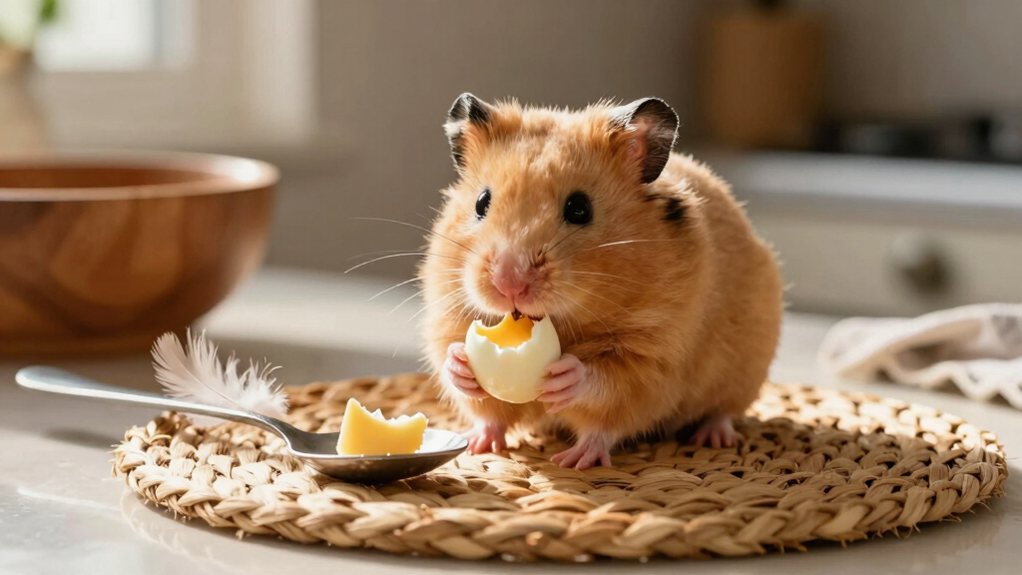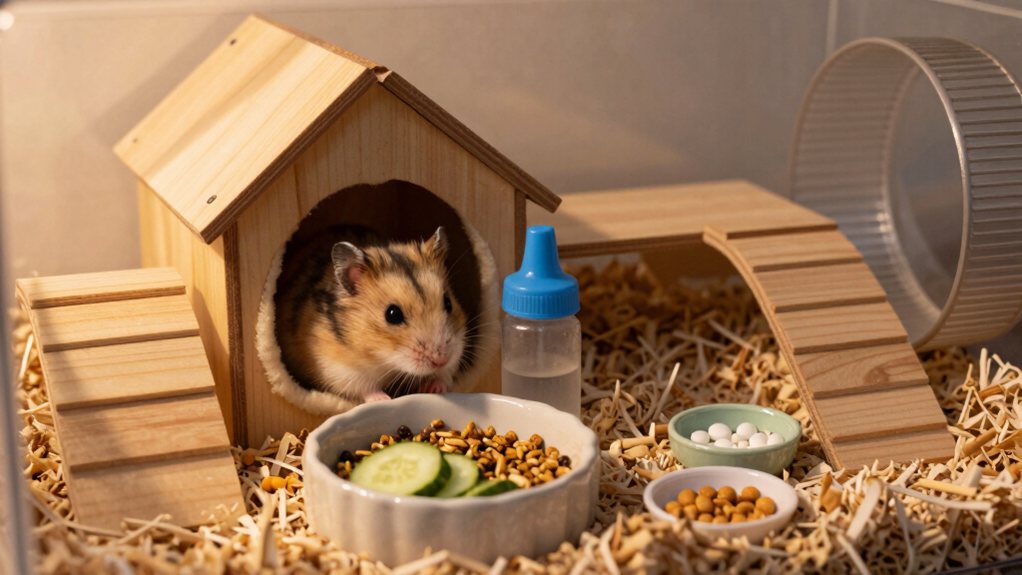
Your hamster’s golden years start around 18 months, so it’s time to tweak their setup. Swap tall cages for cozy, single-level spaces with soft bedding and easy-to-reach food and water.
Offer mashed veggies or crushed pellets if chewing gets tough, and keep water low or in a dish. Stick to calm routines, watch for slowed moves or dull fur, and schedule vet checkups every six months. Your little buddy’s still full of love, just needs a softer stage to shine on. You’re already doing great, and there’s a bit more that’ll help them thrive.
Know When Your Hamster Becomes a Senior
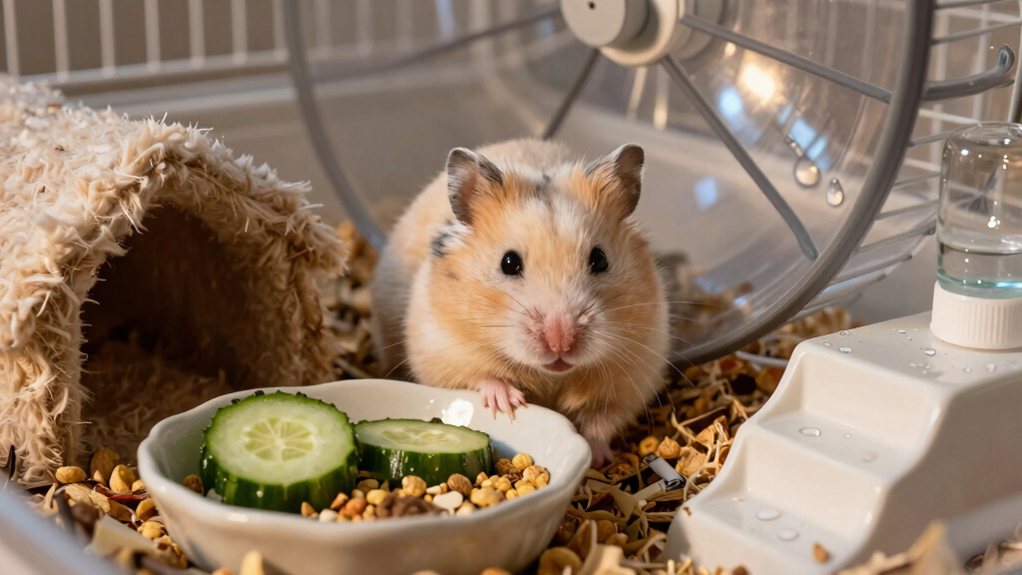
Most hamsters don’t live past two or three years, so it’s safe to say your furry little buddy starts entering seniorhood around the 18-month mark.
You might notice he’s not zooming through his wheel like he used to, or maybe he’s napping more in his favorite hideout. That’s totally normal!
Just like people, hamsters slow down with age, and their needs change.
Some may feel the effects earlier depending on genetic predispositions.
Certain breeds just age faster.
That’s why keeping an eye on behavior and energy levels is key.
Don’t forget that environmental enrichment still matters.
Even older hamsters enjoy a good cardboard tunnel or a gentle change in layout.
It keeps their mind sharp and spirits up.
Think of it as retirement with perks.
You’ve got this.
Your senior sidekick is counting on you!
Recognize Signs of Aging in Hamsters
You might notice your hamster isn’t zipping through the cage like they used to, slowed movement is a clear sign they’re settling into their golden years.
They may also start sleeping more, or flip their schedule and stay up later, which can be funny until you realize it’s part of aging.
Don’t worry, they’re still the same little goofball, just taking life a bit slower now.
Aging hamsters are also more susceptible to heart disease, the most common cause of death in older hamsters.
Slowed Movement Patterns
While your hamster might once have zipped through the tunnel system like a tiny, furry racecar, you might start noticing they take their time these days, and that’s perfectly okay. Slowed movement patterns are a normal part of aging, often linked to arthritis or reduced joint support.
You may see your pet hesitating before climbing or moving stiffly after a nap. These signs don’t mean they’re not enjoying life, just that they need a little extra care.
For arthritis management, talk to your vet about safe supplements or adjustments. Make sure their cage is easy to traverse, with low platforms and soft bedding.
Keep playtime gentle and cozy. Think of it as their golden years cruise, slower, but still full of charm.
With a few tweaks, your senior hamster can live comfortably, happily, and yes, even adorably, every single day.
Consider switching to a cage with a pull-out tray for easier cleaning and reduced handling stress.
Changes In Sleep Habits
Ever notice how your hamster used to burst into action the second the lights dimmed, only to now seem more like a sleepy retiree than a midnight marathoner?
As your little buddy ages, you might see nocturnal shifts. Maybe they’re up later or nap more during the night. That’s normal.
Senior hamsters often have changes in sleep habits, and it’s one of the quieter signs of aging.
Their rest quality isn’t always as deep or steady, so they might doze off more during active hours.
You might even catch them snoozing in odd spots, not merely their cozy nest.
Don’t worry—this doesn’t mean they’re unhappy, just settling into their golden years.
Keep their space quiet and comfy to support better sleep.
Think of it like giving them a soft blanket and a good book.
They’re still your pal, just trading midnight wheel runs for sweet, slow dreams.
Make the Cage Safer for Senior Hamsters
As your hamster ages, their once-quick hops across the cage might slow to a careful shuffle, and those daring climbs could become wobbly adventures better left behind.
To keep your senior buddy safe, simplify their space. Skip tall platforms and steep ramps that could lead to tumbles.
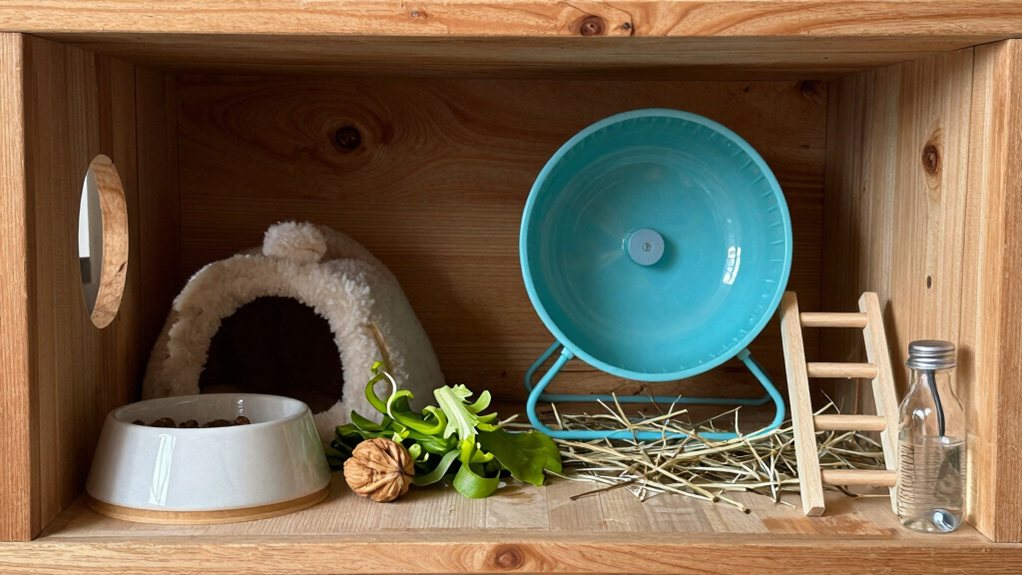
Swap out multi-level cages for a cozy, single-level setup with soft bedding they can snuggle into.
Make sure their home stays warm but not hot. Aim for steady temperature control, since older hamsters struggle with extremes.
Keep the cage in a quiet corner to support noise reduction. Loud sounds can stress them out.
Move food and water to ground level so they don’t have to stretch or climb.
You’re doing more than changing a cage. You’re giving your fuzzy friend peace, comfort, and fewer reasons to go “Oops!” every time they turn around.
A safe alternative for aging hamsters is using low-profile platforms made of untreated natural pine wood, which provide gentle elevation without the risk of falls.
Use Soft, Safe Bedding for Older Hamsters
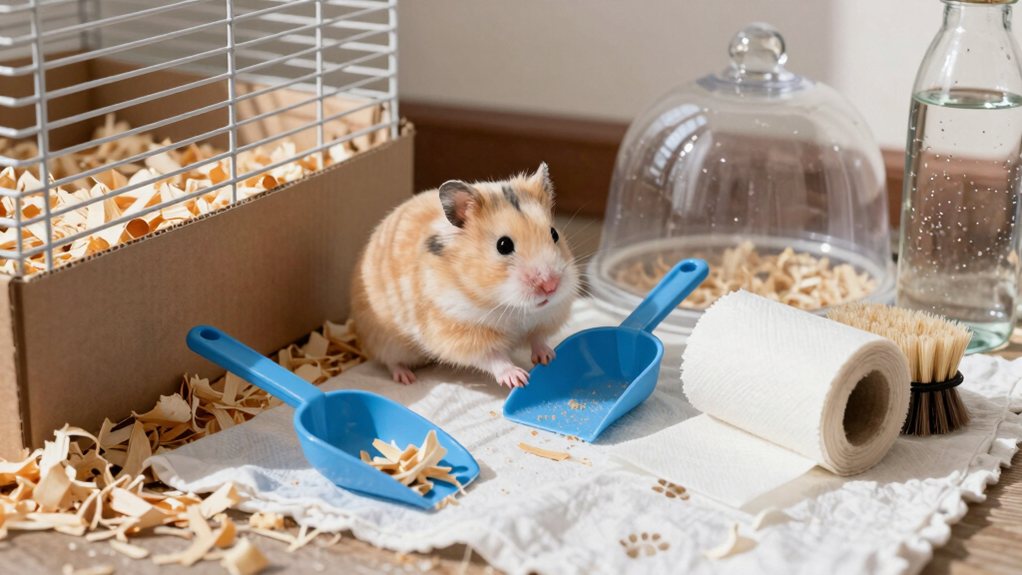
You’ll want to give your older hamster a cozy place to rest by choosing soft flooring options like shredded paper or fleece.
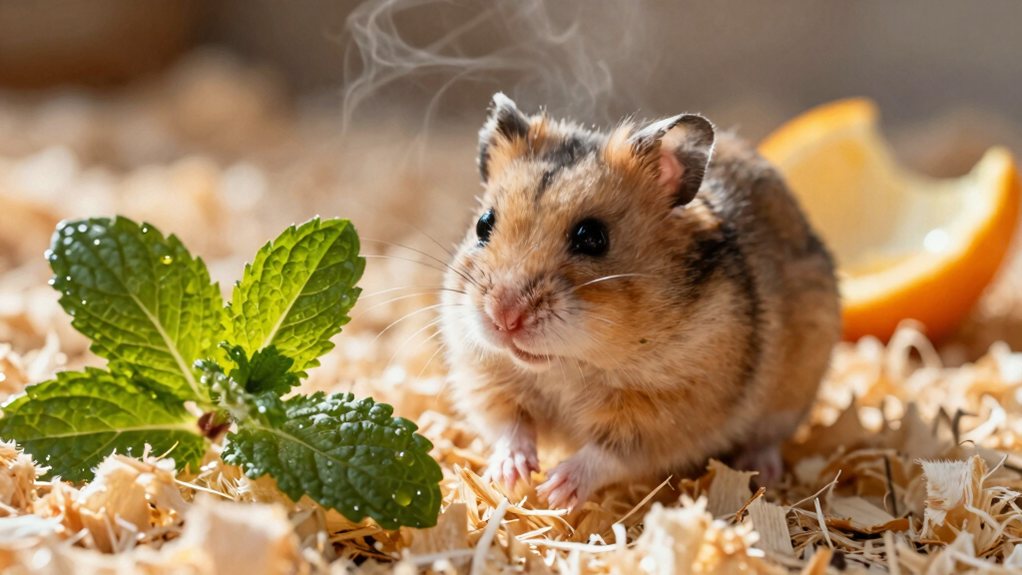
Skip the rough stuff, pine and cedar shavings can irritate their sensitive skin and lungs.
Stick with safe material choices like paper-based bedding.
Think of it as upgrading their bed to a little retirement suite, because even tiny seniors deserve comfort!
Paper-based bedding offers 99.9% dust-free comfort, which is especially important for senior hamsters with more fragile respiratory systems.
Soft Flooring Options
A cozy floor isn’t just a luxury for your senior hamster, it’s a must. As your little buddy slows down, their joints need extra care, and that starts from the ground up.
Ditch hard surfaces and go for soft flooring options like fleece liners or thick paper-based bedding. They’re gentle on sore paws.
Warm tiles can be a nice touch too, especially in cooler rooms, giving your hamster a toasty spot to nap. Just make sure they can’t get too hot.
If your cage has levels, swap out slick ramps for padded ramps to prevent slips and keep adventures safe.
Think of it as giving your hamster a plush carpet instead of a slippery tile floor. Because nobody wants to shuffle across a cold kitchen at midnight. Your senior furball will thank you with happy little yawns and maybe a cheeky stretch.
Choose materials that are dust-free and safe to support respiratory health and prevent irritation, especially important for aging hamsters with more sensitive systems.
Safe Material Choices
Let’s talk about what’s touching your senior hamster’s paws all day, because more than just any bedding cuts it when your little buddy’s got creaky joints and sensitive skin.
You want materials that are soft, safe, and free from toxic materials or sharp edges.
Think of it like picking comfy slippers for your aging sidekick, only cuter and furrier.
- Paper-based bedding is gentle and dust-free, perfect for sensitive sniffers
- Fleece liners offer warmth without irritating aging skin
- Unscented aspen shavings are safe, unlike cedar or pine, which can be toxic
- Avoid fluffy bedding—it can wrap around tiny limbs or be inhaled
- Check for sharp edges in toys or hideouts that could snag delicate fur
Your hamster’s golden years should be cozy, not risky.
Choose wisely, and they’ll thank you with sleepy, whisker-twitching contentment.
Exposure to aromatic compounds in bedding can lead to respiratory distress, so always opt for non-toxic substrates to protect your senior hamster’s sensitive lungs.
Feed Easy-to-Digest Foods for Senior Hamsters
Thinking about your senior hamster’s dinner menu? As your little buddy ages, their digestive health becomes more delicate, so choosing the right food texture matters.
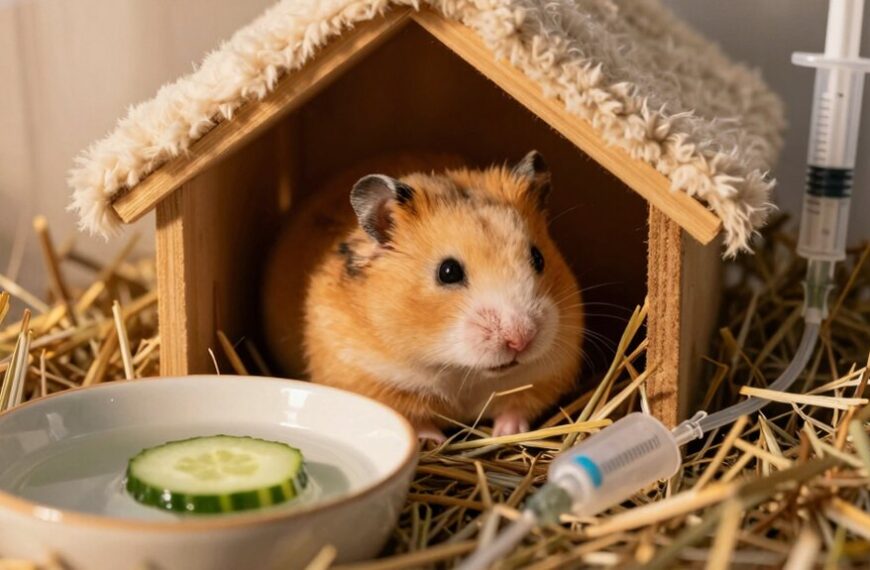
You’ll want to offer softer, easy-to-chew options that won’t strain their tiny jaws or upset their tummy. Think mashed veggies, cooked grains, or even baby food, just skip the onions and garlic!
Pellets are fine, but crush them a bit to make munching easier.
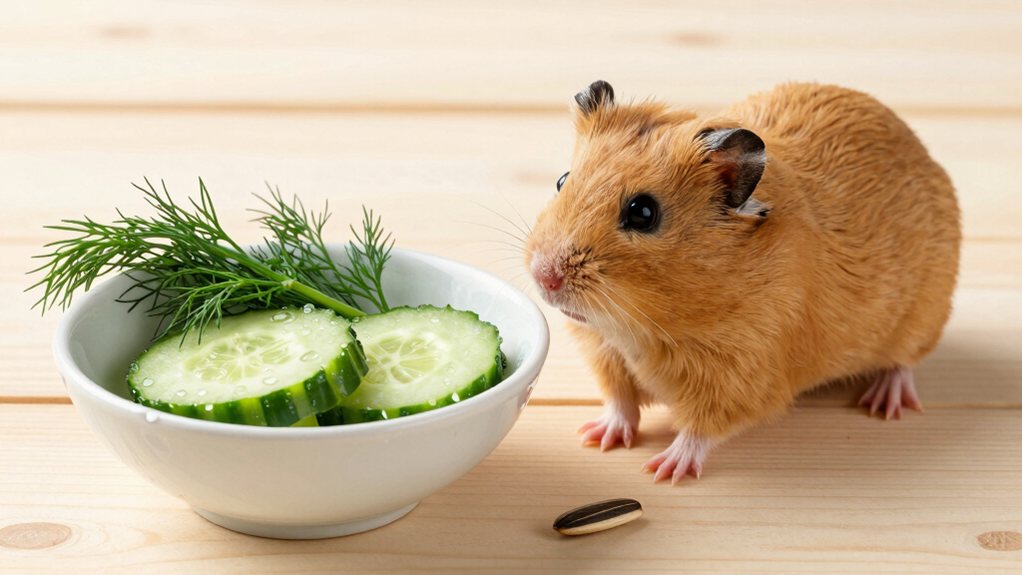
Fresh foods like cucumber or banana can be great, but go easy, too much sugar or water content can cause issues.
And always keep an eye on how they’re eating. If they’re dropping food or seem picky, it might be time to adjust.
Caring for your older hamster’s diet isn’t just smart, it’s a loving way to keep them comfy and full of energy, well, as much as a napping pro can have!
A consistent daily feeding routine supports digestive health due to the hamster’s rapid metabolism and helps maintain energy levels and overall well-being.
Keep Water Accessible for Older Hamsters
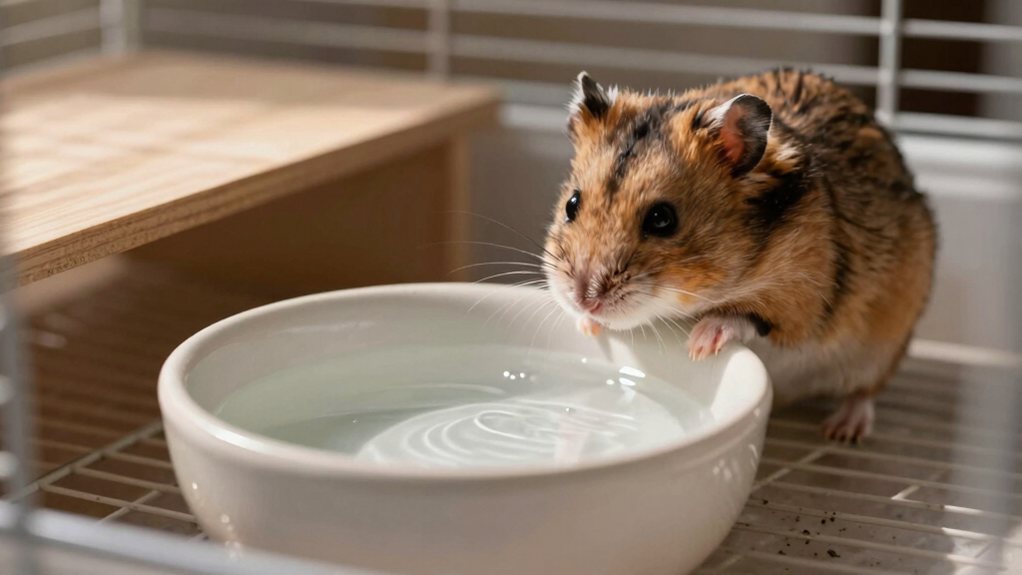
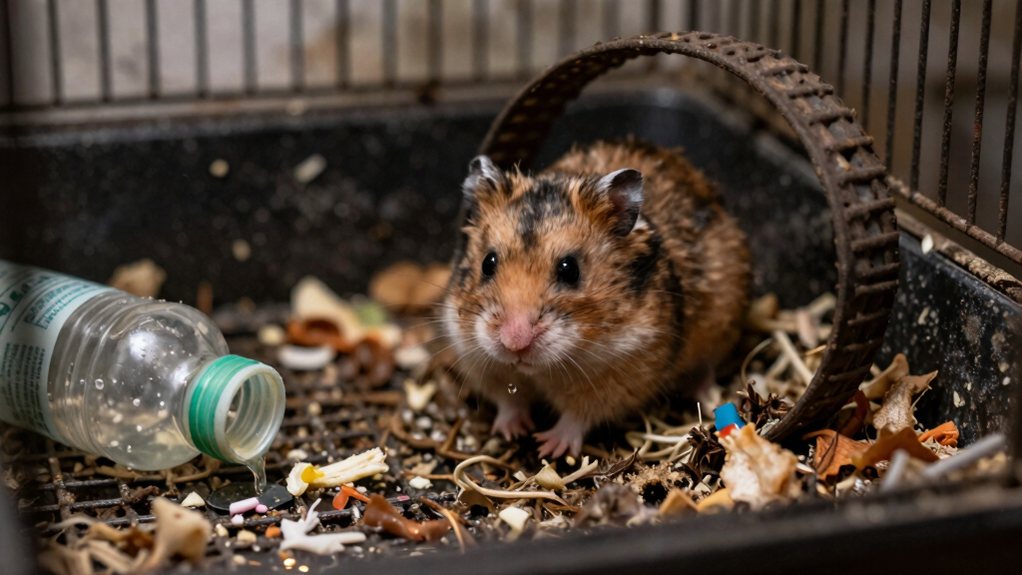
That water bottle might look fine at a glance, but for your older hamster, it could be a real workout just to take a sip.
As they slow down with age, even small obstacles can make hydration a challenge.
Keep water placement front and center, literally. Here’s how to help:
- Lower the water bottle so it’s at nose level, no stretching required
- Use a shallow dish as a backup, but clean it daily to avoid bacteria
- Check for clogs or leaks every day, older hamsters can’t afford delays
- Place water near their favorite nap spot to encourage sipping
- Practice hydration monitoring by noting how full the bottle is each morning
You’re doing more than adjusting a bottle.
You’re making life easier.
A well-hydrated hamster is a happy, healthy one.
And honestly, isn’t that what we all want for our little pals?
Consider switching to a model with an adjustable height mount to better accommodate aging mobility, such as those with magnetic holder or ceramic stand designs.
Keep a Calm Daily Routine for Senior Hamsters
While your senior hamster mightn’t be racing on their wheel like they used to, they still count on you to keep their world steady and stress-free. A calm daily routine makes a big difference.
Stick to feeding, cleaning, and check-in times as much as possible, hamsters love predictability, even if they can’t tell time.
Consistency is comfort—keep feeding, cleaning, and check-ins on schedule. Your hamster may not tell time, but they’ll feel the calm of a predictable day.
Keep their space a quiet environment, away from loud noises or sudden movements.
When you handle them, go slow and use gentle handling, their little bodies aren’t as bouncy as they once were.
Think of it like giving your grandpa a careful hug, same love, extra care.
A peaceful schedule helps reduce anxiety and keeps their golden years comfy.
Sure, they might nap more than party, but that’s okay.
You’re more than their owner, you’re their calm in the chaos.
And honestly, who couldn’t use a little more calm?
Providing mental stimulation through simple changes in their environment can help prevent stress-related behaviors, even in older age, as lack of enrichment may contribute to conditions like cage rage.
Check for Common Senior Health Problems Weekly
Since your senior hamster can’t exactly tell you when something’s off, it’s up to you to play a little detective each week.
Think of it as your weekly hamster wellness check-in.
A quick once-over can catch small issues before they become big problems.
Keep an eye out for these common senior health concerns:
- Dental wear: Overgrown teeth can make eating tough. Check for drooling or dropped food.
- Hearing loss: If your hamster doesn’t react to soft sounds, they might be going a bit deaf.
- Lethargy or less activity than usual.
- Weight loss or changes in appetite.
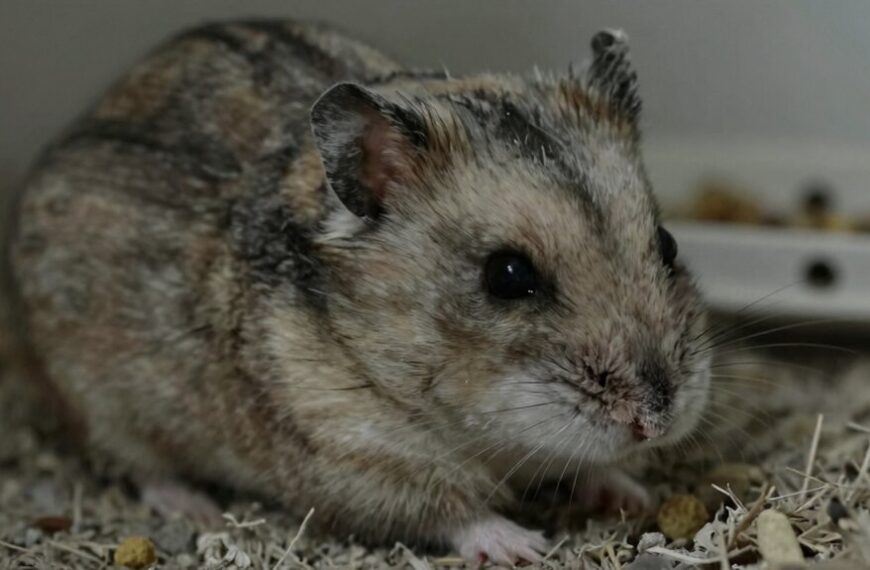
- Dull or patchy fur, which could signal skin issues or poor grooming.
You know your little buddy best.
Trust your gut.
A little weekly attention goes a long way in keeping your golden-aged pal happy, healthy, and full of tiny, wobbly charm.
Breathing changes such as labored inhalation can be a sign of serious respiratory distress in aging hamsters.
Schedule Senior-Specific Vet Checkups
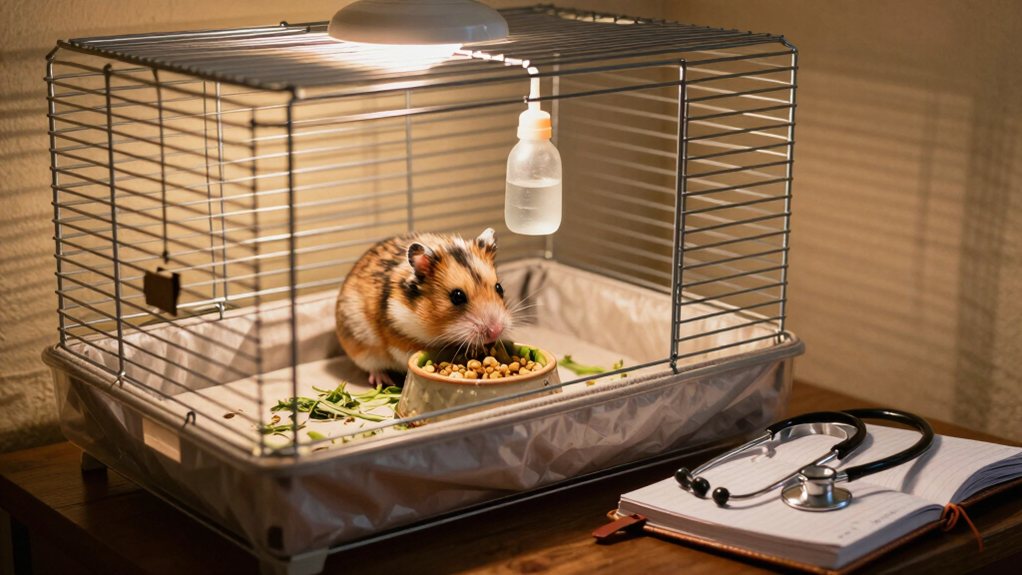
How often should you take your older hamster to the vet, once a year, twice, or more? For senior hamsters, we recommend checkups every six months. As they age, small issues can become big problems fast, so staying ahead is key.
For senior hamsters, biannual vet checkups are essential—small issues can escalate quickly, so staying ahead keeps your tiny friend healthy and happy.
These visits aren’t just quick hello’s—they focus on dental health, those teeth never stop growing, and weight monitoring, since sudden changes can signal trouble.
Think of it like a tune-up for your tiny buddy. You wouldn’t skip your car’s oil change, right? Same idea. Catching a wonky tooth or a slight weight drop early could save your hamster stress—and you a late-night panic.
Your vet might even give tips on making life cozier for your little elder. It’s a small effort for a big payoff, more happy, healthy moments together. And honestly, who doesn’t want more of those?
Final Thoughts
You’ve got this! Caring for your senior hamster isn’t rocket science, but it does take a little extra love and attention. Swap out tricky cage parts, soften their snacks, and keep things calm and cozy.
You’ll spot the little changes fast, because you’re paying attention. Good job! Weekly check-ins and vet visits help them stay happy longer.
Sure, they’re slowing down, but they’re still the same cheeky, adorable buddy you adore. Just now, they’re doing it in slow-mo.