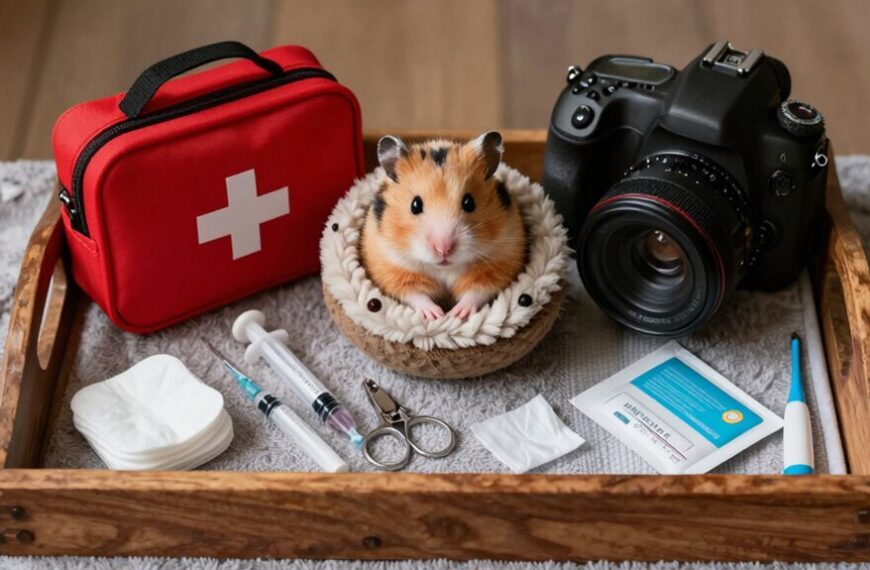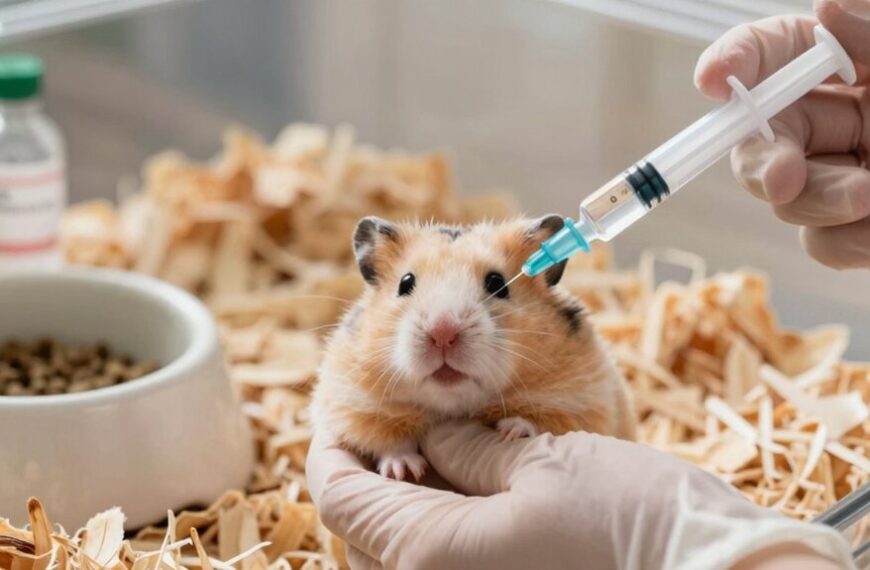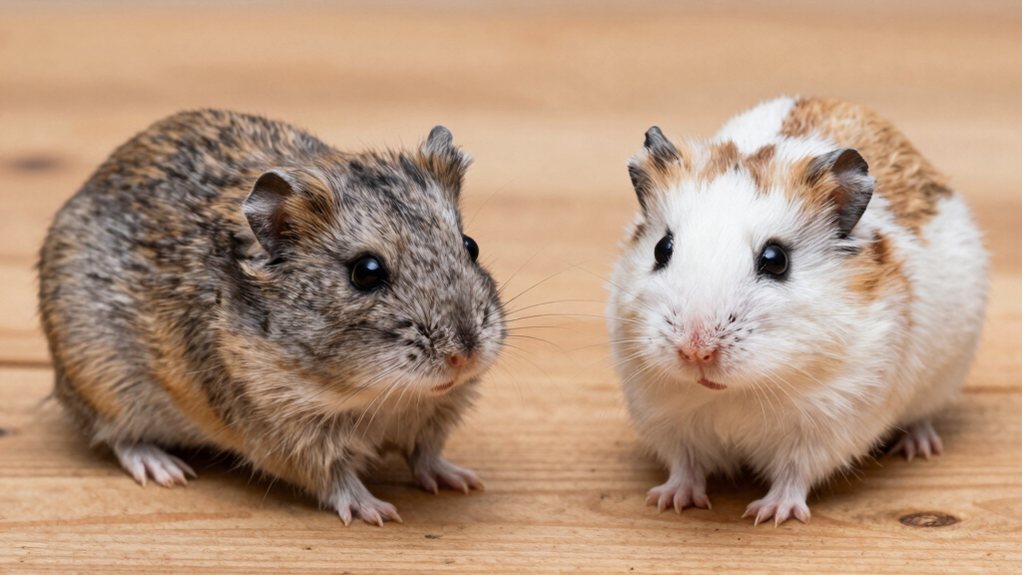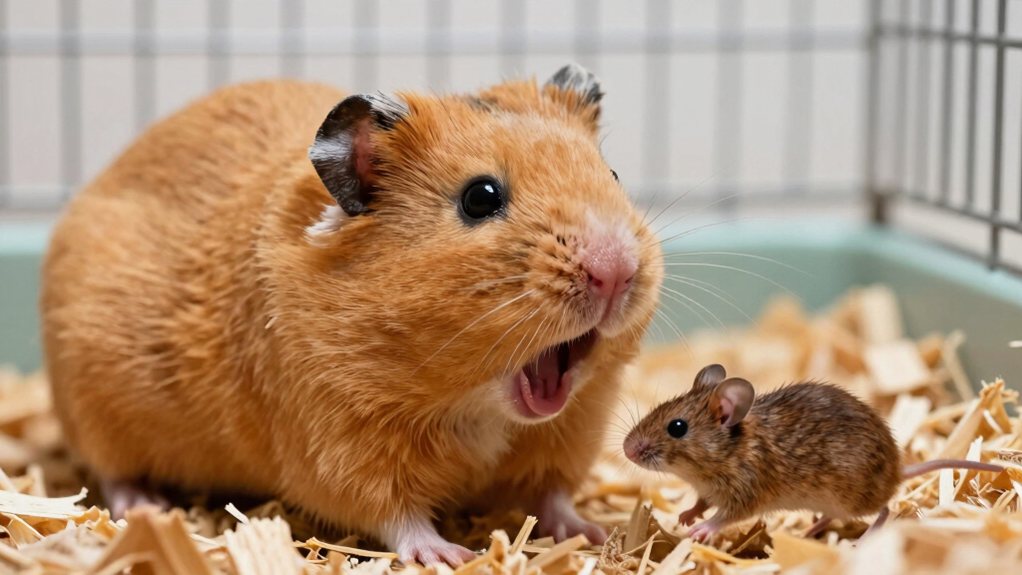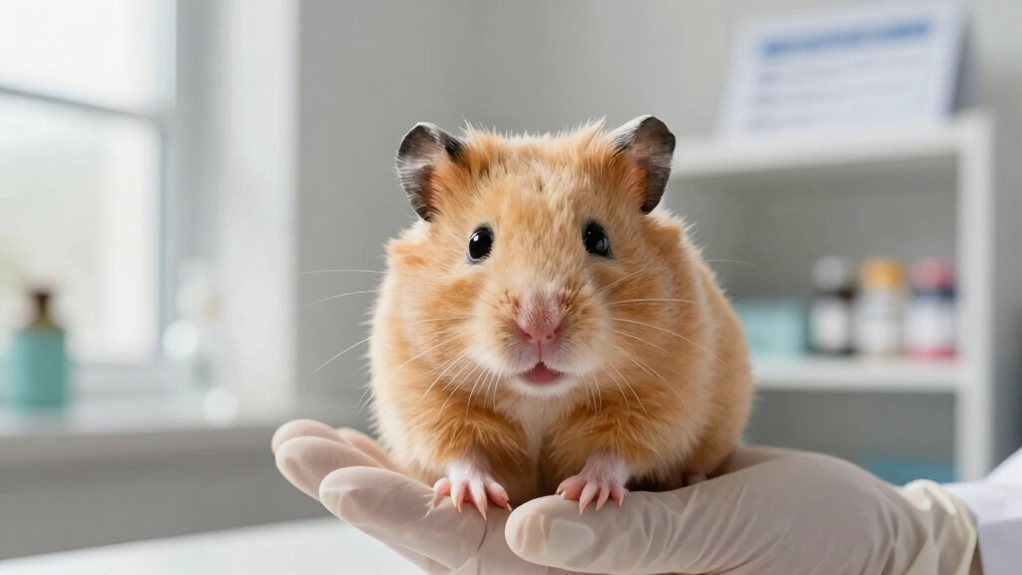
No, hamsters don’t need vaccinations. Those tiny cheeks are too busy storing snacks to make room for shots. While routine vet visits aren’t mandatory, a yearly wellness check can catch hidden problems early.
If your hamster sneezes, slows down, or skips meals, it’s time to call the vet. Clean bedding, good food, and a cozy cage go a long way. Spotting trouble early keeps your little buddy bouncing—and you both smiling. There’s more to keeping them happy than just treats and wheels.
Do Hamsters Need Vaccines?
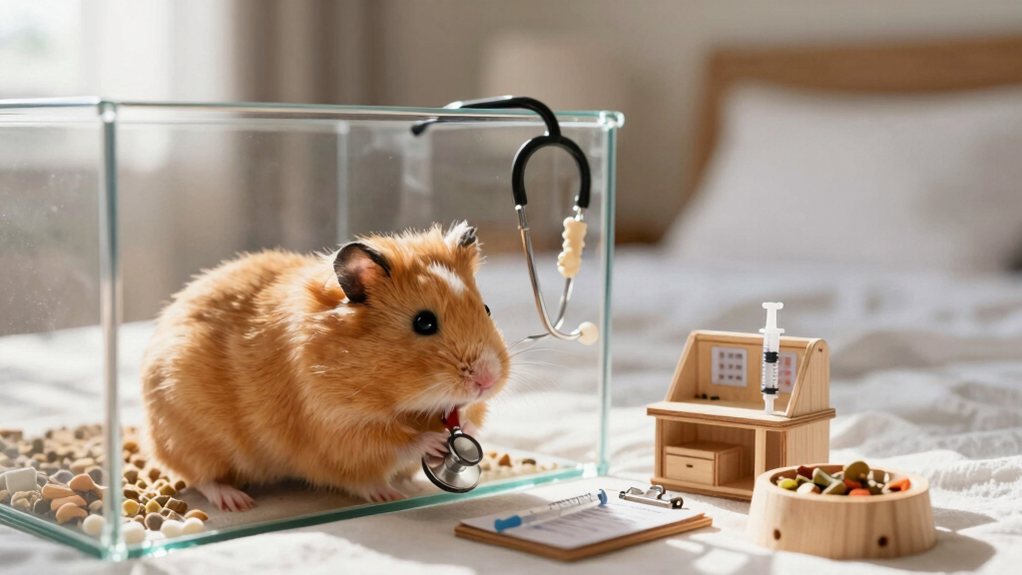
Ever wonder if your tiny furball needs a shot before snack time? Good news: hamsters don’t need vaccines! Unlike dogs or cats, these little cuties aren’t prone to diseases that require immunizations.
Good news: hamsters don’t need vaccines! Unlike dogs or cats, these tiny cuties aren’t prone to diseases that require shots—just love, fresh food, and a clean home.
That said, keeping your hamster healthy depends on other things, like a solid hamster diet and clean cage hygiene. Think fresh veggies, quality pellets, and the occasional treat. Yes, they love snacks.
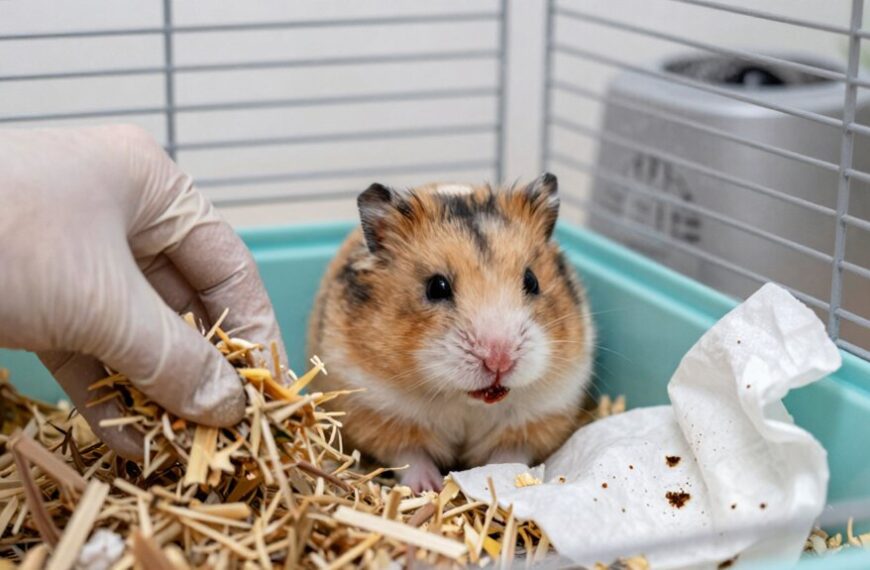
And don’t skip cleaning their cage weekly. No one likes a messy home, especially not your hamster. A clean space helps prevent bacteria and keeps your pet perky.
While you won’t be scheduling vaccine appointments, staying on top of their environment and food keeps them safe. So skip the vet trips for shots, but stay sharp with daily care.
Your hamster may not need a band-aid or a booster, but they sure need your love, and maybe a well-earned sunflower seed or two.
When Should You Take Your Hamster to the Vet?
If your hamster’s acting off, maybe not eating, sneezing, or looking extra sleepy, it’s time to call the vet, because little bodies can go downhill fast.
And if you find your furry Houdini stuck in a tube or take a bad tumble, don’t wait. Get help right away.
Better safe than sorry when it comes to your pint-sized pal!
Signs Of Illness
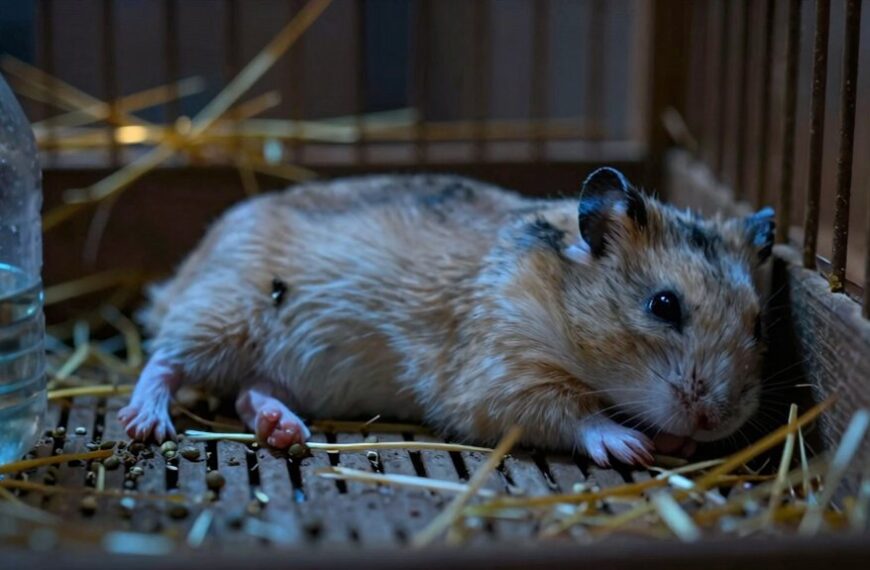
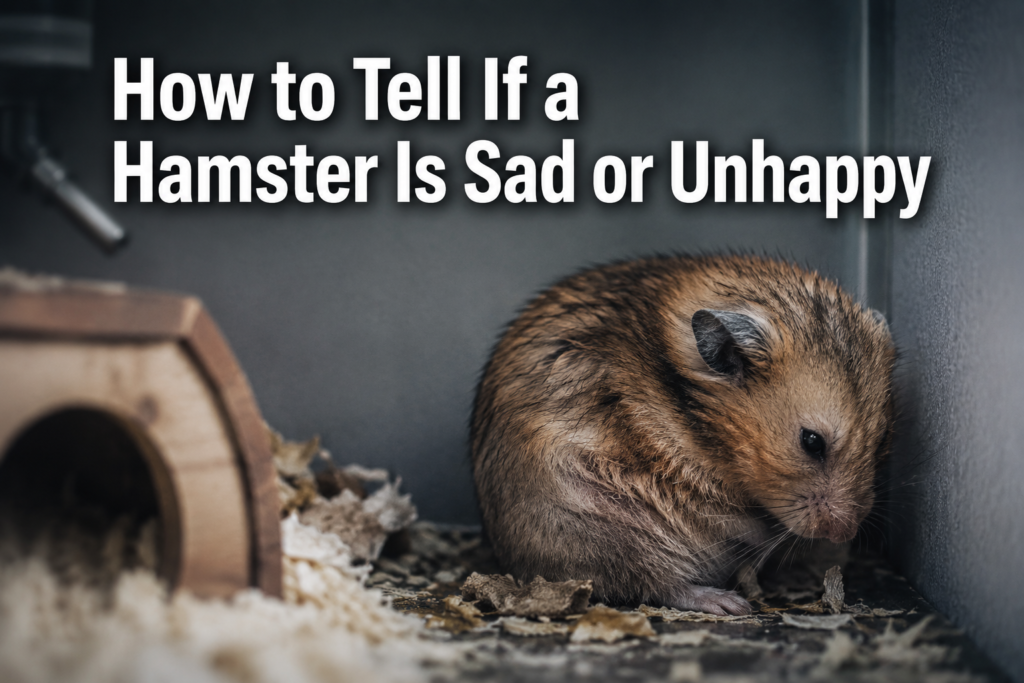
How do you know when your tiny furball isn’t just grumpy but actually under the weather? Keep an eye out for signs like lethargic behavior or poor appetite, these are red flags. Hamsters are pros at hiding illness, so subtle changes matter.
Lethargic behavior: If your usually active hamster is napping all day and ignoring their wheel, something’s up.
Poor appetite: Skipping meals or leaving favorite snacks untouched? That’s not normal.
Ruffled fur or sneezing: A messy coat or sniffles could mean infection or stress.
Don’t wait until they’re really sick. Act fast. A quick vet visit can save your little buddy from bigger trouble. You’re their hero, after all.
And hey, better safe than sorry when it comes to your pint-sized pal’s health!
After Injury Or Accident
What do you do when your hamster takes a nosedive off the top deck of their cage or vanishes only to reappear looking worse for wear? Stay calm, you’re their hero now. Check for bleeding, limping, or strange behavior. Even small injuries can turn serious fast.
If something seems off, skip the internet diagnosis and call your vet. Quick action means better accident recovery.
Keep your hamster warm, quiet, and stress-free during post injury care. No wheel running marathons just yet!
Offer water and a snack, but don’t force it. Some scrapes heal at home, but when in doubt, play it safe. Your tiny buddy counts on you to make the smart call.
A little love, plus expert help when needed, gets them back to cheek-pouching treats in no time. You’ve got this!
Hamsters often hide pain, so monitoring for subtle changes in behavior is crucial after a fall or accident. Signs of bone injuries can include limping, swelling, or reluctance to move normally.
What Are Common Hamster Illnesses and Symptoms?
If your hamster’s sneezing or breathing funny, it might be a sign of a respiratory infection, yes, even tiny lungs can catch a cold.
Watch out for wet tail, a serious issue that comes with diarrhea and lethargy.
Don’t ignore any strange lumps, since tumors can pop up like uninvited party guests.
Keep an eye on your little buddy, because catching these early can make all the difference.
Stress can also trigger serious health problems, including sudden death, especially when hamsters are exposed to poor breeding practices.
Respiratory Infections Signs
Ever wonder why your little hamster sounds a bit sniffly, like they’re trying to imitate a tiny squeaky toy? It might be more than just a cold nose. Respiratory infections are common and can get serious fast.
Watch for signs like wheezing coughing, labored breathing, or even sneezing fits that make you say, “Bless you, buddy!” These aren’t just cute quirks. They’re red flags.
- Your hamster’s breathing looks strained, like they’re running a marathon in their wheel nonstop
- You hear wheezing coughing or clicking noises with each breath—definitely not a new hamster lullaby
- They’re less active, hiding more, and maybe even have a runny nose
Don’t wait it out. These symptoms need a vet’s help fast.
Catch it early, and your little furball can bounce back to bedtime snack adventures in no time.
Wet Tail Symptoms
Why does your hamster suddenly seem under the weather, with a hunched back and a droopy tail that’s… well, a little too damp?
You might be dealing with wet tail, a serious bacterial infection common in young hamsters.
Wet tail causes include stress, poor hygiene, or a weak immune system, often from moving homes or overcrowding.
You’ll notice a messy, wet rear end, strong odor, lethargy, and maybe even diarrhea.
It hits fast and hard, so don’t wait.
Wet tail treatment needs quick vet action, usually antibiotics and fluids.
The good news? Caught early, many hamsters bounce back.
Keep their space clean, reduce stress, and watch closely.
Think of it like a tiny tummy tornado—nasty, but manageable with fast care.
Your little buddy’s counting on you, so act fast and stay calm.
You’ve got this!
Tumors And Lumps
While you’re cuddling your little furball and giving their usual sniff-and-scurry check, you might suddenly feel something odd, like a tiny bump where there shouldn’t be one.
Don’t panic, but do pay attention.
Tumor detection and lump monitoring are key parts of keeping your hamster healthy.
These little guys can develop growths, some harmless and others not.
- Check your hamster gently during playtime—early tumor detection makes a big difference.
- Note any changes in size, texture, or your pet’s behavior; that’s what lump monitoring is all about.
- If a lump looks red, feels warm, or your hamster seems off, call your vet—better safe than sorry.
You’ve got this.
A little vigilance goes a long way in keeping your tiny buddy bouncing happily around their cage.
How Can You Spot Early Signs of Hamster Sickness?
How do you know when your tiny furball isn’t quite bouncing like usual? Keep an eye out for behavior changes, like if your hamster stops zooming in their wheel or hides more than normal.
Watch for appetite fluctuations too; skipping meals or leaving favorite snacks untouched is a red flag.
Maybe they’re grooming less, moving slowly, or their fur looks dull. Sneezing, watery eyes, or labored breathing? Don’t brush it off. Even small shifts can signal something’s up.
You know your hamster best, so trust your gut when something feels off. Catching signs early can make a big difference in their recovery.
Think of yourself as their personal detective, minus the hat, but with all the heart. A quick vet trip now could save stress and vet bills later. Stay sharp, stay caring, and keep that little heartbeat thriving.
A new symptom to monitor closely is sudden weight loss, which can be an early indicator of serious health decline, especially when paired with other behavioral changes like reduced activity or poor grooming—this combination may point to end-of-life signs in aging hamsters.
Emergency vs. Routine: When to Worry About Your Hamster?
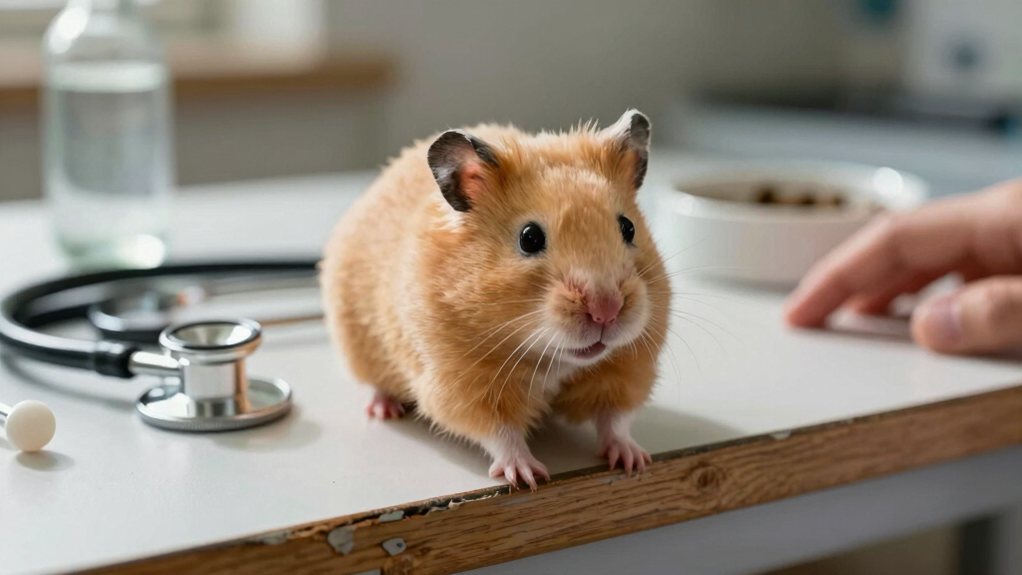
Ever wonder what counts as a true hamster emergency versus a “wait-and-see” moment? It’s easy to overreact when your tiny furball sneezes, but knowing the difference can save you stress and maybe even your pet’s life.
Keep an eye on your hamster’s nutrition balance and habitat setup, since poor diet or a dirty cage can mimic or cause real issues. Here’s when to act fast:
- Labored breathing or wheezing: This isn’t just a cold. It could be serious.
- Sudden lethargy or not eating: If your usually active buddy won’t budge, it’s vet time.
- Visible injuries or bleeding: Even small wounds need professional attention.
Routine checkups aren’t typical, but emergencies mean go now.
Trust your gut. If something feels off, it probably is. You’ve got this, pet parent!
How Often Should Hamsters See a Vet?
You’ve got a good handle on when to rush your little buddy to the vet, but what about regular checkups? Should you be scheduling those like clockwork too?
Honestly, hamsters don’t need yearly visits like dogs or cats. Most vets recommend a checkup only when you notice something off, sneezing, limping, or a messy cage that hints at health issues.
Still, a once-a-year wellness visit can catch sneaky problems early, especially since the average hamster lifespan is just 2–3 years. Think of it like a tune-up: not always urgent, but helpful.
Cage cleanliness plays a big role too. Dirty bedding can lead to infections, meaning more vet trips. So, keep things clean, watch their behavior, and when in doubt, call your vet.
Your tiny furball mightn’t need frequent visits, but a little prevention goes a long way.
What Happens During a Hamster Vet Visit?
What exactly goes on when your pint-sized pet hops into the vet’s office?
Don’t worry—you’re not merely sitting there awkwardly while your hamster judges you from his carrier.
The vet gives your little buddy a full check-up to keep him happy and healthy.
Here’s what typically happens:
- They check your hamster’s teeth and discuss dental care, because overgrown chompers can make eating a nightmare (and no, they don’t floss).
- You’ll get tips on nutritional counseling, so you’re not accidentally turning your hamster into a snack-obsessed couch potato.
- The vet examines eyes, ears, fur, and behavior to catch any sneaky health issues early.
It’s quick, low-stress, and super helpful.
Think of it like a spa day, with less cucumber water and more squeaks.
How Can You Prevent Hamster Health Problems?
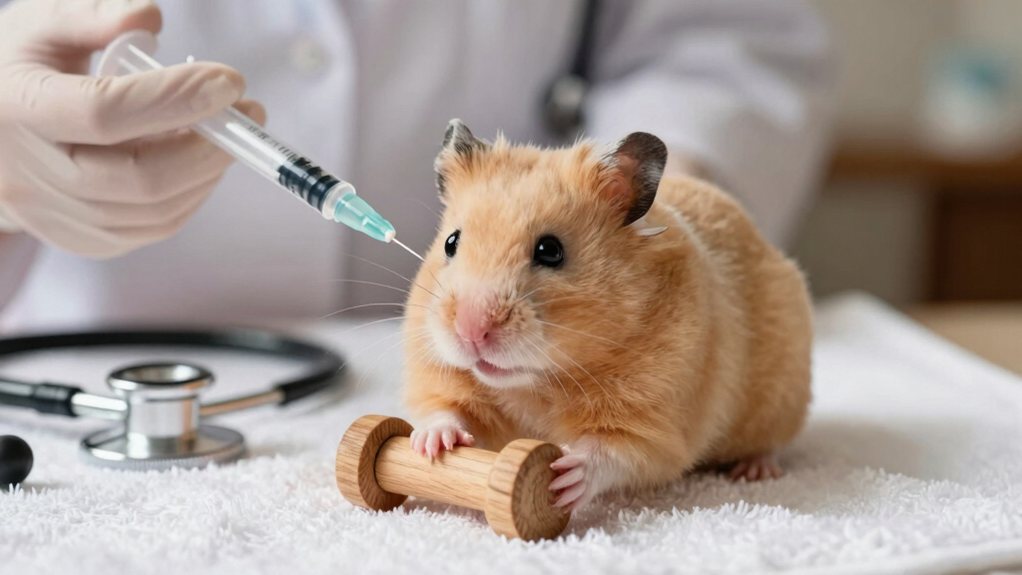
How do you keep your tiny furball bouncing through life like a plush little wind-up toy? Simple: a little love and smart habits go a long way.
Start with diet balance, feed your hamster quality pellets, fresh veggies, and just a sprinkle of treats. Too many snacks and they’ll start looking like a furry meatball!
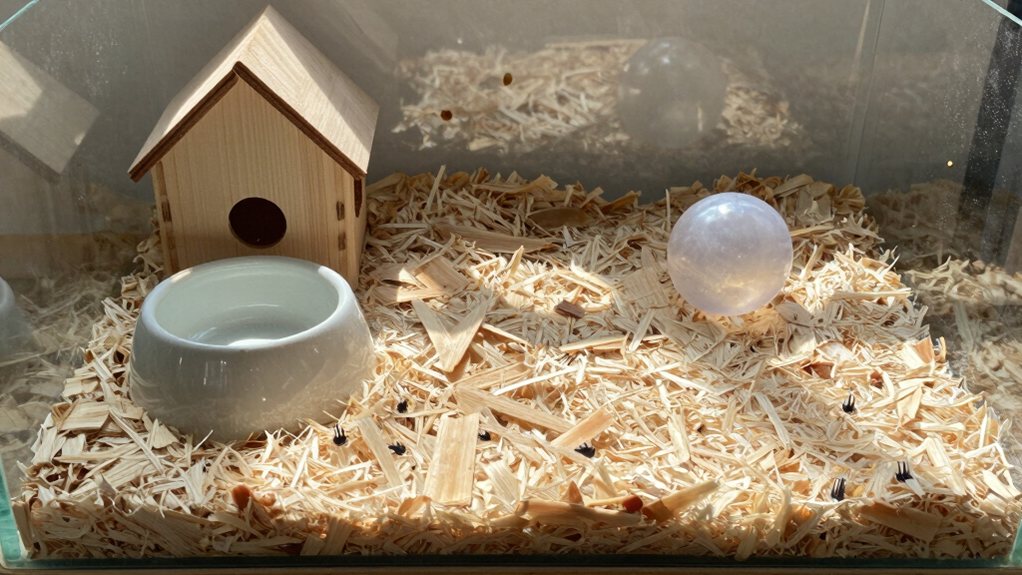
Cage hygiene is just as key. Scoop out soiled bedding weekly and do a full clean every month to keep yucky bacteria at bay.
A dirty cage isn’t just gross. It’s a one-way ticket to Sneezeville.
Also, make sure their home’s draft-free, cozy, and escape-proof.
Handle your hammy gently and watch for changes in eating or energy.
Catching little issues early means fewer vet trips later.
You’ve got this. Your tiny buddy’s counting on you to keep life happy, healthy, and full of wheel spins!
Exposure to ammonia buildup from unclean bedding can cause respiratory issues in both hamsters and humans.
Where Can You Find a Vet Who Treats Hamsters?
So, where do you turn when your pint-sized pal isn’t quite bouncing like usual? You’ll want to find a vet who actually knows hamsters—not just cats and dogs.
Luckily, more clinics now cater to small fuzzballs like yours. Here’s how to find the right fit:
Check exotic pet clinics near you. These places specialize in critters beyond the usual pets.
Ask local pet stores or hamster groups for tips. Other owners often know the best veterinary specialists.
Call ahead. Not all vets treat hamsters, so a quick chat saves a wild goose (or hamster) chase.
These pros get that a tiny sneeze can be a big deal. With the right care, your little buddy can bounce back fast. Because nobody wants a sad hamster on their conscience.
Final Thoughts
You don’t need to vaccinate your hamster, but that doesn’t mean vet care’s off the table. Keep an eye out for sneezing, limping, or grumpy behavior. Your tiny friend can’t tell you when they’re sick.
Routine checkups are not required, but a vet visit when something seems off makes all the difference. Find a vet who knows small pets, and you’ll both breathe easier. Well, maybe just you, but they’ll feel better too!